Alzheimer’s disease is an irreversible, progressive brain disorder that slowly destroys memory and thinking skills, and, eventually, the ability to carry out the simplest tasks. It is the most common cause of dementia among the senior population. African Americans are twice as likely and Hispanics are one and a half times as likely as the older White population to have Alzheimer’s disease and other dementias. Prevalence is higher among women compared to men; two-thirds of Americans with Alzheimer’s disease are women. There is no known cure, however, innovative research may provide hope for effective and novel treatment for this incapacitating disease.
The Alzheimer’s Disease and Related Dementias (ADRD) priority area contains three overarching goals with specific objectives developed for each goal. The goals for the ADRD priority area are:
Strengthen the capacity to address Alzheimer’s disease and related dementias.
Ensure a competent Alzheimer’s disease and related dementias workforce.
Enhance support for those living with Alzheimer’s disease and related dementias and their caregivers.
The Indicator Performance bar chart presents a detailed view of progress across this specific Priority Area, with individual bars divided into segments that show the proportion of indicators within the Priority Area.
SHIP Data Indicator Performance Icon Definitions
The following icons represent the status of each indicator compared against the SHIP target value for that indicator.
Indicator has MET the SHIP target value.
Indicator has NOT met the SHIP target, but the latest value is CLOSER TO the target value than the previous value.
Indicator has NOT met the SHIP target, but the latest value is NO DIFFERENT than the previous value.
Indicator has NOT met the SHIP target, but the latest value is FARTHER AWAY FROM the target value than the previous value.
Data is currently unavailable or is “Baseline Only” data.
Priority Area Objectives
Each of the sections below expand to present detailed supporting information, metrics, and graphs for each of the priority area objectives.
Objectives Summary
Priority Area
wdt_ID
wdt_created_by
wdt_created_at
wdt_last_edited_by
wdt_last_edited_at
Priority Area
Priority Area Name
Goal #
Goal
Obj #
Objective
Data Source Owner
Baseline
Current
SHIP 2022-2026 Target
Indicator Status
Indicator Perf
Indicator Performance
Data Collection Process
Frequency of Data Source Updates
Organization/Unit Responsible for Data Collection
Other Data Resources
Data as of
State Title
County Title
Visualizations Descriptions
Details
2881
rbalettie@isf.com
05/07/2026 03:00 PM
rbalettie@isf.com
05/07/2026 03:00 PM
ADRD
Alzheimer’s Disease and Related Dementias
Goal AD 1
Strengthen the capacity to address Alzheimer’s disease and related dementias.
AD1.1
By December 31, 2026, increase the number of identified partners that have distributed an approved and current Early Detection, Early Diagnosis concern and awareness campaign from 134 (2021) to 2,000.
Alzheimer's Association; and Florida Department of Elder Affairs (FDEA)
134 (2021)
5,039 (2023)
2,000
Met
Improved
Met
Data are collected and analyzed internally through the Alzheimer's Association and the Florida Department of Elder Affairs (FDEA)
Annually
Alzheimer's Association; and Florida Department of Elder Affairs (FDEA)
Awaiting data for this indicator.
Awaiting data for this indicator.
Awaiting data for this indicator.
Data charts and maps for this indicator will be generated once data have been received and/or updated.
2882
rbalettie@isf.com
05/07/2026 03:00 PM
rbalettie@isf.com
05/07/2026 03:00 PM
ADRD
Alzheimer’s Disease and Related Dementias
Goal AD 1
Strengthen the capacity to address Alzheimer’s disease and related dementias.
AD1.2
By December 31, 2026, increase the number of newly identified partners that can distribute an approved and current Early Detection, Early Diagnosis concern and awareness campaign or related dementias resources, information and toolkits from 714 (2021) to 6,000.
Alzheimer's Association; and Florida Department of Elder Affairs (FDEA)
714 (2021)
4,900 (2023)
6,000
Unmet
Improved
Improving
Data are collected and analyzed internally through the Alzheimer's Association and the Florida Department of Elder Affairs (FDEA)
Annually
Alzheimer's Association; and Florida Department of Elder Affairs (FDEA)
Awaiting data for this indicator.
Awaiting data for this indicator.
Awaiting data for this indicator.
Data charts and maps for this indicator will be generated once data have been received and/or updated.
2883
rbalettie@isf.com
05/07/2026 03:00 PM
rbalettie@isf.com
05/07/2026 03:00 PM
ADRD
Alzheimer’s Disease and Related Dementias
Goal AD 1
Strengthen the capacity to address Alzheimer’s disease and related dementias.
AD1.3
By December 31, 2026, increase the number of outreach and education opportunities throughout the state that share accurate, reliable and cohesive information regarding Early Detection/Early Diagnosis of Alzheimer’s disease and related dementias from 184 (2021) to 500.
Alzheimer's Association; and Florida Department of Elder Affairs (FDEA)
184 (2021)
3,568 (2023)
500
Met
Improved
Met
Data are collected and analyzed internally through the Alzheimer's Association and the Florida Department of Elder Affairs (FDEA)
Annually
Alzheimer's Association; and Florida Department of Elder Affairs (FDEA)
Awaiting data for this indicator.
Awaiting data for this indicator.
Awaiting data for this indicator.
Data charts and maps for this indicator will be generated once data have been received and/or updated.
2884
rbalettie@isf.com
05/07/2026 03:00 PM
rbalettie@isf.com
05/07/2026 03:00 PM
ADRD
Alzheimer’s Disease and Related Dementias
Goal AD 1
Strengthen the capacity to address Alzheimer’s disease and related dementias.
AD1.4
By December 31, 2026, increase the number of people reached at outreach and educational events from 33,000 (2021) to 60,000.
Alzheimer's Association; and Florida Department of Elder Affairs (FDEA)
33,000 (2021)
1,540 (2023)
60,000
Unmet
Worsened
Getting Worse
Data are collected and analyzed internally through the Alzheimer's Association and the Florida Department of Elder Affairs (FDEA)
Annually
Alzheimer's Association; and Florida Department of Elder Affairs (FDEA)
Awaiting data for this indicator.
Awaiting data for this indicator.
Awaiting data for this indicator.
Data charts and maps for this indicator will be generated once data have been received and/or updated.
2885
rbalettie@isf.com
05/07/2026 03:00 PM
rbalettie@isf.com
05/07/2026 03:00 PM
ADRD
Alzheimer’s Disease and Related Dementias
Goal AD 2
Ensure a competent Alzheimer’s disease and related dementias workforce.
AD2.1
By June 30, 2026, increase the percentage of long-term care providers and direct care staff who have taken the new 1-hour training requirement for Alzheimer’s and related dementias training, from 0% (2023) to 100%.
Florida Department of Elder Affairs (FDEA)
0% (2023)
No Data
100%
No Data
Data Unavailable
Data Unavailable
Data are collected and analyzed internally through the Alzheimer's Association and the Florida Department of Elder Affairs (FDEA)
Annually
Florida Department of Elder Affairs (FDEA)
Awaiting data for this indicator.
Awaiting data for this indicator.
Awaiting data for this indicator.
Data charts and maps for this indicator will be generated once data have been received and/or updated.
2886
rbalettie@isf.com
05/07/2026 03:00 PM
rbalettie@isf.com
05/07/2026 03:00 PM
ADRD
Alzheimer’s Disease and Related Dementias
Goal AD 2
Ensure a competent Alzheimer’s disease and related dementias workforce.
AD2.2
By December 31, 2026, increase the number of counties in Florida having at least 100 businesses per county that have received the Department of Elder Affairs Age and/or Dementia Friendly Business/ Employer training from their local Dementia Care and Cure Initiative task force from 1 (2022) to 67.
Florida Department of Elder Affairs (FDEA)
1 (2022)
No Data
67
No Data
Data Unavailable
Data Unavailable
Data are collected and analyzed internally through the Alzheimer's Association and the Florida Department of Elder Affairs (FDEA)
Annually
Florida Department of Elder Affairs (FDEA)
Awaiting data for this indicator.
Awaiting data for this indicator.
Awaiting data for this indicator.
Data charts and maps for this indicator will be generated once data have been received and/or updated.
2887
rbalettie@isf.com
05/07/2026 03:00 PM
rbalettie@isf.com
05/07/2026 03:00 PM
ADRD
Alzheimer’s Disease and Related Dementias
Goal AD 2
Ensure a competent Alzheimer’s disease and related dementias workforce.
AD2.3
By December 31, 2026, increase the number of providers and partners who are receiving education and/or training and clinical support resources on the essentials of a clear and concise care plan from 0 (2021) to 3,000.
Florida Department of Elder Affairs (FDEA)
0 (2021)
665 (2023)
3,000
Unmet
Improved
Improving
Data are collected and analyzed internally through the Alzheimer's Association and the Florida Department of Elder Affairs (FDEA)
Annually
Florida Department of Elder Affairs (FDEA)
Awaiting data for this indicator.
Awaiting data for this indicator.
Awaiting data for this indicator.
Data charts and maps for this indicator will be generated once data have been received and/or updated.
2888
rbalettie@isf.com
05/07/2026 03:00 PM
rbalettie@isf.com
05/07/2026 03:00 PM
ADRD
Alzheimer’s Disease and Related Dementias
Goal AD 3
Enhance support for those living with Alzheimer’s disease and related dementias and their caregivers.
AD3.1
By December 31, 2026, increase the number of public health campaigns discussing caregiver’s physical and mental health from 134 (2021) to 2,000.
Florida Department of Elder Affairs (FDEA)
134 (2021)
4,281 (2023)
2,000
Met
Improved
Met
Data are collected and analyzed internally through the Alzheimer's Association and the Florida Department of Elder Affairs (FDEA)
Annually
Florida Department of Elder Affairs (FDEA)
Awaiting data for this indicator.
Awaiting data for this indicator.
Awaiting data for this indicator.
Data charts and maps for this indicator will be generated once data have been received and/or updated.
2889
rbalettie@isf.com
05/07/2026 03:00 PM
rbalettie@isf.com
05/07/2026 03:00 PM
ADRD
Alzheimer’s Disease and Related Dementias
Goal AD 3
Enhance support for those living with Alzheimer’s disease and related dementias and their caregivers.
AD3.2
By December 31, 2026, increase the number of people participating in Alzheimer’s disease and related dementias support groups, counseling programs and education platforms available across Florida from 32,000 (2021) to 100,000.
Alzheimer’s Association
32,000 (2021)
6,376 (2023)
100,000
Unmet
Worsened
Getting Worse
Data are collected and analyzed internally through the Alzheimer's Association and the Florida Department of Elder Affairs (FDEA)
Annually
Alzheimer's Association
Awaiting data for this indicator.
Awaiting data for this indicator.
Awaiting data for this indicator.
Data charts and maps for this indicator will be generated once data have been received and/or updated.
2890
rbalettie@isf.com
05/07/2026 03:00 PM
rbalettie@isf.com
05/07/2026 03:00 PM
ADRD
Alzheimer’s Disease and Related Dementias
Goal AD 3
Enhance support for those living with Alzheimer’s disease and related dementias and their caregivers.
AD3.3
By December 31, 2026, increase the number of caregivers who utilize respite programs, including emergency respite, from 1,569 (2021) to 3,000.
Florida Department of Elder Affairs (FDEA)
1,569 (2021)
1,690 (2022)
3,000
Unmet
Improved
Improving
Data are collected and analyzed internally through the Alzheimer's Association and the Florida Department of Elder Affairs (FDEA).
Annually
Florida Department of Elder Affairs (FDEA)
Data as of December 2023
Number of Caregivers Who Utilize Respite Programs, Including Emergency Respite, Florida
Specific county-level data will be displayed when acquired.
The statewide data table displays the number of caregivers who utilize respite programs, including emergency respite in Florida by year.
2891
rbalettie@isf.com
05/07/2026 03:00 PM
rbalettie@isf.com
05/07/2026 03:00 PM
CD
Chronic Diseases and Conditions
Goal CD 1
Reduce new cases of cancer and cancer-related illness, disability and death.
CD1.1
By December 31, 2026, reduce the percentage of advanced stage lung cancer diagnoses from 63.7% (2018) to 57.4%.
University of Miami (UM) Florida Cancer Data System (FCDS)
63.7% (2018)
61.7% (2022)
57.4%
Unmet
Improved
Improving
Aggregated record level data collected and analyzed by the University of Miami (UM) Miller School of Medicine and
Florida Cancer Data System (FCDS).
Annually; latest data will be at least two calendar years older than the present year.
University of Miami (UM) Florida Cancer Data System (FCDS); and FDOH Division of Community Health Promotion, Bureau of Chronic Disease Prevention
Percentage of Lung Cancer Cases at Advanced Stage When Diagnosed, Florida
Percentage of Lung Cancer Cases at Advanced Stage When Diagnosed by Florida County
The statewide data table displays the percentage and counts of lung cancer cases diagnosed at an advanced stage in Florida by year. The county data maps display the percentage of lung cancer cases diagnosed at an advanced stage across all Florida counties. These maps highlight regional variations in diagnosis timing and provide a visual comparison of lung cancer trends at the county level.
2892
rbalettie@isf.com
05/07/2026 03:00 PM
rbalettie@isf.com
05/07/2026 03:00 PM
CD
Chronic Diseases and Conditions
Goal CD 1
Reduce new cases of cancer and cancer-related illness, disability and death.
CD1.2
By December 31, 2026, reduce the percentage of late-stage breast cancer diagnoses among Black women from 43% (2018) to 30%.
University of Miami (UM) Florida Cancer Data System (FCDS)
43% (2018)
38.9% (2022)
30%
Unmet
Improved
Improving
Aggregated record level data collected and analyzed by the University of Miami (UM) Miller School of Medicine,
Florida Cancer Data System (FCDS).
Annually; latest data will be at least two calendar years older than the present year.
University of Miami (UM) Florida Cancer Data System (FCDS); and FDOH Division of Community Health Promotion, Bureau of Chronic Disease Prevention
https://fcds.med.miami.edu/inc/publications.shtml
Data as of December 2022
Percentage of Late-Stage Breast Cancer Diagnoses Among Black Women, Florida
Specific county-level data will be displayed when acquired.
The statewide data table displays the percentage of late-stage breast cancer diagnoses among Black women in Florida by year.
2893
rbalettie@isf.com
05/07/2026 03:00 PM
rbalettie@isf.com
05/07/2026 03:00 PM
CD
Chronic Diseases and Conditions
Goal CD 1
Reduce new cases of cancer and cancer-related illness, disability and death.
CD1.3
By December 31, 2026, reduce the prostate cancer age-adjusted death rate among Black men from 31.6 per 100,000 population (2020) to 24.5 per 100,000 population.
Florida Department of Health (FDOH), Division of Public Health Statistics and Performance Management, Bureau of Vital Statistics
31.6 per 100,000 population (2020)
32.0 per 100,000 population
(2024)
24.5 per 100,000 population
Unmet
Worsened
Getting Worse
Data are collected and analyzed internally by the Florida Department of Health (FDOH). Data are uploaded to Florida Health CHARTS.
Annually
FDOH Division of Public Health Statistics and Performance Management, Bureau of Vital Statistics
Rate of Age-Adjusted Deaths from Prostate Cancer Among Black Men, Florida
Rate of Age-Adjusted Deaths from Prostate Cancer Among Black Men by Florida County
The statewide data table displays the age-adjusted rates and counts of deaths from prostate cancer among Black men in Florida by year. The county data maps display the age-adjusted death rates (per 100,000 population) from prostate cancer among Black men across all Florida counties. These maps highlight regional variations in age-adjusted death rates and provide a visual comparison of prostate cancer deaths among Black men at the county level.
2894
rbalettie@isf.com
05/07/2026 03:00 PM
rbalettie@isf.com
05/07/2026 03:00 PM
CD
Chronic Diseases and Conditions
Goal CD 1
Reduce new cases of cancer and cancer-related illness, disability and death.
CD1.4
By December 31, 2026, increase the percentage of Floridians aged 45 to 75 years who have fully met the United States Preventive Services Task Force recommendation for colorectal cancer screening from 70.4% (2018) to 80%.
Florida Department of Health (FDOH), Division of Community Health Promotion, Behavioral Risk Factor Surveillance System (BRFSS)
70.4%
(2018)
75.7%
(2020)
80%
Unmet
Improved
Improving
Data are collected through monthly telephone interviews, and the Florida Department of Health (FDOH) regularly monitors interviews to maintain and ensure data quality. At the completion of the interviewing cycle each month, the survey company sends the data to the Centers for Disease Control and Prevention (CDC). At the end of the year, the CDC aggregates monthly data for the entire year. The FDOH typically receives the annual dataset from the CDC in early fall following the survey administration year.
Annually
FDOH Division of Community Health Promotion, Bureau of Chronic Disease Prevention
Percentage of Floridians Aged 45 to 75 Years Who Have Fully Met the United States Preventive Services Task Force Recommendation for Colorectal Cancer Screening, Florida
Specific county-level data will be displayed when acquired.
The statewide data table displays the percentage (and percentage ranges) of adults aged 45 to 75 years who have fully met the United States Preventive Services Task Force recommendation for colorectal cancer screening in Florida by year. The 2018 baseline is based on a recommended screening age of 50 to 75 years. The trend projection is calculated using the 2018 baseline data value for this indicator. Historical data are not used to calculate the trend projection for this indicator.
2895
rbalettie@isf.com
05/07/2026 03:00 PM
rbalettie@isf.com
05/07/2026 03:00 PM
CD
Chronic Diseases and Conditions
Goal CD 2
Improve cardiovascular health by reducing new cases, disability and death from heart disease, stroke and other related illness.
CD2.1
By December 31, 2026, increase the percentage of Floridians enrolled in hypertension self-management programs from 24% (2021) to 84%.
Florida Department of Health (FDOH), Florida Heart Health Plus Program
26.5% (2021)
24.5%
(2024)
84%
Unmet
Worsened
Getting Worse
Internally captured by the Florida Department of Health (FDOH); data available by request.
Annually
FDOH Division of Community Health Promotion, Bureau of Chronic Disease Prevention
Data as of June 2024
Percentage of Floridians Enrolled in Hypertension Self Management Programs, Florida
Specific county-level data will be displayed when acquired.
The statewide data table displays the percentage of adults who have been enrolled in hypertension self management programs in Florida by year.
2896
rbalettie@isf.com
05/07/2026 03:00 PM
rbalettie@isf.com
05/07/2026 03:00 PM
CD
Chronic Diseases and Conditions
Goal CD 2
Improve cardiovascular health by reducing new cases, disability and death from heart disease, stroke and other related illness.
CD2.2
By December 31, 2026, increase the percentage of stroke patients receiving thrombolytic treatment within 45 minutes of arrival to a Florida stroke hospital from 76.1% (2020) to 85%.
University of Miami (UM) Florida Stroke Registry
76.1% (2020)
79%
(2023)
85%
Unmet
Improved
Improving
Data are collected and analyzed internally by the University of Miami (UM) Florida Stroke Registry.
Percentage of Stroke Patients Receiving Thrombolytic Treatment Within 45 Minutes of Arrival to a Florida Stroke Hospital, Florida
Specific county-level data will be displayed when acquired.
The statewide data table displays the percentage of stroke patients receiving thrombolytic treatment within 45 minutes of arrival to a Florida stroke hospital by year.
2897
rbalettie@isf.com
05/07/2026 03:00 PM
rbalettie@isf.com
05/07/2026 03:00 PM
CD
Chronic Diseases and Conditions
Goal CD 2
Improve cardiovascular health by reducing new cases, disability and death from heart disease, stroke and other related illness.
CD2.3
By December 31, 2026, increase the percentage of stroke patients arriving to a stroke center by Emergency Medical Services (EMS) from 60.7% in (2021) to 65%.
University of Miami (UM) Florida Stroke Registry
60.7% (2021)
59% (2023)
65%
Unmet
Worsened
Getting Worse
Data are collected and analyzed internally by the University of Miami (UM) Florida Stroke Registry.
Rate of Age-Adjusted Deaths from Heart Disease, Florida
Rate of Age-Adjusted Deaths from Heart Disease by Florida County
The statewide data table displays the age-adjusted rates and counts of deaths from heart disease in Florida by year. The county data maps display the age-adjusted death rates (per 100,000 population) from heart disease across all Florida counties. These maps highlight regional variations in age-adjusted death rates and provide a visual comparison of heart disease deaths at the county level.
2899
rbalettie@isf.com
05/07/2026 03:00 PM
rbalettie@isf.com
05/07/2026 03:00 PM
CD
Chronic Diseases and Conditions
Goal CD 3
Increase palliative care access and use.
CD3.1
By December 31, 2026, increase the number of palliative care board certified physicians, advanced practice registered nurses and registered nurses from 1,110 (2019) to 1,665.
National Hospital Survey
1,110 (2019)
No Data
1,665
No Data
Data Unavailable
Data Unavailable
Data are collected and analyzed by the Centers for Disease Control and Prevention (CDC).
Unknown
FDOH Division of Community Health Promotion, Bureau of Chronic Disease Prevention
https://www.cdc.gov/nchs/nhcs/index.htm
Awaiting data for this indicator.
Awaiting data for this indicator.
Awaiting data for this indicator.
Data charts and maps for this indicator will be generated once data have been received and/or updated.
2900
rbalettie@isf.com
05/07/2026 03:00 PM
rbalettie@isf.com
05/07/2026 03:00 PM
CD
Chronic Diseases and Conditions
Goal CD 4
Reduce the burden of diabetes and improve quality of life for all who have or are at risk for diabetes.
CD4.1
By December 31, 2026, increase number of Centers for Disease Control and Prevention recognized National Diabetes Prevention Programs from 88 (2022) to 100.
Centers for Disease Control and Prevention (CDC) – Diabetes Prevention Recognition Program State Level Evaluation Report
88 (2022)
54 (2025)
100
Unmet
Worsened
Getting Worse
External Report of the Centers for Disease Control and Prevention (CDC) Diabetes Prevention Recognition Program State-Level Evaluation Report.
Annually
FDOH Division of Community Health Promotion, Bureau of Chronic Disease Prevention
Number of Centers for Disease Control and Prevention (CDC) Recognized National Diabetes Prevention Programs, Florida
Specific county-level data will be displayed when acquired.
The statewide data table displays the number of CDC-recognized National Diabetes Prevention Programs in Florida by year.
2901
rbalettie@isf.com
05/07/2026 03:00 PM
rbalettie@isf.com
05/07/2026 03:00 PM
CD
Chronic Diseases and Conditions
Goal CD 4
Reduce the burden of diabetes and improve quality of life for all who have or are at risk for diabetes.
CD4.2
By December 31, 2026, reduce the rate of hospitalizations from diabetes and its complications from 2,160 per 100,000 population (2020) to less than 2,000 per 100,000 population.
Florida Agency for Health Care Administration (AHCA)
2,160 per 100,000 population (2020)
2,363.3 per 100,000 population (2024)
< 2,000 per 100,000 population
Unmet
Worsened
Getting Worse
Aggregated record level data provided from the Florida Agency for Health Care Administration (AHCA) through a data use agreement with the FDOH. The data are uploaded to Florida Health CHARTS.
Annually
FDOH Division of Community Health Promotion, Bureau of Chronic Disease Prevention
Rate of Age-Adjusted Hospitalizations from Diabetes and Its Complications, Florida
Rate of Age-Adjusted Hospitalizations from Diabetes and Its Complications by Florida County
The statewide data table displays the age-adjusted rates and counts of hospitalizations from diabetes and its complications in Florida by year. The county data maps display the age-adjusted rates (per 100,000 population) of hospitalizations from diabetes and its complications across all Florida counties. These maps highlight regional variations in age-adjusted hospitalization rates and provide a visual comparison of diabetes and diabetes-related hospitalizations at the county level.
2902
rbalettie@isf.com
05/07/2026 03:00 PM
rbalettie@isf.com
05/07/2026 03:00 PM
CD
Chronic Diseases and Conditions
Goal CD 5
Improve respiratory health.
CD5.1
By December 31, 2026, increase the percentage of smokers with quit attempts in the last 12 months from 54.7% (2020) to 63%.
Florida Department of Health (FDOH), Division of Community Health Promotion, Behavioral Risk Factor Surveillance System (BRFSS)
54.7% (2020)
50.8% (2024)
63%
Unmet
Worsened
Getting Worse
Data are collected through monthly telephone interviews, and the Florida Department of Health (FDOH) regularly monitors interviews to maintain and ensure data quality. At the completion of the interviewing cycle each month, the survey company sends the data to the Centers for Disease Control and Prevention (CDC). At the end of the year, the CDC aggregates monthly data for the entire year. The FDOH usually receives the annual dataset from the CDC in early fall following the survey administration year.
Annually
FDOH Division of Public Health Statistics and Performance Management,
Bureau of Public Health Research
Percentage of Adult Current Smokers With Quit Attempts in the Past 12 Months, Florida
Percentage of Adult Current Smokers With Quit Attempts in the Past 12 Months by Florida County
The statewide data table displays the percentage of adult current smokers who attempted to quit smoking at least once in the past 12 months in Florida by year. The county data map displays the percentage of adult current smokers who attempted to quit at least once in the past 12 months across all Florida counties. These maps provide a visual comparison of the percentage of adult smokers with quit attempts in the past year at the county level. In Florida, the Behavioral Risk Factor Surveillance System (BRFSS) survey data is collected at the state level each year and it is collected at the county level every three years.
2903
rbalettie@isf.com
05/07/2026 03:00 PM
rbalettie@isf.com
05/07/2026 03:00 PM
CD
Chronic Diseases and Conditions
Goal CD 5
Improve respiratory health.
CD5.2
By December 31, 2026, reduce the number of childhood asthma-related emergency room visits from 38,808 (2019) to 25,704.
Florida Agency for Health Care Administration (AHCA)
38,808 (2019)
34,645 (2024)
25,704
Unmet
Worsened
Getting Worse
Aggregated record level data provided from the Florida Agency for Health Care Administration (AHCA) through a data use agreement with the Florida Department of Health (FDOH). The data is uploaded to Florida Health CHARTS.
Annually
FDOH Division of Community Health Promotion, Bureau of Chronic Disease Prevention
Number of Childhood Asthma-Related Emergency Room Visits, Florida
Number of Childhood Asthma-Related Emergency Room Visits by Florida County
The statewide data table displays the numbers and rates of asthma-related emergency room visits among children aged 0 to 17 years in Florida by year. The county data maps display the numbers of childhood asthma-related emergency room visits across all Florida counties. These maps provide a visual comparison of the number of asthma-related emergency room visits among children at the county level.
2904
rbalettie@isf.com
05/07/2026 03:00 PM
rbalettie@isf.com
05/07/2026 03:00 PM
CD
Chronic Diseases and Conditions
Goal CD 5
Improve respiratory health.
CD5.3
By December 31, 2026, increase the annual number of homes measured for radon from 14,222 (2021) to 22,026 homes.
Florida Department of Health (FDOH), Radon Program
14,222 (2021)
15,700
(2023)
22,026
Unmet
Improved
Improving
Internal Report of the Florida Department of Health (FDOH) Radon Program.
Annual Number of Homes Measured for Radon, Florida
Annual Number of Homes Measured for Radon by Florida County
The statewide data table displays the number of homes measured for radon in Florida by year. The county data maps display the annual number of homes measured for radon across all Florida counties. These maps provide a visual comparison of the number of homes annually measured for radon at the county level.
2905
rbalettie@isf.com
05/07/2026 03:00 PM
rbalettie@isf.com
05/07/2026 03:00 PM
CD
Chronic Diseases and Conditions
Goal CD 6
Promote the attainment and maintenance of health through health nutrition, physical activity and supportive lifestyle behaviors.
CD6.1
By December 31, 2026, increase the percentage of adults aged 18 years and older who consume at least five servings of fruits and vegetables each day from 14.9% (2019) to 20%.
Florida Department of Health (FDOH), Division of Community Health Promotion, Behavioral Risk Factor Surveillance System (BRFSS)
14.9% (2021)
No Data
20%
No Data
Data Unavailable
Data Unavailable
Data are collected through monthly telephone interviews, and the Florida Department of Health (FDOH) regularly monitors interviews to maintain and ensure data quality. At the completion of the interviewing cycle each month, the survey company sends the data to the Centers for Disease Control and Prevention (CDC). At the end of the year, the CDC aggregates monthly data for the entire year. The FDOH usually receives the annual dataset from the CDC in early fall following the survey administration year.
Annually
FDOH Division of Public Health Statistics and Performance Management,
Bureau of Public Health Research
Percentage of Adults Aged 18 Years and Older Who Consume At Least Five Servings of Fruits and Vegetables Each Day, Florida
Specific county-level data will be displayed when acquired.
The statewide data table displays the percentage (and percentage ranges) of adults aged 18 years and older who reported consuming at least five servings of fruits and vegetables each day in Florida by year. In Florida, the Behavioral Risk Factor Surveillance System (BRFSS) survey data is collected at the state level each year and it is collected at the county level every three years.
2906
rbalettie@isf.com
05/07/2026 03:00 PM
rbalettie@isf.com
05/07/2026 03:00 PM
CD
Chronic Diseases and Conditions
Goal CD 6
Promote the attainment and maintenance of health through health nutrition, physical activity and supportive lifestyle behaviors.
CD6.2
By December 31, 2026, increase the percentage of adults aged 18 years and older who do voluntary physical activity in the past month from 73% (2020) to 78%.
Florida Department of Health (FDOH), Division of Community Health Promotion, Behavioral Risk Factor Surveillance System (BRFSS)
73.2% (2020)
74.6% (2023)
78%
Unmet
Improved
Improving
Data are collected through monthly telephone interviews, and the Florida Department of Health (FDOH) regularly monitors interviews to maintain and ensure data quality. At the completion of the interviewing cycle each month, the survey company sends the data to the Centers for Disease Control and Prevention (CDC). At the end of the year, the CDC aggregates monthly data for the entire year. The FDOH usually receives the annual dataset from the CDC in early fall following the survey administration year.
Annually
FDOH Division of Public Health Statistics and Performance Management,
Bureau of Public Health Research
Percentage of Adults Aged 18 Years and Older Who Did Voluntary Physical Activity in the Past Month, Florida
Percentage of Adults Aged 18 Years and Older Who Did Voluntary Physical Activity in the Past Month by Florida County
The statewide data table displays the percentage (and percentage ranges) of adults aged 18 years and older who performed voluntary physical activity in the past month in Florida by year. The county data map displays the percentage of adults who performed voluntary physical activity in the past month across all Florida counties. This map provides a visual comparison of the percentage of adults engaging in voluntary physical activity in the past month at the county level. In Florida, the Behavioral Risk Factor Surveillance System (BRFSS) survey data is collected at the state level each year and it is collected at the county level every three years.
2907
rbalettie@isf.com
05/07/2026 03:00 PM
rbalettie@isf.com
05/07/2026 03:00 PM
CD
Chronic Diseases and Conditions
Goal CD 7
Increase access to, and utilization of, oral health care to reduce the burden and disparities of oral diseases and its impact on overall health among all Floridians.
CD7.1
By December 31, 2026, reduce untreated tooth decay among children aged one to 17 years from 12.5% (2020) to 10.63%.
National Survey of Children’s Health
12.5% (2020)
12.1% (2023)
10.63%
Unmet
Improved
Improving
Manual extraction of the data from the National Survey of Children's Health Data Query System.
Annually
FDOH Division of Community Health Promotion, Bureau of Family Health Services
https://www.childhealthdata.org/browse/survey
Data as of June 2022
Percentage of Untreated Tooth Decay Among Children Aged 1 to 17 Years, Florida
Specific county-level data will be displayed when acquired.
The statewide data table displays the percentage of untreated tooth decay among children aged 1 to 17 years in Florida by year. The 2021-2022 and future survey estimates from the National Survey of Children's Health are not comparable to prior survey's estimates and should not be used for data trending.
2908
rbalettie@isf.com
05/07/2026 03:00 PM
rbalettie@isf.com
05/07/2026 03:00 PM
CD
Chronic Diseases and Conditions
Goal CD 7
This Objective is currently under review.
CD7.2
This Objective is currently under review.
This Objective is currently under review.
TBD
TBD
TBD
TBD
TBD
TBD
This Objective is currently under review.
This Objective is currently under review.
This Objective is currently under review.
TBD
This Objective is currently under review.
This Objective is currently under review.
This Objective is currently under review.
This Objective is currently under review.
2909
rbalettie@isf.com
05/07/2026 03:00 PM
rbalettie@isf.com
05/07/2026 03:00 PM
CD
Chronic Diseases and Conditions
Goal CD 7
Increase access to, and utilization of, oral health care to reduce the burden and disparities of oral diseases and its impact on overall health among all Floridians.
CD7.3
By December 31, 2026, increase dental visits among adults aged 18 years and older from 61.2% (2020) to 67.3%.
Florida Department of Health (FDOH), Division of Community Health Promotion, Behavioral Risk Factor Surveillance System (BRFSS)
61.2% (2020)
63.6%
(2024)
67.3%
Unmet
Improved
Improving
Data are collected through monthly telephone interviews, and the Florida Department of Health (FDOH) regularly monitors interviews to maintain and ensure data quality. At the completion of the interviewing cycle each month, the survey company sends the data to the Centers for Disease Control and Prevention (CDC). At the end of the year, the CDC aggregates monthly data for the entire year. The FDOH usually receives the annual dataset from the CDC in early fall following the survey administration year.
Annually
FDOH Division of Public Health Statistics and Performance Management,
Bureau of Public Health Research; and FDOH Division of Community Health Promotion, Bureau of Family Health Services
Percentage of Adults Aged 18 Years and Older Who Had a Dental Visit in the Past Year, Florida
Specific county-level data will be displayed when acquired.
The statewide data table displays the percentage of adults aged 18 years and older who visited a dentist or dental clinic in the past year in Florida by year. In Florida, the Behavioral Risk Factor Surveillance System (BRFSS) survey data is collected at the state level each year and it is collected at the county level every three years.
2910
rbalettie@isf.com
05/07/2026 03:00 PM
rbalettie@isf.com
05/07/2026 03:00 PM
CD
Chronic Diseases and Conditions
Goal CD 7
Increase access to, and utilization of, oral health care to reduce the burden and disparities of oral diseases and its impact on overall health among all Floridians.
CD7.4
By December 31, 2026, decrease the rate of preventable emergency room visits due to dental conditions among people under age 65 years from 678.7* per 100,000 (2018-2020) to 644.8 per 100,000. *This is a three-year rolling rate.
Florida Agency for Health Care Administration (AHCA)
678.7* per 100,000 (2018-2020)
625.3 per 100,000 (2022-2024)
644.8 per 100,000
Met
Improved
Met
Aggregated record level data provided from the Florida Agency for Health Care Administration (AHCA) through a data use agreement with the Florida Department of Health (FDOH). The data is uploaded to Florida Health CHARTS.
Annually
FDOH Division of Community Health Promotion, Bureau of Family Health Services
Rate of Preventable Emergency Room Visits Due to Dental Conditions Among People Under Age 65 Years, Florida
Rate of Preventable Emergency Room Visits Due to Dental Conditions Among People Under Age 65 Years by Florida County
The statewide data table displays the three-year rolling rates (per 100,000 population) and counts of emergency room visits due to dental conditions among adults under 65 years of age in Florida by year. The county data maps display the rates of emergency room visits due to dental conditions for people under age 65 years across all Florida counties. These maps provide a visual comparison of the emergency room visit rates at the county level.
2911
rbalettie@isf.com
05/07/2026 03:00 PM
rbalettie@isf.com
05/07/2026 03:00 PM
ISV
Injury, Safety, and Violence
Goal ISV 1
Prevent or reduce childhood injuries.
ISV1.1
By December 31, 2026, reduce sudden unexpected infant* death (SUID) rates from 1 per 1,000 births (2020) to 0.8 per 1,000 births. *Infants are aged 12 months or younger
Florida Department of Health (FDOH), Division of Public Health Statistics and Performance Management, Bureau of Vital Statistics
1 per 1,000 births (2020)
0.9 per 1,000 births
(2024)
0.8 per 1,000 births
Unmet
Worsened
Getting Worse
Data are collected and analyzed internally by the Florida Department of Health (FDOH). The data are uploaded to Florida Health CHARTS.
Annually
FDOH Division of Community Health Promotion, Bureau of Family Health Services
Rate of Infant Deaths From Sudden Unexpected Infant Death (SUID) Aged Under 1 Year, Florida
Rate of Infant Deaths From Sudden Unexpected Infant Death (SUID) Aged Under 1 Year by Florida County
The statewide data table presents the rates and counts of sudden unexpected infant death (SUID) among infants aged under 1 year in Florida, with rates calculated per 1,000 live births. The county data maps display the rates (and counts) of SUID among infants under 1 year across all Florida counties, with rates expressed per 1,000 live births. These maps provide a visual comparison of SUID rates at the county level and highlight regional variations.
2912
rbalettie@isf.com
05/07/2026 03:00 PM
rbalettie@isf.com
05/07/2026 03:00 PM
ISV
Injury, Safety, and Violence
Goal ISV 1
Prevent or reduce childhood injuries.
ISV1.2
By December 31, 2026, reduce drowning in children aged 17 years or younger from 1.9 per 100,000 population (2020) to 1.7 per 100,000 population.
Florida Department of Health (FDOH), Division of Public Health Statistics and Performance Management, Bureau of Vital Statistics
1.9 per 100,000 population (2020)
2.3 per 100,000 Population (2024)
1.7 per 100,000 population
Unmet
Improved
Improving
Data are collected and analyzed internally by the Florida Department of Health (FDOH). The data are uploaded to Florida Health CHARTS.
Annually
FDOH Division of Public Health Statistics and Performance Management, Bureau of Vital Statistics
Rate of Deaths From Unintentional Drowning Among Children Aged 17 Years or Younger, Florida
Rate of Deaths From Unintentional Drowning Among Children Aged 17 Years or Younger by Florida County
The statewide data table presents the rates and counts of deaths from unintentional drowning among children age 17 years or younger in Florida, with rates calculated per 100,000 population. The county data maps display the rates (and counts) of deaths from unintentional drowning among children across all Florida counties, with rates expressed per 100,000 population. These maps provide a visual comparison of unintentional drowning death rates at the county level and highlight regional variations.
2913
rbalettie@isf.com
05/07/2026 03:00 PM
rbalettie@isf.com
05/07/2026 03:00 PM
ISV
Injury, Safety, and Violence
Goal ISV 1
Prevent or reduce childhood injuries.
ISV1.3
By December 31, 2026, reduce emergency room visit rates for youth aged 19 years and younger injured from motor vehicle crashes from 579.3 per 100,000 population (2020) to 523.0 per 100,000 population.
Florida Agency for Health Care Administration (AHCA)
579.3 per 100,000 population (2020)
794.8 per 100,000 (2024)
523.0 per 100,000 population
Unmet
Improved
Improving
Aggregated record level data provided from the Florida Agency for Health Care Administration (AHCA) through a data use agreement with the Florida Department of Health (FDOH). The data are uploaded to Florida Health CHARTS.
Annually
FDOH Division of Public Health Statistics and Performance Management,
Bureau of Public Health Research
Rate of Emergency Room Visits for Youth Aged 19 Years and Younger Injured From Motor Vehicle Crashes, Florida
Specific county-level data will be displayed when acquired.
The statewide data table shows the rates and counts of emergency room visits for youth aged 19 years and younger injured in motor vehicle crashes in Florida, with rates expressed per 100,000 population.
2914
rbalettie@isf.com
05/07/2026 03:00 PM
rbalettie@isf.com
05/07/2026 03:00 PM
ISV
Injury, Safety, and Violence
Goal ISV 1
Prevent or reduce childhood injuries.
ISV1.4
By December 31, 2026, reduce the rate of hospitalizations for injuries related to traumatic brain injury for youth aged 19 years and younger from 38.1 per 100,000 population (2020) to 34.3 per 100,000 population.
Florida Agency for Health Care Administration (AHCA)
38.1 per 100,000 population (2020)
32.4 per 100,000 population (2024)
34.3 per 100,000 population
Met
Improved
Met
Aggregated record level data provided from the Florida Agency for Health Care Administration (AHCA) through a data use agreement with the Florida Department of Health (FDOH). The data are uploaded to Florida Health CHARTS.
Annually
FDOH Division of Public Health Statistics and Performance Management,
Bureau of Public Health Research
Rate of Hospitalizations for Injuries Related to Traumatic Brain Injury for Youth Aged 19 Years and Younger, Florida
Specific county-level data will be displayed when acquired.
The statewide data table shows the rates and counts of hospitalizations for injuries related to traumatic brain injury for youth aged 19 years and younger in Florida, with rates expressed per 100,000 population.
2915
rbalettie@isf.com
05/07/2026 03:00 PM
rbalettie@isf.com
05/07/2026 03:00 PM
ISV
Injury, Safety, and Violence
Goal ISV 2
Prevent or reduce adult injuries.
ISV2.1
By December 31, 2026, reduce injury-related fatalities from unintentional drug poisonings in adults ages 20-64 from 53.3 per 100,000 population (2020) to 50.0 per 100,000 population.
Florida Department of Law Enforcement (FDLE) Medical Examiners Commission; FDOH, Division of Public Health Statistics and Performance Management, Bureau of Vital Statistics
53.3 per 100,000 population (2020)
32.1 per 100,000 population (2024)
50.0 per 100,000 population
Met
Improved
Met
Internal data collected and analyzed by the Florida Department of Law Enforcement (FDLE).
Annually
Florida Department of Law Enforcement (FDLE); and FDOH Division of Public Health Statistics and Performance Management, Bureau of Vital Statistics
Rate of Injury-Related Fatalities From Unintentional Drug Poisonings in Adults Ages 20-64 Years, Florida
Rate of Injury-Related Fatalities From Unintentional Drug Poisonings in Adults Ages 20-64 Years by Florida County
The statewide data table presents the rates and counts of injury-related fatalities from unintentional drug poisonings in adults aged 20-64 years in Florida, with rates calculated per 100,000 population. The county data maps display the rates (and counts) of injury-related fatalities from unintentional drug poisonings in adults aged 20-64 years across all Florida counties, with rates expressed per 100,000 population. These maps provide a visual comparison of deaths from unintentional poisoning at the county level and highlight regional variations.
2916
rbalettie@isf.com
05/07/2026 03:00 PM
rbalettie@isf.com
05/07/2026 03:00 PM
ISV
Injury, Safety, and Violence
Goal ISV 2
Prevent or reduce adult injuries.
ISV2.2
By December 31, 2026, reduce injury-related fatalities from falls in adults aged 60 years or older from 59 per 100,000 population (2020) to 53.1 per 100,000 population.
Florida Department of Health (FDOH), Division of Public Health Statistics and Performance Management, Bureau of Vital Statistics
59 per 100,000 population (2020)
63.2 per 100,000 population (2024)
53.1 per 100,000 population
Unmet
Improved
Improving
Data are collected and analyzed internally by the Florida Department of Health (FDOH). The data are uploaded to Florida Health CHARTS.
Annually
FDOH Division of Public Health Statistics and Performance Management,
Bureau of Vital Statistics
Rate of Injury-Related Fatalities From Unintentional Falls in Adults Aged 60 Years or Older, Florida
Rate of Injury-Related Fatalities From Unintentional Falls in Adults Aged 60 Years or Older by Florida County
The statewide data table presents the rates and counts of injury-related fatalities from unintentional falls in adults aged 60 years and older in Florida, with rates calculated per 100,000 population. The county data maps display the rates (and counts) of injury-related fatalities from unintentional falls in adults aged 60 years and older across all Florida counties, with rates expressed per 100,000 population. These maps provide a visual comparison of deaths from unintentional falls at the county level and highlight regional variations.
2917
rbalettie@isf.com
05/07/2026 03:00 PM
rbalettie@isf.com
05/07/2026 03:00 PM
ISV
Injury, Safety, and Violence
Goal ISV 2
Prevent or reduce adult injuries.
ISV2.3
By December 31, 2026, reduce injury-related fatalities from motor vehicle crashes in adults aged 19 years or older from 19 per 100,000 population (2020) to 17.1 per 100,000 population.
Florida Department of Health (FDOH), Division of Public Health Statistics and Performance Management, Bureau of Vital Statistics
19 per 100,000 population (2020)
16.6 per 100,000 population (2024)
17.1 per 100,000 population
Met
Improved
Met
Data are collected and analyzed internally by the Florida Department of Health (FDOH). The data are uploaded to Florida Health CHARTS.
Annually
FDOH Division of Public Health Statistics and Performance Management,
Bureau of Vital Statistics
Rate of Injury-Related Fatalities From Motor Vehicle Crashes in Adults Aged 19 Years or Older, Florida
Rate of Injury-Related Fatalities From Motor Vehicle Crashes in Adults Aged 19 Years or Older by Florida County
The statewide data table presents the rates and counts of injury-related fatalities from motor vehicle crashes in adults aged 19 years or older in Florida, with rates calculated per 100,000 population. The county data maps display the rates (and counts) of injury-related fatalities from motor vehicle crashes in adults aged 19 years or older across all Florida counties, with rates expressed per 100,000 population. These maps provide a visual comparison of deaths from motor vehicle crashes at the county level and highlight regional variations.
2918
rbalettie@isf.com
05/07/2026 03:00 PM
rbalettie@isf.com
05/07/2026 03:00 PM
ISV
Injury, Safety, and Violence
Goal ISV 2
Prevent or reduce adult injuries.
ISV2.4
By December 31, 2026, reduce the rate of hospitalizations related to traumatic brain injuries in adults aged 20 years or older from 116.8 per 100,000 population (2020) to 105.1 per 100,000 population.
Florida Agency for Health Care Administration (AHCA)
116.8 per 100,000 population (2020)
127.5 per 100,000
(2022)
105.1 per 100,000 population
Unmet
Worsened
Getting Worse
Aggregated record level data provided from the Florida Agency for Health Care Administration (AHCA) through a data use agreement with the Florida Department of Health (FDOH). The data are uploaded to Florida Health CHARTS.
Annually
Florida Agency for Health Care Administration (AHCA)
Rate of Hospitalizations Related to Traumatic Brain Injuries in Adults Aged 20 Years and Older, Florida
Specific county-level data will be displayed when acquired.
The statewide data table shows the rates and counts of hospitalizations related to traumatic brain injuries in adults aged 20 years and older in Florida, with rates expressed per 100,000 population.
2919
rbalettie@isf.com
05/07/2026 03:00 PM
rbalettie@isf.com
05/07/2026 03:00 PM
ISV
Injury, Safety, and Violence
Goal ISV 3
Prevent or reduce injuries in vulnerable populations.
ISV3.1
By December 31, 2026, increase the ratio of total human trafficking reports to verified human trafficking cases for those aged 18 years and younger that are reported to the Florida Abuse Hotline from 4.1 (2021) to 4.5.
Florida Department of Children and Families (FDCF)
4.1 (2021)
4.7 (2023)
4.5
Met
Improved
Met
Internal data collected and analyzed by the Florida Department of Children and Families (FDCF). Data available by request.
Annually
FDOH Division of Community Health Promotion, Bureau of Family Health Services
Data as of December 2023
Ratio of Total Human Trafficking Reports to Verified Human Trafficking Cases for People Aged 18 Years and Younger That are Reported to the Florida Abuse Hotline, Florida
Specific county-level data will be displayed when acquired.
The statewide data table shows the ratio of total human trafficking reports to verified human trafficking cases for people aged 18 years and younger that are reported to the Florida Abuse Hotline in Florida.
2920
rbalettie@isf.com
05/07/2026 03:00 PM
rbalettie@isf.com
05/07/2026 03:00 PM
ISV
Injury, Safety, and Violence
Goal ISV 3
Prevent or reduce injuries in vulnerable populations.
ISV3.2
By December 31, 2026, increase the number of Community Health Improvement Plan (CHIP) partnerships that have human trafficking strategic objectives in their respective CHIPs from 5 (2022) to 67.
Florida Department of Health (FDOH), Division of Public Health Statistics and Performance Management, Bureau of Community Health Assessment
5 (2022)
11 (2023)
67
Unmet
Improved
Improving
Internally captured by the Florida Department of Health (FDOH). Data available by request.
Annually
FDOH Division of Community Health Promotion, Bureau of Family Health Services
Data as of December 2023
Number of Community Health Improvement Plan (CHIP) Partnerships that Have Human Trafficking Strategic Objectives in Their Respective CHIPs, Florida
County-level data not applicable for this indicator.
The statewide data table shows the number of Community Health Improvement Plan (CHIP) partnerships that have human trafficking strategic objectives in their respective CHIPs in Florida.
2921
rbalettie@isf.com
05/07/2026 03:00 PM
rbalettie@isf.com
05/07/2026 03:00 PM
ISV
Injury, Safety, and Violence
Goal ISV 3
Prevent or reduce injuries in vulnerable populations.
ISV3.3
By December 31, 2026, increase the number of victim referrals to the statewide domestic violence hotline from 70,321 (2021) to 80,869.
Florida Department of Children and Families (FDCF), Office of Domestic Violence
70,321 (2021)
80,493 (2023)
80,869
Unmet
Improved
Improving
Internal data collected and analyzed by the Florida Department of Children and Families (FDCF). Data available by request.
Unknown
FDOH Division of Community Health Promotion, Bureau of Family Health Services
Data are being re-evaluated.
Data are being re-evaluated.
Data are being re-evaluated.
Data charts and maps for this indicator will be generated once data have been received and/or updated.
2922
rbalettie@isf.com
05/07/2026 03:00 PM
rbalettie@isf.com
05/07/2026 03:00 PM
ISV
Injury, Safety, and Violence
Goal ISV 3
Prevent or reduce injuries in vulnerable populations.
ISV3.4
By December 31, 2026, increase the number of certified adult/adolescent sexual assault nurse examiners statewide from 43 (2020) to 63.
International Association of Forensic Nurses, Florida Chapter
43 (2020)
58 (2025)
63
Unmet
Improved
Improving
Data is posted on the International Association of Forensic Nurses Website and manually captured.
Continuous
FDOH Division of Community Health Promotion
https://www.forensicnurses.org/page/SANE-A/
Data as of January 2026
Number of Certified Adult/Adolescent Sexual Assault Nurse Examiners, Florida
County-level data not applicable for this indicator.
The statewide data table shows the number of certified adult/adolescent sexual assault nurse examiners in Florida.
2923
rbalettie@isf.com
05/07/2026 03:00 PM
rbalettie@isf.com
05/07/2026 03:00 PM
ISV
Injury, Safety, and Violence
Goal ISV 4
Increase mitigation of Adverse Childhood Experiences (ACEs) as a statewide prevention strategy.
ISV4.1
By December 31, 2026, decrease the percentage of high school students who have experienced four or more ACEs from 21.9% (2021) to 19.6%.
Florida Department of Health (FDOH), Division of Public Health Statistics and Performance Management,
Bureau of Public Health Research, Florida Youth Substance Abuse Survey (FYSAS)
21.9% (2021)
18%
(2024)
19.6%
Met
Improved
Met
Data are collected through monthly telephone interviews, and the Florida Department of Health (FDOH) regularly monitors interviews to maintain and ensure data quality. At the completion of the interviewing cycle each month, the survey company sends the data to the Centers for Disease Control and Prevention (CDC). At the end of the year, the CDC aggregates monthly data for the entire year. The FDOH usually receives the annual dataset from the CDC in early fall following the survey administration year.
Annually
FDOH Division of Public Health Statistics and Performance Management,
Bureau of Public Health Research
Percentage of High School Students Who Have Experienced Four or More Adverse Childhood Experiences (ACEs), Florida
Percentage of High School Students Who Have Experienced Four or More Adverse Childhood Experiences (ACEs) by Florida County
The statewide data table presents the percentages (and percentage ranges) of high school students who have experienced four or more adverse childhood experiences (ACEs) in Florida. The county data maps display the percentages of high school students experiencing four or more ACEs across all Florida counties. These maps provide a visual comparison of ACEs among high school students at the county level and highlight regional variations. In Florida, the Florida Youth Substance Abuse Survey (FYSAS) data is collected among public and charter high school and middle school students annually at the state level and at the county level in even years.
2924
rbalettie@isf.com
05/07/2026 03:00 PM
rbalettie@isf.com
05/07/2026 03:00 PM
MCH
Maternal and Child Health
Goal MCH 1
Increase access to quality primary, preventative, and sub-specialty care for infants, children and adolescents.
MCH1.1
By December 31, 2026, increase the percentage of children aged 17 years and younger with special health care needs who have a medical home from 32.7% (2020) to 36%.
National Survey of Children’s Health
32.7% (2020)
36.8% (2023-2024)
36%
Met
Improved
Met
Manual extraction of the data from the National Survey of Children's Health Data Query System.
Annually
FDOH Division of Children’s Medical Services (CMS)
https://www.childhealthdata.org/browse/survey
Data as of March 2026
Percentage of Children Aged 17 Years and Younger With Special Health Care Needs Who Have a Medical Home, Florida
Specific county-level data will be displayed when acquired.
The statewide data table displays the percentages of children aged 17 years and younger with special health care needs who have a medical home in Florida. This data highlights the trends in access to coordinated, comprehensive care for these children over. The 2021-2022 and future survey estimates from the National Survey of Children's Health are not comparable to prior survey's estimates and should not be used for data trending.
2925
rbalettie@isf.com
05/07/2026 03:00 PM
rbalettie@isf.com
05/07/2026 03:00 PM
MCH
Maternal and Child Health
Goal MCH 1
Increase access to quality primary, preventative, and sub-specialty care for infants, children and adolescents.
MCH1.2
By December 31, 2026, increase the percentage of Black, non-Hispanic children aged 17 years or younger with special health care needs who have a medical home from 24.7% (2019-2020) to 29.6%.
National Survey of Children’s Health
24.7% (2019-2020)
41.1% (2023-2024)
29.6%
Met
Improved
Met
Manual extraction of the data from the National Survey of Children's Health Data Query System.
Annually
FDOH Division of Children’s Medical Services (CMS)
https://www.childhealthdata.org/browse/survey
Data as of March 2026
Percentage of Black, Non-Hispanic Children Aged 17 Years and Younger With Special Health Care Needs Who Have a Medical Home, Florida
Specific county-level data will be displayed when acquired.
The statewide data table displays the percentages of Black, non-Hispanic children aged 17 years and younger with special health care needs who have a medical home in Florida. This data highlights the trends in access to coordinated, comprehensive care for these children. The 2021-2022 and future survey estimates from the National Survey of Children's Health are not comparable to prior survey's estimates and should not be used for data trending.
2926
rbalettie@isf.com
05/07/2026 03:00 PM
rbalettie@isf.com
05/07/2026 03:00 PM
MCH
Maternal and Child Health
Goal MCH 1
Increase access to quality primary, preventative, and sub-specialty care for infants, children and adolescents.
MCH1.3
By December 31, 2026, increase the percentage of children and adolescents aged three through 17 years with a mental/behavioral health condition who received treatment or counseling from 45.4% (2020) to 50%.
National Survey of Children’s Health
45.4% (2020)
35.1% (2023-2024)
50%
Unmet
Worsened
Getting Worse
Manual extraction of the data from the National Survey of Children's Health Data Query System.
Annually
FDOH Division of Children’s Medical Services (CMS)
https://www.childhealthdata.org/browse/survey
Data as of April 2026
Percentage of Children and Adolescents Aged 3 through 17 Years With a Mental/Behavioral Health Condition Who Received Treatment or Counseling, Florida
Specific county-level data will be displayed when acquired.
The statewide data table displays the percentages of children and adolescents aged 3 through 17 years with a mental or behavioral health condition who received treatment or counseling in Florida. This data provides insight into the trends in access to mental health services for this age group. The 2021-2022 and future survey estimates from the National Survey of Children's Health are not comparable to prior survey's estimates and should not be used for data trending.
2927
rbalettie@isf.com
05/07/2026 03:00 PM
rbalettie@isf.com
05/07/2026 03:00 PM
MCH
Maternal and Child Health
Goal MCH 1
Increase access to quality primary, preventative, and sub-specialty care for infants, children and adolescents.
MCH1.4
By December 31, 2026, increase the percentage of low-income children aged 17 years and younger who received preventive dental care from 67% (2020) to 70.4%.
National Survey of Children’s Health
67% (2020)
71.9% (2023)
70.4%
Met
Improved
Met
Manual extraction of the data from the National Survey of Children's Health Data Query System.
Annually
FDOH Division of Children’s Medical Services (CMS)
https://www.childhealthdata.org/browse/survey
Data as of March 2026
Percentage of Low-Income Children Aged 17 Years and Younger Who Received Preventive Dental Care, Florida
Specific county-level data will be displayed when acquired.
The statewide data table displays the percentages of low-income children aged 17 years and younger who received preventive dental care in Florida. This data highlights trends in access to essential dental services for this population. The 2021-2022 and future survey estimates from the National Survey of Children's Health are not comparable to prior survey's estimates and should not be used for data trending.
2928
rbalettie@isf.com
05/07/2026 03:00 PM
rbalettie@isf.com
05/07/2026 03:00 PM
MCH
Maternal and Child Health
Goal MCH 1
Increase access to quality primary, preventative, and sub-specialty care for infants, children and adolescents.
MCH1.5
By December 31, 2026, increase the percentage of children aged 9 through 35 months who received a developmental screening using a parent-completed screening tool in the past year from 27.8% (2020) to 30.6%.
National Survey of Children’s Health
27.8% (2020)
23.1%
(2023-2024)
30.6%
Unmet
Worsened
Getting Worse
Manual extraction of the data from the National Survey of Children's Health Data Query System.
Annually
Florida State University (FSU) Center for Prevention & Early Intervention Policy
https://www.childhealthdata.org/browse/survey
Data as of April 2026
Percentage of Children Aged 9 through 35 Months Who Received a Developmental Screening Using a Parent-Completed Screening Tool in the Past Year, Florida
Specific county-level data will be displayed when acquired.
The statewide data table displays the percentages of children aged 9 through 35 months who received a developmental screening using a parent-completed screening tool in the past year in Florida. This data provides insight into trends in early childhood developmental assessments. The 2021-2022 and future survey estimates from the National Survey of Children's Health are not comparable to prior survey's estimates and should not be used for data trending.
2929
rbalettie@isf.com
05/07/2026 03:00 PM
rbalettie@isf.com
05/07/2026 03:00 PM
MCH
Maternal and Child Health
Goal MCH 2
Reduce infant morbidity and mortality.
MCH2.1
By December 31, 2026, reduce the hospital average length of stay for infants* diagnosed with neonatal abstinence syndrome (NAS) from 13.6 days (2021) to 11.9 days. *Infants are aged 12 months or younger
Florida Department of Health (FDOH), Florida Birth Defects Registry (FBDR)
13.6 days (2021)
14.4 (2022)
11.9 days
Unmet
Worsened
Getting Worse
Internal data abstraction process. The data are then reported to Florida Health CHARTS. Neonatal Abstinence Syndrome (NAS) cases are reported two years after birth due to certification requirements, data linkage processes for deduplication of records and alignment with the NAS case definition.
Annually, with two-year delay in reporting.
FDOH Division of Public Health Statistics and Performance Management,
Environmental Public Health Tracking Program
Average Hospital Length of Stay (in days) for Infants Diagnosed with Neonatal Abstinence Syndrome (NAS), Florida
NAS Stays by Florida County, Number of Days and Rate
The statewide data table displays the average hospital length of stay (represented in days) for infants diagnosed with neonatal abstinence syndrome (NAS) in Florida. Infants are aged 12 months or younger.
2930
rbalettie@isf.com
05/07/2026 03:00 PM
rbalettie@isf.com
05/07/2026 03:00 PM
MCH
Maternal and Child Health
Goal MCH 2
Reduce infant morbidity and mortality.
MCH2.2
By December 31, 2026, reduce the rate of congenital syphilis from 73.0 per 100,000 live births (2020) to 62.1 per 100,000 resident births.
Florida Department of Health (FDOH), Division of Disease Control and Health Protection, Bureau of Communicable Diseases
73.0 per 100,000 resident births (2020)
111.1 per 100,000 resident births
(2024)
62.1 per 100,000 resident births
Unmet
Worsened
Getting Worse
Internal data abstraction process. The data are then reported to Florida Health CHARTS.
Annually
FDOH Division of Disease Control and Health Protection, Bureau of Communicable Diseases
The statewide data table displays the rates (and counts) of congenital syphilis in Florida, with rates calculated per 100,000 resident births (live and stillbirths). The county data maps display the rates and counts of congenital syphilis across all Florida counties. These maps highlight regional variations and trends in congenital syphilis.
2931
rbalettie@isf.com
05/07/2026 03:00 PM
rbalettie@isf.com
05/07/2026 03:00 PM
MCH
Maternal and Child Health
Goal MCH 2
Reduce infant morbidity and mortality.
MCH2.3
By December 31, 2026, reduce the Black infant* mortality rate from 10.7 per 1,000 live births (2020) to 9.6 per 1,000 live births. *Infants are aged 12 months or younger
Florida Department of Health (FDOH), Division of Public Health Statistics and Performance Management, Bureau of Vital Statistics
10.7 per 1,000 live births (2020)
10.9 per 1,000 live births
(2024)
9.6 per 1,000 live births
Unmet
No Change
No Change
Internal data abstraction process. The data are then reported to Florida Health CHARTS.
Annually
FDOH Division of Community Health Promotion, Bureau of Family Health Services
The statewide data table displays the rates (and counts) of Black infant mortality in Florida, with rates provided per 1,000 live births for infants aged 0-364 days. The county data maps display the rates and counts of Black infant mortality across all Florida counties. These maps highlight regional disparities and trends in Black infant mortality.
2932
rbalettie@isf.com
05/07/2026 03:00 PM
rbalettie@isf.com
05/07/2026 03:00 PM
MCH
Maternal and Child Health
Goal MCH 3
Reduce maternal morbidity and mortality.
MCH3.1
By December 31, 2026, reduce the pregnancy-related mortality rate from 19.5 per 100,000 live births (2019) to 17.6 per 100,000 live births.
Florida Department of Health (FDOH), Division of Community Health Promotion, Bureau of Family Health Services, Florida Maternal Mortality Review Committee
19.5 per 100,000 live births (2019)
28.7 per 100,000 live births
(2021)
17.6 per 100,000 live births
Unmet
Data Unavailable
Data Unavailable
Internal data abstraction and review process by Maternal Mortality Review Committee. The data are then posted as an annual update report.
Annually, with multiple year delay in reporting
FDOH Division of Community Health Promotion, Bureau of Family Health Services; and FDOH Division of Public Health Statistics and Performance Management, Bureau of Vital Statistics
Specific county-level data will be displayed when acquired.
The statewide data table displays the pregnancy-related mortality rate in Florida from, with rates calculated per 100,000 live births. This data provides insight into trends in maternal mortality related to pregnancy.
2933
rbalettie@isf.com
05/07/2026 03:00 PM
rbalettie@isf.com
05/07/2026 03:00 PM
MCH
Maternal and Child Health
Goal MCH 3
Reduce maternal morbidity and mortality.
MCH3.2
By December 31, 2026, reduce the Black pregnancy-related mortality rate from 38.9 per 100,000 live births (2019) to 31.1 per 100,000 live births.
Florida Department of Health (FDOH), Division of Community Health Promotion, Bureau of Family Health Services, Florida Maternal Mortality Review Committee
38.9 per 100,000 live births (2019)
75.1 per 100,000 live births
(2021)
31.1 per 100,000 live births
Unmet
Data Unavailable
Data Unavailable
Internal data abstraction and review process by Maternal Mortality Review Committee. The data are then posted as an annual update report.
Annually, with multiple year delay in reporting
FDOH Division of Community Health Promotion, Bureau of Family Health Services; and FDOH Division of Public Health Statistics and Performance Management, Bureau of Vital Statistics
Specific county-level data will be displayed when acquired.
The statewide data table displays the pregnancy-related mortality rate among Black women in Florida, with rates calculated per 100,000 live births. This data provides insight into trends in Black maternal mortality related to pregnancy.
2934
rbalettie@isf.com
05/07/2026 03:00 PM
rbalettie@isf.com
05/07/2026 03:00 PM
MCH
Maternal and Child Health
Goal MCH 3
Reduce maternal morbidity and mortality.
MCH3.3
By December 31, 2026, increase the percentage of mothers with Medicaid who attend a postpartum care visit with a health care provider from 7 to 84 days after delivery from 70.4% (2021) to 80%.
Florida Department of Health (FDOH), Division of Community Health Promotion, Pregnancy Risk Assessment Monitoring System (PRAMS); Florida Agency for Health Care Administration (AHCA)
70.4% (2021)
83.9% (2022)
80%
Data Unavailable
Data Unavailable
Survey data are collected and internally analyzed. Data are published on Florida Health CHARTS.
Annually
FDOH Division of Public Health Statistics and Performance Management
Percentage of Mothers with Medicaid Who Attend a Postpartum Care Visit With a Health Care Provider From 7 to 84 Days After Delivery, Florida
Specific county-level data will be displayed when acquired.
The statewide data table displays the percentage of mothers with Medicaid who attended a postpartum care visit with a health care provider from 7 to 84 days after delivery in Florida. Additional data values will be displayed when received.
2935
rbalettie@isf.com
05/07/2026 03:00 PM
rbalettie@isf.com
05/07/2026 03:00 PM
MCH
Maternal and Child Health
Goal MCH 4
Improve preconception and interconception health.
MCH4.1
By December 31, 2026, increase the percentage of women aged 18 years and older who had their teeth cleaned by a dentist or dental hygienist in the 12 months before their pregnancy from 31.4% (2020) to 38%.
Florida Department of Health (FDOH), Division of Community Health Promotion, Pregnancy Risk Assessment Monitoring System (PRAMS)
31.4% (2020)
37.9% (2022)
38%
Unmet
Improved
Improving
Survey data are collected and internally analyzed. The data are published on Florida Health CHARTS.
Annually
FDOH Division of Community Health Promotion, Bureau of Family Health Services
Percentage of Women Aged 18 Years and Older Who Had Their Teeth Cleaned by a Dentist or Dental Hygienist in the 12 Months Before Their Pregnancy, Florida
Specific county-level data will be displayed when acquired.
The statewide data table displays the percentage of women aged 18 years and older who had their teeth cleaned by a dentist or dental hygienist in the 12 months before their pregnancy in Florida. This data highlights trends in prenatal dental care.
2936
rbalettie@isf.com
05/07/2026 03:00 PM
rbalettie@isf.com
05/07/2026 03:00 PM
MWSAP
Mental Well-Being and Substance Abuse Prevention
Goal MW 1
Reduce the impact of adult mental, emotional and behavioral health disorders.
MW1.1
By December 31, 2026, reduce the rate of hospitalizations attributable to mental disorders for adults aged 18 years and older from 1,009.4 per 100,000 population (2020) to 908.3 per 100,000 population.
Florida Agency for Health Care Administration (AHCA)
1,009.4 per 100,000 population (2020)
953.1 per 100,000 population (2024)
908.3 per 100,000 population
Unmet
Improved
Improving
Aggregated record
level data provided from the Florida Agency for Health Care Administration (AHCA) through a data use agreement with the Florida Department of Health (FDOH). The data are uploaded to Florida Health CHARTS.
Annually
Florida Agency for Health Care Administration (AHCA)
Rate of Hospitalizations Attributable to Mental Disorders for Adults Aged 18 Years and Older, Florida
Rate of Hospitalizations Attributable to Mental Disorders for Adults Aged 18 Years and Older by Florida County
The statewide data table displays the annual rates and counts of hospitalizations attributable to mental disorders among adults aged 18 years and older in Florida, with rates calculated per 100,000 population. The county data maps display the rates and counts of hospitalizations attributable to mental disorders among adults aged 18 years and older across all Florida counties. These maps highlight regional variations and patterns in mental health-related hospitalizations.
2937
rbalettie@isf.com
05/07/2026 03:00 PM
rbalettie@isf.com
05/07/2026 03:00 PM
MWSAP
Mental Well-Being and Substance Abuse Prevention
Goal MW 1
Reduce the impact of adult mental, emotional and behavioral health disorders.
MW1.2
By December 31, 2026, reduce the percentage of adults aged 18 years and older who had poor mental health on 14 or more of the past 30 days from 12.3% (2020) to 9.2%.
Florida Department of Health (FDOH), Division of Community Health Promotion, Behavioral Risk Factor Surveillance System (BRFSS)
12.3% (2020)
15.6% (2024)
9.2%
Unmet
Worsened
Getting Worse
Data are collected through monthly telephone interviews, and the Florida Department of Health (FDOH) regularly monitors interviews to maintain and ensure data quality. At the completion of the interviewing cycle each month, the survey company sends the data to the Centers for Disease Control and Prevention (CDC). At the end of the year, the CDC aggregates monthly data for the entire year. The FDOH usually receives the annual dataset from the CDC in early fall following the survey administration year.
Annually
FDOH Division of Public Health Statistics and Performance Management,
Bureau of Public Health Research
Data as of March 2026
Percentage of Adults Aged 18 Years and Older Who Had Poor Mental Health on 14 or More of the Past 30 Days, Florida
Percentage of Adults Aged 18 Years and Older Who Had Poor Mental Health on 14 or More of the Past 30 Days by Florida County
The statewide data table displays the percentage (and percentage ranges) of adults aged 18 years and older who reported having poor mental health on 14 or more of the past 30 days in Florida. The county data map displays the percentages (and ranges) of adults aged 18 years and older who experienced poor mental health on 14 or more days in the past 30 days across all Florida counties. The map highlights geographic areas with higher prevalence of severe mental health challenges. In Florida, the Behavioral Risk Factor Surveillance System (BRFSS) survey data is collected at the state level each year and it is collected at the county level every three years.
2938
rbalettie@isf.com
05/07/2026 03:00 PM
rbalettie@isf.com
05/07/2026 03:00 PM
MWSAP
Mental Well-Being and Substance Abuse Prevention
Goal MW 1
Reduce the impact of adult mental, emotional and behavioral health disorders.
MW1.3
By December 31, 2026, decrease the number of adults aged 18 years and older with involuntary (Baker Act) examinations from 170,171 examinations (2019) to 121,183 examinations.
University of South Florida (USF) Baker Act Reporting Center
170,171 (2019)
128,665 (2024-2025)
121,183
Unmet
Improved
Improving
The data are collected and analyzed by the Baker Act Reporting Center at the University of South Florida (USF). The data are used to develop an annual report.
Annually
University of South Florida (USF) Baker Act Reporting Center; and Florida Department of Children and Families (FDCF)
Number of Adults Aged 18 Years and Older with Involuntary (Baker Act) Examinations, Florida
Specific county-level data will be displayed when acquired.
The statewide data table displays the annual number of adults aged 18 years and older who underwent involuntary (Baker Act) examinations in Florida. It provides a view of trends and changes in the frequency of these mental health assessments.
2939
rbalettie@isf.com
05/07/2026 03:00 PM
rbalettie@isf.com
05/07/2026 03:00 PM
MWSAP
Mental Well-Being and Substance Abuse Prevention
Goal MW 2
Reduce the impact of pediatric mental, emotional and behavioral health disorders.
MW2.1
By December 31, 2026, decrease the number of children aged 17 years and younger with involuntary (Baker Act) examinations 37,882 (2019) to 26,511 examinations.
University of South Florida (USF) Baker Act Reporting Center
37,882
(2019)
30,181 (2024-2025)
26,511
Unmet
Improved
Improving
The data are collected and analyzed by the Baker Act Reporting Center at the University of South Florida (USF). The data are used to develop an annual report.
Annually
University of South Florida (USF) Baker Act Reporting Center; and Florida Department of Children and Families (FDCF)
Number of Children Aged 17 Years and Younger with Involuntary (Baker Act) Examinations, Florida
Specific county-level data will be displayed when acquired.
The statewide data table displays the annual number of children aged 17 years and younger who underwent involuntary (Baker Act) examinations in Florida. It provides a view of trends and changes in the frequency of these mental health assessments.
2940
rbalettie@isf.com
05/07/2026 03:00 PM
rbalettie@isf.com
05/07/2026 03:00 PM
MWSAP
Mental Well-Being and Substance Abuse Prevention
Goal MW 2
Reduce the impact of pediatric mental, emotional and behavioral health disorders.
MW2.2
By December 31, 2026, reduce the percentage of students who feel sad or hopeless for over two or more weeks and stopped doing usual activities from 34.3% (2021) to 29.6%.
Florida Department of Health (FDOH), Division of Community Health Promotion, Florida Youth Tobacco Survey
34.3% (2021)
27.6% (2024)
29.6%
Met
Improved
Met
Data are collected from Florida public middle and high schools. The data are then collected and analyzed and reported on Florida Health CHARTS.
Annually
FDOH Division of Community Health Promotion, Bureau of Tobacco Free Florida
Percentage of Students Who Feel Sad or Hopeless Over the Last Two Weeks and Stopped Doing Usual Activities, Florida
Percentage of Students Who Feel Sad or Hopeless Over the Last Two Weeks and Stopped Doing Usual Activities by Florida County
The statewide data table displays the percentage (and ranges) of students who reported feeling sad or hopeless over the last two weeks and stopped doing usual activities in Florida. The county data maps display the percentages and ranges of students who felt sad or hopeless over the last two weeks and stopped doing usual activities across all Florida counties. The maps highlight regional differences and trends in student mental health and engagement over time. In Florida, the Florida Youth Tobacco Survey (FYTS) data is collected at the state level each year and it is collected at the county level every other year.
2941
rbalettie@isf.com
05/07/2026 03:00 PM
rbalettie@isf.com
05/07/2026 03:00 PM
MWSAP
Mental Well-Being and Substance Abuse Prevention
Goal MW 2
Reduce the impact of pediatric mental, emotional and behavioral health disorders.
MW2.3
By December 31, 2026, increase the percentage of children aged 3 to 17 years with a mental/ behavioral condition who receive treatment or counseling from 45.4% (2020) to 55%.
National Survey of Children’s Health
45.4% (2020)
52.7% (2024-2025)
55%
Unmet
Improved
Improving
Manual extraction of the data from the National Survey of Children's Health Data Query System.
Annually
FDOH Division of Children's Medical Services (CMS)
https://www.childhealthdata.org/browse/survey
Data as of March 2026
Percentage of Children Aged 3 to 17 Years With a Mental/Behavioral Condition Who Receive Treatment or Counseling, Florida
Specific county-level data will be displayed when acquired.
The statewide data table displays the percentages of children and adolescents aged 3 through 17 years with a mental or behavioral health condition who received treatment or counseling in Florida. This data provides insight into the trends in access to mental health services for this age group. The 2021-2022 and future survey estimates from the National Survey of Children's Health are not comparable to prior survey's estimates and should not be used for data trending.
2942
rbalettie@isf.com
05/07/2026 03:00 PM
rbalettie@isf.com
05/07/2026 03:00 PM
MWSAP
Mental Well-Being and Substance Abuse Prevention
Goal MW 3
Reduce substance use disorders and drug overdose deaths.
MW3.1
By December 31, 2026, reduce current inhaled nicotine* prevalence in youth aged 11 through 17 years from 14.4% (2021) to 11.1%. *Youth inhaled nicotine includes cigarettes, cigars, flavored cigarettes, flavored cigars, hookah and e-cigarettes.
Florida Department of Health (FDOH), Division of Community Health Promotion, Florida Youth Tobacco Survey
14.4% (2021)
11.4% (2024)
11.1%
Unmet
Improved
Improving
Data are collected from Florida public middle and high schools. The data are then collected and analyzed and reported on Florida Health CHARTS.
Annually
FDOH Division of Community Health Promotion, Bureau of Tobacco Free Florida
Percentage of Youth Aged 11 through 17 Years Who Have Used Inhaled Nicotine Products in the Past 30 Days, Florida
Specific county-level data will be displayed when acquired.
The statewide data table displays the percentages of youth aged 11 through 17 years who have used inhaled nicotine products in the past 30 days in Florida. Inhaled nicotine products includes cigarettes, cigars, flavored cigarettes, flavored cigars, hookah, and e-cigarettes.
2943
rbalettie@isf.com
05/07/2026 03:00 PM
rbalettie@isf.com
05/07/2026 03:00 PM
MWSAP
Mental Well-Being and Substance Abuse Prevention
Goal MW 3
Reduce substance use disorders and drug overdose deaths.
MW3.2
By December 31, 2026, decrease current inhaled nicotine* prevalence in adults aged 18 years or older from 23.4% (2020) to 19.3%. *Adult inhaled nicotine includes cigarettes, cigars, little cigars, hookah and e-cigarettes.
Florida Department of Health (FDOH), Division of Community Health Promotion, Florida Adult Tobacco Survey
23.4% (2020)
10.6% (2024)
19.3%
Met
Improved
Met
The data are collected and analyzed by the Baker Act Reporting Center at the University of South Florida (USF). The data are used to develop an annual report.
Annually
FDOH Division of Community Health Promotion, Bureau of Tobacco Free Florida
Percentage of Adults Aged 18 Years and Older Who Have Used Inhaled Nicotine Products in the Past 30 Days, Florida
Specific county-level data will be displayed when acquired.
The statewide data table displays the percentages of adults aged 18 years and older who have used inhaled nicotine products in the past 30 days in Florida. Inhaled nicotine products includes cigarettes, cigars, flavored cigarettes, flavored cigars, hookah, and e-cigarettes.
2944
rbalettie@isf.com
05/07/2026 03:00 PM
rbalettie@isf.com
05/07/2026 03:00 PM
MWSAP
Mental Well-Being and Substance Abuse Prevention
Goal MW 3
Reduce substance use disorders and drug overdose deaths.
MW3.3
By December 31, 2026, increase the percentage of pregnant women who have been screened and/or received a brief intervention for alcohol and/or substance abuse from 0% (2021) to 25%.
Florida Agency for Health Care Administration (AHCA) Medicaid Claims Data
0% (2021)
1.39% (2023)
25%
Unmet
Improved
Improving
Aggregated record level data provided from the Florida Agency for Health Care Administration (AHCA). The data are available by request.
Quarterly
Florida Agency for Health Care Administration (AHCA) Bureau of Medicaid Quality
Data as of March 2026
Percentage of Pregnant Women Who Have Been Screened and/or Received a Brief Intervention For Alcohol and/or Substance Abuse, Florida
Percentage of Pregnant Women Who Have Been Screened and/or Received a Brief Intervention For Alcohol and/or Substance Abuse by Florida County
The statewide data table displays the percentages of pregnant women in Florida who received Screening, Brief Intervention, and Referral to Treatment (SBIRT) in Florida. The county data maps display the percentages of pregnant women who received SBIRT across all Florida counties. The maps highlight geographic variations in the implementation of this essential screening process for substance use during pregnancy.
2945
rbalettie@isf.com
05/07/2026 03:00 PM
rbalettie@isf.com
05/07/2026 03:00 PM
MWSAP
Mental Well-Being and Substance Abuse Prevention
Goal MW 3
Reduce substance use disorders and drug overdose deaths.
MW3.4
By December 31, 2026, reduce deaths caused by opioid overdose from 29.9 per 100,000 population (2020) to 15 per 100,000 population.
Florida Department of Law Enforcement (FDLE) Medical Examiners Commission “Opioid Overdose Annual Age-Adjusted Death Rate”
29.9 per 100,000 population (2020)
17.2 per 100,000 population (2024)
15 per 100,000 population
Unmet
Improved
Improving
Aggregated record level data provided from the Florida Department of Law Enforcement (FDLE) through a data use agreement with the Florida Department of Health (FDOH). The data are uploaded to Florida Health CHARTS.
Specific county-level data will be displayed when acquired.
The statewide data table displays the annual rates of death caused by opioid overdose in Florida, with rates calculated per 100,000 population. This table provides a view of trends and changes in opioid-related mortality.
2946
rbalettie@isf.com
05/07/2026 03:00 PM
rbalettie@isf.com
05/07/2026 03:00 PM
MWSAP
Mental Well-Being and Substance Abuse Prevention
Goal MW 3
Reduce substance use disorders and drug overdose deaths.
MW3.5
By December 31, 2026, increase the number of comprehensive substance use data systems that integrate data from multiple stakeholder agencies from 0 (2022) to 1.
Florida Department of Health (FDOH), Overdose Data to Action Unit
0 (2022)
0 (2023)
1
Unmet
No Change
No Change
Internally captured by the Florida Department of Health (FDOH). The data are available by request.
As needed
FDOH Overdose Data to Action (OD2A) Unit
Data as of March 2026
Number of Comprehensive Substance Use Data Systems That Integrate Data From Multiple Stakeholder Agencies, Florida
County-level data not applicable for this indicator.
The statewide data table displays the number of comprehensive substance use data systems that integrate data from multiple stakeholder agencies in Florida.
2947
rbalettie@isf.com
05/07/2026 03:00 PM
rbalettie@isf.com
05/07/2026 03:00 PM
MWSAP
Mental Well-Being and Substance Abuse Prevention
Goal MW 3
Reduce substance use disorders and drug overdose deaths.
MW3.6
By December 31, 2026, increase the number of formal addiction stabilization centers statewide from 1 (2021) to 25.
Florida Department of Health (FDOH), Overdose Data to Action Unit
1 (2021)
12 (2023)
25
Unmet
Improved
Improving
Internally captured by the Florida Department of Children and Families (FDCF). The data are available by request.
As needed
Florida Department of Children and Families (FDCF); and FDOH Coordinated Opioid Recovery (CORE) Program
Data as of March 2026
Number of Formal Addiction Stabilization Centers Statewide, Florida
County-level data not applicable for this indicator.
The statewide data table displays the number of formal addiction stabilization centers in Florida.
2948
rbalettie@isf.com
05/07/2026 03:00 PM
rbalettie@isf.com
05/07/2026 03:00 PM
MWSAP
Mental Well-Being and Substance Abuse Prevention
Goal MW 4
Reduce suicide behaviors and deaths.
MW4.1
By December 31, 2026, reduce the percentage of high-school students who indicate they have attempted suicide within the last 12 months from 9.1% (2022) to 6.6%.
Florida Department of Health (FDOH), Division of Public Health Statistics and Performance Management,
Bureau of Public Health Research, Florida Youth Substance Abuse Survey (FYSAS)
9.1% (2022)
7.3% (2024)
6.6%
Unmet
Improved
Improving
Aggregated record level data provided from the Florida Agency for Health Care Administration (AHCA) through a data use agreement with the Florida Department of Health (FDOH). The data are uploaded to Florida Health CHARTS.
Annually
Florida Agency for Health Care Administration (AHCA)
Percentage of High-School Students Who Indicate They Have Attempted Suicide Within the Last 12 Months, Florida
Specific county-level data will be displayed when acquired.
The statewide data table displays the annual percentages of high school students in Florida who reported attempting suicide within the last 12 months. This data highlights trends in suicide attempts among adolescents.
2949
rbalettie@isf.com
05/07/2026 03:00 PM
rbalettie@isf.com
05/07/2026 03:00 PM
MWSAP
Mental Well-Being and Substance Abuse Prevention
Goal MW 4
Reduce suicide behaviors and deaths.
MW4.2
By December 31, 2026, decrease the rate of suicide deaths for adults aged 65 years and older from 19.1 per 100,000 population (2020) to 15.5 per 100,000 population.
Florida Department of Health (FDOH), Division of Public Health Statistics and Performance Management, Bureau of Vital Statistics
19.1 per 100,000 population (2020)
22.4 per 100,000 population (2024)
15.5 per 100,000 population
Unmet
Worsened
Getting Worse
Data are collected and analyzed internally by the Florida Department of Health (FDOH). The data are uploaded to Florida Health CHARTS.
Annually
FDOH Division of Public Health Statistics and Performance Management, Bureau of Vital Statistics
Rate of Suicide Deaths for Adults Aged 65 Years and Older, Florida
Rate of Suicide Deaths for Adults Aged 65 Years and Older by Florida County
The statewide data table displays the annual rates of death caused by suicide for adults aged 65 years and older in Florida, with rates calculated per 100,000 population. The county data maps display rates of death from suicide for adults aged 65 years and older across all Florida counties. The maps highlight regional variations and trends in suicide mortality among older adults.
2950
rbalettie@isf.com
05/07/2026 03:00 PM
rbalettie@isf.com
05/07/2026 03:00 PM
MWSAP
Mental Well-Being and Substance Abuse Prevention
Goal MW 4
Reduce suicide behaviors and deaths.
MW4.3
By December 31, 2026, reduce the rate of veteran suicides from 37.7 per 100,000 veterans (2020) to 27.7 per 100,000 veterans.
Florida Department of Health (FDOH), Division of Public Health Statistics and Performance Management, Bureau of Vital Statistics
37.7 per 100,000 veterans (2020)
44.8 per 100,000 veterans (2022)
27.7 per 100,000 veterans
Unmet
Worsened
Getting Worse
The data are collected and analyzed internally by the Florida Department of Health (FDOH). The data are available by request.
Monthly
FDOH Division of Community Health Promotion, Bureau of Family Health Services; and FDOH Division of Public Health Statistics and Performance Management, Bureau of Public Health Research
Data as of March 2026
Rate of Veteran Suicides, Florida
Specific county-level data will be displayed when acquired.
The statewide data table displays the annual rates (and counts) of Veteran suicides in Florida. This data highlights trends in suicide among Veterans.
2951
rbalettie@isf.com
05/07/2026 03:00 PM
rbalettie@isf.com
05/07/2026 03:00 PM
ECAH
External Conditions Affecting Health
Goal ECAH 1
Expand access to high-quality educational opportunities for all across the lifespan.
ECAH1.1
By December 31, 2026, decrease the percentage of individuals aged 25 years and older with no high school diploma in the state of Florida from 11.8% (2019) to 9%.
United States Census Bureau, American Community Survey
11.8% (2019)
10.4% (2023)
9.0%
Unmet
Improved
Improving
Florida Health CHARTS has API linked to U.S. Census Bureau tables. The U.S. Census Bureau employs a combination of invitations, surveys, statistical models, and data consolidation to create the rich tapestry of information found in their tables.
Annually (every December; previous years' data)
FDOH Division of Public Health Statistics and Performance Management, Bureau of Vital Statistics
Data as of January 2026
Percentage of Individuals Aged 25 Years and Older With No High School Diploma, Florida
Percentage of Individuals Aged 25 Years and Older With No High School Diploma by Florida County
The statewide data table displays the annual percentages of individuals aged 25 years and older in Florida who did not have a high school diploma. The county data maps display the percentages of adults aged 25 years and older with no high school diploma across all Florida counties. The maps highlight geographic variations in educational attainment throughout the state.
2952
rbalettie@isf.com
05/07/2026 03:00 PM
rbalettie@isf.com
05/07/2026 03:00 PM
ECAH
External Conditions Affecting Health
Goal ECAH 1
Expand access to high-quality educational opportunities for all across the lifespan.
ECAH1.2
By December 31, 2026, reduce the graduation rate gap between students with physical and/or developmental disabilities and students without physical and/or developmental disabilities from 8.9% (2021) to 6.8%.
Florida Department of Education (FDOE)
8.9% (2020–2021)
3.4% (2023–2024)
6.8%
Met
Improved
Met
Graduation rates are recorded by the Florida Department of Education (FDOE).
Annually (October– December)
FDOH Division of Public Health Statistics and Performance Management, Bureau of Vital Statistics
Data as of January 2026
Graduation Rate Gap Between Students With Physical and/or Developmental Disabilities and Students Without Physical and/or Developmental Disabilities, Florida
Specific county-level data will be displayed when acquired.
The statewide data table displays the annual graduation rate gap between students with physical and/or developmental disabilities and students without these disabilities in Florida. It highlights disparities in educational outcomes between these student groups.
2953
rbalettie@isf.com
05/07/2026 03:00 PM
rbalettie@isf.com
05/07/2026 03:00 PM
ECAH
External Conditions Affecting Health
Goal ECAH 2
This Objective is currently under review.
ECAH2.1
This Objective is currently under review.
This Objective is currently under review.
TBD
TBD
TBD
TBD
TBD
TBD
This Objective is currently under review.
This Objective is currently under review.
This Objective is currently under review.
TBD
This Objective is currently under review.
This Objective is currently under review.
This Objective is currently under review.
This Objective is currently under review.
2954
rbalettie@isf.com
05/07/2026 03:00 PM
rbalettie@isf.com
05/07/2026 03:00 PM
ECAH
External Conditions Affecting Health
Goal ECAH 2
Improve access to high-quality health care services for all across the lifespan.
ECAH2.2
By December 31, 2026, increase the percentage of adults ages 18 years and older who had a medical check-up in the past year from 76.9% (2020) to 80.7%.
Florida Department of Health (FDOH), Division of Community Health Promotion, Behavioral Risk Factor Surveillance System (BRFSS)
76.9% (2020)
79.9%
(2024)
80.7%
Unmet
Improved
Improving
Data are collected through monthly telephone interviews, and the Florida Department of Health (FDOH) regularly monitors interviews to maintain and ensure data quality. At the completion of the interviewing cycle each month, the survey company sends the data to the Centers for Disease Control and Prevention (CDC). At the end of the year, the CDC aggregates monthly data for the entire year. The FDOH usually receives the annual dataset from the CDC in early fall following the survey administration year.
Annually (state data are updated annually during the months October– December)
FDOH Bureau of Environmental Public Health
Data as of January 2026
Percentage of Adults Ages 18 Years and Older Who Had a Medical Check-Up in the Past Year, Florida
Percentage of Adults Ages 18 Years and Older Who Had a Medical Check-Up in the Past Year by Florida County
The statewide data table displays the annual percentage (and ranges) of adults aged 18 years and older who had a medical check-up in the past year in Florida. The county data map displays the percentages of adults who had a medical check-up across all Florida counties. In Florida, the Behavioral Risk Factor Surveillance System (BRFSS) survey data is collected at the state level each year and it is collected at the county level every three years.
2955
rbalettie@isf.com
05/07/2026 03:00 PM
rbalettie@isf.com
05/07/2026 03:00 PM
ECAH
External Conditions Affecting Health
Goal ECAH 3
Support communities to promote healthy, interconnected and safe environments.
ECAH3.1
By December 31, 2026, increase livable communities* in Florida from 44 (2021) to 75.
*A livable community is one that is safe and secure. It offers choices in where to live and how to get around. It serves residents of all ages, ability levels, incomes, races, ethnicities, and other backgrounds.
AARP (Age-Friendly Communities, Challenge Grant Implementation), Florida Department of Transportation (Safe Mobility for Life Program, Vision Zero, Complete Streets)
44 (2021)
72
(2023)
75
Unmet
Improved
Improving
Data on active communities, completed challenge grants, and communities enrolled within the Vision Zero Network is reported.
Annually (December)
AARP Florida; Florida Department of Transportation (FDOT)
Data as of January 2024
Number of Livable Communities, Florida
County-level data not applicable for this indicator.
The statewide data table displays the number of livable communities in Florida. A livable community is one that is safe and secure. It offers choices in where to live and how to get around. It serves residents of all ages, ability levels, incomes, races, ethnicities, and other backgrounds.
2956
rbalettie@isf.com
05/07/2026 03:00 PM
rbalettie@isf.com
05/07/2026 03:00 PM
ECAH
External Conditions Affecting Health
Goal ECAH 3
Support communities to promote healthy, interconnected and safe environments.
ECAH3.2
By December 31, 2026, increase the number of trail towns* in the state from 11 (2021) to 20.
*Trail towns are vibrant, walkable communities that support healthy residents and economic vitality.
Florida Department of Environmental Protection (FDEP)
11 (2021)
22
(2025)
20
Met
Improved
Met
Trail Town Self-Assessment is completed by community members and business owners. The assessment is then submitted to Florida Department of Environmental Protection (FDEP) for Trail Town recognition and establishment.
Continuous
Florida Department of Environmental Protection (FDEP)
Data as of January 2026
Number of Trail Towns Statewide, Florida
County-level data not applicable for this indicator.
The statewide data table displays the number of trail towns by year in Florida. Trail towns are vibrant, walkable communities that support healthy residents and economic vitality.
2957
rbalettie@isf.com
05/07/2026 03:00 PM
rbalettie@isf.com
05/07/2026 03:00 PM
ECAH
External Conditions Affecting Health
Goal ECAH 3
Support communities to promote healthy, interconnected and safe environments.
ECAH3.3
By December 31, 2026, decrease the percentage of Floridians with insecure food access* from 12.0% (2019) to 9.6%.
*Food insecurity is defined as a lack of consistent access to enough food for every person in a household to live an active, healthy life. This can be a temporary situation for a household or can last a long time. Food insecurity is one way we can measure how many people cannot afford food.
Feeding America “Map the Meal Gap”
12.0% (2019)
14.4%
(2023)
9.6%
Unmet
Worsened
Getting Worse
The relationship between food insecurity and its closely linked indicators (poverty, unemployment, homeownership, etc.) are first analyzed at the state level. Then, the coefficient estimates from this analysis are used with the same variables for every county and congressional district. Together, these variables generate estimated food insecurity rates for individuals and children at the local level.
Annually (previous two years)
Feeding Florida
Data as of January 2026
Percentage of Individuals With Insecure Food Access, Florida
Percentage of Individuals With Insecure Food Access by Florida County
The statewide data table displays the percentage of individuals with insecure food access in Florida. The county data maps display the percentage of individuals with insecure food access across all Florida counties. Food insecurity is defined as a lack of consistent access to enough food for every person in a household to live an active, healthy life. This can be a temporary situation for a household or can last a long time. Food insecurity is one way to measure how many people cannot afford food.
2958
rbalettie@isf.com
05/07/2026 03:00 PM
rbalettie@isf.com
05/07/2026 03:00 PM
ECAH
External Conditions Affecting Health
Goal ECAH 3
Support communities to promote healthy, interconnected and safe environments.
ECAH3.4
By December 31, 2026, increase the number of data sources accessible to the public that address Florida environmental public health concerns from 10 (2021) to 20.
Florida Department of Health (FDOH), Division of Disease Control and Health Protection, Bureau of Environmental Health
10 (2021)
37 (2024)
20
Met
Improved
Met
The data are collected and analyzed internally by the Florida Department of Health (FDOH). The data are available by request.
Continuous
FDOH Division of Disease Control and Health Protection, Bureau of Environmental Health
Data as of July 2024
Number of Data Sources Accessible to the Public That Address Florida Environmental Public Health Concerns, Florida
County-level data not applicable for this indicator.
The statewide data table displays the number of data sources accessible to the public that address Florida environmental public health concerns.
2959
rbalettie@isf.com
05/07/2026 03:00 PM
rbalettie@isf.com
05/07/2026 03:00 PM
ECAH
External Conditions Affecting Health
Goal ECAH 3
Support communities to promote healthy, interconnected and safe environments.
ECAH3.5
By December 31, 2026, increase the number of annually sampled private wells to reduce exposure to harmful environmental health threats from 2,875 (2021) to 3,500.
Florida Department of Health (FDOH), Division of Disease Control and Health Protection, Bureau of Environmental Health
2,875 (2021)
1,945 (2023)
3,500
Unmet
Worsened
Getting Worse
Florida Department of Health (FDOH) Well Surveillance Program; county health departments sample private wells and report to FDOH and Florida Department of Environmental Protection (FDEP).
Annually
FDOH Division of Disease Control and Health Protection, Bureau of Environmental Health
Data as of December 2023
Number of Annually Sampled Private Wells, Florida
Specific county-level data will be displayed when acquired.
The statewide data table displays the number of annually sampled private wells in Florida from 2018 to 2023.
2960
rbalettie@isf.com
05/07/2026 03:00 PM
rbalettie@isf.com
05/07/2026 03:00 PM
ECAH
External Conditions Affecting Health
Goal ECAH 4
Enhance opportunities to foster economic vitality and resilience for all people.
ECAH4.1
By December 31, 2026, decrease the percentage of adults whose poor physical or mental health kept them from doing usual activities on 14 or more of the last 30 days* from 17.8% (2020) to 16%.
*Among adults who have had at least one day of poor mental or physical health.
Florida Department of Health (FDOH), Division of Community Health Promotion, Behavioral Risk Factor Surveillance System (BRFSS)
17.8% (2020)
19.4%
(2024)
16%
Unmet
Worsened
Getting Worse
Data are collected through monthly telephone interviews, and the Florida Department of Health (FDOH) regularly monitors interviews to maintain and ensure data quality. At the completion of the interviewing cycle each month, the survey company sends the data to the Centers for Disease Control and Prevention (CDC). At the end of the year, the CDC aggregates monthly data for the entire year. The FDOH usually receives the annual dataset from the CDC in early fall following the survey administration year.
Annually (state data are updated annually during the months October– December.
FDOH Division of Disease Control and Health Protection, Bureau of Environmental Health
Data as of January 2026
Percentage of Adults Whose Poor Physical or Mental Health Kept Them From Doing Usual Activities on 14 or More of the Last 30 Days, Florida
Percentage of Adults Whose Poor Physical or Mental Health Kept Them From Doing Usual Activities on 14 or More of the Last 30 Days by Florida County
The statewide data table displays the annual percentage (and ranges) of adults whose physical or mental health kept them from doing usual activities on 14 or more of the past 30 days (among adults who have had at least one day of poor mental or physical health) in Florida. The county data map displays the percentages of adults whose physical or mental health kept them from doing usual activities across all Florida counties. In Florida, the Behavioral Risk Factor Surveillance System (BRFSS) survey data is collected at the state level each year and it is collected at the county level every three years.
2961
rbalettie@isf.com
05/07/2026 03:00 PM
rbalettie@isf.com
05/07/2026 03:00 PM
ECAH
External Conditions Affecting Health
Goal ECAH 4
Enhance opportunities to foster economic vitality and resilience for all people.
ECAH4.2
By December 31, 2026, decrease the number of individuals who experience sheltered and unsheltered homelessness from 30,756 (2023) to 27,728.
Florida Department of Children and Families (FDCF)
30,756 (2023)
28,498
(2025)
27,728
Unmet
Improved
Improving
Continuums of Care submit their homeless Point-in-Time counts to the U.S. Department of Housing and Urban Development before they submit information to the Florida Department of Children and Families (FDCF).
Annually (5-year data)
Florida Department of Children and Families (FDCF)
Data as of January 2026
Number of Individuals Who Experience Sheltered and Unsheltered Homelessness, Florida
Number of Individuals Who Experience Sheltered and Unsheltered Homelessness by Florida County
The statewide data table displays the annual counts of individuals who experience sheltered and unsheltered homelessness in Florida. The county data maps display the counts of individuals who experience sheltered and unsheltered homelessness across all Florida counties. The maps highlight regional variations and trends in homelessness.
2962
rbalettie@isf.com
05/07/2026 03:00 PM
rbalettie@isf.com
05/07/2026 03:00 PM
TED
Transmissible and Emerging Diseases
Goal TED 1
Eliminate HIV transmission and reduce HIV-related deaths.
TED1.1
By December 31, 2026, increase the proportion of all Floridians living with diagnosed HIV infection who are virally suppressed from 66.2% (2019) to 78%.
Florida Department of Health (FDOH), Division of Disease Control and Health Protection, Bureau of Communicable Diseases; Gilead Sciences FOCUS Program; Quest Diagnostics; Labcorp
66.2% (2019)
69.8% (2024)
78%
Unmet
Improved
Improving
Data are collected and analyzed internally by the Florida Department of Health (FDOH).
Annually
FDOH Division of Disease Control and Health Protection, Bureau of Communicable Diseases
Data as of April 2026
Proportion of All Individuals Living With Diagnosed HIV Infection Who Are Virally Suppressed, Florida
Proportion of All Individuals Living With Diagnosed HIV Infection Who Are Virally Suppressed by Florida County
The statewide data table displays the annual percentages (and counts) of individuals living with diagnosed HIV infection who are virally suppressed in Florida. The county data maps display the percentages (and counts) of individuals living with diagnosed HIV infection who are virally suppressed across all Florida counties. The maps highlight regional variations in viral suppression.
2963
rbalettie@isf.com
05/07/2026 03:00 PM
rbalettie@isf.com
05/07/2026 03:00 PM
TED
Transmissible and Emerging Diseases
Goal TED 1
Eliminate HIV transmission and reduce HIV-related deaths.
TED1.2
By December 31, 2026, reduce the rate of new HIV diagnoses among all Floridians from 19.9 per 100,000 population (2019) to 18.6 per 100,000 population.
Florida Department of Health (FDOH), Division of Disease Control and Health Protection, Bureau of Communicable Diseases; Gilead Sciences FOCUS Program
19.9 per 100,000 population (2019)
19.4 per 100,000 population (2024)
18.6 per 100,000 population
Unmet
Improved
Improving
Data are collected and analyzed internally by the Florida Department of Health (FDOH).
Annually
FDOH Division of Disease Control and Health Protection, Bureau of Communicable Diseases
Data as of April 2026
Rate of New HIV Diagnoses, Florida
Rate of New HIV Diagnoses by Florida County
The statewide data table displays the annual rates of new HIV diagnoses in Florida. The county data maps display the rates of new HIV diagnoses across all Florida counties. The maps highlight regional variations in new HIV diagnoses rates.
2964
rbalettie@isf.com
05/07/2026 03:00 PM
rbalettie@isf.com
05/07/2026 03:00 PM
TED
Transmissible and Emerging Diseases
Goal TED 1
Eliminate HIV transmission and reduce HIV-related deaths.
TED1.3
By December 31, 2026, increase the proportion of all Floridians with newly diagnosed HIV linked to HIV medical care within one month from 81.1% (2019) to 95%.
Florida Department of Health (FDOH), Division of Disease Control and Health Protection, Bureau of Communicable Diseases
81.1% (2019)
80.7% (2024)
95%
Unmet
Worsened
Getting Worse
Data are collected and analyzed internally by the Florida Department of Health (FDOH).
Annually
FDOH Division of Disease Control and Health Protection, Bureau of Communicable Diseases
Data as of April 2026
Proportion of All Individuals With Newly Diagnosed HIV Linked to HIV Medical Care, Florida
Proportion of All Individuals With Newly Diagnosed HIV Linked to HIV Medical Care by Florida County
The statewide data table displays the annual percentages (and counts) of individuals with newly diagnosed HIV who are linked to HIV medical care within 1 month of diagnosis in Florida. The county data maps display the percentages (and counts) of individuals with newly diagnosed HIV who are linked to HIV medical care within 1 month of diagnosis across all Florida counties. The maps highlight regional variations in linkage to medical care for persons with newly diagnosed HIV.
2965
rbalettie@isf.com
05/07/2026 03:00 PM
rbalettie@isf.com
05/07/2026 03:00 PM
TED
Transmissible and Emerging Diseases
Goal TED 2
Reduce sexually transmitted infection rates.
TED2.1
By December 31, 2026, reduce the rate of early syphilis from 36.5 per 100,000 population (2020) to 35.4 per 100,000 population.
Florida Department of Health (FDOH), Division of Disease Control and Health Protection, Bureau of Communicable Diseases
36.5 per 100,000 population (2020)
39.3 per 100,000 (2024)
35.4 per 100,000 population
Unmet
Improved
Improving
Data are collected and analyzed internally by the Florida Department of Health (FDOH).
Annually
FDOH Division of Disease Control and Health Protection, Bureau of Communicable Diseases
Data as of April 2026
Rate of Early Syphilis, Florida
Rate of Early Syphilis by Florida County
The statewide data table displays the annual rates (and counts) of early syphilis in Florida, with rates calculated per 100,000 population. The county data maps display the rates (and counts) of early syphilis across all Florida counties. The maps highlight regional variations and trends in early syphilis.
2966
rbalettie@isf.com
05/07/2026 03:00 PM
rbalettie@isf.com
05/07/2026 03:00 PM
TED
Transmissible and Emerging Diseases
Goal TED 2
Reduce sexually transmitted infection rates.
TED2.2
By December 31, 2026, reduce the rate of gonorrhea from 187.1 per 100,000 population (2020) to 181.5 per 100,000 population.
Florida Department of Health (FDOH), Division of Disease Control and Health Protection, Bureau of Communicable Diseases
187.1 per 100,000 population (2020)
182.6 per 100,000 (2024)
181.5 per 100,000 population
Unmet
Improved
Improving
Data are collected and analyzed internally by the Florida Department of Health (FDOH).
Annually
FDOH Division of Disease Control and Health Protection, Bureau of Communicable Diseases
Data as of April 2026
Rate of Gonorrhea, Florida
Rate of Gonorrhea by Florida County
The statewide data table displays the annual rates (and counts) of gonorrhea in Florida, with rates calculated per 100,000 population. The county data maps display the rates (and counts) of gonorrhea across all Florida counties. The maps highlight regional variations and trends in gonorrhea.
2967
rbalettie@isf.com
05/07/2026 03:00 PM
rbalettie@isf.com
05/07/2026 03:00 PM
TED
Transmissible and Emerging Diseases
Goal TED 2
Reduce sexually transmitted infection rates.
TED2.3
By December 31, 2026, reduce the rate of chlamydia among females aged 15 to 24 years from 3,542.9 per 100,000 population (2020) to 3,440.4 per 100,000 population.
Florida Department of Health (FDOH), Division of Disease Control and Health Protection, Bureau of Communicable Diseases
3,542.8 per 100,000 population (2020)
3,098.4 per 100,000 population (2024)
3,440.4 per 100,000 population
Met
Improved
Met
Data are collected and analyzed internally by the Florida Department of Health (FDOH).
Annually
FDOH Division of Disease Control and Health Protection, Bureau of Communicable Diseases
Data as of April 2026
Rate of Chlamydia Among Females Aged 15 to 24 Years, Florida
Rate of Chlamydia Among Females Aged 15 to 24 Years by Florida County
The statewide data table displays the annual rates (and counts) of chlamydia among females aged 15 to 24 years in Florida, with rates calculated per 100,000 population. The county data maps display the rates (and counts) of chlamydia among females aged 15 to 24 years across all Florida counties. The maps highlight regional variations and trends in chlamydia.
2968
rbalettie@isf.com
05/07/2026 03:00 PM
rbalettie@isf.com
05/07/2026 03:00 PM
TED
Transmissible and Emerging Diseases
Goal TED 3
This Objective is currently under review.
TED3.1
This Objective is currently under review.
This Objective is currently under review.
TBD
TBD
TBD
TBD
TBD
TBD
This Objective is currently under review.
This Objective is currently under review.
This Objective is currently under review.
TBD
This Objective is currently under review.
This Objective is currently under review.
This Objective is currently under review.
This Objective is currently under review.
2969
rbalettie@isf.com
05/07/2026 03:00 PM
rbalettie@isf.com
05/07/2026 03:00 PM
TED
Transmissible and Emerging Diseases
Goal TED 3
This Objective is currently under review.
TED3.2
This Objective is currently under review.
This Objective is currently under review.
TBD
TBD
TBD
TBD
TBD
TBD
This Objective is currently under review.
This Objective is currently under review.
This Objective is currently under review.
TBD
This Objective is currently under review.
This Objective is currently under review.
This Objective is currently under review.
This Objective is currently under review.
2970
rbalettie@isf.com
05/07/2026 03:00 PM
rbalettie@isf.com
05/07/2026 03:00 PM
TED
Transmissible and Emerging Diseases
Goal TED 4
Improve population health by preventing, detecting and responding to existing and emerging health threats.
TED4.1
By December 31, 2026, reduce Ventilator Associated Events Standardized Infection Ratio rate among National Healthcare Safety Network reporting acute care hospitals from 1.91 per 100,000 population (2021) to 1.31 per 100,000 population.
National Healthcare Safety Network
1.91 per 100,000 population (2021)
1.64 per 100,000 population (2024)
1.31 per 100,000 population
Unmet
Worsened
Getting Worse
Data are collected and analyzed internally by the Centers for Disease Control and Prevention's (CDC) National Healthcare Safety Network and published online.
Unknown
FDOH Division of Disease Control and Health Protection, Health Care-Associated Infection Prevention Program
Ventilator Associated Events Standardized Infection Ratio Rate Among National Healthcare Safety Network Reporting Acute Care Hospitals, Florida
Specific county-level data will be displayed when acquired.
The statewide data table displays the Ventilator Associated Events Standardized Infection Ratio rate among National Healthcare Safety Network reporting acute care hospitals in Florida, with rates calculated per 100,000 population.
2971
rbalettie@isf.com
05/07/2026 03:00 PM
rbalettie@isf.com
05/07/2026 03:00 PM
TED
Transmissible and Emerging Diseases
Goal TED 4
Improve population health by preventing, detecting and responding to existing and emerging health threats.
TED4.2
By December 31, 2026, reduce the rate of acute hepatitis C from 3.8 per 100,000 population (2019) to 3.04 per 100,000 population.
Florida Department of Health (FDOH), Division of Disease Control and Health Protection, Bureau of Epidemiology
3.8 per 100,000 population (2019)
8.6 per 100,000 population (2024)
3.04 per 100,000 population
Unmet
Worsened
Getting Worse
Data are collected and analyzed internally by the Florida Department of Health (FDOH).
Annually
FDOH Division of Disease Control and Health Protection, Bureau of Communicable Diseases
Data as of April 2026
Rate of Acute Hepatitis C, Florida
Rate of Acute Hepatitis C by Florida County
The statewide data table displays the annual rates (and counts) of acute hepatitis C in Florida, with rates calculated per 100,000 population. The county data maps display the rates (and counts) of acute hepatitis C across all Florida counties. The maps highlight regional variations and trends in acute hepatitis C.
2972
rbalettie@isf.com
05/07/2026 03:00 PM
rbalettie@isf.com
05/07/2026 03:00 PM
TED
Transmissible and Emerging Diseases
Goal TED 4
Improve population health by preventing, detecting and responding to existing and emerging health threats.
TED4.3
By December 31, 2026, reduce the incidence rate of clinical cases of Candida auris in reporting health care facilities from 1.26 per 100,000 population (2021) to 0.6 per 100,000 population.
United States Census Bureau
1.26 per 100,000 population (2021)
2.34 per 100,000 population (2022)
0.6 per 100,000 population
Unmet
Worsened
Getting Worse
Florida Health CHARTS has API linked to U.S. Census Bureau tables. The Census Bureau employs a combination of invitations, surveys, statistical models, and data consolidation to create the rich tapestry of information found in their tables.
Annually
FDOH Division of Disease Control and Health Protection
Data as of March 2026
Rate of Clinical Cases of Candida auris in Reporting Health Care Facilities, Florida
Specific county-level data will be displayed when acquired.
The statewide data table displays the annual incidence rates of clinical cases of Candida auris in reporting health care facilities in Florida, with rates calculated per 100,000 population.
2973
rbalettie@isf.com
05/07/2026 03:00 PM
rbalettie@isf.com
05/07/2026 03:00 PM
TED
Transmissible and Emerging Diseases
Goal TED 4
Improve population health by preventing, detecting and responding to existing and emerging health threats.
TED4.4
By December 31, 2026, increase the number of urgent care centers reporting to the ESSENCE-FL syndromic surveillance system from 91 (2021) to 200.
Florida Department of Health (FDOH), Division of Disease Control and Health Protection, Bureau of Epidemiology
91 (2021)
127 (2023)
200
Unmet
Improved
Improving
Data are collected and analyzed internally by the Florida Department of Health (FDOH).
Unknown
FDOH Division of Disease Control and Health Protection, Bureau of Epidemiology
Data as of March 2026
Number of Urgent Care Centers Reporting to the ESSENCE-FL Syndromic Surveillance System, Florida
Number of Urgent Care Centers Reporting to the ESSENCE-FL Syndromic Surveillance System, Florida
The statewide data table displays the annual counts of urgent care centers reporting to the ESSENCE-FL syndromic surveillance system. The county data maps display the annual counts of urgent care centers reporting to the ESSENCE-FL syndromic surveillance system across all Florida counties. The maps highlight regional variations in reporting activity.
2974
rbalettie@isf.com
05/07/2026 03:00 PM
rbalettie@isf.com
05/07/2026 03:00 PM
TED
Transmissible and Emerging Diseases
Goal TED 4
Improve population health by preventing, detecting and responding to existing and emerging health threats.
TED4.5
By December 31, 2026, increase the number of process maps from county emergency managers demonstrating their strategy for handling medically complex/high acuity patients whose care exceeds the capabilities of general population and/or special needs shelters from 0 (2021) to 67.
Florida Division of Emergency Management (FDEM)
0 (2021)
67 (2025)
67
Met
Improved
Met
Data are collected and analyzed internally by the Florida Department of Health (FDOH).
Annually
FDOH Division of Emergency Preparedness and Community Support
Data as of March 2026
Number of Process Maps from County Emergency Managers Demonstrating Their Strategy for Handling Medically Complex/High Acuity Patients Whose Care Exceeds the Capabilities of General Population and/or Special Needs Shelters, Florida
Number of Process Maps from County Emergency Managers Demonstrating Their Strategy for Handling Medically Complex/High Acuity Patients Whose Care Exceeds the Capabilities of General Population and/or Special Needs Shelters by Florida County
The statewide data table displays the annual counts of process maps from county emergency managers which demonstrate their strategy for handling medically complex/high acuity patients whose care exceeds the capabilities of general population and/or special needs shelters in Florida. The county map displays those counties that have process maps in place across all Florida counties.
2975
rbalettie@isf.com
05/07/2026 03:00 PM
rbalettie@isf.com
05/07/2026 03:00 PM
TED
Transmissible and Emerging Diseases
Goal TED 4
Improve population health by preventing, detecting and responding to existing and emerging health threats.
TED4.6
By December 31, 2026, increase the number of educational events geared toward emergency managers on emerging threats and outbreaks impacting Florida from 0 (2021) to 5.
Florida Division of Emergency Management (FDEM), Bureau of Preparedness
0 (2021)
10 (2025)
5
Met
Improved
Met
Data are collected and analyzed internally by the Florida Department of Health (FDOH).
Annually
FDOH Division of Emergency Preparedness and Community Support
Data as of March 2026
Number of Educational Events Geared Toward Emergency Managers on Emerging Threats and Outbreaks Impacting Florida
Specific county-level data will be displayed when acquired.
The statewide data table displays the number of educational events conducted that are geared toward emergency managers on emerging threats and outbreaks impacting Florida.
2976
rbalettie@isf.com
05/07/2026 03:00 PM
rbalettie@isf.com
05/07/2026 03:00 PM
TED
Transmissible and Emerging Diseases
Goal TED 4
Improve population health by preventing, detecting and responding to existing and emerging health threats.
TED4.7
By December 31, 2026, increase the number of emergency room or acute care hospitals that are conducting opt-out HIV screening, routine hepatitis C (HCV) screenings and syphilis testing with a smart screen algorithm from 1 (2021) to 15.
Gilead Sciences FOCUS Program
1 (2021)
3 (2023)
15
Unmet
Improved
Improving
Collected and analyzed by Gilead Sciences and shared with the Florida Department of Health (FDOH).
Quarterly
Gilead Sciences FOCUS Program; and FDOH Division of Disease Control and Health Protection, Bureau of Communicable Diseases
Data as of March 2026
Number of Emergency Room or Acute Care Hospitals That are Conducting Opt-Out HIV Screening, Routine Hepatitis C Screenings, and Syphilis Testing With a Smart Screen Algorithm, Florida
Specific county-level data will be displayed when acquired.
The statewide data table displays the number of emergency room or acute care hospitals that are conducting opt-out HIV screening, routine hepatitis C screenings, and syphilis testing with a smart screen algorithm.
wdt_ID:
wdt_created_by:
wdt_created_at:
wdt_last_edited_by:
wdt_last_edited_at:
Priority Area:
Priority Area Name:
Goal #:
Goal:
Obj #:
Objective:
Data Source Owner:
Baseline:
Current:
SHIP 2022-2026 Target:
Indicator Status:
Indicator Perf:
Indicator Performance:
Data Collection Process:
Frequency of Data Source Updates:
Organization/Unit Responsible for Data Collection:
Other Data Resources:
Data as of:
State Title:
County Title:
Visualizations Descriptions:
Details:
AD 1.1: Increase the number of identified partners that have distributed an approved and current Early Detection, Early Diagnosis concern, and awareness campaign.
Obj #
wdt_ID
wdt_created_by
wdt_created_at
wdt_last_edited_by
wdt_last_edited_at
Priority Area
Priority Area Name
Goal #
Goal
Obj #
Objective
Data Source Owner
Baseline
Current
SHIP 2022-2026 Target
Indicator Status
Indicator Perf
Indicator Performance
Data Collection Process
Frequency of Data Source Updates
Organization/Unit Responsible for Data Collection
Other Data Resources
Data as of
State Title
County Title
Visualizations Descriptions
Details
2785
rbalettie@isf.com
05/07/2026 03:00 PM
rbalettie@isf.com
05/07/2026 03:00 PM
ADRD
Alzheimer’s Disease and Related Dementias
Goal AD 1
Strengthen the capacity to address Alzheimer’s disease and related dementias.
AD1.1
By December 31, 2026, increase the number of identified partners that have distributed an approved and current Early Detection, Early Diagnosis concern and awareness campaign from 134 (2021) to 2,000.
Alzheimer's Association; and Florida Department of Elder Affairs (FDEA)
134 (2021)
5,039 (2023)
2,000
Met
Improved
Met
Data are collected and analyzed internally through the Alzheimer's Association and the Florida Department of Elder Affairs (FDEA)
Annually
Alzheimer's Association; and Florida Department of Elder Affairs (FDEA)
Awaiting data for this indicator.
Awaiting data for this indicator.
Awaiting data for this indicator.
Data charts and maps for this indicator will be generated once data have been received and/or updated.
2786
rbalettie@isf.com
05/07/2026 03:00 PM
rbalettie@isf.com
05/07/2026 03:00 PM
ADRD
Alzheimer’s Disease and Related Dementias
Goal AD 1
Strengthen the capacity to address Alzheimer’s disease and related dementias.
AD1.2
By December 31, 2026, increase the number of newly identified partners that can distribute an approved and current Early Detection, Early Diagnosis concern and awareness campaign or related dementias resources, information and toolkits from 714 (2021) to 6,000.
Alzheimer's Association; and Florida Department of Elder Affairs (FDEA)
714 (2021)
4,900 (2023)
6,000
Unmet
Improved
Improving
Data are collected and analyzed internally through the Alzheimer's Association and the Florida Department of Elder Affairs (FDEA)
Annually
Alzheimer's Association; and Florida Department of Elder Affairs (FDEA)
Awaiting data for this indicator.
Awaiting data for this indicator.
Awaiting data for this indicator.
Data charts and maps for this indicator will be generated once data have been received and/or updated.
2787
rbalettie@isf.com
05/07/2026 03:00 PM
rbalettie@isf.com
05/07/2026 03:00 PM
ADRD
Alzheimer’s Disease and Related Dementias
Goal AD 1
Strengthen the capacity to address Alzheimer’s disease and related dementias.
AD1.3
By December 31, 2026, increase the number of outreach and education opportunities throughout the state that share accurate, reliable and cohesive information regarding Early Detection/Early Diagnosis of Alzheimer’s disease and related dementias from 184 (2021) to 500.
Alzheimer's Association; and Florida Department of Elder Affairs (FDEA)
184 (2021)
3,568 (2023)
500
Met
Improved
Met
Data are collected and analyzed internally through the Alzheimer's Association and the Florida Department of Elder Affairs (FDEA)
Annually
Alzheimer's Association; and Florida Department of Elder Affairs (FDEA)
Awaiting data for this indicator.
Awaiting data for this indicator.
Awaiting data for this indicator.
Data charts and maps for this indicator will be generated once data have been received and/or updated.
2788
rbalettie@isf.com
05/07/2026 03:00 PM
rbalettie@isf.com
05/07/2026 03:00 PM
ADRD
Alzheimer’s Disease and Related Dementias
Goal AD 1
Strengthen the capacity to address Alzheimer’s disease and related dementias.
AD1.4
By December 31, 2026, increase the number of people reached at outreach and educational events from 33,000 (2021) to 60,000.
Alzheimer's Association; and Florida Department of Elder Affairs (FDEA)
33,000 (2021)
1,540 (2023)
60,000
Unmet
Worsened
Getting Worse
Data are collected and analyzed internally through the Alzheimer's Association and the Florida Department of Elder Affairs (FDEA)
Annually
Alzheimer's Association; and Florida Department of Elder Affairs (FDEA)
Awaiting data for this indicator.
Awaiting data for this indicator.
Awaiting data for this indicator.
Data charts and maps for this indicator will be generated once data have been received and/or updated.
2789
rbalettie@isf.com
05/07/2026 03:00 PM
rbalettie@isf.com
05/07/2026 03:00 PM
ADRD
Alzheimer’s Disease and Related Dementias
Goal AD 2
Ensure a competent Alzheimer’s disease and related dementias workforce.
AD2.1
By June 30, 2026, increase the percentage of long-term care providers and direct care staff who have taken the new 1-hour training requirement for Alzheimer’s and related dementias training, from 0% (2023) to 100%.
Florida Department of Elder Affairs (FDEA)
0% (2023)
No Data
100%
No Data
Data Unavailable
Data Unavailable
Data are collected and analyzed internally through the Alzheimer's Association and the Florida Department of Elder Affairs (FDEA)
Annually
Florida Department of Elder Affairs (FDEA)
Awaiting data for this indicator.
Awaiting data for this indicator.
Awaiting data for this indicator.
Data charts and maps for this indicator will be generated once data have been received and/or updated.
2790
rbalettie@isf.com
05/07/2026 03:00 PM
rbalettie@isf.com
05/07/2026 03:00 PM
ADRD
Alzheimer’s Disease and Related Dementias
Goal AD 2
Ensure a competent Alzheimer’s disease and related dementias workforce.
AD2.2
By December 31, 2026, increase the number of counties in Florida having at least 100 businesses per county that have received the Department of Elder Affairs Age and/or Dementia Friendly Business/ Employer training from their local Dementia Care and Cure Initiative task force from 1 (2022) to 67.
Florida Department of Elder Affairs (FDEA)
1 (2022)
No Data
67
No Data
Data Unavailable
Data Unavailable
Data are collected and analyzed internally through the Alzheimer's Association and the Florida Department of Elder Affairs (FDEA)
Annually
Florida Department of Elder Affairs (FDEA)
Awaiting data for this indicator.
Awaiting data for this indicator.
Awaiting data for this indicator.
Data charts and maps for this indicator will be generated once data have been received and/or updated.
2791
rbalettie@isf.com
05/07/2026 03:00 PM
rbalettie@isf.com
05/07/2026 03:00 PM
ADRD
Alzheimer’s Disease and Related Dementias
Goal AD 2
Ensure a competent Alzheimer’s disease and related dementias workforce.
AD2.3
By December 31, 2026, increase the number of providers and partners who are receiving education and/or training and clinical support resources on the essentials of a clear and concise care plan from 0 (2021) to 3,000.
Florida Department of Elder Affairs (FDEA)
0 (2021)
665 (2023)
3,000
Unmet
Improved
Improving
Data are collected and analyzed internally through the Alzheimer's Association and the Florida Department of Elder Affairs (FDEA)
Annually
Florida Department of Elder Affairs (FDEA)
Awaiting data for this indicator.
Awaiting data for this indicator.
Awaiting data for this indicator.
Data charts and maps for this indicator will be generated once data have been received and/or updated.
2792
rbalettie@isf.com
05/07/2026 03:00 PM
rbalettie@isf.com
05/07/2026 03:00 PM
ADRD
Alzheimer’s Disease and Related Dementias
Goal AD 3
Enhance support for those living with Alzheimer’s disease and related dementias and their caregivers.
AD3.1
By December 31, 2026, increase the number of public health campaigns discussing caregiver’s physical and mental health from 134 (2021) to 2,000.
Florida Department of Elder Affairs (FDEA)
134 (2021)
4,281 (2023)
2,000
Met
Improved
Met
Data are collected and analyzed internally through the Alzheimer's Association and the Florida Department of Elder Affairs (FDEA)
Annually
Florida Department of Elder Affairs (FDEA)
Awaiting data for this indicator.
Awaiting data for this indicator.
Awaiting data for this indicator.
Data charts and maps for this indicator will be generated once data have been received and/or updated.
2793
rbalettie@isf.com
05/07/2026 03:00 PM
rbalettie@isf.com
05/07/2026 03:00 PM
ADRD
Alzheimer’s Disease and Related Dementias
Goal AD 3
Enhance support for those living with Alzheimer’s disease and related dementias and their caregivers.
AD3.2
By December 31, 2026, increase the number of people participating in Alzheimer’s disease and related dementias support groups, counseling programs and education platforms available across Florida from 32,000 (2021) to 100,000.
Alzheimer’s Association
32,000 (2021)
6,376 (2023)
100,000
Unmet
Worsened
Getting Worse
Data are collected and analyzed internally through the Alzheimer's Association and the Florida Department of Elder Affairs (FDEA)
Annually
Alzheimer's Association
Awaiting data for this indicator.
Awaiting data for this indicator.
Awaiting data for this indicator.
Data charts and maps for this indicator will be generated once data have been received and/or updated.
2794
rbalettie@isf.com
05/07/2026 03:00 PM
rbalettie@isf.com
05/07/2026 03:00 PM
ADRD
Alzheimer’s Disease and Related Dementias
Goal AD 3
Enhance support for those living with Alzheimer’s disease and related dementias and their caregivers.
AD3.3
By December 31, 2026, increase the number of caregivers who utilize respite programs, including emergency respite, from 1,569 (2021) to 3,000.
Florida Department of Elder Affairs (FDEA)
1,569 (2021)
1,690 (2022)
3,000
Unmet
Improved
Improving
Data are collected and analyzed internally through the Alzheimer's Association and the Florida Department of Elder Affairs (FDEA).
Annually
Florida Department of Elder Affairs (FDEA)
Data as of December 2023
Number of Caregivers Who Utilize Respite Programs, Including Emergency Respite, Florida
Specific county-level data will be displayed when acquired.
The statewide data table displays the number of caregivers who utilize respite programs, including emergency respite in Florida by year.
2795
rbalettie@isf.com
05/07/2026 03:00 PM
rbalettie@isf.com
05/07/2026 03:00 PM
CD
Chronic Diseases and Conditions
Goal CD 1
Reduce new cases of cancer and cancer-related illness, disability and death.
CD1.1
By December 31, 2026, reduce the percentage of advanced stage lung cancer diagnoses from 63.7% (2018) to 57.4%.
University of Miami (UM) Florida Cancer Data System (FCDS)
63.7% (2018)
61.7% (2022)
57.4%
Unmet
Improved
Improving
Aggregated record level data collected and analyzed by the University of Miami (UM) Miller School of Medicine and
Florida Cancer Data System (FCDS).
Annually; latest data will be at least two calendar years older than the present year.
University of Miami (UM) Florida Cancer Data System (FCDS); and FDOH Division of Community Health Promotion, Bureau of Chronic Disease Prevention
Percentage of Lung Cancer Cases at Advanced Stage When Diagnosed, Florida
Percentage of Lung Cancer Cases at Advanced Stage When Diagnosed by Florida County
The statewide data table displays the percentage and counts of lung cancer cases diagnosed at an advanced stage in Florida by year. The county data maps display the percentage of lung cancer cases diagnosed at an advanced stage across all Florida counties. These maps highlight regional variations in diagnosis timing and provide a visual comparison of lung cancer trends at the county level.
2796
rbalettie@isf.com
05/07/2026 03:00 PM
rbalettie@isf.com
05/07/2026 03:00 PM
CD
Chronic Diseases and Conditions
Goal CD 1
Reduce new cases of cancer and cancer-related illness, disability and death.
CD1.2
By December 31, 2026, reduce the percentage of late-stage breast cancer diagnoses among Black women from 43% (2018) to 30%.
University of Miami (UM) Florida Cancer Data System (FCDS)
43% (2018)
38.9% (2022)
30%
Unmet
Improved
Improving
Aggregated record level data collected and analyzed by the University of Miami (UM) Miller School of Medicine,
Florida Cancer Data System (FCDS).
Annually; latest data will be at least two calendar years older than the present year.
University of Miami (UM) Florida Cancer Data System (FCDS); and FDOH Division of Community Health Promotion, Bureau of Chronic Disease Prevention
https://fcds.med.miami.edu/inc/publications.shtml
Data as of December 2022
Percentage of Late-Stage Breast Cancer Diagnoses Among Black Women, Florida
Specific county-level data will be displayed when acquired.
The statewide data table displays the percentage of late-stage breast cancer diagnoses among Black women in Florida by year.
2797
rbalettie@isf.com
05/07/2026 03:00 PM
rbalettie@isf.com
05/07/2026 03:00 PM
CD
Chronic Diseases and Conditions
Goal CD 1
Reduce new cases of cancer and cancer-related illness, disability and death.
CD1.3
By December 31, 2026, reduce the prostate cancer age-adjusted death rate among Black men from 31.6 per 100,000 population (2020) to 24.5 per 100,000 population.
Florida Department of Health (FDOH), Division of Public Health Statistics and Performance Management, Bureau of Vital Statistics
31.6 per 100,000 population (2020)
32.0 per 100,000 population
(2024)
24.5 per 100,000 population
Unmet
Worsened
Getting Worse
Data are collected and analyzed internally by the Florida Department of Health (FDOH). Data are uploaded to Florida Health CHARTS.
Annually
FDOH Division of Public Health Statistics and Performance Management, Bureau of Vital Statistics
Rate of Age-Adjusted Deaths from Prostate Cancer Among Black Men, Florida
Rate of Age-Adjusted Deaths from Prostate Cancer Among Black Men by Florida County
The statewide data table displays the age-adjusted rates and counts of deaths from prostate cancer among Black men in Florida by year. The county data maps display the age-adjusted death rates (per 100,000 population) from prostate cancer among Black men across all Florida counties. These maps highlight regional variations in age-adjusted death rates and provide a visual comparison of prostate cancer deaths among Black men at the county level.
2798
rbalettie@isf.com
05/07/2026 03:00 PM
rbalettie@isf.com
05/07/2026 03:00 PM
CD
Chronic Diseases and Conditions
Goal CD 1
Reduce new cases of cancer and cancer-related illness, disability and death.
CD1.4
By December 31, 2026, increase the percentage of Floridians aged 45 to 75 years who have fully met the United States Preventive Services Task Force recommendation for colorectal cancer screening from 70.4% (2018) to 80%.
Florida Department of Health (FDOH), Division of Community Health Promotion, Behavioral Risk Factor Surveillance System (BRFSS)
70.4%
(2018)
75.7%
(2020)
80%
Unmet
Improved
Improving
Data are collected through monthly telephone interviews, and the Florida Department of Health (FDOH) regularly monitors interviews to maintain and ensure data quality. At the completion of the interviewing cycle each month, the survey company sends the data to the Centers for Disease Control and Prevention (CDC). At the end of the year, the CDC aggregates monthly data for the entire year. The FDOH typically receives the annual dataset from the CDC in early fall following the survey administration year.
Annually
FDOH Division of Community Health Promotion, Bureau of Chronic Disease Prevention
Percentage of Floridians Aged 45 to 75 Years Who Have Fully Met the United States Preventive Services Task Force Recommendation for Colorectal Cancer Screening, Florida
Specific county-level data will be displayed when acquired.
The statewide data table displays the percentage (and percentage ranges) of adults aged 45 to 75 years who have fully met the United States Preventive Services Task Force recommendation for colorectal cancer screening in Florida by year. The 2018 baseline is based on a recommended screening age of 50 to 75 years. The trend projection is calculated using the 2018 baseline data value for this indicator. Historical data are not used to calculate the trend projection for this indicator.
2799
rbalettie@isf.com
05/07/2026 03:00 PM
rbalettie@isf.com
05/07/2026 03:00 PM
CD
Chronic Diseases and Conditions
Goal CD 2
Improve cardiovascular health by reducing new cases, disability and death from heart disease, stroke and other related illness.
CD2.1
By December 31, 2026, increase the percentage of Floridians enrolled in hypertension self-management programs from 24% (2021) to 84%.
Florida Department of Health (FDOH), Florida Heart Health Plus Program
26.5% (2021)
24.5%
(2024)
84%
Unmet
Worsened
Getting Worse
Internally captured by the Florida Department of Health (FDOH); data available by request.
Annually
FDOH Division of Community Health Promotion, Bureau of Chronic Disease Prevention
Data as of June 2024
Percentage of Floridians Enrolled in Hypertension Self Management Programs, Florida
Specific county-level data will be displayed when acquired.
The statewide data table displays the percentage of adults who have been enrolled in hypertension self management programs in Florida by year.
2800
rbalettie@isf.com
05/07/2026 03:00 PM
rbalettie@isf.com
05/07/2026 03:00 PM
CD
Chronic Diseases and Conditions
Goal CD 2
Improve cardiovascular health by reducing new cases, disability and death from heart disease, stroke and other related illness.
CD2.2
By December 31, 2026, increase the percentage of stroke patients receiving thrombolytic treatment within 45 minutes of arrival to a Florida stroke hospital from 76.1% (2020) to 85%.
University of Miami (UM) Florida Stroke Registry
76.1% (2020)
79%
(2023)
85%
Unmet
Improved
Improving
Data are collected and analyzed internally by the University of Miami (UM) Florida Stroke Registry.
Percentage of Stroke Patients Receiving Thrombolytic Treatment Within 45 Minutes of Arrival to a Florida Stroke Hospital, Florida
Specific county-level data will be displayed when acquired.
The statewide data table displays the percentage of stroke patients receiving thrombolytic treatment within 45 minutes of arrival to a Florida stroke hospital by year.
2801
rbalettie@isf.com
05/07/2026 03:00 PM
rbalettie@isf.com
05/07/2026 03:00 PM
CD
Chronic Diseases and Conditions
Goal CD 2
Improve cardiovascular health by reducing new cases, disability and death from heart disease, stroke and other related illness.
CD2.3
By December 31, 2026, increase the percentage of stroke patients arriving to a stroke center by Emergency Medical Services (EMS) from 60.7% in (2021) to 65%.
University of Miami (UM) Florida Stroke Registry
60.7% (2021)
59% (2023)
65%
Unmet
Worsened
Getting Worse
Data are collected and analyzed internally by the University of Miami (UM) Florida Stroke Registry.
Rate of Age-Adjusted Deaths from Heart Disease, Florida
Rate of Age-Adjusted Deaths from Heart Disease by Florida County
The statewide data table displays the age-adjusted rates and counts of deaths from heart disease in Florida by year. The county data maps display the age-adjusted death rates (per 100,000 population) from heart disease across all Florida counties. These maps highlight regional variations in age-adjusted death rates and provide a visual comparison of heart disease deaths at the county level.
2803
rbalettie@isf.com
05/07/2026 03:00 PM
rbalettie@isf.com
05/07/2026 03:00 PM
CD
Chronic Diseases and Conditions
Goal CD 3
Increase palliative care access and use.
CD3.1
By December 31, 2026, increase the number of palliative care board certified physicians, advanced practice registered nurses and registered nurses from 1,110 (2019) to 1,665.
National Hospital Survey
1,110 (2019)
No Data
1,665
No Data
Data Unavailable
Data Unavailable
Data are collected and analyzed by the Centers for Disease Control and Prevention (CDC).
Unknown
FDOH Division of Community Health Promotion, Bureau of Chronic Disease Prevention
https://www.cdc.gov/nchs/nhcs/index.htm
Awaiting data for this indicator.
Awaiting data for this indicator.
Awaiting data for this indicator.
Data charts and maps for this indicator will be generated once data have been received and/or updated.
2804
rbalettie@isf.com
05/07/2026 03:00 PM
rbalettie@isf.com
05/07/2026 03:00 PM
CD
Chronic Diseases and Conditions
Goal CD 4
Reduce the burden of diabetes and improve quality of life for all who have or are at risk for diabetes.
CD4.1
By December 31, 2026, increase number of Centers for Disease Control and Prevention recognized National Diabetes Prevention Programs from 88 (2022) to 100.
Centers for Disease Control and Prevention (CDC) – Diabetes Prevention Recognition Program State Level Evaluation Report
88 (2022)
54 (2025)
100
Unmet
Worsened
Getting Worse
External Report of the Centers for Disease Control and Prevention (CDC) Diabetes Prevention Recognition Program State-Level Evaluation Report.
Annually
FDOH Division of Community Health Promotion, Bureau of Chronic Disease Prevention
Number of Centers for Disease Control and Prevention (CDC) Recognized National Diabetes Prevention Programs, Florida
Specific county-level data will be displayed when acquired.
The statewide data table displays the number of CDC-recognized National Diabetes Prevention Programs in Florida by year.
2805
rbalettie@isf.com
05/07/2026 03:00 PM
rbalettie@isf.com
05/07/2026 03:00 PM
CD
Chronic Diseases and Conditions
Goal CD 4
Reduce the burden of diabetes and improve quality of life for all who have or are at risk for diabetes.
CD4.2
By December 31, 2026, reduce the rate of hospitalizations from diabetes and its complications from 2,160 per 100,000 population (2020) to less than 2,000 per 100,000 population.
Florida Agency for Health Care Administration (AHCA)
2,160 per 100,000 population (2020)
2,363.3 per 100,000 population (2024)
< 2,000 per 100,000 population
Unmet
Worsened
Getting Worse
Aggregated record level data provided from the Florida Agency for Health Care Administration (AHCA) through a data use agreement with the FDOH. The data are uploaded to Florida Health CHARTS.
Annually
FDOH Division of Community Health Promotion, Bureau of Chronic Disease Prevention
Rate of Age-Adjusted Hospitalizations from Diabetes and Its Complications, Florida
Rate of Age-Adjusted Hospitalizations from Diabetes and Its Complications by Florida County
The statewide data table displays the age-adjusted rates and counts of hospitalizations from diabetes and its complications in Florida by year. The county data maps display the age-adjusted rates (per 100,000 population) of hospitalizations from diabetes and its complications across all Florida counties. These maps highlight regional variations in age-adjusted hospitalization rates and provide a visual comparison of diabetes and diabetes-related hospitalizations at the county level.
2806
rbalettie@isf.com
05/07/2026 03:00 PM
rbalettie@isf.com
05/07/2026 03:00 PM
CD
Chronic Diseases and Conditions
Goal CD 5
Improve respiratory health.
CD5.1
By December 31, 2026, increase the percentage of smokers with quit attempts in the last 12 months from 54.7% (2020) to 63%.
Florida Department of Health (FDOH), Division of Community Health Promotion, Behavioral Risk Factor Surveillance System (BRFSS)
54.7% (2020)
50.8% (2024)
63%
Unmet
Worsened
Getting Worse
Data are collected through monthly telephone interviews, and the Florida Department of Health (FDOH) regularly monitors interviews to maintain and ensure data quality. At the completion of the interviewing cycle each month, the survey company sends the data to the Centers for Disease Control and Prevention (CDC). At the end of the year, the CDC aggregates monthly data for the entire year. The FDOH usually receives the annual dataset from the CDC in early fall following the survey administration year.
Annually
FDOH Division of Public Health Statistics and Performance Management,
Bureau of Public Health Research
Percentage of Adult Current Smokers With Quit Attempts in the Past 12 Months, Florida
Percentage of Adult Current Smokers With Quit Attempts in the Past 12 Months by Florida County
The statewide data table displays the percentage of adult current smokers who attempted to quit smoking at least once in the past 12 months in Florida by year. The county data map displays the percentage of adult current smokers who attempted to quit at least once in the past 12 months across all Florida counties. These maps provide a visual comparison of the percentage of adult smokers with quit attempts in the past year at the county level. In Florida, the Behavioral Risk Factor Surveillance System (BRFSS) survey data is collected at the state level each year and it is collected at the county level every three years.
2807
rbalettie@isf.com
05/07/2026 03:00 PM
rbalettie@isf.com
05/07/2026 03:00 PM
CD
Chronic Diseases and Conditions
Goal CD 5
Improve respiratory health.
CD5.2
By December 31, 2026, reduce the number of childhood asthma-related emergency room visits from 38,808 (2019) to 25,704.
Florida Agency for Health Care Administration (AHCA)
38,808 (2019)
34,645 (2024)
25,704
Unmet
Worsened
Getting Worse
Aggregated record level data provided from the Florida Agency for Health Care Administration (AHCA) through a data use agreement with the Florida Department of Health (FDOH). The data is uploaded to Florida Health CHARTS.
Annually
FDOH Division of Community Health Promotion, Bureau of Chronic Disease Prevention
Number of Childhood Asthma-Related Emergency Room Visits, Florida
Number of Childhood Asthma-Related Emergency Room Visits by Florida County
The statewide data table displays the numbers and rates of asthma-related emergency room visits among children aged 0 to 17 years in Florida by year. The county data maps display the numbers of childhood asthma-related emergency room visits across all Florida counties. These maps provide a visual comparison of the number of asthma-related emergency room visits among children at the county level.
2808
rbalettie@isf.com
05/07/2026 03:00 PM
rbalettie@isf.com
05/07/2026 03:00 PM
CD
Chronic Diseases and Conditions
Goal CD 5
Improve respiratory health.
CD5.3
By December 31, 2026, increase the annual number of homes measured for radon from 14,222 (2021) to 22,026 homes.
Florida Department of Health (FDOH), Radon Program
14,222 (2021)
15,700
(2023)
22,026
Unmet
Improved
Improving
Internal Report of the Florida Department of Health (FDOH) Radon Program.
Annual Number of Homes Measured for Radon, Florida
Annual Number of Homes Measured for Radon by Florida County
The statewide data table displays the number of homes measured for radon in Florida by year. The county data maps display the annual number of homes measured for radon across all Florida counties. These maps provide a visual comparison of the number of homes annually measured for radon at the county level.
2809
rbalettie@isf.com
05/07/2026 03:00 PM
rbalettie@isf.com
05/07/2026 03:00 PM
CD
Chronic Diseases and Conditions
Goal CD 6
Promote the attainment and maintenance of health through health nutrition, physical activity and supportive lifestyle behaviors.
CD6.1
By December 31, 2026, increase the percentage of adults aged 18 years and older who consume at least five servings of fruits and vegetables each day from 14.9% (2019) to 20%.
Florida Department of Health (FDOH), Division of Community Health Promotion, Behavioral Risk Factor Surveillance System (BRFSS)
14.9% (2021)
No Data
20%
No Data
Data Unavailable
Data Unavailable
Data are collected through monthly telephone interviews, and the Florida Department of Health (FDOH) regularly monitors interviews to maintain and ensure data quality. At the completion of the interviewing cycle each month, the survey company sends the data to the Centers for Disease Control and Prevention (CDC). At the end of the year, the CDC aggregates monthly data for the entire year. The FDOH usually receives the annual dataset from the CDC in early fall following the survey administration year.
Annually
FDOH Division of Public Health Statistics and Performance Management,
Bureau of Public Health Research
Percentage of Adults Aged 18 Years and Older Who Consume At Least Five Servings of Fruits and Vegetables Each Day, Florida
Specific county-level data will be displayed when acquired.
The statewide data table displays the percentage (and percentage ranges) of adults aged 18 years and older who reported consuming at least five servings of fruits and vegetables each day in Florida by year. In Florida, the Behavioral Risk Factor Surveillance System (BRFSS) survey data is collected at the state level each year and it is collected at the county level every three years.
2810
rbalettie@isf.com
05/07/2026 03:00 PM
rbalettie@isf.com
05/07/2026 03:00 PM
CD
Chronic Diseases and Conditions
Goal CD 6
Promote the attainment and maintenance of health through health nutrition, physical activity and supportive lifestyle behaviors.
CD6.2
By December 31, 2026, increase the percentage of adults aged 18 years and older who do voluntary physical activity in the past month from 73% (2020) to 78%.
Florida Department of Health (FDOH), Division of Community Health Promotion, Behavioral Risk Factor Surveillance System (BRFSS)
73.2% (2020)
74.6% (2023)
78%
Unmet
Improved
Improving
Data are collected through monthly telephone interviews, and the Florida Department of Health (FDOH) regularly monitors interviews to maintain and ensure data quality. At the completion of the interviewing cycle each month, the survey company sends the data to the Centers for Disease Control and Prevention (CDC). At the end of the year, the CDC aggregates monthly data for the entire year. The FDOH usually receives the annual dataset from the CDC in early fall following the survey administration year.
Annually
FDOH Division of Public Health Statistics and Performance Management,
Bureau of Public Health Research
Percentage of Adults Aged 18 Years and Older Who Did Voluntary Physical Activity in the Past Month, Florida
Percentage of Adults Aged 18 Years and Older Who Did Voluntary Physical Activity in the Past Month by Florida County
The statewide data table displays the percentage (and percentage ranges) of adults aged 18 years and older who performed voluntary physical activity in the past month in Florida by year. The county data map displays the percentage of adults who performed voluntary physical activity in the past month across all Florida counties. This map provides a visual comparison of the percentage of adults engaging in voluntary physical activity in the past month at the county level. In Florida, the Behavioral Risk Factor Surveillance System (BRFSS) survey data is collected at the state level each year and it is collected at the county level every three years.
2811
rbalettie@isf.com
05/07/2026 03:00 PM
rbalettie@isf.com
05/07/2026 03:00 PM
CD
Chronic Diseases and Conditions
Goal CD 7
Increase access to, and utilization of, oral health care to reduce the burden and disparities of oral diseases and its impact on overall health among all Floridians.
CD7.1
By December 31, 2026, reduce untreated tooth decay among children aged one to 17 years from 12.5% (2020) to 10.63%.
National Survey of Children’s Health
12.5% (2020)
12.1% (2023)
10.63%
Unmet
Improved
Improving
Manual extraction of the data from the National Survey of Children's Health Data Query System.
Annually
FDOH Division of Community Health Promotion, Bureau of Family Health Services
https://www.childhealthdata.org/browse/survey
Data as of June 2022
Percentage of Untreated Tooth Decay Among Children Aged 1 to 17 Years, Florida
Specific county-level data will be displayed when acquired.
The statewide data table displays the percentage of untreated tooth decay among children aged 1 to 17 years in Florida by year. The 2021-2022 and future survey estimates from the National Survey of Children's Health are not comparable to prior survey's estimates and should not be used for data trending.
2812
rbalettie@isf.com
05/07/2026 03:00 PM
rbalettie@isf.com
05/07/2026 03:00 PM
CD
Chronic Diseases and Conditions
Goal CD 7
This Objective is currently under review.
CD7.2
This Objective is currently under review.
This Objective is currently under review.
TBD
TBD
TBD
TBD
TBD
TBD
This Objective is currently under review.
This Objective is currently under review.
This Objective is currently under review.
TBD
This Objective is currently under review.
This Objective is currently under review.
This Objective is currently under review.
This Objective is currently under review.
2813
rbalettie@isf.com
05/07/2026 03:00 PM
rbalettie@isf.com
05/07/2026 03:00 PM
CD
Chronic Diseases and Conditions
Goal CD 7
Increase access to, and utilization of, oral health care to reduce the burden and disparities of oral diseases and its impact on overall health among all Floridians.
CD7.3
By December 31, 2026, increase dental visits among adults aged 18 years and older from 61.2% (2020) to 67.3%.
Florida Department of Health (FDOH), Division of Community Health Promotion, Behavioral Risk Factor Surveillance System (BRFSS)
61.2% (2020)
63.6%
(2024)
67.3%
Unmet
Improved
Improving
Data are collected through monthly telephone interviews, and the Florida Department of Health (FDOH) regularly monitors interviews to maintain and ensure data quality. At the completion of the interviewing cycle each month, the survey company sends the data to the Centers for Disease Control and Prevention (CDC). At the end of the year, the CDC aggregates monthly data for the entire year. The FDOH usually receives the annual dataset from the CDC in early fall following the survey administration year.
Annually
FDOH Division of Public Health Statistics and Performance Management,
Bureau of Public Health Research; and FDOH Division of Community Health Promotion, Bureau of Family Health Services
Percentage of Adults Aged 18 Years and Older Who Had a Dental Visit in the Past Year, Florida
Specific county-level data will be displayed when acquired.
The statewide data table displays the percentage of adults aged 18 years and older who visited a dentist or dental clinic in the past year in Florida by year. In Florida, the Behavioral Risk Factor Surveillance System (BRFSS) survey data is collected at the state level each year and it is collected at the county level every three years.
2814
rbalettie@isf.com
05/07/2026 03:00 PM
rbalettie@isf.com
05/07/2026 03:00 PM
CD
Chronic Diseases and Conditions
Goal CD 7
Increase access to, and utilization of, oral health care to reduce the burden and disparities of oral diseases and its impact on overall health among all Floridians.
CD7.4
By December 31, 2026, decrease the rate of preventable emergency room visits due to dental conditions among people under age 65 years from 678.7* per 100,000 (2018-2020) to 644.8 per 100,000. *This is a three-year rolling rate.
Florida Agency for Health Care Administration (AHCA)
678.7* per 100,000 (2018-2020)
625.3 per 100,000 (2022-2024)
644.8 per 100,000
Met
Improved
Met
Aggregated record level data provided from the Florida Agency for Health Care Administration (AHCA) through a data use agreement with the Florida Department of Health (FDOH). The data is uploaded to Florida Health CHARTS.
Annually
FDOH Division of Community Health Promotion, Bureau of Family Health Services
Rate of Preventable Emergency Room Visits Due to Dental Conditions Among People Under Age 65 Years, Florida
Rate of Preventable Emergency Room Visits Due to Dental Conditions Among People Under Age 65 Years by Florida County
The statewide data table displays the three-year rolling rates (per 100,000 population) and counts of emergency room visits due to dental conditions among adults under 65 years of age in Florida by year. The county data maps display the rates of emergency room visits due to dental conditions for people under age 65 years across all Florida counties. These maps provide a visual comparison of the emergency room visit rates at the county level.
2815
rbalettie@isf.com
05/07/2026 03:00 PM
rbalettie@isf.com
05/07/2026 03:00 PM
ISV
Injury, Safety, and Violence
Goal ISV 1
Prevent or reduce childhood injuries.
ISV1.1
By December 31, 2026, reduce sudden unexpected infant* death (SUID) rates from 1 per 1,000 births (2020) to 0.8 per 1,000 births. *Infants are aged 12 months or younger
Florida Department of Health (FDOH), Division of Public Health Statistics and Performance Management, Bureau of Vital Statistics
1 per 1,000 births (2020)
0.9 per 1,000 births
(2024)
0.8 per 1,000 births
Unmet
Worsened
Getting Worse
Data are collected and analyzed internally by the Florida Department of Health (FDOH). The data are uploaded to Florida Health CHARTS.
Annually
FDOH Division of Community Health Promotion, Bureau of Family Health Services
Rate of Infant Deaths From Sudden Unexpected Infant Death (SUID) Aged Under 1 Year, Florida
Rate of Infant Deaths From Sudden Unexpected Infant Death (SUID) Aged Under 1 Year by Florida County
The statewide data table presents the rates and counts of sudden unexpected infant death (SUID) among infants aged under 1 year in Florida, with rates calculated per 1,000 live births. The county data maps display the rates (and counts) of SUID among infants under 1 year across all Florida counties, with rates expressed per 1,000 live births. These maps provide a visual comparison of SUID rates at the county level and highlight regional variations.
2816
rbalettie@isf.com
05/07/2026 03:00 PM
rbalettie@isf.com
05/07/2026 03:00 PM
ISV
Injury, Safety, and Violence
Goal ISV 1
Prevent or reduce childhood injuries.
ISV1.2
By December 31, 2026, reduce drowning in children aged 17 years or younger from 1.9 per 100,000 population (2020) to 1.7 per 100,000 population.
Florida Department of Health (FDOH), Division of Public Health Statistics and Performance Management, Bureau of Vital Statistics
1.9 per 100,000 population (2020)
2.3 per 100,000 Population (2024)
1.7 per 100,000 population
Unmet
Improved
Improving
Data are collected and analyzed internally by the Florida Department of Health (FDOH). The data are uploaded to Florida Health CHARTS.
Annually
FDOH Division of Public Health Statistics and Performance Management, Bureau of Vital Statistics
Rate of Deaths From Unintentional Drowning Among Children Aged 17 Years or Younger, Florida
Rate of Deaths From Unintentional Drowning Among Children Aged 17 Years or Younger by Florida County
The statewide data table presents the rates and counts of deaths from unintentional drowning among children age 17 years or younger in Florida, with rates calculated per 100,000 population. The county data maps display the rates (and counts) of deaths from unintentional drowning among children across all Florida counties, with rates expressed per 100,000 population. These maps provide a visual comparison of unintentional drowning death rates at the county level and highlight regional variations.
2817
rbalettie@isf.com
05/07/2026 03:00 PM
rbalettie@isf.com
05/07/2026 03:00 PM
ISV
Injury, Safety, and Violence
Goal ISV 1
Prevent or reduce childhood injuries.
ISV1.3
By December 31, 2026, reduce emergency room visit rates for youth aged 19 years and younger injured from motor vehicle crashes from 579.3 per 100,000 population (2020) to 523.0 per 100,000 population.
Florida Agency for Health Care Administration (AHCA)
579.3 per 100,000 population (2020)
794.8 per 100,000 (2024)
523.0 per 100,000 population
Unmet
Improved
Improving
Aggregated record level data provided from the Florida Agency for Health Care Administration (AHCA) through a data use agreement with the Florida Department of Health (FDOH). The data are uploaded to Florida Health CHARTS.
Annually
FDOH Division of Public Health Statistics and Performance Management,
Bureau of Public Health Research
Rate of Emergency Room Visits for Youth Aged 19 Years and Younger Injured From Motor Vehicle Crashes, Florida
Specific county-level data will be displayed when acquired.
The statewide data table shows the rates and counts of emergency room visits for youth aged 19 years and younger injured in motor vehicle crashes in Florida, with rates expressed per 100,000 population.
2818
rbalettie@isf.com
05/07/2026 03:00 PM
rbalettie@isf.com
05/07/2026 03:00 PM
ISV
Injury, Safety, and Violence
Goal ISV 1
Prevent or reduce childhood injuries.
ISV1.4
By December 31, 2026, reduce the rate of hospitalizations for injuries related to traumatic brain injury for youth aged 19 years and younger from 38.1 per 100,000 population (2020) to 34.3 per 100,000 population.
Florida Agency for Health Care Administration (AHCA)
38.1 per 100,000 population (2020)
32.4 per 100,000 population (2024)
34.3 per 100,000 population
Met
Improved
Met
Aggregated record level data provided from the Florida Agency for Health Care Administration (AHCA) through a data use agreement with the Florida Department of Health (FDOH). The data are uploaded to Florida Health CHARTS.
Annually
FDOH Division of Public Health Statistics and Performance Management,
Bureau of Public Health Research
Rate of Hospitalizations for Injuries Related to Traumatic Brain Injury for Youth Aged 19 Years and Younger, Florida
Specific county-level data will be displayed when acquired.
The statewide data table shows the rates and counts of hospitalizations for injuries related to traumatic brain injury for youth aged 19 years and younger in Florida, with rates expressed per 100,000 population.
2819
rbalettie@isf.com
05/07/2026 03:00 PM
rbalettie@isf.com
05/07/2026 03:00 PM
ISV
Injury, Safety, and Violence
Goal ISV 2
Prevent or reduce adult injuries.
ISV2.1
By December 31, 2026, reduce injury-related fatalities from unintentional drug poisonings in adults ages 20-64 from 53.3 per 100,000 population (2020) to 50.0 per 100,000 population.
Florida Department of Law Enforcement (FDLE) Medical Examiners Commission; FDOH, Division of Public Health Statistics and Performance Management, Bureau of Vital Statistics
53.3 per 100,000 population (2020)
32.1 per 100,000 population (2024)
50.0 per 100,000 population
Met
Improved
Met
Internal data collected and analyzed by the Florida Department of Law Enforcement (FDLE).
Annually
Florida Department of Law Enforcement (FDLE); and FDOH Division of Public Health Statistics and Performance Management, Bureau of Vital Statistics
Rate of Injury-Related Fatalities From Unintentional Drug Poisonings in Adults Ages 20-64 Years, Florida
Rate of Injury-Related Fatalities From Unintentional Drug Poisonings in Adults Ages 20-64 Years by Florida County
The statewide data table presents the rates and counts of injury-related fatalities from unintentional drug poisonings in adults aged 20-64 years in Florida, with rates calculated per 100,000 population. The county data maps display the rates (and counts) of injury-related fatalities from unintentional drug poisonings in adults aged 20-64 years across all Florida counties, with rates expressed per 100,000 population. These maps provide a visual comparison of deaths from unintentional poisoning at the county level and highlight regional variations.
2820
rbalettie@isf.com
05/07/2026 03:00 PM
rbalettie@isf.com
05/07/2026 03:00 PM
ISV
Injury, Safety, and Violence
Goal ISV 2
Prevent or reduce adult injuries.
ISV2.2
By December 31, 2026, reduce injury-related fatalities from falls in adults aged 60 years or older from 59 per 100,000 population (2020) to 53.1 per 100,000 population.
Florida Department of Health (FDOH), Division of Public Health Statistics and Performance Management, Bureau of Vital Statistics
59 per 100,000 population (2020)
63.2 per 100,000 population (2024)
53.1 per 100,000 population
Unmet
Improved
Improving
Data are collected and analyzed internally by the Florida Department of Health (FDOH). The data are uploaded to Florida Health CHARTS.
Annually
FDOH Division of Public Health Statistics and Performance Management,
Bureau of Vital Statistics
Rate of Injury-Related Fatalities From Unintentional Falls in Adults Aged 60 Years or Older, Florida
Rate of Injury-Related Fatalities From Unintentional Falls in Adults Aged 60 Years or Older by Florida County
The statewide data table presents the rates and counts of injury-related fatalities from unintentional falls in adults aged 60 years and older in Florida, with rates calculated per 100,000 population. The county data maps display the rates (and counts) of injury-related fatalities from unintentional falls in adults aged 60 years and older across all Florida counties, with rates expressed per 100,000 population. These maps provide a visual comparison of deaths from unintentional falls at the county level and highlight regional variations.
2821
rbalettie@isf.com
05/07/2026 03:00 PM
rbalettie@isf.com
05/07/2026 03:00 PM
ISV
Injury, Safety, and Violence
Goal ISV 2
Prevent or reduce adult injuries.
ISV2.3
By December 31, 2026, reduce injury-related fatalities from motor vehicle crashes in adults aged 19 years or older from 19 per 100,000 population (2020) to 17.1 per 100,000 population.
Florida Department of Health (FDOH), Division of Public Health Statistics and Performance Management, Bureau of Vital Statistics
19 per 100,000 population (2020)
16.6 per 100,000 population (2024)
17.1 per 100,000 population
Met
Improved
Met
Data are collected and analyzed internally by the Florida Department of Health (FDOH). The data are uploaded to Florida Health CHARTS.
Annually
FDOH Division of Public Health Statistics and Performance Management,
Bureau of Vital Statistics
Rate of Injury-Related Fatalities From Motor Vehicle Crashes in Adults Aged 19 Years or Older, Florida
Rate of Injury-Related Fatalities From Motor Vehicle Crashes in Adults Aged 19 Years or Older by Florida County
The statewide data table presents the rates and counts of injury-related fatalities from motor vehicle crashes in adults aged 19 years or older in Florida, with rates calculated per 100,000 population. The county data maps display the rates (and counts) of injury-related fatalities from motor vehicle crashes in adults aged 19 years or older across all Florida counties, with rates expressed per 100,000 population. These maps provide a visual comparison of deaths from motor vehicle crashes at the county level and highlight regional variations.
2822
rbalettie@isf.com
05/07/2026 03:00 PM
rbalettie@isf.com
05/07/2026 03:00 PM
ISV
Injury, Safety, and Violence
Goal ISV 2
Prevent or reduce adult injuries.
ISV2.4
By December 31, 2026, reduce the rate of hospitalizations related to traumatic brain injuries in adults aged 20 years or older from 116.8 per 100,000 population (2020) to 105.1 per 100,000 population.
Florida Agency for Health Care Administration (AHCA)
116.8 per 100,000 population (2020)
127.5 per 100,000
(2022)
105.1 per 100,000 population
Unmet
Worsened
Getting Worse
Aggregated record level data provided from the Florida Agency for Health Care Administration (AHCA) through a data use agreement with the Florida Department of Health (FDOH). The data are uploaded to Florida Health CHARTS.
Annually
Florida Agency for Health Care Administration (AHCA)
Rate of Hospitalizations Related to Traumatic Brain Injuries in Adults Aged 20 Years and Older, Florida
Specific county-level data will be displayed when acquired.
The statewide data table shows the rates and counts of hospitalizations related to traumatic brain injuries in adults aged 20 years and older in Florida, with rates expressed per 100,000 population.
2823
rbalettie@isf.com
05/07/2026 03:00 PM
rbalettie@isf.com
05/07/2026 03:00 PM
ISV
Injury, Safety, and Violence
Goal ISV 3
Prevent or reduce injuries in vulnerable populations.
ISV3.1
By December 31, 2026, increase the ratio of total human trafficking reports to verified human trafficking cases for those aged 18 years and younger that are reported to the Florida Abuse Hotline from 4.1 (2021) to 4.5.
Florida Department of Children and Families (FDCF)
4.1 (2021)
4.7 (2023)
4.5
Met
Improved
Met
Internal data collected and analyzed by the Florida Department of Children and Families (FDCF). Data available by request.
Annually
FDOH Division of Community Health Promotion, Bureau of Family Health Services
Data as of December 2023
Ratio of Total Human Trafficking Reports to Verified Human Trafficking Cases for People Aged 18 Years and Younger That are Reported to the Florida Abuse Hotline, Florida
Specific county-level data will be displayed when acquired.
The statewide data table shows the ratio of total human trafficking reports to verified human trafficking cases for people aged 18 years and younger that are reported to the Florida Abuse Hotline in Florida.
2824
rbalettie@isf.com
05/07/2026 03:00 PM
rbalettie@isf.com
05/07/2026 03:00 PM
ISV
Injury, Safety, and Violence
Goal ISV 3
Prevent or reduce injuries in vulnerable populations.
ISV3.2
By December 31, 2026, increase the number of Community Health Improvement Plan (CHIP) partnerships that have human trafficking strategic objectives in their respective CHIPs from 5 (2022) to 67.
Florida Department of Health (FDOH), Division of Public Health Statistics and Performance Management, Bureau of Community Health Assessment
5 (2022)
11 (2023)
67
Unmet
Improved
Improving
Internally captured by the Florida Department of Health (FDOH). Data available by request.
Annually
FDOH Division of Community Health Promotion, Bureau of Family Health Services
Data as of December 2023
Number of Community Health Improvement Plan (CHIP) Partnerships that Have Human Trafficking Strategic Objectives in Their Respective CHIPs, Florida
County-level data not applicable for this indicator.
The statewide data table shows the number of Community Health Improvement Plan (CHIP) partnerships that have human trafficking strategic objectives in their respective CHIPs in Florida.
2825
rbalettie@isf.com
05/07/2026 03:00 PM
rbalettie@isf.com
05/07/2026 03:00 PM
ISV
Injury, Safety, and Violence
Goal ISV 3
Prevent or reduce injuries in vulnerable populations.
ISV3.3
By December 31, 2026, increase the number of victim referrals to the statewide domestic violence hotline from 70,321 (2021) to 80,869.
Florida Department of Children and Families (FDCF), Office of Domestic Violence
70,321 (2021)
80,493 (2023)
80,869
Unmet
Improved
Improving
Internal data collected and analyzed by the Florida Department of Children and Families (FDCF). Data available by request.
Unknown
FDOH Division of Community Health Promotion, Bureau of Family Health Services
Data are being re-evaluated.
Data are being re-evaluated.
Data are being re-evaluated.
Data charts and maps for this indicator will be generated once data have been received and/or updated.
2826
rbalettie@isf.com
05/07/2026 03:00 PM
rbalettie@isf.com
05/07/2026 03:00 PM
ISV
Injury, Safety, and Violence
Goal ISV 3
Prevent or reduce injuries in vulnerable populations.
ISV3.4
By December 31, 2026, increase the number of certified adult/adolescent sexual assault nurse examiners statewide from 43 (2020) to 63.
International Association of Forensic Nurses, Florida Chapter
43 (2020)
58 (2025)
63
Unmet
Improved
Improving
Data is posted on the International Association of Forensic Nurses Website and manually captured.
Continuous
FDOH Division of Community Health Promotion
https://www.forensicnurses.org/page/SANE-A/
Data as of January 2026
Number of Certified Adult/Adolescent Sexual Assault Nurse Examiners, Florida
County-level data not applicable for this indicator.
The statewide data table shows the number of certified adult/adolescent sexual assault nurse examiners in Florida.
2827
rbalettie@isf.com
05/07/2026 03:00 PM
rbalettie@isf.com
05/07/2026 03:00 PM
ISV
Injury, Safety, and Violence
Goal ISV 4
Increase mitigation of Adverse Childhood Experiences (ACEs) as a statewide prevention strategy.
ISV4.1
By December 31, 2026, decrease the percentage of high school students who have experienced four or more ACEs from 21.9% (2021) to 19.6%.
Florida Department of Health (FDOH), Division of Public Health Statistics and Performance Management,
Bureau of Public Health Research, Florida Youth Substance Abuse Survey (FYSAS)
21.9% (2021)
18%
(2024)
19.6%
Met
Improved
Met
Data are collected through monthly telephone interviews, and the Florida Department of Health (FDOH) regularly monitors interviews to maintain and ensure data quality. At the completion of the interviewing cycle each month, the survey company sends the data to the Centers for Disease Control and Prevention (CDC). At the end of the year, the CDC aggregates monthly data for the entire year. The FDOH usually receives the annual dataset from the CDC in early fall following the survey administration year.
Annually
FDOH Division of Public Health Statistics and Performance Management,
Bureau of Public Health Research
Percentage of High School Students Who Have Experienced Four or More Adverse Childhood Experiences (ACEs), Florida
Percentage of High School Students Who Have Experienced Four or More Adverse Childhood Experiences (ACEs) by Florida County
The statewide data table presents the percentages (and percentage ranges) of high school students who have experienced four or more adverse childhood experiences (ACEs) in Florida. The county data maps display the percentages of high school students experiencing four or more ACEs across all Florida counties. These maps provide a visual comparison of ACEs among high school students at the county level and highlight regional variations. In Florida, the Florida Youth Substance Abuse Survey (FYSAS) data is collected among public and charter high school and middle school students annually at the state level and at the county level in even years.
2828
rbalettie@isf.com
05/07/2026 03:00 PM
rbalettie@isf.com
05/07/2026 03:00 PM
MCH
Maternal and Child Health
Goal MCH 1
Increase access to quality primary, preventative, and sub-specialty care for infants, children and adolescents.
MCH1.1
By December 31, 2026, increase the percentage of children aged 17 years and younger with special health care needs who have a medical home from 32.7% (2020) to 36%.
National Survey of Children’s Health
32.7% (2020)
36.8% (2023-2024)
36%
Met
Improved
Met
Manual extraction of the data from the National Survey of Children's Health Data Query System.
Annually
FDOH Division of Children’s Medical Services (CMS)
https://www.childhealthdata.org/browse/survey
Data as of March 2026
Percentage of Children Aged 17 Years and Younger With Special Health Care Needs Who Have a Medical Home, Florida
Specific county-level data will be displayed when acquired.
The statewide data table displays the percentages of children aged 17 years and younger with special health care needs who have a medical home in Florida. This data highlights the trends in access to coordinated, comprehensive care for these children over. The 2021-2022 and future survey estimates from the National Survey of Children's Health are not comparable to prior survey's estimates and should not be used for data trending.
2829
rbalettie@isf.com
05/07/2026 03:00 PM
rbalettie@isf.com
05/07/2026 03:00 PM
MCH
Maternal and Child Health
Goal MCH 1
Increase access to quality primary, preventative, and sub-specialty care for infants, children and adolescents.
MCH1.2
By December 31, 2026, increase the percentage of Black, non-Hispanic children aged 17 years or younger with special health care needs who have a medical home from 24.7% (2019-2020) to 29.6%.
National Survey of Children’s Health
24.7% (2019-2020)
41.1% (2023-2024)
29.6%
Met
Improved
Met
Manual extraction of the data from the National Survey of Children's Health Data Query System.
Annually
FDOH Division of Children’s Medical Services (CMS)
https://www.childhealthdata.org/browse/survey
Data as of March 2026
Percentage of Black, Non-Hispanic Children Aged 17 Years and Younger With Special Health Care Needs Who Have a Medical Home, Florida
Specific county-level data will be displayed when acquired.
The statewide data table displays the percentages of Black, non-Hispanic children aged 17 years and younger with special health care needs who have a medical home in Florida. This data highlights the trends in access to coordinated, comprehensive care for these children. The 2021-2022 and future survey estimates from the National Survey of Children's Health are not comparable to prior survey's estimates and should not be used for data trending.
2830
rbalettie@isf.com
05/07/2026 03:00 PM
rbalettie@isf.com
05/07/2026 03:00 PM
MCH
Maternal and Child Health
Goal MCH 1
Increase access to quality primary, preventative, and sub-specialty care for infants, children and adolescents.
MCH1.3
By December 31, 2026, increase the percentage of children and adolescents aged three through 17 years with a mental/behavioral health condition who received treatment or counseling from 45.4% (2020) to 50%.
National Survey of Children’s Health
45.4% (2020)
35.1% (2023-2024)
50%
Unmet
Worsened
Getting Worse
Manual extraction of the data from the National Survey of Children's Health Data Query System.
Annually
FDOH Division of Children’s Medical Services (CMS)
https://www.childhealthdata.org/browse/survey
Data as of April 2026
Percentage of Children and Adolescents Aged 3 through 17 Years With a Mental/Behavioral Health Condition Who Received Treatment or Counseling, Florida
Specific county-level data will be displayed when acquired.
The statewide data table displays the percentages of children and adolescents aged 3 through 17 years with a mental or behavioral health condition who received treatment or counseling in Florida. This data provides insight into the trends in access to mental health services for this age group. The 2021-2022 and future survey estimates from the National Survey of Children's Health are not comparable to prior survey's estimates and should not be used for data trending.
2831
rbalettie@isf.com
05/07/2026 03:00 PM
rbalettie@isf.com
05/07/2026 03:00 PM
MCH
Maternal and Child Health
Goal MCH 1
Increase access to quality primary, preventative, and sub-specialty care for infants, children and adolescents.
MCH1.4
By December 31, 2026, increase the percentage of low-income children aged 17 years and younger who received preventive dental care from 67% (2020) to 70.4%.
National Survey of Children’s Health
67% (2020)
71.9% (2023)
70.4%
Met
Improved
Met
Manual extraction of the data from the National Survey of Children's Health Data Query System.
Annually
FDOH Division of Children’s Medical Services (CMS)
https://www.childhealthdata.org/browse/survey
Data as of March 2026
Percentage of Low-Income Children Aged 17 Years and Younger Who Received Preventive Dental Care, Florida
Specific county-level data will be displayed when acquired.
The statewide data table displays the percentages of low-income children aged 17 years and younger who received preventive dental care in Florida. This data highlights trends in access to essential dental services for this population. The 2021-2022 and future survey estimates from the National Survey of Children's Health are not comparable to prior survey's estimates and should not be used for data trending.
2832
rbalettie@isf.com
05/07/2026 03:00 PM
rbalettie@isf.com
05/07/2026 03:00 PM
MCH
Maternal and Child Health
Goal MCH 1
Increase access to quality primary, preventative, and sub-specialty care for infants, children and adolescents.
MCH1.5
By December 31, 2026, increase the percentage of children aged 9 through 35 months who received a developmental screening using a parent-completed screening tool in the past year from 27.8% (2020) to 30.6%.
National Survey of Children’s Health
27.8% (2020)
23.1%
(2023-2024)
30.6%
Unmet
Worsened
Getting Worse
Manual extraction of the data from the National Survey of Children's Health Data Query System.
Annually
Florida State University (FSU) Center for Prevention & Early Intervention Policy
https://www.childhealthdata.org/browse/survey
Data as of April 2026
Percentage of Children Aged 9 through 35 Months Who Received a Developmental Screening Using a Parent-Completed Screening Tool in the Past Year, Florida
Specific county-level data will be displayed when acquired.
The statewide data table displays the percentages of children aged 9 through 35 months who received a developmental screening using a parent-completed screening tool in the past year in Florida. This data provides insight into trends in early childhood developmental assessments. The 2021-2022 and future survey estimates from the National Survey of Children's Health are not comparable to prior survey's estimates and should not be used for data trending.
2833
rbalettie@isf.com
05/07/2026 03:00 PM
rbalettie@isf.com
05/07/2026 03:00 PM
MCH
Maternal and Child Health
Goal MCH 2
Reduce infant morbidity and mortality.
MCH2.1
By December 31, 2026, reduce the hospital average length of stay for infants* diagnosed with neonatal abstinence syndrome (NAS) from 13.6 days (2021) to 11.9 days. *Infants are aged 12 months or younger
Florida Department of Health (FDOH), Florida Birth Defects Registry (FBDR)
13.6 days (2021)
14.4 (2022)
11.9 days
Unmet
Worsened
Getting Worse
Internal data abstraction process. The data are then reported to Florida Health CHARTS. Neonatal Abstinence Syndrome (NAS) cases are reported two years after birth due to certification requirements, data linkage processes for deduplication of records and alignment with the NAS case definition.
Annually, with two-year delay in reporting.
FDOH Division of Public Health Statistics and Performance Management,
Environmental Public Health Tracking Program
Average Hospital Length of Stay (in days) for Infants Diagnosed with Neonatal Abstinence Syndrome (NAS), Florida
NAS Stays by Florida County, Number of Days and Rate
The statewide data table displays the average hospital length of stay (represented in days) for infants diagnosed with neonatal abstinence syndrome (NAS) in Florida. Infants are aged 12 months or younger.
2834
rbalettie@isf.com
05/07/2026 03:00 PM
rbalettie@isf.com
05/07/2026 03:00 PM
MCH
Maternal and Child Health
Goal MCH 2
Reduce infant morbidity and mortality.
MCH2.2
By December 31, 2026, reduce the rate of congenital syphilis from 73.0 per 100,000 live births (2020) to 62.1 per 100,000 resident births.
Florida Department of Health (FDOH), Division of Disease Control and Health Protection, Bureau of Communicable Diseases
73.0 per 100,000 resident births (2020)
111.1 per 100,000 resident births
(2024)
62.1 per 100,000 resident births
Unmet
Worsened
Getting Worse
Internal data abstraction process. The data are then reported to Florida Health CHARTS.
Annually
FDOH Division of Disease Control and Health Protection, Bureau of Communicable Diseases
The statewide data table displays the rates (and counts) of congenital syphilis in Florida, with rates calculated per 100,000 resident births (live and stillbirths). The county data maps display the rates and counts of congenital syphilis across all Florida counties. These maps highlight regional variations and trends in congenital syphilis.
2835
rbalettie@isf.com
05/07/2026 03:00 PM
rbalettie@isf.com
05/07/2026 03:00 PM
MCH
Maternal and Child Health
Goal MCH 2
Reduce infant morbidity and mortality.
MCH2.3
By December 31, 2026, reduce the Black infant* mortality rate from 10.7 per 1,000 live births (2020) to 9.6 per 1,000 live births. *Infants are aged 12 months or younger
Florida Department of Health (FDOH), Division of Public Health Statistics and Performance Management, Bureau of Vital Statistics
10.7 per 1,000 live births (2020)
10.9 per 1,000 live births
(2024)
9.6 per 1,000 live births
Unmet
No Change
No Change
Internal data abstraction process. The data are then reported to Florida Health CHARTS.
Annually
FDOH Division of Community Health Promotion, Bureau of Family Health Services
The statewide data table displays the rates (and counts) of Black infant mortality in Florida, with rates provided per 1,000 live births for infants aged 0-364 days. The county data maps display the rates and counts of Black infant mortality across all Florida counties. These maps highlight regional disparities and trends in Black infant mortality.
2836
rbalettie@isf.com
05/07/2026 03:00 PM
rbalettie@isf.com
05/07/2026 03:00 PM
MCH
Maternal and Child Health
Goal MCH 3
Reduce maternal morbidity and mortality.
MCH3.1
By December 31, 2026, reduce the pregnancy-related mortality rate from 19.5 per 100,000 live births (2019) to 17.6 per 100,000 live births.
Florida Department of Health (FDOH), Division of Community Health Promotion, Bureau of Family Health Services, Florida Maternal Mortality Review Committee
19.5 per 100,000 live births (2019)
28.7 per 100,000 live births
(2021)
17.6 per 100,000 live births
Unmet
Data Unavailable
Data Unavailable
Internal data abstraction and review process by Maternal Mortality Review Committee. The data are then posted as an annual update report.
Annually, with multiple year delay in reporting
FDOH Division of Community Health Promotion, Bureau of Family Health Services; and FDOH Division of Public Health Statistics and Performance Management, Bureau of Vital Statistics
Specific county-level data will be displayed when acquired.
The statewide data table displays the pregnancy-related mortality rate in Florida from, with rates calculated per 100,000 live births. This data provides insight into trends in maternal mortality related to pregnancy.
2837
rbalettie@isf.com
05/07/2026 03:00 PM
rbalettie@isf.com
05/07/2026 03:00 PM
MCH
Maternal and Child Health
Goal MCH 3
Reduce maternal morbidity and mortality.
MCH3.2
By December 31, 2026, reduce the Black pregnancy-related mortality rate from 38.9 per 100,000 live births (2019) to 31.1 per 100,000 live births.
Florida Department of Health (FDOH), Division of Community Health Promotion, Bureau of Family Health Services, Florida Maternal Mortality Review Committee
38.9 per 100,000 live births (2019)
75.1 per 100,000 live births
(2021)
31.1 per 100,000 live births
Unmet
Data Unavailable
Data Unavailable
Internal data abstraction and review process by Maternal Mortality Review Committee. The data are then posted as an annual update report.
Annually, with multiple year delay in reporting
FDOH Division of Community Health Promotion, Bureau of Family Health Services; and FDOH Division of Public Health Statistics and Performance Management, Bureau of Vital Statistics
Specific county-level data will be displayed when acquired.
The statewide data table displays the pregnancy-related mortality rate among Black women in Florida, with rates calculated per 100,000 live births. This data provides insight into trends in Black maternal mortality related to pregnancy.
2838
rbalettie@isf.com
05/07/2026 03:00 PM
rbalettie@isf.com
05/07/2026 03:00 PM
MCH
Maternal and Child Health
Goal MCH 3
Reduce maternal morbidity and mortality.
MCH3.3
By December 31, 2026, increase the percentage of mothers with Medicaid who attend a postpartum care visit with a health care provider from 7 to 84 days after delivery from 70.4% (2021) to 80%.
Florida Department of Health (FDOH), Division of Community Health Promotion, Pregnancy Risk Assessment Monitoring System (PRAMS); Florida Agency for Health Care Administration (AHCA)
70.4% (2021)
83.9% (2022)
80%
Data Unavailable
Data Unavailable
Survey data are collected and internally analyzed. Data are published on Florida Health CHARTS.
Annually
FDOH Division of Public Health Statistics and Performance Management
Percentage of Mothers with Medicaid Who Attend a Postpartum Care Visit With a Health Care Provider From 7 to 84 Days After Delivery, Florida
Specific county-level data will be displayed when acquired.
The statewide data table displays the percentage of mothers with Medicaid who attended a postpartum care visit with a health care provider from 7 to 84 days after delivery in Florida. Additional data values will be displayed when received.
2839
rbalettie@isf.com
05/07/2026 03:00 PM
rbalettie@isf.com
05/07/2026 03:00 PM
MCH
Maternal and Child Health
Goal MCH 4
Improve preconception and interconception health.
MCH4.1
By December 31, 2026, increase the percentage of women aged 18 years and older who had their teeth cleaned by a dentist or dental hygienist in the 12 months before their pregnancy from 31.4% (2020) to 38%.
Florida Department of Health (FDOH), Division of Community Health Promotion, Pregnancy Risk Assessment Monitoring System (PRAMS)
31.4% (2020)
37.9% (2022)
38%
Unmet
Improved
Improving
Survey data are collected and internally analyzed. The data are published on Florida Health CHARTS.
Annually
FDOH Division of Community Health Promotion, Bureau of Family Health Services
Percentage of Women Aged 18 Years and Older Who Had Their Teeth Cleaned by a Dentist or Dental Hygienist in the 12 Months Before Their Pregnancy, Florida
Specific county-level data will be displayed when acquired.
The statewide data table displays the percentage of women aged 18 years and older who had their teeth cleaned by a dentist or dental hygienist in the 12 months before their pregnancy in Florida. This data highlights trends in prenatal dental care.
2840
rbalettie@isf.com
05/07/2026 03:00 PM
rbalettie@isf.com
05/07/2026 03:00 PM
MWSAP
Mental Well-Being and Substance Abuse Prevention
Goal MW 1
Reduce the impact of adult mental, emotional and behavioral health disorders.
MW1.1
By December 31, 2026, reduce the rate of hospitalizations attributable to mental disorders for adults aged 18 years and older from 1,009.4 per 100,000 population (2020) to 908.3 per 100,000 population.
Florida Agency for Health Care Administration (AHCA)
1,009.4 per 100,000 population (2020)
953.1 per 100,000 population (2024)
908.3 per 100,000 population
Unmet
Improved
Improving
Aggregated record
level data provided from the Florida Agency for Health Care Administration (AHCA) through a data use agreement with the Florida Department of Health (FDOH). The data are uploaded to Florida Health CHARTS.
Annually
Florida Agency for Health Care Administration (AHCA)
Rate of Hospitalizations Attributable to Mental Disorders for Adults Aged 18 Years and Older, Florida
Rate of Hospitalizations Attributable to Mental Disorders for Adults Aged 18 Years and Older by Florida County
The statewide data table displays the annual rates and counts of hospitalizations attributable to mental disorders among adults aged 18 years and older in Florida, with rates calculated per 100,000 population. The county data maps display the rates and counts of hospitalizations attributable to mental disorders among adults aged 18 years and older across all Florida counties. These maps highlight regional variations and patterns in mental health-related hospitalizations.
2841
rbalettie@isf.com
05/07/2026 03:00 PM
rbalettie@isf.com
05/07/2026 03:00 PM
MWSAP
Mental Well-Being and Substance Abuse Prevention
Goal MW 1
Reduce the impact of adult mental, emotional and behavioral health disorders.
MW1.2
By December 31, 2026, reduce the percentage of adults aged 18 years and older who had poor mental health on 14 or more of the past 30 days from 12.3% (2020) to 9.2%.
Florida Department of Health (FDOH), Division of Community Health Promotion, Behavioral Risk Factor Surveillance System (BRFSS)
12.3% (2020)
15.6% (2024)
9.2%
Unmet
Worsened
Getting Worse
Data are collected through monthly telephone interviews, and the Florida Department of Health (FDOH) regularly monitors interviews to maintain and ensure data quality. At the completion of the interviewing cycle each month, the survey company sends the data to the Centers for Disease Control and Prevention (CDC). At the end of the year, the CDC aggregates monthly data for the entire year. The FDOH usually receives the annual dataset from the CDC in early fall following the survey administration year.
Annually
FDOH Division of Public Health Statistics and Performance Management,
Bureau of Public Health Research
Data as of March 2026
Percentage of Adults Aged 18 Years and Older Who Had Poor Mental Health on 14 or More of the Past 30 Days, Florida
Percentage of Adults Aged 18 Years and Older Who Had Poor Mental Health on 14 or More of the Past 30 Days by Florida County
The statewide data table displays the percentage (and percentage ranges) of adults aged 18 years and older who reported having poor mental health on 14 or more of the past 30 days in Florida. The county data map displays the percentages (and ranges) of adults aged 18 years and older who experienced poor mental health on 14 or more days in the past 30 days across all Florida counties. The map highlights geographic areas with higher prevalence of severe mental health challenges. In Florida, the Behavioral Risk Factor Surveillance System (BRFSS) survey data is collected at the state level each year and it is collected at the county level every three years.
2842
rbalettie@isf.com
05/07/2026 03:00 PM
rbalettie@isf.com
05/07/2026 03:00 PM
MWSAP
Mental Well-Being and Substance Abuse Prevention
Goal MW 1
Reduce the impact of adult mental, emotional and behavioral health disorders.
MW1.3
By December 31, 2026, decrease the number of adults aged 18 years and older with involuntary (Baker Act) examinations from 170,171 examinations (2019) to 121,183 examinations.
University of South Florida (USF) Baker Act Reporting Center
170,171 (2019)
128,665 (2024-2025)
121,183
Unmet
Improved
Improving
The data are collected and analyzed by the Baker Act Reporting Center at the University of South Florida (USF). The data are used to develop an annual report.
Annually
University of South Florida (USF) Baker Act Reporting Center; and Florida Department of Children and Families (FDCF)
Number of Adults Aged 18 Years and Older with Involuntary (Baker Act) Examinations, Florida
Specific county-level data will be displayed when acquired.
The statewide data table displays the annual number of adults aged 18 years and older who underwent involuntary (Baker Act) examinations in Florida. It provides a view of trends and changes in the frequency of these mental health assessments.
2843
rbalettie@isf.com
05/07/2026 03:00 PM
rbalettie@isf.com
05/07/2026 03:00 PM
MWSAP
Mental Well-Being and Substance Abuse Prevention
Goal MW 2
Reduce the impact of pediatric mental, emotional and behavioral health disorders.
MW2.1
By December 31, 2026, decrease the number of children aged 17 years and younger with involuntary (Baker Act) examinations 37,882 (2019) to 26,511 examinations.
University of South Florida (USF) Baker Act Reporting Center
37,882
(2019)
30,181 (2024-2025)
26,511
Unmet
Improved
Improving
The data are collected and analyzed by the Baker Act Reporting Center at the University of South Florida (USF). The data are used to develop an annual report.
Annually
University of South Florida (USF) Baker Act Reporting Center; and Florida Department of Children and Families (FDCF)
Number of Children Aged 17 Years and Younger with Involuntary (Baker Act) Examinations, Florida
Specific county-level data will be displayed when acquired.
The statewide data table displays the annual number of children aged 17 years and younger who underwent involuntary (Baker Act) examinations in Florida. It provides a view of trends and changes in the frequency of these mental health assessments.
2844
rbalettie@isf.com
05/07/2026 03:00 PM
rbalettie@isf.com
05/07/2026 03:00 PM
MWSAP
Mental Well-Being and Substance Abuse Prevention
Goal MW 2
Reduce the impact of pediatric mental, emotional and behavioral health disorders.
MW2.2
By December 31, 2026, reduce the percentage of students who feel sad or hopeless for over two or more weeks and stopped doing usual activities from 34.3% (2021) to 29.6%.
Florida Department of Health (FDOH), Division of Community Health Promotion, Florida Youth Tobacco Survey
34.3% (2021)
27.6% (2024)
29.6%
Met
Improved
Met
Data are collected from Florida public middle and high schools. The data are then collected and analyzed and reported on Florida Health CHARTS.
Annually
FDOH Division of Community Health Promotion, Bureau of Tobacco Free Florida
Percentage of Students Who Feel Sad or Hopeless Over the Last Two Weeks and Stopped Doing Usual Activities, Florida
Percentage of Students Who Feel Sad or Hopeless Over the Last Two Weeks and Stopped Doing Usual Activities by Florida County
The statewide data table displays the percentage (and ranges) of students who reported feeling sad or hopeless over the last two weeks and stopped doing usual activities in Florida. The county data maps display the percentages and ranges of students who felt sad or hopeless over the last two weeks and stopped doing usual activities across all Florida counties. The maps highlight regional differences and trends in student mental health and engagement over time. In Florida, the Florida Youth Tobacco Survey (FYTS) data is collected at the state level each year and it is collected at the county level every other year.
2845
rbalettie@isf.com
05/07/2026 03:00 PM
rbalettie@isf.com
05/07/2026 03:00 PM
MWSAP
Mental Well-Being and Substance Abuse Prevention
Goal MW 2
Reduce the impact of pediatric mental, emotional and behavioral health disorders.
MW2.3
By December 31, 2026, increase the percentage of children aged 3 to 17 years with a mental/ behavioral condition who receive treatment or counseling from 45.4% (2020) to 55%.
National Survey of Children’s Health
45.4% (2020)
52.7% (2024-2025)
55%
Unmet
Improved
Improving
Manual extraction of the data from the National Survey of Children's Health Data Query System.
Annually
FDOH Division of Children's Medical Services (CMS)
https://www.childhealthdata.org/browse/survey
Data as of March 2026
Percentage of Children Aged 3 to 17 Years With a Mental/Behavioral Condition Who Receive Treatment or Counseling, Florida
Specific county-level data will be displayed when acquired.
The statewide data table displays the percentages of children and adolescents aged 3 through 17 years with a mental or behavioral health condition who received treatment or counseling in Florida. This data provides insight into the trends in access to mental health services for this age group. The 2021-2022 and future survey estimates from the National Survey of Children's Health are not comparable to prior survey's estimates and should not be used for data trending.
2846
rbalettie@isf.com
05/07/2026 03:00 PM
rbalettie@isf.com
05/07/2026 03:00 PM
MWSAP
Mental Well-Being and Substance Abuse Prevention
Goal MW 3
Reduce substance use disorders and drug overdose deaths.
MW3.1
By December 31, 2026, reduce current inhaled nicotine* prevalence in youth aged 11 through 17 years from 14.4% (2021) to 11.1%. *Youth inhaled nicotine includes cigarettes, cigars, flavored cigarettes, flavored cigars, hookah and e-cigarettes.
Florida Department of Health (FDOH), Division of Community Health Promotion, Florida Youth Tobacco Survey
14.4% (2021)
11.4% (2024)
11.1%
Unmet
Improved
Improving
Data are collected from Florida public middle and high schools. The data are then collected and analyzed and reported on Florida Health CHARTS.
Annually
FDOH Division of Community Health Promotion, Bureau of Tobacco Free Florida
Percentage of Youth Aged 11 through 17 Years Who Have Used Inhaled Nicotine Products in the Past 30 Days, Florida
Specific county-level data will be displayed when acquired.
The statewide data table displays the percentages of youth aged 11 through 17 years who have used inhaled nicotine products in the past 30 days in Florida. Inhaled nicotine products includes cigarettes, cigars, flavored cigarettes, flavored cigars, hookah, and e-cigarettes.
2847
rbalettie@isf.com
05/07/2026 03:00 PM
rbalettie@isf.com
05/07/2026 03:00 PM
MWSAP
Mental Well-Being and Substance Abuse Prevention
Goal MW 3
Reduce substance use disorders and drug overdose deaths.
MW3.2
By December 31, 2026, decrease current inhaled nicotine* prevalence in adults aged 18 years or older from 23.4% (2020) to 19.3%. *Adult inhaled nicotine includes cigarettes, cigars, little cigars, hookah and e-cigarettes.
Florida Department of Health (FDOH), Division of Community Health Promotion, Florida Adult Tobacco Survey
23.4% (2020)
10.6% (2024)
19.3%
Met
Improved
Met
The data are collected and analyzed by the Baker Act Reporting Center at the University of South Florida (USF). The data are used to develop an annual report.
Annually
FDOH Division of Community Health Promotion, Bureau of Tobacco Free Florida
Percentage of Adults Aged 18 Years and Older Who Have Used Inhaled Nicotine Products in the Past 30 Days, Florida
Specific county-level data will be displayed when acquired.
The statewide data table displays the percentages of adults aged 18 years and older who have used inhaled nicotine products in the past 30 days in Florida. Inhaled nicotine products includes cigarettes, cigars, flavored cigarettes, flavored cigars, hookah, and e-cigarettes.
2848
rbalettie@isf.com
05/07/2026 03:00 PM
rbalettie@isf.com
05/07/2026 03:00 PM
MWSAP
Mental Well-Being and Substance Abuse Prevention
Goal MW 3
Reduce substance use disorders and drug overdose deaths.
MW3.3
By December 31, 2026, increase the percentage of pregnant women who have been screened and/or received a brief intervention for alcohol and/or substance abuse from 0% (2021) to 25%.
Florida Agency for Health Care Administration (AHCA) Medicaid Claims Data
0% (2021)
1.39% (2023)
25%
Unmet
Improved
Improving
Aggregated record level data provided from the Florida Agency for Health Care Administration (AHCA). The data are available by request.
Quarterly
Florida Agency for Health Care Administration (AHCA) Bureau of Medicaid Quality
Data as of March 2026
Percentage of Pregnant Women Who Have Been Screened and/or Received a Brief Intervention For Alcohol and/or Substance Abuse, Florida
Percentage of Pregnant Women Who Have Been Screened and/or Received a Brief Intervention For Alcohol and/or Substance Abuse by Florida County
The statewide data table displays the percentages of pregnant women in Florida who received Screening, Brief Intervention, and Referral to Treatment (SBIRT) in Florida. The county data maps display the percentages of pregnant women who received SBIRT across all Florida counties. The maps highlight geographic variations in the implementation of this essential screening process for substance use during pregnancy.
2849
rbalettie@isf.com
05/07/2026 03:00 PM
rbalettie@isf.com
05/07/2026 03:00 PM
MWSAP
Mental Well-Being and Substance Abuse Prevention
Goal MW 3
Reduce substance use disorders and drug overdose deaths.
MW3.4
By December 31, 2026, reduce deaths caused by opioid overdose from 29.9 per 100,000 population (2020) to 15 per 100,000 population.
Florida Department of Law Enforcement (FDLE) Medical Examiners Commission “Opioid Overdose Annual Age-Adjusted Death Rate”
29.9 per 100,000 population (2020)
17.2 per 100,000 population (2024)
15 per 100,000 population
Unmet
Improved
Improving
Aggregated record level data provided from the Florida Department of Law Enforcement (FDLE) through a data use agreement with the Florida Department of Health (FDOH). The data are uploaded to Florida Health CHARTS.
Specific county-level data will be displayed when acquired.
The statewide data table displays the annual rates of death caused by opioid overdose in Florida, with rates calculated per 100,000 population. This table provides a view of trends and changes in opioid-related mortality.
2850
rbalettie@isf.com
05/07/2026 03:00 PM
rbalettie@isf.com
05/07/2026 03:00 PM
MWSAP
Mental Well-Being and Substance Abuse Prevention
Goal MW 3
Reduce substance use disorders and drug overdose deaths.
MW3.5
By December 31, 2026, increase the number of comprehensive substance use data systems that integrate data from multiple stakeholder agencies from 0 (2022) to 1.
Florida Department of Health (FDOH), Overdose Data to Action Unit
0 (2022)
0 (2023)
1
Unmet
No Change
No Change
Internally captured by the Florida Department of Health (FDOH). The data are available by request.
As needed
FDOH Overdose Data to Action (OD2A) Unit
Data as of March 2026
Number of Comprehensive Substance Use Data Systems That Integrate Data From Multiple Stakeholder Agencies, Florida
County-level data not applicable for this indicator.
The statewide data table displays the number of comprehensive substance use data systems that integrate data from multiple stakeholder agencies in Florida.
2851
rbalettie@isf.com
05/07/2026 03:00 PM
rbalettie@isf.com
05/07/2026 03:00 PM
MWSAP
Mental Well-Being and Substance Abuse Prevention
Goal MW 3
Reduce substance use disorders and drug overdose deaths.
MW3.6
By December 31, 2026, increase the number of formal addiction stabilization centers statewide from 1 (2021) to 25.
Florida Department of Health (FDOH), Overdose Data to Action Unit
1 (2021)
12 (2023)
25
Unmet
Improved
Improving
Internally captured by the Florida Department of Children and Families (FDCF). The data are available by request.
As needed
Florida Department of Children and Families (FDCF); and FDOH Coordinated Opioid Recovery (CORE) Program
Data as of March 2026
Number of Formal Addiction Stabilization Centers Statewide, Florida
County-level data not applicable for this indicator.
The statewide data table displays the number of formal addiction stabilization centers in Florida.
2852
rbalettie@isf.com
05/07/2026 03:00 PM
rbalettie@isf.com
05/07/2026 03:00 PM
MWSAP
Mental Well-Being and Substance Abuse Prevention
Goal MW 4
Reduce suicide behaviors and deaths.
MW4.1
By December 31, 2026, reduce the percentage of high-school students who indicate they have attempted suicide within the last 12 months from 9.1% (2022) to 6.6%.
Florida Department of Health (FDOH), Division of Public Health Statistics and Performance Management,
Bureau of Public Health Research, Florida Youth Substance Abuse Survey (FYSAS)
9.1% (2022)
7.3% (2024)
6.6%
Unmet
Improved
Improving
Aggregated record level data provided from the Florida Agency for Health Care Administration (AHCA) through a data use agreement with the Florida Department of Health (FDOH). The data are uploaded to Florida Health CHARTS.
Annually
Florida Agency for Health Care Administration (AHCA)
Percentage of High-School Students Who Indicate They Have Attempted Suicide Within the Last 12 Months, Florida
Specific county-level data will be displayed when acquired.
The statewide data table displays the annual percentages of high school students in Florida who reported attempting suicide within the last 12 months. This data highlights trends in suicide attempts among adolescents.
2853
rbalettie@isf.com
05/07/2026 03:00 PM
rbalettie@isf.com
05/07/2026 03:00 PM
MWSAP
Mental Well-Being and Substance Abuse Prevention
Goal MW 4
Reduce suicide behaviors and deaths.
MW4.2
By December 31, 2026, decrease the rate of suicide deaths for adults aged 65 years and older from 19.1 per 100,000 population (2020) to 15.5 per 100,000 population.
Florida Department of Health (FDOH), Division of Public Health Statistics and Performance Management, Bureau of Vital Statistics
19.1 per 100,000 population (2020)
22.4 per 100,000 population (2024)
15.5 per 100,000 population
Unmet
Worsened
Getting Worse
Data are collected and analyzed internally by the Florida Department of Health (FDOH). The data are uploaded to Florida Health CHARTS.
Annually
FDOH Division of Public Health Statistics and Performance Management, Bureau of Vital Statistics
Rate of Suicide Deaths for Adults Aged 65 Years and Older, Florida
Rate of Suicide Deaths for Adults Aged 65 Years and Older by Florida County
The statewide data table displays the annual rates of death caused by suicide for adults aged 65 years and older in Florida, with rates calculated per 100,000 population. The county data maps display rates of death from suicide for adults aged 65 years and older across all Florida counties. The maps highlight regional variations and trends in suicide mortality among older adults.
2854
rbalettie@isf.com
05/07/2026 03:00 PM
rbalettie@isf.com
05/07/2026 03:00 PM
MWSAP
Mental Well-Being and Substance Abuse Prevention
Goal MW 4
Reduce suicide behaviors and deaths.
MW4.3
By December 31, 2026, reduce the rate of veteran suicides from 37.7 per 100,000 veterans (2020) to 27.7 per 100,000 veterans.
Florida Department of Health (FDOH), Division of Public Health Statistics and Performance Management, Bureau of Vital Statistics
37.7 per 100,000 veterans (2020)
44.8 per 100,000 veterans (2022)
27.7 per 100,000 veterans
Unmet
Worsened
Getting Worse
The data are collected and analyzed internally by the Florida Department of Health (FDOH). The data are available by request.
Monthly
FDOH Division of Community Health Promotion, Bureau of Family Health Services; and FDOH Division of Public Health Statistics and Performance Management, Bureau of Public Health Research
Data as of March 2026
Rate of Veteran Suicides, Florida
Specific county-level data will be displayed when acquired.
The statewide data table displays the annual rates (and counts) of Veteran suicides in Florida. This data highlights trends in suicide among Veterans.
2855
rbalettie@isf.com
05/07/2026 03:00 PM
rbalettie@isf.com
05/07/2026 03:00 PM
ECAH
External Conditions Affecting Health
Goal ECAH 1
Expand access to high-quality educational opportunities for all across the lifespan.
ECAH1.1
By December 31, 2026, decrease the percentage of individuals aged 25 years and older with no high school diploma in the state of Florida from 11.8% (2019) to 9%.
United States Census Bureau, American Community Survey
11.8% (2019)
10.4% (2023)
9.0%
Unmet
Improved
Improving
Florida Health CHARTS has API linked to U.S. Census Bureau tables. The U.S. Census Bureau employs a combination of invitations, surveys, statistical models, and data consolidation to create the rich tapestry of information found in their tables.
Annually (every December; previous years' data)
FDOH Division of Public Health Statistics and Performance Management, Bureau of Vital Statistics
Data as of January 2026
Percentage of Individuals Aged 25 Years and Older With No High School Diploma, Florida
Percentage of Individuals Aged 25 Years and Older With No High School Diploma by Florida County
The statewide data table displays the annual percentages of individuals aged 25 years and older in Florida who did not have a high school diploma. The county data maps display the percentages of adults aged 25 years and older with no high school diploma across all Florida counties. The maps highlight geographic variations in educational attainment throughout the state.
2856
rbalettie@isf.com
05/07/2026 03:00 PM
rbalettie@isf.com
05/07/2026 03:00 PM
ECAH
External Conditions Affecting Health
Goal ECAH 1
Expand access to high-quality educational opportunities for all across the lifespan.
ECAH1.2
By December 31, 2026, reduce the graduation rate gap between students with physical and/or developmental disabilities and students without physical and/or developmental disabilities from 8.9% (2021) to 6.8%.
Florida Department of Education (FDOE)
8.9% (2020–2021)
3.4% (2023–2024)
6.8%
Met
Improved
Met
Graduation rates are recorded by the Florida Department of Education (FDOE).
Annually (October– December)
FDOH Division of Public Health Statistics and Performance Management, Bureau of Vital Statistics
Data as of January 2026
Graduation Rate Gap Between Students With Physical and/or Developmental Disabilities and Students Without Physical and/or Developmental Disabilities, Florida
Specific county-level data will be displayed when acquired.
The statewide data table displays the annual graduation rate gap between students with physical and/or developmental disabilities and students without these disabilities in Florida. It highlights disparities in educational outcomes between these student groups.
2857
rbalettie@isf.com
05/07/2026 03:00 PM
rbalettie@isf.com
05/07/2026 03:00 PM
ECAH
External Conditions Affecting Health
Goal ECAH 2
This Objective is currently under review.
ECAH2.1
This Objective is currently under review.
This Objective is currently under review.
TBD
TBD
TBD
TBD
TBD
TBD
This Objective is currently under review.
This Objective is currently under review.
This Objective is currently under review.
TBD
This Objective is currently under review.
This Objective is currently under review.
This Objective is currently under review.
This Objective is currently under review.
2858
rbalettie@isf.com
05/07/2026 03:00 PM
rbalettie@isf.com
05/07/2026 03:00 PM
ECAH
External Conditions Affecting Health
Goal ECAH 2
Improve access to high-quality health care services for all across the lifespan.
ECAH2.2
By December 31, 2026, increase the percentage of adults ages 18 years and older who had a medical check-up in the past year from 76.9% (2020) to 80.7%.
Florida Department of Health (FDOH), Division of Community Health Promotion, Behavioral Risk Factor Surveillance System (BRFSS)
76.9% (2020)
79.9%
(2024)
80.7%
Unmet
Improved
Improving
Data are collected through monthly telephone interviews, and the Florida Department of Health (FDOH) regularly monitors interviews to maintain and ensure data quality. At the completion of the interviewing cycle each month, the survey company sends the data to the Centers for Disease Control and Prevention (CDC). At the end of the year, the CDC aggregates monthly data for the entire year. The FDOH usually receives the annual dataset from the CDC in early fall following the survey administration year.
Annually (state data are updated annually during the months October– December)
FDOH Bureau of Environmental Public Health
Data as of January 2026
Percentage of Adults Ages 18 Years and Older Who Had a Medical Check-Up in the Past Year, Florida
Percentage of Adults Ages 18 Years and Older Who Had a Medical Check-Up in the Past Year by Florida County
The statewide data table displays the annual percentage (and ranges) of adults aged 18 years and older who had a medical check-up in the past year in Florida. The county data map displays the percentages of adults who had a medical check-up across all Florida counties. In Florida, the Behavioral Risk Factor Surveillance System (BRFSS) survey data is collected at the state level each year and it is collected at the county level every three years.
2859
rbalettie@isf.com
05/07/2026 03:00 PM
rbalettie@isf.com
05/07/2026 03:00 PM
ECAH
External Conditions Affecting Health
Goal ECAH 3
Support communities to promote healthy, interconnected and safe environments.
ECAH3.1
By December 31, 2026, increase livable communities* in Florida from 44 (2021) to 75.
*A livable community is one that is safe and secure. It offers choices in where to live and how to get around. It serves residents of all ages, ability levels, incomes, races, ethnicities, and other backgrounds.
AARP (Age-Friendly Communities, Challenge Grant Implementation), Florida Department of Transportation (Safe Mobility for Life Program, Vision Zero, Complete Streets)
44 (2021)
72
(2023)
75
Unmet
Improved
Improving
Data on active communities, completed challenge grants, and communities enrolled within the Vision Zero Network is reported.
Annually (December)
AARP Florida; Florida Department of Transportation (FDOT)
Data as of January 2024
Number of Livable Communities, Florida
County-level data not applicable for this indicator.
The statewide data table displays the number of livable communities in Florida. A livable community is one that is safe and secure. It offers choices in where to live and how to get around. It serves residents of all ages, ability levels, incomes, races, ethnicities, and other backgrounds.
2860
rbalettie@isf.com
05/07/2026 03:00 PM
rbalettie@isf.com
05/07/2026 03:00 PM
ECAH
External Conditions Affecting Health
Goal ECAH 3
Support communities to promote healthy, interconnected and safe environments.
ECAH3.2
By December 31, 2026, increase the number of trail towns* in the state from 11 (2021) to 20.
*Trail towns are vibrant, walkable communities that support healthy residents and economic vitality.
Florida Department of Environmental Protection (FDEP)
11 (2021)
22
(2025)
20
Met
Improved
Met
Trail Town Self-Assessment is completed by community members and business owners. The assessment is then submitted to Florida Department of Environmental Protection (FDEP) for Trail Town recognition and establishment.
Continuous
Florida Department of Environmental Protection (FDEP)
Data as of January 2026
Number of Trail Towns Statewide, Florida
County-level data not applicable for this indicator.
The statewide data table displays the number of trail towns by year in Florida. Trail towns are vibrant, walkable communities that support healthy residents and economic vitality.
2861
rbalettie@isf.com
05/07/2026 03:00 PM
rbalettie@isf.com
05/07/2026 03:00 PM
ECAH
External Conditions Affecting Health
Goal ECAH 3
Support communities to promote healthy, interconnected and safe environments.
ECAH3.3
By December 31, 2026, decrease the percentage of Floridians with insecure food access* from 12.0% (2019) to 9.6%.
*Food insecurity is defined as a lack of consistent access to enough food for every person in a household to live an active, healthy life. This can be a temporary situation for a household or can last a long time. Food insecurity is one way we can measure how many people cannot afford food.
Feeding America “Map the Meal Gap”
12.0% (2019)
14.4%
(2023)
9.6%
Unmet
Worsened
Getting Worse
The relationship between food insecurity and its closely linked indicators (poverty, unemployment, homeownership, etc.) are first analyzed at the state level. Then, the coefficient estimates from this analysis are used with the same variables for every county and congressional district. Together, these variables generate estimated food insecurity rates for individuals and children at the local level.
Annually (previous two years)
Feeding Florida
Data as of January 2026
Percentage of Individuals With Insecure Food Access, Florida
Percentage of Individuals With Insecure Food Access by Florida County
The statewide data table displays the percentage of individuals with insecure food access in Florida. The county data maps display the percentage of individuals with insecure food access across all Florida counties. Food insecurity is defined as a lack of consistent access to enough food for every person in a household to live an active, healthy life. This can be a temporary situation for a household or can last a long time. Food insecurity is one way to measure how many people cannot afford food.
2862
rbalettie@isf.com
05/07/2026 03:00 PM
rbalettie@isf.com
05/07/2026 03:00 PM
ECAH
External Conditions Affecting Health
Goal ECAH 3
Support communities to promote healthy, interconnected and safe environments.
ECAH3.4
By December 31, 2026, increase the number of data sources accessible to the public that address Florida environmental public health concerns from 10 (2021) to 20.
Florida Department of Health (FDOH), Division of Disease Control and Health Protection, Bureau of Environmental Health
10 (2021)
37 (2024)
20
Met
Improved
Met
The data are collected and analyzed internally by the Florida Department of Health (FDOH). The data are available by request.
Continuous
FDOH Division of Disease Control and Health Protection, Bureau of Environmental Health
Data as of July 2024
Number of Data Sources Accessible to the Public That Address Florida Environmental Public Health Concerns, Florida
County-level data not applicable for this indicator.
The statewide data table displays the number of data sources accessible to the public that address Florida environmental public health concerns.
2863
rbalettie@isf.com
05/07/2026 03:00 PM
rbalettie@isf.com
05/07/2026 03:00 PM
ECAH
External Conditions Affecting Health
Goal ECAH 3
Support communities to promote healthy, interconnected and safe environments.
ECAH3.5
By December 31, 2026, increase the number of annually sampled private wells to reduce exposure to harmful environmental health threats from 2,875 (2021) to 3,500.
Florida Department of Health (FDOH), Division of Disease Control and Health Protection, Bureau of Environmental Health
2,875 (2021)
1,945 (2023)
3,500
Unmet
Worsened
Getting Worse
Florida Department of Health (FDOH) Well Surveillance Program; county health departments sample private wells and report to FDOH and Florida Department of Environmental Protection (FDEP).
Annually
FDOH Division of Disease Control and Health Protection, Bureau of Environmental Health
Data as of December 2023
Number of Annually Sampled Private Wells, Florida
Specific county-level data will be displayed when acquired.
The statewide data table displays the number of annually sampled private wells in Florida from 2018 to 2023.
2864
rbalettie@isf.com
05/07/2026 03:00 PM
rbalettie@isf.com
05/07/2026 03:00 PM
ECAH
External Conditions Affecting Health
Goal ECAH 4
Enhance opportunities to foster economic vitality and resilience for all people.
ECAH4.1
By December 31, 2026, decrease the percentage of adults whose poor physical or mental health kept them from doing usual activities on 14 or more of the last 30 days* from 17.8% (2020) to 16%.
*Among adults who have had at least one day of poor mental or physical health.
Florida Department of Health (FDOH), Division of Community Health Promotion, Behavioral Risk Factor Surveillance System (BRFSS)
17.8% (2020)
19.4%
(2024)
16%
Unmet
Worsened
Getting Worse
Data are collected through monthly telephone interviews, and the Florida Department of Health (FDOH) regularly monitors interviews to maintain and ensure data quality. At the completion of the interviewing cycle each month, the survey company sends the data to the Centers for Disease Control and Prevention (CDC). At the end of the year, the CDC aggregates monthly data for the entire year. The FDOH usually receives the annual dataset from the CDC in early fall following the survey administration year.
Annually (state data are updated annually during the months October– December.
FDOH Division of Disease Control and Health Protection, Bureau of Environmental Health
Data as of January 2026
Percentage of Adults Whose Poor Physical or Mental Health Kept Them From Doing Usual Activities on 14 or More of the Last 30 Days, Florida
Percentage of Adults Whose Poor Physical or Mental Health Kept Them From Doing Usual Activities on 14 or More of the Last 30 Days by Florida County
The statewide data table displays the annual percentage (and ranges) of adults whose physical or mental health kept them from doing usual activities on 14 or more of the past 30 days (among adults who have had at least one day of poor mental or physical health) in Florida. The county data map displays the percentages of adults whose physical or mental health kept them from doing usual activities across all Florida counties. In Florida, the Behavioral Risk Factor Surveillance System (BRFSS) survey data is collected at the state level each year and it is collected at the county level every three years.
2865
rbalettie@isf.com
05/07/2026 03:00 PM
rbalettie@isf.com
05/07/2026 03:00 PM
ECAH
External Conditions Affecting Health
Goal ECAH 4
Enhance opportunities to foster economic vitality and resilience for all people.
ECAH4.2
By December 31, 2026, decrease the number of individuals who experience sheltered and unsheltered homelessness from 30,756 (2023) to 27,728.
Florida Department of Children and Families (FDCF)
30,756 (2023)
28,498
(2025)
27,728
Unmet
Improved
Improving
Continuums of Care submit their homeless Point-in-Time counts to the U.S. Department of Housing and Urban Development before they submit information to the Florida Department of Children and Families (FDCF).
Annually (5-year data)
Florida Department of Children and Families (FDCF)
Data as of January 2026
Number of Individuals Who Experience Sheltered and Unsheltered Homelessness, Florida
Number of Individuals Who Experience Sheltered and Unsheltered Homelessness by Florida County
The statewide data table displays the annual counts of individuals who experience sheltered and unsheltered homelessness in Florida. The county data maps display the counts of individuals who experience sheltered and unsheltered homelessness across all Florida counties. The maps highlight regional variations and trends in homelessness.
2866
rbalettie@isf.com
05/07/2026 03:00 PM
rbalettie@isf.com
05/07/2026 03:00 PM
TED
Transmissible and Emerging Diseases
Goal TED 1
Eliminate HIV transmission and reduce HIV-related deaths.
TED1.1
By December 31, 2026, increase the proportion of all Floridians living with diagnosed HIV infection who are virally suppressed from 66.2% (2019) to 78%.
Florida Department of Health (FDOH), Division of Disease Control and Health Protection, Bureau of Communicable Diseases; Gilead Sciences FOCUS Program; Quest Diagnostics; Labcorp
66.2% (2019)
69.8% (2024)
78%
Unmet
Improved
Improving
Data are collected and analyzed internally by the Florida Department of Health (FDOH).
Annually
FDOH Division of Disease Control and Health Protection, Bureau of Communicable Diseases
Data as of April 2026
Proportion of All Individuals Living With Diagnosed HIV Infection Who Are Virally Suppressed, Florida
Proportion of All Individuals Living With Diagnosed HIV Infection Who Are Virally Suppressed by Florida County
The statewide data table displays the annual percentages (and counts) of individuals living with diagnosed HIV infection who are virally suppressed in Florida. The county data maps display the percentages (and counts) of individuals living with diagnosed HIV infection who are virally suppressed across all Florida counties. The maps highlight regional variations in viral suppression.
2867
rbalettie@isf.com
05/07/2026 03:00 PM
rbalettie@isf.com
05/07/2026 03:00 PM
TED
Transmissible and Emerging Diseases
Goal TED 1
Eliminate HIV transmission and reduce HIV-related deaths.
TED1.2
By December 31, 2026, reduce the rate of new HIV diagnoses among all Floridians from 19.9 per 100,000 population (2019) to 18.6 per 100,000 population.
Florida Department of Health (FDOH), Division of Disease Control and Health Protection, Bureau of Communicable Diseases; Gilead Sciences FOCUS Program
19.9 per 100,000 population (2019)
19.4 per 100,000 population (2024)
18.6 per 100,000 population
Unmet
Improved
Improving
Data are collected and analyzed internally by the Florida Department of Health (FDOH).
Annually
FDOH Division of Disease Control and Health Protection, Bureau of Communicable Diseases
Data as of April 2026
Rate of New HIV Diagnoses, Florida
Rate of New HIV Diagnoses by Florida County
The statewide data table displays the annual rates of new HIV diagnoses in Florida. The county data maps display the rates of new HIV diagnoses across all Florida counties. The maps highlight regional variations in new HIV diagnoses rates.
2868
rbalettie@isf.com
05/07/2026 03:00 PM
rbalettie@isf.com
05/07/2026 03:00 PM
TED
Transmissible and Emerging Diseases
Goal TED 1
Eliminate HIV transmission and reduce HIV-related deaths.
TED1.3
By December 31, 2026, increase the proportion of all Floridians with newly diagnosed HIV linked to HIV medical care within one month from 81.1% (2019) to 95%.
Florida Department of Health (FDOH), Division of Disease Control and Health Protection, Bureau of Communicable Diseases
81.1% (2019)
80.7% (2024)
95%
Unmet
Worsened
Getting Worse
Data are collected and analyzed internally by the Florida Department of Health (FDOH).
Annually
FDOH Division of Disease Control and Health Protection, Bureau of Communicable Diseases
Data as of April 2026
Proportion of All Individuals With Newly Diagnosed HIV Linked to HIV Medical Care, Florida
Proportion of All Individuals With Newly Diagnosed HIV Linked to HIV Medical Care by Florida County
The statewide data table displays the annual percentages (and counts) of individuals with newly diagnosed HIV who are linked to HIV medical care within 1 month of diagnosis in Florida. The county data maps display the percentages (and counts) of individuals with newly diagnosed HIV who are linked to HIV medical care within 1 month of diagnosis across all Florida counties. The maps highlight regional variations in linkage to medical care for persons with newly diagnosed HIV.
2869
rbalettie@isf.com
05/07/2026 03:00 PM
rbalettie@isf.com
05/07/2026 03:00 PM
TED
Transmissible and Emerging Diseases
Goal TED 2
Reduce sexually transmitted infection rates.
TED2.1
By December 31, 2026, reduce the rate of early syphilis from 36.5 per 100,000 population (2020) to 35.4 per 100,000 population.
Florida Department of Health (FDOH), Division of Disease Control and Health Protection, Bureau of Communicable Diseases
36.5 per 100,000 population (2020)
39.3 per 100,000 (2024)
35.4 per 100,000 population
Unmet
Improved
Improving
Data are collected and analyzed internally by the Florida Department of Health (FDOH).
Annually
FDOH Division of Disease Control and Health Protection, Bureau of Communicable Diseases
Data as of April 2026
Rate of Early Syphilis, Florida
Rate of Early Syphilis by Florida County
The statewide data table displays the annual rates (and counts) of early syphilis in Florida, with rates calculated per 100,000 population. The county data maps display the rates (and counts) of early syphilis across all Florida counties. The maps highlight regional variations and trends in early syphilis.
2870
rbalettie@isf.com
05/07/2026 03:00 PM
rbalettie@isf.com
05/07/2026 03:00 PM
TED
Transmissible and Emerging Diseases
Goal TED 2
Reduce sexually transmitted infection rates.
TED2.2
By December 31, 2026, reduce the rate of gonorrhea from 187.1 per 100,000 population (2020) to 181.5 per 100,000 population.
Florida Department of Health (FDOH), Division of Disease Control and Health Protection, Bureau of Communicable Diseases
187.1 per 100,000 population (2020)
182.6 per 100,000 (2024)
181.5 per 100,000 population
Unmet
Improved
Improving
Data are collected and analyzed internally by the Florida Department of Health (FDOH).
Annually
FDOH Division of Disease Control and Health Protection, Bureau of Communicable Diseases
Data as of April 2026
Rate of Gonorrhea, Florida
Rate of Gonorrhea by Florida County
The statewide data table displays the annual rates (and counts) of gonorrhea in Florida, with rates calculated per 100,000 population. The county data maps display the rates (and counts) of gonorrhea across all Florida counties. The maps highlight regional variations and trends in gonorrhea.
2871
rbalettie@isf.com
05/07/2026 03:00 PM
rbalettie@isf.com
05/07/2026 03:00 PM
TED
Transmissible and Emerging Diseases
Goal TED 2
Reduce sexually transmitted infection rates.
TED2.3
By December 31, 2026, reduce the rate of chlamydia among females aged 15 to 24 years from 3,542.9 per 100,000 population (2020) to 3,440.4 per 100,000 population.
Florida Department of Health (FDOH), Division of Disease Control and Health Protection, Bureau of Communicable Diseases
3,542.8 per 100,000 population (2020)
3,098.4 per 100,000 population (2024)
3,440.4 per 100,000 population
Met
Improved
Met
Data are collected and analyzed internally by the Florida Department of Health (FDOH).
Annually
FDOH Division of Disease Control and Health Protection, Bureau of Communicable Diseases
Data as of April 2026
Rate of Chlamydia Among Females Aged 15 to 24 Years, Florida
Rate of Chlamydia Among Females Aged 15 to 24 Years by Florida County
The statewide data table displays the annual rates (and counts) of chlamydia among females aged 15 to 24 years in Florida, with rates calculated per 100,000 population. The county data maps display the rates (and counts) of chlamydia among females aged 15 to 24 years across all Florida counties. The maps highlight regional variations and trends in chlamydia.
2872
rbalettie@isf.com
05/07/2026 03:00 PM
rbalettie@isf.com
05/07/2026 03:00 PM
TED
Transmissible and Emerging Diseases
Goal TED 3
This Objective is currently under review.
TED3.1
This Objective is currently under review.
This Objective is currently under review.
TBD
TBD
TBD
TBD
TBD
TBD
This Objective is currently under review.
This Objective is currently under review.
This Objective is currently under review.
TBD
This Objective is currently under review.
This Objective is currently under review.
This Objective is currently under review.
This Objective is currently under review.
2873
rbalettie@isf.com
05/07/2026 03:00 PM
rbalettie@isf.com
05/07/2026 03:00 PM
TED
Transmissible and Emerging Diseases
Goal TED 3
This Objective is currently under review.
TED3.2
This Objective is currently under review.
This Objective is currently under review.
TBD
TBD
TBD
TBD
TBD
TBD
This Objective is currently under review.
This Objective is currently under review.
This Objective is currently under review.
TBD
This Objective is currently under review.
This Objective is currently under review.
This Objective is currently under review.
This Objective is currently under review.
2874
rbalettie@isf.com
05/07/2026 03:00 PM
rbalettie@isf.com
05/07/2026 03:00 PM
TED
Transmissible and Emerging Diseases
Goal TED 4
Improve population health by preventing, detecting and responding to existing and emerging health threats.
TED4.1
By December 31, 2026, reduce Ventilator Associated Events Standardized Infection Ratio rate among National Healthcare Safety Network reporting acute care hospitals from 1.91 per 100,000 population (2021) to 1.31 per 100,000 population.
National Healthcare Safety Network
1.91 per 100,000 population (2021)
1.64 per 100,000 population (2024)
1.31 per 100,000 population
Unmet
Worsened
Getting Worse
Data are collected and analyzed internally by the Centers for Disease Control and Prevention's (CDC) National Healthcare Safety Network and published online.
Unknown
FDOH Division of Disease Control and Health Protection, Health Care-Associated Infection Prevention Program
Ventilator Associated Events Standardized Infection Ratio Rate Among National Healthcare Safety Network Reporting Acute Care Hospitals, Florida
Specific county-level data will be displayed when acquired.
The statewide data table displays the Ventilator Associated Events Standardized Infection Ratio rate among National Healthcare Safety Network reporting acute care hospitals in Florida, with rates calculated per 100,000 population.
2875
rbalettie@isf.com
05/07/2026 03:00 PM
rbalettie@isf.com
05/07/2026 03:00 PM
TED
Transmissible and Emerging Diseases
Goal TED 4
Improve population health by preventing, detecting and responding to existing and emerging health threats.
TED4.2
By December 31, 2026, reduce the rate of acute hepatitis C from 3.8 per 100,000 population (2019) to 3.04 per 100,000 population.
Florida Department of Health (FDOH), Division of Disease Control and Health Protection, Bureau of Epidemiology
3.8 per 100,000 population (2019)
8.6 per 100,000 population (2024)
3.04 per 100,000 population
Unmet
Worsened
Getting Worse
Data are collected and analyzed internally by the Florida Department of Health (FDOH).
Annually
FDOH Division of Disease Control and Health Protection, Bureau of Communicable Diseases
Data as of April 2026
Rate of Acute Hepatitis C, Florida
Rate of Acute Hepatitis C by Florida County
The statewide data table displays the annual rates (and counts) of acute hepatitis C in Florida, with rates calculated per 100,000 population. The county data maps display the rates (and counts) of acute hepatitis C across all Florida counties. The maps highlight regional variations and trends in acute hepatitis C.
2876
rbalettie@isf.com
05/07/2026 03:00 PM
rbalettie@isf.com
05/07/2026 03:00 PM
TED
Transmissible and Emerging Diseases
Goal TED 4
Improve population health by preventing, detecting and responding to existing and emerging health threats.
TED4.3
By December 31, 2026, reduce the incidence rate of clinical cases of Candida auris in reporting health care facilities from 1.26 per 100,000 population (2021) to 0.6 per 100,000 population.
United States Census Bureau
1.26 per 100,000 population (2021)
2.34 per 100,000 population (2022)
0.6 per 100,000 population
Unmet
Worsened
Getting Worse
Florida Health CHARTS has API linked to U.S. Census Bureau tables. The Census Bureau employs a combination of invitations, surveys, statistical models, and data consolidation to create the rich tapestry of information found in their tables.
Annually
FDOH Division of Disease Control and Health Protection
Data as of March 2026
Rate of Clinical Cases of Candida auris in Reporting Health Care Facilities, Florida
Specific county-level data will be displayed when acquired.
The statewide data table displays the annual incidence rates of clinical cases of Candida auris in reporting health care facilities in Florida, with rates calculated per 100,000 population.
2877
rbalettie@isf.com
05/07/2026 03:00 PM
rbalettie@isf.com
05/07/2026 03:00 PM
TED
Transmissible and Emerging Diseases
Goal TED 4
Improve population health by preventing, detecting and responding to existing and emerging health threats.
TED4.4
By December 31, 2026, increase the number of urgent care centers reporting to the ESSENCE-FL syndromic surveillance system from 91 (2021) to 200.
Florida Department of Health (FDOH), Division of Disease Control and Health Protection, Bureau of Epidemiology
91 (2021)
127 (2023)
200
Unmet
Improved
Improving
Data are collected and analyzed internally by the Florida Department of Health (FDOH).
Unknown
FDOH Division of Disease Control and Health Protection, Bureau of Epidemiology
Data as of March 2026
Number of Urgent Care Centers Reporting to the ESSENCE-FL Syndromic Surveillance System, Florida
Number of Urgent Care Centers Reporting to the ESSENCE-FL Syndromic Surveillance System, Florida
The statewide data table displays the annual counts of urgent care centers reporting to the ESSENCE-FL syndromic surveillance system. The county data maps display the annual counts of urgent care centers reporting to the ESSENCE-FL syndromic surveillance system across all Florida counties. The maps highlight regional variations in reporting activity.
2878
rbalettie@isf.com
05/07/2026 03:00 PM
rbalettie@isf.com
05/07/2026 03:00 PM
TED
Transmissible and Emerging Diseases
Goal TED 4
Improve population health by preventing, detecting and responding to existing and emerging health threats.
TED4.5
By December 31, 2026, increase the number of process maps from county emergency managers demonstrating their strategy for handling medically complex/high acuity patients whose care exceeds the capabilities of general population and/or special needs shelters from 0 (2021) to 67.
Florida Division of Emergency Management (FDEM)
0 (2021)
67 (2025)
67
Met
Improved
Met
Data are collected and analyzed internally by the Florida Department of Health (FDOH).
Annually
FDOH Division of Emergency Preparedness and Community Support
Data as of March 2026
Number of Process Maps from County Emergency Managers Demonstrating Their Strategy for Handling Medically Complex/High Acuity Patients Whose Care Exceeds the Capabilities of General Population and/or Special Needs Shelters, Florida
Number of Process Maps from County Emergency Managers Demonstrating Their Strategy for Handling Medically Complex/High Acuity Patients Whose Care Exceeds the Capabilities of General Population and/or Special Needs Shelters by Florida County
The statewide data table displays the annual counts of process maps from county emergency managers which demonstrate their strategy for handling medically complex/high acuity patients whose care exceeds the capabilities of general population and/or special needs shelters in Florida. The county map displays those counties that have process maps in place across all Florida counties.
2879
rbalettie@isf.com
05/07/2026 03:00 PM
rbalettie@isf.com
05/07/2026 03:00 PM
TED
Transmissible and Emerging Diseases
Goal TED 4
Improve population health by preventing, detecting and responding to existing and emerging health threats.
TED4.6
By December 31, 2026, increase the number of educational events geared toward emergency managers on emerging threats and outbreaks impacting Florida from 0 (2021) to 5.
Florida Division of Emergency Management (FDEM), Bureau of Preparedness
0 (2021)
10 (2025)
5
Met
Improved
Met
Data are collected and analyzed internally by the Florida Department of Health (FDOH).
Annually
FDOH Division of Emergency Preparedness and Community Support
Data as of March 2026
Number of Educational Events Geared Toward Emergency Managers on Emerging Threats and Outbreaks Impacting Florida
Specific county-level data will be displayed when acquired.
The statewide data table displays the number of educational events conducted that are geared toward emergency managers on emerging threats and outbreaks impacting Florida.
2880
rbalettie@isf.com
05/07/2026 03:00 PM
rbalettie@isf.com
05/07/2026 03:00 PM
TED
Transmissible and Emerging Diseases
Goal TED 4
Improve population health by preventing, detecting and responding to existing and emerging health threats.
TED4.7
By December 31, 2026, increase the number of emergency room or acute care hospitals that are conducting opt-out HIV screening, routine hepatitis C (HCV) screenings and syphilis testing with a smart screen algorithm from 1 (2021) to 15.
Gilead Sciences FOCUS Program
1 (2021)
3 (2023)
15
Unmet
Improved
Improving
Collected and analyzed by Gilead Sciences and shared with the Florida Department of Health (FDOH).
Quarterly
Gilead Sciences FOCUS Program; and FDOH Division of Disease Control and Health Protection, Bureau of Communicable Diseases
Data as of March 2026
Number of Emergency Room or Acute Care Hospitals That are Conducting Opt-Out HIV Screening, Routine Hepatitis C Screenings, and Syphilis Testing With a Smart Screen Algorithm, Florida
Specific county-level data will be displayed when acquired.
The statewide data table displays the number of emergency room or acute care hospitals that are conducting opt-out HIV screening, routine hepatitis C screenings, and syphilis testing with a smart screen algorithm.
wdt_ID:
wdt_created_by:
wdt_created_at:
wdt_last_edited_by:
wdt_last_edited_at:
Priority Area:
Priority Area Name:
Goal #:
Goal:
Obj #:
Objective:
Data Source Owner:
Baseline:
Current:
SHIP 2022-2026 Target:
Indicator Status:
Indicator Perf:
Indicator Performance:
Data Collection Process:
Frequency of Data Source Updates:
Organization/Unit Responsible for Data Collection:
Other Data Resources:
Data as of:
State Title:
County Title:
Visualizations Descriptions:
Details:
Data charts and maps for this indicator will be generated once data have been received and/or updated.
AD 1.2: Increase the number of newly identified partners to distribute an approved and current Early Detection, Early Diagnosis concern and awareness campaign or related dementia resources, information, and toolkits .
Obj #
wdt_ID
wdt_created_by
wdt_created_at
wdt_last_edited_by
wdt_last_edited_at
Priority Area
Priority Area Name
Goal #
Goal
Obj #
Objective
Data Source Owner
Baseline
Current
SHIP 2022-2026 Target
Indicator Status
Indicator Perf
Indicator Performance
Data Collection Process
Frequency of Data Source Updates
Organization/Unit Responsible for Data Collection
Other Data Resources
Data as of
State Title
County Title
Visualizations Descriptions
Details
2785
rbalettie@isf.com
05/07/2026 03:00 PM
rbalettie@isf.com
05/07/2026 03:00 PM
ADRD
Alzheimer’s Disease and Related Dementias
Goal AD 1
Strengthen the capacity to address Alzheimer’s disease and related dementias.
AD1.1
By December 31, 2026, increase the number of identified partners that have distributed an approved and current Early Detection, Early Diagnosis concern and awareness campaign from 134 (2021) to 2,000.
Alzheimer's Association; and Florida Department of Elder Affairs (FDEA)
134 (2021)
5,039 (2023)
2,000
Met
Improved
Met
Data are collected and analyzed internally through the Alzheimer's Association and the Florida Department of Elder Affairs (FDEA)
Annually
Alzheimer's Association; and Florida Department of Elder Affairs (FDEA)
Awaiting data for this indicator.
Awaiting data for this indicator.
Awaiting data for this indicator.
Data charts and maps for this indicator will be generated once data have been received and/or updated.
2786
rbalettie@isf.com
05/07/2026 03:00 PM
rbalettie@isf.com
05/07/2026 03:00 PM
ADRD
Alzheimer’s Disease and Related Dementias
Goal AD 1
Strengthen the capacity to address Alzheimer’s disease and related dementias.
AD1.2
By December 31, 2026, increase the number of newly identified partners that can distribute an approved and current Early Detection, Early Diagnosis concern and awareness campaign or related dementias resources, information and toolkits from 714 (2021) to 6,000.
Alzheimer's Association; and Florida Department of Elder Affairs (FDEA)
714 (2021)
4,900 (2023)
6,000
Unmet
Improved
Improving
Data are collected and analyzed internally through the Alzheimer's Association and the Florida Department of Elder Affairs (FDEA)
Annually
Alzheimer's Association; and Florida Department of Elder Affairs (FDEA)
Awaiting data for this indicator.
Awaiting data for this indicator.
Awaiting data for this indicator.
Data charts and maps for this indicator will be generated once data have been received and/or updated.
2787
rbalettie@isf.com
05/07/2026 03:00 PM
rbalettie@isf.com
05/07/2026 03:00 PM
ADRD
Alzheimer’s Disease and Related Dementias
Goal AD 1
Strengthen the capacity to address Alzheimer’s disease and related dementias.
AD1.3
By December 31, 2026, increase the number of outreach and education opportunities throughout the state that share accurate, reliable and cohesive information regarding Early Detection/Early Diagnosis of Alzheimer’s disease and related dementias from 184 (2021) to 500.
Alzheimer's Association; and Florida Department of Elder Affairs (FDEA)
184 (2021)
3,568 (2023)
500
Met
Improved
Met
Data are collected and analyzed internally through the Alzheimer's Association and the Florida Department of Elder Affairs (FDEA)
Annually
Alzheimer's Association; and Florida Department of Elder Affairs (FDEA)
Awaiting data for this indicator.
Awaiting data for this indicator.
Awaiting data for this indicator.
Data charts and maps for this indicator will be generated once data have been received and/or updated.
2788
rbalettie@isf.com
05/07/2026 03:00 PM
rbalettie@isf.com
05/07/2026 03:00 PM
ADRD
Alzheimer’s Disease and Related Dementias
Goal AD 1
Strengthen the capacity to address Alzheimer’s disease and related dementias.
AD1.4
By December 31, 2026, increase the number of people reached at outreach and educational events from 33,000 (2021) to 60,000.
Alzheimer's Association; and Florida Department of Elder Affairs (FDEA)
33,000 (2021)
1,540 (2023)
60,000
Unmet
Worsened
Getting Worse
Data are collected and analyzed internally through the Alzheimer's Association and the Florida Department of Elder Affairs (FDEA)
Annually
Alzheimer's Association; and Florida Department of Elder Affairs (FDEA)
Awaiting data for this indicator.
Awaiting data for this indicator.
Awaiting data for this indicator.
Data charts and maps for this indicator will be generated once data have been received and/or updated.
2789
rbalettie@isf.com
05/07/2026 03:00 PM
rbalettie@isf.com
05/07/2026 03:00 PM
ADRD
Alzheimer’s Disease and Related Dementias
Goal AD 2
Ensure a competent Alzheimer’s disease and related dementias workforce.
AD2.1
By June 30, 2026, increase the percentage of long-term care providers and direct care staff who have taken the new 1-hour training requirement for Alzheimer’s and related dementias training, from 0% (2023) to 100%.
Florida Department of Elder Affairs (FDEA)
0% (2023)
No Data
100%
No Data
Data Unavailable
Data Unavailable
Data are collected and analyzed internally through the Alzheimer's Association and the Florida Department of Elder Affairs (FDEA)
Annually
Florida Department of Elder Affairs (FDEA)
Awaiting data for this indicator.
Awaiting data for this indicator.
Awaiting data for this indicator.
Data charts and maps for this indicator will be generated once data have been received and/or updated.
2790
rbalettie@isf.com
05/07/2026 03:00 PM
rbalettie@isf.com
05/07/2026 03:00 PM
ADRD
Alzheimer’s Disease and Related Dementias
Goal AD 2
Ensure a competent Alzheimer’s disease and related dementias workforce.
AD2.2
By December 31, 2026, increase the number of counties in Florida having at least 100 businesses per county that have received the Department of Elder Affairs Age and/or Dementia Friendly Business/ Employer training from their local Dementia Care and Cure Initiative task force from 1 (2022) to 67.
Florida Department of Elder Affairs (FDEA)
1 (2022)
No Data
67
No Data
Data Unavailable
Data Unavailable
Data are collected and analyzed internally through the Alzheimer's Association and the Florida Department of Elder Affairs (FDEA)
Annually
Florida Department of Elder Affairs (FDEA)
Awaiting data for this indicator.
Awaiting data for this indicator.
Awaiting data for this indicator.
Data charts and maps for this indicator will be generated once data have been received and/or updated.
2791
rbalettie@isf.com
05/07/2026 03:00 PM
rbalettie@isf.com
05/07/2026 03:00 PM
ADRD
Alzheimer’s Disease and Related Dementias
Goal AD 2
Ensure a competent Alzheimer’s disease and related dementias workforce.
AD2.3
By December 31, 2026, increase the number of providers and partners who are receiving education and/or training and clinical support resources on the essentials of a clear and concise care plan from 0 (2021) to 3,000.
Florida Department of Elder Affairs (FDEA)
0 (2021)
665 (2023)
3,000
Unmet
Improved
Improving
Data are collected and analyzed internally through the Alzheimer's Association and the Florida Department of Elder Affairs (FDEA)
Annually
Florida Department of Elder Affairs (FDEA)
Awaiting data for this indicator.
Awaiting data for this indicator.
Awaiting data for this indicator.
Data charts and maps for this indicator will be generated once data have been received and/or updated.
2792
rbalettie@isf.com
05/07/2026 03:00 PM
rbalettie@isf.com
05/07/2026 03:00 PM
ADRD
Alzheimer’s Disease and Related Dementias
Goal AD 3
Enhance support for those living with Alzheimer’s disease and related dementias and their caregivers.
AD3.1
By December 31, 2026, increase the number of public health campaigns discussing caregiver’s physical and mental health from 134 (2021) to 2,000.
Florida Department of Elder Affairs (FDEA)
134 (2021)
4,281 (2023)
2,000
Met
Improved
Met
Data are collected and analyzed internally through the Alzheimer's Association and the Florida Department of Elder Affairs (FDEA)
Annually
Florida Department of Elder Affairs (FDEA)
Awaiting data for this indicator.
Awaiting data for this indicator.
Awaiting data for this indicator.
Data charts and maps for this indicator will be generated once data have been received and/or updated.
2793
rbalettie@isf.com
05/07/2026 03:00 PM
rbalettie@isf.com
05/07/2026 03:00 PM
ADRD
Alzheimer’s Disease and Related Dementias
Goal AD 3
Enhance support for those living with Alzheimer’s disease and related dementias and their caregivers.
AD3.2
By December 31, 2026, increase the number of people participating in Alzheimer’s disease and related dementias support groups, counseling programs and education platforms available across Florida from 32,000 (2021) to 100,000.
Alzheimer’s Association
32,000 (2021)
6,376 (2023)
100,000
Unmet
Worsened
Getting Worse
Data are collected and analyzed internally through the Alzheimer's Association and the Florida Department of Elder Affairs (FDEA)
Annually
Alzheimer's Association
Awaiting data for this indicator.
Awaiting data for this indicator.
Awaiting data for this indicator.
Data charts and maps for this indicator will be generated once data have been received and/or updated.
2794
rbalettie@isf.com
05/07/2026 03:00 PM
rbalettie@isf.com
05/07/2026 03:00 PM
ADRD
Alzheimer’s Disease and Related Dementias
Goal AD 3
Enhance support for those living with Alzheimer’s disease and related dementias and their caregivers.
AD3.3
By December 31, 2026, increase the number of caregivers who utilize respite programs, including emergency respite, from 1,569 (2021) to 3,000.
Florida Department of Elder Affairs (FDEA)
1,569 (2021)
1,690 (2022)
3,000
Unmet
Improved
Improving
Data are collected and analyzed internally through the Alzheimer's Association and the Florida Department of Elder Affairs (FDEA).
Annually
Florida Department of Elder Affairs (FDEA)
Data as of December 2023
Number of Caregivers Who Utilize Respite Programs, Including Emergency Respite, Florida
Specific county-level data will be displayed when acquired.
The statewide data table displays the number of caregivers who utilize respite programs, including emergency respite in Florida by year.
2795
rbalettie@isf.com
05/07/2026 03:00 PM
rbalettie@isf.com
05/07/2026 03:00 PM
CD
Chronic Diseases and Conditions
Goal CD 1
Reduce new cases of cancer and cancer-related illness, disability and death.
CD1.1
By December 31, 2026, reduce the percentage of advanced stage lung cancer diagnoses from 63.7% (2018) to 57.4%.
University of Miami (UM) Florida Cancer Data System (FCDS)
63.7% (2018)
61.7% (2022)
57.4%
Unmet
Improved
Improving
Aggregated record level data collected and analyzed by the University of Miami (UM) Miller School of Medicine and
Florida Cancer Data System (FCDS).
Annually; latest data will be at least two calendar years older than the present year.
University of Miami (UM) Florida Cancer Data System (FCDS); and FDOH Division of Community Health Promotion, Bureau of Chronic Disease Prevention
Percentage of Lung Cancer Cases at Advanced Stage When Diagnosed, Florida
Percentage of Lung Cancer Cases at Advanced Stage When Diagnosed by Florida County
The statewide data table displays the percentage and counts of lung cancer cases diagnosed at an advanced stage in Florida by year. The county data maps display the percentage of lung cancer cases diagnosed at an advanced stage across all Florida counties. These maps highlight regional variations in diagnosis timing and provide a visual comparison of lung cancer trends at the county level.
2796
rbalettie@isf.com
05/07/2026 03:00 PM
rbalettie@isf.com
05/07/2026 03:00 PM
CD
Chronic Diseases and Conditions
Goal CD 1
Reduce new cases of cancer and cancer-related illness, disability and death.
CD1.2
By December 31, 2026, reduce the percentage of late-stage breast cancer diagnoses among Black women from 43% (2018) to 30%.
University of Miami (UM) Florida Cancer Data System (FCDS)
43% (2018)
38.9% (2022)
30%
Unmet
Improved
Improving
Aggregated record level data collected and analyzed by the University of Miami (UM) Miller School of Medicine,
Florida Cancer Data System (FCDS).
Annually; latest data will be at least two calendar years older than the present year.
University of Miami (UM) Florida Cancer Data System (FCDS); and FDOH Division of Community Health Promotion, Bureau of Chronic Disease Prevention
https://fcds.med.miami.edu/inc/publications.shtml
Data as of December 2022
Percentage of Late-Stage Breast Cancer Diagnoses Among Black Women, Florida
Specific county-level data will be displayed when acquired.
The statewide data table displays the percentage of late-stage breast cancer diagnoses among Black women in Florida by year.
2797
rbalettie@isf.com
05/07/2026 03:00 PM
rbalettie@isf.com
05/07/2026 03:00 PM
CD
Chronic Diseases and Conditions
Goal CD 1
Reduce new cases of cancer and cancer-related illness, disability and death.
CD1.3
By December 31, 2026, reduce the prostate cancer age-adjusted death rate among Black men from 31.6 per 100,000 population (2020) to 24.5 per 100,000 population.
Florida Department of Health (FDOH), Division of Public Health Statistics and Performance Management, Bureau of Vital Statistics
31.6 per 100,000 population (2020)
32.0 per 100,000 population
(2024)
24.5 per 100,000 population
Unmet
Worsened
Getting Worse
Data are collected and analyzed internally by the Florida Department of Health (FDOH). Data are uploaded to Florida Health CHARTS.
Annually
FDOH Division of Public Health Statistics and Performance Management, Bureau of Vital Statistics
Rate of Age-Adjusted Deaths from Prostate Cancer Among Black Men, Florida
Rate of Age-Adjusted Deaths from Prostate Cancer Among Black Men by Florida County
The statewide data table displays the age-adjusted rates and counts of deaths from prostate cancer among Black men in Florida by year. The county data maps display the age-adjusted death rates (per 100,000 population) from prostate cancer among Black men across all Florida counties. These maps highlight regional variations in age-adjusted death rates and provide a visual comparison of prostate cancer deaths among Black men at the county level.
2798
rbalettie@isf.com
05/07/2026 03:00 PM
rbalettie@isf.com
05/07/2026 03:00 PM
CD
Chronic Diseases and Conditions
Goal CD 1
Reduce new cases of cancer and cancer-related illness, disability and death.
CD1.4
By December 31, 2026, increase the percentage of Floridians aged 45 to 75 years who have fully met the United States Preventive Services Task Force recommendation for colorectal cancer screening from 70.4% (2018) to 80%.
Florida Department of Health (FDOH), Division of Community Health Promotion, Behavioral Risk Factor Surveillance System (BRFSS)
70.4%
(2018)
75.7%
(2020)
80%
Unmet
Improved
Improving
Data are collected through monthly telephone interviews, and the Florida Department of Health (FDOH) regularly monitors interviews to maintain and ensure data quality. At the completion of the interviewing cycle each month, the survey company sends the data to the Centers for Disease Control and Prevention (CDC). At the end of the year, the CDC aggregates monthly data for the entire year. The FDOH typically receives the annual dataset from the CDC in early fall following the survey administration year.
Annually
FDOH Division of Community Health Promotion, Bureau of Chronic Disease Prevention
Percentage of Floridians Aged 45 to 75 Years Who Have Fully Met the United States Preventive Services Task Force Recommendation for Colorectal Cancer Screening, Florida
Specific county-level data will be displayed when acquired.
The statewide data table displays the percentage (and percentage ranges) of adults aged 45 to 75 years who have fully met the United States Preventive Services Task Force recommendation for colorectal cancer screening in Florida by year. The 2018 baseline is based on a recommended screening age of 50 to 75 years. The trend projection is calculated using the 2018 baseline data value for this indicator. Historical data are not used to calculate the trend projection for this indicator.
2799
rbalettie@isf.com
05/07/2026 03:00 PM
rbalettie@isf.com
05/07/2026 03:00 PM
CD
Chronic Diseases and Conditions
Goal CD 2
Improve cardiovascular health by reducing new cases, disability and death from heart disease, stroke and other related illness.
CD2.1
By December 31, 2026, increase the percentage of Floridians enrolled in hypertension self-management programs from 24% (2021) to 84%.
Florida Department of Health (FDOH), Florida Heart Health Plus Program
26.5% (2021)
24.5%
(2024)
84%
Unmet
Worsened
Getting Worse
Internally captured by the Florida Department of Health (FDOH); data available by request.
Annually
FDOH Division of Community Health Promotion, Bureau of Chronic Disease Prevention
Data as of June 2024
Percentage of Floridians Enrolled in Hypertension Self Management Programs, Florida
Specific county-level data will be displayed when acquired.
The statewide data table displays the percentage of adults who have been enrolled in hypertension self management programs in Florida by year.
2800
rbalettie@isf.com
05/07/2026 03:00 PM
rbalettie@isf.com
05/07/2026 03:00 PM
CD
Chronic Diseases and Conditions
Goal CD 2
Improve cardiovascular health by reducing new cases, disability and death from heart disease, stroke and other related illness.
CD2.2
By December 31, 2026, increase the percentage of stroke patients receiving thrombolytic treatment within 45 minutes of arrival to a Florida stroke hospital from 76.1% (2020) to 85%.
University of Miami (UM) Florida Stroke Registry
76.1% (2020)
79%
(2023)
85%
Unmet
Improved
Improving
Data are collected and analyzed internally by the University of Miami (UM) Florida Stroke Registry.
Percentage of Stroke Patients Receiving Thrombolytic Treatment Within 45 Minutes of Arrival to a Florida Stroke Hospital, Florida
Specific county-level data will be displayed when acquired.
The statewide data table displays the percentage of stroke patients receiving thrombolytic treatment within 45 minutes of arrival to a Florida stroke hospital by year.
2801
rbalettie@isf.com
05/07/2026 03:00 PM
rbalettie@isf.com
05/07/2026 03:00 PM
CD
Chronic Diseases and Conditions
Goal CD 2
Improve cardiovascular health by reducing new cases, disability and death from heart disease, stroke and other related illness.
CD2.3
By December 31, 2026, increase the percentage of stroke patients arriving to a stroke center by Emergency Medical Services (EMS) from 60.7% in (2021) to 65%.
University of Miami (UM) Florida Stroke Registry
60.7% (2021)
59% (2023)
65%
Unmet
Worsened
Getting Worse
Data are collected and analyzed internally by the University of Miami (UM) Florida Stroke Registry.
Rate of Age-Adjusted Deaths from Heart Disease, Florida
Rate of Age-Adjusted Deaths from Heart Disease by Florida County
The statewide data table displays the age-adjusted rates and counts of deaths from heart disease in Florida by year. The county data maps display the age-adjusted death rates (per 100,000 population) from heart disease across all Florida counties. These maps highlight regional variations in age-adjusted death rates and provide a visual comparison of heart disease deaths at the county level.
2803
rbalettie@isf.com
05/07/2026 03:00 PM
rbalettie@isf.com
05/07/2026 03:00 PM
CD
Chronic Diseases and Conditions
Goal CD 3
Increase palliative care access and use.
CD3.1
By December 31, 2026, increase the number of palliative care board certified physicians, advanced practice registered nurses and registered nurses from 1,110 (2019) to 1,665.
National Hospital Survey
1,110 (2019)
No Data
1,665
No Data
Data Unavailable
Data Unavailable
Data are collected and analyzed by the Centers for Disease Control and Prevention (CDC).
Unknown
FDOH Division of Community Health Promotion, Bureau of Chronic Disease Prevention
https://www.cdc.gov/nchs/nhcs/index.htm
Awaiting data for this indicator.
Awaiting data for this indicator.
Awaiting data for this indicator.
Data charts and maps for this indicator will be generated once data have been received and/or updated.
2804
rbalettie@isf.com
05/07/2026 03:00 PM
rbalettie@isf.com
05/07/2026 03:00 PM
CD
Chronic Diseases and Conditions
Goal CD 4
Reduce the burden of diabetes and improve quality of life for all who have or are at risk for diabetes.
CD4.1
By December 31, 2026, increase number of Centers for Disease Control and Prevention recognized National Diabetes Prevention Programs from 88 (2022) to 100.
Centers for Disease Control and Prevention (CDC) – Diabetes Prevention Recognition Program State Level Evaluation Report
88 (2022)
54 (2025)
100
Unmet
Worsened
Getting Worse
External Report of the Centers for Disease Control and Prevention (CDC) Diabetes Prevention Recognition Program State-Level Evaluation Report.
Annually
FDOH Division of Community Health Promotion, Bureau of Chronic Disease Prevention
Number of Centers for Disease Control and Prevention (CDC) Recognized National Diabetes Prevention Programs, Florida
Specific county-level data will be displayed when acquired.
The statewide data table displays the number of CDC-recognized National Diabetes Prevention Programs in Florida by year.
2805
rbalettie@isf.com
05/07/2026 03:00 PM
rbalettie@isf.com
05/07/2026 03:00 PM
CD
Chronic Diseases and Conditions
Goal CD 4
Reduce the burden of diabetes and improve quality of life for all who have or are at risk for diabetes.
CD4.2
By December 31, 2026, reduce the rate of hospitalizations from diabetes and its complications from 2,160 per 100,000 population (2020) to less than 2,000 per 100,000 population.
Florida Agency for Health Care Administration (AHCA)
2,160 per 100,000 population (2020)
2,363.3 per 100,000 population (2024)
< 2,000 per 100,000 population
Unmet
Worsened
Getting Worse
Aggregated record level data provided from the Florida Agency for Health Care Administration (AHCA) through a data use agreement with the FDOH. The data are uploaded to Florida Health CHARTS.
Annually
FDOH Division of Community Health Promotion, Bureau of Chronic Disease Prevention
Rate of Age-Adjusted Hospitalizations from Diabetes and Its Complications, Florida
Rate of Age-Adjusted Hospitalizations from Diabetes and Its Complications by Florida County
The statewide data table displays the age-adjusted rates and counts of hospitalizations from diabetes and its complications in Florida by year. The county data maps display the age-adjusted rates (per 100,000 population) of hospitalizations from diabetes and its complications across all Florida counties. These maps highlight regional variations in age-adjusted hospitalization rates and provide a visual comparison of diabetes and diabetes-related hospitalizations at the county level.
2806
rbalettie@isf.com
05/07/2026 03:00 PM
rbalettie@isf.com
05/07/2026 03:00 PM
CD
Chronic Diseases and Conditions
Goal CD 5
Improve respiratory health.
CD5.1
By December 31, 2026, increase the percentage of smokers with quit attempts in the last 12 months from 54.7% (2020) to 63%.
Florida Department of Health (FDOH), Division of Community Health Promotion, Behavioral Risk Factor Surveillance System (BRFSS)
54.7% (2020)
50.8% (2024)
63%
Unmet
Worsened
Getting Worse
Data are collected through monthly telephone interviews, and the Florida Department of Health (FDOH) regularly monitors interviews to maintain and ensure data quality. At the completion of the interviewing cycle each month, the survey company sends the data to the Centers for Disease Control and Prevention (CDC). At the end of the year, the CDC aggregates monthly data for the entire year. The FDOH usually receives the annual dataset from the CDC in early fall following the survey administration year.
Annually
FDOH Division of Public Health Statistics and Performance Management,
Bureau of Public Health Research
Percentage of Adult Current Smokers With Quit Attempts in the Past 12 Months, Florida
Percentage of Adult Current Smokers With Quit Attempts in the Past 12 Months by Florida County
The statewide data table displays the percentage of adult current smokers who attempted to quit smoking at least once in the past 12 months in Florida by year. The county data map displays the percentage of adult current smokers who attempted to quit at least once in the past 12 months across all Florida counties. These maps provide a visual comparison of the percentage of adult smokers with quit attempts in the past year at the county level. In Florida, the Behavioral Risk Factor Surveillance System (BRFSS) survey data is collected at the state level each year and it is collected at the county level every three years.
2807
rbalettie@isf.com
05/07/2026 03:00 PM
rbalettie@isf.com
05/07/2026 03:00 PM
CD
Chronic Diseases and Conditions
Goal CD 5
Improve respiratory health.
CD5.2
By December 31, 2026, reduce the number of childhood asthma-related emergency room visits from 38,808 (2019) to 25,704.
Florida Agency for Health Care Administration (AHCA)
38,808 (2019)
34,645 (2024)
25,704
Unmet
Worsened
Getting Worse
Aggregated record level data provided from the Florida Agency for Health Care Administration (AHCA) through a data use agreement with the Florida Department of Health (FDOH). The data is uploaded to Florida Health CHARTS.
Annually
FDOH Division of Community Health Promotion, Bureau of Chronic Disease Prevention
Number of Childhood Asthma-Related Emergency Room Visits, Florida
Number of Childhood Asthma-Related Emergency Room Visits by Florida County
The statewide data table displays the numbers and rates of asthma-related emergency room visits among children aged 0 to 17 years in Florida by year. The county data maps display the numbers of childhood asthma-related emergency room visits across all Florida counties. These maps provide a visual comparison of the number of asthma-related emergency room visits among children at the county level.
2808
rbalettie@isf.com
05/07/2026 03:00 PM
rbalettie@isf.com
05/07/2026 03:00 PM
CD
Chronic Diseases and Conditions
Goal CD 5
Improve respiratory health.
CD5.3
By December 31, 2026, increase the annual number of homes measured for radon from 14,222 (2021) to 22,026 homes.
Florida Department of Health (FDOH), Radon Program
14,222 (2021)
15,700
(2023)
22,026
Unmet
Improved
Improving
Internal Report of the Florida Department of Health (FDOH) Radon Program.
Annual Number of Homes Measured for Radon, Florida
Annual Number of Homes Measured for Radon by Florida County
The statewide data table displays the number of homes measured for radon in Florida by year. The county data maps display the annual number of homes measured for radon across all Florida counties. These maps provide a visual comparison of the number of homes annually measured for radon at the county level.
2809
rbalettie@isf.com
05/07/2026 03:00 PM
rbalettie@isf.com
05/07/2026 03:00 PM
CD
Chronic Diseases and Conditions
Goal CD 6
Promote the attainment and maintenance of health through health nutrition, physical activity and supportive lifestyle behaviors.
CD6.1
By December 31, 2026, increase the percentage of adults aged 18 years and older who consume at least five servings of fruits and vegetables each day from 14.9% (2019) to 20%.
Florida Department of Health (FDOH), Division of Community Health Promotion, Behavioral Risk Factor Surveillance System (BRFSS)
14.9% (2021)
No Data
20%
No Data
Data Unavailable
Data Unavailable
Data are collected through monthly telephone interviews, and the Florida Department of Health (FDOH) regularly monitors interviews to maintain and ensure data quality. At the completion of the interviewing cycle each month, the survey company sends the data to the Centers for Disease Control and Prevention (CDC). At the end of the year, the CDC aggregates monthly data for the entire year. The FDOH usually receives the annual dataset from the CDC in early fall following the survey administration year.
Annually
FDOH Division of Public Health Statistics and Performance Management,
Bureau of Public Health Research
Percentage of Adults Aged 18 Years and Older Who Consume At Least Five Servings of Fruits and Vegetables Each Day, Florida
Specific county-level data will be displayed when acquired.
The statewide data table displays the percentage (and percentage ranges) of adults aged 18 years and older who reported consuming at least five servings of fruits and vegetables each day in Florida by year. In Florida, the Behavioral Risk Factor Surveillance System (BRFSS) survey data is collected at the state level each year and it is collected at the county level every three years.
2810
rbalettie@isf.com
05/07/2026 03:00 PM
rbalettie@isf.com
05/07/2026 03:00 PM
CD
Chronic Diseases and Conditions
Goal CD 6
Promote the attainment and maintenance of health through health nutrition, physical activity and supportive lifestyle behaviors.
CD6.2
By December 31, 2026, increase the percentage of adults aged 18 years and older who do voluntary physical activity in the past month from 73% (2020) to 78%.
Florida Department of Health (FDOH), Division of Community Health Promotion, Behavioral Risk Factor Surveillance System (BRFSS)
73.2% (2020)
74.6% (2023)
78%
Unmet
Improved
Improving
Data are collected through monthly telephone interviews, and the Florida Department of Health (FDOH) regularly monitors interviews to maintain and ensure data quality. At the completion of the interviewing cycle each month, the survey company sends the data to the Centers for Disease Control and Prevention (CDC). At the end of the year, the CDC aggregates monthly data for the entire year. The FDOH usually receives the annual dataset from the CDC in early fall following the survey administration year.
Annually
FDOH Division of Public Health Statistics and Performance Management,
Bureau of Public Health Research
Percentage of Adults Aged 18 Years and Older Who Did Voluntary Physical Activity in the Past Month, Florida
Percentage of Adults Aged 18 Years and Older Who Did Voluntary Physical Activity in the Past Month by Florida County
The statewide data table displays the percentage (and percentage ranges) of adults aged 18 years and older who performed voluntary physical activity in the past month in Florida by year. The county data map displays the percentage of adults who performed voluntary physical activity in the past month across all Florida counties. This map provides a visual comparison of the percentage of adults engaging in voluntary physical activity in the past month at the county level. In Florida, the Behavioral Risk Factor Surveillance System (BRFSS) survey data is collected at the state level each year and it is collected at the county level every three years.
2811
rbalettie@isf.com
05/07/2026 03:00 PM
rbalettie@isf.com
05/07/2026 03:00 PM
CD
Chronic Diseases and Conditions
Goal CD 7
Increase access to, and utilization of, oral health care to reduce the burden and disparities of oral diseases and its impact on overall health among all Floridians.
CD7.1
By December 31, 2026, reduce untreated tooth decay among children aged one to 17 years from 12.5% (2020) to 10.63%.
National Survey of Children’s Health
12.5% (2020)
12.1% (2023)
10.63%
Unmet
Improved
Improving
Manual extraction of the data from the National Survey of Children's Health Data Query System.
Annually
FDOH Division of Community Health Promotion, Bureau of Family Health Services
https://www.childhealthdata.org/browse/survey
Data as of June 2022
Percentage of Untreated Tooth Decay Among Children Aged 1 to 17 Years, Florida
Specific county-level data will be displayed when acquired.
The statewide data table displays the percentage of untreated tooth decay among children aged 1 to 17 years in Florida by year. The 2021-2022 and future survey estimates from the National Survey of Children's Health are not comparable to prior survey's estimates and should not be used for data trending.
2812
rbalettie@isf.com
05/07/2026 03:00 PM
rbalettie@isf.com
05/07/2026 03:00 PM
CD
Chronic Diseases and Conditions
Goal CD 7
This Objective is currently under review.
CD7.2
This Objective is currently under review.
This Objective is currently under review.
TBD
TBD
TBD
TBD
TBD
TBD
This Objective is currently under review.
This Objective is currently under review.
This Objective is currently under review.
TBD
This Objective is currently under review.
This Objective is currently under review.
This Objective is currently under review.
This Objective is currently under review.
2813
rbalettie@isf.com
05/07/2026 03:00 PM
rbalettie@isf.com
05/07/2026 03:00 PM
CD
Chronic Diseases and Conditions
Goal CD 7
Increase access to, and utilization of, oral health care to reduce the burden and disparities of oral diseases and its impact on overall health among all Floridians.
CD7.3
By December 31, 2026, increase dental visits among adults aged 18 years and older from 61.2% (2020) to 67.3%.
Florida Department of Health (FDOH), Division of Community Health Promotion, Behavioral Risk Factor Surveillance System (BRFSS)
61.2% (2020)
63.6%
(2024)
67.3%
Unmet
Improved
Improving
Data are collected through monthly telephone interviews, and the Florida Department of Health (FDOH) regularly monitors interviews to maintain and ensure data quality. At the completion of the interviewing cycle each month, the survey company sends the data to the Centers for Disease Control and Prevention (CDC). At the end of the year, the CDC aggregates monthly data for the entire year. The FDOH usually receives the annual dataset from the CDC in early fall following the survey administration year.
Annually
FDOH Division of Public Health Statistics and Performance Management,
Bureau of Public Health Research; and FDOH Division of Community Health Promotion, Bureau of Family Health Services
Percentage of Adults Aged 18 Years and Older Who Had a Dental Visit in the Past Year, Florida
Specific county-level data will be displayed when acquired.
The statewide data table displays the percentage of adults aged 18 years and older who visited a dentist or dental clinic in the past year in Florida by year. In Florida, the Behavioral Risk Factor Surveillance System (BRFSS) survey data is collected at the state level each year and it is collected at the county level every three years.
2814
rbalettie@isf.com
05/07/2026 03:00 PM
rbalettie@isf.com
05/07/2026 03:00 PM
CD
Chronic Diseases and Conditions
Goal CD 7
Increase access to, and utilization of, oral health care to reduce the burden and disparities of oral diseases and its impact on overall health among all Floridians.
CD7.4
By December 31, 2026, decrease the rate of preventable emergency room visits due to dental conditions among people under age 65 years from 678.7* per 100,000 (2018-2020) to 644.8 per 100,000. *This is a three-year rolling rate.
Florida Agency for Health Care Administration (AHCA)
678.7* per 100,000 (2018-2020)
625.3 per 100,000 (2022-2024)
644.8 per 100,000
Met
Improved
Met
Aggregated record level data provided from the Florida Agency for Health Care Administration (AHCA) through a data use agreement with the Florida Department of Health (FDOH). The data is uploaded to Florida Health CHARTS.
Annually
FDOH Division of Community Health Promotion, Bureau of Family Health Services
Rate of Preventable Emergency Room Visits Due to Dental Conditions Among People Under Age 65 Years, Florida
Rate of Preventable Emergency Room Visits Due to Dental Conditions Among People Under Age 65 Years by Florida County
The statewide data table displays the three-year rolling rates (per 100,000 population) and counts of emergency room visits due to dental conditions among adults under 65 years of age in Florida by year. The county data maps display the rates of emergency room visits due to dental conditions for people under age 65 years across all Florida counties. These maps provide a visual comparison of the emergency room visit rates at the county level.
2815
rbalettie@isf.com
05/07/2026 03:00 PM
rbalettie@isf.com
05/07/2026 03:00 PM
ISV
Injury, Safety, and Violence
Goal ISV 1
Prevent or reduce childhood injuries.
ISV1.1
By December 31, 2026, reduce sudden unexpected infant* death (SUID) rates from 1 per 1,000 births (2020) to 0.8 per 1,000 births. *Infants are aged 12 months or younger
Florida Department of Health (FDOH), Division of Public Health Statistics and Performance Management, Bureau of Vital Statistics
1 per 1,000 births (2020)
0.9 per 1,000 births
(2024)
0.8 per 1,000 births
Unmet
Worsened
Getting Worse
Data are collected and analyzed internally by the Florida Department of Health (FDOH). The data are uploaded to Florida Health CHARTS.
Annually
FDOH Division of Community Health Promotion, Bureau of Family Health Services
Rate of Infant Deaths From Sudden Unexpected Infant Death (SUID) Aged Under 1 Year, Florida
Rate of Infant Deaths From Sudden Unexpected Infant Death (SUID) Aged Under 1 Year by Florida County
The statewide data table presents the rates and counts of sudden unexpected infant death (SUID) among infants aged under 1 year in Florida, with rates calculated per 1,000 live births. The county data maps display the rates (and counts) of SUID among infants under 1 year across all Florida counties, with rates expressed per 1,000 live births. These maps provide a visual comparison of SUID rates at the county level and highlight regional variations.
2816
rbalettie@isf.com
05/07/2026 03:00 PM
rbalettie@isf.com
05/07/2026 03:00 PM
ISV
Injury, Safety, and Violence
Goal ISV 1
Prevent or reduce childhood injuries.
ISV1.2
By December 31, 2026, reduce drowning in children aged 17 years or younger from 1.9 per 100,000 population (2020) to 1.7 per 100,000 population.
Florida Department of Health (FDOH), Division of Public Health Statistics and Performance Management, Bureau of Vital Statistics
1.9 per 100,000 population (2020)
2.3 per 100,000 Population (2024)
1.7 per 100,000 population
Unmet
Improved
Improving
Data are collected and analyzed internally by the Florida Department of Health (FDOH). The data are uploaded to Florida Health CHARTS.
Annually
FDOH Division of Public Health Statistics and Performance Management, Bureau of Vital Statistics
Rate of Deaths From Unintentional Drowning Among Children Aged 17 Years or Younger, Florida
Rate of Deaths From Unintentional Drowning Among Children Aged 17 Years or Younger by Florida County
The statewide data table presents the rates and counts of deaths from unintentional drowning among children age 17 years or younger in Florida, with rates calculated per 100,000 population. The county data maps display the rates (and counts) of deaths from unintentional drowning among children across all Florida counties, with rates expressed per 100,000 population. These maps provide a visual comparison of unintentional drowning death rates at the county level and highlight regional variations.
2817
rbalettie@isf.com
05/07/2026 03:00 PM
rbalettie@isf.com
05/07/2026 03:00 PM
ISV
Injury, Safety, and Violence
Goal ISV 1
Prevent or reduce childhood injuries.
ISV1.3
By December 31, 2026, reduce emergency room visit rates for youth aged 19 years and younger injured from motor vehicle crashes from 579.3 per 100,000 population (2020) to 523.0 per 100,000 population.
Florida Agency for Health Care Administration (AHCA)
579.3 per 100,000 population (2020)
794.8 per 100,000 (2024)
523.0 per 100,000 population
Unmet
Improved
Improving
Aggregated record level data provided from the Florida Agency for Health Care Administration (AHCA) through a data use agreement with the Florida Department of Health (FDOH). The data are uploaded to Florida Health CHARTS.
Annually
FDOH Division of Public Health Statistics and Performance Management,
Bureau of Public Health Research
Rate of Emergency Room Visits for Youth Aged 19 Years and Younger Injured From Motor Vehicle Crashes, Florida
Specific county-level data will be displayed when acquired.
The statewide data table shows the rates and counts of emergency room visits for youth aged 19 years and younger injured in motor vehicle crashes in Florida, with rates expressed per 100,000 population.
2818
rbalettie@isf.com
05/07/2026 03:00 PM
rbalettie@isf.com
05/07/2026 03:00 PM
ISV
Injury, Safety, and Violence
Goal ISV 1
Prevent or reduce childhood injuries.
ISV1.4
By December 31, 2026, reduce the rate of hospitalizations for injuries related to traumatic brain injury for youth aged 19 years and younger from 38.1 per 100,000 population (2020) to 34.3 per 100,000 population.
Florida Agency for Health Care Administration (AHCA)
38.1 per 100,000 population (2020)
32.4 per 100,000 population (2024)
34.3 per 100,000 population
Met
Improved
Met
Aggregated record level data provided from the Florida Agency for Health Care Administration (AHCA) through a data use agreement with the Florida Department of Health (FDOH). The data are uploaded to Florida Health CHARTS.
Annually
FDOH Division of Public Health Statistics and Performance Management,
Bureau of Public Health Research
Rate of Hospitalizations for Injuries Related to Traumatic Brain Injury for Youth Aged 19 Years and Younger, Florida
Specific county-level data will be displayed when acquired.
The statewide data table shows the rates and counts of hospitalizations for injuries related to traumatic brain injury for youth aged 19 years and younger in Florida, with rates expressed per 100,000 population.
2819
rbalettie@isf.com
05/07/2026 03:00 PM
rbalettie@isf.com
05/07/2026 03:00 PM
ISV
Injury, Safety, and Violence
Goal ISV 2
Prevent or reduce adult injuries.
ISV2.1
By December 31, 2026, reduce injury-related fatalities from unintentional drug poisonings in adults ages 20-64 from 53.3 per 100,000 population (2020) to 50.0 per 100,000 population.
Florida Department of Law Enforcement (FDLE) Medical Examiners Commission; FDOH, Division of Public Health Statistics and Performance Management, Bureau of Vital Statistics
53.3 per 100,000 population (2020)
32.1 per 100,000 population (2024)
50.0 per 100,000 population
Met
Improved
Met
Internal data collected and analyzed by the Florida Department of Law Enforcement (FDLE).
Annually
Florida Department of Law Enforcement (FDLE); and FDOH Division of Public Health Statistics and Performance Management, Bureau of Vital Statistics
Rate of Injury-Related Fatalities From Unintentional Drug Poisonings in Adults Ages 20-64 Years, Florida
Rate of Injury-Related Fatalities From Unintentional Drug Poisonings in Adults Ages 20-64 Years by Florida County
The statewide data table presents the rates and counts of injury-related fatalities from unintentional drug poisonings in adults aged 20-64 years in Florida, with rates calculated per 100,000 population. The county data maps display the rates (and counts) of injury-related fatalities from unintentional drug poisonings in adults aged 20-64 years across all Florida counties, with rates expressed per 100,000 population. These maps provide a visual comparison of deaths from unintentional poisoning at the county level and highlight regional variations.
2820
rbalettie@isf.com
05/07/2026 03:00 PM
rbalettie@isf.com
05/07/2026 03:00 PM
ISV
Injury, Safety, and Violence
Goal ISV 2
Prevent or reduce adult injuries.
ISV2.2
By December 31, 2026, reduce injury-related fatalities from falls in adults aged 60 years or older from 59 per 100,000 population (2020) to 53.1 per 100,000 population.
Florida Department of Health (FDOH), Division of Public Health Statistics and Performance Management, Bureau of Vital Statistics
59 per 100,000 population (2020)
63.2 per 100,000 population (2024)
53.1 per 100,000 population
Unmet
Improved
Improving
Data are collected and analyzed internally by the Florida Department of Health (FDOH). The data are uploaded to Florida Health CHARTS.
Annually
FDOH Division of Public Health Statistics and Performance Management,
Bureau of Vital Statistics
Rate of Injury-Related Fatalities From Unintentional Falls in Adults Aged 60 Years or Older, Florida
Rate of Injury-Related Fatalities From Unintentional Falls in Adults Aged 60 Years or Older by Florida County
The statewide data table presents the rates and counts of injury-related fatalities from unintentional falls in adults aged 60 years and older in Florida, with rates calculated per 100,000 population. The county data maps display the rates (and counts) of injury-related fatalities from unintentional falls in adults aged 60 years and older across all Florida counties, with rates expressed per 100,000 population. These maps provide a visual comparison of deaths from unintentional falls at the county level and highlight regional variations.
2821
rbalettie@isf.com
05/07/2026 03:00 PM
rbalettie@isf.com
05/07/2026 03:00 PM
ISV
Injury, Safety, and Violence
Goal ISV 2
Prevent or reduce adult injuries.
ISV2.3
By December 31, 2026, reduce injury-related fatalities from motor vehicle crashes in adults aged 19 years or older from 19 per 100,000 population (2020) to 17.1 per 100,000 population.
Florida Department of Health (FDOH), Division of Public Health Statistics and Performance Management, Bureau of Vital Statistics
19 per 100,000 population (2020)
16.6 per 100,000 population (2024)
17.1 per 100,000 population
Met
Improved
Met
Data are collected and analyzed internally by the Florida Department of Health (FDOH). The data are uploaded to Florida Health CHARTS.
Annually
FDOH Division of Public Health Statistics and Performance Management,
Bureau of Vital Statistics
Rate of Injury-Related Fatalities From Motor Vehicle Crashes in Adults Aged 19 Years or Older, Florida
Rate of Injury-Related Fatalities From Motor Vehicle Crashes in Adults Aged 19 Years or Older by Florida County
The statewide data table presents the rates and counts of injury-related fatalities from motor vehicle crashes in adults aged 19 years or older in Florida, with rates calculated per 100,000 population. The county data maps display the rates (and counts) of injury-related fatalities from motor vehicle crashes in adults aged 19 years or older across all Florida counties, with rates expressed per 100,000 population. These maps provide a visual comparison of deaths from motor vehicle crashes at the county level and highlight regional variations.
2822
rbalettie@isf.com
05/07/2026 03:00 PM
rbalettie@isf.com
05/07/2026 03:00 PM
ISV
Injury, Safety, and Violence
Goal ISV 2
Prevent or reduce adult injuries.
ISV2.4
By December 31, 2026, reduce the rate of hospitalizations related to traumatic brain injuries in adults aged 20 years or older from 116.8 per 100,000 population (2020) to 105.1 per 100,000 population.
Florida Agency for Health Care Administration (AHCA)
116.8 per 100,000 population (2020)
127.5 per 100,000
(2022)
105.1 per 100,000 population
Unmet
Worsened
Getting Worse
Aggregated record level data provided from the Florida Agency for Health Care Administration (AHCA) through a data use agreement with the Florida Department of Health (FDOH). The data are uploaded to Florida Health CHARTS.
Annually
Florida Agency for Health Care Administration (AHCA)
Rate of Hospitalizations Related to Traumatic Brain Injuries in Adults Aged 20 Years and Older, Florida
Specific county-level data will be displayed when acquired.
The statewide data table shows the rates and counts of hospitalizations related to traumatic brain injuries in adults aged 20 years and older in Florida, with rates expressed per 100,000 population.
2823
rbalettie@isf.com
05/07/2026 03:00 PM
rbalettie@isf.com
05/07/2026 03:00 PM
ISV
Injury, Safety, and Violence
Goal ISV 3
Prevent or reduce injuries in vulnerable populations.
ISV3.1
By December 31, 2026, increase the ratio of total human trafficking reports to verified human trafficking cases for those aged 18 years and younger that are reported to the Florida Abuse Hotline from 4.1 (2021) to 4.5.
Florida Department of Children and Families (FDCF)
4.1 (2021)
4.7 (2023)
4.5
Met
Improved
Met
Internal data collected and analyzed by the Florida Department of Children and Families (FDCF). Data available by request.
Annually
FDOH Division of Community Health Promotion, Bureau of Family Health Services
Data as of December 2023
Ratio of Total Human Trafficking Reports to Verified Human Trafficking Cases for People Aged 18 Years and Younger That are Reported to the Florida Abuse Hotline, Florida
Specific county-level data will be displayed when acquired.
The statewide data table shows the ratio of total human trafficking reports to verified human trafficking cases for people aged 18 years and younger that are reported to the Florida Abuse Hotline in Florida.
2824
rbalettie@isf.com
05/07/2026 03:00 PM
rbalettie@isf.com
05/07/2026 03:00 PM
ISV
Injury, Safety, and Violence
Goal ISV 3
Prevent or reduce injuries in vulnerable populations.
ISV3.2
By December 31, 2026, increase the number of Community Health Improvement Plan (CHIP) partnerships that have human trafficking strategic objectives in their respective CHIPs from 5 (2022) to 67.
Florida Department of Health (FDOH), Division of Public Health Statistics and Performance Management, Bureau of Community Health Assessment
5 (2022)
11 (2023)
67
Unmet
Improved
Improving
Internally captured by the Florida Department of Health (FDOH). Data available by request.
Annually
FDOH Division of Community Health Promotion, Bureau of Family Health Services
Data as of December 2023
Number of Community Health Improvement Plan (CHIP) Partnerships that Have Human Trafficking Strategic Objectives in Their Respective CHIPs, Florida
County-level data not applicable for this indicator.
The statewide data table shows the number of Community Health Improvement Plan (CHIP) partnerships that have human trafficking strategic objectives in their respective CHIPs in Florida.
2825
rbalettie@isf.com
05/07/2026 03:00 PM
rbalettie@isf.com
05/07/2026 03:00 PM
ISV
Injury, Safety, and Violence
Goal ISV 3
Prevent or reduce injuries in vulnerable populations.
ISV3.3
By December 31, 2026, increase the number of victim referrals to the statewide domestic violence hotline from 70,321 (2021) to 80,869.
Florida Department of Children and Families (FDCF), Office of Domestic Violence
70,321 (2021)
80,493 (2023)
80,869
Unmet
Improved
Improving
Internal data collected and analyzed by the Florida Department of Children and Families (FDCF). Data available by request.
Unknown
FDOH Division of Community Health Promotion, Bureau of Family Health Services
Data are being re-evaluated.
Data are being re-evaluated.
Data are being re-evaluated.
Data charts and maps for this indicator will be generated once data have been received and/or updated.
2826
rbalettie@isf.com
05/07/2026 03:00 PM
rbalettie@isf.com
05/07/2026 03:00 PM
ISV
Injury, Safety, and Violence
Goal ISV 3
Prevent or reduce injuries in vulnerable populations.
ISV3.4
By December 31, 2026, increase the number of certified adult/adolescent sexual assault nurse examiners statewide from 43 (2020) to 63.
International Association of Forensic Nurses, Florida Chapter
43 (2020)
58 (2025)
63
Unmet
Improved
Improving
Data is posted on the International Association of Forensic Nurses Website and manually captured.
Continuous
FDOH Division of Community Health Promotion
https://www.forensicnurses.org/page/SANE-A/
Data as of January 2026
Number of Certified Adult/Adolescent Sexual Assault Nurse Examiners, Florida
County-level data not applicable for this indicator.
The statewide data table shows the number of certified adult/adolescent sexual assault nurse examiners in Florida.
2827
rbalettie@isf.com
05/07/2026 03:00 PM
rbalettie@isf.com
05/07/2026 03:00 PM
ISV
Injury, Safety, and Violence
Goal ISV 4
Increase mitigation of Adverse Childhood Experiences (ACEs) as a statewide prevention strategy.
ISV4.1
By December 31, 2026, decrease the percentage of high school students who have experienced four or more ACEs from 21.9% (2021) to 19.6%.
Florida Department of Health (FDOH), Division of Public Health Statistics and Performance Management,
Bureau of Public Health Research, Florida Youth Substance Abuse Survey (FYSAS)
21.9% (2021)
18%
(2024)
19.6%
Met
Improved
Met
Data are collected through monthly telephone interviews, and the Florida Department of Health (FDOH) regularly monitors interviews to maintain and ensure data quality. At the completion of the interviewing cycle each month, the survey company sends the data to the Centers for Disease Control and Prevention (CDC). At the end of the year, the CDC aggregates monthly data for the entire year. The FDOH usually receives the annual dataset from the CDC in early fall following the survey administration year.
Annually
FDOH Division of Public Health Statistics and Performance Management,
Bureau of Public Health Research
Percentage of High School Students Who Have Experienced Four or More Adverse Childhood Experiences (ACEs), Florida
Percentage of High School Students Who Have Experienced Four or More Adverse Childhood Experiences (ACEs) by Florida County
The statewide data table presents the percentages (and percentage ranges) of high school students who have experienced four or more adverse childhood experiences (ACEs) in Florida. The county data maps display the percentages of high school students experiencing four or more ACEs across all Florida counties. These maps provide a visual comparison of ACEs among high school students at the county level and highlight regional variations. In Florida, the Florida Youth Substance Abuse Survey (FYSAS) data is collected among public and charter high school and middle school students annually at the state level and at the county level in even years.
2828
rbalettie@isf.com
05/07/2026 03:00 PM
rbalettie@isf.com
05/07/2026 03:00 PM
MCH
Maternal and Child Health
Goal MCH 1
Increase access to quality primary, preventative, and sub-specialty care for infants, children and adolescents.
MCH1.1
By December 31, 2026, increase the percentage of children aged 17 years and younger with special health care needs who have a medical home from 32.7% (2020) to 36%.
National Survey of Children’s Health
32.7% (2020)
36.8% (2023-2024)
36%
Met
Improved
Met
Manual extraction of the data from the National Survey of Children's Health Data Query System.
Annually
FDOH Division of Children’s Medical Services (CMS)
https://www.childhealthdata.org/browse/survey
Data as of March 2026
Percentage of Children Aged 17 Years and Younger With Special Health Care Needs Who Have a Medical Home, Florida
Specific county-level data will be displayed when acquired.
The statewide data table displays the percentages of children aged 17 years and younger with special health care needs who have a medical home in Florida. This data highlights the trends in access to coordinated, comprehensive care for these children over. The 2021-2022 and future survey estimates from the National Survey of Children's Health are not comparable to prior survey's estimates and should not be used for data trending.
2829
rbalettie@isf.com
05/07/2026 03:00 PM
rbalettie@isf.com
05/07/2026 03:00 PM
MCH
Maternal and Child Health
Goal MCH 1
Increase access to quality primary, preventative, and sub-specialty care for infants, children and adolescents.
MCH1.2
By December 31, 2026, increase the percentage of Black, non-Hispanic children aged 17 years or younger with special health care needs who have a medical home from 24.7% (2019-2020) to 29.6%.
National Survey of Children’s Health
24.7% (2019-2020)
41.1% (2023-2024)
29.6%
Met
Improved
Met
Manual extraction of the data from the National Survey of Children's Health Data Query System.
Annually
FDOH Division of Children’s Medical Services (CMS)
https://www.childhealthdata.org/browse/survey
Data as of March 2026
Percentage of Black, Non-Hispanic Children Aged 17 Years and Younger With Special Health Care Needs Who Have a Medical Home, Florida
Specific county-level data will be displayed when acquired.
The statewide data table displays the percentages of Black, non-Hispanic children aged 17 years and younger with special health care needs who have a medical home in Florida. This data highlights the trends in access to coordinated, comprehensive care for these children. The 2021-2022 and future survey estimates from the National Survey of Children's Health are not comparable to prior survey's estimates and should not be used for data trending.
2830
rbalettie@isf.com
05/07/2026 03:00 PM
rbalettie@isf.com
05/07/2026 03:00 PM
MCH
Maternal and Child Health
Goal MCH 1
Increase access to quality primary, preventative, and sub-specialty care for infants, children and adolescents.
MCH1.3
By December 31, 2026, increase the percentage of children and adolescents aged three through 17 years with a mental/behavioral health condition who received treatment or counseling from 45.4% (2020) to 50%.
National Survey of Children’s Health
45.4% (2020)
35.1% (2023-2024)
50%
Unmet
Worsened
Getting Worse
Manual extraction of the data from the National Survey of Children's Health Data Query System.
Annually
FDOH Division of Children’s Medical Services (CMS)
https://www.childhealthdata.org/browse/survey
Data as of April 2026
Percentage of Children and Adolescents Aged 3 through 17 Years With a Mental/Behavioral Health Condition Who Received Treatment or Counseling, Florida
Specific county-level data will be displayed when acquired.
The statewide data table displays the percentages of children and adolescents aged 3 through 17 years with a mental or behavioral health condition who received treatment or counseling in Florida. This data provides insight into the trends in access to mental health services for this age group. The 2021-2022 and future survey estimates from the National Survey of Children's Health are not comparable to prior survey's estimates and should not be used for data trending.
2831
rbalettie@isf.com
05/07/2026 03:00 PM
rbalettie@isf.com
05/07/2026 03:00 PM
MCH
Maternal and Child Health
Goal MCH 1
Increase access to quality primary, preventative, and sub-specialty care for infants, children and adolescents.
MCH1.4
By December 31, 2026, increase the percentage of low-income children aged 17 years and younger who received preventive dental care from 67% (2020) to 70.4%.
National Survey of Children’s Health
67% (2020)
71.9% (2023)
70.4%
Met
Improved
Met
Manual extraction of the data from the National Survey of Children's Health Data Query System.
Annually
FDOH Division of Children’s Medical Services (CMS)
https://www.childhealthdata.org/browse/survey
Data as of March 2026
Percentage of Low-Income Children Aged 17 Years and Younger Who Received Preventive Dental Care, Florida
Specific county-level data will be displayed when acquired.
The statewide data table displays the percentages of low-income children aged 17 years and younger who received preventive dental care in Florida. This data highlights trends in access to essential dental services for this population. The 2021-2022 and future survey estimates from the National Survey of Children's Health are not comparable to prior survey's estimates and should not be used for data trending.
2832
rbalettie@isf.com
05/07/2026 03:00 PM
rbalettie@isf.com
05/07/2026 03:00 PM
MCH
Maternal and Child Health
Goal MCH 1
Increase access to quality primary, preventative, and sub-specialty care for infants, children and adolescents.
MCH1.5
By December 31, 2026, increase the percentage of children aged 9 through 35 months who received a developmental screening using a parent-completed screening tool in the past year from 27.8% (2020) to 30.6%.
National Survey of Children’s Health
27.8% (2020)
23.1%
(2023-2024)
30.6%
Unmet
Worsened
Getting Worse
Manual extraction of the data from the National Survey of Children's Health Data Query System.
Annually
Florida State University (FSU) Center for Prevention & Early Intervention Policy
https://www.childhealthdata.org/browse/survey
Data as of April 2026
Percentage of Children Aged 9 through 35 Months Who Received a Developmental Screening Using a Parent-Completed Screening Tool in the Past Year, Florida
Specific county-level data will be displayed when acquired.
The statewide data table displays the percentages of children aged 9 through 35 months who received a developmental screening using a parent-completed screening tool in the past year in Florida. This data provides insight into trends in early childhood developmental assessments. The 2021-2022 and future survey estimates from the National Survey of Children's Health are not comparable to prior survey's estimates and should not be used for data trending.
2833
rbalettie@isf.com
05/07/2026 03:00 PM
rbalettie@isf.com
05/07/2026 03:00 PM
MCH
Maternal and Child Health
Goal MCH 2
Reduce infant morbidity and mortality.
MCH2.1
By December 31, 2026, reduce the hospital average length of stay for infants* diagnosed with neonatal abstinence syndrome (NAS) from 13.6 days (2021) to 11.9 days. *Infants are aged 12 months or younger
Florida Department of Health (FDOH), Florida Birth Defects Registry (FBDR)
13.6 days (2021)
14.4 (2022)
11.9 days
Unmet
Worsened
Getting Worse
Internal data abstraction process. The data are then reported to Florida Health CHARTS. Neonatal Abstinence Syndrome (NAS) cases are reported two years after birth due to certification requirements, data linkage processes for deduplication of records and alignment with the NAS case definition.
Annually, with two-year delay in reporting.
FDOH Division of Public Health Statistics and Performance Management,
Environmental Public Health Tracking Program
Average Hospital Length of Stay (in days) for Infants Diagnosed with Neonatal Abstinence Syndrome (NAS), Florida
NAS Stays by Florida County, Number of Days and Rate
The statewide data table displays the average hospital length of stay (represented in days) for infants diagnosed with neonatal abstinence syndrome (NAS) in Florida. Infants are aged 12 months or younger.
2834
rbalettie@isf.com
05/07/2026 03:00 PM
rbalettie@isf.com
05/07/2026 03:00 PM
MCH
Maternal and Child Health
Goal MCH 2
Reduce infant morbidity and mortality.
MCH2.2
By December 31, 2026, reduce the rate of congenital syphilis from 73.0 per 100,000 live births (2020) to 62.1 per 100,000 resident births.
Florida Department of Health (FDOH), Division of Disease Control and Health Protection, Bureau of Communicable Diseases
73.0 per 100,000 resident births (2020)
111.1 per 100,000 resident births
(2024)
62.1 per 100,000 resident births
Unmet
Worsened
Getting Worse
Internal data abstraction process. The data are then reported to Florida Health CHARTS.
Annually
FDOH Division of Disease Control and Health Protection, Bureau of Communicable Diseases
The statewide data table displays the rates (and counts) of congenital syphilis in Florida, with rates calculated per 100,000 resident births (live and stillbirths). The county data maps display the rates and counts of congenital syphilis across all Florida counties. These maps highlight regional variations and trends in congenital syphilis.
2835
rbalettie@isf.com
05/07/2026 03:00 PM
rbalettie@isf.com
05/07/2026 03:00 PM
MCH
Maternal and Child Health
Goal MCH 2
Reduce infant morbidity and mortality.
MCH2.3
By December 31, 2026, reduce the Black infant* mortality rate from 10.7 per 1,000 live births (2020) to 9.6 per 1,000 live births. *Infants are aged 12 months or younger
Florida Department of Health (FDOH), Division of Public Health Statistics and Performance Management, Bureau of Vital Statistics
10.7 per 1,000 live births (2020)
10.9 per 1,000 live births
(2024)
9.6 per 1,000 live births
Unmet
No Change
No Change
Internal data abstraction process. The data are then reported to Florida Health CHARTS.
Annually
FDOH Division of Community Health Promotion, Bureau of Family Health Services
The statewide data table displays the rates (and counts) of Black infant mortality in Florida, with rates provided per 1,000 live births for infants aged 0-364 days. The county data maps display the rates and counts of Black infant mortality across all Florida counties. These maps highlight regional disparities and trends in Black infant mortality.
2836
rbalettie@isf.com
05/07/2026 03:00 PM
rbalettie@isf.com
05/07/2026 03:00 PM
MCH
Maternal and Child Health
Goal MCH 3
Reduce maternal morbidity and mortality.
MCH3.1
By December 31, 2026, reduce the pregnancy-related mortality rate from 19.5 per 100,000 live births (2019) to 17.6 per 100,000 live births.
Florida Department of Health (FDOH), Division of Community Health Promotion, Bureau of Family Health Services, Florida Maternal Mortality Review Committee
19.5 per 100,000 live births (2019)
28.7 per 100,000 live births
(2021)
17.6 per 100,000 live births
Unmet
Data Unavailable
Data Unavailable
Internal data abstraction and review process by Maternal Mortality Review Committee. The data are then posted as an annual update report.
Annually, with multiple year delay in reporting
FDOH Division of Community Health Promotion, Bureau of Family Health Services; and FDOH Division of Public Health Statistics and Performance Management, Bureau of Vital Statistics
Specific county-level data will be displayed when acquired.
The statewide data table displays the pregnancy-related mortality rate in Florida from, with rates calculated per 100,000 live births. This data provides insight into trends in maternal mortality related to pregnancy.
2837
rbalettie@isf.com
05/07/2026 03:00 PM
rbalettie@isf.com
05/07/2026 03:00 PM
MCH
Maternal and Child Health
Goal MCH 3
Reduce maternal morbidity and mortality.
MCH3.2
By December 31, 2026, reduce the Black pregnancy-related mortality rate from 38.9 per 100,000 live births (2019) to 31.1 per 100,000 live births.
Florida Department of Health (FDOH), Division of Community Health Promotion, Bureau of Family Health Services, Florida Maternal Mortality Review Committee
38.9 per 100,000 live births (2019)
75.1 per 100,000 live births
(2021)
31.1 per 100,000 live births
Unmet
Data Unavailable
Data Unavailable
Internal data abstraction and review process by Maternal Mortality Review Committee. The data are then posted as an annual update report.
Annually, with multiple year delay in reporting
FDOH Division of Community Health Promotion, Bureau of Family Health Services; and FDOH Division of Public Health Statistics and Performance Management, Bureau of Vital Statistics
Specific county-level data will be displayed when acquired.
The statewide data table displays the pregnancy-related mortality rate among Black women in Florida, with rates calculated per 100,000 live births. This data provides insight into trends in Black maternal mortality related to pregnancy.
2838
rbalettie@isf.com
05/07/2026 03:00 PM
rbalettie@isf.com
05/07/2026 03:00 PM
MCH
Maternal and Child Health
Goal MCH 3
Reduce maternal morbidity and mortality.
MCH3.3
By December 31, 2026, increase the percentage of mothers with Medicaid who attend a postpartum care visit with a health care provider from 7 to 84 days after delivery from 70.4% (2021) to 80%.
Florida Department of Health (FDOH), Division of Community Health Promotion, Pregnancy Risk Assessment Monitoring System (PRAMS); Florida Agency for Health Care Administration (AHCA)
70.4% (2021)
83.9% (2022)
80%
Data Unavailable
Data Unavailable
Survey data are collected and internally analyzed. Data are published on Florida Health CHARTS.
Annually
FDOH Division of Public Health Statistics and Performance Management
Percentage of Mothers with Medicaid Who Attend a Postpartum Care Visit With a Health Care Provider From 7 to 84 Days After Delivery, Florida
Specific county-level data will be displayed when acquired.
The statewide data table displays the percentage of mothers with Medicaid who attended a postpartum care visit with a health care provider from 7 to 84 days after delivery in Florida. Additional data values will be displayed when received.
2839
rbalettie@isf.com
05/07/2026 03:00 PM
rbalettie@isf.com
05/07/2026 03:00 PM
MCH
Maternal and Child Health
Goal MCH 4
Improve preconception and interconception health.
MCH4.1
By December 31, 2026, increase the percentage of women aged 18 years and older who had their teeth cleaned by a dentist or dental hygienist in the 12 months before their pregnancy from 31.4% (2020) to 38%.
Florida Department of Health (FDOH), Division of Community Health Promotion, Pregnancy Risk Assessment Monitoring System (PRAMS)
31.4% (2020)
37.9% (2022)
38%
Unmet
Improved
Improving
Survey data are collected and internally analyzed. The data are published on Florida Health CHARTS.
Annually
FDOH Division of Community Health Promotion, Bureau of Family Health Services
Percentage of Women Aged 18 Years and Older Who Had Their Teeth Cleaned by a Dentist or Dental Hygienist in the 12 Months Before Their Pregnancy, Florida
Specific county-level data will be displayed when acquired.
The statewide data table displays the percentage of women aged 18 years and older who had their teeth cleaned by a dentist or dental hygienist in the 12 months before their pregnancy in Florida. This data highlights trends in prenatal dental care.
2840
rbalettie@isf.com
05/07/2026 03:00 PM
rbalettie@isf.com
05/07/2026 03:00 PM
MWSAP
Mental Well-Being and Substance Abuse Prevention
Goal MW 1
Reduce the impact of adult mental, emotional and behavioral health disorders.
MW1.1
By December 31, 2026, reduce the rate of hospitalizations attributable to mental disorders for adults aged 18 years and older from 1,009.4 per 100,000 population (2020) to 908.3 per 100,000 population.
Florida Agency for Health Care Administration (AHCA)
1,009.4 per 100,000 population (2020)
953.1 per 100,000 population (2024)
908.3 per 100,000 population
Unmet
Improved
Improving
Aggregated record
level data provided from the Florida Agency for Health Care Administration (AHCA) through a data use agreement with the Florida Department of Health (FDOH). The data are uploaded to Florida Health CHARTS.
Annually
Florida Agency for Health Care Administration (AHCA)
Rate of Hospitalizations Attributable to Mental Disorders for Adults Aged 18 Years and Older, Florida
Rate of Hospitalizations Attributable to Mental Disorders for Adults Aged 18 Years and Older by Florida County
The statewide data table displays the annual rates and counts of hospitalizations attributable to mental disorders among adults aged 18 years and older in Florida, with rates calculated per 100,000 population. The county data maps display the rates and counts of hospitalizations attributable to mental disorders among adults aged 18 years and older across all Florida counties. These maps highlight regional variations and patterns in mental health-related hospitalizations.
2841
rbalettie@isf.com
05/07/2026 03:00 PM
rbalettie@isf.com
05/07/2026 03:00 PM
MWSAP
Mental Well-Being and Substance Abuse Prevention
Goal MW 1
Reduce the impact of adult mental, emotional and behavioral health disorders.
MW1.2
By December 31, 2026, reduce the percentage of adults aged 18 years and older who had poor mental health on 14 or more of the past 30 days from 12.3% (2020) to 9.2%.
Florida Department of Health (FDOH), Division of Community Health Promotion, Behavioral Risk Factor Surveillance System (BRFSS)
12.3% (2020)
15.6% (2024)
9.2%
Unmet
Worsened
Getting Worse
Data are collected through monthly telephone interviews, and the Florida Department of Health (FDOH) regularly monitors interviews to maintain and ensure data quality. At the completion of the interviewing cycle each month, the survey company sends the data to the Centers for Disease Control and Prevention (CDC). At the end of the year, the CDC aggregates monthly data for the entire year. The FDOH usually receives the annual dataset from the CDC in early fall following the survey administration year.
Annually
FDOH Division of Public Health Statistics and Performance Management,
Bureau of Public Health Research
Data as of March 2026
Percentage of Adults Aged 18 Years and Older Who Had Poor Mental Health on 14 or More of the Past 30 Days, Florida
Percentage of Adults Aged 18 Years and Older Who Had Poor Mental Health on 14 or More of the Past 30 Days by Florida County
The statewide data table displays the percentage (and percentage ranges) of adults aged 18 years and older who reported having poor mental health on 14 or more of the past 30 days in Florida. The county data map displays the percentages (and ranges) of adults aged 18 years and older who experienced poor mental health on 14 or more days in the past 30 days across all Florida counties. The map highlights geographic areas with higher prevalence of severe mental health challenges. In Florida, the Behavioral Risk Factor Surveillance System (BRFSS) survey data is collected at the state level each year and it is collected at the county level every three years.
2842
rbalettie@isf.com
05/07/2026 03:00 PM
rbalettie@isf.com
05/07/2026 03:00 PM
MWSAP
Mental Well-Being and Substance Abuse Prevention
Goal MW 1
Reduce the impact of adult mental, emotional and behavioral health disorders.
MW1.3
By December 31, 2026, decrease the number of adults aged 18 years and older with involuntary (Baker Act) examinations from 170,171 examinations (2019) to 121,183 examinations.
University of South Florida (USF) Baker Act Reporting Center
170,171 (2019)
128,665 (2024-2025)
121,183
Unmet
Improved
Improving
The data are collected and analyzed by the Baker Act Reporting Center at the University of South Florida (USF). The data are used to develop an annual report.
Annually
University of South Florida (USF) Baker Act Reporting Center; and Florida Department of Children and Families (FDCF)
Number of Adults Aged 18 Years and Older with Involuntary (Baker Act) Examinations, Florida
Specific county-level data will be displayed when acquired.
The statewide data table displays the annual number of adults aged 18 years and older who underwent involuntary (Baker Act) examinations in Florida. It provides a view of trends and changes in the frequency of these mental health assessments.
2843
rbalettie@isf.com
05/07/2026 03:00 PM
rbalettie@isf.com
05/07/2026 03:00 PM
MWSAP
Mental Well-Being and Substance Abuse Prevention
Goal MW 2
Reduce the impact of pediatric mental, emotional and behavioral health disorders.
MW2.1
By December 31, 2026, decrease the number of children aged 17 years and younger with involuntary (Baker Act) examinations 37,882 (2019) to 26,511 examinations.
University of South Florida (USF) Baker Act Reporting Center
37,882
(2019)
30,181 (2024-2025)
26,511
Unmet
Improved
Improving
The data are collected and analyzed by the Baker Act Reporting Center at the University of South Florida (USF). The data are used to develop an annual report.
Annually
University of South Florida (USF) Baker Act Reporting Center; and Florida Department of Children and Families (FDCF)
Number of Children Aged 17 Years and Younger with Involuntary (Baker Act) Examinations, Florida
Specific county-level data will be displayed when acquired.
The statewide data table displays the annual number of children aged 17 years and younger who underwent involuntary (Baker Act) examinations in Florida. It provides a view of trends and changes in the frequency of these mental health assessments.
2844
rbalettie@isf.com
05/07/2026 03:00 PM
rbalettie@isf.com
05/07/2026 03:00 PM
MWSAP
Mental Well-Being and Substance Abuse Prevention
Goal MW 2
Reduce the impact of pediatric mental, emotional and behavioral health disorders.
MW2.2
By December 31, 2026, reduce the percentage of students who feel sad or hopeless for over two or more weeks and stopped doing usual activities from 34.3% (2021) to 29.6%.
Florida Department of Health (FDOH), Division of Community Health Promotion, Florida Youth Tobacco Survey
34.3% (2021)
27.6% (2024)
29.6%
Met
Improved
Met
Data are collected from Florida public middle and high schools. The data are then collected and analyzed and reported on Florida Health CHARTS.
Annually
FDOH Division of Community Health Promotion, Bureau of Tobacco Free Florida
Percentage of Students Who Feel Sad or Hopeless Over the Last Two Weeks and Stopped Doing Usual Activities, Florida
Percentage of Students Who Feel Sad or Hopeless Over the Last Two Weeks and Stopped Doing Usual Activities by Florida County
The statewide data table displays the percentage (and ranges) of students who reported feeling sad or hopeless over the last two weeks and stopped doing usual activities in Florida. The county data maps display the percentages and ranges of students who felt sad or hopeless over the last two weeks and stopped doing usual activities across all Florida counties. The maps highlight regional differences and trends in student mental health and engagement over time. In Florida, the Florida Youth Tobacco Survey (FYTS) data is collected at the state level each year and it is collected at the county level every other year.
2845
rbalettie@isf.com
05/07/2026 03:00 PM
rbalettie@isf.com
05/07/2026 03:00 PM
MWSAP
Mental Well-Being and Substance Abuse Prevention
Goal MW 2
Reduce the impact of pediatric mental, emotional and behavioral health disorders.
MW2.3
By December 31, 2026, increase the percentage of children aged 3 to 17 years with a mental/ behavioral condition who receive treatment or counseling from 45.4% (2020) to 55%.
National Survey of Children’s Health
45.4% (2020)
52.7% (2024-2025)
55%
Unmet
Improved
Improving
Manual extraction of the data from the National Survey of Children's Health Data Query System.
Annually
FDOH Division of Children's Medical Services (CMS)
https://www.childhealthdata.org/browse/survey
Data as of March 2026
Percentage of Children Aged 3 to 17 Years With a Mental/Behavioral Condition Who Receive Treatment or Counseling, Florida
Specific county-level data will be displayed when acquired.
The statewide data table displays the percentages of children and adolescents aged 3 through 17 years with a mental or behavioral health condition who received treatment or counseling in Florida. This data provides insight into the trends in access to mental health services for this age group. The 2021-2022 and future survey estimates from the National Survey of Children's Health are not comparable to prior survey's estimates and should not be used for data trending.
2846
rbalettie@isf.com
05/07/2026 03:00 PM
rbalettie@isf.com
05/07/2026 03:00 PM
MWSAP
Mental Well-Being and Substance Abuse Prevention
Goal MW 3
Reduce substance use disorders and drug overdose deaths.
MW3.1
By December 31, 2026, reduce current inhaled nicotine* prevalence in youth aged 11 through 17 years from 14.4% (2021) to 11.1%. *Youth inhaled nicotine includes cigarettes, cigars, flavored cigarettes, flavored cigars, hookah and e-cigarettes.
Florida Department of Health (FDOH), Division of Community Health Promotion, Florida Youth Tobacco Survey
14.4% (2021)
11.4% (2024)
11.1%
Unmet
Improved
Improving
Data are collected from Florida public middle and high schools. The data are then collected and analyzed and reported on Florida Health CHARTS.
Annually
FDOH Division of Community Health Promotion, Bureau of Tobacco Free Florida
Percentage of Youth Aged 11 through 17 Years Who Have Used Inhaled Nicotine Products in the Past 30 Days, Florida
Specific county-level data will be displayed when acquired.
The statewide data table displays the percentages of youth aged 11 through 17 years who have used inhaled nicotine products in the past 30 days in Florida. Inhaled nicotine products includes cigarettes, cigars, flavored cigarettes, flavored cigars, hookah, and e-cigarettes.
2847
rbalettie@isf.com
05/07/2026 03:00 PM
rbalettie@isf.com
05/07/2026 03:00 PM
MWSAP
Mental Well-Being and Substance Abuse Prevention
Goal MW 3
Reduce substance use disorders and drug overdose deaths.
MW3.2
By December 31, 2026, decrease current inhaled nicotine* prevalence in adults aged 18 years or older from 23.4% (2020) to 19.3%. *Adult inhaled nicotine includes cigarettes, cigars, little cigars, hookah and e-cigarettes.
Florida Department of Health (FDOH), Division of Community Health Promotion, Florida Adult Tobacco Survey
23.4% (2020)
10.6% (2024)
19.3%
Met
Improved
Met
The data are collected and analyzed by the Baker Act Reporting Center at the University of South Florida (USF). The data are used to develop an annual report.
Annually
FDOH Division of Community Health Promotion, Bureau of Tobacco Free Florida
Percentage of Adults Aged 18 Years and Older Who Have Used Inhaled Nicotine Products in the Past 30 Days, Florida
Specific county-level data will be displayed when acquired.
The statewide data table displays the percentages of adults aged 18 years and older who have used inhaled nicotine products in the past 30 days in Florida. Inhaled nicotine products includes cigarettes, cigars, flavored cigarettes, flavored cigars, hookah, and e-cigarettes.
2848
rbalettie@isf.com
05/07/2026 03:00 PM
rbalettie@isf.com
05/07/2026 03:00 PM
MWSAP
Mental Well-Being and Substance Abuse Prevention
Goal MW 3
Reduce substance use disorders and drug overdose deaths.
MW3.3
By December 31, 2026, increase the percentage of pregnant women who have been screened and/or received a brief intervention for alcohol and/or substance abuse from 0% (2021) to 25%.
Florida Agency for Health Care Administration (AHCA) Medicaid Claims Data
0% (2021)
1.39% (2023)
25%
Unmet
Improved
Improving
Aggregated record level data provided from the Florida Agency for Health Care Administration (AHCA). The data are available by request.
Quarterly
Florida Agency for Health Care Administration (AHCA) Bureau of Medicaid Quality
Data as of March 2026
Percentage of Pregnant Women Who Have Been Screened and/or Received a Brief Intervention For Alcohol and/or Substance Abuse, Florida
Percentage of Pregnant Women Who Have Been Screened and/or Received a Brief Intervention For Alcohol and/or Substance Abuse by Florida County
The statewide data table displays the percentages of pregnant women in Florida who received Screening, Brief Intervention, and Referral to Treatment (SBIRT) in Florida. The county data maps display the percentages of pregnant women who received SBIRT across all Florida counties. The maps highlight geographic variations in the implementation of this essential screening process for substance use during pregnancy.
2849
rbalettie@isf.com
05/07/2026 03:00 PM
rbalettie@isf.com
05/07/2026 03:00 PM
MWSAP
Mental Well-Being and Substance Abuse Prevention
Goal MW 3
Reduce substance use disorders and drug overdose deaths.
MW3.4
By December 31, 2026, reduce deaths caused by opioid overdose from 29.9 per 100,000 population (2020) to 15 per 100,000 population.
Florida Department of Law Enforcement (FDLE) Medical Examiners Commission “Opioid Overdose Annual Age-Adjusted Death Rate”
29.9 per 100,000 population (2020)
17.2 per 100,000 population (2024)
15 per 100,000 population
Unmet
Improved
Improving
Aggregated record level data provided from the Florida Department of Law Enforcement (FDLE) through a data use agreement with the Florida Department of Health (FDOH). The data are uploaded to Florida Health CHARTS.
Specific county-level data will be displayed when acquired.
The statewide data table displays the annual rates of death caused by opioid overdose in Florida, with rates calculated per 100,000 population. This table provides a view of trends and changes in opioid-related mortality.
2850
rbalettie@isf.com
05/07/2026 03:00 PM
rbalettie@isf.com
05/07/2026 03:00 PM
MWSAP
Mental Well-Being and Substance Abuse Prevention
Goal MW 3
Reduce substance use disorders and drug overdose deaths.
MW3.5
By December 31, 2026, increase the number of comprehensive substance use data systems that integrate data from multiple stakeholder agencies from 0 (2022) to 1.
Florida Department of Health (FDOH), Overdose Data to Action Unit
0 (2022)
0 (2023)
1
Unmet
No Change
No Change
Internally captured by the Florida Department of Health (FDOH). The data are available by request.
As needed
FDOH Overdose Data to Action (OD2A) Unit
Data as of March 2026
Number of Comprehensive Substance Use Data Systems That Integrate Data From Multiple Stakeholder Agencies, Florida
County-level data not applicable for this indicator.
The statewide data table displays the number of comprehensive substance use data systems that integrate data from multiple stakeholder agencies in Florida.
2851
rbalettie@isf.com
05/07/2026 03:00 PM
rbalettie@isf.com
05/07/2026 03:00 PM
MWSAP
Mental Well-Being and Substance Abuse Prevention
Goal MW 3
Reduce substance use disorders and drug overdose deaths.
MW3.6
By December 31, 2026, increase the number of formal addiction stabilization centers statewide from 1 (2021) to 25.
Florida Department of Health (FDOH), Overdose Data to Action Unit
1 (2021)
12 (2023)
25
Unmet
Improved
Improving
Internally captured by the Florida Department of Children and Families (FDCF). The data are available by request.
As needed
Florida Department of Children and Families (FDCF); and FDOH Coordinated Opioid Recovery (CORE) Program
Data as of March 2026
Number of Formal Addiction Stabilization Centers Statewide, Florida
County-level data not applicable for this indicator.
The statewide data table displays the number of formal addiction stabilization centers in Florida.
2852
rbalettie@isf.com
05/07/2026 03:00 PM
rbalettie@isf.com
05/07/2026 03:00 PM
MWSAP
Mental Well-Being and Substance Abuse Prevention
Goal MW 4
Reduce suicide behaviors and deaths.
MW4.1
By December 31, 2026, reduce the percentage of high-school students who indicate they have attempted suicide within the last 12 months from 9.1% (2022) to 6.6%.
Florida Department of Health (FDOH), Division of Public Health Statistics and Performance Management,
Bureau of Public Health Research, Florida Youth Substance Abuse Survey (FYSAS)
9.1% (2022)
7.3% (2024)
6.6%
Unmet
Improved
Improving
Aggregated record level data provided from the Florida Agency for Health Care Administration (AHCA) through a data use agreement with the Florida Department of Health (FDOH). The data are uploaded to Florida Health CHARTS.
Annually
Florida Agency for Health Care Administration (AHCA)
Percentage of High-School Students Who Indicate They Have Attempted Suicide Within the Last 12 Months, Florida
Specific county-level data will be displayed when acquired.
The statewide data table displays the annual percentages of high school students in Florida who reported attempting suicide within the last 12 months. This data highlights trends in suicide attempts among adolescents.
2853
rbalettie@isf.com
05/07/2026 03:00 PM
rbalettie@isf.com
05/07/2026 03:00 PM
MWSAP
Mental Well-Being and Substance Abuse Prevention
Goal MW 4
Reduce suicide behaviors and deaths.
MW4.2
By December 31, 2026, decrease the rate of suicide deaths for adults aged 65 years and older from 19.1 per 100,000 population (2020) to 15.5 per 100,000 population.
Florida Department of Health (FDOH), Division of Public Health Statistics and Performance Management, Bureau of Vital Statistics
19.1 per 100,000 population (2020)
22.4 per 100,000 population (2024)
15.5 per 100,000 population
Unmet
Worsened
Getting Worse
Data are collected and analyzed internally by the Florida Department of Health (FDOH). The data are uploaded to Florida Health CHARTS.
Annually
FDOH Division of Public Health Statistics and Performance Management, Bureau of Vital Statistics
Rate of Suicide Deaths for Adults Aged 65 Years and Older, Florida
Rate of Suicide Deaths for Adults Aged 65 Years and Older by Florida County
The statewide data table displays the annual rates of death caused by suicide for adults aged 65 years and older in Florida, with rates calculated per 100,000 population. The county data maps display rates of death from suicide for adults aged 65 years and older across all Florida counties. The maps highlight regional variations and trends in suicide mortality among older adults.
2854
rbalettie@isf.com
05/07/2026 03:00 PM
rbalettie@isf.com
05/07/2026 03:00 PM
MWSAP
Mental Well-Being and Substance Abuse Prevention
Goal MW 4
Reduce suicide behaviors and deaths.
MW4.3
By December 31, 2026, reduce the rate of veteran suicides from 37.7 per 100,000 veterans (2020) to 27.7 per 100,000 veterans.
Florida Department of Health (FDOH), Division of Public Health Statistics and Performance Management, Bureau of Vital Statistics
37.7 per 100,000 veterans (2020)
44.8 per 100,000 veterans (2022)
27.7 per 100,000 veterans
Unmet
Worsened
Getting Worse
The data are collected and analyzed internally by the Florida Department of Health (FDOH). The data are available by request.
Monthly
FDOH Division of Community Health Promotion, Bureau of Family Health Services; and FDOH Division of Public Health Statistics and Performance Management, Bureau of Public Health Research
Data as of March 2026
Rate of Veteran Suicides, Florida
Specific county-level data will be displayed when acquired.
The statewide data table displays the annual rates (and counts) of Veteran suicides in Florida. This data highlights trends in suicide among Veterans.
2855
rbalettie@isf.com
05/07/2026 03:00 PM
rbalettie@isf.com
05/07/2026 03:00 PM
ECAH
External Conditions Affecting Health
Goal ECAH 1
Expand access to high-quality educational opportunities for all across the lifespan.
ECAH1.1
By December 31, 2026, decrease the percentage of individuals aged 25 years and older with no high school diploma in the state of Florida from 11.8% (2019) to 9%.
United States Census Bureau, American Community Survey
11.8% (2019)
10.4% (2023)
9.0%
Unmet
Improved
Improving
Florida Health CHARTS has API linked to U.S. Census Bureau tables. The U.S. Census Bureau employs a combination of invitations, surveys, statistical models, and data consolidation to create the rich tapestry of information found in their tables.
Annually (every December; previous years' data)
FDOH Division of Public Health Statistics and Performance Management, Bureau of Vital Statistics
Data as of January 2026
Percentage of Individuals Aged 25 Years and Older With No High School Diploma, Florida
Percentage of Individuals Aged 25 Years and Older With No High School Diploma by Florida County
The statewide data table displays the annual percentages of individuals aged 25 years and older in Florida who did not have a high school diploma. The county data maps display the percentages of adults aged 25 years and older with no high school diploma across all Florida counties. The maps highlight geographic variations in educational attainment throughout the state.
2856
rbalettie@isf.com
05/07/2026 03:00 PM
rbalettie@isf.com
05/07/2026 03:00 PM
ECAH
External Conditions Affecting Health
Goal ECAH 1
Expand access to high-quality educational opportunities for all across the lifespan.
ECAH1.2
By December 31, 2026, reduce the graduation rate gap between students with physical and/or developmental disabilities and students without physical and/or developmental disabilities from 8.9% (2021) to 6.8%.
Florida Department of Education (FDOE)
8.9% (2020–2021)
3.4% (2023–2024)
6.8%
Met
Improved
Met
Graduation rates are recorded by the Florida Department of Education (FDOE).
Annually (October– December)
FDOH Division of Public Health Statistics and Performance Management, Bureau of Vital Statistics
Data as of January 2026
Graduation Rate Gap Between Students With Physical and/or Developmental Disabilities and Students Without Physical and/or Developmental Disabilities, Florida
Specific county-level data will be displayed when acquired.
The statewide data table displays the annual graduation rate gap between students with physical and/or developmental disabilities and students without these disabilities in Florida. It highlights disparities in educational outcomes between these student groups.
2857
rbalettie@isf.com
05/07/2026 03:00 PM
rbalettie@isf.com
05/07/2026 03:00 PM
ECAH
External Conditions Affecting Health
Goal ECAH 2
This Objective is currently under review.
ECAH2.1
This Objective is currently under review.
This Objective is currently under review.
TBD
TBD
TBD
TBD
TBD
TBD
This Objective is currently under review.
This Objective is currently under review.
This Objective is currently under review.
TBD
This Objective is currently under review.
This Objective is currently under review.
This Objective is currently under review.
This Objective is currently under review.
2858
rbalettie@isf.com
05/07/2026 03:00 PM
rbalettie@isf.com
05/07/2026 03:00 PM
ECAH
External Conditions Affecting Health
Goal ECAH 2
Improve access to high-quality health care services for all across the lifespan.
ECAH2.2
By December 31, 2026, increase the percentage of adults ages 18 years and older who had a medical check-up in the past year from 76.9% (2020) to 80.7%.
Florida Department of Health (FDOH), Division of Community Health Promotion, Behavioral Risk Factor Surveillance System (BRFSS)
76.9% (2020)
79.9%
(2024)
80.7%
Unmet
Improved
Improving
Data are collected through monthly telephone interviews, and the Florida Department of Health (FDOH) regularly monitors interviews to maintain and ensure data quality. At the completion of the interviewing cycle each month, the survey company sends the data to the Centers for Disease Control and Prevention (CDC). At the end of the year, the CDC aggregates monthly data for the entire year. The FDOH usually receives the annual dataset from the CDC in early fall following the survey administration year.
Annually (state data are updated annually during the months October– December)
FDOH Bureau of Environmental Public Health
Data as of January 2026
Percentage of Adults Ages 18 Years and Older Who Had a Medical Check-Up in the Past Year, Florida
Percentage of Adults Ages 18 Years and Older Who Had a Medical Check-Up in the Past Year by Florida County
The statewide data table displays the annual percentage (and ranges) of adults aged 18 years and older who had a medical check-up in the past year in Florida. The county data map displays the percentages of adults who had a medical check-up across all Florida counties. In Florida, the Behavioral Risk Factor Surveillance System (BRFSS) survey data is collected at the state level each year and it is collected at the county level every three years.
2859
rbalettie@isf.com
05/07/2026 03:00 PM
rbalettie@isf.com
05/07/2026 03:00 PM
ECAH
External Conditions Affecting Health
Goal ECAH 3
Support communities to promote healthy, interconnected and safe environments.
ECAH3.1
By December 31, 2026, increase livable communities* in Florida from 44 (2021) to 75.
*A livable community is one that is safe and secure. It offers choices in where to live and how to get around. It serves residents of all ages, ability levels, incomes, races, ethnicities, and other backgrounds.
AARP (Age-Friendly Communities, Challenge Grant Implementation), Florida Department of Transportation (Safe Mobility for Life Program, Vision Zero, Complete Streets)
44 (2021)
72
(2023)
75
Unmet
Improved
Improving
Data on active communities, completed challenge grants, and communities enrolled within the Vision Zero Network is reported.
Annually (December)
AARP Florida; Florida Department of Transportation (FDOT)
Data as of January 2024
Number of Livable Communities, Florida
County-level data not applicable for this indicator.
The statewide data table displays the number of livable communities in Florida. A livable community is one that is safe and secure. It offers choices in where to live and how to get around. It serves residents of all ages, ability levels, incomes, races, ethnicities, and other backgrounds.
2860
rbalettie@isf.com
05/07/2026 03:00 PM
rbalettie@isf.com
05/07/2026 03:00 PM
ECAH
External Conditions Affecting Health
Goal ECAH 3
Support communities to promote healthy, interconnected and safe environments.
ECAH3.2
By December 31, 2026, increase the number of trail towns* in the state from 11 (2021) to 20.
*Trail towns are vibrant, walkable communities that support healthy residents and economic vitality.
Florida Department of Environmental Protection (FDEP)
11 (2021)
22
(2025)
20
Met
Improved
Met
Trail Town Self-Assessment is completed by community members and business owners. The assessment is then submitted to Florida Department of Environmental Protection (FDEP) for Trail Town recognition and establishment.
Continuous
Florida Department of Environmental Protection (FDEP)
Data as of January 2026
Number of Trail Towns Statewide, Florida
County-level data not applicable for this indicator.
The statewide data table displays the number of trail towns by year in Florida. Trail towns are vibrant, walkable communities that support healthy residents and economic vitality.
2861
rbalettie@isf.com
05/07/2026 03:00 PM
rbalettie@isf.com
05/07/2026 03:00 PM
ECAH
External Conditions Affecting Health
Goal ECAH 3
Support communities to promote healthy, interconnected and safe environments.
ECAH3.3
By December 31, 2026, decrease the percentage of Floridians with insecure food access* from 12.0% (2019) to 9.6%.
*Food insecurity is defined as a lack of consistent access to enough food for every person in a household to live an active, healthy life. This can be a temporary situation for a household or can last a long time. Food insecurity is one way we can measure how many people cannot afford food.
Feeding America “Map the Meal Gap”
12.0% (2019)
14.4%
(2023)
9.6%
Unmet
Worsened
Getting Worse
The relationship between food insecurity and its closely linked indicators (poverty, unemployment, homeownership, etc.) are first analyzed at the state level. Then, the coefficient estimates from this analysis are used with the same variables for every county and congressional district. Together, these variables generate estimated food insecurity rates for individuals and children at the local level.
Annually (previous two years)
Feeding Florida
Data as of January 2026
Percentage of Individuals With Insecure Food Access, Florida
Percentage of Individuals With Insecure Food Access by Florida County
The statewide data table displays the percentage of individuals with insecure food access in Florida. The county data maps display the percentage of individuals with insecure food access across all Florida counties. Food insecurity is defined as a lack of consistent access to enough food for every person in a household to live an active, healthy life. This can be a temporary situation for a household or can last a long time. Food insecurity is one way to measure how many people cannot afford food.
2862
rbalettie@isf.com
05/07/2026 03:00 PM
rbalettie@isf.com
05/07/2026 03:00 PM
ECAH
External Conditions Affecting Health
Goal ECAH 3
Support communities to promote healthy, interconnected and safe environments.
ECAH3.4
By December 31, 2026, increase the number of data sources accessible to the public that address Florida environmental public health concerns from 10 (2021) to 20.
Florida Department of Health (FDOH), Division of Disease Control and Health Protection, Bureau of Environmental Health
10 (2021)
37 (2024)
20
Met
Improved
Met
The data are collected and analyzed internally by the Florida Department of Health (FDOH). The data are available by request.
Continuous
FDOH Division of Disease Control and Health Protection, Bureau of Environmental Health
Data as of July 2024
Number of Data Sources Accessible to the Public That Address Florida Environmental Public Health Concerns, Florida
County-level data not applicable for this indicator.
The statewide data table displays the number of data sources accessible to the public that address Florida environmental public health concerns.
2863
rbalettie@isf.com
05/07/2026 03:00 PM
rbalettie@isf.com
05/07/2026 03:00 PM
ECAH
External Conditions Affecting Health
Goal ECAH 3
Support communities to promote healthy, interconnected and safe environments.
ECAH3.5
By December 31, 2026, increase the number of annually sampled private wells to reduce exposure to harmful environmental health threats from 2,875 (2021) to 3,500.
Florida Department of Health (FDOH), Division of Disease Control and Health Protection, Bureau of Environmental Health
2,875 (2021)
1,945 (2023)
3,500
Unmet
Worsened
Getting Worse
Florida Department of Health (FDOH) Well Surveillance Program; county health departments sample private wells and report to FDOH and Florida Department of Environmental Protection (FDEP).
Annually
FDOH Division of Disease Control and Health Protection, Bureau of Environmental Health
Data as of December 2023
Number of Annually Sampled Private Wells, Florida
Specific county-level data will be displayed when acquired.
The statewide data table displays the number of annually sampled private wells in Florida from 2018 to 2023.
2864
rbalettie@isf.com
05/07/2026 03:00 PM
rbalettie@isf.com
05/07/2026 03:00 PM
ECAH
External Conditions Affecting Health
Goal ECAH 4
Enhance opportunities to foster economic vitality and resilience for all people.
ECAH4.1
By December 31, 2026, decrease the percentage of adults whose poor physical or mental health kept them from doing usual activities on 14 or more of the last 30 days* from 17.8% (2020) to 16%.
*Among adults who have had at least one day of poor mental or physical health.
Florida Department of Health (FDOH), Division of Community Health Promotion, Behavioral Risk Factor Surveillance System (BRFSS)
17.8% (2020)
19.4%
(2024)
16%
Unmet
Worsened
Getting Worse
Data are collected through monthly telephone interviews, and the Florida Department of Health (FDOH) regularly monitors interviews to maintain and ensure data quality. At the completion of the interviewing cycle each month, the survey company sends the data to the Centers for Disease Control and Prevention (CDC). At the end of the year, the CDC aggregates monthly data for the entire year. The FDOH usually receives the annual dataset from the CDC in early fall following the survey administration year.
Annually (state data are updated annually during the months October– December.
FDOH Division of Disease Control and Health Protection, Bureau of Environmental Health
Data as of January 2026
Percentage of Adults Whose Poor Physical or Mental Health Kept Them From Doing Usual Activities on 14 or More of the Last 30 Days, Florida
Percentage of Adults Whose Poor Physical or Mental Health Kept Them From Doing Usual Activities on 14 or More of the Last 30 Days by Florida County
The statewide data table displays the annual percentage (and ranges) of adults whose physical or mental health kept them from doing usual activities on 14 or more of the past 30 days (among adults who have had at least one day of poor mental or physical health) in Florida. The county data map displays the percentages of adults whose physical or mental health kept them from doing usual activities across all Florida counties. In Florida, the Behavioral Risk Factor Surveillance System (BRFSS) survey data is collected at the state level each year and it is collected at the county level every three years.
2865
rbalettie@isf.com
05/07/2026 03:00 PM
rbalettie@isf.com
05/07/2026 03:00 PM
ECAH
External Conditions Affecting Health
Goal ECAH 4
Enhance opportunities to foster economic vitality and resilience for all people.
ECAH4.2
By December 31, 2026, decrease the number of individuals who experience sheltered and unsheltered homelessness from 30,756 (2023) to 27,728.
Florida Department of Children and Families (FDCF)
30,756 (2023)
28,498
(2025)
27,728
Unmet
Improved
Improving
Continuums of Care submit their homeless Point-in-Time counts to the U.S. Department of Housing and Urban Development before they submit information to the Florida Department of Children and Families (FDCF).
Annually (5-year data)
Florida Department of Children and Families (FDCF)
Data as of January 2026
Number of Individuals Who Experience Sheltered and Unsheltered Homelessness, Florida
Number of Individuals Who Experience Sheltered and Unsheltered Homelessness by Florida County
The statewide data table displays the annual counts of individuals who experience sheltered and unsheltered homelessness in Florida. The county data maps display the counts of individuals who experience sheltered and unsheltered homelessness across all Florida counties. The maps highlight regional variations and trends in homelessness.
2866
rbalettie@isf.com
05/07/2026 03:00 PM
rbalettie@isf.com
05/07/2026 03:00 PM
TED
Transmissible and Emerging Diseases
Goal TED 1
Eliminate HIV transmission and reduce HIV-related deaths.
TED1.1
By December 31, 2026, increase the proportion of all Floridians living with diagnosed HIV infection who are virally suppressed from 66.2% (2019) to 78%.
Florida Department of Health (FDOH), Division of Disease Control and Health Protection, Bureau of Communicable Diseases; Gilead Sciences FOCUS Program; Quest Diagnostics; Labcorp
66.2% (2019)
69.8% (2024)
78%
Unmet
Improved
Improving
Data are collected and analyzed internally by the Florida Department of Health (FDOH).
Annually
FDOH Division of Disease Control and Health Protection, Bureau of Communicable Diseases
Data as of April 2026
Proportion of All Individuals Living With Diagnosed HIV Infection Who Are Virally Suppressed, Florida
Proportion of All Individuals Living With Diagnosed HIV Infection Who Are Virally Suppressed by Florida County
The statewide data table displays the annual percentages (and counts) of individuals living with diagnosed HIV infection who are virally suppressed in Florida. The county data maps display the percentages (and counts) of individuals living with diagnosed HIV infection who are virally suppressed across all Florida counties. The maps highlight regional variations in viral suppression.
2867
rbalettie@isf.com
05/07/2026 03:00 PM
rbalettie@isf.com
05/07/2026 03:00 PM
TED
Transmissible and Emerging Diseases
Goal TED 1
Eliminate HIV transmission and reduce HIV-related deaths.
TED1.2
By December 31, 2026, reduce the rate of new HIV diagnoses among all Floridians from 19.9 per 100,000 population (2019) to 18.6 per 100,000 population.
Florida Department of Health (FDOH), Division of Disease Control and Health Protection, Bureau of Communicable Diseases; Gilead Sciences FOCUS Program
19.9 per 100,000 population (2019)
19.4 per 100,000 population (2024)
18.6 per 100,000 population
Unmet
Improved
Improving
Data are collected and analyzed internally by the Florida Department of Health (FDOH).
Annually
FDOH Division of Disease Control and Health Protection, Bureau of Communicable Diseases
Data as of April 2026
Rate of New HIV Diagnoses, Florida
Rate of New HIV Diagnoses by Florida County
The statewide data table displays the annual rates of new HIV diagnoses in Florida. The county data maps display the rates of new HIV diagnoses across all Florida counties. The maps highlight regional variations in new HIV diagnoses rates.
2868
rbalettie@isf.com
05/07/2026 03:00 PM
rbalettie@isf.com
05/07/2026 03:00 PM
TED
Transmissible and Emerging Diseases
Goal TED 1
Eliminate HIV transmission and reduce HIV-related deaths.
TED1.3
By December 31, 2026, increase the proportion of all Floridians with newly diagnosed HIV linked to HIV medical care within one month from 81.1% (2019) to 95%.
Florida Department of Health (FDOH), Division of Disease Control and Health Protection, Bureau of Communicable Diseases
81.1% (2019)
80.7% (2024)
95%
Unmet
Worsened
Getting Worse
Data are collected and analyzed internally by the Florida Department of Health (FDOH).
Annually
FDOH Division of Disease Control and Health Protection, Bureau of Communicable Diseases
Data as of April 2026
Proportion of All Individuals With Newly Diagnosed HIV Linked to HIV Medical Care, Florida
Proportion of All Individuals With Newly Diagnosed HIV Linked to HIV Medical Care by Florida County
The statewide data table displays the annual percentages (and counts) of individuals with newly diagnosed HIV who are linked to HIV medical care within 1 month of diagnosis in Florida. The county data maps display the percentages (and counts) of individuals with newly diagnosed HIV who are linked to HIV medical care within 1 month of diagnosis across all Florida counties. The maps highlight regional variations in linkage to medical care for persons with newly diagnosed HIV.
2869
rbalettie@isf.com
05/07/2026 03:00 PM
rbalettie@isf.com
05/07/2026 03:00 PM
TED
Transmissible and Emerging Diseases
Goal TED 2
Reduce sexually transmitted infection rates.
TED2.1
By December 31, 2026, reduce the rate of early syphilis from 36.5 per 100,000 population (2020) to 35.4 per 100,000 population.
Florida Department of Health (FDOH), Division of Disease Control and Health Protection, Bureau of Communicable Diseases
36.5 per 100,000 population (2020)
39.3 per 100,000 (2024)
35.4 per 100,000 population
Unmet
Improved
Improving
Data are collected and analyzed internally by the Florida Department of Health (FDOH).
Annually
FDOH Division of Disease Control and Health Protection, Bureau of Communicable Diseases
Data as of April 2026
Rate of Early Syphilis, Florida
Rate of Early Syphilis by Florida County
The statewide data table displays the annual rates (and counts) of early syphilis in Florida, with rates calculated per 100,000 population. The county data maps display the rates (and counts) of early syphilis across all Florida counties. The maps highlight regional variations and trends in early syphilis.
2870
rbalettie@isf.com
05/07/2026 03:00 PM
rbalettie@isf.com
05/07/2026 03:00 PM
TED
Transmissible and Emerging Diseases
Goal TED 2
Reduce sexually transmitted infection rates.
TED2.2
By December 31, 2026, reduce the rate of gonorrhea from 187.1 per 100,000 population (2020) to 181.5 per 100,000 population.
Florida Department of Health (FDOH), Division of Disease Control and Health Protection, Bureau of Communicable Diseases
187.1 per 100,000 population (2020)
182.6 per 100,000 (2024)
181.5 per 100,000 population
Unmet
Improved
Improving
Data are collected and analyzed internally by the Florida Department of Health (FDOH).
Annually
FDOH Division of Disease Control and Health Protection, Bureau of Communicable Diseases
Data as of April 2026
Rate of Gonorrhea, Florida
Rate of Gonorrhea by Florida County
The statewide data table displays the annual rates (and counts) of gonorrhea in Florida, with rates calculated per 100,000 population. The county data maps display the rates (and counts) of gonorrhea across all Florida counties. The maps highlight regional variations and trends in gonorrhea.
2871
rbalettie@isf.com
05/07/2026 03:00 PM
rbalettie@isf.com
05/07/2026 03:00 PM
TED
Transmissible and Emerging Diseases
Goal TED 2
Reduce sexually transmitted infection rates.
TED2.3
By December 31, 2026, reduce the rate of chlamydia among females aged 15 to 24 years from 3,542.9 per 100,000 population (2020) to 3,440.4 per 100,000 population.
Florida Department of Health (FDOH), Division of Disease Control and Health Protection, Bureau of Communicable Diseases
3,542.8 per 100,000 population (2020)
3,098.4 per 100,000 population (2024)
3,440.4 per 100,000 population
Met
Improved
Met
Data are collected and analyzed internally by the Florida Department of Health (FDOH).
Annually
FDOH Division of Disease Control and Health Protection, Bureau of Communicable Diseases
Data as of April 2026
Rate of Chlamydia Among Females Aged 15 to 24 Years, Florida
Rate of Chlamydia Among Females Aged 15 to 24 Years by Florida County
The statewide data table displays the annual rates (and counts) of chlamydia among females aged 15 to 24 years in Florida, with rates calculated per 100,000 population. The county data maps display the rates (and counts) of chlamydia among females aged 15 to 24 years across all Florida counties. The maps highlight regional variations and trends in chlamydia.
2872
rbalettie@isf.com
05/07/2026 03:00 PM
rbalettie@isf.com
05/07/2026 03:00 PM
TED
Transmissible and Emerging Diseases
Goal TED 3
This Objective is currently under review.
TED3.1
This Objective is currently under review.
This Objective is currently under review.
TBD
TBD
TBD
TBD
TBD
TBD
This Objective is currently under review.
This Objective is currently under review.
This Objective is currently under review.
TBD
This Objective is currently under review.
This Objective is currently under review.
This Objective is currently under review.
This Objective is currently under review.
2873
rbalettie@isf.com
05/07/2026 03:00 PM
rbalettie@isf.com
05/07/2026 03:00 PM
TED
Transmissible and Emerging Diseases
Goal TED 3
This Objective is currently under review.
TED3.2
This Objective is currently under review.
This Objective is currently under review.
TBD
TBD
TBD
TBD
TBD
TBD
This Objective is currently under review.
This Objective is currently under review.
This Objective is currently under review.
TBD
This Objective is currently under review.
This Objective is currently under review.
This Objective is currently under review.
This Objective is currently under review.
2874
rbalettie@isf.com
05/07/2026 03:00 PM
rbalettie@isf.com
05/07/2026 03:00 PM
TED
Transmissible and Emerging Diseases
Goal TED 4
Improve population health by preventing, detecting and responding to existing and emerging health threats.
TED4.1
By December 31, 2026, reduce Ventilator Associated Events Standardized Infection Ratio rate among National Healthcare Safety Network reporting acute care hospitals from 1.91 per 100,000 population (2021) to 1.31 per 100,000 population.
National Healthcare Safety Network
1.91 per 100,000 population (2021)
1.64 per 100,000 population (2024)
1.31 per 100,000 population
Unmet
Worsened
Getting Worse
Data are collected and analyzed internally by the Centers for Disease Control and Prevention's (CDC) National Healthcare Safety Network and published online.
Unknown
FDOH Division of Disease Control and Health Protection, Health Care-Associated Infection Prevention Program
Ventilator Associated Events Standardized Infection Ratio Rate Among National Healthcare Safety Network Reporting Acute Care Hospitals, Florida
Specific county-level data will be displayed when acquired.
The statewide data table displays the Ventilator Associated Events Standardized Infection Ratio rate among National Healthcare Safety Network reporting acute care hospitals in Florida, with rates calculated per 100,000 population.
2875
rbalettie@isf.com
05/07/2026 03:00 PM
rbalettie@isf.com
05/07/2026 03:00 PM
TED
Transmissible and Emerging Diseases
Goal TED 4
Improve population health by preventing, detecting and responding to existing and emerging health threats.
TED4.2
By December 31, 2026, reduce the rate of acute hepatitis C from 3.8 per 100,000 population (2019) to 3.04 per 100,000 population.
Florida Department of Health (FDOH), Division of Disease Control and Health Protection, Bureau of Epidemiology
3.8 per 100,000 population (2019)
8.6 per 100,000 population (2024)
3.04 per 100,000 population
Unmet
Worsened
Getting Worse
Data are collected and analyzed internally by the Florida Department of Health (FDOH).
Annually
FDOH Division of Disease Control and Health Protection, Bureau of Communicable Diseases
Data as of April 2026
Rate of Acute Hepatitis C, Florida
Rate of Acute Hepatitis C by Florida County
The statewide data table displays the annual rates (and counts) of acute hepatitis C in Florida, with rates calculated per 100,000 population. The county data maps display the rates (and counts) of acute hepatitis C across all Florida counties. The maps highlight regional variations and trends in acute hepatitis C.
2876
rbalettie@isf.com
05/07/2026 03:00 PM
rbalettie@isf.com
05/07/2026 03:00 PM
TED
Transmissible and Emerging Diseases
Goal TED 4
Improve population health by preventing, detecting and responding to existing and emerging health threats.
TED4.3
By December 31, 2026, reduce the incidence rate of clinical cases of Candida auris in reporting health care facilities from 1.26 per 100,000 population (2021) to 0.6 per 100,000 population.
United States Census Bureau
1.26 per 100,000 population (2021)
2.34 per 100,000 population (2022)
0.6 per 100,000 population
Unmet
Worsened
Getting Worse
Florida Health CHARTS has API linked to U.S. Census Bureau tables. The Census Bureau employs a combination of invitations, surveys, statistical models, and data consolidation to create the rich tapestry of information found in their tables.
Annually
FDOH Division of Disease Control and Health Protection
Data as of March 2026
Rate of Clinical Cases of Candida auris in Reporting Health Care Facilities, Florida
Specific county-level data will be displayed when acquired.
The statewide data table displays the annual incidence rates of clinical cases of Candida auris in reporting health care facilities in Florida, with rates calculated per 100,000 population.
2877
rbalettie@isf.com
05/07/2026 03:00 PM
rbalettie@isf.com
05/07/2026 03:00 PM
TED
Transmissible and Emerging Diseases
Goal TED 4
Improve population health by preventing, detecting and responding to existing and emerging health threats.
TED4.4
By December 31, 2026, increase the number of urgent care centers reporting to the ESSENCE-FL syndromic surveillance system from 91 (2021) to 200.
Florida Department of Health (FDOH), Division of Disease Control and Health Protection, Bureau of Epidemiology
91 (2021)
127 (2023)
200
Unmet
Improved
Improving
Data are collected and analyzed internally by the Florida Department of Health (FDOH).
Unknown
FDOH Division of Disease Control and Health Protection, Bureau of Epidemiology
Data as of March 2026
Number of Urgent Care Centers Reporting to the ESSENCE-FL Syndromic Surveillance System, Florida
Number of Urgent Care Centers Reporting to the ESSENCE-FL Syndromic Surveillance System, Florida
The statewide data table displays the annual counts of urgent care centers reporting to the ESSENCE-FL syndromic surveillance system. The county data maps display the annual counts of urgent care centers reporting to the ESSENCE-FL syndromic surveillance system across all Florida counties. The maps highlight regional variations in reporting activity.
2878
rbalettie@isf.com
05/07/2026 03:00 PM
rbalettie@isf.com
05/07/2026 03:00 PM
TED
Transmissible and Emerging Diseases
Goal TED 4
Improve population health by preventing, detecting and responding to existing and emerging health threats.
TED4.5
By December 31, 2026, increase the number of process maps from county emergency managers demonstrating their strategy for handling medically complex/high acuity patients whose care exceeds the capabilities of general population and/or special needs shelters from 0 (2021) to 67.
Florida Division of Emergency Management (FDEM)
0 (2021)
67 (2025)
67
Met
Improved
Met
Data are collected and analyzed internally by the Florida Department of Health (FDOH).
Annually
FDOH Division of Emergency Preparedness and Community Support
Data as of March 2026
Number of Process Maps from County Emergency Managers Demonstrating Their Strategy for Handling Medically Complex/High Acuity Patients Whose Care Exceeds the Capabilities of General Population and/or Special Needs Shelters, Florida
Number of Process Maps from County Emergency Managers Demonstrating Their Strategy for Handling Medically Complex/High Acuity Patients Whose Care Exceeds the Capabilities of General Population and/or Special Needs Shelters by Florida County
The statewide data table displays the annual counts of process maps from county emergency managers which demonstrate their strategy for handling medically complex/high acuity patients whose care exceeds the capabilities of general population and/or special needs shelters in Florida. The county map displays those counties that have process maps in place across all Florida counties.
2879
rbalettie@isf.com
05/07/2026 03:00 PM
rbalettie@isf.com
05/07/2026 03:00 PM
TED
Transmissible and Emerging Diseases
Goal TED 4
Improve population health by preventing, detecting and responding to existing and emerging health threats.
TED4.6
By December 31, 2026, increase the number of educational events geared toward emergency managers on emerging threats and outbreaks impacting Florida from 0 (2021) to 5.
Florida Division of Emergency Management (FDEM), Bureau of Preparedness
0 (2021)
10 (2025)
5
Met
Improved
Met
Data are collected and analyzed internally by the Florida Department of Health (FDOH).
Annually
FDOH Division of Emergency Preparedness and Community Support
Data as of March 2026
Number of Educational Events Geared Toward Emergency Managers on Emerging Threats and Outbreaks Impacting Florida
Specific county-level data will be displayed when acquired.
The statewide data table displays the number of educational events conducted that are geared toward emergency managers on emerging threats and outbreaks impacting Florida.
2880
rbalettie@isf.com
05/07/2026 03:00 PM
rbalettie@isf.com
05/07/2026 03:00 PM
TED
Transmissible and Emerging Diseases
Goal TED 4
Improve population health by preventing, detecting and responding to existing and emerging health threats.
TED4.7
By December 31, 2026, increase the number of emergency room or acute care hospitals that are conducting opt-out HIV screening, routine hepatitis C (HCV) screenings and syphilis testing with a smart screen algorithm from 1 (2021) to 15.
Gilead Sciences FOCUS Program
1 (2021)
3 (2023)
15
Unmet
Improved
Improving
Collected and analyzed by Gilead Sciences and shared with the Florida Department of Health (FDOH).
Quarterly
Gilead Sciences FOCUS Program; and FDOH Division of Disease Control and Health Protection, Bureau of Communicable Diseases
Data as of March 2026
Number of Emergency Room or Acute Care Hospitals That are Conducting Opt-Out HIV Screening, Routine Hepatitis C Screenings, and Syphilis Testing With a Smart Screen Algorithm, Florida
Specific county-level data will be displayed when acquired.
The statewide data table displays the number of emergency room or acute care hospitals that are conducting opt-out HIV screening, routine hepatitis C screenings, and syphilis testing with a smart screen algorithm.
wdt_ID:
wdt_created_by:
wdt_created_at:
wdt_last_edited_by:
wdt_last_edited_at:
Priority Area:
Priority Area Name:
Goal #:
Goal:
Obj #:
Objective:
Data Source Owner:
Baseline:
Current:
SHIP 2022-2026 Target:
Indicator Status:
Indicator Perf:
Indicator Performance:
Data Collection Process:
Frequency of Data Source Updates:
Organization/Unit Responsible for Data Collection:
Other Data Resources:
Data as of:
State Title:
County Title:
Visualizations Descriptions:
Details:
Data charts and maps for this indicator will be generated once data have been received and/or updated.
AD 1.3: Increase the number of outreach and education opportunities throughout the state that share accurate, reliable, and cohesive information regarding Early Detection/Early Diagnosis of Alzheimer’s disease and related dementias.
Obj #
wdt_ID
wdt_created_by
wdt_created_at
wdt_last_edited_by
wdt_last_edited_at
Priority Area
Priority Area Name
Goal #
Goal
Obj #
Objective
Data Source Owner
Baseline
Current
SHIP 2022-2026 Target
Indicator Status
Indicator Perf
Indicator Performance
Data Collection Process
Frequency of Data Source Updates
Organization/Unit Responsible for Data Collection
Other Data Resources
Data as of
State Title
County Title
Visualizations Descriptions
Details
2785
rbalettie@isf.com
05/07/2026 03:00 PM
rbalettie@isf.com
05/07/2026 03:00 PM
ADRD
Alzheimer’s Disease and Related Dementias
Goal AD 1
Strengthen the capacity to address Alzheimer’s disease and related dementias.
AD1.1
By December 31, 2026, increase the number of identified partners that have distributed an approved and current Early Detection, Early Diagnosis concern and awareness campaign from 134 (2021) to 2,000.
Alzheimer's Association; and Florida Department of Elder Affairs (FDEA)
134 (2021)
5,039 (2023)
2,000
Met
Improved
Met
Data are collected and analyzed internally through the Alzheimer's Association and the Florida Department of Elder Affairs (FDEA)
Annually
Alzheimer's Association; and Florida Department of Elder Affairs (FDEA)
Awaiting data for this indicator.
Awaiting data for this indicator.
Awaiting data for this indicator.
Data charts and maps for this indicator will be generated once data have been received and/or updated.
2786
rbalettie@isf.com
05/07/2026 03:00 PM
rbalettie@isf.com
05/07/2026 03:00 PM
ADRD
Alzheimer’s Disease and Related Dementias
Goal AD 1
Strengthen the capacity to address Alzheimer’s disease and related dementias.
AD1.2
By December 31, 2026, increase the number of newly identified partners that can distribute an approved and current Early Detection, Early Diagnosis concern and awareness campaign or related dementias resources, information and toolkits from 714 (2021) to 6,000.
Alzheimer's Association; and Florida Department of Elder Affairs (FDEA)
714 (2021)
4,900 (2023)
6,000
Unmet
Improved
Improving
Data are collected and analyzed internally through the Alzheimer's Association and the Florida Department of Elder Affairs (FDEA)
Annually
Alzheimer's Association; and Florida Department of Elder Affairs (FDEA)
Awaiting data for this indicator.
Awaiting data for this indicator.
Awaiting data for this indicator.
Data charts and maps for this indicator will be generated once data have been received and/or updated.
2787
rbalettie@isf.com
05/07/2026 03:00 PM
rbalettie@isf.com
05/07/2026 03:00 PM
ADRD
Alzheimer’s Disease and Related Dementias
Goal AD 1
Strengthen the capacity to address Alzheimer’s disease and related dementias.
AD1.3
By December 31, 2026, increase the number of outreach and education opportunities throughout the state that share accurate, reliable and cohesive information regarding Early Detection/Early Diagnosis of Alzheimer’s disease and related dementias from 184 (2021) to 500.
Alzheimer's Association; and Florida Department of Elder Affairs (FDEA)
184 (2021)
3,568 (2023)
500
Met
Improved
Met
Data are collected and analyzed internally through the Alzheimer's Association and the Florida Department of Elder Affairs (FDEA)
Annually
Alzheimer's Association; and Florida Department of Elder Affairs (FDEA)
Awaiting data for this indicator.
Awaiting data for this indicator.
Awaiting data for this indicator.
Data charts and maps for this indicator will be generated once data have been received and/or updated.
2788
rbalettie@isf.com
05/07/2026 03:00 PM
rbalettie@isf.com
05/07/2026 03:00 PM
ADRD
Alzheimer’s Disease and Related Dementias
Goal AD 1
Strengthen the capacity to address Alzheimer’s disease and related dementias.
AD1.4
By December 31, 2026, increase the number of people reached at outreach and educational events from 33,000 (2021) to 60,000.
Alzheimer's Association; and Florida Department of Elder Affairs (FDEA)
33,000 (2021)
1,540 (2023)
60,000
Unmet
Worsened
Getting Worse
Data are collected and analyzed internally through the Alzheimer's Association and the Florida Department of Elder Affairs (FDEA)
Annually
Alzheimer's Association; and Florida Department of Elder Affairs (FDEA)
Awaiting data for this indicator.
Awaiting data for this indicator.
Awaiting data for this indicator.
Data charts and maps for this indicator will be generated once data have been received and/or updated.
2789
rbalettie@isf.com
05/07/2026 03:00 PM
rbalettie@isf.com
05/07/2026 03:00 PM
ADRD
Alzheimer’s Disease and Related Dementias
Goal AD 2
Ensure a competent Alzheimer’s disease and related dementias workforce.
AD2.1
By June 30, 2026, increase the percentage of long-term care providers and direct care staff who have taken the new 1-hour training requirement for Alzheimer’s and related dementias training, from 0% (2023) to 100%.
Florida Department of Elder Affairs (FDEA)
0% (2023)
No Data
100%
No Data
Data Unavailable
Data Unavailable
Data are collected and analyzed internally through the Alzheimer's Association and the Florida Department of Elder Affairs (FDEA)
Annually
Florida Department of Elder Affairs (FDEA)
Awaiting data for this indicator.
Awaiting data for this indicator.
Awaiting data for this indicator.
Data charts and maps for this indicator will be generated once data have been received and/or updated.
2790
rbalettie@isf.com
05/07/2026 03:00 PM
rbalettie@isf.com
05/07/2026 03:00 PM
ADRD
Alzheimer’s Disease and Related Dementias
Goal AD 2
Ensure a competent Alzheimer’s disease and related dementias workforce.
AD2.2
By December 31, 2026, increase the number of counties in Florida having at least 100 businesses per county that have received the Department of Elder Affairs Age and/or Dementia Friendly Business/ Employer training from their local Dementia Care and Cure Initiative task force from 1 (2022) to 67.
Florida Department of Elder Affairs (FDEA)
1 (2022)
No Data
67
No Data
Data Unavailable
Data Unavailable
Data are collected and analyzed internally through the Alzheimer's Association and the Florida Department of Elder Affairs (FDEA)
Annually
Florida Department of Elder Affairs (FDEA)
Awaiting data for this indicator.
Awaiting data for this indicator.
Awaiting data for this indicator.
Data charts and maps for this indicator will be generated once data have been received and/or updated.
2791
rbalettie@isf.com
05/07/2026 03:00 PM
rbalettie@isf.com
05/07/2026 03:00 PM
ADRD
Alzheimer’s Disease and Related Dementias
Goal AD 2
Ensure a competent Alzheimer’s disease and related dementias workforce.
AD2.3
By December 31, 2026, increase the number of providers and partners who are receiving education and/or training and clinical support resources on the essentials of a clear and concise care plan from 0 (2021) to 3,000.
Florida Department of Elder Affairs (FDEA)
0 (2021)
665 (2023)
3,000
Unmet
Improved
Improving
Data are collected and analyzed internally through the Alzheimer's Association and the Florida Department of Elder Affairs (FDEA)
Annually
Florida Department of Elder Affairs (FDEA)
Awaiting data for this indicator.
Awaiting data for this indicator.
Awaiting data for this indicator.
Data charts and maps for this indicator will be generated once data have been received and/or updated.
2792
rbalettie@isf.com
05/07/2026 03:00 PM
rbalettie@isf.com
05/07/2026 03:00 PM
ADRD
Alzheimer’s Disease and Related Dementias
Goal AD 3
Enhance support for those living with Alzheimer’s disease and related dementias and their caregivers.
AD3.1
By December 31, 2026, increase the number of public health campaigns discussing caregiver’s physical and mental health from 134 (2021) to 2,000.
Florida Department of Elder Affairs (FDEA)
134 (2021)
4,281 (2023)
2,000
Met
Improved
Met
Data are collected and analyzed internally through the Alzheimer's Association and the Florida Department of Elder Affairs (FDEA)
Annually
Florida Department of Elder Affairs (FDEA)
Awaiting data for this indicator.
Awaiting data for this indicator.
Awaiting data for this indicator.
Data charts and maps for this indicator will be generated once data have been received and/or updated.
2793
rbalettie@isf.com
05/07/2026 03:00 PM
rbalettie@isf.com
05/07/2026 03:00 PM
ADRD
Alzheimer’s Disease and Related Dementias
Goal AD 3
Enhance support for those living with Alzheimer’s disease and related dementias and their caregivers.
AD3.2
By December 31, 2026, increase the number of people participating in Alzheimer’s disease and related dementias support groups, counseling programs and education platforms available across Florida from 32,000 (2021) to 100,000.
Alzheimer’s Association
32,000 (2021)
6,376 (2023)
100,000
Unmet
Worsened
Getting Worse
Data are collected and analyzed internally through the Alzheimer's Association and the Florida Department of Elder Affairs (FDEA)
Annually
Alzheimer's Association
Awaiting data for this indicator.
Awaiting data for this indicator.
Awaiting data for this indicator.
Data charts and maps for this indicator will be generated once data have been received and/or updated.
2794
rbalettie@isf.com
05/07/2026 03:00 PM
rbalettie@isf.com
05/07/2026 03:00 PM
ADRD
Alzheimer’s Disease and Related Dementias
Goal AD 3
Enhance support for those living with Alzheimer’s disease and related dementias and their caregivers.
AD3.3
By December 31, 2026, increase the number of caregivers who utilize respite programs, including emergency respite, from 1,569 (2021) to 3,000.
Florida Department of Elder Affairs (FDEA)
1,569 (2021)
1,690 (2022)
3,000
Unmet
Improved
Improving
Data are collected and analyzed internally through the Alzheimer's Association and the Florida Department of Elder Affairs (FDEA).
Annually
Florida Department of Elder Affairs (FDEA)
Data as of December 2023
Number of Caregivers Who Utilize Respite Programs, Including Emergency Respite, Florida
Specific county-level data will be displayed when acquired.
The statewide data table displays the number of caregivers who utilize respite programs, including emergency respite in Florida by year.
2795
rbalettie@isf.com
05/07/2026 03:00 PM
rbalettie@isf.com
05/07/2026 03:00 PM
CD
Chronic Diseases and Conditions
Goal CD 1
Reduce new cases of cancer and cancer-related illness, disability and death.
CD1.1
By December 31, 2026, reduce the percentage of advanced stage lung cancer diagnoses from 63.7% (2018) to 57.4%.
University of Miami (UM) Florida Cancer Data System (FCDS)
63.7% (2018)
61.7% (2022)
57.4%
Unmet
Improved
Improving
Aggregated record level data collected and analyzed by the University of Miami (UM) Miller School of Medicine and
Florida Cancer Data System (FCDS).
Annually; latest data will be at least two calendar years older than the present year.
University of Miami (UM) Florida Cancer Data System (FCDS); and FDOH Division of Community Health Promotion, Bureau of Chronic Disease Prevention
Percentage of Lung Cancer Cases at Advanced Stage When Diagnosed, Florida
Percentage of Lung Cancer Cases at Advanced Stage When Diagnosed by Florida County
The statewide data table displays the percentage and counts of lung cancer cases diagnosed at an advanced stage in Florida by year. The county data maps display the percentage of lung cancer cases diagnosed at an advanced stage across all Florida counties. These maps highlight regional variations in diagnosis timing and provide a visual comparison of lung cancer trends at the county level.
2796
rbalettie@isf.com
05/07/2026 03:00 PM
rbalettie@isf.com
05/07/2026 03:00 PM
CD
Chronic Diseases and Conditions
Goal CD 1
Reduce new cases of cancer and cancer-related illness, disability and death.
CD1.2
By December 31, 2026, reduce the percentage of late-stage breast cancer diagnoses among Black women from 43% (2018) to 30%.
University of Miami (UM) Florida Cancer Data System (FCDS)
43% (2018)
38.9% (2022)
30%
Unmet
Improved
Improving
Aggregated record level data collected and analyzed by the University of Miami (UM) Miller School of Medicine,
Florida Cancer Data System (FCDS).
Annually; latest data will be at least two calendar years older than the present year.
University of Miami (UM) Florida Cancer Data System (FCDS); and FDOH Division of Community Health Promotion, Bureau of Chronic Disease Prevention
https://fcds.med.miami.edu/inc/publications.shtml
Data as of December 2022
Percentage of Late-Stage Breast Cancer Diagnoses Among Black Women, Florida
Specific county-level data will be displayed when acquired.
The statewide data table displays the percentage of late-stage breast cancer diagnoses among Black women in Florida by year.
2797
rbalettie@isf.com
05/07/2026 03:00 PM
rbalettie@isf.com
05/07/2026 03:00 PM
CD
Chronic Diseases and Conditions
Goal CD 1
Reduce new cases of cancer and cancer-related illness, disability and death.
CD1.3
By December 31, 2026, reduce the prostate cancer age-adjusted death rate among Black men from 31.6 per 100,000 population (2020) to 24.5 per 100,000 population.
Florida Department of Health (FDOH), Division of Public Health Statistics and Performance Management, Bureau of Vital Statistics
31.6 per 100,000 population (2020)
32.0 per 100,000 population
(2024)
24.5 per 100,000 population
Unmet
Worsened
Getting Worse
Data are collected and analyzed internally by the Florida Department of Health (FDOH). Data are uploaded to Florida Health CHARTS.
Annually
FDOH Division of Public Health Statistics and Performance Management, Bureau of Vital Statistics
Rate of Age-Adjusted Deaths from Prostate Cancer Among Black Men, Florida
Rate of Age-Adjusted Deaths from Prostate Cancer Among Black Men by Florida County
The statewide data table displays the age-adjusted rates and counts of deaths from prostate cancer among Black men in Florida by year. The county data maps display the age-adjusted death rates (per 100,000 population) from prostate cancer among Black men across all Florida counties. These maps highlight regional variations in age-adjusted death rates and provide a visual comparison of prostate cancer deaths among Black men at the county level.
2798
rbalettie@isf.com
05/07/2026 03:00 PM
rbalettie@isf.com
05/07/2026 03:00 PM
CD
Chronic Diseases and Conditions
Goal CD 1
Reduce new cases of cancer and cancer-related illness, disability and death.
CD1.4
By December 31, 2026, increase the percentage of Floridians aged 45 to 75 years who have fully met the United States Preventive Services Task Force recommendation for colorectal cancer screening from 70.4% (2018) to 80%.
Florida Department of Health (FDOH), Division of Community Health Promotion, Behavioral Risk Factor Surveillance System (BRFSS)
70.4%
(2018)
75.7%
(2020)
80%
Unmet
Improved
Improving
Data are collected through monthly telephone interviews, and the Florida Department of Health (FDOH) regularly monitors interviews to maintain and ensure data quality. At the completion of the interviewing cycle each month, the survey company sends the data to the Centers for Disease Control and Prevention (CDC). At the end of the year, the CDC aggregates monthly data for the entire year. The FDOH typically receives the annual dataset from the CDC in early fall following the survey administration year.
Annually
FDOH Division of Community Health Promotion, Bureau of Chronic Disease Prevention
Percentage of Floridians Aged 45 to 75 Years Who Have Fully Met the United States Preventive Services Task Force Recommendation for Colorectal Cancer Screening, Florida
Specific county-level data will be displayed when acquired.
The statewide data table displays the percentage (and percentage ranges) of adults aged 45 to 75 years who have fully met the United States Preventive Services Task Force recommendation for colorectal cancer screening in Florida by year. The 2018 baseline is based on a recommended screening age of 50 to 75 years. The trend projection is calculated using the 2018 baseline data value for this indicator. Historical data are not used to calculate the trend projection for this indicator.
2799
rbalettie@isf.com
05/07/2026 03:00 PM
rbalettie@isf.com
05/07/2026 03:00 PM
CD
Chronic Diseases and Conditions
Goal CD 2
Improve cardiovascular health by reducing new cases, disability and death from heart disease, stroke and other related illness.
CD2.1
By December 31, 2026, increase the percentage of Floridians enrolled in hypertension self-management programs from 24% (2021) to 84%.
Florida Department of Health (FDOH), Florida Heart Health Plus Program
26.5% (2021)
24.5%
(2024)
84%
Unmet
Worsened
Getting Worse
Internally captured by the Florida Department of Health (FDOH); data available by request.
Annually
FDOH Division of Community Health Promotion, Bureau of Chronic Disease Prevention
Data as of June 2024
Percentage of Floridians Enrolled in Hypertension Self Management Programs, Florida
Specific county-level data will be displayed when acquired.
The statewide data table displays the percentage of adults who have been enrolled in hypertension self management programs in Florida by year.
2800
rbalettie@isf.com
05/07/2026 03:00 PM
rbalettie@isf.com
05/07/2026 03:00 PM
CD
Chronic Diseases and Conditions
Goal CD 2
Improve cardiovascular health by reducing new cases, disability and death from heart disease, stroke and other related illness.
CD2.2
By December 31, 2026, increase the percentage of stroke patients receiving thrombolytic treatment within 45 minutes of arrival to a Florida stroke hospital from 76.1% (2020) to 85%.
University of Miami (UM) Florida Stroke Registry
76.1% (2020)
79%
(2023)
85%
Unmet
Improved
Improving
Data are collected and analyzed internally by the University of Miami (UM) Florida Stroke Registry.
Percentage of Stroke Patients Receiving Thrombolytic Treatment Within 45 Minutes of Arrival to a Florida Stroke Hospital, Florida
Specific county-level data will be displayed when acquired.
The statewide data table displays the percentage of stroke patients receiving thrombolytic treatment within 45 minutes of arrival to a Florida stroke hospital by year.
2801
rbalettie@isf.com
05/07/2026 03:00 PM
rbalettie@isf.com
05/07/2026 03:00 PM
CD
Chronic Diseases and Conditions
Goal CD 2
Improve cardiovascular health by reducing new cases, disability and death from heart disease, stroke and other related illness.
CD2.3
By December 31, 2026, increase the percentage of stroke patients arriving to a stroke center by Emergency Medical Services (EMS) from 60.7% in (2021) to 65%.
University of Miami (UM) Florida Stroke Registry
60.7% (2021)
59% (2023)
65%
Unmet
Worsened
Getting Worse
Data are collected and analyzed internally by the University of Miami (UM) Florida Stroke Registry.
Rate of Age-Adjusted Deaths from Heart Disease, Florida
Rate of Age-Adjusted Deaths from Heart Disease by Florida County
The statewide data table displays the age-adjusted rates and counts of deaths from heart disease in Florida by year. The county data maps display the age-adjusted death rates (per 100,000 population) from heart disease across all Florida counties. These maps highlight regional variations in age-adjusted death rates and provide a visual comparison of heart disease deaths at the county level.
2803
rbalettie@isf.com
05/07/2026 03:00 PM
rbalettie@isf.com
05/07/2026 03:00 PM
CD
Chronic Diseases and Conditions
Goal CD 3
Increase palliative care access and use.
CD3.1
By December 31, 2026, increase the number of palliative care board certified physicians, advanced practice registered nurses and registered nurses from 1,110 (2019) to 1,665.
National Hospital Survey
1,110 (2019)
No Data
1,665
No Data
Data Unavailable
Data Unavailable
Data are collected and analyzed by the Centers for Disease Control and Prevention (CDC).
Unknown
FDOH Division of Community Health Promotion, Bureau of Chronic Disease Prevention
https://www.cdc.gov/nchs/nhcs/index.htm
Awaiting data for this indicator.
Awaiting data for this indicator.
Awaiting data for this indicator.
Data charts and maps for this indicator will be generated once data have been received and/or updated.
2804
rbalettie@isf.com
05/07/2026 03:00 PM
rbalettie@isf.com
05/07/2026 03:00 PM
CD
Chronic Diseases and Conditions
Goal CD 4
Reduce the burden of diabetes and improve quality of life for all who have or are at risk for diabetes.
CD4.1
By December 31, 2026, increase number of Centers for Disease Control and Prevention recognized National Diabetes Prevention Programs from 88 (2022) to 100.
Centers for Disease Control and Prevention (CDC) – Diabetes Prevention Recognition Program State Level Evaluation Report
88 (2022)
54 (2025)
100
Unmet
Worsened
Getting Worse
External Report of the Centers for Disease Control and Prevention (CDC) Diabetes Prevention Recognition Program State-Level Evaluation Report.
Annually
FDOH Division of Community Health Promotion, Bureau of Chronic Disease Prevention
Number of Centers for Disease Control and Prevention (CDC) Recognized National Diabetes Prevention Programs, Florida
Specific county-level data will be displayed when acquired.
The statewide data table displays the number of CDC-recognized National Diabetes Prevention Programs in Florida by year.
2805
rbalettie@isf.com
05/07/2026 03:00 PM
rbalettie@isf.com
05/07/2026 03:00 PM
CD
Chronic Diseases and Conditions
Goal CD 4
Reduce the burden of diabetes and improve quality of life for all who have or are at risk for diabetes.
CD4.2
By December 31, 2026, reduce the rate of hospitalizations from diabetes and its complications from 2,160 per 100,000 population (2020) to less than 2,000 per 100,000 population.
Florida Agency for Health Care Administration (AHCA)
2,160 per 100,000 population (2020)
2,363.3 per 100,000 population (2024)
< 2,000 per 100,000 population
Unmet
Worsened
Getting Worse
Aggregated record level data provided from the Florida Agency for Health Care Administration (AHCA) through a data use agreement with the FDOH. The data are uploaded to Florida Health CHARTS.
Annually
FDOH Division of Community Health Promotion, Bureau of Chronic Disease Prevention
Rate of Age-Adjusted Hospitalizations from Diabetes and Its Complications, Florida
Rate of Age-Adjusted Hospitalizations from Diabetes and Its Complications by Florida County
The statewide data table displays the age-adjusted rates and counts of hospitalizations from diabetes and its complications in Florida by year. The county data maps display the age-adjusted rates (per 100,000 population) of hospitalizations from diabetes and its complications across all Florida counties. These maps highlight regional variations in age-adjusted hospitalization rates and provide a visual comparison of diabetes and diabetes-related hospitalizations at the county level.
2806
rbalettie@isf.com
05/07/2026 03:00 PM
rbalettie@isf.com
05/07/2026 03:00 PM
CD
Chronic Diseases and Conditions
Goal CD 5
Improve respiratory health.
CD5.1
By December 31, 2026, increase the percentage of smokers with quit attempts in the last 12 months from 54.7% (2020) to 63%.
Florida Department of Health (FDOH), Division of Community Health Promotion, Behavioral Risk Factor Surveillance System (BRFSS)
54.7% (2020)
50.8% (2024)
63%
Unmet
Worsened
Getting Worse
Data are collected through monthly telephone interviews, and the Florida Department of Health (FDOH) regularly monitors interviews to maintain and ensure data quality. At the completion of the interviewing cycle each month, the survey company sends the data to the Centers for Disease Control and Prevention (CDC). At the end of the year, the CDC aggregates monthly data for the entire year. The FDOH usually receives the annual dataset from the CDC in early fall following the survey administration year.
Annually
FDOH Division of Public Health Statistics and Performance Management,
Bureau of Public Health Research
Percentage of Adult Current Smokers With Quit Attempts in the Past 12 Months, Florida
Percentage of Adult Current Smokers With Quit Attempts in the Past 12 Months by Florida County
The statewide data table displays the percentage of adult current smokers who attempted to quit smoking at least once in the past 12 months in Florida by year. The county data map displays the percentage of adult current smokers who attempted to quit at least once in the past 12 months across all Florida counties. These maps provide a visual comparison of the percentage of adult smokers with quit attempts in the past year at the county level. In Florida, the Behavioral Risk Factor Surveillance System (BRFSS) survey data is collected at the state level each year and it is collected at the county level every three years.
2807
rbalettie@isf.com
05/07/2026 03:00 PM
rbalettie@isf.com
05/07/2026 03:00 PM
CD
Chronic Diseases and Conditions
Goal CD 5
Improve respiratory health.
CD5.2
By December 31, 2026, reduce the number of childhood asthma-related emergency room visits from 38,808 (2019) to 25,704.
Florida Agency for Health Care Administration (AHCA)
38,808 (2019)
34,645 (2024)
25,704
Unmet
Worsened
Getting Worse
Aggregated record level data provided from the Florida Agency for Health Care Administration (AHCA) through a data use agreement with the Florida Department of Health (FDOH). The data is uploaded to Florida Health CHARTS.
Annually
FDOH Division of Community Health Promotion, Bureau of Chronic Disease Prevention
Number of Childhood Asthma-Related Emergency Room Visits, Florida
Number of Childhood Asthma-Related Emergency Room Visits by Florida County
The statewide data table displays the numbers and rates of asthma-related emergency room visits among children aged 0 to 17 years in Florida by year. The county data maps display the numbers of childhood asthma-related emergency room visits across all Florida counties. These maps provide a visual comparison of the number of asthma-related emergency room visits among children at the county level.
2808
rbalettie@isf.com
05/07/2026 03:00 PM
rbalettie@isf.com
05/07/2026 03:00 PM
CD
Chronic Diseases and Conditions
Goal CD 5
Improve respiratory health.
CD5.3
By December 31, 2026, increase the annual number of homes measured for radon from 14,222 (2021) to 22,026 homes.
Florida Department of Health (FDOH), Radon Program
14,222 (2021)
15,700
(2023)
22,026
Unmet
Improved
Improving
Internal Report of the Florida Department of Health (FDOH) Radon Program.
Annual Number of Homes Measured for Radon, Florida
Annual Number of Homes Measured for Radon by Florida County
The statewide data table displays the number of homes measured for radon in Florida by year. The county data maps display the annual number of homes measured for radon across all Florida counties. These maps provide a visual comparison of the number of homes annually measured for radon at the county level.
2809
rbalettie@isf.com
05/07/2026 03:00 PM
rbalettie@isf.com
05/07/2026 03:00 PM
CD
Chronic Diseases and Conditions
Goal CD 6
Promote the attainment and maintenance of health through health nutrition, physical activity and supportive lifestyle behaviors.
CD6.1
By December 31, 2026, increase the percentage of adults aged 18 years and older who consume at least five servings of fruits and vegetables each day from 14.9% (2019) to 20%.
Florida Department of Health (FDOH), Division of Community Health Promotion, Behavioral Risk Factor Surveillance System (BRFSS)
14.9% (2021)
No Data
20%
No Data
Data Unavailable
Data Unavailable
Data are collected through monthly telephone interviews, and the Florida Department of Health (FDOH) regularly monitors interviews to maintain and ensure data quality. At the completion of the interviewing cycle each month, the survey company sends the data to the Centers for Disease Control and Prevention (CDC). At the end of the year, the CDC aggregates monthly data for the entire year. The FDOH usually receives the annual dataset from the CDC in early fall following the survey administration year.
Annually
FDOH Division of Public Health Statistics and Performance Management,
Bureau of Public Health Research
Percentage of Adults Aged 18 Years and Older Who Consume At Least Five Servings of Fruits and Vegetables Each Day, Florida
Specific county-level data will be displayed when acquired.
The statewide data table displays the percentage (and percentage ranges) of adults aged 18 years and older who reported consuming at least five servings of fruits and vegetables each day in Florida by year. In Florida, the Behavioral Risk Factor Surveillance System (BRFSS) survey data is collected at the state level each year and it is collected at the county level every three years.
2810
rbalettie@isf.com
05/07/2026 03:00 PM
rbalettie@isf.com
05/07/2026 03:00 PM
CD
Chronic Diseases and Conditions
Goal CD 6
Promote the attainment and maintenance of health through health nutrition, physical activity and supportive lifestyle behaviors.
CD6.2
By December 31, 2026, increase the percentage of adults aged 18 years and older who do voluntary physical activity in the past month from 73% (2020) to 78%.
Florida Department of Health (FDOH), Division of Community Health Promotion, Behavioral Risk Factor Surveillance System (BRFSS)
73.2% (2020)
74.6% (2023)
78%
Unmet
Improved
Improving
Data are collected through monthly telephone interviews, and the Florida Department of Health (FDOH) regularly monitors interviews to maintain and ensure data quality. At the completion of the interviewing cycle each month, the survey company sends the data to the Centers for Disease Control and Prevention (CDC). At the end of the year, the CDC aggregates monthly data for the entire year. The FDOH usually receives the annual dataset from the CDC in early fall following the survey administration year.
Annually
FDOH Division of Public Health Statistics and Performance Management,
Bureau of Public Health Research
Percentage of Adults Aged 18 Years and Older Who Did Voluntary Physical Activity in the Past Month, Florida
Percentage of Adults Aged 18 Years and Older Who Did Voluntary Physical Activity in the Past Month by Florida County
The statewide data table displays the percentage (and percentage ranges) of adults aged 18 years and older who performed voluntary physical activity in the past month in Florida by year. The county data map displays the percentage of adults who performed voluntary physical activity in the past month across all Florida counties. This map provides a visual comparison of the percentage of adults engaging in voluntary physical activity in the past month at the county level. In Florida, the Behavioral Risk Factor Surveillance System (BRFSS) survey data is collected at the state level each year and it is collected at the county level every three years.
2811
rbalettie@isf.com
05/07/2026 03:00 PM
rbalettie@isf.com
05/07/2026 03:00 PM
CD
Chronic Diseases and Conditions
Goal CD 7
Increase access to, and utilization of, oral health care to reduce the burden and disparities of oral diseases and its impact on overall health among all Floridians.
CD7.1
By December 31, 2026, reduce untreated tooth decay among children aged one to 17 years from 12.5% (2020) to 10.63%.
National Survey of Children’s Health
12.5% (2020)
12.1% (2023)
10.63%
Unmet
Improved
Improving
Manual extraction of the data from the National Survey of Children's Health Data Query System.
Annually
FDOH Division of Community Health Promotion, Bureau of Family Health Services
https://www.childhealthdata.org/browse/survey
Data as of June 2022
Percentage of Untreated Tooth Decay Among Children Aged 1 to 17 Years, Florida
Specific county-level data will be displayed when acquired.
The statewide data table displays the percentage of untreated tooth decay among children aged 1 to 17 years in Florida by year. The 2021-2022 and future survey estimates from the National Survey of Children's Health are not comparable to prior survey's estimates and should not be used for data trending.
2812
rbalettie@isf.com
05/07/2026 03:00 PM
rbalettie@isf.com
05/07/2026 03:00 PM
CD
Chronic Diseases and Conditions
Goal CD 7
This Objective is currently under review.
CD7.2
This Objective is currently under review.
This Objective is currently under review.
TBD
TBD
TBD
TBD
TBD
TBD
This Objective is currently under review.
This Objective is currently under review.
This Objective is currently under review.
TBD
This Objective is currently under review.
This Objective is currently under review.
This Objective is currently under review.
This Objective is currently under review.
2813
rbalettie@isf.com
05/07/2026 03:00 PM
rbalettie@isf.com
05/07/2026 03:00 PM
CD
Chronic Diseases and Conditions
Goal CD 7
Increase access to, and utilization of, oral health care to reduce the burden and disparities of oral diseases and its impact on overall health among all Floridians.
CD7.3
By December 31, 2026, increase dental visits among adults aged 18 years and older from 61.2% (2020) to 67.3%.
Florida Department of Health (FDOH), Division of Community Health Promotion, Behavioral Risk Factor Surveillance System (BRFSS)
61.2% (2020)
63.6%
(2024)
67.3%
Unmet
Improved
Improving
Data are collected through monthly telephone interviews, and the Florida Department of Health (FDOH) regularly monitors interviews to maintain and ensure data quality. At the completion of the interviewing cycle each month, the survey company sends the data to the Centers for Disease Control and Prevention (CDC). At the end of the year, the CDC aggregates monthly data for the entire year. The FDOH usually receives the annual dataset from the CDC in early fall following the survey administration year.
Annually
FDOH Division of Public Health Statistics and Performance Management,
Bureau of Public Health Research; and FDOH Division of Community Health Promotion, Bureau of Family Health Services
Percentage of Adults Aged 18 Years and Older Who Had a Dental Visit in the Past Year, Florida
Specific county-level data will be displayed when acquired.
The statewide data table displays the percentage of adults aged 18 years and older who visited a dentist or dental clinic in the past year in Florida by year. In Florida, the Behavioral Risk Factor Surveillance System (BRFSS) survey data is collected at the state level each year and it is collected at the county level every three years.
2814
rbalettie@isf.com
05/07/2026 03:00 PM
rbalettie@isf.com
05/07/2026 03:00 PM
CD
Chronic Diseases and Conditions
Goal CD 7
Increase access to, and utilization of, oral health care to reduce the burden and disparities of oral diseases and its impact on overall health among all Floridians.
CD7.4
By December 31, 2026, decrease the rate of preventable emergency room visits due to dental conditions among people under age 65 years from 678.7* per 100,000 (2018-2020) to 644.8 per 100,000. *This is a three-year rolling rate.
Florida Agency for Health Care Administration (AHCA)
678.7* per 100,000 (2018-2020)
625.3 per 100,000 (2022-2024)
644.8 per 100,000
Met
Improved
Met
Aggregated record level data provided from the Florida Agency for Health Care Administration (AHCA) through a data use agreement with the Florida Department of Health (FDOH). The data is uploaded to Florida Health CHARTS.
Annually
FDOH Division of Community Health Promotion, Bureau of Family Health Services
Rate of Preventable Emergency Room Visits Due to Dental Conditions Among People Under Age 65 Years, Florida
Rate of Preventable Emergency Room Visits Due to Dental Conditions Among People Under Age 65 Years by Florida County
The statewide data table displays the three-year rolling rates (per 100,000 population) and counts of emergency room visits due to dental conditions among adults under 65 years of age in Florida by year. The county data maps display the rates of emergency room visits due to dental conditions for people under age 65 years across all Florida counties. These maps provide a visual comparison of the emergency room visit rates at the county level.
2815
rbalettie@isf.com
05/07/2026 03:00 PM
rbalettie@isf.com
05/07/2026 03:00 PM
ISV
Injury, Safety, and Violence
Goal ISV 1
Prevent or reduce childhood injuries.
ISV1.1
By December 31, 2026, reduce sudden unexpected infant* death (SUID) rates from 1 per 1,000 births (2020) to 0.8 per 1,000 births. *Infants are aged 12 months or younger
Florida Department of Health (FDOH), Division of Public Health Statistics and Performance Management, Bureau of Vital Statistics
1 per 1,000 births (2020)
0.9 per 1,000 births
(2024)
0.8 per 1,000 births
Unmet
Worsened
Getting Worse
Data are collected and analyzed internally by the Florida Department of Health (FDOH). The data are uploaded to Florida Health CHARTS.
Annually
FDOH Division of Community Health Promotion, Bureau of Family Health Services
Rate of Infant Deaths From Sudden Unexpected Infant Death (SUID) Aged Under 1 Year, Florida
Rate of Infant Deaths From Sudden Unexpected Infant Death (SUID) Aged Under 1 Year by Florida County
The statewide data table presents the rates and counts of sudden unexpected infant death (SUID) among infants aged under 1 year in Florida, with rates calculated per 1,000 live births. The county data maps display the rates (and counts) of SUID among infants under 1 year across all Florida counties, with rates expressed per 1,000 live births. These maps provide a visual comparison of SUID rates at the county level and highlight regional variations.
2816
rbalettie@isf.com
05/07/2026 03:00 PM
rbalettie@isf.com
05/07/2026 03:00 PM
ISV
Injury, Safety, and Violence
Goal ISV 1
Prevent or reduce childhood injuries.
ISV1.2
By December 31, 2026, reduce drowning in children aged 17 years or younger from 1.9 per 100,000 population (2020) to 1.7 per 100,000 population.
Florida Department of Health (FDOH), Division of Public Health Statistics and Performance Management, Bureau of Vital Statistics
1.9 per 100,000 population (2020)
2.3 per 100,000 Population (2024)
1.7 per 100,000 population
Unmet
Improved
Improving
Data are collected and analyzed internally by the Florida Department of Health (FDOH). The data are uploaded to Florida Health CHARTS.
Annually
FDOH Division of Public Health Statistics and Performance Management, Bureau of Vital Statistics
Rate of Deaths From Unintentional Drowning Among Children Aged 17 Years or Younger, Florida
Rate of Deaths From Unintentional Drowning Among Children Aged 17 Years or Younger by Florida County
The statewide data table presents the rates and counts of deaths from unintentional drowning among children age 17 years or younger in Florida, with rates calculated per 100,000 population. The county data maps display the rates (and counts) of deaths from unintentional drowning among children across all Florida counties, with rates expressed per 100,000 population. These maps provide a visual comparison of unintentional drowning death rates at the county level and highlight regional variations.
2817
rbalettie@isf.com
05/07/2026 03:00 PM
rbalettie@isf.com
05/07/2026 03:00 PM
ISV
Injury, Safety, and Violence
Goal ISV 1
Prevent or reduce childhood injuries.
ISV1.3
By December 31, 2026, reduce emergency room visit rates for youth aged 19 years and younger injured from motor vehicle crashes from 579.3 per 100,000 population (2020) to 523.0 per 100,000 population.
Florida Agency for Health Care Administration (AHCA)
579.3 per 100,000 population (2020)
794.8 per 100,000 (2024)
523.0 per 100,000 population
Unmet
Improved
Improving
Aggregated record level data provided from the Florida Agency for Health Care Administration (AHCA) through a data use agreement with the Florida Department of Health (FDOH). The data are uploaded to Florida Health CHARTS.
Annually
FDOH Division of Public Health Statistics and Performance Management,
Bureau of Public Health Research
Rate of Emergency Room Visits for Youth Aged 19 Years and Younger Injured From Motor Vehicle Crashes, Florida
Specific county-level data will be displayed when acquired.
The statewide data table shows the rates and counts of emergency room visits for youth aged 19 years and younger injured in motor vehicle crashes in Florida, with rates expressed per 100,000 population.
2818
rbalettie@isf.com
05/07/2026 03:00 PM
rbalettie@isf.com
05/07/2026 03:00 PM
ISV
Injury, Safety, and Violence
Goal ISV 1
Prevent or reduce childhood injuries.
ISV1.4
By December 31, 2026, reduce the rate of hospitalizations for injuries related to traumatic brain injury for youth aged 19 years and younger from 38.1 per 100,000 population (2020) to 34.3 per 100,000 population.
Florida Agency for Health Care Administration (AHCA)
38.1 per 100,000 population (2020)
32.4 per 100,000 population (2024)
34.3 per 100,000 population
Met
Improved
Met
Aggregated record level data provided from the Florida Agency for Health Care Administration (AHCA) through a data use agreement with the Florida Department of Health (FDOH). The data are uploaded to Florida Health CHARTS.
Annually
FDOH Division of Public Health Statistics and Performance Management,
Bureau of Public Health Research
Rate of Hospitalizations for Injuries Related to Traumatic Brain Injury for Youth Aged 19 Years and Younger, Florida
Specific county-level data will be displayed when acquired.
The statewide data table shows the rates and counts of hospitalizations for injuries related to traumatic brain injury for youth aged 19 years and younger in Florida, with rates expressed per 100,000 population.
2819
rbalettie@isf.com
05/07/2026 03:00 PM
rbalettie@isf.com
05/07/2026 03:00 PM
ISV
Injury, Safety, and Violence
Goal ISV 2
Prevent or reduce adult injuries.
ISV2.1
By December 31, 2026, reduce injury-related fatalities from unintentional drug poisonings in adults ages 20-64 from 53.3 per 100,000 population (2020) to 50.0 per 100,000 population.
Florida Department of Law Enforcement (FDLE) Medical Examiners Commission; FDOH, Division of Public Health Statistics and Performance Management, Bureau of Vital Statistics
53.3 per 100,000 population (2020)
32.1 per 100,000 population (2024)
50.0 per 100,000 population
Met
Improved
Met
Internal data collected and analyzed by the Florida Department of Law Enforcement (FDLE).
Annually
Florida Department of Law Enforcement (FDLE); and FDOH Division of Public Health Statistics and Performance Management, Bureau of Vital Statistics
Rate of Injury-Related Fatalities From Unintentional Drug Poisonings in Adults Ages 20-64 Years, Florida
Rate of Injury-Related Fatalities From Unintentional Drug Poisonings in Adults Ages 20-64 Years by Florida County
The statewide data table presents the rates and counts of injury-related fatalities from unintentional drug poisonings in adults aged 20-64 years in Florida, with rates calculated per 100,000 population. The county data maps display the rates (and counts) of injury-related fatalities from unintentional drug poisonings in adults aged 20-64 years across all Florida counties, with rates expressed per 100,000 population. These maps provide a visual comparison of deaths from unintentional poisoning at the county level and highlight regional variations.
2820
rbalettie@isf.com
05/07/2026 03:00 PM
rbalettie@isf.com
05/07/2026 03:00 PM
ISV
Injury, Safety, and Violence
Goal ISV 2
Prevent or reduce adult injuries.
ISV2.2
By December 31, 2026, reduce injury-related fatalities from falls in adults aged 60 years or older from 59 per 100,000 population (2020) to 53.1 per 100,000 population.
Florida Department of Health (FDOH), Division of Public Health Statistics and Performance Management, Bureau of Vital Statistics
59 per 100,000 population (2020)
63.2 per 100,000 population (2024)
53.1 per 100,000 population
Unmet
Improved
Improving
Data are collected and analyzed internally by the Florida Department of Health (FDOH). The data are uploaded to Florida Health CHARTS.
Annually
FDOH Division of Public Health Statistics and Performance Management,
Bureau of Vital Statistics
Rate of Injury-Related Fatalities From Unintentional Falls in Adults Aged 60 Years or Older, Florida
Rate of Injury-Related Fatalities From Unintentional Falls in Adults Aged 60 Years or Older by Florida County
The statewide data table presents the rates and counts of injury-related fatalities from unintentional falls in adults aged 60 years and older in Florida, with rates calculated per 100,000 population. The county data maps display the rates (and counts) of injury-related fatalities from unintentional falls in adults aged 60 years and older across all Florida counties, with rates expressed per 100,000 population. These maps provide a visual comparison of deaths from unintentional falls at the county level and highlight regional variations.
2821
rbalettie@isf.com
05/07/2026 03:00 PM
rbalettie@isf.com
05/07/2026 03:00 PM
ISV
Injury, Safety, and Violence
Goal ISV 2
Prevent or reduce adult injuries.
ISV2.3
By December 31, 2026, reduce injury-related fatalities from motor vehicle crashes in adults aged 19 years or older from 19 per 100,000 population (2020) to 17.1 per 100,000 population.
Florida Department of Health (FDOH), Division of Public Health Statistics and Performance Management, Bureau of Vital Statistics
19 per 100,000 population (2020)
16.6 per 100,000 population (2024)
17.1 per 100,000 population
Met
Improved
Met
Data are collected and analyzed internally by the Florida Department of Health (FDOH). The data are uploaded to Florida Health CHARTS.
Annually
FDOH Division of Public Health Statistics and Performance Management,
Bureau of Vital Statistics
Rate of Injury-Related Fatalities From Motor Vehicle Crashes in Adults Aged 19 Years or Older, Florida
Rate of Injury-Related Fatalities From Motor Vehicle Crashes in Adults Aged 19 Years or Older by Florida County
The statewide data table presents the rates and counts of injury-related fatalities from motor vehicle crashes in adults aged 19 years or older in Florida, with rates calculated per 100,000 population. The county data maps display the rates (and counts) of injury-related fatalities from motor vehicle crashes in adults aged 19 years or older across all Florida counties, with rates expressed per 100,000 population. These maps provide a visual comparison of deaths from motor vehicle crashes at the county level and highlight regional variations.
2822
rbalettie@isf.com
05/07/2026 03:00 PM
rbalettie@isf.com
05/07/2026 03:00 PM
ISV
Injury, Safety, and Violence
Goal ISV 2
Prevent or reduce adult injuries.
ISV2.4
By December 31, 2026, reduce the rate of hospitalizations related to traumatic brain injuries in adults aged 20 years or older from 116.8 per 100,000 population (2020) to 105.1 per 100,000 population.
Florida Agency for Health Care Administration (AHCA)
116.8 per 100,000 population (2020)
127.5 per 100,000
(2022)
105.1 per 100,000 population
Unmet
Worsened
Getting Worse
Aggregated record level data provided from the Florida Agency for Health Care Administration (AHCA) through a data use agreement with the Florida Department of Health (FDOH). The data are uploaded to Florida Health CHARTS.
Annually
Florida Agency for Health Care Administration (AHCA)
Rate of Hospitalizations Related to Traumatic Brain Injuries in Adults Aged 20 Years and Older, Florida
Specific county-level data will be displayed when acquired.
The statewide data table shows the rates and counts of hospitalizations related to traumatic brain injuries in adults aged 20 years and older in Florida, with rates expressed per 100,000 population.
2823
rbalettie@isf.com
05/07/2026 03:00 PM
rbalettie@isf.com
05/07/2026 03:00 PM
ISV
Injury, Safety, and Violence
Goal ISV 3
Prevent or reduce injuries in vulnerable populations.
ISV3.1
By December 31, 2026, increase the ratio of total human trafficking reports to verified human trafficking cases for those aged 18 years and younger that are reported to the Florida Abuse Hotline from 4.1 (2021) to 4.5.
Florida Department of Children and Families (FDCF)
4.1 (2021)
4.7 (2023)
4.5
Met
Improved
Met
Internal data collected and analyzed by the Florida Department of Children and Families (FDCF). Data available by request.
Annually
FDOH Division of Community Health Promotion, Bureau of Family Health Services
Data as of December 2023
Ratio of Total Human Trafficking Reports to Verified Human Trafficking Cases for People Aged 18 Years and Younger That are Reported to the Florida Abuse Hotline, Florida
Specific county-level data will be displayed when acquired.
The statewide data table shows the ratio of total human trafficking reports to verified human trafficking cases for people aged 18 years and younger that are reported to the Florida Abuse Hotline in Florida.
2824
rbalettie@isf.com
05/07/2026 03:00 PM
rbalettie@isf.com
05/07/2026 03:00 PM
ISV
Injury, Safety, and Violence
Goal ISV 3
Prevent or reduce injuries in vulnerable populations.
ISV3.2
By December 31, 2026, increase the number of Community Health Improvement Plan (CHIP) partnerships that have human trafficking strategic objectives in their respective CHIPs from 5 (2022) to 67.
Florida Department of Health (FDOH), Division of Public Health Statistics and Performance Management, Bureau of Community Health Assessment
5 (2022)
11 (2023)
67
Unmet
Improved
Improving
Internally captured by the Florida Department of Health (FDOH). Data available by request.
Annually
FDOH Division of Community Health Promotion, Bureau of Family Health Services
Data as of December 2023
Number of Community Health Improvement Plan (CHIP) Partnerships that Have Human Trafficking Strategic Objectives in Their Respective CHIPs, Florida
County-level data not applicable for this indicator.
The statewide data table shows the number of Community Health Improvement Plan (CHIP) partnerships that have human trafficking strategic objectives in their respective CHIPs in Florida.
2825
rbalettie@isf.com
05/07/2026 03:00 PM
rbalettie@isf.com
05/07/2026 03:00 PM
ISV
Injury, Safety, and Violence
Goal ISV 3
Prevent or reduce injuries in vulnerable populations.
ISV3.3
By December 31, 2026, increase the number of victim referrals to the statewide domestic violence hotline from 70,321 (2021) to 80,869.
Florida Department of Children and Families (FDCF), Office of Domestic Violence
70,321 (2021)
80,493 (2023)
80,869
Unmet
Improved
Improving
Internal data collected and analyzed by the Florida Department of Children and Families (FDCF). Data available by request.
Unknown
FDOH Division of Community Health Promotion, Bureau of Family Health Services
Data are being re-evaluated.
Data are being re-evaluated.
Data are being re-evaluated.
Data charts and maps for this indicator will be generated once data have been received and/or updated.
2826
rbalettie@isf.com
05/07/2026 03:00 PM
rbalettie@isf.com
05/07/2026 03:00 PM
ISV
Injury, Safety, and Violence
Goal ISV 3
Prevent or reduce injuries in vulnerable populations.
ISV3.4
By December 31, 2026, increase the number of certified adult/adolescent sexual assault nurse examiners statewide from 43 (2020) to 63.
International Association of Forensic Nurses, Florida Chapter
43 (2020)
58 (2025)
63
Unmet
Improved
Improving
Data is posted on the International Association of Forensic Nurses Website and manually captured.
Continuous
FDOH Division of Community Health Promotion
https://www.forensicnurses.org/page/SANE-A/
Data as of January 2026
Number of Certified Adult/Adolescent Sexual Assault Nurse Examiners, Florida
County-level data not applicable for this indicator.
The statewide data table shows the number of certified adult/adolescent sexual assault nurse examiners in Florida.
2827
rbalettie@isf.com
05/07/2026 03:00 PM
rbalettie@isf.com
05/07/2026 03:00 PM
ISV
Injury, Safety, and Violence
Goal ISV 4
Increase mitigation of Adverse Childhood Experiences (ACEs) as a statewide prevention strategy.
ISV4.1
By December 31, 2026, decrease the percentage of high school students who have experienced four or more ACEs from 21.9% (2021) to 19.6%.
Florida Department of Health (FDOH), Division of Public Health Statistics and Performance Management,
Bureau of Public Health Research, Florida Youth Substance Abuse Survey (FYSAS)
21.9% (2021)
18%
(2024)
19.6%
Met
Improved
Met
Data are collected through monthly telephone interviews, and the Florida Department of Health (FDOH) regularly monitors interviews to maintain and ensure data quality. At the completion of the interviewing cycle each month, the survey company sends the data to the Centers for Disease Control and Prevention (CDC). At the end of the year, the CDC aggregates monthly data for the entire year. The FDOH usually receives the annual dataset from the CDC in early fall following the survey administration year.
Annually
FDOH Division of Public Health Statistics and Performance Management,
Bureau of Public Health Research
Percentage of High School Students Who Have Experienced Four or More Adverse Childhood Experiences (ACEs), Florida
Percentage of High School Students Who Have Experienced Four or More Adverse Childhood Experiences (ACEs) by Florida County
The statewide data table presents the percentages (and percentage ranges) of high school students who have experienced four or more adverse childhood experiences (ACEs) in Florida. The county data maps display the percentages of high school students experiencing four or more ACEs across all Florida counties. These maps provide a visual comparison of ACEs among high school students at the county level and highlight regional variations. In Florida, the Florida Youth Substance Abuse Survey (FYSAS) data is collected among public and charter high school and middle school students annually at the state level and at the county level in even years.
2828
rbalettie@isf.com
05/07/2026 03:00 PM
rbalettie@isf.com
05/07/2026 03:00 PM
MCH
Maternal and Child Health
Goal MCH 1
Increase access to quality primary, preventative, and sub-specialty care for infants, children and adolescents.
MCH1.1
By December 31, 2026, increase the percentage of children aged 17 years and younger with special health care needs who have a medical home from 32.7% (2020) to 36%.
National Survey of Children’s Health
32.7% (2020)
36.8% (2023-2024)
36%
Met
Improved
Met
Manual extraction of the data from the National Survey of Children's Health Data Query System.
Annually
FDOH Division of Children’s Medical Services (CMS)
https://www.childhealthdata.org/browse/survey
Data as of March 2026
Percentage of Children Aged 17 Years and Younger With Special Health Care Needs Who Have a Medical Home, Florida
Specific county-level data will be displayed when acquired.
The statewide data table displays the percentages of children aged 17 years and younger with special health care needs who have a medical home in Florida. This data highlights the trends in access to coordinated, comprehensive care for these children over. The 2021-2022 and future survey estimates from the National Survey of Children's Health are not comparable to prior survey's estimates and should not be used for data trending.
2829
rbalettie@isf.com
05/07/2026 03:00 PM
rbalettie@isf.com
05/07/2026 03:00 PM
MCH
Maternal and Child Health
Goal MCH 1
Increase access to quality primary, preventative, and sub-specialty care for infants, children and adolescents.
MCH1.2
By December 31, 2026, increase the percentage of Black, non-Hispanic children aged 17 years or younger with special health care needs who have a medical home from 24.7% (2019-2020) to 29.6%.
National Survey of Children’s Health
24.7% (2019-2020)
41.1% (2023-2024)
29.6%
Met
Improved
Met
Manual extraction of the data from the National Survey of Children's Health Data Query System.
Annually
FDOH Division of Children’s Medical Services (CMS)
https://www.childhealthdata.org/browse/survey
Data as of March 2026
Percentage of Black, Non-Hispanic Children Aged 17 Years and Younger With Special Health Care Needs Who Have a Medical Home, Florida
Specific county-level data will be displayed when acquired.
The statewide data table displays the percentages of Black, non-Hispanic children aged 17 years and younger with special health care needs who have a medical home in Florida. This data highlights the trends in access to coordinated, comprehensive care for these children. The 2021-2022 and future survey estimates from the National Survey of Children's Health are not comparable to prior survey's estimates and should not be used for data trending.
2830
rbalettie@isf.com
05/07/2026 03:00 PM
rbalettie@isf.com
05/07/2026 03:00 PM
MCH
Maternal and Child Health
Goal MCH 1
Increase access to quality primary, preventative, and sub-specialty care for infants, children and adolescents.
MCH1.3
By December 31, 2026, increase the percentage of children and adolescents aged three through 17 years with a mental/behavioral health condition who received treatment or counseling from 45.4% (2020) to 50%.
National Survey of Children’s Health
45.4% (2020)
35.1% (2023-2024)
50%
Unmet
Worsened
Getting Worse
Manual extraction of the data from the National Survey of Children's Health Data Query System.
Annually
FDOH Division of Children’s Medical Services (CMS)
https://www.childhealthdata.org/browse/survey
Data as of April 2026
Percentage of Children and Adolescents Aged 3 through 17 Years With a Mental/Behavioral Health Condition Who Received Treatment or Counseling, Florida
Specific county-level data will be displayed when acquired.
The statewide data table displays the percentages of children and adolescents aged 3 through 17 years with a mental or behavioral health condition who received treatment or counseling in Florida. This data provides insight into the trends in access to mental health services for this age group. The 2021-2022 and future survey estimates from the National Survey of Children's Health are not comparable to prior survey's estimates and should not be used for data trending.
2831
rbalettie@isf.com
05/07/2026 03:00 PM
rbalettie@isf.com
05/07/2026 03:00 PM
MCH
Maternal and Child Health
Goal MCH 1
Increase access to quality primary, preventative, and sub-specialty care for infants, children and adolescents.
MCH1.4
By December 31, 2026, increase the percentage of low-income children aged 17 years and younger who received preventive dental care from 67% (2020) to 70.4%.
National Survey of Children’s Health
67% (2020)
71.9% (2023)
70.4%
Met
Improved
Met
Manual extraction of the data from the National Survey of Children's Health Data Query System.
Annually
FDOH Division of Children’s Medical Services (CMS)
https://www.childhealthdata.org/browse/survey
Data as of March 2026
Percentage of Low-Income Children Aged 17 Years and Younger Who Received Preventive Dental Care, Florida
Specific county-level data will be displayed when acquired.
The statewide data table displays the percentages of low-income children aged 17 years and younger who received preventive dental care in Florida. This data highlights trends in access to essential dental services for this population. The 2021-2022 and future survey estimates from the National Survey of Children's Health are not comparable to prior survey's estimates and should not be used for data trending.
2832
rbalettie@isf.com
05/07/2026 03:00 PM
rbalettie@isf.com
05/07/2026 03:00 PM
MCH
Maternal and Child Health
Goal MCH 1
Increase access to quality primary, preventative, and sub-specialty care for infants, children and adolescents.
MCH1.5
By December 31, 2026, increase the percentage of children aged 9 through 35 months who received a developmental screening using a parent-completed screening tool in the past year from 27.8% (2020) to 30.6%.
National Survey of Children’s Health
27.8% (2020)
23.1%
(2023-2024)
30.6%
Unmet
Worsened
Getting Worse
Manual extraction of the data from the National Survey of Children's Health Data Query System.
Annually
Florida State University (FSU) Center for Prevention & Early Intervention Policy
https://www.childhealthdata.org/browse/survey
Data as of April 2026
Percentage of Children Aged 9 through 35 Months Who Received a Developmental Screening Using a Parent-Completed Screening Tool in the Past Year, Florida
Specific county-level data will be displayed when acquired.
The statewide data table displays the percentages of children aged 9 through 35 months who received a developmental screening using a parent-completed screening tool in the past year in Florida. This data provides insight into trends in early childhood developmental assessments. The 2021-2022 and future survey estimates from the National Survey of Children's Health are not comparable to prior survey's estimates and should not be used for data trending.
2833
rbalettie@isf.com
05/07/2026 03:00 PM
rbalettie@isf.com
05/07/2026 03:00 PM
MCH
Maternal and Child Health
Goal MCH 2
Reduce infant morbidity and mortality.
MCH2.1
By December 31, 2026, reduce the hospital average length of stay for infants* diagnosed with neonatal abstinence syndrome (NAS) from 13.6 days (2021) to 11.9 days. *Infants are aged 12 months or younger
Florida Department of Health (FDOH), Florida Birth Defects Registry (FBDR)
13.6 days (2021)
14.4 (2022)
11.9 days
Unmet
Worsened
Getting Worse
Internal data abstraction process. The data are then reported to Florida Health CHARTS. Neonatal Abstinence Syndrome (NAS) cases are reported two years after birth due to certification requirements, data linkage processes for deduplication of records and alignment with the NAS case definition.
Annually, with two-year delay in reporting.
FDOH Division of Public Health Statistics and Performance Management,
Environmental Public Health Tracking Program
Average Hospital Length of Stay (in days) for Infants Diagnosed with Neonatal Abstinence Syndrome (NAS), Florida
NAS Stays by Florida County, Number of Days and Rate
The statewide data table displays the average hospital length of stay (represented in days) for infants diagnosed with neonatal abstinence syndrome (NAS) in Florida. Infants are aged 12 months or younger.
2834
rbalettie@isf.com
05/07/2026 03:00 PM
rbalettie@isf.com
05/07/2026 03:00 PM
MCH
Maternal and Child Health
Goal MCH 2
Reduce infant morbidity and mortality.
MCH2.2
By December 31, 2026, reduce the rate of congenital syphilis from 73.0 per 100,000 live births (2020) to 62.1 per 100,000 resident births.
Florida Department of Health (FDOH), Division of Disease Control and Health Protection, Bureau of Communicable Diseases
73.0 per 100,000 resident births (2020)
111.1 per 100,000 resident births
(2024)
62.1 per 100,000 resident births
Unmet
Worsened
Getting Worse
Internal data abstraction process. The data are then reported to Florida Health CHARTS.
Annually
FDOH Division of Disease Control and Health Protection, Bureau of Communicable Diseases
The statewide data table displays the rates (and counts) of congenital syphilis in Florida, with rates calculated per 100,000 resident births (live and stillbirths). The county data maps display the rates and counts of congenital syphilis across all Florida counties. These maps highlight regional variations and trends in congenital syphilis.
2835
rbalettie@isf.com
05/07/2026 03:00 PM
rbalettie@isf.com
05/07/2026 03:00 PM
MCH
Maternal and Child Health
Goal MCH 2
Reduce infant morbidity and mortality.
MCH2.3
By December 31, 2026, reduce the Black infant* mortality rate from 10.7 per 1,000 live births (2020) to 9.6 per 1,000 live births. *Infants are aged 12 months or younger
Florida Department of Health (FDOH), Division of Public Health Statistics and Performance Management, Bureau of Vital Statistics
10.7 per 1,000 live births (2020)
10.9 per 1,000 live births
(2024)
9.6 per 1,000 live births
Unmet
No Change
No Change
Internal data abstraction process. The data are then reported to Florida Health CHARTS.
Annually
FDOH Division of Community Health Promotion, Bureau of Family Health Services
The statewide data table displays the rates (and counts) of Black infant mortality in Florida, with rates provided per 1,000 live births for infants aged 0-364 days. The county data maps display the rates and counts of Black infant mortality across all Florida counties. These maps highlight regional disparities and trends in Black infant mortality.
2836
rbalettie@isf.com
05/07/2026 03:00 PM
rbalettie@isf.com
05/07/2026 03:00 PM
MCH
Maternal and Child Health
Goal MCH 3
Reduce maternal morbidity and mortality.
MCH3.1
By December 31, 2026, reduce the pregnancy-related mortality rate from 19.5 per 100,000 live births (2019) to 17.6 per 100,000 live births.
Florida Department of Health (FDOH), Division of Community Health Promotion, Bureau of Family Health Services, Florida Maternal Mortality Review Committee
19.5 per 100,000 live births (2019)
28.7 per 100,000 live births
(2021)
17.6 per 100,000 live births
Unmet
Data Unavailable
Data Unavailable
Internal data abstraction and review process by Maternal Mortality Review Committee. The data are then posted as an annual update report.
Annually, with multiple year delay in reporting
FDOH Division of Community Health Promotion, Bureau of Family Health Services; and FDOH Division of Public Health Statistics and Performance Management, Bureau of Vital Statistics
Specific county-level data will be displayed when acquired.
The statewide data table displays the pregnancy-related mortality rate in Florida from, with rates calculated per 100,000 live births. This data provides insight into trends in maternal mortality related to pregnancy.
2837
rbalettie@isf.com
05/07/2026 03:00 PM
rbalettie@isf.com
05/07/2026 03:00 PM
MCH
Maternal and Child Health
Goal MCH 3
Reduce maternal morbidity and mortality.
MCH3.2
By December 31, 2026, reduce the Black pregnancy-related mortality rate from 38.9 per 100,000 live births (2019) to 31.1 per 100,000 live births.
Florida Department of Health (FDOH), Division of Community Health Promotion, Bureau of Family Health Services, Florida Maternal Mortality Review Committee
38.9 per 100,000 live births (2019)
75.1 per 100,000 live births
(2021)
31.1 per 100,000 live births
Unmet
Data Unavailable
Data Unavailable
Internal data abstraction and review process by Maternal Mortality Review Committee. The data are then posted as an annual update report.
Annually, with multiple year delay in reporting
FDOH Division of Community Health Promotion, Bureau of Family Health Services; and FDOH Division of Public Health Statistics and Performance Management, Bureau of Vital Statistics
Specific county-level data will be displayed when acquired.
The statewide data table displays the pregnancy-related mortality rate among Black women in Florida, with rates calculated per 100,000 live births. This data provides insight into trends in Black maternal mortality related to pregnancy.
2838
rbalettie@isf.com
05/07/2026 03:00 PM
rbalettie@isf.com
05/07/2026 03:00 PM
MCH
Maternal and Child Health
Goal MCH 3
Reduce maternal morbidity and mortality.
MCH3.3
By December 31, 2026, increase the percentage of mothers with Medicaid who attend a postpartum care visit with a health care provider from 7 to 84 days after delivery from 70.4% (2021) to 80%.
Florida Department of Health (FDOH), Division of Community Health Promotion, Pregnancy Risk Assessment Monitoring System (PRAMS); Florida Agency for Health Care Administration (AHCA)
70.4% (2021)
83.9% (2022)
80%
Data Unavailable
Data Unavailable
Survey data are collected and internally analyzed. Data are published on Florida Health CHARTS.
Annually
FDOH Division of Public Health Statistics and Performance Management
Percentage of Mothers with Medicaid Who Attend a Postpartum Care Visit With a Health Care Provider From 7 to 84 Days After Delivery, Florida
Specific county-level data will be displayed when acquired.
The statewide data table displays the percentage of mothers with Medicaid who attended a postpartum care visit with a health care provider from 7 to 84 days after delivery in Florida. Additional data values will be displayed when received.
2839
rbalettie@isf.com
05/07/2026 03:00 PM
rbalettie@isf.com
05/07/2026 03:00 PM
MCH
Maternal and Child Health
Goal MCH 4
Improve preconception and interconception health.
MCH4.1
By December 31, 2026, increase the percentage of women aged 18 years and older who had their teeth cleaned by a dentist or dental hygienist in the 12 months before their pregnancy from 31.4% (2020) to 38%.
Florida Department of Health (FDOH), Division of Community Health Promotion, Pregnancy Risk Assessment Monitoring System (PRAMS)
31.4% (2020)
37.9% (2022)
38%
Unmet
Improved
Improving
Survey data are collected and internally analyzed. The data are published on Florida Health CHARTS.
Annually
FDOH Division of Community Health Promotion, Bureau of Family Health Services
Percentage of Women Aged 18 Years and Older Who Had Their Teeth Cleaned by a Dentist or Dental Hygienist in the 12 Months Before Their Pregnancy, Florida
Specific county-level data will be displayed when acquired.
The statewide data table displays the percentage of women aged 18 years and older who had their teeth cleaned by a dentist or dental hygienist in the 12 months before their pregnancy in Florida. This data highlights trends in prenatal dental care.
2840
rbalettie@isf.com
05/07/2026 03:00 PM
rbalettie@isf.com
05/07/2026 03:00 PM
MWSAP
Mental Well-Being and Substance Abuse Prevention
Goal MW 1
Reduce the impact of adult mental, emotional and behavioral health disorders.
MW1.1
By December 31, 2026, reduce the rate of hospitalizations attributable to mental disorders for adults aged 18 years and older from 1,009.4 per 100,000 population (2020) to 908.3 per 100,000 population.
Florida Agency for Health Care Administration (AHCA)
1,009.4 per 100,000 population (2020)
953.1 per 100,000 population (2024)
908.3 per 100,000 population
Unmet
Improved
Improving
Aggregated record
level data provided from the Florida Agency for Health Care Administration (AHCA) through a data use agreement with the Florida Department of Health (FDOH). The data are uploaded to Florida Health CHARTS.
Annually
Florida Agency for Health Care Administration (AHCA)
Rate of Hospitalizations Attributable to Mental Disorders for Adults Aged 18 Years and Older, Florida
Rate of Hospitalizations Attributable to Mental Disorders for Adults Aged 18 Years and Older by Florida County
The statewide data table displays the annual rates and counts of hospitalizations attributable to mental disorders among adults aged 18 years and older in Florida, with rates calculated per 100,000 population. The county data maps display the rates and counts of hospitalizations attributable to mental disorders among adults aged 18 years and older across all Florida counties. These maps highlight regional variations and patterns in mental health-related hospitalizations.
2841
rbalettie@isf.com
05/07/2026 03:00 PM
rbalettie@isf.com
05/07/2026 03:00 PM
MWSAP
Mental Well-Being and Substance Abuse Prevention
Goal MW 1
Reduce the impact of adult mental, emotional and behavioral health disorders.
MW1.2
By December 31, 2026, reduce the percentage of adults aged 18 years and older who had poor mental health on 14 or more of the past 30 days from 12.3% (2020) to 9.2%.
Florida Department of Health (FDOH), Division of Community Health Promotion, Behavioral Risk Factor Surveillance System (BRFSS)
12.3% (2020)
15.6% (2024)
9.2%
Unmet
Worsened
Getting Worse
Data are collected through monthly telephone interviews, and the Florida Department of Health (FDOH) regularly monitors interviews to maintain and ensure data quality. At the completion of the interviewing cycle each month, the survey company sends the data to the Centers for Disease Control and Prevention (CDC). At the end of the year, the CDC aggregates monthly data for the entire year. The FDOH usually receives the annual dataset from the CDC in early fall following the survey administration year.
Annually
FDOH Division of Public Health Statistics and Performance Management,
Bureau of Public Health Research
Data as of March 2026
Percentage of Adults Aged 18 Years and Older Who Had Poor Mental Health on 14 or More of the Past 30 Days, Florida
Percentage of Adults Aged 18 Years and Older Who Had Poor Mental Health on 14 or More of the Past 30 Days by Florida County
The statewide data table displays the percentage (and percentage ranges) of adults aged 18 years and older who reported having poor mental health on 14 or more of the past 30 days in Florida. The county data map displays the percentages (and ranges) of adults aged 18 years and older who experienced poor mental health on 14 or more days in the past 30 days across all Florida counties. The map highlights geographic areas with higher prevalence of severe mental health challenges. In Florida, the Behavioral Risk Factor Surveillance System (BRFSS) survey data is collected at the state level each year and it is collected at the county level every three years.
2842
rbalettie@isf.com
05/07/2026 03:00 PM
rbalettie@isf.com
05/07/2026 03:00 PM
MWSAP
Mental Well-Being and Substance Abuse Prevention
Goal MW 1
Reduce the impact of adult mental, emotional and behavioral health disorders.
MW1.3
By December 31, 2026, decrease the number of adults aged 18 years and older with involuntary (Baker Act) examinations from 170,171 examinations (2019) to 121,183 examinations.
University of South Florida (USF) Baker Act Reporting Center
170,171 (2019)
128,665 (2024-2025)
121,183
Unmet
Improved
Improving
The data are collected and analyzed by the Baker Act Reporting Center at the University of South Florida (USF). The data are used to develop an annual report.
Annually
University of South Florida (USF) Baker Act Reporting Center; and Florida Department of Children and Families (FDCF)
Number of Adults Aged 18 Years and Older with Involuntary (Baker Act) Examinations, Florida
Specific county-level data will be displayed when acquired.
The statewide data table displays the annual number of adults aged 18 years and older who underwent involuntary (Baker Act) examinations in Florida. It provides a view of trends and changes in the frequency of these mental health assessments.
2843
rbalettie@isf.com
05/07/2026 03:00 PM
rbalettie@isf.com
05/07/2026 03:00 PM
MWSAP
Mental Well-Being and Substance Abuse Prevention
Goal MW 2
Reduce the impact of pediatric mental, emotional and behavioral health disorders.
MW2.1
By December 31, 2026, decrease the number of children aged 17 years and younger with involuntary (Baker Act) examinations 37,882 (2019) to 26,511 examinations.
University of South Florida (USF) Baker Act Reporting Center
37,882
(2019)
30,181 (2024-2025)
26,511
Unmet
Improved
Improving
The data are collected and analyzed by the Baker Act Reporting Center at the University of South Florida (USF). The data are used to develop an annual report.
Annually
University of South Florida (USF) Baker Act Reporting Center; and Florida Department of Children and Families (FDCF)
Number of Children Aged 17 Years and Younger with Involuntary (Baker Act) Examinations, Florida
Specific county-level data will be displayed when acquired.
The statewide data table displays the annual number of children aged 17 years and younger who underwent involuntary (Baker Act) examinations in Florida. It provides a view of trends and changes in the frequency of these mental health assessments.
2844
rbalettie@isf.com
05/07/2026 03:00 PM
rbalettie@isf.com
05/07/2026 03:00 PM
MWSAP
Mental Well-Being and Substance Abuse Prevention
Goal MW 2
Reduce the impact of pediatric mental, emotional and behavioral health disorders.
MW2.2
By December 31, 2026, reduce the percentage of students who feel sad or hopeless for over two or more weeks and stopped doing usual activities from 34.3% (2021) to 29.6%.
Florida Department of Health (FDOH), Division of Community Health Promotion, Florida Youth Tobacco Survey
34.3% (2021)
27.6% (2024)
29.6%
Met
Improved
Met
Data are collected from Florida public middle and high schools. The data are then collected and analyzed and reported on Florida Health CHARTS.
Annually
FDOH Division of Community Health Promotion, Bureau of Tobacco Free Florida
Percentage of Students Who Feel Sad or Hopeless Over the Last Two Weeks and Stopped Doing Usual Activities, Florida
Percentage of Students Who Feel Sad or Hopeless Over the Last Two Weeks and Stopped Doing Usual Activities by Florida County
The statewide data table displays the percentage (and ranges) of students who reported feeling sad or hopeless over the last two weeks and stopped doing usual activities in Florida. The county data maps display the percentages and ranges of students who felt sad or hopeless over the last two weeks and stopped doing usual activities across all Florida counties. The maps highlight regional differences and trends in student mental health and engagement over time. In Florida, the Florida Youth Tobacco Survey (FYTS) data is collected at the state level each year and it is collected at the county level every other year.
2845
rbalettie@isf.com
05/07/2026 03:00 PM
rbalettie@isf.com
05/07/2026 03:00 PM
MWSAP
Mental Well-Being and Substance Abuse Prevention
Goal MW 2
Reduce the impact of pediatric mental, emotional and behavioral health disorders.
MW2.3
By December 31, 2026, increase the percentage of children aged 3 to 17 years with a mental/ behavioral condition who receive treatment or counseling from 45.4% (2020) to 55%.
National Survey of Children’s Health
45.4% (2020)
52.7% (2024-2025)
55%
Unmet
Improved
Improving
Manual extraction of the data from the National Survey of Children's Health Data Query System.
Annually
FDOH Division of Children's Medical Services (CMS)
https://www.childhealthdata.org/browse/survey
Data as of March 2026
Percentage of Children Aged 3 to 17 Years With a Mental/Behavioral Condition Who Receive Treatment or Counseling, Florida
Specific county-level data will be displayed when acquired.
The statewide data table displays the percentages of children and adolescents aged 3 through 17 years with a mental or behavioral health condition who received treatment or counseling in Florida. This data provides insight into the trends in access to mental health services for this age group. The 2021-2022 and future survey estimates from the National Survey of Children's Health are not comparable to prior survey's estimates and should not be used for data trending.
2846
rbalettie@isf.com
05/07/2026 03:00 PM
rbalettie@isf.com
05/07/2026 03:00 PM
MWSAP
Mental Well-Being and Substance Abuse Prevention
Goal MW 3
Reduce substance use disorders and drug overdose deaths.
MW3.1
By December 31, 2026, reduce current inhaled nicotine* prevalence in youth aged 11 through 17 years from 14.4% (2021) to 11.1%. *Youth inhaled nicotine includes cigarettes, cigars, flavored cigarettes, flavored cigars, hookah and e-cigarettes.
Florida Department of Health (FDOH), Division of Community Health Promotion, Florida Youth Tobacco Survey
14.4% (2021)
11.4% (2024)
11.1%
Unmet
Improved
Improving
Data are collected from Florida public middle and high schools. The data are then collected and analyzed and reported on Florida Health CHARTS.
Annually
FDOH Division of Community Health Promotion, Bureau of Tobacco Free Florida
Percentage of Youth Aged 11 through 17 Years Who Have Used Inhaled Nicotine Products in the Past 30 Days, Florida
Specific county-level data will be displayed when acquired.
The statewide data table displays the percentages of youth aged 11 through 17 years who have used inhaled nicotine products in the past 30 days in Florida. Inhaled nicotine products includes cigarettes, cigars, flavored cigarettes, flavored cigars, hookah, and e-cigarettes.
2847
rbalettie@isf.com
05/07/2026 03:00 PM
rbalettie@isf.com
05/07/2026 03:00 PM
MWSAP
Mental Well-Being and Substance Abuse Prevention
Goal MW 3
Reduce substance use disorders and drug overdose deaths.
MW3.2
By December 31, 2026, decrease current inhaled nicotine* prevalence in adults aged 18 years or older from 23.4% (2020) to 19.3%. *Adult inhaled nicotine includes cigarettes, cigars, little cigars, hookah and e-cigarettes.
Florida Department of Health (FDOH), Division of Community Health Promotion, Florida Adult Tobacco Survey
23.4% (2020)
10.6% (2024)
19.3%
Met
Improved
Met
The data are collected and analyzed by the Baker Act Reporting Center at the University of South Florida (USF). The data are used to develop an annual report.
Annually
FDOH Division of Community Health Promotion, Bureau of Tobacco Free Florida
Percentage of Adults Aged 18 Years and Older Who Have Used Inhaled Nicotine Products in the Past 30 Days, Florida
Specific county-level data will be displayed when acquired.
The statewide data table displays the percentages of adults aged 18 years and older who have used inhaled nicotine products in the past 30 days in Florida. Inhaled nicotine products includes cigarettes, cigars, flavored cigarettes, flavored cigars, hookah, and e-cigarettes.
2848
rbalettie@isf.com
05/07/2026 03:00 PM
rbalettie@isf.com
05/07/2026 03:00 PM
MWSAP
Mental Well-Being and Substance Abuse Prevention
Goal MW 3
Reduce substance use disorders and drug overdose deaths.
MW3.3
By December 31, 2026, increase the percentage of pregnant women who have been screened and/or received a brief intervention for alcohol and/or substance abuse from 0% (2021) to 25%.
Florida Agency for Health Care Administration (AHCA) Medicaid Claims Data
0% (2021)
1.39% (2023)
25%
Unmet
Improved
Improving
Aggregated record level data provided from the Florida Agency for Health Care Administration (AHCA). The data are available by request.
Quarterly
Florida Agency for Health Care Administration (AHCA) Bureau of Medicaid Quality
Data as of March 2026
Percentage of Pregnant Women Who Have Been Screened and/or Received a Brief Intervention For Alcohol and/or Substance Abuse, Florida
Percentage of Pregnant Women Who Have Been Screened and/or Received a Brief Intervention For Alcohol and/or Substance Abuse by Florida County
The statewide data table displays the percentages of pregnant women in Florida who received Screening, Brief Intervention, and Referral to Treatment (SBIRT) in Florida. The county data maps display the percentages of pregnant women who received SBIRT across all Florida counties. The maps highlight geographic variations in the implementation of this essential screening process for substance use during pregnancy.
2849
rbalettie@isf.com
05/07/2026 03:00 PM
rbalettie@isf.com
05/07/2026 03:00 PM
MWSAP
Mental Well-Being and Substance Abuse Prevention
Goal MW 3
Reduce substance use disorders and drug overdose deaths.
MW3.4
By December 31, 2026, reduce deaths caused by opioid overdose from 29.9 per 100,000 population (2020) to 15 per 100,000 population.
Florida Department of Law Enforcement (FDLE) Medical Examiners Commission “Opioid Overdose Annual Age-Adjusted Death Rate”
29.9 per 100,000 population (2020)
17.2 per 100,000 population (2024)
15 per 100,000 population
Unmet
Improved
Improving
Aggregated record level data provided from the Florida Department of Law Enforcement (FDLE) through a data use agreement with the Florida Department of Health (FDOH). The data are uploaded to Florida Health CHARTS.
Specific county-level data will be displayed when acquired.
The statewide data table displays the annual rates of death caused by opioid overdose in Florida, with rates calculated per 100,000 population. This table provides a view of trends and changes in opioid-related mortality.
2850
rbalettie@isf.com
05/07/2026 03:00 PM
rbalettie@isf.com
05/07/2026 03:00 PM
MWSAP
Mental Well-Being and Substance Abuse Prevention
Goal MW 3
Reduce substance use disorders and drug overdose deaths.
MW3.5
By December 31, 2026, increase the number of comprehensive substance use data systems that integrate data from multiple stakeholder agencies from 0 (2022) to 1.
Florida Department of Health (FDOH), Overdose Data to Action Unit
0 (2022)
0 (2023)
1
Unmet
No Change
No Change
Internally captured by the Florida Department of Health (FDOH). The data are available by request.
As needed
FDOH Overdose Data to Action (OD2A) Unit
Data as of March 2026
Number of Comprehensive Substance Use Data Systems That Integrate Data From Multiple Stakeholder Agencies, Florida
County-level data not applicable for this indicator.
The statewide data table displays the number of comprehensive substance use data systems that integrate data from multiple stakeholder agencies in Florida.
2851
rbalettie@isf.com
05/07/2026 03:00 PM
rbalettie@isf.com
05/07/2026 03:00 PM
MWSAP
Mental Well-Being and Substance Abuse Prevention
Goal MW 3
Reduce substance use disorders and drug overdose deaths.
MW3.6
By December 31, 2026, increase the number of formal addiction stabilization centers statewide from 1 (2021) to 25.
Florida Department of Health (FDOH), Overdose Data to Action Unit
1 (2021)
12 (2023)
25
Unmet
Improved
Improving
Internally captured by the Florida Department of Children and Families (FDCF). The data are available by request.
As needed
Florida Department of Children and Families (FDCF); and FDOH Coordinated Opioid Recovery (CORE) Program
Data as of March 2026
Number of Formal Addiction Stabilization Centers Statewide, Florida
County-level data not applicable for this indicator.
The statewide data table displays the number of formal addiction stabilization centers in Florida.
2852
rbalettie@isf.com
05/07/2026 03:00 PM
rbalettie@isf.com
05/07/2026 03:00 PM
MWSAP
Mental Well-Being and Substance Abuse Prevention
Goal MW 4
Reduce suicide behaviors and deaths.
MW4.1
By December 31, 2026, reduce the percentage of high-school students who indicate they have attempted suicide within the last 12 months from 9.1% (2022) to 6.6%.
Florida Department of Health (FDOH), Division of Public Health Statistics and Performance Management,
Bureau of Public Health Research, Florida Youth Substance Abuse Survey (FYSAS)
9.1% (2022)
7.3% (2024)
6.6%
Unmet
Improved
Improving
Aggregated record level data provided from the Florida Agency for Health Care Administration (AHCA) through a data use agreement with the Florida Department of Health (FDOH). The data are uploaded to Florida Health CHARTS.
Annually
Florida Agency for Health Care Administration (AHCA)
Percentage of High-School Students Who Indicate They Have Attempted Suicide Within the Last 12 Months, Florida
Specific county-level data will be displayed when acquired.
The statewide data table displays the annual percentages of high school students in Florida who reported attempting suicide within the last 12 months. This data highlights trends in suicide attempts among adolescents.
2853
rbalettie@isf.com
05/07/2026 03:00 PM
rbalettie@isf.com
05/07/2026 03:00 PM
MWSAP
Mental Well-Being and Substance Abuse Prevention
Goal MW 4
Reduce suicide behaviors and deaths.
MW4.2
By December 31, 2026, decrease the rate of suicide deaths for adults aged 65 years and older from 19.1 per 100,000 population (2020) to 15.5 per 100,000 population.
Florida Department of Health (FDOH), Division of Public Health Statistics and Performance Management, Bureau of Vital Statistics
19.1 per 100,000 population (2020)
22.4 per 100,000 population (2024)
15.5 per 100,000 population
Unmet
Worsened
Getting Worse
Data are collected and analyzed internally by the Florida Department of Health (FDOH). The data are uploaded to Florida Health CHARTS.
Annually
FDOH Division of Public Health Statistics and Performance Management, Bureau of Vital Statistics
Rate of Suicide Deaths for Adults Aged 65 Years and Older, Florida
Rate of Suicide Deaths for Adults Aged 65 Years and Older by Florida County
The statewide data table displays the annual rates of death caused by suicide for adults aged 65 years and older in Florida, with rates calculated per 100,000 population. The county data maps display rates of death from suicide for adults aged 65 years and older across all Florida counties. The maps highlight regional variations and trends in suicide mortality among older adults.
2854
rbalettie@isf.com
05/07/2026 03:00 PM
rbalettie@isf.com
05/07/2026 03:00 PM
MWSAP
Mental Well-Being and Substance Abuse Prevention
Goal MW 4
Reduce suicide behaviors and deaths.
MW4.3
By December 31, 2026, reduce the rate of veteran suicides from 37.7 per 100,000 veterans (2020) to 27.7 per 100,000 veterans.
Florida Department of Health (FDOH), Division of Public Health Statistics and Performance Management, Bureau of Vital Statistics
37.7 per 100,000 veterans (2020)
44.8 per 100,000 veterans (2022)
27.7 per 100,000 veterans
Unmet
Worsened
Getting Worse
The data are collected and analyzed internally by the Florida Department of Health (FDOH). The data are available by request.
Monthly
FDOH Division of Community Health Promotion, Bureau of Family Health Services; and FDOH Division of Public Health Statistics and Performance Management, Bureau of Public Health Research
Data as of March 2026
Rate of Veteran Suicides, Florida
Specific county-level data will be displayed when acquired.
The statewide data table displays the annual rates (and counts) of Veteran suicides in Florida. This data highlights trends in suicide among Veterans.
2855
rbalettie@isf.com
05/07/2026 03:00 PM
rbalettie@isf.com
05/07/2026 03:00 PM
ECAH
External Conditions Affecting Health
Goal ECAH 1
Expand access to high-quality educational opportunities for all across the lifespan.
ECAH1.1
By December 31, 2026, decrease the percentage of individuals aged 25 years and older with no high school diploma in the state of Florida from 11.8% (2019) to 9%.
United States Census Bureau, American Community Survey
11.8% (2019)
10.4% (2023)
9.0%
Unmet
Improved
Improving
Florida Health CHARTS has API linked to U.S. Census Bureau tables. The U.S. Census Bureau employs a combination of invitations, surveys, statistical models, and data consolidation to create the rich tapestry of information found in their tables.
Annually (every December; previous years' data)
FDOH Division of Public Health Statistics and Performance Management, Bureau of Vital Statistics
Data as of January 2026
Percentage of Individuals Aged 25 Years and Older With No High School Diploma, Florida
Percentage of Individuals Aged 25 Years and Older With No High School Diploma by Florida County
The statewide data table displays the annual percentages of individuals aged 25 years and older in Florida who did not have a high school diploma. The county data maps display the percentages of adults aged 25 years and older with no high school diploma across all Florida counties. The maps highlight geographic variations in educational attainment throughout the state.
2856
rbalettie@isf.com
05/07/2026 03:00 PM
rbalettie@isf.com
05/07/2026 03:00 PM
ECAH
External Conditions Affecting Health
Goal ECAH 1
Expand access to high-quality educational opportunities for all across the lifespan.
ECAH1.2
By December 31, 2026, reduce the graduation rate gap between students with physical and/or developmental disabilities and students without physical and/or developmental disabilities from 8.9% (2021) to 6.8%.
Florida Department of Education (FDOE)
8.9% (2020–2021)
3.4% (2023–2024)
6.8%
Met
Improved
Met
Graduation rates are recorded by the Florida Department of Education (FDOE).
Annually (October– December)
FDOH Division of Public Health Statistics and Performance Management, Bureau of Vital Statistics
Data as of January 2026
Graduation Rate Gap Between Students With Physical and/or Developmental Disabilities and Students Without Physical and/or Developmental Disabilities, Florida
Specific county-level data will be displayed when acquired.
The statewide data table displays the annual graduation rate gap between students with physical and/or developmental disabilities and students without these disabilities in Florida. It highlights disparities in educational outcomes between these student groups.
2857
rbalettie@isf.com
05/07/2026 03:00 PM
rbalettie@isf.com
05/07/2026 03:00 PM
ECAH
External Conditions Affecting Health
Goal ECAH 2
This Objective is currently under review.
ECAH2.1
This Objective is currently under review.
This Objective is currently under review.
TBD
TBD
TBD
TBD
TBD
TBD
This Objective is currently under review.
This Objective is currently under review.
This Objective is currently under review.
TBD
This Objective is currently under review.
This Objective is currently under review.
This Objective is currently under review.
This Objective is currently under review.
2858
rbalettie@isf.com
05/07/2026 03:00 PM
rbalettie@isf.com
05/07/2026 03:00 PM
ECAH
External Conditions Affecting Health
Goal ECAH 2
Improve access to high-quality health care services for all across the lifespan.
ECAH2.2
By December 31, 2026, increase the percentage of adults ages 18 years and older who had a medical check-up in the past year from 76.9% (2020) to 80.7%.
Florida Department of Health (FDOH), Division of Community Health Promotion, Behavioral Risk Factor Surveillance System (BRFSS)
76.9% (2020)
79.9%
(2024)
80.7%
Unmet
Improved
Improving
Data are collected through monthly telephone interviews, and the Florida Department of Health (FDOH) regularly monitors interviews to maintain and ensure data quality. At the completion of the interviewing cycle each month, the survey company sends the data to the Centers for Disease Control and Prevention (CDC). At the end of the year, the CDC aggregates monthly data for the entire year. The FDOH usually receives the annual dataset from the CDC in early fall following the survey administration year.
Annually (state data are updated annually during the months October– December)
FDOH Bureau of Environmental Public Health
Data as of January 2026
Percentage of Adults Ages 18 Years and Older Who Had a Medical Check-Up in the Past Year, Florida
Percentage of Adults Ages 18 Years and Older Who Had a Medical Check-Up in the Past Year by Florida County
The statewide data table displays the annual percentage (and ranges) of adults aged 18 years and older who had a medical check-up in the past year in Florida. The county data map displays the percentages of adults who had a medical check-up across all Florida counties. In Florida, the Behavioral Risk Factor Surveillance System (BRFSS) survey data is collected at the state level each year and it is collected at the county level every three years.
2859
rbalettie@isf.com
05/07/2026 03:00 PM
rbalettie@isf.com
05/07/2026 03:00 PM
ECAH
External Conditions Affecting Health
Goal ECAH 3
Support communities to promote healthy, interconnected and safe environments.
ECAH3.1
By December 31, 2026, increase livable communities* in Florida from 44 (2021) to 75.
*A livable community is one that is safe and secure. It offers choices in where to live and how to get around. It serves residents of all ages, ability levels, incomes, races, ethnicities, and other backgrounds.
AARP (Age-Friendly Communities, Challenge Grant Implementation), Florida Department of Transportation (Safe Mobility for Life Program, Vision Zero, Complete Streets)
44 (2021)
72
(2023)
75
Unmet
Improved
Improving
Data on active communities, completed challenge grants, and communities enrolled within the Vision Zero Network is reported.
Annually (December)
AARP Florida; Florida Department of Transportation (FDOT)
Data as of January 2024
Number of Livable Communities, Florida
County-level data not applicable for this indicator.
The statewide data table displays the number of livable communities in Florida. A livable community is one that is safe and secure. It offers choices in where to live and how to get around. It serves residents of all ages, ability levels, incomes, races, ethnicities, and other backgrounds.
2860
rbalettie@isf.com
05/07/2026 03:00 PM
rbalettie@isf.com
05/07/2026 03:00 PM
ECAH
External Conditions Affecting Health
Goal ECAH 3
Support communities to promote healthy, interconnected and safe environments.
ECAH3.2
By December 31, 2026, increase the number of trail towns* in the state from 11 (2021) to 20.
*Trail towns are vibrant, walkable communities that support healthy residents and economic vitality.
Florida Department of Environmental Protection (FDEP)
11 (2021)
22
(2025)
20
Met
Improved
Met
Trail Town Self-Assessment is completed by community members and business owners. The assessment is then submitted to Florida Department of Environmental Protection (FDEP) for Trail Town recognition and establishment.
Continuous
Florida Department of Environmental Protection (FDEP)
Data as of January 2026
Number of Trail Towns Statewide, Florida
County-level data not applicable for this indicator.
The statewide data table displays the number of trail towns by year in Florida. Trail towns are vibrant, walkable communities that support healthy residents and economic vitality.
2861
rbalettie@isf.com
05/07/2026 03:00 PM
rbalettie@isf.com
05/07/2026 03:00 PM
ECAH
External Conditions Affecting Health
Goal ECAH 3
Support communities to promote healthy, interconnected and safe environments.
ECAH3.3
By December 31, 2026, decrease the percentage of Floridians with insecure food access* from 12.0% (2019) to 9.6%.
*Food insecurity is defined as a lack of consistent access to enough food for every person in a household to live an active, healthy life. This can be a temporary situation for a household or can last a long time. Food insecurity is one way we can measure how many people cannot afford food.
Feeding America “Map the Meal Gap”
12.0% (2019)
14.4%
(2023)
9.6%
Unmet
Worsened
Getting Worse
The relationship between food insecurity and its closely linked indicators (poverty, unemployment, homeownership, etc.) are first analyzed at the state level. Then, the coefficient estimates from this analysis are used with the same variables for every county and congressional district. Together, these variables generate estimated food insecurity rates for individuals and children at the local level.
Annually (previous two years)
Feeding Florida
Data as of January 2026
Percentage of Individuals With Insecure Food Access, Florida
Percentage of Individuals With Insecure Food Access by Florida County
The statewide data table displays the percentage of individuals with insecure food access in Florida. The county data maps display the percentage of individuals with insecure food access across all Florida counties. Food insecurity is defined as a lack of consistent access to enough food for every person in a household to live an active, healthy life. This can be a temporary situation for a household or can last a long time. Food insecurity is one way to measure how many people cannot afford food.
2862
rbalettie@isf.com
05/07/2026 03:00 PM
rbalettie@isf.com
05/07/2026 03:00 PM
ECAH
External Conditions Affecting Health
Goal ECAH 3
Support communities to promote healthy, interconnected and safe environments.
ECAH3.4
By December 31, 2026, increase the number of data sources accessible to the public that address Florida environmental public health concerns from 10 (2021) to 20.
Florida Department of Health (FDOH), Division of Disease Control and Health Protection, Bureau of Environmental Health
10 (2021)
37 (2024)
20
Met
Improved
Met
The data are collected and analyzed internally by the Florida Department of Health (FDOH). The data are available by request.
Continuous
FDOH Division of Disease Control and Health Protection, Bureau of Environmental Health
Data as of July 2024
Number of Data Sources Accessible to the Public That Address Florida Environmental Public Health Concerns, Florida
County-level data not applicable for this indicator.
The statewide data table displays the number of data sources accessible to the public that address Florida environmental public health concerns.
2863
rbalettie@isf.com
05/07/2026 03:00 PM
rbalettie@isf.com
05/07/2026 03:00 PM
ECAH
External Conditions Affecting Health
Goal ECAH 3
Support communities to promote healthy, interconnected and safe environments.
ECAH3.5
By December 31, 2026, increase the number of annually sampled private wells to reduce exposure to harmful environmental health threats from 2,875 (2021) to 3,500.
Florida Department of Health (FDOH), Division of Disease Control and Health Protection, Bureau of Environmental Health
2,875 (2021)
1,945 (2023)
3,500
Unmet
Worsened
Getting Worse
Florida Department of Health (FDOH) Well Surveillance Program; county health departments sample private wells and report to FDOH and Florida Department of Environmental Protection (FDEP).
Annually
FDOH Division of Disease Control and Health Protection, Bureau of Environmental Health
Data as of December 2023
Number of Annually Sampled Private Wells, Florida
Specific county-level data will be displayed when acquired.
The statewide data table displays the number of annually sampled private wells in Florida from 2018 to 2023.
2864
rbalettie@isf.com
05/07/2026 03:00 PM
rbalettie@isf.com
05/07/2026 03:00 PM
ECAH
External Conditions Affecting Health
Goal ECAH 4
Enhance opportunities to foster economic vitality and resilience for all people.
ECAH4.1
By December 31, 2026, decrease the percentage of adults whose poor physical or mental health kept them from doing usual activities on 14 or more of the last 30 days* from 17.8% (2020) to 16%.
*Among adults who have had at least one day of poor mental or physical health.
Florida Department of Health (FDOH), Division of Community Health Promotion, Behavioral Risk Factor Surveillance System (BRFSS)
17.8% (2020)
19.4%
(2024)
16%
Unmet
Worsened
Getting Worse
Data are collected through monthly telephone interviews, and the Florida Department of Health (FDOH) regularly monitors interviews to maintain and ensure data quality. At the completion of the interviewing cycle each month, the survey company sends the data to the Centers for Disease Control and Prevention (CDC). At the end of the year, the CDC aggregates monthly data for the entire year. The FDOH usually receives the annual dataset from the CDC in early fall following the survey administration year.
Annually (state data are updated annually during the months October– December.
FDOH Division of Disease Control and Health Protection, Bureau of Environmental Health
Data as of January 2026
Percentage of Adults Whose Poor Physical or Mental Health Kept Them From Doing Usual Activities on 14 or More of the Last 30 Days, Florida
Percentage of Adults Whose Poor Physical or Mental Health Kept Them From Doing Usual Activities on 14 or More of the Last 30 Days by Florida County
The statewide data table displays the annual percentage (and ranges) of adults whose physical or mental health kept them from doing usual activities on 14 or more of the past 30 days (among adults who have had at least one day of poor mental or physical health) in Florida. The county data map displays the percentages of adults whose physical or mental health kept them from doing usual activities across all Florida counties. In Florida, the Behavioral Risk Factor Surveillance System (BRFSS) survey data is collected at the state level each year and it is collected at the county level every three years.
2865
rbalettie@isf.com
05/07/2026 03:00 PM
rbalettie@isf.com
05/07/2026 03:00 PM
ECAH
External Conditions Affecting Health
Goal ECAH 4
Enhance opportunities to foster economic vitality and resilience for all people.
ECAH4.2
By December 31, 2026, decrease the number of individuals who experience sheltered and unsheltered homelessness from 30,756 (2023) to 27,728.
Florida Department of Children and Families (FDCF)
30,756 (2023)
28,498
(2025)
27,728
Unmet
Improved
Improving
Continuums of Care submit their homeless Point-in-Time counts to the U.S. Department of Housing and Urban Development before they submit information to the Florida Department of Children and Families (FDCF).
Annually (5-year data)
Florida Department of Children and Families (FDCF)
Data as of January 2026
Number of Individuals Who Experience Sheltered and Unsheltered Homelessness, Florida
Number of Individuals Who Experience Sheltered and Unsheltered Homelessness by Florida County
The statewide data table displays the annual counts of individuals who experience sheltered and unsheltered homelessness in Florida. The county data maps display the counts of individuals who experience sheltered and unsheltered homelessness across all Florida counties. The maps highlight regional variations and trends in homelessness.
2866
rbalettie@isf.com
05/07/2026 03:00 PM
rbalettie@isf.com
05/07/2026 03:00 PM
TED
Transmissible and Emerging Diseases
Goal TED 1
Eliminate HIV transmission and reduce HIV-related deaths.
TED1.1
By December 31, 2026, increase the proportion of all Floridians living with diagnosed HIV infection who are virally suppressed from 66.2% (2019) to 78%.
Florida Department of Health (FDOH), Division of Disease Control and Health Protection, Bureau of Communicable Diseases; Gilead Sciences FOCUS Program; Quest Diagnostics; Labcorp
66.2% (2019)
69.8% (2024)
78%
Unmet
Improved
Improving
Data are collected and analyzed internally by the Florida Department of Health (FDOH).
Annually
FDOH Division of Disease Control and Health Protection, Bureau of Communicable Diseases
Data as of April 2026
Proportion of All Individuals Living With Diagnosed HIV Infection Who Are Virally Suppressed, Florida
Proportion of All Individuals Living With Diagnosed HIV Infection Who Are Virally Suppressed by Florida County
The statewide data table displays the annual percentages (and counts) of individuals living with diagnosed HIV infection who are virally suppressed in Florida. The county data maps display the percentages (and counts) of individuals living with diagnosed HIV infection who are virally suppressed across all Florida counties. The maps highlight regional variations in viral suppression.
2867
rbalettie@isf.com
05/07/2026 03:00 PM
rbalettie@isf.com
05/07/2026 03:00 PM
TED
Transmissible and Emerging Diseases
Goal TED 1
Eliminate HIV transmission and reduce HIV-related deaths.
TED1.2
By December 31, 2026, reduce the rate of new HIV diagnoses among all Floridians from 19.9 per 100,000 population (2019) to 18.6 per 100,000 population.
Florida Department of Health (FDOH), Division of Disease Control and Health Protection, Bureau of Communicable Diseases; Gilead Sciences FOCUS Program
19.9 per 100,000 population (2019)
19.4 per 100,000 population (2024)
18.6 per 100,000 population
Unmet
Improved
Improving
Data are collected and analyzed internally by the Florida Department of Health (FDOH).
Annually
FDOH Division of Disease Control and Health Protection, Bureau of Communicable Diseases
Data as of April 2026
Rate of New HIV Diagnoses, Florida
Rate of New HIV Diagnoses by Florida County
The statewide data table displays the annual rates of new HIV diagnoses in Florida. The county data maps display the rates of new HIV diagnoses across all Florida counties. The maps highlight regional variations in new HIV diagnoses rates.
2868
rbalettie@isf.com
05/07/2026 03:00 PM
rbalettie@isf.com
05/07/2026 03:00 PM
TED
Transmissible and Emerging Diseases
Goal TED 1
Eliminate HIV transmission and reduce HIV-related deaths.
TED1.3
By December 31, 2026, increase the proportion of all Floridians with newly diagnosed HIV linked to HIV medical care within one month from 81.1% (2019) to 95%.
Florida Department of Health (FDOH), Division of Disease Control and Health Protection, Bureau of Communicable Diseases
81.1% (2019)
80.7% (2024)
95%
Unmet
Worsened
Getting Worse
Data are collected and analyzed internally by the Florida Department of Health (FDOH).
Annually
FDOH Division of Disease Control and Health Protection, Bureau of Communicable Diseases
Data as of April 2026
Proportion of All Individuals With Newly Diagnosed HIV Linked to HIV Medical Care, Florida
Proportion of All Individuals With Newly Diagnosed HIV Linked to HIV Medical Care by Florida County
The statewide data table displays the annual percentages (and counts) of individuals with newly diagnosed HIV who are linked to HIV medical care within 1 month of diagnosis in Florida. The county data maps display the percentages (and counts) of individuals with newly diagnosed HIV who are linked to HIV medical care within 1 month of diagnosis across all Florida counties. The maps highlight regional variations in linkage to medical care for persons with newly diagnosed HIV.
2869
rbalettie@isf.com
05/07/2026 03:00 PM
rbalettie@isf.com
05/07/2026 03:00 PM
TED
Transmissible and Emerging Diseases
Goal TED 2
Reduce sexually transmitted infection rates.
TED2.1
By December 31, 2026, reduce the rate of early syphilis from 36.5 per 100,000 population (2020) to 35.4 per 100,000 population.
Florida Department of Health (FDOH), Division of Disease Control and Health Protection, Bureau of Communicable Diseases
36.5 per 100,000 population (2020)
39.3 per 100,000 (2024)
35.4 per 100,000 population
Unmet
Improved
Improving
Data are collected and analyzed internally by the Florida Department of Health (FDOH).
Annually
FDOH Division of Disease Control and Health Protection, Bureau of Communicable Diseases
Data as of April 2026
Rate of Early Syphilis, Florida
Rate of Early Syphilis by Florida County
The statewide data table displays the annual rates (and counts) of early syphilis in Florida, with rates calculated per 100,000 population. The county data maps display the rates (and counts) of early syphilis across all Florida counties. The maps highlight regional variations and trends in early syphilis.
2870
rbalettie@isf.com
05/07/2026 03:00 PM
rbalettie@isf.com
05/07/2026 03:00 PM
TED
Transmissible and Emerging Diseases
Goal TED 2
Reduce sexually transmitted infection rates.
TED2.2
By December 31, 2026, reduce the rate of gonorrhea from 187.1 per 100,000 population (2020) to 181.5 per 100,000 population.
Florida Department of Health (FDOH), Division of Disease Control and Health Protection, Bureau of Communicable Diseases
187.1 per 100,000 population (2020)
182.6 per 100,000 (2024)
181.5 per 100,000 population
Unmet
Improved
Improving
Data are collected and analyzed internally by the Florida Department of Health (FDOH).
Annually
FDOH Division of Disease Control and Health Protection, Bureau of Communicable Diseases
Data as of April 2026
Rate of Gonorrhea, Florida
Rate of Gonorrhea by Florida County
The statewide data table displays the annual rates (and counts) of gonorrhea in Florida, with rates calculated per 100,000 population. The county data maps display the rates (and counts) of gonorrhea across all Florida counties. The maps highlight regional variations and trends in gonorrhea.
2871
rbalettie@isf.com
05/07/2026 03:00 PM
rbalettie@isf.com
05/07/2026 03:00 PM
TED
Transmissible and Emerging Diseases
Goal TED 2
Reduce sexually transmitted infection rates.
TED2.3
By December 31, 2026, reduce the rate of chlamydia among females aged 15 to 24 years from 3,542.9 per 100,000 population (2020) to 3,440.4 per 100,000 population.
Florida Department of Health (FDOH), Division of Disease Control and Health Protection, Bureau of Communicable Diseases
3,542.8 per 100,000 population (2020)
3,098.4 per 100,000 population (2024)
3,440.4 per 100,000 population
Met
Improved
Met
Data are collected and analyzed internally by the Florida Department of Health (FDOH).
Annually
FDOH Division of Disease Control and Health Protection, Bureau of Communicable Diseases
Data as of April 2026
Rate of Chlamydia Among Females Aged 15 to 24 Years, Florida
Rate of Chlamydia Among Females Aged 15 to 24 Years by Florida County
The statewide data table displays the annual rates (and counts) of chlamydia among females aged 15 to 24 years in Florida, with rates calculated per 100,000 population. The county data maps display the rates (and counts) of chlamydia among females aged 15 to 24 years across all Florida counties. The maps highlight regional variations and trends in chlamydia.
2872
rbalettie@isf.com
05/07/2026 03:00 PM
rbalettie@isf.com
05/07/2026 03:00 PM
TED
Transmissible and Emerging Diseases
Goal TED 3
This Objective is currently under review.
TED3.1
This Objective is currently under review.
This Objective is currently under review.
TBD
TBD
TBD
TBD
TBD
TBD
This Objective is currently under review.
This Objective is currently under review.
This Objective is currently under review.
TBD
This Objective is currently under review.
This Objective is currently under review.
This Objective is currently under review.
This Objective is currently under review.
2873
rbalettie@isf.com
05/07/2026 03:00 PM
rbalettie@isf.com
05/07/2026 03:00 PM
TED
Transmissible and Emerging Diseases
Goal TED 3
This Objective is currently under review.
TED3.2
This Objective is currently under review.
This Objective is currently under review.
TBD
TBD
TBD
TBD
TBD
TBD
This Objective is currently under review.
This Objective is currently under review.
This Objective is currently under review.
TBD
This Objective is currently under review.
This Objective is currently under review.
This Objective is currently under review.
This Objective is currently under review.
2874
rbalettie@isf.com
05/07/2026 03:00 PM
rbalettie@isf.com
05/07/2026 03:00 PM
TED
Transmissible and Emerging Diseases
Goal TED 4
Improve population health by preventing, detecting and responding to existing and emerging health threats.
TED4.1
By December 31, 2026, reduce Ventilator Associated Events Standardized Infection Ratio rate among National Healthcare Safety Network reporting acute care hospitals from 1.91 per 100,000 population (2021) to 1.31 per 100,000 population.
National Healthcare Safety Network
1.91 per 100,000 population (2021)
1.64 per 100,000 population (2024)
1.31 per 100,000 population
Unmet
Worsened
Getting Worse
Data are collected and analyzed internally by the Centers for Disease Control and Prevention's (CDC) National Healthcare Safety Network and published online.
Unknown
FDOH Division of Disease Control and Health Protection, Health Care-Associated Infection Prevention Program
Ventilator Associated Events Standardized Infection Ratio Rate Among National Healthcare Safety Network Reporting Acute Care Hospitals, Florida
Specific county-level data will be displayed when acquired.
The statewide data table displays the Ventilator Associated Events Standardized Infection Ratio rate among National Healthcare Safety Network reporting acute care hospitals in Florida, with rates calculated per 100,000 population.
2875
rbalettie@isf.com
05/07/2026 03:00 PM
rbalettie@isf.com
05/07/2026 03:00 PM
TED
Transmissible and Emerging Diseases
Goal TED 4
Improve population health by preventing, detecting and responding to existing and emerging health threats.
TED4.2
By December 31, 2026, reduce the rate of acute hepatitis C from 3.8 per 100,000 population (2019) to 3.04 per 100,000 population.
Florida Department of Health (FDOH), Division of Disease Control and Health Protection, Bureau of Epidemiology
3.8 per 100,000 population (2019)
8.6 per 100,000 population (2024)
3.04 per 100,000 population
Unmet
Worsened
Getting Worse
Data are collected and analyzed internally by the Florida Department of Health (FDOH).
Annually
FDOH Division of Disease Control and Health Protection, Bureau of Communicable Diseases
Data as of April 2026
Rate of Acute Hepatitis C, Florida
Rate of Acute Hepatitis C by Florida County
The statewide data table displays the annual rates (and counts) of acute hepatitis C in Florida, with rates calculated per 100,000 population. The county data maps display the rates (and counts) of acute hepatitis C across all Florida counties. The maps highlight regional variations and trends in acute hepatitis C.
2876
rbalettie@isf.com
05/07/2026 03:00 PM
rbalettie@isf.com
05/07/2026 03:00 PM
TED
Transmissible and Emerging Diseases
Goal TED 4
Improve population health by preventing, detecting and responding to existing and emerging health threats.
TED4.3
By December 31, 2026, reduce the incidence rate of clinical cases of Candida auris in reporting health care facilities from 1.26 per 100,000 population (2021) to 0.6 per 100,000 population.
United States Census Bureau
1.26 per 100,000 population (2021)
2.34 per 100,000 population (2022)
0.6 per 100,000 population
Unmet
Worsened
Getting Worse
Florida Health CHARTS has API linked to U.S. Census Bureau tables. The Census Bureau employs a combination of invitations, surveys, statistical models, and data consolidation to create the rich tapestry of information found in their tables.
Annually
FDOH Division of Disease Control and Health Protection
Data as of March 2026
Rate of Clinical Cases of Candida auris in Reporting Health Care Facilities, Florida
Specific county-level data will be displayed when acquired.
The statewide data table displays the annual incidence rates of clinical cases of Candida auris in reporting health care facilities in Florida, with rates calculated per 100,000 population.
2877
rbalettie@isf.com
05/07/2026 03:00 PM
rbalettie@isf.com
05/07/2026 03:00 PM
TED
Transmissible and Emerging Diseases
Goal TED 4
Improve population health by preventing, detecting and responding to existing and emerging health threats.
TED4.4
By December 31, 2026, increase the number of urgent care centers reporting to the ESSENCE-FL syndromic surveillance system from 91 (2021) to 200.
Florida Department of Health (FDOH), Division of Disease Control and Health Protection, Bureau of Epidemiology
91 (2021)
127 (2023)
200
Unmet
Improved
Improving
Data are collected and analyzed internally by the Florida Department of Health (FDOH).
Unknown
FDOH Division of Disease Control and Health Protection, Bureau of Epidemiology
Data as of March 2026
Number of Urgent Care Centers Reporting to the ESSENCE-FL Syndromic Surveillance System, Florida
Number of Urgent Care Centers Reporting to the ESSENCE-FL Syndromic Surveillance System, Florida
The statewide data table displays the annual counts of urgent care centers reporting to the ESSENCE-FL syndromic surveillance system. The county data maps display the annual counts of urgent care centers reporting to the ESSENCE-FL syndromic surveillance system across all Florida counties. The maps highlight regional variations in reporting activity.
2878
rbalettie@isf.com
05/07/2026 03:00 PM
rbalettie@isf.com
05/07/2026 03:00 PM
TED
Transmissible and Emerging Diseases
Goal TED 4
Improve population health by preventing, detecting and responding to existing and emerging health threats.
TED4.5
By December 31, 2026, increase the number of process maps from county emergency managers demonstrating their strategy for handling medically complex/high acuity patients whose care exceeds the capabilities of general population and/or special needs shelters from 0 (2021) to 67.
Florida Division of Emergency Management (FDEM)
0 (2021)
67 (2025)
67
Met
Improved
Met
Data are collected and analyzed internally by the Florida Department of Health (FDOH).
Annually
FDOH Division of Emergency Preparedness and Community Support
Data as of March 2026
Number of Process Maps from County Emergency Managers Demonstrating Their Strategy for Handling Medically Complex/High Acuity Patients Whose Care Exceeds the Capabilities of General Population and/or Special Needs Shelters, Florida
Number of Process Maps from County Emergency Managers Demonstrating Their Strategy for Handling Medically Complex/High Acuity Patients Whose Care Exceeds the Capabilities of General Population and/or Special Needs Shelters by Florida County
The statewide data table displays the annual counts of process maps from county emergency managers which demonstrate their strategy for handling medically complex/high acuity patients whose care exceeds the capabilities of general population and/or special needs shelters in Florida. The county map displays those counties that have process maps in place across all Florida counties.
2879
rbalettie@isf.com
05/07/2026 03:00 PM
rbalettie@isf.com
05/07/2026 03:00 PM
TED
Transmissible and Emerging Diseases
Goal TED 4
Improve population health by preventing, detecting and responding to existing and emerging health threats.
TED4.6
By December 31, 2026, increase the number of educational events geared toward emergency managers on emerging threats and outbreaks impacting Florida from 0 (2021) to 5.
Florida Division of Emergency Management (FDEM), Bureau of Preparedness
0 (2021)
10 (2025)
5
Met
Improved
Met
Data are collected and analyzed internally by the Florida Department of Health (FDOH).
Annually
FDOH Division of Emergency Preparedness and Community Support
Data as of March 2026
Number of Educational Events Geared Toward Emergency Managers on Emerging Threats and Outbreaks Impacting Florida
Specific county-level data will be displayed when acquired.
The statewide data table displays the number of educational events conducted that are geared toward emergency managers on emerging threats and outbreaks impacting Florida.
2880
rbalettie@isf.com
05/07/2026 03:00 PM
rbalettie@isf.com
05/07/2026 03:00 PM
TED
Transmissible and Emerging Diseases
Goal TED 4
Improve population health by preventing, detecting and responding to existing and emerging health threats.
TED4.7
By December 31, 2026, increase the number of emergency room or acute care hospitals that are conducting opt-out HIV screening, routine hepatitis C (HCV) screenings and syphilis testing with a smart screen algorithm from 1 (2021) to 15.
Gilead Sciences FOCUS Program
1 (2021)
3 (2023)
15
Unmet
Improved
Improving
Collected and analyzed by Gilead Sciences and shared with the Florida Department of Health (FDOH).
Quarterly
Gilead Sciences FOCUS Program; and FDOH Division of Disease Control and Health Protection, Bureau of Communicable Diseases
Data as of March 2026
Number of Emergency Room or Acute Care Hospitals That are Conducting Opt-Out HIV Screening, Routine Hepatitis C Screenings, and Syphilis Testing With a Smart Screen Algorithm, Florida
Specific county-level data will be displayed when acquired.
The statewide data table displays the number of emergency room or acute care hospitals that are conducting opt-out HIV screening, routine hepatitis C screenings, and syphilis testing with a smart screen algorithm.
wdt_ID:
wdt_created_by:
wdt_created_at:
wdt_last_edited_by:
wdt_last_edited_at:
Priority Area:
Priority Area Name:
Goal #:
Goal:
Obj #:
Objective:
Data Source Owner:
Baseline:
Current:
SHIP 2022-2026 Target:
Indicator Status:
Indicator Perf:
Indicator Performance:
Data Collection Process:
Frequency of Data Source Updates:
Organization/Unit Responsible for Data Collection:
Other Data Resources:
Data as of:
State Title:
County Title:
Visualizations Descriptions:
Details:
Data charts and maps for this indicator will be generated once data have been received and/or updated.
AD 1.4: Increase the number of people reached at outreach and educational events.
Obj #
wdt_ID
wdt_created_by
wdt_created_at
wdt_last_edited_by
wdt_last_edited_at
Priority Area
Priority Area Name
Goal #
Goal
Obj #
Objective
Data Source Owner
Baseline
Current
SHIP 2022-2026 Target
Indicator Status
Indicator Perf
Indicator Performance
Data Collection Process
Frequency of Data Source Updates
Organization/Unit Responsible for Data Collection
Other Data Resources
Data as of
State Title
County Title
Visualizations Descriptions
Details
2785
rbalettie@isf.com
05/07/2026 03:00 PM
rbalettie@isf.com
05/07/2026 03:00 PM
ADRD
Alzheimer’s Disease and Related Dementias
Goal AD 1
Strengthen the capacity to address Alzheimer’s disease and related dementias.
AD1.1
By December 31, 2026, increase the number of identified partners that have distributed an approved and current Early Detection, Early Diagnosis concern and awareness campaign from 134 (2021) to 2,000.
Alzheimer's Association; and Florida Department of Elder Affairs (FDEA)
134 (2021)
5,039 (2023)
2,000
Met
Improved
Met
Data are collected and analyzed internally through the Alzheimer's Association and the Florida Department of Elder Affairs (FDEA)
Annually
Alzheimer's Association; and Florida Department of Elder Affairs (FDEA)
Awaiting data for this indicator.
Awaiting data for this indicator.
Awaiting data for this indicator.
Data charts and maps for this indicator will be generated once data have been received and/or updated.
2786
rbalettie@isf.com
05/07/2026 03:00 PM
rbalettie@isf.com
05/07/2026 03:00 PM
ADRD
Alzheimer’s Disease and Related Dementias
Goal AD 1
Strengthen the capacity to address Alzheimer’s disease and related dementias.
AD1.2
By December 31, 2026, increase the number of newly identified partners that can distribute an approved and current Early Detection, Early Diagnosis concern and awareness campaign or related dementias resources, information and toolkits from 714 (2021) to 6,000.
Alzheimer's Association; and Florida Department of Elder Affairs (FDEA)
714 (2021)
4,900 (2023)
6,000
Unmet
Improved
Improving
Data are collected and analyzed internally through the Alzheimer's Association and the Florida Department of Elder Affairs (FDEA)
Annually
Alzheimer's Association; and Florida Department of Elder Affairs (FDEA)
Awaiting data for this indicator.
Awaiting data for this indicator.
Awaiting data for this indicator.
Data charts and maps for this indicator will be generated once data have been received and/or updated.
2787
rbalettie@isf.com
05/07/2026 03:00 PM
rbalettie@isf.com
05/07/2026 03:00 PM
ADRD
Alzheimer’s Disease and Related Dementias
Goal AD 1
Strengthen the capacity to address Alzheimer’s disease and related dementias.
AD1.3
By December 31, 2026, increase the number of outreach and education opportunities throughout the state that share accurate, reliable and cohesive information regarding Early Detection/Early Diagnosis of Alzheimer’s disease and related dementias from 184 (2021) to 500.
Alzheimer's Association; and Florida Department of Elder Affairs (FDEA)
184 (2021)
3,568 (2023)
500
Met
Improved
Met
Data are collected and analyzed internally through the Alzheimer's Association and the Florida Department of Elder Affairs (FDEA)
Annually
Alzheimer's Association; and Florida Department of Elder Affairs (FDEA)
Awaiting data for this indicator.
Awaiting data for this indicator.
Awaiting data for this indicator.
Data charts and maps for this indicator will be generated once data have been received and/or updated.
2788
rbalettie@isf.com
05/07/2026 03:00 PM
rbalettie@isf.com
05/07/2026 03:00 PM
ADRD
Alzheimer’s Disease and Related Dementias
Goal AD 1
Strengthen the capacity to address Alzheimer’s disease and related dementias.
AD1.4
By December 31, 2026, increase the number of people reached at outreach and educational events from 33,000 (2021) to 60,000.
Alzheimer's Association; and Florida Department of Elder Affairs (FDEA)
33,000 (2021)
1,540 (2023)
60,000
Unmet
Worsened
Getting Worse
Data are collected and analyzed internally through the Alzheimer's Association and the Florida Department of Elder Affairs (FDEA)
Annually
Alzheimer's Association; and Florida Department of Elder Affairs (FDEA)
Awaiting data for this indicator.
Awaiting data for this indicator.
Awaiting data for this indicator.
Data charts and maps for this indicator will be generated once data have been received and/or updated.
2789
rbalettie@isf.com
05/07/2026 03:00 PM
rbalettie@isf.com
05/07/2026 03:00 PM
ADRD
Alzheimer’s Disease and Related Dementias
Goal AD 2
Ensure a competent Alzheimer’s disease and related dementias workforce.
AD2.1
By June 30, 2026, increase the percentage of long-term care providers and direct care staff who have taken the new 1-hour training requirement for Alzheimer’s and related dementias training, from 0% (2023) to 100%.
Florida Department of Elder Affairs (FDEA)
0% (2023)
No Data
100%
No Data
Data Unavailable
Data Unavailable
Data are collected and analyzed internally through the Alzheimer's Association and the Florida Department of Elder Affairs (FDEA)
Annually
Florida Department of Elder Affairs (FDEA)
Awaiting data for this indicator.
Awaiting data for this indicator.
Awaiting data for this indicator.
Data charts and maps for this indicator will be generated once data have been received and/or updated.
2790
rbalettie@isf.com
05/07/2026 03:00 PM
rbalettie@isf.com
05/07/2026 03:00 PM
ADRD
Alzheimer’s Disease and Related Dementias
Goal AD 2
Ensure a competent Alzheimer’s disease and related dementias workforce.
AD2.2
By December 31, 2026, increase the number of counties in Florida having at least 100 businesses per county that have received the Department of Elder Affairs Age and/or Dementia Friendly Business/ Employer training from their local Dementia Care and Cure Initiative task force from 1 (2022) to 67.
Florida Department of Elder Affairs (FDEA)
1 (2022)
No Data
67
No Data
Data Unavailable
Data Unavailable
Data are collected and analyzed internally through the Alzheimer's Association and the Florida Department of Elder Affairs (FDEA)
Annually
Florida Department of Elder Affairs (FDEA)
Awaiting data for this indicator.
Awaiting data for this indicator.
Awaiting data for this indicator.
Data charts and maps for this indicator will be generated once data have been received and/or updated.
2791
rbalettie@isf.com
05/07/2026 03:00 PM
rbalettie@isf.com
05/07/2026 03:00 PM
ADRD
Alzheimer’s Disease and Related Dementias
Goal AD 2
Ensure a competent Alzheimer’s disease and related dementias workforce.
AD2.3
By December 31, 2026, increase the number of providers and partners who are receiving education and/or training and clinical support resources on the essentials of a clear and concise care plan from 0 (2021) to 3,000.
Florida Department of Elder Affairs (FDEA)
0 (2021)
665 (2023)
3,000
Unmet
Improved
Improving
Data are collected and analyzed internally through the Alzheimer's Association and the Florida Department of Elder Affairs (FDEA)
Annually
Florida Department of Elder Affairs (FDEA)
Awaiting data for this indicator.
Awaiting data for this indicator.
Awaiting data for this indicator.
Data charts and maps for this indicator will be generated once data have been received and/or updated.
2792
rbalettie@isf.com
05/07/2026 03:00 PM
rbalettie@isf.com
05/07/2026 03:00 PM
ADRD
Alzheimer’s Disease and Related Dementias
Goal AD 3
Enhance support for those living with Alzheimer’s disease and related dementias and their caregivers.
AD3.1
By December 31, 2026, increase the number of public health campaigns discussing caregiver’s physical and mental health from 134 (2021) to 2,000.
Florida Department of Elder Affairs (FDEA)
134 (2021)
4,281 (2023)
2,000
Met
Improved
Met
Data are collected and analyzed internally through the Alzheimer's Association and the Florida Department of Elder Affairs (FDEA)
Annually
Florida Department of Elder Affairs (FDEA)
Awaiting data for this indicator.
Awaiting data for this indicator.
Awaiting data for this indicator.
Data charts and maps for this indicator will be generated once data have been received and/or updated.
2793
rbalettie@isf.com
05/07/2026 03:00 PM
rbalettie@isf.com
05/07/2026 03:00 PM
ADRD
Alzheimer’s Disease and Related Dementias
Goal AD 3
Enhance support for those living with Alzheimer’s disease and related dementias and their caregivers.
AD3.2
By December 31, 2026, increase the number of people participating in Alzheimer’s disease and related dementias support groups, counseling programs and education platforms available across Florida from 32,000 (2021) to 100,000.
Alzheimer’s Association
32,000 (2021)
6,376 (2023)
100,000
Unmet
Worsened
Getting Worse
Data are collected and analyzed internally through the Alzheimer's Association and the Florida Department of Elder Affairs (FDEA)
Annually
Alzheimer's Association
Awaiting data for this indicator.
Awaiting data for this indicator.
Awaiting data for this indicator.
Data charts and maps for this indicator will be generated once data have been received and/or updated.
2794
rbalettie@isf.com
05/07/2026 03:00 PM
rbalettie@isf.com
05/07/2026 03:00 PM
ADRD
Alzheimer’s Disease and Related Dementias
Goal AD 3
Enhance support for those living with Alzheimer’s disease and related dementias and their caregivers.
AD3.3
By December 31, 2026, increase the number of caregivers who utilize respite programs, including emergency respite, from 1,569 (2021) to 3,000.
Florida Department of Elder Affairs (FDEA)
1,569 (2021)
1,690 (2022)
3,000
Unmet
Improved
Improving
Data are collected and analyzed internally through the Alzheimer's Association and the Florida Department of Elder Affairs (FDEA).
Annually
Florida Department of Elder Affairs (FDEA)
Data as of December 2023
Number of Caregivers Who Utilize Respite Programs, Including Emergency Respite, Florida
Specific county-level data will be displayed when acquired.
The statewide data table displays the number of caregivers who utilize respite programs, including emergency respite in Florida by year.
2795
rbalettie@isf.com
05/07/2026 03:00 PM
rbalettie@isf.com
05/07/2026 03:00 PM
CD
Chronic Diseases and Conditions
Goal CD 1
Reduce new cases of cancer and cancer-related illness, disability and death.
CD1.1
By December 31, 2026, reduce the percentage of advanced stage lung cancer diagnoses from 63.7% (2018) to 57.4%.
University of Miami (UM) Florida Cancer Data System (FCDS)
63.7% (2018)
61.7% (2022)
57.4%
Unmet
Improved
Improving
Aggregated record level data collected and analyzed by the University of Miami (UM) Miller School of Medicine and
Florida Cancer Data System (FCDS).
Annually; latest data will be at least two calendar years older than the present year.
University of Miami (UM) Florida Cancer Data System (FCDS); and FDOH Division of Community Health Promotion, Bureau of Chronic Disease Prevention
Percentage of Lung Cancer Cases at Advanced Stage When Diagnosed, Florida
Percentage of Lung Cancer Cases at Advanced Stage When Diagnosed by Florida County
The statewide data table displays the percentage and counts of lung cancer cases diagnosed at an advanced stage in Florida by year. The county data maps display the percentage of lung cancer cases diagnosed at an advanced stage across all Florida counties. These maps highlight regional variations in diagnosis timing and provide a visual comparison of lung cancer trends at the county level.
2796
rbalettie@isf.com
05/07/2026 03:00 PM
rbalettie@isf.com
05/07/2026 03:00 PM
CD
Chronic Diseases and Conditions
Goal CD 1
Reduce new cases of cancer and cancer-related illness, disability and death.
CD1.2
By December 31, 2026, reduce the percentage of late-stage breast cancer diagnoses among Black women from 43% (2018) to 30%.
University of Miami (UM) Florida Cancer Data System (FCDS)
43% (2018)
38.9% (2022)
30%
Unmet
Improved
Improving
Aggregated record level data collected and analyzed by the University of Miami (UM) Miller School of Medicine,
Florida Cancer Data System (FCDS).
Annually; latest data will be at least two calendar years older than the present year.
University of Miami (UM) Florida Cancer Data System (FCDS); and FDOH Division of Community Health Promotion, Bureau of Chronic Disease Prevention
https://fcds.med.miami.edu/inc/publications.shtml
Data as of December 2022
Percentage of Late-Stage Breast Cancer Diagnoses Among Black Women, Florida
Specific county-level data will be displayed when acquired.
The statewide data table displays the percentage of late-stage breast cancer diagnoses among Black women in Florida by year.
2797
rbalettie@isf.com
05/07/2026 03:00 PM
rbalettie@isf.com
05/07/2026 03:00 PM
CD
Chronic Diseases and Conditions
Goal CD 1
Reduce new cases of cancer and cancer-related illness, disability and death.
CD1.3
By December 31, 2026, reduce the prostate cancer age-adjusted death rate among Black men from 31.6 per 100,000 population (2020) to 24.5 per 100,000 population.
Florida Department of Health (FDOH), Division of Public Health Statistics and Performance Management, Bureau of Vital Statistics
31.6 per 100,000 population (2020)
32.0 per 100,000 population
(2024)
24.5 per 100,000 population
Unmet
Worsened
Getting Worse
Data are collected and analyzed internally by the Florida Department of Health (FDOH). Data are uploaded to Florida Health CHARTS.
Annually
FDOH Division of Public Health Statistics and Performance Management, Bureau of Vital Statistics
Rate of Age-Adjusted Deaths from Prostate Cancer Among Black Men, Florida
Rate of Age-Adjusted Deaths from Prostate Cancer Among Black Men by Florida County
The statewide data table displays the age-adjusted rates and counts of deaths from prostate cancer among Black men in Florida by year. The county data maps display the age-adjusted death rates (per 100,000 population) from prostate cancer among Black men across all Florida counties. These maps highlight regional variations in age-adjusted death rates and provide a visual comparison of prostate cancer deaths among Black men at the county level.
2798
rbalettie@isf.com
05/07/2026 03:00 PM
rbalettie@isf.com
05/07/2026 03:00 PM
CD
Chronic Diseases and Conditions
Goal CD 1
Reduce new cases of cancer and cancer-related illness, disability and death.
CD1.4
By December 31, 2026, increase the percentage of Floridians aged 45 to 75 years who have fully met the United States Preventive Services Task Force recommendation for colorectal cancer screening from 70.4% (2018) to 80%.
Florida Department of Health (FDOH), Division of Community Health Promotion, Behavioral Risk Factor Surveillance System (BRFSS)
70.4%
(2018)
75.7%
(2020)
80%
Unmet
Improved
Improving
Data are collected through monthly telephone interviews, and the Florida Department of Health (FDOH) regularly monitors interviews to maintain and ensure data quality. At the completion of the interviewing cycle each month, the survey company sends the data to the Centers for Disease Control and Prevention (CDC). At the end of the year, the CDC aggregates monthly data for the entire year. The FDOH typically receives the annual dataset from the CDC in early fall following the survey administration year.
Annually
FDOH Division of Community Health Promotion, Bureau of Chronic Disease Prevention
Percentage of Floridians Aged 45 to 75 Years Who Have Fully Met the United States Preventive Services Task Force Recommendation for Colorectal Cancer Screening, Florida
Specific county-level data will be displayed when acquired.
The statewide data table displays the percentage (and percentage ranges) of adults aged 45 to 75 years who have fully met the United States Preventive Services Task Force recommendation for colorectal cancer screening in Florida by year. The 2018 baseline is based on a recommended screening age of 50 to 75 years. The trend projection is calculated using the 2018 baseline data value for this indicator. Historical data are not used to calculate the trend projection for this indicator.
2799
rbalettie@isf.com
05/07/2026 03:00 PM
rbalettie@isf.com
05/07/2026 03:00 PM
CD
Chronic Diseases and Conditions
Goal CD 2
Improve cardiovascular health by reducing new cases, disability and death from heart disease, stroke and other related illness.
CD2.1
By December 31, 2026, increase the percentage of Floridians enrolled in hypertension self-management programs from 24% (2021) to 84%.
Florida Department of Health (FDOH), Florida Heart Health Plus Program
26.5% (2021)
24.5%
(2024)
84%
Unmet
Worsened
Getting Worse
Internally captured by the Florida Department of Health (FDOH); data available by request.
Annually
FDOH Division of Community Health Promotion, Bureau of Chronic Disease Prevention
Data as of June 2024
Percentage of Floridians Enrolled in Hypertension Self Management Programs, Florida
Specific county-level data will be displayed when acquired.
The statewide data table displays the percentage of adults who have been enrolled in hypertension self management programs in Florida by year.
2800
rbalettie@isf.com
05/07/2026 03:00 PM
rbalettie@isf.com
05/07/2026 03:00 PM
CD
Chronic Diseases and Conditions
Goal CD 2
Improve cardiovascular health by reducing new cases, disability and death from heart disease, stroke and other related illness.
CD2.2
By December 31, 2026, increase the percentage of stroke patients receiving thrombolytic treatment within 45 minutes of arrival to a Florida stroke hospital from 76.1% (2020) to 85%.
University of Miami (UM) Florida Stroke Registry
76.1% (2020)
79%
(2023)
85%
Unmet
Improved
Improving
Data are collected and analyzed internally by the University of Miami (UM) Florida Stroke Registry.
Percentage of Stroke Patients Receiving Thrombolytic Treatment Within 45 Minutes of Arrival to a Florida Stroke Hospital, Florida
Specific county-level data will be displayed when acquired.
The statewide data table displays the percentage of stroke patients receiving thrombolytic treatment within 45 minutes of arrival to a Florida stroke hospital by year.
2801
rbalettie@isf.com
05/07/2026 03:00 PM
rbalettie@isf.com
05/07/2026 03:00 PM
CD
Chronic Diseases and Conditions
Goal CD 2
Improve cardiovascular health by reducing new cases, disability and death from heart disease, stroke and other related illness.
CD2.3
By December 31, 2026, increase the percentage of stroke patients arriving to a stroke center by Emergency Medical Services (EMS) from 60.7% in (2021) to 65%.
University of Miami (UM) Florida Stroke Registry
60.7% (2021)
59% (2023)
65%
Unmet
Worsened
Getting Worse
Data are collected and analyzed internally by the University of Miami (UM) Florida Stroke Registry.
Rate of Age-Adjusted Deaths from Heart Disease, Florida
Rate of Age-Adjusted Deaths from Heart Disease by Florida County
The statewide data table displays the age-adjusted rates and counts of deaths from heart disease in Florida by year. The county data maps display the age-adjusted death rates (per 100,000 population) from heart disease across all Florida counties. These maps highlight regional variations in age-adjusted death rates and provide a visual comparison of heart disease deaths at the county level.
2803
rbalettie@isf.com
05/07/2026 03:00 PM
rbalettie@isf.com
05/07/2026 03:00 PM
CD
Chronic Diseases and Conditions
Goal CD 3
Increase palliative care access and use.
CD3.1
By December 31, 2026, increase the number of palliative care board certified physicians, advanced practice registered nurses and registered nurses from 1,110 (2019) to 1,665.
National Hospital Survey
1,110 (2019)
No Data
1,665
No Data
Data Unavailable
Data Unavailable
Data are collected and analyzed by the Centers for Disease Control and Prevention (CDC).
Unknown
FDOH Division of Community Health Promotion, Bureau of Chronic Disease Prevention
https://www.cdc.gov/nchs/nhcs/index.htm
Awaiting data for this indicator.
Awaiting data for this indicator.
Awaiting data for this indicator.
Data charts and maps for this indicator will be generated once data have been received and/or updated.
2804
rbalettie@isf.com
05/07/2026 03:00 PM
rbalettie@isf.com
05/07/2026 03:00 PM
CD
Chronic Diseases and Conditions
Goal CD 4
Reduce the burden of diabetes and improve quality of life for all who have or are at risk for diabetes.
CD4.1
By December 31, 2026, increase number of Centers for Disease Control and Prevention recognized National Diabetes Prevention Programs from 88 (2022) to 100.
Centers for Disease Control and Prevention (CDC) – Diabetes Prevention Recognition Program State Level Evaluation Report
88 (2022)
54 (2025)
100
Unmet
Worsened
Getting Worse
External Report of the Centers for Disease Control and Prevention (CDC) Diabetes Prevention Recognition Program State-Level Evaluation Report.
Annually
FDOH Division of Community Health Promotion, Bureau of Chronic Disease Prevention
Number of Centers for Disease Control and Prevention (CDC) Recognized National Diabetes Prevention Programs, Florida
Specific county-level data will be displayed when acquired.
The statewide data table displays the number of CDC-recognized National Diabetes Prevention Programs in Florida by year.
2805
rbalettie@isf.com
05/07/2026 03:00 PM
rbalettie@isf.com
05/07/2026 03:00 PM
CD
Chronic Diseases and Conditions
Goal CD 4
Reduce the burden of diabetes and improve quality of life for all who have or are at risk for diabetes.
CD4.2
By December 31, 2026, reduce the rate of hospitalizations from diabetes and its complications from 2,160 per 100,000 population (2020) to less than 2,000 per 100,000 population.
Florida Agency for Health Care Administration (AHCA)
2,160 per 100,000 population (2020)
2,363.3 per 100,000 population (2024)
< 2,000 per 100,000 population
Unmet
Worsened
Getting Worse
Aggregated record level data provided from the Florida Agency for Health Care Administration (AHCA) through a data use agreement with the FDOH. The data are uploaded to Florida Health CHARTS.
Annually
FDOH Division of Community Health Promotion, Bureau of Chronic Disease Prevention
Rate of Age-Adjusted Hospitalizations from Diabetes and Its Complications, Florida
Rate of Age-Adjusted Hospitalizations from Diabetes and Its Complications by Florida County
The statewide data table displays the age-adjusted rates and counts of hospitalizations from diabetes and its complications in Florida by year. The county data maps display the age-adjusted rates (per 100,000 population) of hospitalizations from diabetes and its complications across all Florida counties. These maps highlight regional variations in age-adjusted hospitalization rates and provide a visual comparison of diabetes and diabetes-related hospitalizations at the county level.
2806
rbalettie@isf.com
05/07/2026 03:00 PM
rbalettie@isf.com
05/07/2026 03:00 PM
CD
Chronic Diseases and Conditions
Goal CD 5
Improve respiratory health.
CD5.1
By December 31, 2026, increase the percentage of smokers with quit attempts in the last 12 months from 54.7% (2020) to 63%.
Florida Department of Health (FDOH), Division of Community Health Promotion, Behavioral Risk Factor Surveillance System (BRFSS)
54.7% (2020)
50.8% (2024)
63%
Unmet
Worsened
Getting Worse
Data are collected through monthly telephone interviews, and the Florida Department of Health (FDOH) regularly monitors interviews to maintain and ensure data quality. At the completion of the interviewing cycle each month, the survey company sends the data to the Centers for Disease Control and Prevention (CDC). At the end of the year, the CDC aggregates monthly data for the entire year. The FDOH usually receives the annual dataset from the CDC in early fall following the survey administration year.
Annually
FDOH Division of Public Health Statistics and Performance Management,
Bureau of Public Health Research
Percentage of Adult Current Smokers With Quit Attempts in the Past 12 Months, Florida
Percentage of Adult Current Smokers With Quit Attempts in the Past 12 Months by Florida County
The statewide data table displays the percentage of adult current smokers who attempted to quit smoking at least once in the past 12 months in Florida by year. The county data map displays the percentage of adult current smokers who attempted to quit at least once in the past 12 months across all Florida counties. These maps provide a visual comparison of the percentage of adult smokers with quit attempts in the past year at the county level. In Florida, the Behavioral Risk Factor Surveillance System (BRFSS) survey data is collected at the state level each year and it is collected at the county level every three years.
2807
rbalettie@isf.com
05/07/2026 03:00 PM
rbalettie@isf.com
05/07/2026 03:00 PM
CD
Chronic Diseases and Conditions
Goal CD 5
Improve respiratory health.
CD5.2
By December 31, 2026, reduce the number of childhood asthma-related emergency room visits from 38,808 (2019) to 25,704.
Florida Agency for Health Care Administration (AHCA)
38,808 (2019)
34,645 (2024)
25,704
Unmet
Worsened
Getting Worse
Aggregated record level data provided from the Florida Agency for Health Care Administration (AHCA) through a data use agreement with the Florida Department of Health (FDOH). The data is uploaded to Florida Health CHARTS.
Annually
FDOH Division of Community Health Promotion, Bureau of Chronic Disease Prevention
Number of Childhood Asthma-Related Emergency Room Visits, Florida
Number of Childhood Asthma-Related Emergency Room Visits by Florida County
The statewide data table displays the numbers and rates of asthma-related emergency room visits among children aged 0 to 17 years in Florida by year. The county data maps display the numbers of childhood asthma-related emergency room visits across all Florida counties. These maps provide a visual comparison of the number of asthma-related emergency room visits among children at the county level.
2808
rbalettie@isf.com
05/07/2026 03:00 PM
rbalettie@isf.com
05/07/2026 03:00 PM
CD
Chronic Diseases and Conditions
Goal CD 5
Improve respiratory health.
CD5.3
By December 31, 2026, increase the annual number of homes measured for radon from 14,222 (2021) to 22,026 homes.
Florida Department of Health (FDOH), Radon Program
14,222 (2021)
15,700
(2023)
22,026
Unmet
Improved
Improving
Internal Report of the Florida Department of Health (FDOH) Radon Program.
Annual Number of Homes Measured for Radon, Florida
Annual Number of Homes Measured for Radon by Florida County
The statewide data table displays the number of homes measured for radon in Florida by year. The county data maps display the annual number of homes measured for radon across all Florida counties. These maps provide a visual comparison of the number of homes annually measured for radon at the county level.
2809
rbalettie@isf.com
05/07/2026 03:00 PM
rbalettie@isf.com
05/07/2026 03:00 PM
CD
Chronic Diseases and Conditions
Goal CD 6
Promote the attainment and maintenance of health through health nutrition, physical activity and supportive lifestyle behaviors.
CD6.1
By December 31, 2026, increase the percentage of adults aged 18 years and older who consume at least five servings of fruits and vegetables each day from 14.9% (2019) to 20%.
Florida Department of Health (FDOH), Division of Community Health Promotion, Behavioral Risk Factor Surveillance System (BRFSS)
14.9% (2021)
No Data
20%
No Data
Data Unavailable
Data Unavailable
Data are collected through monthly telephone interviews, and the Florida Department of Health (FDOH) regularly monitors interviews to maintain and ensure data quality. At the completion of the interviewing cycle each month, the survey company sends the data to the Centers for Disease Control and Prevention (CDC). At the end of the year, the CDC aggregates monthly data for the entire year. The FDOH usually receives the annual dataset from the CDC in early fall following the survey administration year.
Annually
FDOH Division of Public Health Statistics and Performance Management,
Bureau of Public Health Research
Percentage of Adults Aged 18 Years and Older Who Consume At Least Five Servings of Fruits and Vegetables Each Day, Florida
Specific county-level data will be displayed when acquired.
The statewide data table displays the percentage (and percentage ranges) of adults aged 18 years and older who reported consuming at least five servings of fruits and vegetables each day in Florida by year. In Florida, the Behavioral Risk Factor Surveillance System (BRFSS) survey data is collected at the state level each year and it is collected at the county level every three years.
2810
rbalettie@isf.com
05/07/2026 03:00 PM
rbalettie@isf.com
05/07/2026 03:00 PM
CD
Chronic Diseases and Conditions
Goal CD 6
Promote the attainment and maintenance of health through health nutrition, physical activity and supportive lifestyle behaviors.
CD6.2
By December 31, 2026, increase the percentage of adults aged 18 years and older who do voluntary physical activity in the past month from 73% (2020) to 78%.
Florida Department of Health (FDOH), Division of Community Health Promotion, Behavioral Risk Factor Surveillance System (BRFSS)
73.2% (2020)
74.6% (2023)
78%
Unmet
Improved
Improving
Data are collected through monthly telephone interviews, and the Florida Department of Health (FDOH) regularly monitors interviews to maintain and ensure data quality. At the completion of the interviewing cycle each month, the survey company sends the data to the Centers for Disease Control and Prevention (CDC). At the end of the year, the CDC aggregates monthly data for the entire year. The FDOH usually receives the annual dataset from the CDC in early fall following the survey administration year.
Annually
FDOH Division of Public Health Statistics and Performance Management,
Bureau of Public Health Research
Percentage of Adults Aged 18 Years and Older Who Did Voluntary Physical Activity in the Past Month, Florida
Percentage of Adults Aged 18 Years and Older Who Did Voluntary Physical Activity in the Past Month by Florida County
The statewide data table displays the percentage (and percentage ranges) of adults aged 18 years and older who performed voluntary physical activity in the past month in Florida by year. The county data map displays the percentage of adults who performed voluntary physical activity in the past month across all Florida counties. This map provides a visual comparison of the percentage of adults engaging in voluntary physical activity in the past month at the county level. In Florida, the Behavioral Risk Factor Surveillance System (BRFSS) survey data is collected at the state level each year and it is collected at the county level every three years.
2811
rbalettie@isf.com
05/07/2026 03:00 PM
rbalettie@isf.com
05/07/2026 03:00 PM
CD
Chronic Diseases and Conditions
Goal CD 7
Increase access to, and utilization of, oral health care to reduce the burden and disparities of oral diseases and its impact on overall health among all Floridians.
CD7.1
By December 31, 2026, reduce untreated tooth decay among children aged one to 17 years from 12.5% (2020) to 10.63%.
National Survey of Children’s Health
12.5% (2020)
12.1% (2023)
10.63%
Unmet
Improved
Improving
Manual extraction of the data from the National Survey of Children's Health Data Query System.
Annually
FDOH Division of Community Health Promotion, Bureau of Family Health Services
https://www.childhealthdata.org/browse/survey
Data as of June 2022
Percentage of Untreated Tooth Decay Among Children Aged 1 to 17 Years, Florida
Specific county-level data will be displayed when acquired.
The statewide data table displays the percentage of untreated tooth decay among children aged 1 to 17 years in Florida by year. The 2021-2022 and future survey estimates from the National Survey of Children's Health are not comparable to prior survey's estimates and should not be used for data trending.
2812
rbalettie@isf.com
05/07/2026 03:00 PM
rbalettie@isf.com
05/07/2026 03:00 PM
CD
Chronic Diseases and Conditions
Goal CD 7
This Objective is currently under review.
CD7.2
This Objective is currently under review.
This Objective is currently under review.
TBD
TBD
TBD
TBD
TBD
TBD
This Objective is currently under review.
This Objective is currently under review.
This Objective is currently under review.
TBD
This Objective is currently under review.
This Objective is currently under review.
This Objective is currently under review.
This Objective is currently under review.
2813
rbalettie@isf.com
05/07/2026 03:00 PM
rbalettie@isf.com
05/07/2026 03:00 PM
CD
Chronic Diseases and Conditions
Goal CD 7
Increase access to, and utilization of, oral health care to reduce the burden and disparities of oral diseases and its impact on overall health among all Floridians.
CD7.3
By December 31, 2026, increase dental visits among adults aged 18 years and older from 61.2% (2020) to 67.3%.
Florida Department of Health (FDOH), Division of Community Health Promotion, Behavioral Risk Factor Surveillance System (BRFSS)
61.2% (2020)
63.6%
(2024)
67.3%
Unmet
Improved
Improving
Data are collected through monthly telephone interviews, and the Florida Department of Health (FDOH) regularly monitors interviews to maintain and ensure data quality. At the completion of the interviewing cycle each month, the survey company sends the data to the Centers for Disease Control and Prevention (CDC). At the end of the year, the CDC aggregates monthly data for the entire year. The FDOH usually receives the annual dataset from the CDC in early fall following the survey administration year.
Annually
FDOH Division of Public Health Statistics and Performance Management,
Bureau of Public Health Research; and FDOH Division of Community Health Promotion, Bureau of Family Health Services
Percentage of Adults Aged 18 Years and Older Who Had a Dental Visit in the Past Year, Florida
Specific county-level data will be displayed when acquired.
The statewide data table displays the percentage of adults aged 18 years and older who visited a dentist or dental clinic in the past year in Florida by year. In Florida, the Behavioral Risk Factor Surveillance System (BRFSS) survey data is collected at the state level each year and it is collected at the county level every three years.
2814
rbalettie@isf.com
05/07/2026 03:00 PM
rbalettie@isf.com
05/07/2026 03:00 PM
CD
Chronic Diseases and Conditions
Goal CD 7
Increase access to, and utilization of, oral health care to reduce the burden and disparities of oral diseases and its impact on overall health among all Floridians.
CD7.4
By December 31, 2026, decrease the rate of preventable emergency room visits due to dental conditions among people under age 65 years from 678.7* per 100,000 (2018-2020) to 644.8 per 100,000. *This is a three-year rolling rate.
Florida Agency for Health Care Administration (AHCA)
678.7* per 100,000 (2018-2020)
625.3 per 100,000 (2022-2024)
644.8 per 100,000
Met
Improved
Met
Aggregated record level data provided from the Florida Agency for Health Care Administration (AHCA) through a data use agreement with the Florida Department of Health (FDOH). The data is uploaded to Florida Health CHARTS.
Annually
FDOH Division of Community Health Promotion, Bureau of Family Health Services
Rate of Preventable Emergency Room Visits Due to Dental Conditions Among People Under Age 65 Years, Florida
Rate of Preventable Emergency Room Visits Due to Dental Conditions Among People Under Age 65 Years by Florida County
The statewide data table displays the three-year rolling rates (per 100,000 population) and counts of emergency room visits due to dental conditions among adults under 65 years of age in Florida by year. The county data maps display the rates of emergency room visits due to dental conditions for people under age 65 years across all Florida counties. These maps provide a visual comparison of the emergency room visit rates at the county level.
2815
rbalettie@isf.com
05/07/2026 03:00 PM
rbalettie@isf.com
05/07/2026 03:00 PM
ISV
Injury, Safety, and Violence
Goal ISV 1
Prevent or reduce childhood injuries.
ISV1.1
By December 31, 2026, reduce sudden unexpected infant* death (SUID) rates from 1 per 1,000 births (2020) to 0.8 per 1,000 births. *Infants are aged 12 months or younger
Florida Department of Health (FDOH), Division of Public Health Statistics and Performance Management, Bureau of Vital Statistics
1 per 1,000 births (2020)
0.9 per 1,000 births
(2024)
0.8 per 1,000 births
Unmet
Worsened
Getting Worse
Data are collected and analyzed internally by the Florida Department of Health (FDOH). The data are uploaded to Florida Health CHARTS.
Annually
FDOH Division of Community Health Promotion, Bureau of Family Health Services
Rate of Infant Deaths From Sudden Unexpected Infant Death (SUID) Aged Under 1 Year, Florida
Rate of Infant Deaths From Sudden Unexpected Infant Death (SUID) Aged Under 1 Year by Florida County
The statewide data table presents the rates and counts of sudden unexpected infant death (SUID) among infants aged under 1 year in Florida, with rates calculated per 1,000 live births. The county data maps display the rates (and counts) of SUID among infants under 1 year across all Florida counties, with rates expressed per 1,000 live births. These maps provide a visual comparison of SUID rates at the county level and highlight regional variations.
2816
rbalettie@isf.com
05/07/2026 03:00 PM
rbalettie@isf.com
05/07/2026 03:00 PM
ISV
Injury, Safety, and Violence
Goal ISV 1
Prevent or reduce childhood injuries.
ISV1.2
By December 31, 2026, reduce drowning in children aged 17 years or younger from 1.9 per 100,000 population (2020) to 1.7 per 100,000 population.
Florida Department of Health (FDOH), Division of Public Health Statistics and Performance Management, Bureau of Vital Statistics
1.9 per 100,000 population (2020)
2.3 per 100,000 Population (2024)
1.7 per 100,000 population
Unmet
Improved
Improving
Data are collected and analyzed internally by the Florida Department of Health (FDOH). The data are uploaded to Florida Health CHARTS.
Annually
FDOH Division of Public Health Statistics and Performance Management, Bureau of Vital Statistics
Rate of Deaths From Unintentional Drowning Among Children Aged 17 Years or Younger, Florida
Rate of Deaths From Unintentional Drowning Among Children Aged 17 Years or Younger by Florida County
The statewide data table presents the rates and counts of deaths from unintentional drowning among children age 17 years or younger in Florida, with rates calculated per 100,000 population. The county data maps display the rates (and counts) of deaths from unintentional drowning among children across all Florida counties, with rates expressed per 100,000 population. These maps provide a visual comparison of unintentional drowning death rates at the county level and highlight regional variations.
2817
rbalettie@isf.com
05/07/2026 03:00 PM
rbalettie@isf.com
05/07/2026 03:00 PM
ISV
Injury, Safety, and Violence
Goal ISV 1
Prevent or reduce childhood injuries.
ISV1.3
By December 31, 2026, reduce emergency room visit rates for youth aged 19 years and younger injured from motor vehicle crashes from 579.3 per 100,000 population (2020) to 523.0 per 100,000 population.
Florida Agency for Health Care Administration (AHCA)
579.3 per 100,000 population (2020)
794.8 per 100,000 (2024)
523.0 per 100,000 population
Unmet
Improved
Improving
Aggregated record level data provided from the Florida Agency for Health Care Administration (AHCA) through a data use agreement with the Florida Department of Health (FDOH). The data are uploaded to Florida Health CHARTS.
Annually
FDOH Division of Public Health Statistics and Performance Management,
Bureau of Public Health Research
Rate of Emergency Room Visits for Youth Aged 19 Years and Younger Injured From Motor Vehicle Crashes, Florida
Specific county-level data will be displayed when acquired.
The statewide data table shows the rates and counts of emergency room visits for youth aged 19 years and younger injured in motor vehicle crashes in Florida, with rates expressed per 100,000 population.
2818
rbalettie@isf.com
05/07/2026 03:00 PM
rbalettie@isf.com
05/07/2026 03:00 PM
ISV
Injury, Safety, and Violence
Goal ISV 1
Prevent or reduce childhood injuries.
ISV1.4
By December 31, 2026, reduce the rate of hospitalizations for injuries related to traumatic brain injury for youth aged 19 years and younger from 38.1 per 100,000 population (2020) to 34.3 per 100,000 population.
Florida Agency for Health Care Administration (AHCA)
38.1 per 100,000 population (2020)
32.4 per 100,000 population (2024)
34.3 per 100,000 population
Met
Improved
Met
Aggregated record level data provided from the Florida Agency for Health Care Administration (AHCA) through a data use agreement with the Florida Department of Health (FDOH). The data are uploaded to Florida Health CHARTS.
Annually
FDOH Division of Public Health Statistics and Performance Management,
Bureau of Public Health Research
Rate of Hospitalizations for Injuries Related to Traumatic Brain Injury for Youth Aged 19 Years and Younger, Florida
Specific county-level data will be displayed when acquired.
The statewide data table shows the rates and counts of hospitalizations for injuries related to traumatic brain injury for youth aged 19 years and younger in Florida, with rates expressed per 100,000 population.
2819
rbalettie@isf.com
05/07/2026 03:00 PM
rbalettie@isf.com
05/07/2026 03:00 PM
ISV
Injury, Safety, and Violence
Goal ISV 2
Prevent or reduce adult injuries.
ISV2.1
By December 31, 2026, reduce injury-related fatalities from unintentional drug poisonings in adults ages 20-64 from 53.3 per 100,000 population (2020) to 50.0 per 100,000 population.
Florida Department of Law Enforcement (FDLE) Medical Examiners Commission; FDOH, Division of Public Health Statistics and Performance Management, Bureau of Vital Statistics
53.3 per 100,000 population (2020)
32.1 per 100,000 population (2024)
50.0 per 100,000 population
Met
Improved
Met
Internal data collected and analyzed by the Florida Department of Law Enforcement (FDLE).
Annually
Florida Department of Law Enforcement (FDLE); and FDOH Division of Public Health Statistics and Performance Management, Bureau of Vital Statistics
Rate of Injury-Related Fatalities From Unintentional Drug Poisonings in Adults Ages 20-64 Years, Florida
Rate of Injury-Related Fatalities From Unintentional Drug Poisonings in Adults Ages 20-64 Years by Florida County
The statewide data table presents the rates and counts of injury-related fatalities from unintentional drug poisonings in adults aged 20-64 years in Florida, with rates calculated per 100,000 population. The county data maps display the rates (and counts) of injury-related fatalities from unintentional drug poisonings in adults aged 20-64 years across all Florida counties, with rates expressed per 100,000 population. These maps provide a visual comparison of deaths from unintentional poisoning at the county level and highlight regional variations.
2820
rbalettie@isf.com
05/07/2026 03:00 PM
rbalettie@isf.com
05/07/2026 03:00 PM
ISV
Injury, Safety, and Violence
Goal ISV 2
Prevent or reduce adult injuries.
ISV2.2
By December 31, 2026, reduce injury-related fatalities from falls in adults aged 60 years or older from 59 per 100,000 population (2020) to 53.1 per 100,000 population.
Florida Department of Health (FDOH), Division of Public Health Statistics and Performance Management, Bureau of Vital Statistics
59 per 100,000 population (2020)
63.2 per 100,000 population (2024)
53.1 per 100,000 population
Unmet
Improved
Improving
Data are collected and analyzed internally by the Florida Department of Health (FDOH). The data are uploaded to Florida Health CHARTS.
Annually
FDOH Division of Public Health Statistics and Performance Management,
Bureau of Vital Statistics
Rate of Injury-Related Fatalities From Unintentional Falls in Adults Aged 60 Years or Older, Florida
Rate of Injury-Related Fatalities From Unintentional Falls in Adults Aged 60 Years or Older by Florida County
The statewide data table presents the rates and counts of injury-related fatalities from unintentional falls in adults aged 60 years and older in Florida, with rates calculated per 100,000 population. The county data maps display the rates (and counts) of injury-related fatalities from unintentional falls in adults aged 60 years and older across all Florida counties, with rates expressed per 100,000 population. These maps provide a visual comparison of deaths from unintentional falls at the county level and highlight regional variations.
2821
rbalettie@isf.com
05/07/2026 03:00 PM
rbalettie@isf.com
05/07/2026 03:00 PM
ISV
Injury, Safety, and Violence
Goal ISV 2
Prevent or reduce adult injuries.
ISV2.3
By December 31, 2026, reduce injury-related fatalities from motor vehicle crashes in adults aged 19 years or older from 19 per 100,000 population (2020) to 17.1 per 100,000 population.
Florida Department of Health (FDOH), Division of Public Health Statistics and Performance Management, Bureau of Vital Statistics
19 per 100,000 population (2020)
16.6 per 100,000 population (2024)
17.1 per 100,000 population
Met
Improved
Met
Data are collected and analyzed internally by the Florida Department of Health (FDOH). The data are uploaded to Florida Health CHARTS.
Annually
FDOH Division of Public Health Statistics and Performance Management,
Bureau of Vital Statistics
Rate of Injury-Related Fatalities From Motor Vehicle Crashes in Adults Aged 19 Years or Older, Florida
Rate of Injury-Related Fatalities From Motor Vehicle Crashes in Adults Aged 19 Years or Older by Florida County
The statewide data table presents the rates and counts of injury-related fatalities from motor vehicle crashes in adults aged 19 years or older in Florida, with rates calculated per 100,000 population. The county data maps display the rates (and counts) of injury-related fatalities from motor vehicle crashes in adults aged 19 years or older across all Florida counties, with rates expressed per 100,000 population. These maps provide a visual comparison of deaths from motor vehicle crashes at the county level and highlight regional variations.
2822
rbalettie@isf.com
05/07/2026 03:00 PM
rbalettie@isf.com
05/07/2026 03:00 PM
ISV
Injury, Safety, and Violence
Goal ISV 2
Prevent or reduce adult injuries.
ISV2.4
By December 31, 2026, reduce the rate of hospitalizations related to traumatic brain injuries in adults aged 20 years or older from 116.8 per 100,000 population (2020) to 105.1 per 100,000 population.
Florida Agency for Health Care Administration (AHCA)
116.8 per 100,000 population (2020)
127.5 per 100,000
(2022)
105.1 per 100,000 population
Unmet
Worsened
Getting Worse
Aggregated record level data provided from the Florida Agency for Health Care Administration (AHCA) through a data use agreement with the Florida Department of Health (FDOH). The data are uploaded to Florida Health CHARTS.
Annually
Florida Agency for Health Care Administration (AHCA)
Rate of Hospitalizations Related to Traumatic Brain Injuries in Adults Aged 20 Years and Older, Florida
Specific county-level data will be displayed when acquired.
The statewide data table shows the rates and counts of hospitalizations related to traumatic brain injuries in adults aged 20 years and older in Florida, with rates expressed per 100,000 population.
2823
rbalettie@isf.com
05/07/2026 03:00 PM
rbalettie@isf.com
05/07/2026 03:00 PM
ISV
Injury, Safety, and Violence
Goal ISV 3
Prevent or reduce injuries in vulnerable populations.
ISV3.1
By December 31, 2026, increase the ratio of total human trafficking reports to verified human trafficking cases for those aged 18 years and younger that are reported to the Florida Abuse Hotline from 4.1 (2021) to 4.5.
Florida Department of Children and Families (FDCF)
4.1 (2021)
4.7 (2023)
4.5
Met
Improved
Met
Internal data collected and analyzed by the Florida Department of Children and Families (FDCF). Data available by request.
Annually
FDOH Division of Community Health Promotion, Bureau of Family Health Services
Data as of December 2023
Ratio of Total Human Trafficking Reports to Verified Human Trafficking Cases for People Aged 18 Years and Younger That are Reported to the Florida Abuse Hotline, Florida
Specific county-level data will be displayed when acquired.
The statewide data table shows the ratio of total human trafficking reports to verified human trafficking cases for people aged 18 years and younger that are reported to the Florida Abuse Hotline in Florida.
2824
rbalettie@isf.com
05/07/2026 03:00 PM
rbalettie@isf.com
05/07/2026 03:00 PM
ISV
Injury, Safety, and Violence
Goal ISV 3
Prevent or reduce injuries in vulnerable populations.
ISV3.2
By December 31, 2026, increase the number of Community Health Improvement Plan (CHIP) partnerships that have human trafficking strategic objectives in their respective CHIPs from 5 (2022) to 67.
Florida Department of Health (FDOH), Division of Public Health Statistics and Performance Management, Bureau of Community Health Assessment
5 (2022)
11 (2023)
67
Unmet
Improved
Improving
Internally captured by the Florida Department of Health (FDOH). Data available by request.
Annually
FDOH Division of Community Health Promotion, Bureau of Family Health Services
Data as of December 2023
Number of Community Health Improvement Plan (CHIP) Partnerships that Have Human Trafficking Strategic Objectives in Their Respective CHIPs, Florida
County-level data not applicable for this indicator.
The statewide data table shows the number of Community Health Improvement Plan (CHIP) partnerships that have human trafficking strategic objectives in their respective CHIPs in Florida.
2825
rbalettie@isf.com
05/07/2026 03:00 PM
rbalettie@isf.com
05/07/2026 03:00 PM
ISV
Injury, Safety, and Violence
Goal ISV 3
Prevent or reduce injuries in vulnerable populations.
ISV3.3
By December 31, 2026, increase the number of victim referrals to the statewide domestic violence hotline from 70,321 (2021) to 80,869.
Florida Department of Children and Families (FDCF), Office of Domestic Violence
70,321 (2021)
80,493 (2023)
80,869
Unmet
Improved
Improving
Internal data collected and analyzed by the Florida Department of Children and Families (FDCF). Data available by request.
Unknown
FDOH Division of Community Health Promotion, Bureau of Family Health Services
Data are being re-evaluated.
Data are being re-evaluated.
Data are being re-evaluated.
Data charts and maps for this indicator will be generated once data have been received and/or updated.
2826
rbalettie@isf.com
05/07/2026 03:00 PM
rbalettie@isf.com
05/07/2026 03:00 PM
ISV
Injury, Safety, and Violence
Goal ISV 3
Prevent or reduce injuries in vulnerable populations.
ISV3.4
By December 31, 2026, increase the number of certified adult/adolescent sexual assault nurse examiners statewide from 43 (2020) to 63.
International Association of Forensic Nurses, Florida Chapter
43 (2020)
58 (2025)
63
Unmet
Improved
Improving
Data is posted on the International Association of Forensic Nurses Website and manually captured.
Continuous
FDOH Division of Community Health Promotion
https://www.forensicnurses.org/page/SANE-A/
Data as of January 2026
Number of Certified Adult/Adolescent Sexual Assault Nurse Examiners, Florida
County-level data not applicable for this indicator.
The statewide data table shows the number of certified adult/adolescent sexual assault nurse examiners in Florida.
2827
rbalettie@isf.com
05/07/2026 03:00 PM
rbalettie@isf.com
05/07/2026 03:00 PM
ISV
Injury, Safety, and Violence
Goal ISV 4
Increase mitigation of Adverse Childhood Experiences (ACEs) as a statewide prevention strategy.
ISV4.1
By December 31, 2026, decrease the percentage of high school students who have experienced four or more ACEs from 21.9% (2021) to 19.6%.
Florida Department of Health (FDOH), Division of Public Health Statistics and Performance Management,
Bureau of Public Health Research, Florida Youth Substance Abuse Survey (FYSAS)
21.9% (2021)
18%
(2024)
19.6%
Met
Improved
Met
Data are collected through monthly telephone interviews, and the Florida Department of Health (FDOH) regularly monitors interviews to maintain and ensure data quality. At the completion of the interviewing cycle each month, the survey company sends the data to the Centers for Disease Control and Prevention (CDC). At the end of the year, the CDC aggregates monthly data for the entire year. The FDOH usually receives the annual dataset from the CDC in early fall following the survey administration year.
Annually
FDOH Division of Public Health Statistics and Performance Management,
Bureau of Public Health Research
Percentage of High School Students Who Have Experienced Four or More Adverse Childhood Experiences (ACEs), Florida
Percentage of High School Students Who Have Experienced Four or More Adverse Childhood Experiences (ACEs) by Florida County
The statewide data table presents the percentages (and percentage ranges) of high school students who have experienced four or more adverse childhood experiences (ACEs) in Florida. The county data maps display the percentages of high school students experiencing four or more ACEs across all Florida counties. These maps provide a visual comparison of ACEs among high school students at the county level and highlight regional variations. In Florida, the Florida Youth Substance Abuse Survey (FYSAS) data is collected among public and charter high school and middle school students annually at the state level and at the county level in even years.
2828
rbalettie@isf.com
05/07/2026 03:00 PM
rbalettie@isf.com
05/07/2026 03:00 PM
MCH
Maternal and Child Health
Goal MCH 1
Increase access to quality primary, preventative, and sub-specialty care for infants, children and adolescents.
MCH1.1
By December 31, 2026, increase the percentage of children aged 17 years and younger with special health care needs who have a medical home from 32.7% (2020) to 36%.
National Survey of Children’s Health
32.7% (2020)
36.8% (2023-2024)
36%
Met
Improved
Met
Manual extraction of the data from the National Survey of Children's Health Data Query System.
Annually
FDOH Division of Children’s Medical Services (CMS)
https://www.childhealthdata.org/browse/survey
Data as of March 2026
Percentage of Children Aged 17 Years and Younger With Special Health Care Needs Who Have a Medical Home, Florida
Specific county-level data will be displayed when acquired.
The statewide data table displays the percentages of children aged 17 years and younger with special health care needs who have a medical home in Florida. This data highlights the trends in access to coordinated, comprehensive care for these children over. The 2021-2022 and future survey estimates from the National Survey of Children's Health are not comparable to prior survey's estimates and should not be used for data trending.
2829
rbalettie@isf.com
05/07/2026 03:00 PM
rbalettie@isf.com
05/07/2026 03:00 PM
MCH
Maternal and Child Health
Goal MCH 1
Increase access to quality primary, preventative, and sub-specialty care for infants, children and adolescents.
MCH1.2
By December 31, 2026, increase the percentage of Black, non-Hispanic children aged 17 years or younger with special health care needs who have a medical home from 24.7% (2019-2020) to 29.6%.
National Survey of Children’s Health
24.7% (2019-2020)
41.1% (2023-2024)
29.6%
Met
Improved
Met
Manual extraction of the data from the National Survey of Children's Health Data Query System.
Annually
FDOH Division of Children’s Medical Services (CMS)
https://www.childhealthdata.org/browse/survey
Data as of March 2026
Percentage of Black, Non-Hispanic Children Aged 17 Years and Younger With Special Health Care Needs Who Have a Medical Home, Florida
Specific county-level data will be displayed when acquired.
The statewide data table displays the percentages of Black, non-Hispanic children aged 17 years and younger with special health care needs who have a medical home in Florida. This data highlights the trends in access to coordinated, comprehensive care for these children. The 2021-2022 and future survey estimates from the National Survey of Children's Health are not comparable to prior survey's estimates and should not be used for data trending.
2830
rbalettie@isf.com
05/07/2026 03:00 PM
rbalettie@isf.com
05/07/2026 03:00 PM
MCH
Maternal and Child Health
Goal MCH 1
Increase access to quality primary, preventative, and sub-specialty care for infants, children and adolescents.
MCH1.3
By December 31, 2026, increase the percentage of children and adolescents aged three through 17 years with a mental/behavioral health condition who received treatment or counseling from 45.4% (2020) to 50%.
National Survey of Children’s Health
45.4% (2020)
35.1% (2023-2024)
50%
Unmet
Worsened
Getting Worse
Manual extraction of the data from the National Survey of Children's Health Data Query System.
Annually
FDOH Division of Children’s Medical Services (CMS)
https://www.childhealthdata.org/browse/survey
Data as of April 2026
Percentage of Children and Adolescents Aged 3 through 17 Years With a Mental/Behavioral Health Condition Who Received Treatment or Counseling, Florida
Specific county-level data will be displayed when acquired.
The statewide data table displays the percentages of children and adolescents aged 3 through 17 years with a mental or behavioral health condition who received treatment or counseling in Florida. This data provides insight into the trends in access to mental health services for this age group. The 2021-2022 and future survey estimates from the National Survey of Children's Health are not comparable to prior survey's estimates and should not be used for data trending.
2831
rbalettie@isf.com
05/07/2026 03:00 PM
rbalettie@isf.com
05/07/2026 03:00 PM
MCH
Maternal and Child Health
Goal MCH 1
Increase access to quality primary, preventative, and sub-specialty care for infants, children and adolescents.
MCH1.4
By December 31, 2026, increase the percentage of low-income children aged 17 years and younger who received preventive dental care from 67% (2020) to 70.4%.
National Survey of Children’s Health
67% (2020)
71.9% (2023)
70.4%
Met
Improved
Met
Manual extraction of the data from the National Survey of Children's Health Data Query System.
Annually
FDOH Division of Children’s Medical Services (CMS)
https://www.childhealthdata.org/browse/survey
Data as of March 2026
Percentage of Low-Income Children Aged 17 Years and Younger Who Received Preventive Dental Care, Florida
Specific county-level data will be displayed when acquired.
The statewide data table displays the percentages of low-income children aged 17 years and younger who received preventive dental care in Florida. This data highlights trends in access to essential dental services for this population. The 2021-2022 and future survey estimates from the National Survey of Children's Health are not comparable to prior survey's estimates and should not be used for data trending.
2832
rbalettie@isf.com
05/07/2026 03:00 PM
rbalettie@isf.com
05/07/2026 03:00 PM
MCH
Maternal and Child Health
Goal MCH 1
Increase access to quality primary, preventative, and sub-specialty care for infants, children and adolescents.
MCH1.5
By December 31, 2026, increase the percentage of children aged 9 through 35 months who received a developmental screening using a parent-completed screening tool in the past year from 27.8% (2020) to 30.6%.
National Survey of Children’s Health
27.8% (2020)
23.1%
(2023-2024)
30.6%
Unmet
Worsened
Getting Worse
Manual extraction of the data from the National Survey of Children's Health Data Query System.
Annually
Florida State University (FSU) Center for Prevention & Early Intervention Policy
https://www.childhealthdata.org/browse/survey
Data as of April 2026
Percentage of Children Aged 9 through 35 Months Who Received a Developmental Screening Using a Parent-Completed Screening Tool in the Past Year, Florida
Specific county-level data will be displayed when acquired.
The statewide data table displays the percentages of children aged 9 through 35 months who received a developmental screening using a parent-completed screening tool in the past year in Florida. This data provides insight into trends in early childhood developmental assessments. The 2021-2022 and future survey estimates from the National Survey of Children's Health are not comparable to prior survey's estimates and should not be used for data trending.
2833
rbalettie@isf.com
05/07/2026 03:00 PM
rbalettie@isf.com
05/07/2026 03:00 PM
MCH
Maternal and Child Health
Goal MCH 2
Reduce infant morbidity and mortality.
MCH2.1
By December 31, 2026, reduce the hospital average length of stay for infants* diagnosed with neonatal abstinence syndrome (NAS) from 13.6 days (2021) to 11.9 days. *Infants are aged 12 months or younger
Florida Department of Health (FDOH), Florida Birth Defects Registry (FBDR)
13.6 days (2021)
14.4 (2022)
11.9 days
Unmet
Worsened
Getting Worse
Internal data abstraction process. The data are then reported to Florida Health CHARTS. Neonatal Abstinence Syndrome (NAS) cases are reported two years after birth due to certification requirements, data linkage processes for deduplication of records and alignment with the NAS case definition.
Annually, with two-year delay in reporting.
FDOH Division of Public Health Statistics and Performance Management,
Environmental Public Health Tracking Program
Average Hospital Length of Stay (in days) for Infants Diagnosed with Neonatal Abstinence Syndrome (NAS), Florida
NAS Stays by Florida County, Number of Days and Rate
The statewide data table displays the average hospital length of stay (represented in days) for infants diagnosed with neonatal abstinence syndrome (NAS) in Florida. Infants are aged 12 months or younger.
2834
rbalettie@isf.com
05/07/2026 03:00 PM
rbalettie@isf.com
05/07/2026 03:00 PM
MCH
Maternal and Child Health
Goal MCH 2
Reduce infant morbidity and mortality.
MCH2.2
By December 31, 2026, reduce the rate of congenital syphilis from 73.0 per 100,000 live births (2020) to 62.1 per 100,000 resident births.
Florida Department of Health (FDOH), Division of Disease Control and Health Protection, Bureau of Communicable Diseases
73.0 per 100,000 resident births (2020)
111.1 per 100,000 resident births
(2024)
62.1 per 100,000 resident births
Unmet
Worsened
Getting Worse
Internal data abstraction process. The data are then reported to Florida Health CHARTS.
Annually
FDOH Division of Disease Control and Health Protection, Bureau of Communicable Diseases
The statewide data table displays the rates (and counts) of congenital syphilis in Florida, with rates calculated per 100,000 resident births (live and stillbirths). The county data maps display the rates and counts of congenital syphilis across all Florida counties. These maps highlight regional variations and trends in congenital syphilis.
2835
rbalettie@isf.com
05/07/2026 03:00 PM
rbalettie@isf.com
05/07/2026 03:00 PM
MCH
Maternal and Child Health
Goal MCH 2
Reduce infant morbidity and mortality.
MCH2.3
By December 31, 2026, reduce the Black infant* mortality rate from 10.7 per 1,000 live births (2020) to 9.6 per 1,000 live births. *Infants are aged 12 months or younger
Florida Department of Health (FDOH), Division of Public Health Statistics and Performance Management, Bureau of Vital Statistics
10.7 per 1,000 live births (2020)
10.9 per 1,000 live births
(2024)
9.6 per 1,000 live births
Unmet
No Change
No Change
Internal data abstraction process. The data are then reported to Florida Health CHARTS.
Annually
FDOH Division of Community Health Promotion, Bureau of Family Health Services
The statewide data table displays the rates (and counts) of Black infant mortality in Florida, with rates provided per 1,000 live births for infants aged 0-364 days. The county data maps display the rates and counts of Black infant mortality across all Florida counties. These maps highlight regional disparities and trends in Black infant mortality.
2836
rbalettie@isf.com
05/07/2026 03:00 PM
rbalettie@isf.com
05/07/2026 03:00 PM
MCH
Maternal and Child Health
Goal MCH 3
Reduce maternal morbidity and mortality.
MCH3.1
By December 31, 2026, reduce the pregnancy-related mortality rate from 19.5 per 100,000 live births (2019) to 17.6 per 100,000 live births.
Florida Department of Health (FDOH), Division of Community Health Promotion, Bureau of Family Health Services, Florida Maternal Mortality Review Committee
19.5 per 100,000 live births (2019)
28.7 per 100,000 live births
(2021)
17.6 per 100,000 live births
Unmet
Data Unavailable
Data Unavailable
Internal data abstraction and review process by Maternal Mortality Review Committee. The data are then posted as an annual update report.
Annually, with multiple year delay in reporting
FDOH Division of Community Health Promotion, Bureau of Family Health Services; and FDOH Division of Public Health Statistics and Performance Management, Bureau of Vital Statistics
Specific county-level data will be displayed when acquired.
The statewide data table displays the pregnancy-related mortality rate in Florida from, with rates calculated per 100,000 live births. This data provides insight into trends in maternal mortality related to pregnancy.
2837
rbalettie@isf.com
05/07/2026 03:00 PM
rbalettie@isf.com
05/07/2026 03:00 PM
MCH
Maternal and Child Health
Goal MCH 3
Reduce maternal morbidity and mortality.
MCH3.2
By December 31, 2026, reduce the Black pregnancy-related mortality rate from 38.9 per 100,000 live births (2019) to 31.1 per 100,000 live births.
Florida Department of Health (FDOH), Division of Community Health Promotion, Bureau of Family Health Services, Florida Maternal Mortality Review Committee
38.9 per 100,000 live births (2019)
75.1 per 100,000 live births
(2021)
31.1 per 100,000 live births
Unmet
Data Unavailable
Data Unavailable
Internal data abstraction and review process by Maternal Mortality Review Committee. The data are then posted as an annual update report.
Annually, with multiple year delay in reporting
FDOH Division of Community Health Promotion, Bureau of Family Health Services; and FDOH Division of Public Health Statistics and Performance Management, Bureau of Vital Statistics
Specific county-level data will be displayed when acquired.
The statewide data table displays the pregnancy-related mortality rate among Black women in Florida, with rates calculated per 100,000 live births. This data provides insight into trends in Black maternal mortality related to pregnancy.
2838
rbalettie@isf.com
05/07/2026 03:00 PM
rbalettie@isf.com
05/07/2026 03:00 PM
MCH
Maternal and Child Health
Goal MCH 3
Reduce maternal morbidity and mortality.
MCH3.3
By December 31, 2026, increase the percentage of mothers with Medicaid who attend a postpartum care visit with a health care provider from 7 to 84 days after delivery from 70.4% (2021) to 80%.
Florida Department of Health (FDOH), Division of Community Health Promotion, Pregnancy Risk Assessment Monitoring System (PRAMS); Florida Agency for Health Care Administration (AHCA)
70.4% (2021)
83.9% (2022)
80%
Data Unavailable
Data Unavailable
Survey data are collected and internally analyzed. Data are published on Florida Health CHARTS.
Annually
FDOH Division of Public Health Statistics and Performance Management
Percentage of Mothers with Medicaid Who Attend a Postpartum Care Visit With a Health Care Provider From 7 to 84 Days After Delivery, Florida
Specific county-level data will be displayed when acquired.
The statewide data table displays the percentage of mothers with Medicaid who attended a postpartum care visit with a health care provider from 7 to 84 days after delivery in Florida. Additional data values will be displayed when received.
2839
rbalettie@isf.com
05/07/2026 03:00 PM
rbalettie@isf.com
05/07/2026 03:00 PM
MCH
Maternal and Child Health
Goal MCH 4
Improve preconception and interconception health.
MCH4.1
By December 31, 2026, increase the percentage of women aged 18 years and older who had their teeth cleaned by a dentist or dental hygienist in the 12 months before their pregnancy from 31.4% (2020) to 38%.
Florida Department of Health (FDOH), Division of Community Health Promotion, Pregnancy Risk Assessment Monitoring System (PRAMS)
31.4% (2020)
37.9% (2022)
38%
Unmet
Improved
Improving
Survey data are collected and internally analyzed. The data are published on Florida Health CHARTS.
Annually
FDOH Division of Community Health Promotion, Bureau of Family Health Services
Percentage of Women Aged 18 Years and Older Who Had Their Teeth Cleaned by a Dentist or Dental Hygienist in the 12 Months Before Their Pregnancy, Florida
Specific county-level data will be displayed when acquired.
The statewide data table displays the percentage of women aged 18 years and older who had their teeth cleaned by a dentist or dental hygienist in the 12 months before their pregnancy in Florida. This data highlights trends in prenatal dental care.
2840
rbalettie@isf.com
05/07/2026 03:00 PM
rbalettie@isf.com
05/07/2026 03:00 PM
MWSAP
Mental Well-Being and Substance Abuse Prevention
Goal MW 1
Reduce the impact of adult mental, emotional and behavioral health disorders.
MW1.1
By December 31, 2026, reduce the rate of hospitalizations attributable to mental disorders for adults aged 18 years and older from 1,009.4 per 100,000 population (2020) to 908.3 per 100,000 population.
Florida Agency for Health Care Administration (AHCA)
1,009.4 per 100,000 population (2020)
953.1 per 100,000 population (2024)
908.3 per 100,000 population
Unmet
Improved
Improving
Aggregated record
level data provided from the Florida Agency for Health Care Administration (AHCA) through a data use agreement with the Florida Department of Health (FDOH). The data are uploaded to Florida Health CHARTS.
Annually
Florida Agency for Health Care Administration (AHCA)
Rate of Hospitalizations Attributable to Mental Disorders for Adults Aged 18 Years and Older, Florida
Rate of Hospitalizations Attributable to Mental Disorders for Adults Aged 18 Years and Older by Florida County
The statewide data table displays the annual rates and counts of hospitalizations attributable to mental disorders among adults aged 18 years and older in Florida, with rates calculated per 100,000 population. The county data maps display the rates and counts of hospitalizations attributable to mental disorders among adults aged 18 years and older across all Florida counties. These maps highlight regional variations and patterns in mental health-related hospitalizations.
2841
rbalettie@isf.com
05/07/2026 03:00 PM
rbalettie@isf.com
05/07/2026 03:00 PM
MWSAP
Mental Well-Being and Substance Abuse Prevention
Goal MW 1
Reduce the impact of adult mental, emotional and behavioral health disorders.
MW1.2
By December 31, 2026, reduce the percentage of adults aged 18 years and older who had poor mental health on 14 or more of the past 30 days from 12.3% (2020) to 9.2%.
Florida Department of Health (FDOH), Division of Community Health Promotion, Behavioral Risk Factor Surveillance System (BRFSS)
12.3% (2020)
15.6% (2024)
9.2%
Unmet
Worsened
Getting Worse
Data are collected through monthly telephone interviews, and the Florida Department of Health (FDOH) regularly monitors interviews to maintain and ensure data quality. At the completion of the interviewing cycle each month, the survey company sends the data to the Centers for Disease Control and Prevention (CDC). At the end of the year, the CDC aggregates monthly data for the entire year. The FDOH usually receives the annual dataset from the CDC in early fall following the survey administration year.
Annually
FDOH Division of Public Health Statistics and Performance Management,
Bureau of Public Health Research
Data as of March 2026
Percentage of Adults Aged 18 Years and Older Who Had Poor Mental Health on 14 or More of the Past 30 Days, Florida
Percentage of Adults Aged 18 Years and Older Who Had Poor Mental Health on 14 or More of the Past 30 Days by Florida County
The statewide data table displays the percentage (and percentage ranges) of adults aged 18 years and older who reported having poor mental health on 14 or more of the past 30 days in Florida. The county data map displays the percentages (and ranges) of adults aged 18 years and older who experienced poor mental health on 14 or more days in the past 30 days across all Florida counties. The map highlights geographic areas with higher prevalence of severe mental health challenges. In Florida, the Behavioral Risk Factor Surveillance System (BRFSS) survey data is collected at the state level each year and it is collected at the county level every three years.
2842
rbalettie@isf.com
05/07/2026 03:00 PM
rbalettie@isf.com
05/07/2026 03:00 PM
MWSAP
Mental Well-Being and Substance Abuse Prevention
Goal MW 1
Reduce the impact of adult mental, emotional and behavioral health disorders.
MW1.3
By December 31, 2026, decrease the number of adults aged 18 years and older with involuntary (Baker Act) examinations from 170,171 examinations (2019) to 121,183 examinations.
University of South Florida (USF) Baker Act Reporting Center
170,171 (2019)
128,665 (2024-2025)
121,183
Unmet
Improved
Improving
The data are collected and analyzed by the Baker Act Reporting Center at the University of South Florida (USF). The data are used to develop an annual report.
Annually
University of South Florida (USF) Baker Act Reporting Center; and Florida Department of Children and Families (FDCF)
Number of Adults Aged 18 Years and Older with Involuntary (Baker Act) Examinations, Florida
Specific county-level data will be displayed when acquired.
The statewide data table displays the annual number of adults aged 18 years and older who underwent involuntary (Baker Act) examinations in Florida. It provides a view of trends and changes in the frequency of these mental health assessments.
2843
rbalettie@isf.com
05/07/2026 03:00 PM
rbalettie@isf.com
05/07/2026 03:00 PM
MWSAP
Mental Well-Being and Substance Abuse Prevention
Goal MW 2
Reduce the impact of pediatric mental, emotional and behavioral health disorders.
MW2.1
By December 31, 2026, decrease the number of children aged 17 years and younger with involuntary (Baker Act) examinations 37,882 (2019) to 26,511 examinations.
University of South Florida (USF) Baker Act Reporting Center
37,882
(2019)
30,181 (2024-2025)
26,511
Unmet
Improved
Improving
The data are collected and analyzed by the Baker Act Reporting Center at the University of South Florida (USF). The data are used to develop an annual report.
Annually
University of South Florida (USF) Baker Act Reporting Center; and Florida Department of Children and Families (FDCF)
Number of Children Aged 17 Years and Younger with Involuntary (Baker Act) Examinations, Florida
Specific county-level data will be displayed when acquired.
The statewide data table displays the annual number of children aged 17 years and younger who underwent involuntary (Baker Act) examinations in Florida. It provides a view of trends and changes in the frequency of these mental health assessments.
2844
rbalettie@isf.com
05/07/2026 03:00 PM
rbalettie@isf.com
05/07/2026 03:00 PM
MWSAP
Mental Well-Being and Substance Abuse Prevention
Goal MW 2
Reduce the impact of pediatric mental, emotional and behavioral health disorders.
MW2.2
By December 31, 2026, reduce the percentage of students who feel sad or hopeless for over two or more weeks and stopped doing usual activities from 34.3% (2021) to 29.6%.
Florida Department of Health (FDOH), Division of Community Health Promotion, Florida Youth Tobacco Survey
34.3% (2021)
27.6% (2024)
29.6%
Met
Improved
Met
Data are collected from Florida public middle and high schools. The data are then collected and analyzed and reported on Florida Health CHARTS.
Annually
FDOH Division of Community Health Promotion, Bureau of Tobacco Free Florida
Percentage of Students Who Feel Sad or Hopeless Over the Last Two Weeks and Stopped Doing Usual Activities, Florida
Percentage of Students Who Feel Sad or Hopeless Over the Last Two Weeks and Stopped Doing Usual Activities by Florida County
The statewide data table displays the percentage (and ranges) of students who reported feeling sad or hopeless over the last two weeks and stopped doing usual activities in Florida. The county data maps display the percentages and ranges of students who felt sad or hopeless over the last two weeks and stopped doing usual activities across all Florida counties. The maps highlight regional differences and trends in student mental health and engagement over time. In Florida, the Florida Youth Tobacco Survey (FYTS) data is collected at the state level each year and it is collected at the county level every other year.
2845
rbalettie@isf.com
05/07/2026 03:00 PM
rbalettie@isf.com
05/07/2026 03:00 PM
MWSAP
Mental Well-Being and Substance Abuse Prevention
Goal MW 2
Reduce the impact of pediatric mental, emotional and behavioral health disorders.
MW2.3
By December 31, 2026, increase the percentage of children aged 3 to 17 years with a mental/ behavioral condition who receive treatment or counseling from 45.4% (2020) to 55%.
National Survey of Children’s Health
45.4% (2020)
52.7% (2024-2025)
55%
Unmet
Improved
Improving
Manual extraction of the data from the National Survey of Children's Health Data Query System.
Annually
FDOH Division of Children's Medical Services (CMS)
https://www.childhealthdata.org/browse/survey
Data as of March 2026
Percentage of Children Aged 3 to 17 Years With a Mental/Behavioral Condition Who Receive Treatment or Counseling, Florida
Specific county-level data will be displayed when acquired.
The statewide data table displays the percentages of children and adolescents aged 3 through 17 years with a mental or behavioral health condition who received treatment or counseling in Florida. This data provides insight into the trends in access to mental health services for this age group. The 2021-2022 and future survey estimates from the National Survey of Children's Health are not comparable to prior survey's estimates and should not be used for data trending.
2846
rbalettie@isf.com
05/07/2026 03:00 PM
rbalettie@isf.com
05/07/2026 03:00 PM
MWSAP
Mental Well-Being and Substance Abuse Prevention
Goal MW 3
Reduce substance use disorders and drug overdose deaths.
MW3.1
By December 31, 2026, reduce current inhaled nicotine* prevalence in youth aged 11 through 17 years from 14.4% (2021) to 11.1%. *Youth inhaled nicotine includes cigarettes, cigars, flavored cigarettes, flavored cigars, hookah and e-cigarettes.
Florida Department of Health (FDOH), Division of Community Health Promotion, Florida Youth Tobacco Survey
14.4% (2021)
11.4% (2024)
11.1%
Unmet
Improved
Improving
Data are collected from Florida public middle and high schools. The data are then collected and analyzed and reported on Florida Health CHARTS.
Annually
FDOH Division of Community Health Promotion, Bureau of Tobacco Free Florida
Percentage of Youth Aged 11 through 17 Years Who Have Used Inhaled Nicotine Products in the Past 30 Days, Florida
Specific county-level data will be displayed when acquired.
The statewide data table displays the percentages of youth aged 11 through 17 years who have used inhaled nicotine products in the past 30 days in Florida. Inhaled nicotine products includes cigarettes, cigars, flavored cigarettes, flavored cigars, hookah, and e-cigarettes.
2847
rbalettie@isf.com
05/07/2026 03:00 PM
rbalettie@isf.com
05/07/2026 03:00 PM
MWSAP
Mental Well-Being and Substance Abuse Prevention
Goal MW 3
Reduce substance use disorders and drug overdose deaths.
MW3.2
By December 31, 2026, decrease current inhaled nicotine* prevalence in adults aged 18 years or older from 23.4% (2020) to 19.3%. *Adult inhaled nicotine includes cigarettes, cigars, little cigars, hookah and e-cigarettes.
Florida Department of Health (FDOH), Division of Community Health Promotion, Florida Adult Tobacco Survey
23.4% (2020)
10.6% (2024)
19.3%
Met
Improved
Met
The data are collected and analyzed by the Baker Act Reporting Center at the University of South Florida (USF). The data are used to develop an annual report.
Annually
FDOH Division of Community Health Promotion, Bureau of Tobacco Free Florida
Percentage of Adults Aged 18 Years and Older Who Have Used Inhaled Nicotine Products in the Past 30 Days, Florida
Specific county-level data will be displayed when acquired.
The statewide data table displays the percentages of adults aged 18 years and older who have used inhaled nicotine products in the past 30 days in Florida. Inhaled nicotine products includes cigarettes, cigars, flavored cigarettes, flavored cigars, hookah, and e-cigarettes.
2848
rbalettie@isf.com
05/07/2026 03:00 PM
rbalettie@isf.com
05/07/2026 03:00 PM
MWSAP
Mental Well-Being and Substance Abuse Prevention
Goal MW 3
Reduce substance use disorders and drug overdose deaths.
MW3.3
By December 31, 2026, increase the percentage of pregnant women who have been screened and/or received a brief intervention for alcohol and/or substance abuse from 0% (2021) to 25%.
Florida Agency for Health Care Administration (AHCA) Medicaid Claims Data
0% (2021)
1.39% (2023)
25%
Unmet
Improved
Improving
Aggregated record level data provided from the Florida Agency for Health Care Administration (AHCA). The data are available by request.
Quarterly
Florida Agency for Health Care Administration (AHCA) Bureau of Medicaid Quality
Data as of March 2026
Percentage of Pregnant Women Who Have Been Screened and/or Received a Brief Intervention For Alcohol and/or Substance Abuse, Florida
Percentage of Pregnant Women Who Have Been Screened and/or Received a Brief Intervention For Alcohol and/or Substance Abuse by Florida County
The statewide data table displays the percentages of pregnant women in Florida who received Screening, Brief Intervention, and Referral to Treatment (SBIRT) in Florida. The county data maps display the percentages of pregnant women who received SBIRT across all Florida counties. The maps highlight geographic variations in the implementation of this essential screening process for substance use during pregnancy.
2849
rbalettie@isf.com
05/07/2026 03:00 PM
rbalettie@isf.com
05/07/2026 03:00 PM
MWSAP
Mental Well-Being and Substance Abuse Prevention
Goal MW 3
Reduce substance use disorders and drug overdose deaths.
MW3.4
By December 31, 2026, reduce deaths caused by opioid overdose from 29.9 per 100,000 population (2020) to 15 per 100,000 population.
Florida Department of Law Enforcement (FDLE) Medical Examiners Commission “Opioid Overdose Annual Age-Adjusted Death Rate”
29.9 per 100,000 population (2020)
17.2 per 100,000 population (2024)
15 per 100,000 population
Unmet
Improved
Improving
Aggregated record level data provided from the Florida Department of Law Enforcement (FDLE) through a data use agreement with the Florida Department of Health (FDOH). The data are uploaded to Florida Health CHARTS.
Specific county-level data will be displayed when acquired.
The statewide data table displays the annual rates of death caused by opioid overdose in Florida, with rates calculated per 100,000 population. This table provides a view of trends and changes in opioid-related mortality.
2850
rbalettie@isf.com
05/07/2026 03:00 PM
rbalettie@isf.com
05/07/2026 03:00 PM
MWSAP
Mental Well-Being and Substance Abuse Prevention
Goal MW 3
Reduce substance use disorders and drug overdose deaths.
MW3.5
By December 31, 2026, increase the number of comprehensive substance use data systems that integrate data from multiple stakeholder agencies from 0 (2022) to 1.
Florida Department of Health (FDOH), Overdose Data to Action Unit
0 (2022)
0 (2023)
1
Unmet
No Change
No Change
Internally captured by the Florida Department of Health (FDOH). The data are available by request.
As needed
FDOH Overdose Data to Action (OD2A) Unit
Data as of March 2026
Number of Comprehensive Substance Use Data Systems That Integrate Data From Multiple Stakeholder Agencies, Florida
County-level data not applicable for this indicator.
The statewide data table displays the number of comprehensive substance use data systems that integrate data from multiple stakeholder agencies in Florida.
2851
rbalettie@isf.com
05/07/2026 03:00 PM
rbalettie@isf.com
05/07/2026 03:00 PM
MWSAP
Mental Well-Being and Substance Abuse Prevention
Goal MW 3
Reduce substance use disorders and drug overdose deaths.
MW3.6
By December 31, 2026, increase the number of formal addiction stabilization centers statewide from 1 (2021) to 25.
Florida Department of Health (FDOH), Overdose Data to Action Unit
1 (2021)
12 (2023)
25
Unmet
Improved
Improving
Internally captured by the Florida Department of Children and Families (FDCF). The data are available by request.
As needed
Florida Department of Children and Families (FDCF); and FDOH Coordinated Opioid Recovery (CORE) Program
Data as of March 2026
Number of Formal Addiction Stabilization Centers Statewide, Florida
County-level data not applicable for this indicator.
The statewide data table displays the number of formal addiction stabilization centers in Florida.
2852
rbalettie@isf.com
05/07/2026 03:00 PM
rbalettie@isf.com
05/07/2026 03:00 PM
MWSAP
Mental Well-Being and Substance Abuse Prevention
Goal MW 4
Reduce suicide behaviors and deaths.
MW4.1
By December 31, 2026, reduce the percentage of high-school students who indicate they have attempted suicide within the last 12 months from 9.1% (2022) to 6.6%.
Florida Department of Health (FDOH), Division of Public Health Statistics and Performance Management,
Bureau of Public Health Research, Florida Youth Substance Abuse Survey (FYSAS)
9.1% (2022)
7.3% (2024)
6.6%
Unmet
Improved
Improving
Aggregated record level data provided from the Florida Agency for Health Care Administration (AHCA) through a data use agreement with the Florida Department of Health (FDOH). The data are uploaded to Florida Health CHARTS.
Annually
Florida Agency for Health Care Administration (AHCA)
Percentage of High-School Students Who Indicate They Have Attempted Suicide Within the Last 12 Months, Florida
Specific county-level data will be displayed when acquired.
The statewide data table displays the annual percentages of high school students in Florida who reported attempting suicide within the last 12 months. This data highlights trends in suicide attempts among adolescents.
2853
rbalettie@isf.com
05/07/2026 03:00 PM
rbalettie@isf.com
05/07/2026 03:00 PM
MWSAP
Mental Well-Being and Substance Abuse Prevention
Goal MW 4
Reduce suicide behaviors and deaths.
MW4.2
By December 31, 2026, decrease the rate of suicide deaths for adults aged 65 years and older from 19.1 per 100,000 population (2020) to 15.5 per 100,000 population.
Florida Department of Health (FDOH), Division of Public Health Statistics and Performance Management, Bureau of Vital Statistics
19.1 per 100,000 population (2020)
22.4 per 100,000 population (2024)
15.5 per 100,000 population
Unmet
Worsened
Getting Worse
Data are collected and analyzed internally by the Florida Department of Health (FDOH). The data are uploaded to Florida Health CHARTS.
Annually
FDOH Division of Public Health Statistics and Performance Management, Bureau of Vital Statistics
Rate of Suicide Deaths for Adults Aged 65 Years and Older, Florida
Rate of Suicide Deaths for Adults Aged 65 Years and Older by Florida County
The statewide data table displays the annual rates of death caused by suicide for adults aged 65 years and older in Florida, with rates calculated per 100,000 population. The county data maps display rates of death from suicide for adults aged 65 years and older across all Florida counties. The maps highlight regional variations and trends in suicide mortality among older adults.
2854
rbalettie@isf.com
05/07/2026 03:00 PM
rbalettie@isf.com
05/07/2026 03:00 PM
MWSAP
Mental Well-Being and Substance Abuse Prevention
Goal MW 4
Reduce suicide behaviors and deaths.
MW4.3
By December 31, 2026, reduce the rate of veteran suicides from 37.7 per 100,000 veterans (2020) to 27.7 per 100,000 veterans.
Florida Department of Health (FDOH), Division of Public Health Statistics and Performance Management, Bureau of Vital Statistics
37.7 per 100,000 veterans (2020)
44.8 per 100,000 veterans (2022)
27.7 per 100,000 veterans
Unmet
Worsened
Getting Worse
The data are collected and analyzed internally by the Florida Department of Health (FDOH). The data are available by request.
Monthly
FDOH Division of Community Health Promotion, Bureau of Family Health Services; and FDOH Division of Public Health Statistics and Performance Management, Bureau of Public Health Research
Data as of March 2026
Rate of Veteran Suicides, Florida
Specific county-level data will be displayed when acquired.
The statewide data table displays the annual rates (and counts) of Veteran suicides in Florida. This data highlights trends in suicide among Veterans.
2855
rbalettie@isf.com
05/07/2026 03:00 PM
rbalettie@isf.com
05/07/2026 03:00 PM
ECAH
External Conditions Affecting Health
Goal ECAH 1
Expand access to high-quality educational opportunities for all across the lifespan.
ECAH1.1
By December 31, 2026, decrease the percentage of individuals aged 25 years and older with no high school diploma in the state of Florida from 11.8% (2019) to 9%.
United States Census Bureau, American Community Survey
11.8% (2019)
10.4% (2023)
9.0%
Unmet
Improved
Improving
Florida Health CHARTS has API linked to U.S. Census Bureau tables. The U.S. Census Bureau employs a combination of invitations, surveys, statistical models, and data consolidation to create the rich tapestry of information found in their tables.
Annually (every December; previous years' data)
FDOH Division of Public Health Statistics and Performance Management, Bureau of Vital Statistics
Data as of January 2026
Percentage of Individuals Aged 25 Years and Older With No High School Diploma, Florida
Percentage of Individuals Aged 25 Years and Older With No High School Diploma by Florida County
The statewide data table displays the annual percentages of individuals aged 25 years and older in Florida who did not have a high school diploma. The county data maps display the percentages of adults aged 25 years and older with no high school diploma across all Florida counties. The maps highlight geographic variations in educational attainment throughout the state.
2856
rbalettie@isf.com
05/07/2026 03:00 PM
rbalettie@isf.com
05/07/2026 03:00 PM
ECAH
External Conditions Affecting Health
Goal ECAH 1
Expand access to high-quality educational opportunities for all across the lifespan.
ECAH1.2
By December 31, 2026, reduce the graduation rate gap between students with physical and/or developmental disabilities and students without physical and/or developmental disabilities from 8.9% (2021) to 6.8%.
Florida Department of Education (FDOE)
8.9% (2020–2021)
3.4% (2023–2024)
6.8%
Met
Improved
Met
Graduation rates are recorded by the Florida Department of Education (FDOE).
Annually (October– December)
FDOH Division of Public Health Statistics and Performance Management, Bureau of Vital Statistics
Data as of January 2026
Graduation Rate Gap Between Students With Physical and/or Developmental Disabilities and Students Without Physical and/or Developmental Disabilities, Florida
Specific county-level data will be displayed when acquired.
The statewide data table displays the annual graduation rate gap between students with physical and/or developmental disabilities and students without these disabilities in Florida. It highlights disparities in educational outcomes between these student groups.
2857
rbalettie@isf.com
05/07/2026 03:00 PM
rbalettie@isf.com
05/07/2026 03:00 PM
ECAH
External Conditions Affecting Health
Goal ECAH 2
This Objective is currently under review.
ECAH2.1
This Objective is currently under review.
This Objective is currently under review.
TBD
TBD
TBD
TBD
TBD
TBD
This Objective is currently under review.
This Objective is currently under review.
This Objective is currently under review.
TBD
This Objective is currently under review.
This Objective is currently under review.
This Objective is currently under review.
This Objective is currently under review.
2858
rbalettie@isf.com
05/07/2026 03:00 PM
rbalettie@isf.com
05/07/2026 03:00 PM
ECAH
External Conditions Affecting Health
Goal ECAH 2
Improve access to high-quality health care services for all across the lifespan.
ECAH2.2
By December 31, 2026, increase the percentage of adults ages 18 years and older who had a medical check-up in the past year from 76.9% (2020) to 80.7%.
Florida Department of Health (FDOH), Division of Community Health Promotion, Behavioral Risk Factor Surveillance System (BRFSS)
76.9% (2020)
79.9%
(2024)
80.7%
Unmet
Improved
Improving
Data are collected through monthly telephone interviews, and the Florida Department of Health (FDOH) regularly monitors interviews to maintain and ensure data quality. At the completion of the interviewing cycle each month, the survey company sends the data to the Centers for Disease Control and Prevention (CDC). At the end of the year, the CDC aggregates monthly data for the entire year. The FDOH usually receives the annual dataset from the CDC in early fall following the survey administration year.
Annually (state data are updated annually during the months October– December)
FDOH Bureau of Environmental Public Health
Data as of January 2026
Percentage of Adults Ages 18 Years and Older Who Had a Medical Check-Up in the Past Year, Florida
Percentage of Adults Ages 18 Years and Older Who Had a Medical Check-Up in the Past Year by Florida County
The statewide data table displays the annual percentage (and ranges) of adults aged 18 years and older who had a medical check-up in the past year in Florida. The county data map displays the percentages of adults who had a medical check-up across all Florida counties. In Florida, the Behavioral Risk Factor Surveillance System (BRFSS) survey data is collected at the state level each year and it is collected at the county level every three years.
2859
rbalettie@isf.com
05/07/2026 03:00 PM
rbalettie@isf.com
05/07/2026 03:00 PM
ECAH
External Conditions Affecting Health
Goal ECAH 3
Support communities to promote healthy, interconnected and safe environments.
ECAH3.1
By December 31, 2026, increase livable communities* in Florida from 44 (2021) to 75.
*A livable community is one that is safe and secure. It offers choices in where to live and how to get around. It serves residents of all ages, ability levels, incomes, races, ethnicities, and other backgrounds.
AARP (Age-Friendly Communities, Challenge Grant Implementation), Florida Department of Transportation (Safe Mobility for Life Program, Vision Zero, Complete Streets)
44 (2021)
72
(2023)
75
Unmet
Improved
Improving
Data on active communities, completed challenge grants, and communities enrolled within the Vision Zero Network is reported.
Annually (December)
AARP Florida; Florida Department of Transportation (FDOT)
Data as of January 2024
Number of Livable Communities, Florida
County-level data not applicable for this indicator.
The statewide data table displays the number of livable communities in Florida. A livable community is one that is safe and secure. It offers choices in where to live and how to get around. It serves residents of all ages, ability levels, incomes, races, ethnicities, and other backgrounds.
2860
rbalettie@isf.com
05/07/2026 03:00 PM
rbalettie@isf.com
05/07/2026 03:00 PM
ECAH
External Conditions Affecting Health
Goal ECAH 3
Support communities to promote healthy, interconnected and safe environments.
ECAH3.2
By December 31, 2026, increase the number of trail towns* in the state from 11 (2021) to 20.
*Trail towns are vibrant, walkable communities that support healthy residents and economic vitality.
Florida Department of Environmental Protection (FDEP)
11 (2021)
22
(2025)
20
Met
Improved
Met
Trail Town Self-Assessment is completed by community members and business owners. The assessment is then submitted to Florida Department of Environmental Protection (FDEP) for Trail Town recognition and establishment.
Continuous
Florida Department of Environmental Protection (FDEP)
Data as of January 2026
Number of Trail Towns Statewide, Florida
County-level data not applicable for this indicator.
The statewide data table displays the number of trail towns by year in Florida. Trail towns are vibrant, walkable communities that support healthy residents and economic vitality.
2861
rbalettie@isf.com
05/07/2026 03:00 PM
rbalettie@isf.com
05/07/2026 03:00 PM
ECAH
External Conditions Affecting Health
Goal ECAH 3
Support communities to promote healthy, interconnected and safe environments.
ECAH3.3
By December 31, 2026, decrease the percentage of Floridians with insecure food access* from 12.0% (2019) to 9.6%.
*Food insecurity is defined as a lack of consistent access to enough food for every person in a household to live an active, healthy life. This can be a temporary situation for a household or can last a long time. Food insecurity is one way we can measure how many people cannot afford food.
Feeding America “Map the Meal Gap”
12.0% (2019)
14.4%
(2023)
9.6%
Unmet
Worsened
Getting Worse
The relationship between food insecurity and its closely linked indicators (poverty, unemployment, homeownership, etc.) are first analyzed at the state level. Then, the coefficient estimates from this analysis are used with the same variables for every county and congressional district. Together, these variables generate estimated food insecurity rates for individuals and children at the local level.
Annually (previous two years)
Feeding Florida
Data as of January 2026
Percentage of Individuals With Insecure Food Access, Florida
Percentage of Individuals With Insecure Food Access by Florida County
The statewide data table displays the percentage of individuals with insecure food access in Florida. The county data maps display the percentage of individuals with insecure food access across all Florida counties. Food insecurity is defined as a lack of consistent access to enough food for every person in a household to live an active, healthy life. This can be a temporary situation for a household or can last a long time. Food insecurity is one way to measure how many people cannot afford food.
2862
rbalettie@isf.com
05/07/2026 03:00 PM
rbalettie@isf.com
05/07/2026 03:00 PM
ECAH
External Conditions Affecting Health
Goal ECAH 3
Support communities to promote healthy, interconnected and safe environments.
ECAH3.4
By December 31, 2026, increase the number of data sources accessible to the public that address Florida environmental public health concerns from 10 (2021) to 20.
Florida Department of Health (FDOH), Division of Disease Control and Health Protection, Bureau of Environmental Health
10 (2021)
37 (2024)
20
Met
Improved
Met
The data are collected and analyzed internally by the Florida Department of Health (FDOH). The data are available by request.
Continuous
FDOH Division of Disease Control and Health Protection, Bureau of Environmental Health
Data as of July 2024
Number of Data Sources Accessible to the Public That Address Florida Environmental Public Health Concerns, Florida
County-level data not applicable for this indicator.
The statewide data table displays the number of data sources accessible to the public that address Florida environmental public health concerns.
2863
rbalettie@isf.com
05/07/2026 03:00 PM
rbalettie@isf.com
05/07/2026 03:00 PM
ECAH
External Conditions Affecting Health
Goal ECAH 3
Support communities to promote healthy, interconnected and safe environments.
ECAH3.5
By December 31, 2026, increase the number of annually sampled private wells to reduce exposure to harmful environmental health threats from 2,875 (2021) to 3,500.
Florida Department of Health (FDOH), Division of Disease Control and Health Protection, Bureau of Environmental Health
2,875 (2021)
1,945 (2023)
3,500
Unmet
Worsened
Getting Worse
Florida Department of Health (FDOH) Well Surveillance Program; county health departments sample private wells and report to FDOH and Florida Department of Environmental Protection (FDEP).
Annually
FDOH Division of Disease Control and Health Protection, Bureau of Environmental Health
Data as of December 2023
Number of Annually Sampled Private Wells, Florida
Specific county-level data will be displayed when acquired.
The statewide data table displays the number of annually sampled private wells in Florida from 2018 to 2023.
2864
rbalettie@isf.com
05/07/2026 03:00 PM
rbalettie@isf.com
05/07/2026 03:00 PM
ECAH
External Conditions Affecting Health
Goal ECAH 4
Enhance opportunities to foster economic vitality and resilience for all people.
ECAH4.1
By December 31, 2026, decrease the percentage of adults whose poor physical or mental health kept them from doing usual activities on 14 or more of the last 30 days* from 17.8% (2020) to 16%.
*Among adults who have had at least one day of poor mental or physical health.
Florida Department of Health (FDOH), Division of Community Health Promotion, Behavioral Risk Factor Surveillance System (BRFSS)
17.8% (2020)
19.4%
(2024)
16%
Unmet
Worsened
Getting Worse
Data are collected through monthly telephone interviews, and the Florida Department of Health (FDOH) regularly monitors interviews to maintain and ensure data quality. At the completion of the interviewing cycle each month, the survey company sends the data to the Centers for Disease Control and Prevention (CDC). At the end of the year, the CDC aggregates monthly data for the entire year. The FDOH usually receives the annual dataset from the CDC in early fall following the survey administration year.
Annually (state data are updated annually during the months October– December.
FDOH Division of Disease Control and Health Protection, Bureau of Environmental Health
Data as of January 2026
Percentage of Adults Whose Poor Physical or Mental Health Kept Them From Doing Usual Activities on 14 or More of the Last 30 Days, Florida
Percentage of Adults Whose Poor Physical or Mental Health Kept Them From Doing Usual Activities on 14 or More of the Last 30 Days by Florida County
The statewide data table displays the annual percentage (and ranges) of adults whose physical or mental health kept them from doing usual activities on 14 or more of the past 30 days (among adults who have had at least one day of poor mental or physical health) in Florida. The county data map displays the percentages of adults whose physical or mental health kept them from doing usual activities across all Florida counties. In Florida, the Behavioral Risk Factor Surveillance System (BRFSS) survey data is collected at the state level each year and it is collected at the county level every three years.
2865
rbalettie@isf.com
05/07/2026 03:00 PM
rbalettie@isf.com
05/07/2026 03:00 PM
ECAH
External Conditions Affecting Health
Goal ECAH 4
Enhance opportunities to foster economic vitality and resilience for all people.
ECAH4.2
By December 31, 2026, decrease the number of individuals who experience sheltered and unsheltered homelessness from 30,756 (2023) to 27,728.
Florida Department of Children and Families (FDCF)
30,756 (2023)
28,498
(2025)
27,728
Unmet
Improved
Improving
Continuums of Care submit their homeless Point-in-Time counts to the U.S. Department of Housing and Urban Development before they submit information to the Florida Department of Children and Families (FDCF).
Annually (5-year data)
Florida Department of Children and Families (FDCF)
Data as of January 2026
Number of Individuals Who Experience Sheltered and Unsheltered Homelessness, Florida
Number of Individuals Who Experience Sheltered and Unsheltered Homelessness by Florida County
The statewide data table displays the annual counts of individuals who experience sheltered and unsheltered homelessness in Florida. The county data maps display the counts of individuals who experience sheltered and unsheltered homelessness across all Florida counties. The maps highlight regional variations and trends in homelessness.
2866
rbalettie@isf.com
05/07/2026 03:00 PM
rbalettie@isf.com
05/07/2026 03:00 PM
TED
Transmissible and Emerging Diseases
Goal TED 1
Eliminate HIV transmission and reduce HIV-related deaths.
TED1.1
By December 31, 2026, increase the proportion of all Floridians living with diagnosed HIV infection who are virally suppressed from 66.2% (2019) to 78%.
Florida Department of Health (FDOH), Division of Disease Control and Health Protection, Bureau of Communicable Diseases; Gilead Sciences FOCUS Program; Quest Diagnostics; Labcorp
66.2% (2019)
69.8% (2024)
78%
Unmet
Improved
Improving
Data are collected and analyzed internally by the Florida Department of Health (FDOH).
Annually
FDOH Division of Disease Control and Health Protection, Bureau of Communicable Diseases
Data as of April 2026
Proportion of All Individuals Living With Diagnosed HIV Infection Who Are Virally Suppressed, Florida
Proportion of All Individuals Living With Diagnosed HIV Infection Who Are Virally Suppressed by Florida County
The statewide data table displays the annual percentages (and counts) of individuals living with diagnosed HIV infection who are virally suppressed in Florida. The county data maps display the percentages (and counts) of individuals living with diagnosed HIV infection who are virally suppressed across all Florida counties. The maps highlight regional variations in viral suppression.
2867
rbalettie@isf.com
05/07/2026 03:00 PM
rbalettie@isf.com
05/07/2026 03:00 PM
TED
Transmissible and Emerging Diseases
Goal TED 1
Eliminate HIV transmission and reduce HIV-related deaths.
TED1.2
By December 31, 2026, reduce the rate of new HIV diagnoses among all Floridians from 19.9 per 100,000 population (2019) to 18.6 per 100,000 population.
Florida Department of Health (FDOH), Division of Disease Control and Health Protection, Bureau of Communicable Diseases; Gilead Sciences FOCUS Program
19.9 per 100,000 population (2019)
19.4 per 100,000 population (2024)
18.6 per 100,000 population
Unmet
Improved
Improving
Data are collected and analyzed internally by the Florida Department of Health (FDOH).
Annually
FDOH Division of Disease Control and Health Protection, Bureau of Communicable Diseases
Data as of April 2026
Rate of New HIV Diagnoses, Florida
Rate of New HIV Diagnoses by Florida County
The statewide data table displays the annual rates of new HIV diagnoses in Florida. The county data maps display the rates of new HIV diagnoses across all Florida counties. The maps highlight regional variations in new HIV diagnoses rates.
2868
rbalettie@isf.com
05/07/2026 03:00 PM
rbalettie@isf.com
05/07/2026 03:00 PM
TED
Transmissible and Emerging Diseases
Goal TED 1
Eliminate HIV transmission and reduce HIV-related deaths.
TED1.3
By December 31, 2026, increase the proportion of all Floridians with newly diagnosed HIV linked to HIV medical care within one month from 81.1% (2019) to 95%.
Florida Department of Health (FDOH), Division of Disease Control and Health Protection, Bureau of Communicable Diseases
81.1% (2019)
80.7% (2024)
95%
Unmet
Worsened
Getting Worse
Data are collected and analyzed internally by the Florida Department of Health (FDOH).
Annually
FDOH Division of Disease Control and Health Protection, Bureau of Communicable Diseases
Data as of April 2026
Proportion of All Individuals With Newly Diagnosed HIV Linked to HIV Medical Care, Florida
Proportion of All Individuals With Newly Diagnosed HIV Linked to HIV Medical Care by Florida County
The statewide data table displays the annual percentages (and counts) of individuals with newly diagnosed HIV who are linked to HIV medical care within 1 month of diagnosis in Florida. The county data maps display the percentages (and counts) of individuals with newly diagnosed HIV who are linked to HIV medical care within 1 month of diagnosis across all Florida counties. The maps highlight regional variations in linkage to medical care for persons with newly diagnosed HIV.
2869
rbalettie@isf.com
05/07/2026 03:00 PM
rbalettie@isf.com
05/07/2026 03:00 PM
TED
Transmissible and Emerging Diseases
Goal TED 2
Reduce sexually transmitted infection rates.
TED2.1
By December 31, 2026, reduce the rate of early syphilis from 36.5 per 100,000 population (2020) to 35.4 per 100,000 population.
Florida Department of Health (FDOH), Division of Disease Control and Health Protection, Bureau of Communicable Diseases
36.5 per 100,000 population (2020)
39.3 per 100,000 (2024)
35.4 per 100,000 population
Unmet
Improved
Improving
Data are collected and analyzed internally by the Florida Department of Health (FDOH).
Annually
FDOH Division of Disease Control and Health Protection, Bureau of Communicable Diseases
Data as of April 2026
Rate of Early Syphilis, Florida
Rate of Early Syphilis by Florida County
The statewide data table displays the annual rates (and counts) of early syphilis in Florida, with rates calculated per 100,000 population. The county data maps display the rates (and counts) of early syphilis across all Florida counties. The maps highlight regional variations and trends in early syphilis.
2870
rbalettie@isf.com
05/07/2026 03:00 PM
rbalettie@isf.com
05/07/2026 03:00 PM
TED
Transmissible and Emerging Diseases
Goal TED 2
Reduce sexually transmitted infection rates.
TED2.2
By December 31, 2026, reduce the rate of gonorrhea from 187.1 per 100,000 population (2020) to 181.5 per 100,000 population.
Florida Department of Health (FDOH), Division of Disease Control and Health Protection, Bureau of Communicable Diseases
187.1 per 100,000 population (2020)
182.6 per 100,000 (2024)
181.5 per 100,000 population
Unmet
Improved
Improving
Data are collected and analyzed internally by the Florida Department of Health (FDOH).
Annually
FDOH Division of Disease Control and Health Protection, Bureau of Communicable Diseases
Data as of April 2026
Rate of Gonorrhea, Florida
Rate of Gonorrhea by Florida County
The statewide data table displays the annual rates (and counts) of gonorrhea in Florida, with rates calculated per 100,000 population. The county data maps display the rates (and counts) of gonorrhea across all Florida counties. The maps highlight regional variations and trends in gonorrhea.
2871
rbalettie@isf.com
05/07/2026 03:00 PM
rbalettie@isf.com
05/07/2026 03:00 PM
TED
Transmissible and Emerging Diseases
Goal TED 2
Reduce sexually transmitted infection rates.
TED2.3
By December 31, 2026, reduce the rate of chlamydia among females aged 15 to 24 years from 3,542.9 per 100,000 population (2020) to 3,440.4 per 100,000 population.
Florida Department of Health (FDOH), Division of Disease Control and Health Protection, Bureau of Communicable Diseases
3,542.8 per 100,000 population (2020)
3,098.4 per 100,000 population (2024)
3,440.4 per 100,000 population
Met
Improved
Met
Data are collected and analyzed internally by the Florida Department of Health (FDOH).
Annually
FDOH Division of Disease Control and Health Protection, Bureau of Communicable Diseases
Data as of April 2026
Rate of Chlamydia Among Females Aged 15 to 24 Years, Florida
Rate of Chlamydia Among Females Aged 15 to 24 Years by Florida County
The statewide data table displays the annual rates (and counts) of chlamydia among females aged 15 to 24 years in Florida, with rates calculated per 100,000 population. The county data maps display the rates (and counts) of chlamydia among females aged 15 to 24 years across all Florida counties. The maps highlight regional variations and trends in chlamydia.
2872
rbalettie@isf.com
05/07/2026 03:00 PM
rbalettie@isf.com
05/07/2026 03:00 PM
TED
Transmissible and Emerging Diseases
Goal TED 3
This Objective is currently under review.
TED3.1
This Objective is currently under review.
This Objective is currently under review.
TBD
TBD
TBD
TBD
TBD
TBD
This Objective is currently under review.
This Objective is currently under review.
This Objective is currently under review.
TBD
This Objective is currently under review.
This Objective is currently under review.
This Objective is currently under review.
This Objective is currently under review.
2873
rbalettie@isf.com
05/07/2026 03:00 PM
rbalettie@isf.com
05/07/2026 03:00 PM
TED
Transmissible and Emerging Diseases
Goal TED 3
This Objective is currently under review.
TED3.2
This Objective is currently under review.
This Objective is currently under review.
TBD
TBD
TBD
TBD
TBD
TBD
This Objective is currently under review.
This Objective is currently under review.
This Objective is currently under review.
TBD
This Objective is currently under review.
This Objective is currently under review.
This Objective is currently under review.
This Objective is currently under review.
2874
rbalettie@isf.com
05/07/2026 03:00 PM
rbalettie@isf.com
05/07/2026 03:00 PM
TED
Transmissible and Emerging Diseases
Goal TED 4
Improve population health by preventing, detecting and responding to existing and emerging health threats.
TED4.1
By December 31, 2026, reduce Ventilator Associated Events Standardized Infection Ratio rate among National Healthcare Safety Network reporting acute care hospitals from 1.91 per 100,000 population (2021) to 1.31 per 100,000 population.
National Healthcare Safety Network
1.91 per 100,000 population (2021)
1.64 per 100,000 population (2024)
1.31 per 100,000 population
Unmet
Worsened
Getting Worse
Data are collected and analyzed internally by the Centers for Disease Control and Prevention's (CDC) National Healthcare Safety Network and published online.
Unknown
FDOH Division of Disease Control and Health Protection, Health Care-Associated Infection Prevention Program
Ventilator Associated Events Standardized Infection Ratio Rate Among National Healthcare Safety Network Reporting Acute Care Hospitals, Florida
Specific county-level data will be displayed when acquired.
The statewide data table displays the Ventilator Associated Events Standardized Infection Ratio rate among National Healthcare Safety Network reporting acute care hospitals in Florida, with rates calculated per 100,000 population.
2875
rbalettie@isf.com
05/07/2026 03:00 PM
rbalettie@isf.com
05/07/2026 03:00 PM
TED
Transmissible and Emerging Diseases
Goal TED 4
Improve population health by preventing, detecting and responding to existing and emerging health threats.
TED4.2
By December 31, 2026, reduce the rate of acute hepatitis C from 3.8 per 100,000 population (2019) to 3.04 per 100,000 population.
Florida Department of Health (FDOH), Division of Disease Control and Health Protection, Bureau of Epidemiology
3.8 per 100,000 population (2019)
8.6 per 100,000 population (2024)
3.04 per 100,000 population
Unmet
Worsened
Getting Worse
Data are collected and analyzed internally by the Florida Department of Health (FDOH).
Annually
FDOH Division of Disease Control and Health Protection, Bureau of Communicable Diseases
Data as of April 2026
Rate of Acute Hepatitis C, Florida
Rate of Acute Hepatitis C by Florida County
The statewide data table displays the annual rates (and counts) of acute hepatitis C in Florida, with rates calculated per 100,000 population. The county data maps display the rates (and counts) of acute hepatitis C across all Florida counties. The maps highlight regional variations and trends in acute hepatitis C.
2876
rbalettie@isf.com
05/07/2026 03:00 PM
rbalettie@isf.com
05/07/2026 03:00 PM
TED
Transmissible and Emerging Diseases
Goal TED 4
Improve population health by preventing, detecting and responding to existing and emerging health threats.
TED4.3
By December 31, 2026, reduce the incidence rate of clinical cases of Candida auris in reporting health care facilities from 1.26 per 100,000 population (2021) to 0.6 per 100,000 population.
United States Census Bureau
1.26 per 100,000 population (2021)
2.34 per 100,000 population (2022)
0.6 per 100,000 population
Unmet
Worsened
Getting Worse
Florida Health CHARTS has API linked to U.S. Census Bureau tables. The Census Bureau employs a combination of invitations, surveys, statistical models, and data consolidation to create the rich tapestry of information found in their tables.
Annually
FDOH Division of Disease Control and Health Protection
Data as of March 2026
Rate of Clinical Cases of Candida auris in Reporting Health Care Facilities, Florida
Specific county-level data will be displayed when acquired.
The statewide data table displays the annual incidence rates of clinical cases of Candida auris in reporting health care facilities in Florida, with rates calculated per 100,000 population.
2877
rbalettie@isf.com
05/07/2026 03:00 PM
rbalettie@isf.com
05/07/2026 03:00 PM
TED
Transmissible and Emerging Diseases
Goal TED 4
Improve population health by preventing, detecting and responding to existing and emerging health threats.
TED4.4
By December 31, 2026, increase the number of urgent care centers reporting to the ESSENCE-FL syndromic surveillance system from 91 (2021) to 200.
Florida Department of Health (FDOH), Division of Disease Control and Health Protection, Bureau of Epidemiology
91 (2021)
127 (2023)
200
Unmet
Improved
Improving
Data are collected and analyzed internally by the Florida Department of Health (FDOH).
Unknown
FDOH Division of Disease Control and Health Protection, Bureau of Epidemiology
Data as of March 2026
Number of Urgent Care Centers Reporting to the ESSENCE-FL Syndromic Surveillance System, Florida
Number of Urgent Care Centers Reporting to the ESSENCE-FL Syndromic Surveillance System, Florida
The statewide data table displays the annual counts of urgent care centers reporting to the ESSENCE-FL syndromic surveillance system. The county data maps display the annual counts of urgent care centers reporting to the ESSENCE-FL syndromic surveillance system across all Florida counties. The maps highlight regional variations in reporting activity.
2878
rbalettie@isf.com
05/07/2026 03:00 PM
rbalettie@isf.com
05/07/2026 03:00 PM
TED
Transmissible and Emerging Diseases
Goal TED 4
Improve population health by preventing, detecting and responding to existing and emerging health threats.
TED4.5
By December 31, 2026, increase the number of process maps from county emergency managers demonstrating their strategy for handling medically complex/high acuity patients whose care exceeds the capabilities of general population and/or special needs shelters from 0 (2021) to 67.
Florida Division of Emergency Management (FDEM)
0 (2021)
67 (2025)
67
Met
Improved
Met
Data are collected and analyzed internally by the Florida Department of Health (FDOH).
Annually
FDOH Division of Emergency Preparedness and Community Support
Data as of March 2026
Number of Process Maps from County Emergency Managers Demonstrating Their Strategy for Handling Medically Complex/High Acuity Patients Whose Care Exceeds the Capabilities of General Population and/or Special Needs Shelters, Florida
Number of Process Maps from County Emergency Managers Demonstrating Their Strategy for Handling Medically Complex/High Acuity Patients Whose Care Exceeds the Capabilities of General Population and/or Special Needs Shelters by Florida County
The statewide data table displays the annual counts of process maps from county emergency managers which demonstrate their strategy for handling medically complex/high acuity patients whose care exceeds the capabilities of general population and/or special needs shelters in Florida. The county map displays those counties that have process maps in place across all Florida counties.
2879
rbalettie@isf.com
05/07/2026 03:00 PM
rbalettie@isf.com
05/07/2026 03:00 PM
TED
Transmissible and Emerging Diseases
Goal TED 4
Improve population health by preventing, detecting and responding to existing and emerging health threats.
TED4.6
By December 31, 2026, increase the number of educational events geared toward emergency managers on emerging threats and outbreaks impacting Florida from 0 (2021) to 5.
Florida Division of Emergency Management (FDEM), Bureau of Preparedness
0 (2021)
10 (2025)
5
Met
Improved
Met
Data are collected and analyzed internally by the Florida Department of Health (FDOH).
Annually
FDOH Division of Emergency Preparedness and Community Support
Data as of March 2026
Number of Educational Events Geared Toward Emergency Managers on Emerging Threats and Outbreaks Impacting Florida
Specific county-level data will be displayed when acquired.
The statewide data table displays the number of educational events conducted that are geared toward emergency managers on emerging threats and outbreaks impacting Florida.
2880
rbalettie@isf.com
05/07/2026 03:00 PM
rbalettie@isf.com
05/07/2026 03:00 PM
TED
Transmissible and Emerging Diseases
Goal TED 4
Improve population health by preventing, detecting and responding to existing and emerging health threats.
TED4.7
By December 31, 2026, increase the number of emergency room or acute care hospitals that are conducting opt-out HIV screening, routine hepatitis C (HCV) screenings and syphilis testing with a smart screen algorithm from 1 (2021) to 15.
Gilead Sciences FOCUS Program
1 (2021)
3 (2023)
15
Unmet
Improved
Improving
Collected and analyzed by Gilead Sciences and shared with the Florida Department of Health (FDOH).
Quarterly
Gilead Sciences FOCUS Program; and FDOH Division of Disease Control and Health Protection, Bureau of Communicable Diseases
Data as of March 2026
Number of Emergency Room or Acute Care Hospitals That are Conducting Opt-Out HIV Screening, Routine Hepatitis C Screenings, and Syphilis Testing With a Smart Screen Algorithm, Florida
Specific county-level data will be displayed when acquired.
The statewide data table displays the number of emergency room or acute care hospitals that are conducting opt-out HIV screening, routine hepatitis C screenings, and syphilis testing with a smart screen algorithm.
wdt_ID:
wdt_created_by:
wdt_created_at:
wdt_last_edited_by:
wdt_last_edited_at:
Priority Area:
Priority Area Name:
Goal #:
Goal:
Obj #:
Objective:
Data Source Owner:
Baseline:
Current:
SHIP 2022-2026 Target:
Indicator Status:
Indicator Perf:
Indicator Performance:
Data Collection Process:
Frequency of Data Source Updates:
Organization/Unit Responsible for Data Collection:
Other Data Resources:
Data as of:
State Title:
County Title:
Visualizations Descriptions:
Details:
Data charts and maps for this indicator will be generated once data have been received and/or updated.
AD 2.1: Increase the percentage of long-term care providers and direct care staff who have taken the new 1-hour training requirement for Alzheimer’s and related dementia training.
Obj #
wdt_ID
wdt_created_by
wdt_created_at
wdt_last_edited_by
wdt_last_edited_at
Priority Area
Priority Area Name
Goal #
Goal
Obj #
Objective
Data Source Owner
Baseline
Current
SHIP 2022-2026 Target
Indicator Status
Indicator Perf
Indicator Performance
Data Collection Process
Frequency of Data Source Updates
Organization/Unit Responsible for Data Collection
Other Data Resources
Data as of
State Title
County Title
Visualizations Descriptions
Details
2785
rbalettie@isf.com
05/07/2026 03:00 PM
rbalettie@isf.com
05/07/2026 03:00 PM
ADRD
Alzheimer’s Disease and Related Dementias
Goal AD 1
Strengthen the capacity to address Alzheimer’s disease and related dementias.
AD1.1
By December 31, 2026, increase the number of identified partners that have distributed an approved and current Early Detection, Early Diagnosis concern and awareness campaign from 134 (2021) to 2,000.
Alzheimer's Association; and Florida Department of Elder Affairs (FDEA)
134 (2021)
5,039 (2023)
2,000
Met
Improved
Met
Data are collected and analyzed internally through the Alzheimer's Association and the Florida Department of Elder Affairs (FDEA)
Annually
Alzheimer's Association; and Florida Department of Elder Affairs (FDEA)
Awaiting data for this indicator.
Awaiting data for this indicator.
Awaiting data for this indicator.
Data charts and maps for this indicator will be generated once data have been received and/or updated.
2786
rbalettie@isf.com
05/07/2026 03:00 PM
rbalettie@isf.com
05/07/2026 03:00 PM
ADRD
Alzheimer’s Disease and Related Dementias
Goal AD 1
Strengthen the capacity to address Alzheimer’s disease and related dementias.
AD1.2
By December 31, 2026, increase the number of newly identified partners that can distribute an approved and current Early Detection, Early Diagnosis concern and awareness campaign or related dementias resources, information and toolkits from 714 (2021) to 6,000.
Alzheimer's Association; and Florida Department of Elder Affairs (FDEA)
714 (2021)
4,900 (2023)
6,000
Unmet
Improved
Improving
Data are collected and analyzed internally through the Alzheimer's Association and the Florida Department of Elder Affairs (FDEA)
Annually
Alzheimer's Association; and Florida Department of Elder Affairs (FDEA)
Awaiting data for this indicator.
Awaiting data for this indicator.
Awaiting data for this indicator.
Data charts and maps for this indicator will be generated once data have been received and/or updated.
2787
rbalettie@isf.com
05/07/2026 03:00 PM
rbalettie@isf.com
05/07/2026 03:00 PM
ADRD
Alzheimer’s Disease and Related Dementias
Goal AD 1
Strengthen the capacity to address Alzheimer’s disease and related dementias.
AD1.3
By December 31, 2026, increase the number of outreach and education opportunities throughout the state that share accurate, reliable and cohesive information regarding Early Detection/Early Diagnosis of Alzheimer’s disease and related dementias from 184 (2021) to 500.
Alzheimer's Association; and Florida Department of Elder Affairs (FDEA)
184 (2021)
3,568 (2023)
500
Met
Improved
Met
Data are collected and analyzed internally through the Alzheimer's Association and the Florida Department of Elder Affairs (FDEA)
Annually
Alzheimer's Association; and Florida Department of Elder Affairs (FDEA)
Awaiting data for this indicator.
Awaiting data for this indicator.
Awaiting data for this indicator.
Data charts and maps for this indicator will be generated once data have been received and/or updated.
2788
rbalettie@isf.com
05/07/2026 03:00 PM
rbalettie@isf.com
05/07/2026 03:00 PM
ADRD
Alzheimer’s Disease and Related Dementias
Goal AD 1
Strengthen the capacity to address Alzheimer’s disease and related dementias.
AD1.4
By December 31, 2026, increase the number of people reached at outreach and educational events from 33,000 (2021) to 60,000.
Alzheimer's Association; and Florida Department of Elder Affairs (FDEA)
33,000 (2021)
1,540 (2023)
60,000
Unmet
Worsened
Getting Worse
Data are collected and analyzed internally through the Alzheimer's Association and the Florida Department of Elder Affairs (FDEA)
Annually
Alzheimer's Association; and Florida Department of Elder Affairs (FDEA)
Awaiting data for this indicator.
Awaiting data for this indicator.
Awaiting data for this indicator.
Data charts and maps for this indicator will be generated once data have been received and/or updated.
2789
rbalettie@isf.com
05/07/2026 03:00 PM
rbalettie@isf.com
05/07/2026 03:00 PM
ADRD
Alzheimer’s Disease and Related Dementias
Goal AD 2
Ensure a competent Alzheimer’s disease and related dementias workforce.
AD2.1
By June 30, 2026, increase the percentage of long-term care providers and direct care staff who have taken the new 1-hour training requirement for Alzheimer’s and related dementias training, from 0% (2023) to 100%.
Florida Department of Elder Affairs (FDEA)
0% (2023)
No Data
100%
No Data
Data Unavailable
Data Unavailable
Data are collected and analyzed internally through the Alzheimer's Association and the Florida Department of Elder Affairs (FDEA)
Annually
Florida Department of Elder Affairs (FDEA)
Awaiting data for this indicator.
Awaiting data for this indicator.
Awaiting data for this indicator.
Data charts and maps for this indicator will be generated once data have been received and/or updated.
2790
rbalettie@isf.com
05/07/2026 03:00 PM
rbalettie@isf.com
05/07/2026 03:00 PM
ADRD
Alzheimer’s Disease and Related Dementias
Goal AD 2
Ensure a competent Alzheimer’s disease and related dementias workforce.
AD2.2
By December 31, 2026, increase the number of counties in Florida having at least 100 businesses per county that have received the Department of Elder Affairs Age and/or Dementia Friendly Business/ Employer training from their local Dementia Care and Cure Initiative task force from 1 (2022) to 67.
Florida Department of Elder Affairs (FDEA)
1 (2022)
No Data
67
No Data
Data Unavailable
Data Unavailable
Data are collected and analyzed internally through the Alzheimer's Association and the Florida Department of Elder Affairs (FDEA)
Annually
Florida Department of Elder Affairs (FDEA)
Awaiting data for this indicator.
Awaiting data for this indicator.
Awaiting data for this indicator.
Data charts and maps for this indicator will be generated once data have been received and/or updated.
2791
rbalettie@isf.com
05/07/2026 03:00 PM
rbalettie@isf.com
05/07/2026 03:00 PM
ADRD
Alzheimer’s Disease and Related Dementias
Goal AD 2
Ensure a competent Alzheimer’s disease and related dementias workforce.
AD2.3
By December 31, 2026, increase the number of providers and partners who are receiving education and/or training and clinical support resources on the essentials of a clear and concise care plan from 0 (2021) to 3,000.
Florida Department of Elder Affairs (FDEA)
0 (2021)
665 (2023)
3,000
Unmet
Improved
Improving
Data are collected and analyzed internally through the Alzheimer's Association and the Florida Department of Elder Affairs (FDEA)
Annually
Florida Department of Elder Affairs (FDEA)
Awaiting data for this indicator.
Awaiting data for this indicator.
Awaiting data for this indicator.
Data charts and maps for this indicator will be generated once data have been received and/or updated.
2792
rbalettie@isf.com
05/07/2026 03:00 PM
rbalettie@isf.com
05/07/2026 03:00 PM
ADRD
Alzheimer’s Disease and Related Dementias
Goal AD 3
Enhance support for those living with Alzheimer’s disease and related dementias and their caregivers.
AD3.1
By December 31, 2026, increase the number of public health campaigns discussing caregiver’s physical and mental health from 134 (2021) to 2,000.
Florida Department of Elder Affairs (FDEA)
134 (2021)
4,281 (2023)
2,000
Met
Improved
Met
Data are collected and analyzed internally through the Alzheimer's Association and the Florida Department of Elder Affairs (FDEA)
Annually
Florida Department of Elder Affairs (FDEA)
Awaiting data for this indicator.
Awaiting data for this indicator.
Awaiting data for this indicator.
Data charts and maps for this indicator will be generated once data have been received and/or updated.
2793
rbalettie@isf.com
05/07/2026 03:00 PM
rbalettie@isf.com
05/07/2026 03:00 PM
ADRD
Alzheimer’s Disease and Related Dementias
Goal AD 3
Enhance support for those living with Alzheimer’s disease and related dementias and their caregivers.
AD3.2
By December 31, 2026, increase the number of people participating in Alzheimer’s disease and related dementias support groups, counseling programs and education platforms available across Florida from 32,000 (2021) to 100,000.
Alzheimer’s Association
32,000 (2021)
6,376 (2023)
100,000
Unmet
Worsened
Getting Worse
Data are collected and analyzed internally through the Alzheimer's Association and the Florida Department of Elder Affairs (FDEA)
Annually
Alzheimer's Association
Awaiting data for this indicator.
Awaiting data for this indicator.
Awaiting data for this indicator.
Data charts and maps for this indicator will be generated once data have been received and/or updated.
2794
rbalettie@isf.com
05/07/2026 03:00 PM
rbalettie@isf.com
05/07/2026 03:00 PM
ADRD
Alzheimer’s Disease and Related Dementias
Goal AD 3
Enhance support for those living with Alzheimer’s disease and related dementias and their caregivers.
AD3.3
By December 31, 2026, increase the number of caregivers who utilize respite programs, including emergency respite, from 1,569 (2021) to 3,000.
Florida Department of Elder Affairs (FDEA)
1,569 (2021)
1,690 (2022)
3,000
Unmet
Improved
Improving
Data are collected and analyzed internally through the Alzheimer's Association and the Florida Department of Elder Affairs (FDEA).
Annually
Florida Department of Elder Affairs (FDEA)
Data as of December 2023
Number of Caregivers Who Utilize Respite Programs, Including Emergency Respite, Florida
Specific county-level data will be displayed when acquired.
The statewide data table displays the number of caregivers who utilize respite programs, including emergency respite in Florida by year.
2795
rbalettie@isf.com
05/07/2026 03:00 PM
rbalettie@isf.com
05/07/2026 03:00 PM
CD
Chronic Diseases and Conditions
Goal CD 1
Reduce new cases of cancer and cancer-related illness, disability and death.
CD1.1
By December 31, 2026, reduce the percentage of advanced stage lung cancer diagnoses from 63.7% (2018) to 57.4%.
University of Miami (UM) Florida Cancer Data System (FCDS)
63.7% (2018)
61.7% (2022)
57.4%
Unmet
Improved
Improving
Aggregated record level data collected and analyzed by the University of Miami (UM) Miller School of Medicine and
Florida Cancer Data System (FCDS).
Annually; latest data will be at least two calendar years older than the present year.
University of Miami (UM) Florida Cancer Data System (FCDS); and FDOH Division of Community Health Promotion, Bureau of Chronic Disease Prevention
Percentage of Lung Cancer Cases at Advanced Stage When Diagnosed, Florida
Percentage of Lung Cancer Cases at Advanced Stage When Diagnosed by Florida County
The statewide data table displays the percentage and counts of lung cancer cases diagnosed at an advanced stage in Florida by year. The county data maps display the percentage of lung cancer cases diagnosed at an advanced stage across all Florida counties. These maps highlight regional variations in diagnosis timing and provide a visual comparison of lung cancer trends at the county level.
2796
rbalettie@isf.com
05/07/2026 03:00 PM
rbalettie@isf.com
05/07/2026 03:00 PM
CD
Chronic Diseases and Conditions
Goal CD 1
Reduce new cases of cancer and cancer-related illness, disability and death.
CD1.2
By December 31, 2026, reduce the percentage of late-stage breast cancer diagnoses among Black women from 43% (2018) to 30%.
University of Miami (UM) Florida Cancer Data System (FCDS)
43% (2018)
38.9% (2022)
30%
Unmet
Improved
Improving
Aggregated record level data collected and analyzed by the University of Miami (UM) Miller School of Medicine,
Florida Cancer Data System (FCDS).
Annually; latest data will be at least two calendar years older than the present year.
University of Miami (UM) Florida Cancer Data System (FCDS); and FDOH Division of Community Health Promotion, Bureau of Chronic Disease Prevention
https://fcds.med.miami.edu/inc/publications.shtml
Data as of December 2022
Percentage of Late-Stage Breast Cancer Diagnoses Among Black Women, Florida
Specific county-level data will be displayed when acquired.
The statewide data table displays the percentage of late-stage breast cancer diagnoses among Black women in Florida by year.
2797
rbalettie@isf.com
05/07/2026 03:00 PM
rbalettie@isf.com
05/07/2026 03:00 PM
CD
Chronic Diseases and Conditions
Goal CD 1
Reduce new cases of cancer and cancer-related illness, disability and death.
CD1.3
By December 31, 2026, reduce the prostate cancer age-adjusted death rate among Black men from 31.6 per 100,000 population (2020) to 24.5 per 100,000 population.
Florida Department of Health (FDOH), Division of Public Health Statistics and Performance Management, Bureau of Vital Statistics
31.6 per 100,000 population (2020)
32.0 per 100,000 population
(2024)
24.5 per 100,000 population
Unmet
Worsened
Getting Worse
Data are collected and analyzed internally by the Florida Department of Health (FDOH). Data are uploaded to Florida Health CHARTS.
Annually
FDOH Division of Public Health Statistics and Performance Management, Bureau of Vital Statistics
Rate of Age-Adjusted Deaths from Prostate Cancer Among Black Men, Florida
Rate of Age-Adjusted Deaths from Prostate Cancer Among Black Men by Florida County
The statewide data table displays the age-adjusted rates and counts of deaths from prostate cancer among Black men in Florida by year. The county data maps display the age-adjusted death rates (per 100,000 population) from prostate cancer among Black men across all Florida counties. These maps highlight regional variations in age-adjusted death rates and provide a visual comparison of prostate cancer deaths among Black men at the county level.
2798
rbalettie@isf.com
05/07/2026 03:00 PM
rbalettie@isf.com
05/07/2026 03:00 PM
CD
Chronic Diseases and Conditions
Goal CD 1
Reduce new cases of cancer and cancer-related illness, disability and death.
CD1.4
By December 31, 2026, increase the percentage of Floridians aged 45 to 75 years who have fully met the United States Preventive Services Task Force recommendation for colorectal cancer screening from 70.4% (2018) to 80%.
Florida Department of Health (FDOH), Division of Community Health Promotion, Behavioral Risk Factor Surveillance System (BRFSS)
70.4%
(2018)
75.7%
(2020)
80%
Unmet
Improved
Improving
Data are collected through monthly telephone interviews, and the Florida Department of Health (FDOH) regularly monitors interviews to maintain and ensure data quality. At the completion of the interviewing cycle each month, the survey company sends the data to the Centers for Disease Control and Prevention (CDC). At the end of the year, the CDC aggregates monthly data for the entire year. The FDOH typically receives the annual dataset from the CDC in early fall following the survey administration year.
Annually
FDOH Division of Community Health Promotion, Bureau of Chronic Disease Prevention
Percentage of Floridians Aged 45 to 75 Years Who Have Fully Met the United States Preventive Services Task Force Recommendation for Colorectal Cancer Screening, Florida
Specific county-level data will be displayed when acquired.
The statewide data table displays the percentage (and percentage ranges) of adults aged 45 to 75 years who have fully met the United States Preventive Services Task Force recommendation for colorectal cancer screening in Florida by year. The 2018 baseline is based on a recommended screening age of 50 to 75 years. The trend projection is calculated using the 2018 baseline data value for this indicator. Historical data are not used to calculate the trend projection for this indicator.
2799
rbalettie@isf.com
05/07/2026 03:00 PM
rbalettie@isf.com
05/07/2026 03:00 PM
CD
Chronic Diseases and Conditions
Goal CD 2
Improve cardiovascular health by reducing new cases, disability and death from heart disease, stroke and other related illness.
CD2.1
By December 31, 2026, increase the percentage of Floridians enrolled in hypertension self-management programs from 24% (2021) to 84%.
Florida Department of Health (FDOH), Florida Heart Health Plus Program
26.5% (2021)
24.5%
(2024)
84%
Unmet
Worsened
Getting Worse
Internally captured by the Florida Department of Health (FDOH); data available by request.
Annually
FDOH Division of Community Health Promotion, Bureau of Chronic Disease Prevention
Data as of June 2024
Percentage of Floridians Enrolled in Hypertension Self Management Programs, Florida
Specific county-level data will be displayed when acquired.
The statewide data table displays the percentage of adults who have been enrolled in hypertension self management programs in Florida by year.
2800
rbalettie@isf.com
05/07/2026 03:00 PM
rbalettie@isf.com
05/07/2026 03:00 PM
CD
Chronic Diseases and Conditions
Goal CD 2
Improve cardiovascular health by reducing new cases, disability and death from heart disease, stroke and other related illness.
CD2.2
By December 31, 2026, increase the percentage of stroke patients receiving thrombolytic treatment within 45 minutes of arrival to a Florida stroke hospital from 76.1% (2020) to 85%.
University of Miami (UM) Florida Stroke Registry
76.1% (2020)
79%
(2023)
85%
Unmet
Improved
Improving
Data are collected and analyzed internally by the University of Miami (UM) Florida Stroke Registry.
Percentage of Stroke Patients Receiving Thrombolytic Treatment Within 45 Minutes of Arrival to a Florida Stroke Hospital, Florida
Specific county-level data will be displayed when acquired.
The statewide data table displays the percentage of stroke patients receiving thrombolytic treatment within 45 minutes of arrival to a Florida stroke hospital by year.
2801
rbalettie@isf.com
05/07/2026 03:00 PM
rbalettie@isf.com
05/07/2026 03:00 PM
CD
Chronic Diseases and Conditions
Goal CD 2
Improve cardiovascular health by reducing new cases, disability and death from heart disease, stroke and other related illness.
CD2.3
By December 31, 2026, increase the percentage of stroke patients arriving to a stroke center by Emergency Medical Services (EMS) from 60.7% in (2021) to 65%.
University of Miami (UM) Florida Stroke Registry
60.7% (2021)
59% (2023)
65%
Unmet
Worsened
Getting Worse
Data are collected and analyzed internally by the University of Miami (UM) Florida Stroke Registry.
Rate of Age-Adjusted Deaths from Heart Disease, Florida
Rate of Age-Adjusted Deaths from Heart Disease by Florida County
The statewide data table displays the age-adjusted rates and counts of deaths from heart disease in Florida by year. The county data maps display the age-adjusted death rates (per 100,000 population) from heart disease across all Florida counties. These maps highlight regional variations in age-adjusted death rates and provide a visual comparison of heart disease deaths at the county level.
2803
rbalettie@isf.com
05/07/2026 03:00 PM
rbalettie@isf.com
05/07/2026 03:00 PM
CD
Chronic Diseases and Conditions
Goal CD 3
Increase palliative care access and use.
CD3.1
By December 31, 2026, increase the number of palliative care board certified physicians, advanced practice registered nurses and registered nurses from 1,110 (2019) to 1,665.
National Hospital Survey
1,110 (2019)
No Data
1,665
No Data
Data Unavailable
Data Unavailable
Data are collected and analyzed by the Centers for Disease Control and Prevention (CDC).
Unknown
FDOH Division of Community Health Promotion, Bureau of Chronic Disease Prevention
https://www.cdc.gov/nchs/nhcs/index.htm
Awaiting data for this indicator.
Awaiting data for this indicator.
Awaiting data for this indicator.
Data charts and maps for this indicator will be generated once data have been received and/or updated.
2804
rbalettie@isf.com
05/07/2026 03:00 PM
rbalettie@isf.com
05/07/2026 03:00 PM
CD
Chronic Diseases and Conditions
Goal CD 4
Reduce the burden of diabetes and improve quality of life for all who have or are at risk for diabetes.
CD4.1
By December 31, 2026, increase number of Centers for Disease Control and Prevention recognized National Diabetes Prevention Programs from 88 (2022) to 100.
Centers for Disease Control and Prevention (CDC) – Diabetes Prevention Recognition Program State Level Evaluation Report
88 (2022)
54 (2025)
100
Unmet
Worsened
Getting Worse
External Report of the Centers for Disease Control and Prevention (CDC) Diabetes Prevention Recognition Program State-Level Evaluation Report.
Annually
FDOH Division of Community Health Promotion, Bureau of Chronic Disease Prevention
Number of Centers for Disease Control and Prevention (CDC) Recognized National Diabetes Prevention Programs, Florida
Specific county-level data will be displayed when acquired.
The statewide data table displays the number of CDC-recognized National Diabetes Prevention Programs in Florida by year.
2805
rbalettie@isf.com
05/07/2026 03:00 PM
rbalettie@isf.com
05/07/2026 03:00 PM
CD
Chronic Diseases and Conditions
Goal CD 4
Reduce the burden of diabetes and improve quality of life for all who have or are at risk for diabetes.
CD4.2
By December 31, 2026, reduce the rate of hospitalizations from diabetes and its complications from 2,160 per 100,000 population (2020) to less than 2,000 per 100,000 population.
Florida Agency for Health Care Administration (AHCA)
2,160 per 100,000 population (2020)
2,363.3 per 100,000 population (2024)
< 2,000 per 100,000 population
Unmet
Worsened
Getting Worse
Aggregated record level data provided from the Florida Agency for Health Care Administration (AHCA) through a data use agreement with the FDOH. The data are uploaded to Florida Health CHARTS.
Annually
FDOH Division of Community Health Promotion, Bureau of Chronic Disease Prevention
Rate of Age-Adjusted Hospitalizations from Diabetes and Its Complications, Florida
Rate of Age-Adjusted Hospitalizations from Diabetes and Its Complications by Florida County
The statewide data table displays the age-adjusted rates and counts of hospitalizations from diabetes and its complications in Florida by year. The county data maps display the age-adjusted rates (per 100,000 population) of hospitalizations from diabetes and its complications across all Florida counties. These maps highlight regional variations in age-adjusted hospitalization rates and provide a visual comparison of diabetes and diabetes-related hospitalizations at the county level.
2806
rbalettie@isf.com
05/07/2026 03:00 PM
rbalettie@isf.com
05/07/2026 03:00 PM
CD
Chronic Diseases and Conditions
Goal CD 5
Improve respiratory health.
CD5.1
By December 31, 2026, increase the percentage of smokers with quit attempts in the last 12 months from 54.7% (2020) to 63%.
Florida Department of Health (FDOH), Division of Community Health Promotion, Behavioral Risk Factor Surveillance System (BRFSS)
54.7% (2020)
50.8% (2024)
63%
Unmet
Worsened
Getting Worse
Data are collected through monthly telephone interviews, and the Florida Department of Health (FDOH) regularly monitors interviews to maintain and ensure data quality. At the completion of the interviewing cycle each month, the survey company sends the data to the Centers for Disease Control and Prevention (CDC). At the end of the year, the CDC aggregates monthly data for the entire year. The FDOH usually receives the annual dataset from the CDC in early fall following the survey administration year.
Annually
FDOH Division of Public Health Statistics and Performance Management,
Bureau of Public Health Research
Percentage of Adult Current Smokers With Quit Attempts in the Past 12 Months, Florida
Percentage of Adult Current Smokers With Quit Attempts in the Past 12 Months by Florida County
The statewide data table displays the percentage of adult current smokers who attempted to quit smoking at least once in the past 12 months in Florida by year. The county data map displays the percentage of adult current smokers who attempted to quit at least once in the past 12 months across all Florida counties. These maps provide a visual comparison of the percentage of adult smokers with quit attempts in the past year at the county level. In Florida, the Behavioral Risk Factor Surveillance System (BRFSS) survey data is collected at the state level each year and it is collected at the county level every three years.
2807
rbalettie@isf.com
05/07/2026 03:00 PM
rbalettie@isf.com
05/07/2026 03:00 PM
CD
Chronic Diseases and Conditions
Goal CD 5
Improve respiratory health.
CD5.2
By December 31, 2026, reduce the number of childhood asthma-related emergency room visits from 38,808 (2019) to 25,704.
Florida Agency for Health Care Administration (AHCA)
38,808 (2019)
34,645 (2024)
25,704
Unmet
Worsened
Getting Worse
Aggregated record level data provided from the Florida Agency for Health Care Administration (AHCA) through a data use agreement with the Florida Department of Health (FDOH). The data is uploaded to Florida Health CHARTS.
Annually
FDOH Division of Community Health Promotion, Bureau of Chronic Disease Prevention
Number of Childhood Asthma-Related Emergency Room Visits, Florida
Number of Childhood Asthma-Related Emergency Room Visits by Florida County
The statewide data table displays the numbers and rates of asthma-related emergency room visits among children aged 0 to 17 years in Florida by year. The county data maps display the numbers of childhood asthma-related emergency room visits across all Florida counties. These maps provide a visual comparison of the number of asthma-related emergency room visits among children at the county level.
2808
rbalettie@isf.com
05/07/2026 03:00 PM
rbalettie@isf.com
05/07/2026 03:00 PM
CD
Chronic Diseases and Conditions
Goal CD 5
Improve respiratory health.
CD5.3
By December 31, 2026, increase the annual number of homes measured for radon from 14,222 (2021) to 22,026 homes.
Florida Department of Health (FDOH), Radon Program
14,222 (2021)
15,700
(2023)
22,026
Unmet
Improved
Improving
Internal Report of the Florida Department of Health (FDOH) Radon Program.
Annual Number of Homes Measured for Radon, Florida
Annual Number of Homes Measured for Radon by Florida County
The statewide data table displays the number of homes measured for radon in Florida by year. The county data maps display the annual number of homes measured for radon across all Florida counties. These maps provide a visual comparison of the number of homes annually measured for radon at the county level.
2809
rbalettie@isf.com
05/07/2026 03:00 PM
rbalettie@isf.com
05/07/2026 03:00 PM
CD
Chronic Diseases and Conditions
Goal CD 6
Promote the attainment and maintenance of health through health nutrition, physical activity and supportive lifestyle behaviors.
CD6.1
By December 31, 2026, increase the percentage of adults aged 18 years and older who consume at least five servings of fruits and vegetables each day from 14.9% (2019) to 20%.
Florida Department of Health (FDOH), Division of Community Health Promotion, Behavioral Risk Factor Surveillance System (BRFSS)
14.9% (2021)
No Data
20%
No Data
Data Unavailable
Data Unavailable
Data are collected through monthly telephone interviews, and the Florida Department of Health (FDOH) regularly monitors interviews to maintain and ensure data quality. At the completion of the interviewing cycle each month, the survey company sends the data to the Centers for Disease Control and Prevention (CDC). At the end of the year, the CDC aggregates monthly data for the entire year. The FDOH usually receives the annual dataset from the CDC in early fall following the survey administration year.
Annually
FDOH Division of Public Health Statistics and Performance Management,
Bureau of Public Health Research
Percentage of Adults Aged 18 Years and Older Who Consume At Least Five Servings of Fruits and Vegetables Each Day, Florida
Specific county-level data will be displayed when acquired.
The statewide data table displays the percentage (and percentage ranges) of adults aged 18 years and older who reported consuming at least five servings of fruits and vegetables each day in Florida by year. In Florida, the Behavioral Risk Factor Surveillance System (BRFSS) survey data is collected at the state level each year and it is collected at the county level every three years.
2810
rbalettie@isf.com
05/07/2026 03:00 PM
rbalettie@isf.com
05/07/2026 03:00 PM
CD
Chronic Diseases and Conditions
Goal CD 6
Promote the attainment and maintenance of health through health nutrition, physical activity and supportive lifestyle behaviors.
CD6.2
By December 31, 2026, increase the percentage of adults aged 18 years and older who do voluntary physical activity in the past month from 73% (2020) to 78%.
Florida Department of Health (FDOH), Division of Community Health Promotion, Behavioral Risk Factor Surveillance System (BRFSS)
73.2% (2020)
74.6% (2023)
78%
Unmet
Improved
Improving
Data are collected through monthly telephone interviews, and the Florida Department of Health (FDOH) regularly monitors interviews to maintain and ensure data quality. At the completion of the interviewing cycle each month, the survey company sends the data to the Centers for Disease Control and Prevention (CDC). At the end of the year, the CDC aggregates monthly data for the entire year. The FDOH usually receives the annual dataset from the CDC in early fall following the survey administration year.
Annually
FDOH Division of Public Health Statistics and Performance Management,
Bureau of Public Health Research
Percentage of Adults Aged 18 Years and Older Who Did Voluntary Physical Activity in the Past Month, Florida
Percentage of Adults Aged 18 Years and Older Who Did Voluntary Physical Activity in the Past Month by Florida County
The statewide data table displays the percentage (and percentage ranges) of adults aged 18 years and older who performed voluntary physical activity in the past month in Florida by year. The county data map displays the percentage of adults who performed voluntary physical activity in the past month across all Florida counties. This map provides a visual comparison of the percentage of adults engaging in voluntary physical activity in the past month at the county level. In Florida, the Behavioral Risk Factor Surveillance System (BRFSS) survey data is collected at the state level each year and it is collected at the county level every three years.
2811
rbalettie@isf.com
05/07/2026 03:00 PM
rbalettie@isf.com
05/07/2026 03:00 PM
CD
Chronic Diseases and Conditions
Goal CD 7
Increase access to, and utilization of, oral health care to reduce the burden and disparities of oral diseases and its impact on overall health among all Floridians.
CD7.1
By December 31, 2026, reduce untreated tooth decay among children aged one to 17 years from 12.5% (2020) to 10.63%.
National Survey of Children’s Health
12.5% (2020)
12.1% (2023)
10.63%
Unmet
Improved
Improving
Manual extraction of the data from the National Survey of Children's Health Data Query System.
Annually
FDOH Division of Community Health Promotion, Bureau of Family Health Services
https://www.childhealthdata.org/browse/survey
Data as of June 2022
Percentage of Untreated Tooth Decay Among Children Aged 1 to 17 Years, Florida
Specific county-level data will be displayed when acquired.
The statewide data table displays the percentage of untreated tooth decay among children aged 1 to 17 years in Florida by year. The 2021-2022 and future survey estimates from the National Survey of Children's Health are not comparable to prior survey's estimates and should not be used for data trending.
2812
rbalettie@isf.com
05/07/2026 03:00 PM
rbalettie@isf.com
05/07/2026 03:00 PM
CD
Chronic Diseases and Conditions
Goal CD 7
This Objective is currently under review.
CD7.2
This Objective is currently under review.
This Objective is currently under review.
TBD
TBD
TBD
TBD
TBD
TBD
This Objective is currently under review.
This Objective is currently under review.
This Objective is currently under review.
TBD
This Objective is currently under review.
This Objective is currently under review.
This Objective is currently under review.
This Objective is currently under review.
2813
rbalettie@isf.com
05/07/2026 03:00 PM
rbalettie@isf.com
05/07/2026 03:00 PM
CD
Chronic Diseases and Conditions
Goal CD 7
Increase access to, and utilization of, oral health care to reduce the burden and disparities of oral diseases and its impact on overall health among all Floridians.
CD7.3
By December 31, 2026, increase dental visits among adults aged 18 years and older from 61.2% (2020) to 67.3%.
Florida Department of Health (FDOH), Division of Community Health Promotion, Behavioral Risk Factor Surveillance System (BRFSS)
61.2% (2020)
63.6%
(2024)
67.3%
Unmet
Improved
Improving
Data are collected through monthly telephone interviews, and the Florida Department of Health (FDOH) regularly monitors interviews to maintain and ensure data quality. At the completion of the interviewing cycle each month, the survey company sends the data to the Centers for Disease Control and Prevention (CDC). At the end of the year, the CDC aggregates monthly data for the entire year. The FDOH usually receives the annual dataset from the CDC in early fall following the survey administration year.
Annually
FDOH Division of Public Health Statistics and Performance Management,
Bureau of Public Health Research; and FDOH Division of Community Health Promotion, Bureau of Family Health Services
Percentage of Adults Aged 18 Years and Older Who Had a Dental Visit in the Past Year, Florida
Specific county-level data will be displayed when acquired.
The statewide data table displays the percentage of adults aged 18 years and older who visited a dentist or dental clinic in the past year in Florida by year. In Florida, the Behavioral Risk Factor Surveillance System (BRFSS) survey data is collected at the state level each year and it is collected at the county level every three years.
2814
rbalettie@isf.com
05/07/2026 03:00 PM
rbalettie@isf.com
05/07/2026 03:00 PM
CD
Chronic Diseases and Conditions
Goal CD 7
Increase access to, and utilization of, oral health care to reduce the burden and disparities of oral diseases and its impact on overall health among all Floridians.
CD7.4
By December 31, 2026, decrease the rate of preventable emergency room visits due to dental conditions among people under age 65 years from 678.7* per 100,000 (2018-2020) to 644.8 per 100,000. *This is a three-year rolling rate.
Florida Agency for Health Care Administration (AHCA)
678.7* per 100,000 (2018-2020)
625.3 per 100,000 (2022-2024)
644.8 per 100,000
Met
Improved
Met
Aggregated record level data provided from the Florida Agency for Health Care Administration (AHCA) through a data use agreement with the Florida Department of Health (FDOH). The data is uploaded to Florida Health CHARTS.
Annually
FDOH Division of Community Health Promotion, Bureau of Family Health Services
Rate of Preventable Emergency Room Visits Due to Dental Conditions Among People Under Age 65 Years, Florida
Rate of Preventable Emergency Room Visits Due to Dental Conditions Among People Under Age 65 Years by Florida County
The statewide data table displays the three-year rolling rates (per 100,000 population) and counts of emergency room visits due to dental conditions among adults under 65 years of age in Florida by year. The county data maps display the rates of emergency room visits due to dental conditions for people under age 65 years across all Florida counties. These maps provide a visual comparison of the emergency room visit rates at the county level.
2815
rbalettie@isf.com
05/07/2026 03:00 PM
rbalettie@isf.com
05/07/2026 03:00 PM
ISV
Injury, Safety, and Violence
Goal ISV 1
Prevent or reduce childhood injuries.
ISV1.1
By December 31, 2026, reduce sudden unexpected infant* death (SUID) rates from 1 per 1,000 births (2020) to 0.8 per 1,000 births. *Infants are aged 12 months or younger
Florida Department of Health (FDOH), Division of Public Health Statistics and Performance Management, Bureau of Vital Statistics
1 per 1,000 births (2020)
0.9 per 1,000 births
(2024)
0.8 per 1,000 births
Unmet
Worsened
Getting Worse
Data are collected and analyzed internally by the Florida Department of Health (FDOH). The data are uploaded to Florida Health CHARTS.
Annually
FDOH Division of Community Health Promotion, Bureau of Family Health Services
Rate of Infant Deaths From Sudden Unexpected Infant Death (SUID) Aged Under 1 Year, Florida
Rate of Infant Deaths From Sudden Unexpected Infant Death (SUID) Aged Under 1 Year by Florida County
The statewide data table presents the rates and counts of sudden unexpected infant death (SUID) among infants aged under 1 year in Florida, with rates calculated per 1,000 live births. The county data maps display the rates (and counts) of SUID among infants under 1 year across all Florida counties, with rates expressed per 1,000 live births. These maps provide a visual comparison of SUID rates at the county level and highlight regional variations.
2816
rbalettie@isf.com
05/07/2026 03:00 PM
rbalettie@isf.com
05/07/2026 03:00 PM
ISV
Injury, Safety, and Violence
Goal ISV 1
Prevent or reduce childhood injuries.
ISV1.2
By December 31, 2026, reduce drowning in children aged 17 years or younger from 1.9 per 100,000 population (2020) to 1.7 per 100,000 population.
Florida Department of Health (FDOH), Division of Public Health Statistics and Performance Management, Bureau of Vital Statistics
1.9 per 100,000 population (2020)
2.3 per 100,000 Population (2024)
1.7 per 100,000 population
Unmet
Improved
Improving
Data are collected and analyzed internally by the Florida Department of Health (FDOH). The data are uploaded to Florida Health CHARTS.
Annually
FDOH Division of Public Health Statistics and Performance Management, Bureau of Vital Statistics
Rate of Deaths From Unintentional Drowning Among Children Aged 17 Years or Younger, Florida
Rate of Deaths From Unintentional Drowning Among Children Aged 17 Years or Younger by Florida County
The statewide data table presents the rates and counts of deaths from unintentional drowning among children age 17 years or younger in Florida, with rates calculated per 100,000 population. The county data maps display the rates (and counts) of deaths from unintentional drowning among children across all Florida counties, with rates expressed per 100,000 population. These maps provide a visual comparison of unintentional drowning death rates at the county level and highlight regional variations.
2817
rbalettie@isf.com
05/07/2026 03:00 PM
rbalettie@isf.com
05/07/2026 03:00 PM
ISV
Injury, Safety, and Violence
Goal ISV 1
Prevent or reduce childhood injuries.
ISV1.3
By December 31, 2026, reduce emergency room visit rates for youth aged 19 years and younger injured from motor vehicle crashes from 579.3 per 100,000 population (2020) to 523.0 per 100,000 population.
Florida Agency for Health Care Administration (AHCA)
579.3 per 100,000 population (2020)
794.8 per 100,000 (2024)
523.0 per 100,000 population
Unmet
Improved
Improving
Aggregated record level data provided from the Florida Agency for Health Care Administration (AHCA) through a data use agreement with the Florida Department of Health (FDOH). The data are uploaded to Florida Health CHARTS.
Annually
FDOH Division of Public Health Statistics and Performance Management,
Bureau of Public Health Research
Rate of Emergency Room Visits for Youth Aged 19 Years and Younger Injured From Motor Vehicle Crashes, Florida
Specific county-level data will be displayed when acquired.
The statewide data table shows the rates and counts of emergency room visits for youth aged 19 years and younger injured in motor vehicle crashes in Florida, with rates expressed per 100,000 population.
2818
rbalettie@isf.com
05/07/2026 03:00 PM
rbalettie@isf.com
05/07/2026 03:00 PM
ISV
Injury, Safety, and Violence
Goal ISV 1
Prevent or reduce childhood injuries.
ISV1.4
By December 31, 2026, reduce the rate of hospitalizations for injuries related to traumatic brain injury for youth aged 19 years and younger from 38.1 per 100,000 population (2020) to 34.3 per 100,000 population.
Florida Agency for Health Care Administration (AHCA)
38.1 per 100,000 population (2020)
32.4 per 100,000 population (2024)
34.3 per 100,000 population
Met
Improved
Met
Aggregated record level data provided from the Florida Agency for Health Care Administration (AHCA) through a data use agreement with the Florida Department of Health (FDOH). The data are uploaded to Florida Health CHARTS.
Annually
FDOH Division of Public Health Statistics and Performance Management,
Bureau of Public Health Research
Rate of Hospitalizations for Injuries Related to Traumatic Brain Injury for Youth Aged 19 Years and Younger, Florida
Specific county-level data will be displayed when acquired.
The statewide data table shows the rates and counts of hospitalizations for injuries related to traumatic brain injury for youth aged 19 years and younger in Florida, with rates expressed per 100,000 population.
2819
rbalettie@isf.com
05/07/2026 03:00 PM
rbalettie@isf.com
05/07/2026 03:00 PM
ISV
Injury, Safety, and Violence
Goal ISV 2
Prevent or reduce adult injuries.
ISV2.1
By December 31, 2026, reduce injury-related fatalities from unintentional drug poisonings in adults ages 20-64 from 53.3 per 100,000 population (2020) to 50.0 per 100,000 population.
Florida Department of Law Enforcement (FDLE) Medical Examiners Commission; FDOH, Division of Public Health Statistics and Performance Management, Bureau of Vital Statistics
53.3 per 100,000 population (2020)
32.1 per 100,000 population (2024)
50.0 per 100,000 population
Met
Improved
Met
Internal data collected and analyzed by the Florida Department of Law Enforcement (FDLE).
Annually
Florida Department of Law Enforcement (FDLE); and FDOH Division of Public Health Statistics and Performance Management, Bureau of Vital Statistics
Rate of Injury-Related Fatalities From Unintentional Drug Poisonings in Adults Ages 20-64 Years, Florida
Rate of Injury-Related Fatalities From Unintentional Drug Poisonings in Adults Ages 20-64 Years by Florida County
The statewide data table presents the rates and counts of injury-related fatalities from unintentional drug poisonings in adults aged 20-64 years in Florida, with rates calculated per 100,000 population. The county data maps display the rates (and counts) of injury-related fatalities from unintentional drug poisonings in adults aged 20-64 years across all Florida counties, with rates expressed per 100,000 population. These maps provide a visual comparison of deaths from unintentional poisoning at the county level and highlight regional variations.
2820
rbalettie@isf.com
05/07/2026 03:00 PM
rbalettie@isf.com
05/07/2026 03:00 PM
ISV
Injury, Safety, and Violence
Goal ISV 2
Prevent or reduce adult injuries.
ISV2.2
By December 31, 2026, reduce injury-related fatalities from falls in adults aged 60 years or older from 59 per 100,000 population (2020) to 53.1 per 100,000 population.
Florida Department of Health (FDOH), Division of Public Health Statistics and Performance Management, Bureau of Vital Statistics
59 per 100,000 population (2020)
63.2 per 100,000 population (2024)
53.1 per 100,000 population
Unmet
Improved
Improving
Data are collected and analyzed internally by the Florida Department of Health (FDOH). The data are uploaded to Florida Health CHARTS.
Annually
FDOH Division of Public Health Statistics and Performance Management,
Bureau of Vital Statistics
Rate of Injury-Related Fatalities From Unintentional Falls in Adults Aged 60 Years or Older, Florida
Rate of Injury-Related Fatalities From Unintentional Falls in Adults Aged 60 Years or Older by Florida County
The statewide data table presents the rates and counts of injury-related fatalities from unintentional falls in adults aged 60 years and older in Florida, with rates calculated per 100,000 population. The county data maps display the rates (and counts) of injury-related fatalities from unintentional falls in adults aged 60 years and older across all Florida counties, with rates expressed per 100,000 population. These maps provide a visual comparison of deaths from unintentional falls at the county level and highlight regional variations.
2821
rbalettie@isf.com
05/07/2026 03:00 PM
rbalettie@isf.com
05/07/2026 03:00 PM
ISV
Injury, Safety, and Violence
Goal ISV 2
Prevent or reduce adult injuries.
ISV2.3
By December 31, 2026, reduce injury-related fatalities from motor vehicle crashes in adults aged 19 years or older from 19 per 100,000 population (2020) to 17.1 per 100,000 population.
Florida Department of Health (FDOH), Division of Public Health Statistics and Performance Management, Bureau of Vital Statistics
19 per 100,000 population (2020)
16.6 per 100,000 population (2024)
17.1 per 100,000 population
Met
Improved
Met
Data are collected and analyzed internally by the Florida Department of Health (FDOH). The data are uploaded to Florida Health CHARTS.
Annually
FDOH Division of Public Health Statistics and Performance Management,
Bureau of Vital Statistics
Rate of Injury-Related Fatalities From Motor Vehicle Crashes in Adults Aged 19 Years or Older, Florida
Rate of Injury-Related Fatalities From Motor Vehicle Crashes in Adults Aged 19 Years or Older by Florida County
The statewide data table presents the rates and counts of injury-related fatalities from motor vehicle crashes in adults aged 19 years or older in Florida, with rates calculated per 100,000 population. The county data maps display the rates (and counts) of injury-related fatalities from motor vehicle crashes in adults aged 19 years or older across all Florida counties, with rates expressed per 100,000 population. These maps provide a visual comparison of deaths from motor vehicle crashes at the county level and highlight regional variations.
2822
rbalettie@isf.com
05/07/2026 03:00 PM
rbalettie@isf.com
05/07/2026 03:00 PM
ISV
Injury, Safety, and Violence
Goal ISV 2
Prevent or reduce adult injuries.
ISV2.4
By December 31, 2026, reduce the rate of hospitalizations related to traumatic brain injuries in adults aged 20 years or older from 116.8 per 100,000 population (2020) to 105.1 per 100,000 population.
Florida Agency for Health Care Administration (AHCA)
116.8 per 100,000 population (2020)
127.5 per 100,000
(2022)
105.1 per 100,000 population
Unmet
Worsened
Getting Worse
Aggregated record level data provided from the Florida Agency for Health Care Administration (AHCA) through a data use agreement with the Florida Department of Health (FDOH). The data are uploaded to Florida Health CHARTS.
Annually
Florida Agency for Health Care Administration (AHCA)
Rate of Hospitalizations Related to Traumatic Brain Injuries in Adults Aged 20 Years and Older, Florida
Specific county-level data will be displayed when acquired.
The statewide data table shows the rates and counts of hospitalizations related to traumatic brain injuries in adults aged 20 years and older in Florida, with rates expressed per 100,000 population.
2823
rbalettie@isf.com
05/07/2026 03:00 PM
rbalettie@isf.com
05/07/2026 03:00 PM
ISV
Injury, Safety, and Violence
Goal ISV 3
Prevent or reduce injuries in vulnerable populations.
ISV3.1
By December 31, 2026, increase the ratio of total human trafficking reports to verified human trafficking cases for those aged 18 years and younger that are reported to the Florida Abuse Hotline from 4.1 (2021) to 4.5.
Florida Department of Children and Families (FDCF)
4.1 (2021)
4.7 (2023)
4.5
Met
Improved
Met
Internal data collected and analyzed by the Florida Department of Children and Families (FDCF). Data available by request.
Annually
FDOH Division of Community Health Promotion, Bureau of Family Health Services
Data as of December 2023
Ratio of Total Human Trafficking Reports to Verified Human Trafficking Cases for People Aged 18 Years and Younger That are Reported to the Florida Abuse Hotline, Florida
Specific county-level data will be displayed when acquired.
The statewide data table shows the ratio of total human trafficking reports to verified human trafficking cases for people aged 18 years and younger that are reported to the Florida Abuse Hotline in Florida.
2824
rbalettie@isf.com
05/07/2026 03:00 PM
rbalettie@isf.com
05/07/2026 03:00 PM
ISV
Injury, Safety, and Violence
Goal ISV 3
Prevent or reduce injuries in vulnerable populations.
ISV3.2
By December 31, 2026, increase the number of Community Health Improvement Plan (CHIP) partnerships that have human trafficking strategic objectives in their respective CHIPs from 5 (2022) to 67.
Florida Department of Health (FDOH), Division of Public Health Statistics and Performance Management, Bureau of Community Health Assessment
5 (2022)
11 (2023)
67
Unmet
Improved
Improving
Internally captured by the Florida Department of Health (FDOH). Data available by request.
Annually
FDOH Division of Community Health Promotion, Bureau of Family Health Services
Data as of December 2023
Number of Community Health Improvement Plan (CHIP) Partnerships that Have Human Trafficking Strategic Objectives in Their Respective CHIPs, Florida
County-level data not applicable for this indicator.
The statewide data table shows the number of Community Health Improvement Plan (CHIP) partnerships that have human trafficking strategic objectives in their respective CHIPs in Florida.
2825
rbalettie@isf.com
05/07/2026 03:00 PM
rbalettie@isf.com
05/07/2026 03:00 PM
ISV
Injury, Safety, and Violence
Goal ISV 3
Prevent or reduce injuries in vulnerable populations.
ISV3.3
By December 31, 2026, increase the number of victim referrals to the statewide domestic violence hotline from 70,321 (2021) to 80,869.
Florida Department of Children and Families (FDCF), Office of Domestic Violence
70,321 (2021)
80,493 (2023)
80,869
Unmet
Improved
Improving
Internal data collected and analyzed by the Florida Department of Children and Families (FDCF). Data available by request.
Unknown
FDOH Division of Community Health Promotion, Bureau of Family Health Services
Data are being re-evaluated.
Data are being re-evaluated.
Data are being re-evaluated.
Data charts and maps for this indicator will be generated once data have been received and/or updated.
2826
rbalettie@isf.com
05/07/2026 03:00 PM
rbalettie@isf.com
05/07/2026 03:00 PM
ISV
Injury, Safety, and Violence
Goal ISV 3
Prevent or reduce injuries in vulnerable populations.
ISV3.4
By December 31, 2026, increase the number of certified adult/adolescent sexual assault nurse examiners statewide from 43 (2020) to 63.
International Association of Forensic Nurses, Florida Chapter
43 (2020)
58 (2025)
63
Unmet
Improved
Improving
Data is posted on the International Association of Forensic Nurses Website and manually captured.
Continuous
FDOH Division of Community Health Promotion
https://www.forensicnurses.org/page/SANE-A/
Data as of January 2026
Number of Certified Adult/Adolescent Sexual Assault Nurse Examiners, Florida
County-level data not applicable for this indicator.
The statewide data table shows the number of certified adult/adolescent sexual assault nurse examiners in Florida.
2827
rbalettie@isf.com
05/07/2026 03:00 PM
rbalettie@isf.com
05/07/2026 03:00 PM
ISV
Injury, Safety, and Violence
Goal ISV 4
Increase mitigation of Adverse Childhood Experiences (ACEs) as a statewide prevention strategy.
ISV4.1
By December 31, 2026, decrease the percentage of high school students who have experienced four or more ACEs from 21.9% (2021) to 19.6%.
Florida Department of Health (FDOH), Division of Public Health Statistics and Performance Management,
Bureau of Public Health Research, Florida Youth Substance Abuse Survey (FYSAS)
21.9% (2021)
18%
(2024)
19.6%
Met
Improved
Met
Data are collected through monthly telephone interviews, and the Florida Department of Health (FDOH) regularly monitors interviews to maintain and ensure data quality. At the completion of the interviewing cycle each month, the survey company sends the data to the Centers for Disease Control and Prevention (CDC). At the end of the year, the CDC aggregates monthly data for the entire year. The FDOH usually receives the annual dataset from the CDC in early fall following the survey administration year.
Annually
FDOH Division of Public Health Statistics and Performance Management,
Bureau of Public Health Research
Percentage of High School Students Who Have Experienced Four or More Adverse Childhood Experiences (ACEs), Florida
Percentage of High School Students Who Have Experienced Four or More Adverse Childhood Experiences (ACEs) by Florida County
The statewide data table presents the percentages (and percentage ranges) of high school students who have experienced four or more adverse childhood experiences (ACEs) in Florida. The county data maps display the percentages of high school students experiencing four or more ACEs across all Florida counties. These maps provide a visual comparison of ACEs among high school students at the county level and highlight regional variations. In Florida, the Florida Youth Substance Abuse Survey (FYSAS) data is collected among public and charter high school and middle school students annually at the state level and at the county level in even years.
2828
rbalettie@isf.com
05/07/2026 03:00 PM
rbalettie@isf.com
05/07/2026 03:00 PM
MCH
Maternal and Child Health
Goal MCH 1
Increase access to quality primary, preventative, and sub-specialty care for infants, children and adolescents.
MCH1.1
By December 31, 2026, increase the percentage of children aged 17 years and younger with special health care needs who have a medical home from 32.7% (2020) to 36%.
National Survey of Children’s Health
32.7% (2020)
36.8% (2023-2024)
36%
Met
Improved
Met
Manual extraction of the data from the National Survey of Children's Health Data Query System.
Annually
FDOH Division of Children’s Medical Services (CMS)
https://www.childhealthdata.org/browse/survey
Data as of March 2026
Percentage of Children Aged 17 Years and Younger With Special Health Care Needs Who Have a Medical Home, Florida
Specific county-level data will be displayed when acquired.
The statewide data table displays the percentages of children aged 17 years and younger with special health care needs who have a medical home in Florida. This data highlights the trends in access to coordinated, comprehensive care for these children over. The 2021-2022 and future survey estimates from the National Survey of Children's Health are not comparable to prior survey's estimates and should not be used for data trending.
2829
rbalettie@isf.com
05/07/2026 03:00 PM
rbalettie@isf.com
05/07/2026 03:00 PM
MCH
Maternal and Child Health
Goal MCH 1
Increase access to quality primary, preventative, and sub-specialty care for infants, children and adolescents.
MCH1.2
By December 31, 2026, increase the percentage of Black, non-Hispanic children aged 17 years or younger with special health care needs who have a medical home from 24.7% (2019-2020) to 29.6%.
National Survey of Children’s Health
24.7% (2019-2020)
41.1% (2023-2024)
29.6%
Met
Improved
Met
Manual extraction of the data from the National Survey of Children's Health Data Query System.
Annually
FDOH Division of Children’s Medical Services (CMS)
https://www.childhealthdata.org/browse/survey
Data as of March 2026
Percentage of Black, Non-Hispanic Children Aged 17 Years and Younger With Special Health Care Needs Who Have a Medical Home, Florida
Specific county-level data will be displayed when acquired.
The statewide data table displays the percentages of Black, non-Hispanic children aged 17 years and younger with special health care needs who have a medical home in Florida. This data highlights the trends in access to coordinated, comprehensive care for these children. The 2021-2022 and future survey estimates from the National Survey of Children's Health are not comparable to prior survey's estimates and should not be used for data trending.
2830
rbalettie@isf.com
05/07/2026 03:00 PM
rbalettie@isf.com
05/07/2026 03:00 PM
MCH
Maternal and Child Health
Goal MCH 1
Increase access to quality primary, preventative, and sub-specialty care for infants, children and adolescents.
MCH1.3
By December 31, 2026, increase the percentage of children and adolescents aged three through 17 years with a mental/behavioral health condition who received treatment or counseling from 45.4% (2020) to 50%.
National Survey of Children’s Health
45.4% (2020)
35.1% (2023-2024)
50%
Unmet
Worsened
Getting Worse
Manual extraction of the data from the National Survey of Children's Health Data Query System.
Annually
FDOH Division of Children’s Medical Services (CMS)
https://www.childhealthdata.org/browse/survey
Data as of April 2026
Percentage of Children and Adolescents Aged 3 through 17 Years With a Mental/Behavioral Health Condition Who Received Treatment or Counseling, Florida
Specific county-level data will be displayed when acquired.
The statewide data table displays the percentages of children and adolescents aged 3 through 17 years with a mental or behavioral health condition who received treatment or counseling in Florida. This data provides insight into the trends in access to mental health services for this age group. The 2021-2022 and future survey estimates from the National Survey of Children's Health are not comparable to prior survey's estimates and should not be used for data trending.
2831
rbalettie@isf.com
05/07/2026 03:00 PM
rbalettie@isf.com
05/07/2026 03:00 PM
MCH
Maternal and Child Health
Goal MCH 1
Increase access to quality primary, preventative, and sub-specialty care for infants, children and adolescents.
MCH1.4
By December 31, 2026, increase the percentage of low-income children aged 17 years and younger who received preventive dental care from 67% (2020) to 70.4%.
National Survey of Children’s Health
67% (2020)
71.9% (2023)
70.4%
Met
Improved
Met
Manual extraction of the data from the National Survey of Children's Health Data Query System.
Annually
FDOH Division of Children’s Medical Services (CMS)
https://www.childhealthdata.org/browse/survey
Data as of March 2026
Percentage of Low-Income Children Aged 17 Years and Younger Who Received Preventive Dental Care, Florida
Specific county-level data will be displayed when acquired.
The statewide data table displays the percentages of low-income children aged 17 years and younger who received preventive dental care in Florida. This data highlights trends in access to essential dental services for this population. The 2021-2022 and future survey estimates from the National Survey of Children's Health are not comparable to prior survey's estimates and should not be used for data trending.
2832
rbalettie@isf.com
05/07/2026 03:00 PM
rbalettie@isf.com
05/07/2026 03:00 PM
MCH
Maternal and Child Health
Goal MCH 1
Increase access to quality primary, preventative, and sub-specialty care for infants, children and adolescents.
MCH1.5
By December 31, 2026, increase the percentage of children aged 9 through 35 months who received a developmental screening using a parent-completed screening tool in the past year from 27.8% (2020) to 30.6%.
National Survey of Children’s Health
27.8% (2020)
23.1%
(2023-2024)
30.6%
Unmet
Worsened
Getting Worse
Manual extraction of the data from the National Survey of Children's Health Data Query System.
Annually
Florida State University (FSU) Center for Prevention & Early Intervention Policy
https://www.childhealthdata.org/browse/survey
Data as of April 2026
Percentage of Children Aged 9 through 35 Months Who Received a Developmental Screening Using a Parent-Completed Screening Tool in the Past Year, Florida
Specific county-level data will be displayed when acquired.
The statewide data table displays the percentages of children aged 9 through 35 months who received a developmental screening using a parent-completed screening tool in the past year in Florida. This data provides insight into trends in early childhood developmental assessments. The 2021-2022 and future survey estimates from the National Survey of Children's Health are not comparable to prior survey's estimates and should not be used for data trending.
2833
rbalettie@isf.com
05/07/2026 03:00 PM
rbalettie@isf.com
05/07/2026 03:00 PM
MCH
Maternal and Child Health
Goal MCH 2
Reduce infant morbidity and mortality.
MCH2.1
By December 31, 2026, reduce the hospital average length of stay for infants* diagnosed with neonatal abstinence syndrome (NAS) from 13.6 days (2021) to 11.9 days. *Infants are aged 12 months or younger
Florida Department of Health (FDOH), Florida Birth Defects Registry (FBDR)
13.6 days (2021)
14.4 (2022)
11.9 days
Unmet
Worsened
Getting Worse
Internal data abstraction process. The data are then reported to Florida Health CHARTS. Neonatal Abstinence Syndrome (NAS) cases are reported two years after birth due to certification requirements, data linkage processes for deduplication of records and alignment with the NAS case definition.
Annually, with two-year delay in reporting.
FDOH Division of Public Health Statistics and Performance Management,
Environmental Public Health Tracking Program
Average Hospital Length of Stay (in days) for Infants Diagnosed with Neonatal Abstinence Syndrome (NAS), Florida
NAS Stays by Florida County, Number of Days and Rate
The statewide data table displays the average hospital length of stay (represented in days) for infants diagnosed with neonatal abstinence syndrome (NAS) in Florida. Infants are aged 12 months or younger.
2834
rbalettie@isf.com
05/07/2026 03:00 PM
rbalettie@isf.com
05/07/2026 03:00 PM
MCH
Maternal and Child Health
Goal MCH 2
Reduce infant morbidity and mortality.
MCH2.2
By December 31, 2026, reduce the rate of congenital syphilis from 73.0 per 100,000 live births (2020) to 62.1 per 100,000 resident births.
Florida Department of Health (FDOH), Division of Disease Control and Health Protection, Bureau of Communicable Diseases
73.0 per 100,000 resident births (2020)
111.1 per 100,000 resident births
(2024)
62.1 per 100,000 resident births
Unmet
Worsened
Getting Worse
Internal data abstraction process. The data are then reported to Florida Health CHARTS.
Annually
FDOH Division of Disease Control and Health Protection, Bureau of Communicable Diseases
The statewide data table displays the rates (and counts) of congenital syphilis in Florida, with rates calculated per 100,000 resident births (live and stillbirths). The county data maps display the rates and counts of congenital syphilis across all Florida counties. These maps highlight regional variations and trends in congenital syphilis.
2835
rbalettie@isf.com
05/07/2026 03:00 PM
rbalettie@isf.com
05/07/2026 03:00 PM
MCH
Maternal and Child Health
Goal MCH 2
Reduce infant morbidity and mortality.
MCH2.3
By December 31, 2026, reduce the Black infant* mortality rate from 10.7 per 1,000 live births (2020) to 9.6 per 1,000 live births. *Infants are aged 12 months or younger
Florida Department of Health (FDOH), Division of Public Health Statistics and Performance Management, Bureau of Vital Statistics
10.7 per 1,000 live births (2020)
10.9 per 1,000 live births
(2024)
9.6 per 1,000 live births
Unmet
No Change
No Change
Internal data abstraction process. The data are then reported to Florida Health CHARTS.
Annually
FDOH Division of Community Health Promotion, Bureau of Family Health Services
The statewide data table displays the rates (and counts) of Black infant mortality in Florida, with rates provided per 1,000 live births for infants aged 0-364 days. The county data maps display the rates and counts of Black infant mortality across all Florida counties. These maps highlight regional disparities and trends in Black infant mortality.
2836
rbalettie@isf.com
05/07/2026 03:00 PM
rbalettie@isf.com
05/07/2026 03:00 PM
MCH
Maternal and Child Health
Goal MCH 3
Reduce maternal morbidity and mortality.
MCH3.1
By December 31, 2026, reduce the pregnancy-related mortality rate from 19.5 per 100,000 live births (2019) to 17.6 per 100,000 live births.
Florida Department of Health (FDOH), Division of Community Health Promotion, Bureau of Family Health Services, Florida Maternal Mortality Review Committee
19.5 per 100,000 live births (2019)
28.7 per 100,000 live births
(2021)
17.6 per 100,000 live births
Unmet
Data Unavailable
Data Unavailable
Internal data abstraction and review process by Maternal Mortality Review Committee. The data are then posted as an annual update report.
Annually, with multiple year delay in reporting
FDOH Division of Community Health Promotion, Bureau of Family Health Services; and FDOH Division of Public Health Statistics and Performance Management, Bureau of Vital Statistics
Specific county-level data will be displayed when acquired.
The statewide data table displays the pregnancy-related mortality rate in Florida from, with rates calculated per 100,000 live births. This data provides insight into trends in maternal mortality related to pregnancy.
2837
rbalettie@isf.com
05/07/2026 03:00 PM
rbalettie@isf.com
05/07/2026 03:00 PM
MCH
Maternal and Child Health
Goal MCH 3
Reduce maternal morbidity and mortality.
MCH3.2
By December 31, 2026, reduce the Black pregnancy-related mortality rate from 38.9 per 100,000 live births (2019) to 31.1 per 100,000 live births.
Florida Department of Health (FDOH), Division of Community Health Promotion, Bureau of Family Health Services, Florida Maternal Mortality Review Committee
38.9 per 100,000 live births (2019)
75.1 per 100,000 live births
(2021)
31.1 per 100,000 live births
Unmet
Data Unavailable
Data Unavailable
Internal data abstraction and review process by Maternal Mortality Review Committee. The data are then posted as an annual update report.
Annually, with multiple year delay in reporting
FDOH Division of Community Health Promotion, Bureau of Family Health Services; and FDOH Division of Public Health Statistics and Performance Management, Bureau of Vital Statistics
Specific county-level data will be displayed when acquired.
The statewide data table displays the pregnancy-related mortality rate among Black women in Florida, with rates calculated per 100,000 live births. This data provides insight into trends in Black maternal mortality related to pregnancy.
2838
rbalettie@isf.com
05/07/2026 03:00 PM
rbalettie@isf.com
05/07/2026 03:00 PM
MCH
Maternal and Child Health
Goal MCH 3
Reduce maternal morbidity and mortality.
MCH3.3
By December 31, 2026, increase the percentage of mothers with Medicaid who attend a postpartum care visit with a health care provider from 7 to 84 days after delivery from 70.4% (2021) to 80%.
Florida Department of Health (FDOH), Division of Community Health Promotion, Pregnancy Risk Assessment Monitoring System (PRAMS); Florida Agency for Health Care Administration (AHCA)
70.4% (2021)
83.9% (2022)
80%
Data Unavailable
Data Unavailable
Survey data are collected and internally analyzed. Data are published on Florida Health CHARTS.
Annually
FDOH Division of Public Health Statistics and Performance Management
Percentage of Mothers with Medicaid Who Attend a Postpartum Care Visit With a Health Care Provider From 7 to 84 Days After Delivery, Florida
Specific county-level data will be displayed when acquired.
The statewide data table displays the percentage of mothers with Medicaid who attended a postpartum care visit with a health care provider from 7 to 84 days after delivery in Florida. Additional data values will be displayed when received.
2839
rbalettie@isf.com
05/07/2026 03:00 PM
rbalettie@isf.com
05/07/2026 03:00 PM
MCH
Maternal and Child Health
Goal MCH 4
Improve preconception and interconception health.
MCH4.1
By December 31, 2026, increase the percentage of women aged 18 years and older who had their teeth cleaned by a dentist or dental hygienist in the 12 months before their pregnancy from 31.4% (2020) to 38%.
Florida Department of Health (FDOH), Division of Community Health Promotion, Pregnancy Risk Assessment Monitoring System (PRAMS)
31.4% (2020)
37.9% (2022)
38%
Unmet
Improved
Improving
Survey data are collected and internally analyzed. The data are published on Florida Health CHARTS.
Annually
FDOH Division of Community Health Promotion, Bureau of Family Health Services
Percentage of Women Aged 18 Years and Older Who Had Their Teeth Cleaned by a Dentist or Dental Hygienist in the 12 Months Before Their Pregnancy, Florida
Specific county-level data will be displayed when acquired.
The statewide data table displays the percentage of women aged 18 years and older who had their teeth cleaned by a dentist or dental hygienist in the 12 months before their pregnancy in Florida. This data highlights trends in prenatal dental care.
2840
rbalettie@isf.com
05/07/2026 03:00 PM
rbalettie@isf.com
05/07/2026 03:00 PM
MWSAP
Mental Well-Being and Substance Abuse Prevention
Goal MW 1
Reduce the impact of adult mental, emotional and behavioral health disorders.
MW1.1
By December 31, 2026, reduce the rate of hospitalizations attributable to mental disorders for adults aged 18 years and older from 1,009.4 per 100,000 population (2020) to 908.3 per 100,000 population.
Florida Agency for Health Care Administration (AHCA)
1,009.4 per 100,000 population (2020)
953.1 per 100,000 population (2024)
908.3 per 100,000 population
Unmet
Improved
Improving
Aggregated record
level data provided from the Florida Agency for Health Care Administration (AHCA) through a data use agreement with the Florida Department of Health (FDOH). The data are uploaded to Florida Health CHARTS.
Annually
Florida Agency for Health Care Administration (AHCA)
Rate of Hospitalizations Attributable to Mental Disorders for Adults Aged 18 Years and Older, Florida
Rate of Hospitalizations Attributable to Mental Disorders for Adults Aged 18 Years and Older by Florida County
The statewide data table displays the annual rates and counts of hospitalizations attributable to mental disorders among adults aged 18 years and older in Florida, with rates calculated per 100,000 population. The county data maps display the rates and counts of hospitalizations attributable to mental disorders among adults aged 18 years and older across all Florida counties. These maps highlight regional variations and patterns in mental health-related hospitalizations.
2841
rbalettie@isf.com
05/07/2026 03:00 PM
rbalettie@isf.com
05/07/2026 03:00 PM
MWSAP
Mental Well-Being and Substance Abuse Prevention
Goal MW 1
Reduce the impact of adult mental, emotional and behavioral health disorders.
MW1.2
By December 31, 2026, reduce the percentage of adults aged 18 years and older who had poor mental health on 14 or more of the past 30 days from 12.3% (2020) to 9.2%.
Florida Department of Health (FDOH), Division of Community Health Promotion, Behavioral Risk Factor Surveillance System (BRFSS)
12.3% (2020)
15.6% (2024)
9.2%
Unmet
Worsened
Getting Worse
Data are collected through monthly telephone interviews, and the Florida Department of Health (FDOH) regularly monitors interviews to maintain and ensure data quality. At the completion of the interviewing cycle each month, the survey company sends the data to the Centers for Disease Control and Prevention (CDC). At the end of the year, the CDC aggregates monthly data for the entire year. The FDOH usually receives the annual dataset from the CDC in early fall following the survey administration year.
Annually
FDOH Division of Public Health Statistics and Performance Management,
Bureau of Public Health Research
Data as of March 2026
Percentage of Adults Aged 18 Years and Older Who Had Poor Mental Health on 14 or More of the Past 30 Days, Florida
Percentage of Adults Aged 18 Years and Older Who Had Poor Mental Health on 14 or More of the Past 30 Days by Florida County
The statewide data table displays the percentage (and percentage ranges) of adults aged 18 years and older who reported having poor mental health on 14 or more of the past 30 days in Florida. The county data map displays the percentages (and ranges) of adults aged 18 years and older who experienced poor mental health on 14 or more days in the past 30 days across all Florida counties. The map highlights geographic areas with higher prevalence of severe mental health challenges. In Florida, the Behavioral Risk Factor Surveillance System (BRFSS) survey data is collected at the state level each year and it is collected at the county level every three years.
2842
rbalettie@isf.com
05/07/2026 03:00 PM
rbalettie@isf.com
05/07/2026 03:00 PM
MWSAP
Mental Well-Being and Substance Abuse Prevention
Goal MW 1
Reduce the impact of adult mental, emotional and behavioral health disorders.
MW1.3
By December 31, 2026, decrease the number of adults aged 18 years and older with involuntary (Baker Act) examinations from 170,171 examinations (2019) to 121,183 examinations.
University of South Florida (USF) Baker Act Reporting Center
170,171 (2019)
128,665 (2024-2025)
121,183
Unmet
Improved
Improving
The data are collected and analyzed by the Baker Act Reporting Center at the University of South Florida (USF). The data are used to develop an annual report.
Annually
University of South Florida (USF) Baker Act Reporting Center; and Florida Department of Children and Families (FDCF)
Number of Adults Aged 18 Years and Older with Involuntary (Baker Act) Examinations, Florida
Specific county-level data will be displayed when acquired.
The statewide data table displays the annual number of adults aged 18 years and older who underwent involuntary (Baker Act) examinations in Florida. It provides a view of trends and changes in the frequency of these mental health assessments.
2843
rbalettie@isf.com
05/07/2026 03:00 PM
rbalettie@isf.com
05/07/2026 03:00 PM
MWSAP
Mental Well-Being and Substance Abuse Prevention
Goal MW 2
Reduce the impact of pediatric mental, emotional and behavioral health disorders.
MW2.1
By December 31, 2026, decrease the number of children aged 17 years and younger with involuntary (Baker Act) examinations 37,882 (2019) to 26,511 examinations.
University of South Florida (USF) Baker Act Reporting Center
37,882
(2019)
30,181 (2024-2025)
26,511
Unmet
Improved
Improving
The data are collected and analyzed by the Baker Act Reporting Center at the University of South Florida (USF). The data are used to develop an annual report.
Annually
University of South Florida (USF) Baker Act Reporting Center; and Florida Department of Children and Families (FDCF)
Number of Children Aged 17 Years and Younger with Involuntary (Baker Act) Examinations, Florida
Specific county-level data will be displayed when acquired.
The statewide data table displays the annual number of children aged 17 years and younger who underwent involuntary (Baker Act) examinations in Florida. It provides a view of trends and changes in the frequency of these mental health assessments.
2844
rbalettie@isf.com
05/07/2026 03:00 PM
rbalettie@isf.com
05/07/2026 03:00 PM
MWSAP
Mental Well-Being and Substance Abuse Prevention
Goal MW 2
Reduce the impact of pediatric mental, emotional and behavioral health disorders.
MW2.2
By December 31, 2026, reduce the percentage of students who feel sad or hopeless for over two or more weeks and stopped doing usual activities from 34.3% (2021) to 29.6%.
Florida Department of Health (FDOH), Division of Community Health Promotion, Florida Youth Tobacco Survey
34.3% (2021)
27.6% (2024)
29.6%
Met
Improved
Met
Data are collected from Florida public middle and high schools. The data are then collected and analyzed and reported on Florida Health CHARTS.
Annually
FDOH Division of Community Health Promotion, Bureau of Tobacco Free Florida
Percentage of Students Who Feel Sad or Hopeless Over the Last Two Weeks and Stopped Doing Usual Activities, Florida
Percentage of Students Who Feel Sad or Hopeless Over the Last Two Weeks and Stopped Doing Usual Activities by Florida County
The statewide data table displays the percentage (and ranges) of students who reported feeling sad or hopeless over the last two weeks and stopped doing usual activities in Florida. The county data maps display the percentages and ranges of students who felt sad or hopeless over the last two weeks and stopped doing usual activities across all Florida counties. The maps highlight regional differences and trends in student mental health and engagement over time. In Florida, the Florida Youth Tobacco Survey (FYTS) data is collected at the state level each year and it is collected at the county level every other year.
2845
rbalettie@isf.com
05/07/2026 03:00 PM
rbalettie@isf.com
05/07/2026 03:00 PM
MWSAP
Mental Well-Being and Substance Abuse Prevention
Goal MW 2
Reduce the impact of pediatric mental, emotional and behavioral health disorders.
MW2.3
By December 31, 2026, increase the percentage of children aged 3 to 17 years with a mental/ behavioral condition who receive treatment or counseling from 45.4% (2020) to 55%.
National Survey of Children’s Health
45.4% (2020)
52.7% (2024-2025)
55%
Unmet
Improved
Improving
Manual extraction of the data from the National Survey of Children's Health Data Query System.
Annually
FDOH Division of Children's Medical Services (CMS)
https://www.childhealthdata.org/browse/survey
Data as of March 2026
Percentage of Children Aged 3 to 17 Years With a Mental/Behavioral Condition Who Receive Treatment or Counseling, Florida
Specific county-level data will be displayed when acquired.
The statewide data table displays the percentages of children and adolescents aged 3 through 17 years with a mental or behavioral health condition who received treatment or counseling in Florida. This data provides insight into the trends in access to mental health services for this age group. The 2021-2022 and future survey estimates from the National Survey of Children's Health are not comparable to prior survey's estimates and should not be used for data trending.
2846
rbalettie@isf.com
05/07/2026 03:00 PM
rbalettie@isf.com
05/07/2026 03:00 PM
MWSAP
Mental Well-Being and Substance Abuse Prevention
Goal MW 3
Reduce substance use disorders and drug overdose deaths.
MW3.1
By December 31, 2026, reduce current inhaled nicotine* prevalence in youth aged 11 through 17 years from 14.4% (2021) to 11.1%. *Youth inhaled nicotine includes cigarettes, cigars, flavored cigarettes, flavored cigars, hookah and e-cigarettes.
Florida Department of Health (FDOH), Division of Community Health Promotion, Florida Youth Tobacco Survey
14.4% (2021)
11.4% (2024)
11.1%
Unmet
Improved
Improving
Data are collected from Florida public middle and high schools. The data are then collected and analyzed and reported on Florida Health CHARTS.
Annually
FDOH Division of Community Health Promotion, Bureau of Tobacco Free Florida
Percentage of Youth Aged 11 through 17 Years Who Have Used Inhaled Nicotine Products in the Past 30 Days, Florida
Specific county-level data will be displayed when acquired.
The statewide data table displays the percentages of youth aged 11 through 17 years who have used inhaled nicotine products in the past 30 days in Florida. Inhaled nicotine products includes cigarettes, cigars, flavored cigarettes, flavored cigars, hookah, and e-cigarettes.
2847
rbalettie@isf.com
05/07/2026 03:00 PM
rbalettie@isf.com
05/07/2026 03:00 PM
MWSAP
Mental Well-Being and Substance Abuse Prevention
Goal MW 3
Reduce substance use disorders and drug overdose deaths.
MW3.2
By December 31, 2026, decrease current inhaled nicotine* prevalence in adults aged 18 years or older from 23.4% (2020) to 19.3%. *Adult inhaled nicotine includes cigarettes, cigars, little cigars, hookah and e-cigarettes.
Florida Department of Health (FDOH), Division of Community Health Promotion, Florida Adult Tobacco Survey
23.4% (2020)
10.6% (2024)
19.3%
Met
Improved
Met
The data are collected and analyzed by the Baker Act Reporting Center at the University of South Florida (USF). The data are used to develop an annual report.
Annually
FDOH Division of Community Health Promotion, Bureau of Tobacco Free Florida
Percentage of Adults Aged 18 Years and Older Who Have Used Inhaled Nicotine Products in the Past 30 Days, Florida
Specific county-level data will be displayed when acquired.
The statewide data table displays the percentages of adults aged 18 years and older who have used inhaled nicotine products in the past 30 days in Florida. Inhaled nicotine products includes cigarettes, cigars, flavored cigarettes, flavored cigars, hookah, and e-cigarettes.
2848
rbalettie@isf.com
05/07/2026 03:00 PM
rbalettie@isf.com
05/07/2026 03:00 PM
MWSAP
Mental Well-Being and Substance Abuse Prevention
Goal MW 3
Reduce substance use disorders and drug overdose deaths.
MW3.3
By December 31, 2026, increase the percentage of pregnant women who have been screened and/or received a brief intervention for alcohol and/or substance abuse from 0% (2021) to 25%.
Florida Agency for Health Care Administration (AHCA) Medicaid Claims Data
0% (2021)
1.39% (2023)
25%
Unmet
Improved
Improving
Aggregated record level data provided from the Florida Agency for Health Care Administration (AHCA). The data are available by request.
Quarterly
Florida Agency for Health Care Administration (AHCA) Bureau of Medicaid Quality
Data as of March 2026
Percentage of Pregnant Women Who Have Been Screened and/or Received a Brief Intervention For Alcohol and/or Substance Abuse, Florida
Percentage of Pregnant Women Who Have Been Screened and/or Received a Brief Intervention For Alcohol and/or Substance Abuse by Florida County
The statewide data table displays the percentages of pregnant women in Florida who received Screening, Brief Intervention, and Referral to Treatment (SBIRT) in Florida. The county data maps display the percentages of pregnant women who received SBIRT across all Florida counties. The maps highlight geographic variations in the implementation of this essential screening process for substance use during pregnancy.
2849
rbalettie@isf.com
05/07/2026 03:00 PM
rbalettie@isf.com
05/07/2026 03:00 PM
MWSAP
Mental Well-Being and Substance Abuse Prevention
Goal MW 3
Reduce substance use disorders and drug overdose deaths.
MW3.4
By December 31, 2026, reduce deaths caused by opioid overdose from 29.9 per 100,000 population (2020) to 15 per 100,000 population.
Florida Department of Law Enforcement (FDLE) Medical Examiners Commission “Opioid Overdose Annual Age-Adjusted Death Rate”
29.9 per 100,000 population (2020)
17.2 per 100,000 population (2024)
15 per 100,000 population
Unmet
Improved
Improving
Aggregated record level data provided from the Florida Department of Law Enforcement (FDLE) through a data use agreement with the Florida Department of Health (FDOH). The data are uploaded to Florida Health CHARTS.
Specific county-level data will be displayed when acquired.
The statewide data table displays the annual rates of death caused by opioid overdose in Florida, with rates calculated per 100,000 population. This table provides a view of trends and changes in opioid-related mortality.
2850
rbalettie@isf.com
05/07/2026 03:00 PM
rbalettie@isf.com
05/07/2026 03:00 PM
MWSAP
Mental Well-Being and Substance Abuse Prevention
Goal MW 3
Reduce substance use disorders and drug overdose deaths.
MW3.5
By December 31, 2026, increase the number of comprehensive substance use data systems that integrate data from multiple stakeholder agencies from 0 (2022) to 1.
Florida Department of Health (FDOH), Overdose Data to Action Unit
0 (2022)
0 (2023)
1
Unmet
No Change
No Change
Internally captured by the Florida Department of Health (FDOH). The data are available by request.
As needed
FDOH Overdose Data to Action (OD2A) Unit
Data as of March 2026
Number of Comprehensive Substance Use Data Systems That Integrate Data From Multiple Stakeholder Agencies, Florida
County-level data not applicable for this indicator.
The statewide data table displays the number of comprehensive substance use data systems that integrate data from multiple stakeholder agencies in Florida.
2851
rbalettie@isf.com
05/07/2026 03:00 PM
rbalettie@isf.com
05/07/2026 03:00 PM
MWSAP
Mental Well-Being and Substance Abuse Prevention
Goal MW 3
Reduce substance use disorders and drug overdose deaths.
MW3.6
By December 31, 2026, increase the number of formal addiction stabilization centers statewide from 1 (2021) to 25.
Florida Department of Health (FDOH), Overdose Data to Action Unit
1 (2021)
12 (2023)
25
Unmet
Improved
Improving
Internally captured by the Florida Department of Children and Families (FDCF). The data are available by request.
As needed
Florida Department of Children and Families (FDCF); and FDOH Coordinated Opioid Recovery (CORE) Program
Data as of March 2026
Number of Formal Addiction Stabilization Centers Statewide, Florida
County-level data not applicable for this indicator.
The statewide data table displays the number of formal addiction stabilization centers in Florida.
2852
rbalettie@isf.com
05/07/2026 03:00 PM
rbalettie@isf.com
05/07/2026 03:00 PM
MWSAP
Mental Well-Being and Substance Abuse Prevention
Goal MW 4
Reduce suicide behaviors and deaths.
MW4.1
By December 31, 2026, reduce the percentage of high-school students who indicate they have attempted suicide within the last 12 months from 9.1% (2022) to 6.6%.
Florida Department of Health (FDOH), Division of Public Health Statistics and Performance Management,
Bureau of Public Health Research, Florida Youth Substance Abuse Survey (FYSAS)
9.1% (2022)
7.3% (2024)
6.6%
Unmet
Improved
Improving
Aggregated record level data provided from the Florida Agency for Health Care Administration (AHCA) through a data use agreement with the Florida Department of Health (FDOH). The data are uploaded to Florida Health CHARTS.
Annually
Florida Agency for Health Care Administration (AHCA)
Percentage of High-School Students Who Indicate They Have Attempted Suicide Within the Last 12 Months, Florida
Specific county-level data will be displayed when acquired.
The statewide data table displays the annual percentages of high school students in Florida who reported attempting suicide within the last 12 months. This data highlights trends in suicide attempts among adolescents.
2853
rbalettie@isf.com
05/07/2026 03:00 PM
rbalettie@isf.com
05/07/2026 03:00 PM
MWSAP
Mental Well-Being and Substance Abuse Prevention
Goal MW 4
Reduce suicide behaviors and deaths.
MW4.2
By December 31, 2026, decrease the rate of suicide deaths for adults aged 65 years and older from 19.1 per 100,000 population (2020) to 15.5 per 100,000 population.
Florida Department of Health (FDOH), Division of Public Health Statistics and Performance Management, Bureau of Vital Statistics
19.1 per 100,000 population (2020)
22.4 per 100,000 population (2024)
15.5 per 100,000 population
Unmet
Worsened
Getting Worse
Data are collected and analyzed internally by the Florida Department of Health (FDOH). The data are uploaded to Florida Health CHARTS.
Annually
FDOH Division of Public Health Statistics and Performance Management, Bureau of Vital Statistics
Rate of Suicide Deaths for Adults Aged 65 Years and Older, Florida
Rate of Suicide Deaths for Adults Aged 65 Years and Older by Florida County
The statewide data table displays the annual rates of death caused by suicide for adults aged 65 years and older in Florida, with rates calculated per 100,000 population. The county data maps display rates of death from suicide for adults aged 65 years and older across all Florida counties. The maps highlight regional variations and trends in suicide mortality among older adults.
2854
rbalettie@isf.com
05/07/2026 03:00 PM
rbalettie@isf.com
05/07/2026 03:00 PM
MWSAP
Mental Well-Being and Substance Abuse Prevention
Goal MW 4
Reduce suicide behaviors and deaths.
MW4.3
By December 31, 2026, reduce the rate of veteran suicides from 37.7 per 100,000 veterans (2020) to 27.7 per 100,000 veterans.
Florida Department of Health (FDOH), Division of Public Health Statistics and Performance Management, Bureau of Vital Statistics
37.7 per 100,000 veterans (2020)
44.8 per 100,000 veterans (2022)
27.7 per 100,000 veterans
Unmet
Worsened
Getting Worse
The data are collected and analyzed internally by the Florida Department of Health (FDOH). The data are available by request.
Monthly
FDOH Division of Community Health Promotion, Bureau of Family Health Services; and FDOH Division of Public Health Statistics and Performance Management, Bureau of Public Health Research
Data as of March 2026
Rate of Veteran Suicides, Florida
Specific county-level data will be displayed when acquired.
The statewide data table displays the annual rates (and counts) of Veteran suicides in Florida. This data highlights trends in suicide among Veterans.
2855
rbalettie@isf.com
05/07/2026 03:00 PM
rbalettie@isf.com
05/07/2026 03:00 PM
ECAH
External Conditions Affecting Health
Goal ECAH 1
Expand access to high-quality educational opportunities for all across the lifespan.
ECAH1.1
By December 31, 2026, decrease the percentage of individuals aged 25 years and older with no high school diploma in the state of Florida from 11.8% (2019) to 9%.
United States Census Bureau, American Community Survey
11.8% (2019)
10.4% (2023)
9.0%
Unmet
Improved
Improving
Florida Health CHARTS has API linked to U.S. Census Bureau tables. The U.S. Census Bureau employs a combination of invitations, surveys, statistical models, and data consolidation to create the rich tapestry of information found in their tables.
Annually (every December; previous years' data)
FDOH Division of Public Health Statistics and Performance Management, Bureau of Vital Statistics
Data as of January 2026
Percentage of Individuals Aged 25 Years and Older With No High School Diploma, Florida
Percentage of Individuals Aged 25 Years and Older With No High School Diploma by Florida County
The statewide data table displays the annual percentages of individuals aged 25 years and older in Florida who did not have a high school diploma. The county data maps display the percentages of adults aged 25 years and older with no high school diploma across all Florida counties. The maps highlight geographic variations in educational attainment throughout the state.
2856
rbalettie@isf.com
05/07/2026 03:00 PM
rbalettie@isf.com
05/07/2026 03:00 PM
ECAH
External Conditions Affecting Health
Goal ECAH 1
Expand access to high-quality educational opportunities for all across the lifespan.
ECAH1.2
By December 31, 2026, reduce the graduation rate gap between students with physical and/or developmental disabilities and students without physical and/or developmental disabilities from 8.9% (2021) to 6.8%.
Florida Department of Education (FDOE)
8.9% (2020–2021)
3.4% (2023–2024)
6.8%
Met
Improved
Met
Graduation rates are recorded by the Florida Department of Education (FDOE).
Annually (October– December)
FDOH Division of Public Health Statistics and Performance Management, Bureau of Vital Statistics
Data as of January 2026
Graduation Rate Gap Between Students With Physical and/or Developmental Disabilities and Students Without Physical and/or Developmental Disabilities, Florida
Specific county-level data will be displayed when acquired.
The statewide data table displays the annual graduation rate gap between students with physical and/or developmental disabilities and students without these disabilities in Florida. It highlights disparities in educational outcomes between these student groups.
2857
rbalettie@isf.com
05/07/2026 03:00 PM
rbalettie@isf.com
05/07/2026 03:00 PM
ECAH
External Conditions Affecting Health
Goal ECAH 2
This Objective is currently under review.
ECAH2.1
This Objective is currently under review.
This Objective is currently under review.
TBD
TBD
TBD
TBD
TBD
TBD
This Objective is currently under review.
This Objective is currently under review.
This Objective is currently under review.
TBD
This Objective is currently under review.
This Objective is currently under review.
This Objective is currently under review.
This Objective is currently under review.
2858
rbalettie@isf.com
05/07/2026 03:00 PM
rbalettie@isf.com
05/07/2026 03:00 PM
ECAH
External Conditions Affecting Health
Goal ECAH 2
Improve access to high-quality health care services for all across the lifespan.
ECAH2.2
By December 31, 2026, increase the percentage of adults ages 18 years and older who had a medical check-up in the past year from 76.9% (2020) to 80.7%.
Florida Department of Health (FDOH), Division of Community Health Promotion, Behavioral Risk Factor Surveillance System (BRFSS)
76.9% (2020)
79.9%
(2024)
80.7%
Unmet
Improved
Improving
Data are collected through monthly telephone interviews, and the Florida Department of Health (FDOH) regularly monitors interviews to maintain and ensure data quality. At the completion of the interviewing cycle each month, the survey company sends the data to the Centers for Disease Control and Prevention (CDC). At the end of the year, the CDC aggregates monthly data for the entire year. The FDOH usually receives the annual dataset from the CDC in early fall following the survey administration year.
Annually (state data are updated annually during the months October– December)
FDOH Bureau of Environmental Public Health
Data as of January 2026
Percentage of Adults Ages 18 Years and Older Who Had a Medical Check-Up in the Past Year, Florida
Percentage of Adults Ages 18 Years and Older Who Had a Medical Check-Up in the Past Year by Florida County
The statewide data table displays the annual percentage (and ranges) of adults aged 18 years and older who had a medical check-up in the past year in Florida. The county data map displays the percentages of adults who had a medical check-up across all Florida counties. In Florida, the Behavioral Risk Factor Surveillance System (BRFSS) survey data is collected at the state level each year and it is collected at the county level every three years.
2859
rbalettie@isf.com
05/07/2026 03:00 PM
rbalettie@isf.com
05/07/2026 03:00 PM
ECAH
External Conditions Affecting Health
Goal ECAH 3
Support communities to promote healthy, interconnected and safe environments.
ECAH3.1
By December 31, 2026, increase livable communities* in Florida from 44 (2021) to 75.
*A livable community is one that is safe and secure. It offers choices in where to live and how to get around. It serves residents of all ages, ability levels, incomes, races, ethnicities, and other backgrounds.
AARP (Age-Friendly Communities, Challenge Grant Implementation), Florida Department of Transportation (Safe Mobility for Life Program, Vision Zero, Complete Streets)
44 (2021)
72
(2023)
75
Unmet
Improved
Improving
Data on active communities, completed challenge grants, and communities enrolled within the Vision Zero Network is reported.
Annually (December)
AARP Florida; Florida Department of Transportation (FDOT)
Data as of January 2024
Number of Livable Communities, Florida
County-level data not applicable for this indicator.
The statewide data table displays the number of livable communities in Florida. A livable community is one that is safe and secure. It offers choices in where to live and how to get around. It serves residents of all ages, ability levels, incomes, races, ethnicities, and other backgrounds.
2860
rbalettie@isf.com
05/07/2026 03:00 PM
rbalettie@isf.com
05/07/2026 03:00 PM
ECAH
External Conditions Affecting Health
Goal ECAH 3
Support communities to promote healthy, interconnected and safe environments.
ECAH3.2
By December 31, 2026, increase the number of trail towns* in the state from 11 (2021) to 20.
*Trail towns are vibrant, walkable communities that support healthy residents and economic vitality.
Florida Department of Environmental Protection (FDEP)
11 (2021)
22
(2025)
20
Met
Improved
Met
Trail Town Self-Assessment is completed by community members and business owners. The assessment is then submitted to Florida Department of Environmental Protection (FDEP) for Trail Town recognition and establishment.
Continuous
Florida Department of Environmental Protection (FDEP)
Data as of January 2026
Number of Trail Towns Statewide, Florida
County-level data not applicable for this indicator.
The statewide data table displays the number of trail towns by year in Florida. Trail towns are vibrant, walkable communities that support healthy residents and economic vitality.
2861
rbalettie@isf.com
05/07/2026 03:00 PM
rbalettie@isf.com
05/07/2026 03:00 PM
ECAH
External Conditions Affecting Health
Goal ECAH 3
Support communities to promote healthy, interconnected and safe environments.
ECAH3.3
By December 31, 2026, decrease the percentage of Floridians with insecure food access* from 12.0% (2019) to 9.6%.
*Food insecurity is defined as a lack of consistent access to enough food for every person in a household to live an active, healthy life. This can be a temporary situation for a household or can last a long time. Food insecurity is one way we can measure how many people cannot afford food.
Feeding America “Map the Meal Gap”
12.0% (2019)
14.4%
(2023)
9.6%
Unmet
Worsened
Getting Worse
The relationship between food insecurity and its closely linked indicators (poverty, unemployment, homeownership, etc.) are first analyzed at the state level. Then, the coefficient estimates from this analysis are used with the same variables for every county and congressional district. Together, these variables generate estimated food insecurity rates for individuals and children at the local level.
Annually (previous two years)
Feeding Florida
Data as of January 2026
Percentage of Individuals With Insecure Food Access, Florida
Percentage of Individuals With Insecure Food Access by Florida County
The statewide data table displays the percentage of individuals with insecure food access in Florida. The county data maps display the percentage of individuals with insecure food access across all Florida counties. Food insecurity is defined as a lack of consistent access to enough food for every person in a household to live an active, healthy life. This can be a temporary situation for a household or can last a long time. Food insecurity is one way to measure how many people cannot afford food.
2862
rbalettie@isf.com
05/07/2026 03:00 PM
rbalettie@isf.com
05/07/2026 03:00 PM
ECAH
External Conditions Affecting Health
Goal ECAH 3
Support communities to promote healthy, interconnected and safe environments.
ECAH3.4
By December 31, 2026, increase the number of data sources accessible to the public that address Florida environmental public health concerns from 10 (2021) to 20.
Florida Department of Health (FDOH), Division of Disease Control and Health Protection, Bureau of Environmental Health
10 (2021)
37 (2024)
20
Met
Improved
Met
The data are collected and analyzed internally by the Florida Department of Health (FDOH). The data are available by request.
Continuous
FDOH Division of Disease Control and Health Protection, Bureau of Environmental Health
Data as of July 2024
Number of Data Sources Accessible to the Public That Address Florida Environmental Public Health Concerns, Florida
County-level data not applicable for this indicator.
The statewide data table displays the number of data sources accessible to the public that address Florida environmental public health concerns.
2863
rbalettie@isf.com
05/07/2026 03:00 PM
rbalettie@isf.com
05/07/2026 03:00 PM
ECAH
External Conditions Affecting Health
Goal ECAH 3
Support communities to promote healthy, interconnected and safe environments.
ECAH3.5
By December 31, 2026, increase the number of annually sampled private wells to reduce exposure to harmful environmental health threats from 2,875 (2021) to 3,500.
Florida Department of Health (FDOH), Division of Disease Control and Health Protection, Bureau of Environmental Health
2,875 (2021)
1,945 (2023)
3,500
Unmet
Worsened
Getting Worse
Florida Department of Health (FDOH) Well Surveillance Program; county health departments sample private wells and report to FDOH and Florida Department of Environmental Protection (FDEP).
Annually
FDOH Division of Disease Control and Health Protection, Bureau of Environmental Health
Data as of December 2023
Number of Annually Sampled Private Wells, Florida
Specific county-level data will be displayed when acquired.
The statewide data table displays the number of annually sampled private wells in Florida from 2018 to 2023.
2864
rbalettie@isf.com
05/07/2026 03:00 PM
rbalettie@isf.com
05/07/2026 03:00 PM
ECAH
External Conditions Affecting Health
Goal ECAH 4
Enhance opportunities to foster economic vitality and resilience for all people.
ECAH4.1
By December 31, 2026, decrease the percentage of adults whose poor physical or mental health kept them from doing usual activities on 14 or more of the last 30 days* from 17.8% (2020) to 16%.
*Among adults who have had at least one day of poor mental or physical health.
Florida Department of Health (FDOH), Division of Community Health Promotion, Behavioral Risk Factor Surveillance System (BRFSS)
17.8% (2020)
19.4%
(2024)
16%
Unmet
Worsened
Getting Worse
Data are collected through monthly telephone interviews, and the Florida Department of Health (FDOH) regularly monitors interviews to maintain and ensure data quality. At the completion of the interviewing cycle each month, the survey company sends the data to the Centers for Disease Control and Prevention (CDC). At the end of the year, the CDC aggregates monthly data for the entire year. The FDOH usually receives the annual dataset from the CDC in early fall following the survey administration year.
Annually (state data are updated annually during the months October– December.
FDOH Division of Disease Control and Health Protection, Bureau of Environmental Health
Data as of January 2026
Percentage of Adults Whose Poor Physical or Mental Health Kept Them From Doing Usual Activities on 14 or More of the Last 30 Days, Florida
Percentage of Adults Whose Poor Physical or Mental Health Kept Them From Doing Usual Activities on 14 or More of the Last 30 Days by Florida County
The statewide data table displays the annual percentage (and ranges) of adults whose physical or mental health kept them from doing usual activities on 14 or more of the past 30 days (among adults who have had at least one day of poor mental or physical health) in Florida. The county data map displays the percentages of adults whose physical or mental health kept them from doing usual activities across all Florida counties. In Florida, the Behavioral Risk Factor Surveillance System (BRFSS) survey data is collected at the state level each year and it is collected at the county level every three years.
2865
rbalettie@isf.com
05/07/2026 03:00 PM
rbalettie@isf.com
05/07/2026 03:00 PM
ECAH
External Conditions Affecting Health
Goal ECAH 4
Enhance opportunities to foster economic vitality and resilience for all people.
ECAH4.2
By December 31, 2026, decrease the number of individuals who experience sheltered and unsheltered homelessness from 30,756 (2023) to 27,728.
Florida Department of Children and Families (FDCF)
30,756 (2023)
28,498
(2025)
27,728
Unmet
Improved
Improving
Continuums of Care submit their homeless Point-in-Time counts to the U.S. Department of Housing and Urban Development before they submit information to the Florida Department of Children and Families (FDCF).
Annually (5-year data)
Florida Department of Children and Families (FDCF)
Data as of January 2026
Number of Individuals Who Experience Sheltered and Unsheltered Homelessness, Florida
Number of Individuals Who Experience Sheltered and Unsheltered Homelessness by Florida County
The statewide data table displays the annual counts of individuals who experience sheltered and unsheltered homelessness in Florida. The county data maps display the counts of individuals who experience sheltered and unsheltered homelessness across all Florida counties. The maps highlight regional variations and trends in homelessness.
2866
rbalettie@isf.com
05/07/2026 03:00 PM
rbalettie@isf.com
05/07/2026 03:00 PM
TED
Transmissible and Emerging Diseases
Goal TED 1
Eliminate HIV transmission and reduce HIV-related deaths.
TED1.1
By December 31, 2026, increase the proportion of all Floridians living with diagnosed HIV infection who are virally suppressed from 66.2% (2019) to 78%.
Florida Department of Health (FDOH), Division of Disease Control and Health Protection, Bureau of Communicable Diseases; Gilead Sciences FOCUS Program; Quest Diagnostics; Labcorp
66.2% (2019)
69.8% (2024)
78%
Unmet
Improved
Improving
Data are collected and analyzed internally by the Florida Department of Health (FDOH).
Annually
FDOH Division of Disease Control and Health Protection, Bureau of Communicable Diseases
Data as of April 2026
Proportion of All Individuals Living With Diagnosed HIV Infection Who Are Virally Suppressed, Florida
Proportion of All Individuals Living With Diagnosed HIV Infection Who Are Virally Suppressed by Florida County
The statewide data table displays the annual percentages (and counts) of individuals living with diagnosed HIV infection who are virally suppressed in Florida. The county data maps display the percentages (and counts) of individuals living with diagnosed HIV infection who are virally suppressed across all Florida counties. The maps highlight regional variations in viral suppression.
2867
rbalettie@isf.com
05/07/2026 03:00 PM
rbalettie@isf.com
05/07/2026 03:00 PM
TED
Transmissible and Emerging Diseases
Goal TED 1
Eliminate HIV transmission and reduce HIV-related deaths.
TED1.2
By December 31, 2026, reduce the rate of new HIV diagnoses among all Floridians from 19.9 per 100,000 population (2019) to 18.6 per 100,000 population.
Florida Department of Health (FDOH), Division of Disease Control and Health Protection, Bureau of Communicable Diseases; Gilead Sciences FOCUS Program
19.9 per 100,000 population (2019)
19.4 per 100,000 population (2024)
18.6 per 100,000 population
Unmet
Improved
Improving
Data are collected and analyzed internally by the Florida Department of Health (FDOH).
Annually
FDOH Division of Disease Control and Health Protection, Bureau of Communicable Diseases
Data as of April 2026
Rate of New HIV Diagnoses, Florida
Rate of New HIV Diagnoses by Florida County
The statewide data table displays the annual rates of new HIV diagnoses in Florida. The county data maps display the rates of new HIV diagnoses across all Florida counties. The maps highlight regional variations in new HIV diagnoses rates.
2868
rbalettie@isf.com
05/07/2026 03:00 PM
rbalettie@isf.com
05/07/2026 03:00 PM
TED
Transmissible and Emerging Diseases
Goal TED 1
Eliminate HIV transmission and reduce HIV-related deaths.
TED1.3
By December 31, 2026, increase the proportion of all Floridians with newly diagnosed HIV linked to HIV medical care within one month from 81.1% (2019) to 95%.
Florida Department of Health (FDOH), Division of Disease Control and Health Protection, Bureau of Communicable Diseases
81.1% (2019)
80.7% (2024)
95%
Unmet
Worsened
Getting Worse
Data are collected and analyzed internally by the Florida Department of Health (FDOH).
Annually
FDOH Division of Disease Control and Health Protection, Bureau of Communicable Diseases
Data as of April 2026
Proportion of All Individuals With Newly Diagnosed HIV Linked to HIV Medical Care, Florida
Proportion of All Individuals With Newly Diagnosed HIV Linked to HIV Medical Care by Florida County
The statewide data table displays the annual percentages (and counts) of individuals with newly diagnosed HIV who are linked to HIV medical care within 1 month of diagnosis in Florida. The county data maps display the percentages (and counts) of individuals with newly diagnosed HIV who are linked to HIV medical care within 1 month of diagnosis across all Florida counties. The maps highlight regional variations in linkage to medical care for persons with newly diagnosed HIV.
2869
rbalettie@isf.com
05/07/2026 03:00 PM
rbalettie@isf.com
05/07/2026 03:00 PM
TED
Transmissible and Emerging Diseases
Goal TED 2
Reduce sexually transmitted infection rates.
TED2.1
By December 31, 2026, reduce the rate of early syphilis from 36.5 per 100,000 population (2020) to 35.4 per 100,000 population.
Florida Department of Health (FDOH), Division of Disease Control and Health Protection, Bureau of Communicable Diseases
36.5 per 100,000 population (2020)
39.3 per 100,000 (2024)
35.4 per 100,000 population
Unmet
Improved
Improving
Data are collected and analyzed internally by the Florida Department of Health (FDOH).
Annually
FDOH Division of Disease Control and Health Protection, Bureau of Communicable Diseases
Data as of April 2026
Rate of Early Syphilis, Florida
Rate of Early Syphilis by Florida County
The statewide data table displays the annual rates (and counts) of early syphilis in Florida, with rates calculated per 100,000 population. The county data maps display the rates (and counts) of early syphilis across all Florida counties. The maps highlight regional variations and trends in early syphilis.
2870
rbalettie@isf.com
05/07/2026 03:00 PM
rbalettie@isf.com
05/07/2026 03:00 PM
TED
Transmissible and Emerging Diseases
Goal TED 2
Reduce sexually transmitted infection rates.
TED2.2
By December 31, 2026, reduce the rate of gonorrhea from 187.1 per 100,000 population (2020) to 181.5 per 100,000 population.
Florida Department of Health (FDOH), Division of Disease Control and Health Protection, Bureau of Communicable Diseases
187.1 per 100,000 population (2020)
182.6 per 100,000 (2024)
181.5 per 100,000 population
Unmet
Improved
Improving
Data are collected and analyzed internally by the Florida Department of Health (FDOH).
Annually
FDOH Division of Disease Control and Health Protection, Bureau of Communicable Diseases
Data as of April 2026
Rate of Gonorrhea, Florida
Rate of Gonorrhea by Florida County
The statewide data table displays the annual rates (and counts) of gonorrhea in Florida, with rates calculated per 100,000 population. The county data maps display the rates (and counts) of gonorrhea across all Florida counties. The maps highlight regional variations and trends in gonorrhea.
2871
rbalettie@isf.com
05/07/2026 03:00 PM
rbalettie@isf.com
05/07/2026 03:00 PM
TED
Transmissible and Emerging Diseases
Goal TED 2
Reduce sexually transmitted infection rates.
TED2.3
By December 31, 2026, reduce the rate of chlamydia among females aged 15 to 24 years from 3,542.9 per 100,000 population (2020) to 3,440.4 per 100,000 population.
Florida Department of Health (FDOH), Division of Disease Control and Health Protection, Bureau of Communicable Diseases
3,542.8 per 100,000 population (2020)
3,098.4 per 100,000 population (2024)
3,440.4 per 100,000 population
Met
Improved
Met
Data are collected and analyzed internally by the Florida Department of Health (FDOH).
Annually
FDOH Division of Disease Control and Health Protection, Bureau of Communicable Diseases
Data as of April 2026
Rate of Chlamydia Among Females Aged 15 to 24 Years, Florida
Rate of Chlamydia Among Females Aged 15 to 24 Years by Florida County
The statewide data table displays the annual rates (and counts) of chlamydia among females aged 15 to 24 years in Florida, with rates calculated per 100,000 population. The county data maps display the rates (and counts) of chlamydia among females aged 15 to 24 years across all Florida counties. The maps highlight regional variations and trends in chlamydia.
2872
rbalettie@isf.com
05/07/2026 03:00 PM
rbalettie@isf.com
05/07/2026 03:00 PM
TED
Transmissible and Emerging Diseases
Goal TED 3
This Objective is currently under review.
TED3.1
This Objective is currently under review.
This Objective is currently under review.
TBD
TBD
TBD
TBD
TBD
TBD
This Objective is currently under review.
This Objective is currently under review.
This Objective is currently under review.
TBD
This Objective is currently under review.
This Objective is currently under review.
This Objective is currently under review.
This Objective is currently under review.
2873
rbalettie@isf.com
05/07/2026 03:00 PM
rbalettie@isf.com
05/07/2026 03:00 PM
TED
Transmissible and Emerging Diseases
Goal TED 3
This Objective is currently under review.
TED3.2
This Objective is currently under review.
This Objective is currently under review.
TBD
TBD
TBD
TBD
TBD
TBD
This Objective is currently under review.
This Objective is currently under review.
This Objective is currently under review.
TBD
This Objective is currently under review.
This Objective is currently under review.
This Objective is currently under review.
This Objective is currently under review.
2874
rbalettie@isf.com
05/07/2026 03:00 PM
rbalettie@isf.com
05/07/2026 03:00 PM
TED
Transmissible and Emerging Diseases
Goal TED 4
Improve population health by preventing, detecting and responding to existing and emerging health threats.
TED4.1
By December 31, 2026, reduce Ventilator Associated Events Standardized Infection Ratio rate among National Healthcare Safety Network reporting acute care hospitals from 1.91 per 100,000 population (2021) to 1.31 per 100,000 population.
National Healthcare Safety Network
1.91 per 100,000 population (2021)
1.64 per 100,000 population (2024)
1.31 per 100,000 population
Unmet
Worsened
Getting Worse
Data are collected and analyzed internally by the Centers for Disease Control and Prevention's (CDC) National Healthcare Safety Network and published online.
Unknown
FDOH Division of Disease Control and Health Protection, Health Care-Associated Infection Prevention Program
Ventilator Associated Events Standardized Infection Ratio Rate Among National Healthcare Safety Network Reporting Acute Care Hospitals, Florida
Specific county-level data will be displayed when acquired.
The statewide data table displays the Ventilator Associated Events Standardized Infection Ratio rate among National Healthcare Safety Network reporting acute care hospitals in Florida, with rates calculated per 100,000 population.
2875
rbalettie@isf.com
05/07/2026 03:00 PM
rbalettie@isf.com
05/07/2026 03:00 PM
TED
Transmissible and Emerging Diseases
Goal TED 4
Improve population health by preventing, detecting and responding to existing and emerging health threats.
TED4.2
By December 31, 2026, reduce the rate of acute hepatitis C from 3.8 per 100,000 population (2019) to 3.04 per 100,000 population.
Florida Department of Health (FDOH), Division of Disease Control and Health Protection, Bureau of Epidemiology
3.8 per 100,000 population (2019)
8.6 per 100,000 population (2024)
3.04 per 100,000 population
Unmet
Worsened
Getting Worse
Data are collected and analyzed internally by the Florida Department of Health (FDOH).
Annually
FDOH Division of Disease Control and Health Protection, Bureau of Communicable Diseases
Data as of April 2026
Rate of Acute Hepatitis C, Florida
Rate of Acute Hepatitis C by Florida County
The statewide data table displays the annual rates (and counts) of acute hepatitis C in Florida, with rates calculated per 100,000 population. The county data maps display the rates (and counts) of acute hepatitis C across all Florida counties. The maps highlight regional variations and trends in acute hepatitis C.
2876
rbalettie@isf.com
05/07/2026 03:00 PM
rbalettie@isf.com
05/07/2026 03:00 PM
TED
Transmissible and Emerging Diseases
Goal TED 4
Improve population health by preventing, detecting and responding to existing and emerging health threats.
TED4.3
By December 31, 2026, reduce the incidence rate of clinical cases of Candida auris in reporting health care facilities from 1.26 per 100,000 population (2021) to 0.6 per 100,000 population.
United States Census Bureau
1.26 per 100,000 population (2021)
2.34 per 100,000 population (2022)
0.6 per 100,000 population
Unmet
Worsened
Getting Worse
Florida Health CHARTS has API linked to U.S. Census Bureau tables. The Census Bureau employs a combination of invitations, surveys, statistical models, and data consolidation to create the rich tapestry of information found in their tables.
Annually
FDOH Division of Disease Control and Health Protection
Data as of March 2026
Rate of Clinical Cases of Candida auris in Reporting Health Care Facilities, Florida
Specific county-level data will be displayed when acquired.
The statewide data table displays the annual incidence rates of clinical cases of Candida auris in reporting health care facilities in Florida, with rates calculated per 100,000 population.
2877
rbalettie@isf.com
05/07/2026 03:00 PM
rbalettie@isf.com
05/07/2026 03:00 PM
TED
Transmissible and Emerging Diseases
Goal TED 4
Improve population health by preventing, detecting and responding to existing and emerging health threats.
TED4.4
By December 31, 2026, increase the number of urgent care centers reporting to the ESSENCE-FL syndromic surveillance system from 91 (2021) to 200.
Florida Department of Health (FDOH), Division of Disease Control and Health Protection, Bureau of Epidemiology
91 (2021)
127 (2023)
200
Unmet
Improved
Improving
Data are collected and analyzed internally by the Florida Department of Health (FDOH).
Unknown
FDOH Division of Disease Control and Health Protection, Bureau of Epidemiology
Data as of March 2026
Number of Urgent Care Centers Reporting to the ESSENCE-FL Syndromic Surveillance System, Florida
Number of Urgent Care Centers Reporting to the ESSENCE-FL Syndromic Surveillance System, Florida
The statewide data table displays the annual counts of urgent care centers reporting to the ESSENCE-FL syndromic surveillance system. The county data maps display the annual counts of urgent care centers reporting to the ESSENCE-FL syndromic surveillance system across all Florida counties. The maps highlight regional variations in reporting activity.
2878
rbalettie@isf.com
05/07/2026 03:00 PM
rbalettie@isf.com
05/07/2026 03:00 PM
TED
Transmissible and Emerging Diseases
Goal TED 4
Improve population health by preventing, detecting and responding to existing and emerging health threats.
TED4.5
By December 31, 2026, increase the number of process maps from county emergency managers demonstrating their strategy for handling medically complex/high acuity patients whose care exceeds the capabilities of general population and/or special needs shelters from 0 (2021) to 67.
Florida Division of Emergency Management (FDEM)
0 (2021)
67 (2025)
67
Met
Improved
Met
Data are collected and analyzed internally by the Florida Department of Health (FDOH).
Annually
FDOH Division of Emergency Preparedness and Community Support
Data as of March 2026
Number of Process Maps from County Emergency Managers Demonstrating Their Strategy for Handling Medically Complex/High Acuity Patients Whose Care Exceeds the Capabilities of General Population and/or Special Needs Shelters, Florida
Number of Process Maps from County Emergency Managers Demonstrating Their Strategy for Handling Medically Complex/High Acuity Patients Whose Care Exceeds the Capabilities of General Population and/or Special Needs Shelters by Florida County
The statewide data table displays the annual counts of process maps from county emergency managers which demonstrate their strategy for handling medically complex/high acuity patients whose care exceeds the capabilities of general population and/or special needs shelters in Florida. The county map displays those counties that have process maps in place across all Florida counties.
2879
rbalettie@isf.com
05/07/2026 03:00 PM
rbalettie@isf.com
05/07/2026 03:00 PM
TED
Transmissible and Emerging Diseases
Goal TED 4
Improve population health by preventing, detecting and responding to existing and emerging health threats.
TED4.6
By December 31, 2026, increase the number of educational events geared toward emergency managers on emerging threats and outbreaks impacting Florida from 0 (2021) to 5.
Florida Division of Emergency Management (FDEM), Bureau of Preparedness
0 (2021)
10 (2025)
5
Met
Improved
Met
Data are collected and analyzed internally by the Florida Department of Health (FDOH).
Annually
FDOH Division of Emergency Preparedness and Community Support
Data as of March 2026
Number of Educational Events Geared Toward Emergency Managers on Emerging Threats and Outbreaks Impacting Florida
Specific county-level data will be displayed when acquired.
The statewide data table displays the number of educational events conducted that are geared toward emergency managers on emerging threats and outbreaks impacting Florida.
2880
rbalettie@isf.com
05/07/2026 03:00 PM
rbalettie@isf.com
05/07/2026 03:00 PM
TED
Transmissible and Emerging Diseases
Goal TED 4
Improve population health by preventing, detecting and responding to existing and emerging health threats.
TED4.7
By December 31, 2026, increase the number of emergency room or acute care hospitals that are conducting opt-out HIV screening, routine hepatitis C (HCV) screenings and syphilis testing with a smart screen algorithm from 1 (2021) to 15.
Gilead Sciences FOCUS Program
1 (2021)
3 (2023)
15
Unmet
Improved
Improving
Collected and analyzed by Gilead Sciences and shared with the Florida Department of Health (FDOH).
Quarterly
Gilead Sciences FOCUS Program; and FDOH Division of Disease Control and Health Protection, Bureau of Communicable Diseases
Data as of March 2026
Number of Emergency Room or Acute Care Hospitals That are Conducting Opt-Out HIV Screening, Routine Hepatitis C Screenings, and Syphilis Testing With a Smart Screen Algorithm, Florida
Specific county-level data will be displayed when acquired.
The statewide data table displays the number of emergency room or acute care hospitals that are conducting opt-out HIV screening, routine hepatitis C screenings, and syphilis testing with a smart screen algorithm.
wdt_ID:
wdt_created_by:
wdt_created_at:
wdt_last_edited_by:
wdt_last_edited_at:
Priority Area:
Priority Area Name:
Goal #:
Goal:
Obj #:
Objective:
Data Source Owner:
Baseline:
Current:
SHIP 2022-2026 Target:
Indicator Status:
Indicator Perf:
Indicator Performance:
Data Collection Process:
Frequency of Data Source Updates:
Organization/Unit Responsible for Data Collection:
Other Data Resources:
Data as of:
State Title:
County Title:
Visualizations Descriptions:
Details:
Data charts and maps for this indicator will be generated once data have been received and/or updated.
AD 2.2: Increase the number of counties in Florida having at least 100 businesses per county that have received the Department of Elder Affairs Age and/or Dementia Friendly Business/ Employer training from their local Dementia Care and Cure Initiative task force.
Obj #
wdt_ID
wdt_created_by
wdt_created_at
wdt_last_edited_by
wdt_last_edited_at
Priority Area
Priority Area Name
Goal #
Goal
Obj #
Objective
Data Source Owner
Baseline
Current
SHIP 2022-2026 Target
Indicator Status
Indicator Perf
Indicator Performance
Data Collection Process
Frequency of Data Source Updates
Organization/Unit Responsible for Data Collection
Other Data Resources
Data as of
State Title
County Title
Visualizations Descriptions
Details
2785
rbalettie@isf.com
05/07/2026 03:00 PM
rbalettie@isf.com
05/07/2026 03:00 PM
ADRD
Alzheimer’s Disease and Related Dementias
Goal AD 1
Strengthen the capacity to address Alzheimer’s disease and related dementias.
AD1.1
By December 31, 2026, increase the number of identified partners that have distributed an approved and current Early Detection, Early Diagnosis concern and awareness campaign from 134 (2021) to 2,000.
Alzheimer's Association; and Florida Department of Elder Affairs (FDEA)
134 (2021)
5,039 (2023)
2,000
Met
Improved
Met
Data are collected and analyzed internally through the Alzheimer's Association and the Florida Department of Elder Affairs (FDEA)
Annually
Alzheimer's Association; and Florida Department of Elder Affairs (FDEA)
Awaiting data for this indicator.
Awaiting data for this indicator.
Awaiting data for this indicator.
Data charts and maps for this indicator will be generated once data have been received and/or updated.
2786
rbalettie@isf.com
05/07/2026 03:00 PM
rbalettie@isf.com
05/07/2026 03:00 PM
ADRD
Alzheimer’s Disease and Related Dementias
Goal AD 1
Strengthen the capacity to address Alzheimer’s disease and related dementias.
AD1.2
By December 31, 2026, increase the number of newly identified partners that can distribute an approved and current Early Detection, Early Diagnosis concern and awareness campaign or related dementias resources, information and toolkits from 714 (2021) to 6,000.
Alzheimer's Association; and Florida Department of Elder Affairs (FDEA)
714 (2021)
4,900 (2023)
6,000
Unmet
Improved
Improving
Data are collected and analyzed internally through the Alzheimer's Association and the Florida Department of Elder Affairs (FDEA)
Annually
Alzheimer's Association; and Florida Department of Elder Affairs (FDEA)
Awaiting data for this indicator.
Awaiting data for this indicator.
Awaiting data for this indicator.
Data charts and maps for this indicator will be generated once data have been received and/or updated.
2787
rbalettie@isf.com
05/07/2026 03:00 PM
rbalettie@isf.com
05/07/2026 03:00 PM
ADRD
Alzheimer’s Disease and Related Dementias
Goal AD 1
Strengthen the capacity to address Alzheimer’s disease and related dementias.
AD1.3
By December 31, 2026, increase the number of outreach and education opportunities throughout the state that share accurate, reliable and cohesive information regarding Early Detection/Early Diagnosis of Alzheimer’s disease and related dementias from 184 (2021) to 500.
Alzheimer's Association; and Florida Department of Elder Affairs (FDEA)
184 (2021)
3,568 (2023)
500
Met
Improved
Met
Data are collected and analyzed internally through the Alzheimer's Association and the Florida Department of Elder Affairs (FDEA)
Annually
Alzheimer's Association; and Florida Department of Elder Affairs (FDEA)
Awaiting data for this indicator.
Awaiting data for this indicator.
Awaiting data for this indicator.
Data charts and maps for this indicator will be generated once data have been received and/or updated.
2788
rbalettie@isf.com
05/07/2026 03:00 PM
rbalettie@isf.com
05/07/2026 03:00 PM
ADRD
Alzheimer’s Disease and Related Dementias
Goal AD 1
Strengthen the capacity to address Alzheimer’s disease and related dementias.
AD1.4
By December 31, 2026, increase the number of people reached at outreach and educational events from 33,000 (2021) to 60,000.
Alzheimer's Association; and Florida Department of Elder Affairs (FDEA)
33,000 (2021)
1,540 (2023)
60,000
Unmet
Worsened
Getting Worse
Data are collected and analyzed internally through the Alzheimer's Association and the Florida Department of Elder Affairs (FDEA)
Annually
Alzheimer's Association; and Florida Department of Elder Affairs (FDEA)
Awaiting data for this indicator.
Awaiting data for this indicator.
Awaiting data for this indicator.
Data charts and maps for this indicator will be generated once data have been received and/or updated.
2789
rbalettie@isf.com
05/07/2026 03:00 PM
rbalettie@isf.com
05/07/2026 03:00 PM
ADRD
Alzheimer’s Disease and Related Dementias
Goal AD 2
Ensure a competent Alzheimer’s disease and related dementias workforce.
AD2.1
By June 30, 2026, increase the percentage of long-term care providers and direct care staff who have taken the new 1-hour training requirement for Alzheimer’s and related dementias training, from 0% (2023) to 100%.
Florida Department of Elder Affairs (FDEA)
0% (2023)
No Data
100%
No Data
Data Unavailable
Data Unavailable
Data are collected and analyzed internally through the Alzheimer's Association and the Florida Department of Elder Affairs (FDEA)
Annually
Florida Department of Elder Affairs (FDEA)
Awaiting data for this indicator.
Awaiting data for this indicator.
Awaiting data for this indicator.
Data charts and maps for this indicator will be generated once data have been received and/or updated.
2790
rbalettie@isf.com
05/07/2026 03:00 PM
rbalettie@isf.com
05/07/2026 03:00 PM
ADRD
Alzheimer’s Disease and Related Dementias
Goal AD 2
Ensure a competent Alzheimer’s disease and related dementias workforce.
AD2.2
By December 31, 2026, increase the number of counties in Florida having at least 100 businesses per county that have received the Department of Elder Affairs Age and/or Dementia Friendly Business/ Employer training from their local Dementia Care and Cure Initiative task force from 1 (2022) to 67.
Florida Department of Elder Affairs (FDEA)
1 (2022)
No Data
67
No Data
Data Unavailable
Data Unavailable
Data are collected and analyzed internally through the Alzheimer's Association and the Florida Department of Elder Affairs (FDEA)
Annually
Florida Department of Elder Affairs (FDEA)
Awaiting data for this indicator.
Awaiting data for this indicator.
Awaiting data for this indicator.
Data charts and maps for this indicator will be generated once data have been received and/or updated.
2791
rbalettie@isf.com
05/07/2026 03:00 PM
rbalettie@isf.com
05/07/2026 03:00 PM
ADRD
Alzheimer’s Disease and Related Dementias
Goal AD 2
Ensure a competent Alzheimer’s disease and related dementias workforce.
AD2.3
By December 31, 2026, increase the number of providers and partners who are receiving education and/or training and clinical support resources on the essentials of a clear and concise care plan from 0 (2021) to 3,000.
Florida Department of Elder Affairs (FDEA)
0 (2021)
665 (2023)
3,000
Unmet
Improved
Improving
Data are collected and analyzed internally through the Alzheimer's Association and the Florida Department of Elder Affairs (FDEA)
Annually
Florida Department of Elder Affairs (FDEA)
Awaiting data for this indicator.
Awaiting data for this indicator.
Awaiting data for this indicator.
Data charts and maps for this indicator will be generated once data have been received and/or updated.
2792
rbalettie@isf.com
05/07/2026 03:00 PM
rbalettie@isf.com
05/07/2026 03:00 PM
ADRD
Alzheimer’s Disease and Related Dementias
Goal AD 3
Enhance support for those living with Alzheimer’s disease and related dementias and their caregivers.
AD3.1
By December 31, 2026, increase the number of public health campaigns discussing caregiver’s physical and mental health from 134 (2021) to 2,000.
Florida Department of Elder Affairs (FDEA)
134 (2021)
4,281 (2023)
2,000
Met
Improved
Met
Data are collected and analyzed internally through the Alzheimer's Association and the Florida Department of Elder Affairs (FDEA)
Annually
Florida Department of Elder Affairs (FDEA)
Awaiting data for this indicator.
Awaiting data for this indicator.
Awaiting data for this indicator.
Data charts and maps for this indicator will be generated once data have been received and/or updated.
2793
rbalettie@isf.com
05/07/2026 03:00 PM
rbalettie@isf.com
05/07/2026 03:00 PM
ADRD
Alzheimer’s Disease and Related Dementias
Goal AD 3
Enhance support for those living with Alzheimer’s disease and related dementias and their caregivers.
AD3.2
By December 31, 2026, increase the number of people participating in Alzheimer’s disease and related dementias support groups, counseling programs and education platforms available across Florida from 32,000 (2021) to 100,000.
Alzheimer’s Association
32,000 (2021)
6,376 (2023)
100,000
Unmet
Worsened
Getting Worse
Data are collected and analyzed internally through the Alzheimer's Association and the Florida Department of Elder Affairs (FDEA)
Annually
Alzheimer's Association
Awaiting data for this indicator.
Awaiting data for this indicator.
Awaiting data for this indicator.
Data charts and maps for this indicator will be generated once data have been received and/or updated.
2794
rbalettie@isf.com
05/07/2026 03:00 PM
rbalettie@isf.com
05/07/2026 03:00 PM
ADRD
Alzheimer’s Disease and Related Dementias
Goal AD 3
Enhance support for those living with Alzheimer’s disease and related dementias and their caregivers.
AD3.3
By December 31, 2026, increase the number of caregivers who utilize respite programs, including emergency respite, from 1,569 (2021) to 3,000.
Florida Department of Elder Affairs (FDEA)
1,569 (2021)
1,690 (2022)
3,000
Unmet
Improved
Improving
Data are collected and analyzed internally through the Alzheimer's Association and the Florida Department of Elder Affairs (FDEA).
Annually
Florida Department of Elder Affairs (FDEA)
Data as of December 2023
Number of Caregivers Who Utilize Respite Programs, Including Emergency Respite, Florida
Specific county-level data will be displayed when acquired.
The statewide data table displays the number of caregivers who utilize respite programs, including emergency respite in Florida by year.
2795
rbalettie@isf.com
05/07/2026 03:00 PM
rbalettie@isf.com
05/07/2026 03:00 PM
CD
Chronic Diseases and Conditions
Goal CD 1
Reduce new cases of cancer and cancer-related illness, disability and death.
CD1.1
By December 31, 2026, reduce the percentage of advanced stage lung cancer diagnoses from 63.7% (2018) to 57.4%.
University of Miami (UM) Florida Cancer Data System (FCDS)
63.7% (2018)
61.7% (2022)
57.4%
Unmet
Improved
Improving
Aggregated record level data collected and analyzed by the University of Miami (UM) Miller School of Medicine and
Florida Cancer Data System (FCDS).
Annually; latest data will be at least two calendar years older than the present year.
University of Miami (UM) Florida Cancer Data System (FCDS); and FDOH Division of Community Health Promotion, Bureau of Chronic Disease Prevention
Percentage of Lung Cancer Cases at Advanced Stage When Diagnosed, Florida
Percentage of Lung Cancer Cases at Advanced Stage When Diagnosed by Florida County
The statewide data table displays the percentage and counts of lung cancer cases diagnosed at an advanced stage in Florida by year. The county data maps display the percentage of lung cancer cases diagnosed at an advanced stage across all Florida counties. These maps highlight regional variations in diagnosis timing and provide a visual comparison of lung cancer trends at the county level.
2796
rbalettie@isf.com
05/07/2026 03:00 PM
rbalettie@isf.com
05/07/2026 03:00 PM
CD
Chronic Diseases and Conditions
Goal CD 1
Reduce new cases of cancer and cancer-related illness, disability and death.
CD1.2
By December 31, 2026, reduce the percentage of late-stage breast cancer diagnoses among Black women from 43% (2018) to 30%.
University of Miami (UM) Florida Cancer Data System (FCDS)
43% (2018)
38.9% (2022)
30%
Unmet
Improved
Improving
Aggregated record level data collected and analyzed by the University of Miami (UM) Miller School of Medicine,
Florida Cancer Data System (FCDS).
Annually; latest data will be at least two calendar years older than the present year.
University of Miami (UM) Florida Cancer Data System (FCDS); and FDOH Division of Community Health Promotion, Bureau of Chronic Disease Prevention
https://fcds.med.miami.edu/inc/publications.shtml
Data as of December 2022
Percentage of Late-Stage Breast Cancer Diagnoses Among Black Women, Florida
Specific county-level data will be displayed when acquired.
The statewide data table displays the percentage of late-stage breast cancer diagnoses among Black women in Florida by year.
2797
rbalettie@isf.com
05/07/2026 03:00 PM
rbalettie@isf.com
05/07/2026 03:00 PM
CD
Chronic Diseases and Conditions
Goal CD 1
Reduce new cases of cancer and cancer-related illness, disability and death.
CD1.3
By December 31, 2026, reduce the prostate cancer age-adjusted death rate among Black men from 31.6 per 100,000 population (2020) to 24.5 per 100,000 population.
Florida Department of Health (FDOH), Division of Public Health Statistics and Performance Management, Bureau of Vital Statistics
31.6 per 100,000 population (2020)
32.0 per 100,000 population
(2024)
24.5 per 100,000 population
Unmet
Worsened
Getting Worse
Data are collected and analyzed internally by the Florida Department of Health (FDOH). Data are uploaded to Florida Health CHARTS.
Annually
FDOH Division of Public Health Statistics and Performance Management, Bureau of Vital Statistics
Rate of Age-Adjusted Deaths from Prostate Cancer Among Black Men, Florida
Rate of Age-Adjusted Deaths from Prostate Cancer Among Black Men by Florida County
The statewide data table displays the age-adjusted rates and counts of deaths from prostate cancer among Black men in Florida by year. The county data maps display the age-adjusted death rates (per 100,000 population) from prostate cancer among Black men across all Florida counties. These maps highlight regional variations in age-adjusted death rates and provide a visual comparison of prostate cancer deaths among Black men at the county level.
2798
rbalettie@isf.com
05/07/2026 03:00 PM
rbalettie@isf.com
05/07/2026 03:00 PM
CD
Chronic Diseases and Conditions
Goal CD 1
Reduce new cases of cancer and cancer-related illness, disability and death.
CD1.4
By December 31, 2026, increase the percentage of Floridians aged 45 to 75 years who have fully met the United States Preventive Services Task Force recommendation for colorectal cancer screening from 70.4% (2018) to 80%.
Florida Department of Health (FDOH), Division of Community Health Promotion, Behavioral Risk Factor Surveillance System (BRFSS)
70.4%
(2018)
75.7%
(2020)
80%
Unmet
Improved
Improving
Data are collected through monthly telephone interviews, and the Florida Department of Health (FDOH) regularly monitors interviews to maintain and ensure data quality. At the completion of the interviewing cycle each month, the survey company sends the data to the Centers for Disease Control and Prevention (CDC). At the end of the year, the CDC aggregates monthly data for the entire year. The FDOH typically receives the annual dataset from the CDC in early fall following the survey administration year.
Annually
FDOH Division of Community Health Promotion, Bureau of Chronic Disease Prevention
Percentage of Floridians Aged 45 to 75 Years Who Have Fully Met the United States Preventive Services Task Force Recommendation for Colorectal Cancer Screening, Florida
Specific county-level data will be displayed when acquired.
The statewide data table displays the percentage (and percentage ranges) of adults aged 45 to 75 years who have fully met the United States Preventive Services Task Force recommendation for colorectal cancer screening in Florida by year. The 2018 baseline is based on a recommended screening age of 50 to 75 years. The trend projection is calculated using the 2018 baseline data value for this indicator. Historical data are not used to calculate the trend projection for this indicator.
2799
rbalettie@isf.com
05/07/2026 03:00 PM
rbalettie@isf.com
05/07/2026 03:00 PM
CD
Chronic Diseases and Conditions
Goal CD 2
Improve cardiovascular health by reducing new cases, disability and death from heart disease, stroke and other related illness.
CD2.1
By December 31, 2026, increase the percentage of Floridians enrolled in hypertension self-management programs from 24% (2021) to 84%.
Florida Department of Health (FDOH), Florida Heart Health Plus Program
26.5% (2021)
24.5%
(2024)
84%
Unmet
Worsened
Getting Worse
Internally captured by the Florida Department of Health (FDOH); data available by request.
Annually
FDOH Division of Community Health Promotion, Bureau of Chronic Disease Prevention
Data as of June 2024
Percentage of Floridians Enrolled in Hypertension Self Management Programs, Florida
Specific county-level data will be displayed when acquired.
The statewide data table displays the percentage of adults who have been enrolled in hypertension self management programs in Florida by year.
2800
rbalettie@isf.com
05/07/2026 03:00 PM
rbalettie@isf.com
05/07/2026 03:00 PM
CD
Chronic Diseases and Conditions
Goal CD 2
Improve cardiovascular health by reducing new cases, disability and death from heart disease, stroke and other related illness.
CD2.2
By December 31, 2026, increase the percentage of stroke patients receiving thrombolytic treatment within 45 minutes of arrival to a Florida stroke hospital from 76.1% (2020) to 85%.
University of Miami (UM) Florida Stroke Registry
76.1% (2020)
79%
(2023)
85%
Unmet
Improved
Improving
Data are collected and analyzed internally by the University of Miami (UM) Florida Stroke Registry.
Percentage of Stroke Patients Receiving Thrombolytic Treatment Within 45 Minutes of Arrival to a Florida Stroke Hospital, Florida
Specific county-level data will be displayed when acquired.
The statewide data table displays the percentage of stroke patients receiving thrombolytic treatment within 45 minutes of arrival to a Florida stroke hospital by year.
2801
rbalettie@isf.com
05/07/2026 03:00 PM
rbalettie@isf.com
05/07/2026 03:00 PM
CD
Chronic Diseases and Conditions
Goal CD 2
Improve cardiovascular health by reducing new cases, disability and death from heart disease, stroke and other related illness.
CD2.3
By December 31, 2026, increase the percentage of stroke patients arriving to a stroke center by Emergency Medical Services (EMS) from 60.7% in (2021) to 65%.
University of Miami (UM) Florida Stroke Registry
60.7% (2021)
59% (2023)
65%
Unmet
Worsened
Getting Worse
Data are collected and analyzed internally by the University of Miami (UM) Florida Stroke Registry.
Rate of Age-Adjusted Deaths from Heart Disease, Florida
Rate of Age-Adjusted Deaths from Heart Disease by Florida County
The statewide data table displays the age-adjusted rates and counts of deaths from heart disease in Florida by year. The county data maps display the age-adjusted death rates (per 100,000 population) from heart disease across all Florida counties. These maps highlight regional variations in age-adjusted death rates and provide a visual comparison of heart disease deaths at the county level.
2803
rbalettie@isf.com
05/07/2026 03:00 PM
rbalettie@isf.com
05/07/2026 03:00 PM
CD
Chronic Diseases and Conditions
Goal CD 3
Increase palliative care access and use.
CD3.1
By December 31, 2026, increase the number of palliative care board certified physicians, advanced practice registered nurses and registered nurses from 1,110 (2019) to 1,665.
National Hospital Survey
1,110 (2019)
No Data
1,665
No Data
Data Unavailable
Data Unavailable
Data are collected and analyzed by the Centers for Disease Control and Prevention (CDC).
Unknown
FDOH Division of Community Health Promotion, Bureau of Chronic Disease Prevention
https://www.cdc.gov/nchs/nhcs/index.htm
Awaiting data for this indicator.
Awaiting data for this indicator.
Awaiting data for this indicator.
Data charts and maps for this indicator will be generated once data have been received and/or updated.
2804
rbalettie@isf.com
05/07/2026 03:00 PM
rbalettie@isf.com
05/07/2026 03:00 PM
CD
Chronic Diseases and Conditions
Goal CD 4
Reduce the burden of diabetes and improve quality of life for all who have or are at risk for diabetes.
CD4.1
By December 31, 2026, increase number of Centers for Disease Control and Prevention recognized National Diabetes Prevention Programs from 88 (2022) to 100.
Centers for Disease Control and Prevention (CDC) – Diabetes Prevention Recognition Program State Level Evaluation Report
88 (2022)
54 (2025)
100
Unmet
Worsened
Getting Worse
External Report of the Centers for Disease Control and Prevention (CDC) Diabetes Prevention Recognition Program State-Level Evaluation Report.
Annually
FDOH Division of Community Health Promotion, Bureau of Chronic Disease Prevention
Number of Centers for Disease Control and Prevention (CDC) Recognized National Diabetes Prevention Programs, Florida
Specific county-level data will be displayed when acquired.
The statewide data table displays the number of CDC-recognized National Diabetes Prevention Programs in Florida by year.
2805
rbalettie@isf.com
05/07/2026 03:00 PM
rbalettie@isf.com
05/07/2026 03:00 PM
CD
Chronic Diseases and Conditions
Goal CD 4
Reduce the burden of diabetes and improve quality of life for all who have or are at risk for diabetes.
CD4.2
By December 31, 2026, reduce the rate of hospitalizations from diabetes and its complications from 2,160 per 100,000 population (2020) to less than 2,000 per 100,000 population.
Florida Agency for Health Care Administration (AHCA)
2,160 per 100,000 population (2020)
2,363.3 per 100,000 population (2024)
< 2,000 per 100,000 population
Unmet
Worsened
Getting Worse
Aggregated record level data provided from the Florida Agency for Health Care Administration (AHCA) through a data use agreement with the FDOH. The data are uploaded to Florida Health CHARTS.
Annually
FDOH Division of Community Health Promotion, Bureau of Chronic Disease Prevention
Rate of Age-Adjusted Hospitalizations from Diabetes and Its Complications, Florida
Rate of Age-Adjusted Hospitalizations from Diabetes and Its Complications by Florida County
The statewide data table displays the age-adjusted rates and counts of hospitalizations from diabetes and its complications in Florida by year. The county data maps display the age-adjusted rates (per 100,000 population) of hospitalizations from diabetes and its complications across all Florida counties. These maps highlight regional variations in age-adjusted hospitalization rates and provide a visual comparison of diabetes and diabetes-related hospitalizations at the county level.
2806
rbalettie@isf.com
05/07/2026 03:00 PM
rbalettie@isf.com
05/07/2026 03:00 PM
CD
Chronic Diseases and Conditions
Goal CD 5
Improve respiratory health.
CD5.1
By December 31, 2026, increase the percentage of smokers with quit attempts in the last 12 months from 54.7% (2020) to 63%.
Florida Department of Health (FDOH), Division of Community Health Promotion, Behavioral Risk Factor Surveillance System (BRFSS)
54.7% (2020)
50.8% (2024)
63%
Unmet
Worsened
Getting Worse
Data are collected through monthly telephone interviews, and the Florida Department of Health (FDOH) regularly monitors interviews to maintain and ensure data quality. At the completion of the interviewing cycle each month, the survey company sends the data to the Centers for Disease Control and Prevention (CDC). At the end of the year, the CDC aggregates monthly data for the entire year. The FDOH usually receives the annual dataset from the CDC in early fall following the survey administration year.
Annually
FDOH Division of Public Health Statistics and Performance Management,
Bureau of Public Health Research
Percentage of Adult Current Smokers With Quit Attempts in the Past 12 Months, Florida
Percentage of Adult Current Smokers With Quit Attempts in the Past 12 Months by Florida County
The statewide data table displays the percentage of adult current smokers who attempted to quit smoking at least once in the past 12 months in Florida by year. The county data map displays the percentage of adult current smokers who attempted to quit at least once in the past 12 months across all Florida counties. These maps provide a visual comparison of the percentage of adult smokers with quit attempts in the past year at the county level. In Florida, the Behavioral Risk Factor Surveillance System (BRFSS) survey data is collected at the state level each year and it is collected at the county level every three years.
2807
rbalettie@isf.com
05/07/2026 03:00 PM
rbalettie@isf.com
05/07/2026 03:00 PM
CD
Chronic Diseases and Conditions
Goal CD 5
Improve respiratory health.
CD5.2
By December 31, 2026, reduce the number of childhood asthma-related emergency room visits from 38,808 (2019) to 25,704.
Florida Agency for Health Care Administration (AHCA)
38,808 (2019)
34,645 (2024)
25,704
Unmet
Worsened
Getting Worse
Aggregated record level data provided from the Florida Agency for Health Care Administration (AHCA) through a data use agreement with the Florida Department of Health (FDOH). The data is uploaded to Florida Health CHARTS.
Annually
FDOH Division of Community Health Promotion, Bureau of Chronic Disease Prevention
Number of Childhood Asthma-Related Emergency Room Visits, Florida
Number of Childhood Asthma-Related Emergency Room Visits by Florida County
The statewide data table displays the numbers and rates of asthma-related emergency room visits among children aged 0 to 17 years in Florida by year. The county data maps display the numbers of childhood asthma-related emergency room visits across all Florida counties. These maps provide a visual comparison of the number of asthma-related emergency room visits among children at the county level.
2808
rbalettie@isf.com
05/07/2026 03:00 PM
rbalettie@isf.com
05/07/2026 03:00 PM
CD
Chronic Diseases and Conditions
Goal CD 5
Improve respiratory health.
CD5.3
By December 31, 2026, increase the annual number of homes measured for radon from 14,222 (2021) to 22,026 homes.
Florida Department of Health (FDOH), Radon Program
14,222 (2021)
15,700
(2023)
22,026
Unmet
Improved
Improving
Internal Report of the Florida Department of Health (FDOH) Radon Program.
Annual Number of Homes Measured for Radon, Florida
Annual Number of Homes Measured for Radon by Florida County
The statewide data table displays the number of homes measured for radon in Florida by year. The county data maps display the annual number of homes measured for radon across all Florida counties. These maps provide a visual comparison of the number of homes annually measured for radon at the county level.
2809
rbalettie@isf.com
05/07/2026 03:00 PM
rbalettie@isf.com
05/07/2026 03:00 PM
CD
Chronic Diseases and Conditions
Goal CD 6
Promote the attainment and maintenance of health through health nutrition, physical activity and supportive lifestyle behaviors.
CD6.1
By December 31, 2026, increase the percentage of adults aged 18 years and older who consume at least five servings of fruits and vegetables each day from 14.9% (2019) to 20%.
Florida Department of Health (FDOH), Division of Community Health Promotion, Behavioral Risk Factor Surveillance System (BRFSS)
14.9% (2021)
No Data
20%
No Data
Data Unavailable
Data Unavailable
Data are collected through monthly telephone interviews, and the Florida Department of Health (FDOH) regularly monitors interviews to maintain and ensure data quality. At the completion of the interviewing cycle each month, the survey company sends the data to the Centers for Disease Control and Prevention (CDC). At the end of the year, the CDC aggregates monthly data for the entire year. The FDOH usually receives the annual dataset from the CDC in early fall following the survey administration year.
Annually
FDOH Division of Public Health Statistics and Performance Management,
Bureau of Public Health Research
Percentage of Adults Aged 18 Years and Older Who Consume At Least Five Servings of Fruits and Vegetables Each Day, Florida
Specific county-level data will be displayed when acquired.
The statewide data table displays the percentage (and percentage ranges) of adults aged 18 years and older who reported consuming at least five servings of fruits and vegetables each day in Florida by year. In Florida, the Behavioral Risk Factor Surveillance System (BRFSS) survey data is collected at the state level each year and it is collected at the county level every three years.
2810
rbalettie@isf.com
05/07/2026 03:00 PM
rbalettie@isf.com
05/07/2026 03:00 PM
CD
Chronic Diseases and Conditions
Goal CD 6
Promote the attainment and maintenance of health through health nutrition, physical activity and supportive lifestyle behaviors.
CD6.2
By December 31, 2026, increase the percentage of adults aged 18 years and older who do voluntary physical activity in the past month from 73% (2020) to 78%.
Florida Department of Health (FDOH), Division of Community Health Promotion, Behavioral Risk Factor Surveillance System (BRFSS)
73.2% (2020)
74.6% (2023)
78%
Unmet
Improved
Improving
Data are collected through monthly telephone interviews, and the Florida Department of Health (FDOH) regularly monitors interviews to maintain and ensure data quality. At the completion of the interviewing cycle each month, the survey company sends the data to the Centers for Disease Control and Prevention (CDC). At the end of the year, the CDC aggregates monthly data for the entire year. The FDOH usually receives the annual dataset from the CDC in early fall following the survey administration year.
Annually
FDOH Division of Public Health Statistics and Performance Management,
Bureau of Public Health Research
Percentage of Adults Aged 18 Years and Older Who Did Voluntary Physical Activity in the Past Month, Florida
Percentage of Adults Aged 18 Years and Older Who Did Voluntary Physical Activity in the Past Month by Florida County
The statewide data table displays the percentage (and percentage ranges) of adults aged 18 years and older who performed voluntary physical activity in the past month in Florida by year. The county data map displays the percentage of adults who performed voluntary physical activity in the past month across all Florida counties. This map provides a visual comparison of the percentage of adults engaging in voluntary physical activity in the past month at the county level. In Florida, the Behavioral Risk Factor Surveillance System (BRFSS) survey data is collected at the state level each year and it is collected at the county level every three years.
2811
rbalettie@isf.com
05/07/2026 03:00 PM
rbalettie@isf.com
05/07/2026 03:00 PM
CD
Chronic Diseases and Conditions
Goal CD 7
Increase access to, and utilization of, oral health care to reduce the burden and disparities of oral diseases and its impact on overall health among all Floridians.
CD7.1
By December 31, 2026, reduce untreated tooth decay among children aged one to 17 years from 12.5% (2020) to 10.63%.
National Survey of Children’s Health
12.5% (2020)
12.1% (2023)
10.63%
Unmet
Improved
Improving
Manual extraction of the data from the National Survey of Children's Health Data Query System.
Annually
FDOH Division of Community Health Promotion, Bureau of Family Health Services
https://www.childhealthdata.org/browse/survey
Data as of June 2022
Percentage of Untreated Tooth Decay Among Children Aged 1 to 17 Years, Florida
Specific county-level data will be displayed when acquired.
The statewide data table displays the percentage of untreated tooth decay among children aged 1 to 17 years in Florida by year. The 2021-2022 and future survey estimates from the National Survey of Children's Health are not comparable to prior survey's estimates and should not be used for data trending.
2812
rbalettie@isf.com
05/07/2026 03:00 PM
rbalettie@isf.com
05/07/2026 03:00 PM
CD
Chronic Diseases and Conditions
Goal CD 7
This Objective is currently under review.
CD7.2
This Objective is currently under review.
This Objective is currently under review.
TBD
TBD
TBD
TBD
TBD
TBD
This Objective is currently under review.
This Objective is currently under review.
This Objective is currently under review.
TBD
This Objective is currently under review.
This Objective is currently under review.
This Objective is currently under review.
This Objective is currently under review.
2813
rbalettie@isf.com
05/07/2026 03:00 PM
rbalettie@isf.com
05/07/2026 03:00 PM
CD
Chronic Diseases and Conditions
Goal CD 7
Increase access to, and utilization of, oral health care to reduce the burden and disparities of oral diseases and its impact on overall health among all Floridians.
CD7.3
By December 31, 2026, increase dental visits among adults aged 18 years and older from 61.2% (2020) to 67.3%.
Florida Department of Health (FDOH), Division of Community Health Promotion, Behavioral Risk Factor Surveillance System (BRFSS)
61.2% (2020)
63.6%
(2024)
67.3%
Unmet
Improved
Improving
Data are collected through monthly telephone interviews, and the Florida Department of Health (FDOH) regularly monitors interviews to maintain and ensure data quality. At the completion of the interviewing cycle each month, the survey company sends the data to the Centers for Disease Control and Prevention (CDC). At the end of the year, the CDC aggregates monthly data for the entire year. The FDOH usually receives the annual dataset from the CDC in early fall following the survey administration year.
Annually
FDOH Division of Public Health Statistics and Performance Management,
Bureau of Public Health Research; and FDOH Division of Community Health Promotion, Bureau of Family Health Services
Percentage of Adults Aged 18 Years and Older Who Had a Dental Visit in the Past Year, Florida
Specific county-level data will be displayed when acquired.
The statewide data table displays the percentage of adults aged 18 years and older who visited a dentist or dental clinic in the past year in Florida by year. In Florida, the Behavioral Risk Factor Surveillance System (BRFSS) survey data is collected at the state level each year and it is collected at the county level every three years.
2814
rbalettie@isf.com
05/07/2026 03:00 PM
rbalettie@isf.com
05/07/2026 03:00 PM
CD
Chronic Diseases and Conditions
Goal CD 7
Increase access to, and utilization of, oral health care to reduce the burden and disparities of oral diseases and its impact on overall health among all Floridians.
CD7.4
By December 31, 2026, decrease the rate of preventable emergency room visits due to dental conditions among people under age 65 years from 678.7* per 100,000 (2018-2020) to 644.8 per 100,000. *This is a three-year rolling rate.
Florida Agency for Health Care Administration (AHCA)
678.7* per 100,000 (2018-2020)
625.3 per 100,000 (2022-2024)
644.8 per 100,000
Met
Improved
Met
Aggregated record level data provided from the Florida Agency for Health Care Administration (AHCA) through a data use agreement with the Florida Department of Health (FDOH). The data is uploaded to Florida Health CHARTS.
Annually
FDOH Division of Community Health Promotion, Bureau of Family Health Services
Rate of Preventable Emergency Room Visits Due to Dental Conditions Among People Under Age 65 Years, Florida
Rate of Preventable Emergency Room Visits Due to Dental Conditions Among People Under Age 65 Years by Florida County
The statewide data table displays the three-year rolling rates (per 100,000 population) and counts of emergency room visits due to dental conditions among adults under 65 years of age in Florida by year. The county data maps display the rates of emergency room visits due to dental conditions for people under age 65 years across all Florida counties. These maps provide a visual comparison of the emergency room visit rates at the county level.
2815
rbalettie@isf.com
05/07/2026 03:00 PM
rbalettie@isf.com
05/07/2026 03:00 PM
ISV
Injury, Safety, and Violence
Goal ISV 1
Prevent or reduce childhood injuries.
ISV1.1
By December 31, 2026, reduce sudden unexpected infant* death (SUID) rates from 1 per 1,000 births (2020) to 0.8 per 1,000 births. *Infants are aged 12 months or younger
Florida Department of Health (FDOH), Division of Public Health Statistics and Performance Management, Bureau of Vital Statistics
1 per 1,000 births (2020)
0.9 per 1,000 births
(2024)
0.8 per 1,000 births
Unmet
Worsened
Getting Worse
Data are collected and analyzed internally by the Florida Department of Health (FDOH). The data are uploaded to Florida Health CHARTS.
Annually
FDOH Division of Community Health Promotion, Bureau of Family Health Services
Rate of Infant Deaths From Sudden Unexpected Infant Death (SUID) Aged Under 1 Year, Florida
Rate of Infant Deaths From Sudden Unexpected Infant Death (SUID) Aged Under 1 Year by Florida County
The statewide data table presents the rates and counts of sudden unexpected infant death (SUID) among infants aged under 1 year in Florida, with rates calculated per 1,000 live births. The county data maps display the rates (and counts) of SUID among infants under 1 year across all Florida counties, with rates expressed per 1,000 live births. These maps provide a visual comparison of SUID rates at the county level and highlight regional variations.
2816
rbalettie@isf.com
05/07/2026 03:00 PM
rbalettie@isf.com
05/07/2026 03:00 PM
ISV
Injury, Safety, and Violence
Goal ISV 1
Prevent or reduce childhood injuries.
ISV1.2
By December 31, 2026, reduce drowning in children aged 17 years or younger from 1.9 per 100,000 population (2020) to 1.7 per 100,000 population.
Florida Department of Health (FDOH), Division of Public Health Statistics and Performance Management, Bureau of Vital Statistics
1.9 per 100,000 population (2020)
2.3 per 100,000 Population (2024)
1.7 per 100,000 population
Unmet
Improved
Improving
Data are collected and analyzed internally by the Florida Department of Health (FDOH). The data are uploaded to Florida Health CHARTS.
Annually
FDOH Division of Public Health Statistics and Performance Management, Bureau of Vital Statistics
Rate of Deaths From Unintentional Drowning Among Children Aged 17 Years or Younger, Florida
Rate of Deaths From Unintentional Drowning Among Children Aged 17 Years or Younger by Florida County
The statewide data table presents the rates and counts of deaths from unintentional drowning among children age 17 years or younger in Florida, with rates calculated per 100,000 population. The county data maps display the rates (and counts) of deaths from unintentional drowning among children across all Florida counties, with rates expressed per 100,000 population. These maps provide a visual comparison of unintentional drowning death rates at the county level and highlight regional variations.
2817
rbalettie@isf.com
05/07/2026 03:00 PM
rbalettie@isf.com
05/07/2026 03:00 PM
ISV
Injury, Safety, and Violence
Goal ISV 1
Prevent or reduce childhood injuries.
ISV1.3
By December 31, 2026, reduce emergency room visit rates for youth aged 19 years and younger injured from motor vehicle crashes from 579.3 per 100,000 population (2020) to 523.0 per 100,000 population.
Florida Agency for Health Care Administration (AHCA)
579.3 per 100,000 population (2020)
794.8 per 100,000 (2024)
523.0 per 100,000 population
Unmet
Improved
Improving
Aggregated record level data provided from the Florida Agency for Health Care Administration (AHCA) through a data use agreement with the Florida Department of Health (FDOH). The data are uploaded to Florida Health CHARTS.
Annually
FDOH Division of Public Health Statistics and Performance Management,
Bureau of Public Health Research
Rate of Emergency Room Visits for Youth Aged 19 Years and Younger Injured From Motor Vehicle Crashes, Florida
Specific county-level data will be displayed when acquired.
The statewide data table shows the rates and counts of emergency room visits for youth aged 19 years and younger injured in motor vehicle crashes in Florida, with rates expressed per 100,000 population.
2818
rbalettie@isf.com
05/07/2026 03:00 PM
rbalettie@isf.com
05/07/2026 03:00 PM
ISV
Injury, Safety, and Violence
Goal ISV 1
Prevent or reduce childhood injuries.
ISV1.4
By December 31, 2026, reduce the rate of hospitalizations for injuries related to traumatic brain injury for youth aged 19 years and younger from 38.1 per 100,000 population (2020) to 34.3 per 100,000 population.
Florida Agency for Health Care Administration (AHCA)
38.1 per 100,000 population (2020)
32.4 per 100,000 population (2024)
34.3 per 100,000 population
Met
Improved
Met
Aggregated record level data provided from the Florida Agency for Health Care Administration (AHCA) through a data use agreement with the Florida Department of Health (FDOH). The data are uploaded to Florida Health CHARTS.
Annually
FDOH Division of Public Health Statistics and Performance Management,
Bureau of Public Health Research
Rate of Hospitalizations for Injuries Related to Traumatic Brain Injury for Youth Aged 19 Years and Younger, Florida
Specific county-level data will be displayed when acquired.
The statewide data table shows the rates and counts of hospitalizations for injuries related to traumatic brain injury for youth aged 19 years and younger in Florida, with rates expressed per 100,000 population.
2819
rbalettie@isf.com
05/07/2026 03:00 PM
rbalettie@isf.com
05/07/2026 03:00 PM
ISV
Injury, Safety, and Violence
Goal ISV 2
Prevent or reduce adult injuries.
ISV2.1
By December 31, 2026, reduce injury-related fatalities from unintentional drug poisonings in adults ages 20-64 from 53.3 per 100,000 population (2020) to 50.0 per 100,000 population.
Florida Department of Law Enforcement (FDLE) Medical Examiners Commission; FDOH, Division of Public Health Statistics and Performance Management, Bureau of Vital Statistics
53.3 per 100,000 population (2020)
32.1 per 100,000 population (2024)
50.0 per 100,000 population
Met
Improved
Met
Internal data collected and analyzed by the Florida Department of Law Enforcement (FDLE).
Annually
Florida Department of Law Enforcement (FDLE); and FDOH Division of Public Health Statistics and Performance Management, Bureau of Vital Statistics
Rate of Injury-Related Fatalities From Unintentional Drug Poisonings in Adults Ages 20-64 Years, Florida
Rate of Injury-Related Fatalities From Unintentional Drug Poisonings in Adults Ages 20-64 Years by Florida County
The statewide data table presents the rates and counts of injury-related fatalities from unintentional drug poisonings in adults aged 20-64 years in Florida, with rates calculated per 100,000 population. The county data maps display the rates (and counts) of injury-related fatalities from unintentional drug poisonings in adults aged 20-64 years across all Florida counties, with rates expressed per 100,000 population. These maps provide a visual comparison of deaths from unintentional poisoning at the county level and highlight regional variations.
2820
rbalettie@isf.com
05/07/2026 03:00 PM
rbalettie@isf.com
05/07/2026 03:00 PM
ISV
Injury, Safety, and Violence
Goal ISV 2
Prevent or reduce adult injuries.
ISV2.2
By December 31, 2026, reduce injury-related fatalities from falls in adults aged 60 years or older from 59 per 100,000 population (2020) to 53.1 per 100,000 population.
Florida Department of Health (FDOH), Division of Public Health Statistics and Performance Management, Bureau of Vital Statistics
59 per 100,000 population (2020)
63.2 per 100,000 population (2024)
53.1 per 100,000 population
Unmet
Improved
Improving
Data are collected and analyzed internally by the Florida Department of Health (FDOH). The data are uploaded to Florida Health CHARTS.
Annually
FDOH Division of Public Health Statistics and Performance Management,
Bureau of Vital Statistics
Rate of Injury-Related Fatalities From Unintentional Falls in Adults Aged 60 Years or Older, Florida
Rate of Injury-Related Fatalities From Unintentional Falls in Adults Aged 60 Years or Older by Florida County
The statewide data table presents the rates and counts of injury-related fatalities from unintentional falls in adults aged 60 years and older in Florida, with rates calculated per 100,000 population. The county data maps display the rates (and counts) of injury-related fatalities from unintentional falls in adults aged 60 years and older across all Florida counties, with rates expressed per 100,000 population. These maps provide a visual comparison of deaths from unintentional falls at the county level and highlight regional variations.
2821
rbalettie@isf.com
05/07/2026 03:00 PM
rbalettie@isf.com
05/07/2026 03:00 PM
ISV
Injury, Safety, and Violence
Goal ISV 2
Prevent or reduce adult injuries.
ISV2.3
By December 31, 2026, reduce injury-related fatalities from motor vehicle crashes in adults aged 19 years or older from 19 per 100,000 population (2020) to 17.1 per 100,000 population.
Florida Department of Health (FDOH), Division of Public Health Statistics and Performance Management, Bureau of Vital Statistics
19 per 100,000 population (2020)
16.6 per 100,000 population (2024)
17.1 per 100,000 population
Met
Improved
Met
Data are collected and analyzed internally by the Florida Department of Health (FDOH). The data are uploaded to Florida Health CHARTS.
Annually
FDOH Division of Public Health Statistics and Performance Management,
Bureau of Vital Statistics
Rate of Injury-Related Fatalities From Motor Vehicle Crashes in Adults Aged 19 Years or Older, Florida
Rate of Injury-Related Fatalities From Motor Vehicle Crashes in Adults Aged 19 Years or Older by Florida County
The statewide data table presents the rates and counts of injury-related fatalities from motor vehicle crashes in adults aged 19 years or older in Florida, with rates calculated per 100,000 population. The county data maps display the rates (and counts) of injury-related fatalities from motor vehicle crashes in adults aged 19 years or older across all Florida counties, with rates expressed per 100,000 population. These maps provide a visual comparison of deaths from motor vehicle crashes at the county level and highlight regional variations.
2822
rbalettie@isf.com
05/07/2026 03:00 PM
rbalettie@isf.com
05/07/2026 03:00 PM
ISV
Injury, Safety, and Violence
Goal ISV 2
Prevent or reduce adult injuries.
ISV2.4
By December 31, 2026, reduce the rate of hospitalizations related to traumatic brain injuries in adults aged 20 years or older from 116.8 per 100,000 population (2020) to 105.1 per 100,000 population.
Florida Agency for Health Care Administration (AHCA)
116.8 per 100,000 population (2020)
127.5 per 100,000
(2022)
105.1 per 100,000 population
Unmet
Worsened
Getting Worse
Aggregated record level data provided from the Florida Agency for Health Care Administration (AHCA) through a data use agreement with the Florida Department of Health (FDOH). The data are uploaded to Florida Health CHARTS.
Annually
Florida Agency for Health Care Administration (AHCA)
Rate of Hospitalizations Related to Traumatic Brain Injuries in Adults Aged 20 Years and Older, Florida
Specific county-level data will be displayed when acquired.
The statewide data table shows the rates and counts of hospitalizations related to traumatic brain injuries in adults aged 20 years and older in Florida, with rates expressed per 100,000 population.
2823
rbalettie@isf.com
05/07/2026 03:00 PM
rbalettie@isf.com
05/07/2026 03:00 PM
ISV
Injury, Safety, and Violence
Goal ISV 3
Prevent or reduce injuries in vulnerable populations.
ISV3.1
By December 31, 2026, increase the ratio of total human trafficking reports to verified human trafficking cases for those aged 18 years and younger that are reported to the Florida Abuse Hotline from 4.1 (2021) to 4.5.
Florida Department of Children and Families (FDCF)
4.1 (2021)
4.7 (2023)
4.5
Met
Improved
Met
Internal data collected and analyzed by the Florida Department of Children and Families (FDCF). Data available by request.
Annually
FDOH Division of Community Health Promotion, Bureau of Family Health Services
Data as of December 2023
Ratio of Total Human Trafficking Reports to Verified Human Trafficking Cases for People Aged 18 Years and Younger That are Reported to the Florida Abuse Hotline, Florida
Specific county-level data will be displayed when acquired.
The statewide data table shows the ratio of total human trafficking reports to verified human trafficking cases for people aged 18 years and younger that are reported to the Florida Abuse Hotline in Florida.
2824
rbalettie@isf.com
05/07/2026 03:00 PM
rbalettie@isf.com
05/07/2026 03:00 PM
ISV
Injury, Safety, and Violence
Goal ISV 3
Prevent or reduce injuries in vulnerable populations.
ISV3.2
By December 31, 2026, increase the number of Community Health Improvement Plan (CHIP) partnerships that have human trafficking strategic objectives in their respective CHIPs from 5 (2022) to 67.
Florida Department of Health (FDOH), Division of Public Health Statistics and Performance Management, Bureau of Community Health Assessment
5 (2022)
11 (2023)
67
Unmet
Improved
Improving
Internally captured by the Florida Department of Health (FDOH). Data available by request.
Annually
FDOH Division of Community Health Promotion, Bureau of Family Health Services
Data as of December 2023
Number of Community Health Improvement Plan (CHIP) Partnerships that Have Human Trafficking Strategic Objectives in Their Respective CHIPs, Florida
County-level data not applicable for this indicator.
The statewide data table shows the number of Community Health Improvement Plan (CHIP) partnerships that have human trafficking strategic objectives in their respective CHIPs in Florida.
2825
rbalettie@isf.com
05/07/2026 03:00 PM
rbalettie@isf.com
05/07/2026 03:00 PM
ISV
Injury, Safety, and Violence
Goal ISV 3
Prevent or reduce injuries in vulnerable populations.
ISV3.3
By December 31, 2026, increase the number of victim referrals to the statewide domestic violence hotline from 70,321 (2021) to 80,869.
Florida Department of Children and Families (FDCF), Office of Domestic Violence
70,321 (2021)
80,493 (2023)
80,869
Unmet
Improved
Improving
Internal data collected and analyzed by the Florida Department of Children and Families (FDCF). Data available by request.
Unknown
FDOH Division of Community Health Promotion, Bureau of Family Health Services
Data are being re-evaluated.
Data are being re-evaluated.
Data are being re-evaluated.
Data charts and maps for this indicator will be generated once data have been received and/or updated.
2826
rbalettie@isf.com
05/07/2026 03:00 PM
rbalettie@isf.com
05/07/2026 03:00 PM
ISV
Injury, Safety, and Violence
Goal ISV 3
Prevent or reduce injuries in vulnerable populations.
ISV3.4
By December 31, 2026, increase the number of certified adult/adolescent sexual assault nurse examiners statewide from 43 (2020) to 63.
International Association of Forensic Nurses, Florida Chapter
43 (2020)
58 (2025)
63
Unmet
Improved
Improving
Data is posted on the International Association of Forensic Nurses Website and manually captured.
Continuous
FDOH Division of Community Health Promotion
https://www.forensicnurses.org/page/SANE-A/
Data as of January 2026
Number of Certified Adult/Adolescent Sexual Assault Nurse Examiners, Florida
County-level data not applicable for this indicator.
The statewide data table shows the number of certified adult/adolescent sexual assault nurse examiners in Florida.
2827
rbalettie@isf.com
05/07/2026 03:00 PM
rbalettie@isf.com
05/07/2026 03:00 PM
ISV
Injury, Safety, and Violence
Goal ISV 4
Increase mitigation of Adverse Childhood Experiences (ACEs) as a statewide prevention strategy.
ISV4.1
By December 31, 2026, decrease the percentage of high school students who have experienced four or more ACEs from 21.9% (2021) to 19.6%.
Florida Department of Health (FDOH), Division of Public Health Statistics and Performance Management,
Bureau of Public Health Research, Florida Youth Substance Abuse Survey (FYSAS)
21.9% (2021)
18%
(2024)
19.6%
Met
Improved
Met
Data are collected through monthly telephone interviews, and the Florida Department of Health (FDOH) regularly monitors interviews to maintain and ensure data quality. At the completion of the interviewing cycle each month, the survey company sends the data to the Centers for Disease Control and Prevention (CDC). At the end of the year, the CDC aggregates monthly data for the entire year. The FDOH usually receives the annual dataset from the CDC in early fall following the survey administration year.
Annually
FDOH Division of Public Health Statistics and Performance Management,
Bureau of Public Health Research
Percentage of High School Students Who Have Experienced Four or More Adverse Childhood Experiences (ACEs), Florida
Percentage of High School Students Who Have Experienced Four or More Adverse Childhood Experiences (ACEs) by Florida County
The statewide data table presents the percentages (and percentage ranges) of high school students who have experienced four or more adverse childhood experiences (ACEs) in Florida. The county data maps display the percentages of high school students experiencing four or more ACEs across all Florida counties. These maps provide a visual comparison of ACEs among high school students at the county level and highlight regional variations. In Florida, the Florida Youth Substance Abuse Survey (FYSAS) data is collected among public and charter high school and middle school students annually at the state level and at the county level in even years.
2828
rbalettie@isf.com
05/07/2026 03:00 PM
rbalettie@isf.com
05/07/2026 03:00 PM
MCH
Maternal and Child Health
Goal MCH 1
Increase access to quality primary, preventative, and sub-specialty care for infants, children and adolescents.
MCH1.1
By December 31, 2026, increase the percentage of children aged 17 years and younger with special health care needs who have a medical home from 32.7% (2020) to 36%.
National Survey of Children’s Health
32.7% (2020)
36.8% (2023-2024)
36%
Met
Improved
Met
Manual extraction of the data from the National Survey of Children's Health Data Query System.
Annually
FDOH Division of Children’s Medical Services (CMS)
https://www.childhealthdata.org/browse/survey
Data as of March 2026
Percentage of Children Aged 17 Years and Younger With Special Health Care Needs Who Have a Medical Home, Florida
Specific county-level data will be displayed when acquired.
The statewide data table displays the percentages of children aged 17 years and younger with special health care needs who have a medical home in Florida. This data highlights the trends in access to coordinated, comprehensive care for these children over. The 2021-2022 and future survey estimates from the National Survey of Children's Health are not comparable to prior survey's estimates and should not be used for data trending.
2829
rbalettie@isf.com
05/07/2026 03:00 PM
rbalettie@isf.com
05/07/2026 03:00 PM
MCH
Maternal and Child Health
Goal MCH 1
Increase access to quality primary, preventative, and sub-specialty care for infants, children and adolescents.
MCH1.2
By December 31, 2026, increase the percentage of Black, non-Hispanic children aged 17 years or younger with special health care needs who have a medical home from 24.7% (2019-2020) to 29.6%.
National Survey of Children’s Health
24.7% (2019-2020)
41.1% (2023-2024)
29.6%
Met
Improved
Met
Manual extraction of the data from the National Survey of Children's Health Data Query System.
Annually
FDOH Division of Children’s Medical Services (CMS)
https://www.childhealthdata.org/browse/survey
Data as of March 2026
Percentage of Black, Non-Hispanic Children Aged 17 Years and Younger With Special Health Care Needs Who Have a Medical Home, Florida
Specific county-level data will be displayed when acquired.
The statewide data table displays the percentages of Black, non-Hispanic children aged 17 years and younger with special health care needs who have a medical home in Florida. This data highlights the trends in access to coordinated, comprehensive care for these children. The 2021-2022 and future survey estimates from the National Survey of Children's Health are not comparable to prior survey's estimates and should not be used for data trending.
2830
rbalettie@isf.com
05/07/2026 03:00 PM
rbalettie@isf.com
05/07/2026 03:00 PM
MCH
Maternal and Child Health
Goal MCH 1
Increase access to quality primary, preventative, and sub-specialty care for infants, children and adolescents.
MCH1.3
By December 31, 2026, increase the percentage of children and adolescents aged three through 17 years with a mental/behavioral health condition who received treatment or counseling from 45.4% (2020) to 50%.
National Survey of Children’s Health
45.4% (2020)
35.1% (2023-2024)
50%
Unmet
Worsened
Getting Worse
Manual extraction of the data from the National Survey of Children's Health Data Query System.
Annually
FDOH Division of Children’s Medical Services (CMS)
https://www.childhealthdata.org/browse/survey
Data as of April 2026
Percentage of Children and Adolescents Aged 3 through 17 Years With a Mental/Behavioral Health Condition Who Received Treatment or Counseling, Florida
Specific county-level data will be displayed when acquired.
The statewide data table displays the percentages of children and adolescents aged 3 through 17 years with a mental or behavioral health condition who received treatment or counseling in Florida. This data provides insight into the trends in access to mental health services for this age group. The 2021-2022 and future survey estimates from the National Survey of Children's Health are not comparable to prior survey's estimates and should not be used for data trending.
2831
rbalettie@isf.com
05/07/2026 03:00 PM
rbalettie@isf.com
05/07/2026 03:00 PM
MCH
Maternal and Child Health
Goal MCH 1
Increase access to quality primary, preventative, and sub-specialty care for infants, children and adolescents.
MCH1.4
By December 31, 2026, increase the percentage of low-income children aged 17 years and younger who received preventive dental care from 67% (2020) to 70.4%.
National Survey of Children’s Health
67% (2020)
71.9% (2023)
70.4%
Met
Improved
Met
Manual extraction of the data from the National Survey of Children's Health Data Query System.
Annually
FDOH Division of Children’s Medical Services (CMS)
https://www.childhealthdata.org/browse/survey
Data as of March 2026
Percentage of Low-Income Children Aged 17 Years and Younger Who Received Preventive Dental Care, Florida
Specific county-level data will be displayed when acquired.
The statewide data table displays the percentages of low-income children aged 17 years and younger who received preventive dental care in Florida. This data highlights trends in access to essential dental services for this population. The 2021-2022 and future survey estimates from the National Survey of Children's Health are not comparable to prior survey's estimates and should not be used for data trending.
2832
rbalettie@isf.com
05/07/2026 03:00 PM
rbalettie@isf.com
05/07/2026 03:00 PM
MCH
Maternal and Child Health
Goal MCH 1
Increase access to quality primary, preventative, and sub-specialty care for infants, children and adolescents.
MCH1.5
By December 31, 2026, increase the percentage of children aged 9 through 35 months who received a developmental screening using a parent-completed screening tool in the past year from 27.8% (2020) to 30.6%.
National Survey of Children’s Health
27.8% (2020)
23.1%
(2023-2024)
30.6%
Unmet
Worsened
Getting Worse
Manual extraction of the data from the National Survey of Children's Health Data Query System.
Annually
Florida State University (FSU) Center for Prevention & Early Intervention Policy
https://www.childhealthdata.org/browse/survey
Data as of April 2026
Percentage of Children Aged 9 through 35 Months Who Received a Developmental Screening Using a Parent-Completed Screening Tool in the Past Year, Florida
Specific county-level data will be displayed when acquired.
The statewide data table displays the percentages of children aged 9 through 35 months who received a developmental screening using a parent-completed screening tool in the past year in Florida. This data provides insight into trends in early childhood developmental assessments. The 2021-2022 and future survey estimates from the National Survey of Children's Health are not comparable to prior survey's estimates and should not be used for data trending.
2833
rbalettie@isf.com
05/07/2026 03:00 PM
rbalettie@isf.com
05/07/2026 03:00 PM
MCH
Maternal and Child Health
Goal MCH 2
Reduce infant morbidity and mortality.
MCH2.1
By December 31, 2026, reduce the hospital average length of stay for infants* diagnosed with neonatal abstinence syndrome (NAS) from 13.6 days (2021) to 11.9 days. *Infants are aged 12 months or younger
Florida Department of Health (FDOH), Florida Birth Defects Registry (FBDR)
13.6 days (2021)
14.4 (2022)
11.9 days
Unmet
Worsened
Getting Worse
Internal data abstraction process. The data are then reported to Florida Health CHARTS. Neonatal Abstinence Syndrome (NAS) cases are reported two years after birth due to certification requirements, data linkage processes for deduplication of records and alignment with the NAS case definition.
Annually, with two-year delay in reporting.
FDOH Division of Public Health Statistics and Performance Management,
Environmental Public Health Tracking Program
Average Hospital Length of Stay (in days) for Infants Diagnosed with Neonatal Abstinence Syndrome (NAS), Florida
NAS Stays by Florida County, Number of Days and Rate
The statewide data table displays the average hospital length of stay (represented in days) for infants diagnosed with neonatal abstinence syndrome (NAS) in Florida. Infants are aged 12 months or younger.
2834
rbalettie@isf.com
05/07/2026 03:00 PM
rbalettie@isf.com
05/07/2026 03:00 PM
MCH
Maternal and Child Health
Goal MCH 2
Reduce infant morbidity and mortality.
MCH2.2
By December 31, 2026, reduce the rate of congenital syphilis from 73.0 per 100,000 live births (2020) to 62.1 per 100,000 resident births.
Florida Department of Health (FDOH), Division of Disease Control and Health Protection, Bureau of Communicable Diseases
73.0 per 100,000 resident births (2020)
111.1 per 100,000 resident births
(2024)
62.1 per 100,000 resident births
Unmet
Worsened
Getting Worse
Internal data abstraction process. The data are then reported to Florida Health CHARTS.
Annually
FDOH Division of Disease Control and Health Protection, Bureau of Communicable Diseases
The statewide data table displays the rates (and counts) of congenital syphilis in Florida, with rates calculated per 100,000 resident births (live and stillbirths). The county data maps display the rates and counts of congenital syphilis across all Florida counties. These maps highlight regional variations and trends in congenital syphilis.
2835
rbalettie@isf.com
05/07/2026 03:00 PM
rbalettie@isf.com
05/07/2026 03:00 PM
MCH
Maternal and Child Health
Goal MCH 2
Reduce infant morbidity and mortality.
MCH2.3
By December 31, 2026, reduce the Black infant* mortality rate from 10.7 per 1,000 live births (2020) to 9.6 per 1,000 live births. *Infants are aged 12 months or younger
Florida Department of Health (FDOH), Division of Public Health Statistics and Performance Management, Bureau of Vital Statistics
10.7 per 1,000 live births (2020)
10.9 per 1,000 live births
(2024)
9.6 per 1,000 live births
Unmet
No Change
No Change
Internal data abstraction process. The data are then reported to Florida Health CHARTS.
Annually
FDOH Division of Community Health Promotion, Bureau of Family Health Services
The statewide data table displays the rates (and counts) of Black infant mortality in Florida, with rates provided per 1,000 live births for infants aged 0-364 days. The county data maps display the rates and counts of Black infant mortality across all Florida counties. These maps highlight regional disparities and trends in Black infant mortality.
2836
rbalettie@isf.com
05/07/2026 03:00 PM
rbalettie@isf.com
05/07/2026 03:00 PM
MCH
Maternal and Child Health
Goal MCH 3
Reduce maternal morbidity and mortality.
MCH3.1
By December 31, 2026, reduce the pregnancy-related mortality rate from 19.5 per 100,000 live births (2019) to 17.6 per 100,000 live births.
Florida Department of Health (FDOH), Division of Community Health Promotion, Bureau of Family Health Services, Florida Maternal Mortality Review Committee
19.5 per 100,000 live births (2019)
28.7 per 100,000 live births
(2021)
17.6 per 100,000 live births
Unmet
Data Unavailable
Data Unavailable
Internal data abstraction and review process by Maternal Mortality Review Committee. The data are then posted as an annual update report.
Annually, with multiple year delay in reporting
FDOH Division of Community Health Promotion, Bureau of Family Health Services; and FDOH Division of Public Health Statistics and Performance Management, Bureau of Vital Statistics
Specific county-level data will be displayed when acquired.
The statewide data table displays the pregnancy-related mortality rate in Florida from, with rates calculated per 100,000 live births. This data provides insight into trends in maternal mortality related to pregnancy.
2837
rbalettie@isf.com
05/07/2026 03:00 PM
rbalettie@isf.com
05/07/2026 03:00 PM
MCH
Maternal and Child Health
Goal MCH 3
Reduce maternal morbidity and mortality.
MCH3.2
By December 31, 2026, reduce the Black pregnancy-related mortality rate from 38.9 per 100,000 live births (2019) to 31.1 per 100,000 live births.
Florida Department of Health (FDOH), Division of Community Health Promotion, Bureau of Family Health Services, Florida Maternal Mortality Review Committee
38.9 per 100,000 live births (2019)
75.1 per 100,000 live births
(2021)
31.1 per 100,000 live births
Unmet
Data Unavailable
Data Unavailable
Internal data abstraction and review process by Maternal Mortality Review Committee. The data are then posted as an annual update report.
Annually, with multiple year delay in reporting
FDOH Division of Community Health Promotion, Bureau of Family Health Services; and FDOH Division of Public Health Statistics and Performance Management, Bureau of Vital Statistics
Specific county-level data will be displayed when acquired.
The statewide data table displays the pregnancy-related mortality rate among Black women in Florida, with rates calculated per 100,000 live births. This data provides insight into trends in Black maternal mortality related to pregnancy.
2838
rbalettie@isf.com
05/07/2026 03:00 PM
rbalettie@isf.com
05/07/2026 03:00 PM
MCH
Maternal and Child Health
Goal MCH 3
Reduce maternal morbidity and mortality.
MCH3.3
By December 31, 2026, increase the percentage of mothers with Medicaid who attend a postpartum care visit with a health care provider from 7 to 84 days after delivery from 70.4% (2021) to 80%.
Florida Department of Health (FDOH), Division of Community Health Promotion, Pregnancy Risk Assessment Monitoring System (PRAMS); Florida Agency for Health Care Administration (AHCA)
70.4% (2021)
83.9% (2022)
80%
Data Unavailable
Data Unavailable
Survey data are collected and internally analyzed. Data are published on Florida Health CHARTS.
Annually
FDOH Division of Public Health Statistics and Performance Management
Percentage of Mothers with Medicaid Who Attend a Postpartum Care Visit With a Health Care Provider From 7 to 84 Days After Delivery, Florida
Specific county-level data will be displayed when acquired.
The statewide data table displays the percentage of mothers with Medicaid who attended a postpartum care visit with a health care provider from 7 to 84 days after delivery in Florida. Additional data values will be displayed when received.
2839
rbalettie@isf.com
05/07/2026 03:00 PM
rbalettie@isf.com
05/07/2026 03:00 PM
MCH
Maternal and Child Health
Goal MCH 4
Improve preconception and interconception health.
MCH4.1
By December 31, 2026, increase the percentage of women aged 18 years and older who had their teeth cleaned by a dentist or dental hygienist in the 12 months before their pregnancy from 31.4% (2020) to 38%.
Florida Department of Health (FDOH), Division of Community Health Promotion, Pregnancy Risk Assessment Monitoring System (PRAMS)
31.4% (2020)
37.9% (2022)
38%
Unmet
Improved
Improving
Survey data are collected and internally analyzed. The data are published on Florida Health CHARTS.
Annually
FDOH Division of Community Health Promotion, Bureau of Family Health Services
Percentage of Women Aged 18 Years and Older Who Had Their Teeth Cleaned by a Dentist or Dental Hygienist in the 12 Months Before Their Pregnancy, Florida
Specific county-level data will be displayed when acquired.
The statewide data table displays the percentage of women aged 18 years and older who had their teeth cleaned by a dentist or dental hygienist in the 12 months before their pregnancy in Florida. This data highlights trends in prenatal dental care.
2840
rbalettie@isf.com
05/07/2026 03:00 PM
rbalettie@isf.com
05/07/2026 03:00 PM
MWSAP
Mental Well-Being and Substance Abuse Prevention
Goal MW 1
Reduce the impact of adult mental, emotional and behavioral health disorders.
MW1.1
By December 31, 2026, reduce the rate of hospitalizations attributable to mental disorders for adults aged 18 years and older from 1,009.4 per 100,000 population (2020) to 908.3 per 100,000 population.
Florida Agency for Health Care Administration (AHCA)
1,009.4 per 100,000 population (2020)
953.1 per 100,000 population (2024)
908.3 per 100,000 population
Unmet
Improved
Improving
Aggregated record
level data provided from the Florida Agency for Health Care Administration (AHCA) through a data use agreement with the Florida Department of Health (FDOH). The data are uploaded to Florida Health CHARTS.
Annually
Florida Agency for Health Care Administration (AHCA)
Rate of Hospitalizations Attributable to Mental Disorders for Adults Aged 18 Years and Older, Florida
Rate of Hospitalizations Attributable to Mental Disorders for Adults Aged 18 Years and Older by Florida County
The statewide data table displays the annual rates and counts of hospitalizations attributable to mental disorders among adults aged 18 years and older in Florida, with rates calculated per 100,000 population. The county data maps display the rates and counts of hospitalizations attributable to mental disorders among adults aged 18 years and older across all Florida counties. These maps highlight regional variations and patterns in mental health-related hospitalizations.
2841
rbalettie@isf.com
05/07/2026 03:00 PM
rbalettie@isf.com
05/07/2026 03:00 PM
MWSAP
Mental Well-Being and Substance Abuse Prevention
Goal MW 1
Reduce the impact of adult mental, emotional and behavioral health disorders.
MW1.2
By December 31, 2026, reduce the percentage of adults aged 18 years and older who had poor mental health on 14 or more of the past 30 days from 12.3% (2020) to 9.2%.
Florida Department of Health (FDOH), Division of Community Health Promotion, Behavioral Risk Factor Surveillance System (BRFSS)
12.3% (2020)
15.6% (2024)
9.2%
Unmet
Worsened
Getting Worse
Data are collected through monthly telephone interviews, and the Florida Department of Health (FDOH) regularly monitors interviews to maintain and ensure data quality. At the completion of the interviewing cycle each month, the survey company sends the data to the Centers for Disease Control and Prevention (CDC). At the end of the year, the CDC aggregates monthly data for the entire year. The FDOH usually receives the annual dataset from the CDC in early fall following the survey administration year.
Annually
FDOH Division of Public Health Statistics and Performance Management,
Bureau of Public Health Research
Data as of March 2026
Percentage of Adults Aged 18 Years and Older Who Had Poor Mental Health on 14 or More of the Past 30 Days, Florida
Percentage of Adults Aged 18 Years and Older Who Had Poor Mental Health on 14 or More of the Past 30 Days by Florida County
The statewide data table displays the percentage (and percentage ranges) of adults aged 18 years and older who reported having poor mental health on 14 or more of the past 30 days in Florida. The county data map displays the percentages (and ranges) of adults aged 18 years and older who experienced poor mental health on 14 or more days in the past 30 days across all Florida counties. The map highlights geographic areas with higher prevalence of severe mental health challenges. In Florida, the Behavioral Risk Factor Surveillance System (BRFSS) survey data is collected at the state level each year and it is collected at the county level every three years.
2842
rbalettie@isf.com
05/07/2026 03:00 PM
rbalettie@isf.com
05/07/2026 03:00 PM
MWSAP
Mental Well-Being and Substance Abuse Prevention
Goal MW 1
Reduce the impact of adult mental, emotional and behavioral health disorders.
MW1.3
By December 31, 2026, decrease the number of adults aged 18 years and older with involuntary (Baker Act) examinations from 170,171 examinations (2019) to 121,183 examinations.
University of South Florida (USF) Baker Act Reporting Center
170,171 (2019)
128,665 (2024-2025)
121,183
Unmet
Improved
Improving
The data are collected and analyzed by the Baker Act Reporting Center at the University of South Florida (USF). The data are used to develop an annual report.
Annually
University of South Florida (USF) Baker Act Reporting Center; and Florida Department of Children and Families (FDCF)
Number of Adults Aged 18 Years and Older with Involuntary (Baker Act) Examinations, Florida
Specific county-level data will be displayed when acquired.
The statewide data table displays the annual number of adults aged 18 years and older who underwent involuntary (Baker Act) examinations in Florida. It provides a view of trends and changes in the frequency of these mental health assessments.
2843
rbalettie@isf.com
05/07/2026 03:00 PM
rbalettie@isf.com
05/07/2026 03:00 PM
MWSAP
Mental Well-Being and Substance Abuse Prevention
Goal MW 2
Reduce the impact of pediatric mental, emotional and behavioral health disorders.
MW2.1
By December 31, 2026, decrease the number of children aged 17 years and younger with involuntary (Baker Act) examinations 37,882 (2019) to 26,511 examinations.
University of South Florida (USF) Baker Act Reporting Center
37,882
(2019)
30,181 (2024-2025)
26,511
Unmet
Improved
Improving
The data are collected and analyzed by the Baker Act Reporting Center at the University of South Florida (USF). The data are used to develop an annual report.
Annually
University of South Florida (USF) Baker Act Reporting Center; and Florida Department of Children and Families (FDCF)
Number of Children Aged 17 Years and Younger with Involuntary (Baker Act) Examinations, Florida
Specific county-level data will be displayed when acquired.
The statewide data table displays the annual number of children aged 17 years and younger who underwent involuntary (Baker Act) examinations in Florida. It provides a view of trends and changes in the frequency of these mental health assessments.
2844
rbalettie@isf.com
05/07/2026 03:00 PM
rbalettie@isf.com
05/07/2026 03:00 PM
MWSAP
Mental Well-Being and Substance Abuse Prevention
Goal MW 2
Reduce the impact of pediatric mental, emotional and behavioral health disorders.
MW2.2
By December 31, 2026, reduce the percentage of students who feel sad or hopeless for over two or more weeks and stopped doing usual activities from 34.3% (2021) to 29.6%.
Florida Department of Health (FDOH), Division of Community Health Promotion, Florida Youth Tobacco Survey
34.3% (2021)
27.6% (2024)
29.6%
Met
Improved
Met
Data are collected from Florida public middle and high schools. The data are then collected and analyzed and reported on Florida Health CHARTS.
Annually
FDOH Division of Community Health Promotion, Bureau of Tobacco Free Florida
Percentage of Students Who Feel Sad or Hopeless Over the Last Two Weeks and Stopped Doing Usual Activities, Florida
Percentage of Students Who Feel Sad or Hopeless Over the Last Two Weeks and Stopped Doing Usual Activities by Florida County
The statewide data table displays the percentage (and ranges) of students who reported feeling sad or hopeless over the last two weeks and stopped doing usual activities in Florida. The county data maps display the percentages and ranges of students who felt sad or hopeless over the last two weeks and stopped doing usual activities across all Florida counties. The maps highlight regional differences and trends in student mental health and engagement over time. In Florida, the Florida Youth Tobacco Survey (FYTS) data is collected at the state level each year and it is collected at the county level every other year.
2845
rbalettie@isf.com
05/07/2026 03:00 PM
rbalettie@isf.com
05/07/2026 03:00 PM
MWSAP
Mental Well-Being and Substance Abuse Prevention
Goal MW 2
Reduce the impact of pediatric mental, emotional and behavioral health disorders.
MW2.3
By December 31, 2026, increase the percentage of children aged 3 to 17 years with a mental/ behavioral condition who receive treatment or counseling from 45.4% (2020) to 55%.
National Survey of Children’s Health
45.4% (2020)
52.7% (2024-2025)
55%
Unmet
Improved
Improving
Manual extraction of the data from the National Survey of Children's Health Data Query System.
Annually
FDOH Division of Children's Medical Services (CMS)
https://www.childhealthdata.org/browse/survey
Data as of March 2026
Percentage of Children Aged 3 to 17 Years With a Mental/Behavioral Condition Who Receive Treatment or Counseling, Florida
Specific county-level data will be displayed when acquired.
The statewide data table displays the percentages of children and adolescents aged 3 through 17 years with a mental or behavioral health condition who received treatment or counseling in Florida. This data provides insight into the trends in access to mental health services for this age group. The 2021-2022 and future survey estimates from the National Survey of Children's Health are not comparable to prior survey's estimates and should not be used for data trending.
2846
rbalettie@isf.com
05/07/2026 03:00 PM
rbalettie@isf.com
05/07/2026 03:00 PM
MWSAP
Mental Well-Being and Substance Abuse Prevention
Goal MW 3
Reduce substance use disorders and drug overdose deaths.
MW3.1
By December 31, 2026, reduce current inhaled nicotine* prevalence in youth aged 11 through 17 years from 14.4% (2021) to 11.1%. *Youth inhaled nicotine includes cigarettes, cigars, flavored cigarettes, flavored cigars, hookah and e-cigarettes.
Florida Department of Health (FDOH), Division of Community Health Promotion, Florida Youth Tobacco Survey
14.4% (2021)
11.4% (2024)
11.1%
Unmet
Improved
Improving
Data are collected from Florida public middle and high schools. The data are then collected and analyzed and reported on Florida Health CHARTS.
Annually
FDOH Division of Community Health Promotion, Bureau of Tobacco Free Florida
Percentage of Youth Aged 11 through 17 Years Who Have Used Inhaled Nicotine Products in the Past 30 Days, Florida
Specific county-level data will be displayed when acquired.
The statewide data table displays the percentages of youth aged 11 through 17 years who have used inhaled nicotine products in the past 30 days in Florida. Inhaled nicotine products includes cigarettes, cigars, flavored cigarettes, flavored cigars, hookah, and e-cigarettes.
2847
rbalettie@isf.com
05/07/2026 03:00 PM
rbalettie@isf.com
05/07/2026 03:00 PM
MWSAP
Mental Well-Being and Substance Abuse Prevention
Goal MW 3
Reduce substance use disorders and drug overdose deaths.
MW3.2
By December 31, 2026, decrease current inhaled nicotine* prevalence in adults aged 18 years or older from 23.4% (2020) to 19.3%. *Adult inhaled nicotine includes cigarettes, cigars, little cigars, hookah and e-cigarettes.
Florida Department of Health (FDOH), Division of Community Health Promotion, Florida Adult Tobacco Survey
23.4% (2020)
10.6% (2024)
19.3%
Met
Improved
Met
The data are collected and analyzed by the Baker Act Reporting Center at the University of South Florida (USF). The data are used to develop an annual report.
Annually
FDOH Division of Community Health Promotion, Bureau of Tobacco Free Florida
Percentage of Adults Aged 18 Years and Older Who Have Used Inhaled Nicotine Products in the Past 30 Days, Florida
Specific county-level data will be displayed when acquired.
The statewide data table displays the percentages of adults aged 18 years and older who have used inhaled nicotine products in the past 30 days in Florida. Inhaled nicotine products includes cigarettes, cigars, flavored cigarettes, flavored cigars, hookah, and e-cigarettes.
2848
rbalettie@isf.com
05/07/2026 03:00 PM
rbalettie@isf.com
05/07/2026 03:00 PM
MWSAP
Mental Well-Being and Substance Abuse Prevention
Goal MW 3
Reduce substance use disorders and drug overdose deaths.
MW3.3
By December 31, 2026, increase the percentage of pregnant women who have been screened and/or received a brief intervention for alcohol and/or substance abuse from 0% (2021) to 25%.
Florida Agency for Health Care Administration (AHCA) Medicaid Claims Data
0% (2021)
1.39% (2023)
25%
Unmet
Improved
Improving
Aggregated record level data provided from the Florida Agency for Health Care Administration (AHCA). The data are available by request.
Quarterly
Florida Agency for Health Care Administration (AHCA) Bureau of Medicaid Quality
Data as of March 2026
Percentage of Pregnant Women Who Have Been Screened and/or Received a Brief Intervention For Alcohol and/or Substance Abuse, Florida
Percentage of Pregnant Women Who Have Been Screened and/or Received a Brief Intervention For Alcohol and/or Substance Abuse by Florida County
The statewide data table displays the percentages of pregnant women in Florida who received Screening, Brief Intervention, and Referral to Treatment (SBIRT) in Florida. The county data maps display the percentages of pregnant women who received SBIRT across all Florida counties. The maps highlight geographic variations in the implementation of this essential screening process for substance use during pregnancy.
2849
rbalettie@isf.com
05/07/2026 03:00 PM
rbalettie@isf.com
05/07/2026 03:00 PM
MWSAP
Mental Well-Being and Substance Abuse Prevention
Goal MW 3
Reduce substance use disorders and drug overdose deaths.
MW3.4
By December 31, 2026, reduce deaths caused by opioid overdose from 29.9 per 100,000 population (2020) to 15 per 100,000 population.
Florida Department of Law Enforcement (FDLE) Medical Examiners Commission “Opioid Overdose Annual Age-Adjusted Death Rate”
29.9 per 100,000 population (2020)
17.2 per 100,000 population (2024)
15 per 100,000 population
Unmet
Improved
Improving
Aggregated record level data provided from the Florida Department of Law Enforcement (FDLE) through a data use agreement with the Florida Department of Health (FDOH). The data are uploaded to Florida Health CHARTS.
Specific county-level data will be displayed when acquired.
The statewide data table displays the annual rates of death caused by opioid overdose in Florida, with rates calculated per 100,000 population. This table provides a view of trends and changes in opioid-related mortality.
2850
rbalettie@isf.com
05/07/2026 03:00 PM
rbalettie@isf.com
05/07/2026 03:00 PM
MWSAP
Mental Well-Being and Substance Abuse Prevention
Goal MW 3
Reduce substance use disorders and drug overdose deaths.
MW3.5
By December 31, 2026, increase the number of comprehensive substance use data systems that integrate data from multiple stakeholder agencies from 0 (2022) to 1.
Florida Department of Health (FDOH), Overdose Data to Action Unit
0 (2022)
0 (2023)
1
Unmet
No Change
No Change
Internally captured by the Florida Department of Health (FDOH). The data are available by request.
As needed
FDOH Overdose Data to Action (OD2A) Unit
Data as of March 2026
Number of Comprehensive Substance Use Data Systems That Integrate Data From Multiple Stakeholder Agencies, Florida
County-level data not applicable for this indicator.
The statewide data table displays the number of comprehensive substance use data systems that integrate data from multiple stakeholder agencies in Florida.
2851
rbalettie@isf.com
05/07/2026 03:00 PM
rbalettie@isf.com
05/07/2026 03:00 PM
MWSAP
Mental Well-Being and Substance Abuse Prevention
Goal MW 3
Reduce substance use disorders and drug overdose deaths.
MW3.6
By December 31, 2026, increase the number of formal addiction stabilization centers statewide from 1 (2021) to 25.
Florida Department of Health (FDOH), Overdose Data to Action Unit
1 (2021)
12 (2023)
25
Unmet
Improved
Improving
Internally captured by the Florida Department of Children and Families (FDCF). The data are available by request.
As needed
Florida Department of Children and Families (FDCF); and FDOH Coordinated Opioid Recovery (CORE) Program
Data as of March 2026
Number of Formal Addiction Stabilization Centers Statewide, Florida
County-level data not applicable for this indicator.
The statewide data table displays the number of formal addiction stabilization centers in Florida.
2852
rbalettie@isf.com
05/07/2026 03:00 PM
rbalettie@isf.com
05/07/2026 03:00 PM
MWSAP
Mental Well-Being and Substance Abuse Prevention
Goal MW 4
Reduce suicide behaviors and deaths.
MW4.1
By December 31, 2026, reduce the percentage of high-school students who indicate they have attempted suicide within the last 12 months from 9.1% (2022) to 6.6%.
Florida Department of Health (FDOH), Division of Public Health Statistics and Performance Management,
Bureau of Public Health Research, Florida Youth Substance Abuse Survey (FYSAS)
9.1% (2022)
7.3% (2024)
6.6%
Unmet
Improved
Improving
Aggregated record level data provided from the Florida Agency for Health Care Administration (AHCA) through a data use agreement with the Florida Department of Health (FDOH). The data are uploaded to Florida Health CHARTS.
Annually
Florida Agency for Health Care Administration (AHCA)
Percentage of High-School Students Who Indicate They Have Attempted Suicide Within the Last 12 Months, Florida
Specific county-level data will be displayed when acquired.
The statewide data table displays the annual percentages of high school students in Florida who reported attempting suicide within the last 12 months. This data highlights trends in suicide attempts among adolescents.
2853
rbalettie@isf.com
05/07/2026 03:00 PM
rbalettie@isf.com
05/07/2026 03:00 PM
MWSAP
Mental Well-Being and Substance Abuse Prevention
Goal MW 4
Reduce suicide behaviors and deaths.
MW4.2
By December 31, 2026, decrease the rate of suicide deaths for adults aged 65 years and older from 19.1 per 100,000 population (2020) to 15.5 per 100,000 population.
Florida Department of Health (FDOH), Division of Public Health Statistics and Performance Management, Bureau of Vital Statistics
19.1 per 100,000 population (2020)
22.4 per 100,000 population (2024)
15.5 per 100,000 population
Unmet
Worsened
Getting Worse
Data are collected and analyzed internally by the Florida Department of Health (FDOH). The data are uploaded to Florida Health CHARTS.
Annually
FDOH Division of Public Health Statistics and Performance Management, Bureau of Vital Statistics
Rate of Suicide Deaths for Adults Aged 65 Years and Older, Florida
Rate of Suicide Deaths for Adults Aged 65 Years and Older by Florida County
The statewide data table displays the annual rates of death caused by suicide for adults aged 65 years and older in Florida, with rates calculated per 100,000 population. The county data maps display rates of death from suicide for adults aged 65 years and older across all Florida counties. The maps highlight regional variations and trends in suicide mortality among older adults.
2854
rbalettie@isf.com
05/07/2026 03:00 PM
rbalettie@isf.com
05/07/2026 03:00 PM
MWSAP
Mental Well-Being and Substance Abuse Prevention
Goal MW 4
Reduce suicide behaviors and deaths.
MW4.3
By December 31, 2026, reduce the rate of veteran suicides from 37.7 per 100,000 veterans (2020) to 27.7 per 100,000 veterans.
Florida Department of Health (FDOH), Division of Public Health Statistics and Performance Management, Bureau of Vital Statistics
37.7 per 100,000 veterans (2020)
44.8 per 100,000 veterans (2022)
27.7 per 100,000 veterans
Unmet
Worsened
Getting Worse
The data are collected and analyzed internally by the Florida Department of Health (FDOH). The data are available by request.
Monthly
FDOH Division of Community Health Promotion, Bureau of Family Health Services; and FDOH Division of Public Health Statistics and Performance Management, Bureau of Public Health Research
Data as of March 2026
Rate of Veteran Suicides, Florida
Specific county-level data will be displayed when acquired.
The statewide data table displays the annual rates (and counts) of Veteran suicides in Florida. This data highlights trends in suicide among Veterans.
2855
rbalettie@isf.com
05/07/2026 03:00 PM
rbalettie@isf.com
05/07/2026 03:00 PM
ECAH
External Conditions Affecting Health
Goal ECAH 1
Expand access to high-quality educational opportunities for all across the lifespan.
ECAH1.1
By December 31, 2026, decrease the percentage of individuals aged 25 years and older with no high school diploma in the state of Florida from 11.8% (2019) to 9%.
United States Census Bureau, American Community Survey
11.8% (2019)
10.4% (2023)
9.0%
Unmet
Improved
Improving
Florida Health CHARTS has API linked to U.S. Census Bureau tables. The U.S. Census Bureau employs a combination of invitations, surveys, statistical models, and data consolidation to create the rich tapestry of information found in their tables.
Annually (every December; previous years' data)
FDOH Division of Public Health Statistics and Performance Management, Bureau of Vital Statistics
Data as of January 2026
Percentage of Individuals Aged 25 Years and Older With No High School Diploma, Florida
Percentage of Individuals Aged 25 Years and Older With No High School Diploma by Florida County
The statewide data table displays the annual percentages of individuals aged 25 years and older in Florida who did not have a high school diploma. The county data maps display the percentages of adults aged 25 years and older with no high school diploma across all Florida counties. The maps highlight geographic variations in educational attainment throughout the state.
2856
rbalettie@isf.com
05/07/2026 03:00 PM
rbalettie@isf.com
05/07/2026 03:00 PM
ECAH
External Conditions Affecting Health
Goal ECAH 1
Expand access to high-quality educational opportunities for all across the lifespan.
ECAH1.2
By December 31, 2026, reduce the graduation rate gap between students with physical and/or developmental disabilities and students without physical and/or developmental disabilities from 8.9% (2021) to 6.8%.
Florida Department of Education (FDOE)
8.9% (2020–2021)
3.4% (2023–2024)
6.8%
Met
Improved
Met
Graduation rates are recorded by the Florida Department of Education (FDOE).
Annually (October– December)
FDOH Division of Public Health Statistics and Performance Management, Bureau of Vital Statistics
Data as of January 2026
Graduation Rate Gap Between Students With Physical and/or Developmental Disabilities and Students Without Physical and/or Developmental Disabilities, Florida
Specific county-level data will be displayed when acquired.
The statewide data table displays the annual graduation rate gap between students with physical and/or developmental disabilities and students without these disabilities in Florida. It highlights disparities in educational outcomes between these student groups.
2857
rbalettie@isf.com
05/07/2026 03:00 PM
rbalettie@isf.com
05/07/2026 03:00 PM
ECAH
External Conditions Affecting Health
Goal ECAH 2
This Objective is currently under review.
ECAH2.1
This Objective is currently under review.
This Objective is currently under review.
TBD
TBD
TBD
TBD
TBD
TBD
This Objective is currently under review.
This Objective is currently under review.
This Objective is currently under review.
TBD
This Objective is currently under review.
This Objective is currently under review.
This Objective is currently under review.
This Objective is currently under review.
2858
rbalettie@isf.com
05/07/2026 03:00 PM
rbalettie@isf.com
05/07/2026 03:00 PM
ECAH
External Conditions Affecting Health
Goal ECAH 2
Improve access to high-quality health care services for all across the lifespan.
ECAH2.2
By December 31, 2026, increase the percentage of adults ages 18 years and older who had a medical check-up in the past year from 76.9% (2020) to 80.7%.
Florida Department of Health (FDOH), Division of Community Health Promotion, Behavioral Risk Factor Surveillance System (BRFSS)
76.9% (2020)
79.9%
(2024)
80.7%
Unmet
Improved
Improving
Data are collected through monthly telephone interviews, and the Florida Department of Health (FDOH) regularly monitors interviews to maintain and ensure data quality. At the completion of the interviewing cycle each month, the survey company sends the data to the Centers for Disease Control and Prevention (CDC). At the end of the year, the CDC aggregates monthly data for the entire year. The FDOH usually receives the annual dataset from the CDC in early fall following the survey administration year.
Annually (state data are updated annually during the months October– December)
FDOH Bureau of Environmental Public Health
Data as of January 2026
Percentage of Adults Ages 18 Years and Older Who Had a Medical Check-Up in the Past Year, Florida
Percentage of Adults Ages 18 Years and Older Who Had a Medical Check-Up in the Past Year by Florida County
The statewide data table displays the annual percentage (and ranges) of adults aged 18 years and older who had a medical check-up in the past year in Florida. The county data map displays the percentages of adults who had a medical check-up across all Florida counties. In Florida, the Behavioral Risk Factor Surveillance System (BRFSS) survey data is collected at the state level each year and it is collected at the county level every three years.
2859
rbalettie@isf.com
05/07/2026 03:00 PM
rbalettie@isf.com
05/07/2026 03:00 PM
ECAH
External Conditions Affecting Health
Goal ECAH 3
Support communities to promote healthy, interconnected and safe environments.
ECAH3.1
By December 31, 2026, increase livable communities* in Florida from 44 (2021) to 75.
*A livable community is one that is safe and secure. It offers choices in where to live and how to get around. It serves residents of all ages, ability levels, incomes, races, ethnicities, and other backgrounds.
AARP (Age-Friendly Communities, Challenge Grant Implementation), Florida Department of Transportation (Safe Mobility for Life Program, Vision Zero, Complete Streets)
44 (2021)
72
(2023)
75
Unmet
Improved
Improving
Data on active communities, completed challenge grants, and communities enrolled within the Vision Zero Network is reported.
Annually (December)
AARP Florida; Florida Department of Transportation (FDOT)
Data as of January 2024
Number of Livable Communities, Florida
County-level data not applicable for this indicator.
The statewide data table displays the number of livable communities in Florida. A livable community is one that is safe and secure. It offers choices in where to live and how to get around. It serves residents of all ages, ability levels, incomes, races, ethnicities, and other backgrounds.
2860
rbalettie@isf.com
05/07/2026 03:00 PM
rbalettie@isf.com
05/07/2026 03:00 PM
ECAH
External Conditions Affecting Health
Goal ECAH 3
Support communities to promote healthy, interconnected and safe environments.
ECAH3.2
By December 31, 2026, increase the number of trail towns* in the state from 11 (2021) to 20.
*Trail towns are vibrant, walkable communities that support healthy residents and economic vitality.
Florida Department of Environmental Protection (FDEP)
11 (2021)
22
(2025)
20
Met
Improved
Met
Trail Town Self-Assessment is completed by community members and business owners. The assessment is then submitted to Florida Department of Environmental Protection (FDEP) for Trail Town recognition and establishment.
Continuous
Florida Department of Environmental Protection (FDEP)
Data as of January 2026
Number of Trail Towns Statewide, Florida
County-level data not applicable for this indicator.
The statewide data table displays the number of trail towns by year in Florida. Trail towns are vibrant, walkable communities that support healthy residents and economic vitality.
2861
rbalettie@isf.com
05/07/2026 03:00 PM
rbalettie@isf.com
05/07/2026 03:00 PM
ECAH
External Conditions Affecting Health
Goal ECAH 3
Support communities to promote healthy, interconnected and safe environments.
ECAH3.3
By December 31, 2026, decrease the percentage of Floridians with insecure food access* from 12.0% (2019) to 9.6%.
*Food insecurity is defined as a lack of consistent access to enough food for every person in a household to live an active, healthy life. This can be a temporary situation for a household or can last a long time. Food insecurity is one way we can measure how many people cannot afford food.
Feeding America “Map the Meal Gap”
12.0% (2019)
14.4%
(2023)
9.6%
Unmet
Worsened
Getting Worse
The relationship between food insecurity and its closely linked indicators (poverty, unemployment, homeownership, etc.) are first analyzed at the state level. Then, the coefficient estimates from this analysis are used with the same variables for every county and congressional district. Together, these variables generate estimated food insecurity rates for individuals and children at the local level.
Annually (previous two years)
Feeding Florida
Data as of January 2026
Percentage of Individuals With Insecure Food Access, Florida
Percentage of Individuals With Insecure Food Access by Florida County
The statewide data table displays the percentage of individuals with insecure food access in Florida. The county data maps display the percentage of individuals with insecure food access across all Florida counties. Food insecurity is defined as a lack of consistent access to enough food for every person in a household to live an active, healthy life. This can be a temporary situation for a household or can last a long time. Food insecurity is one way to measure how many people cannot afford food.
2862
rbalettie@isf.com
05/07/2026 03:00 PM
rbalettie@isf.com
05/07/2026 03:00 PM
ECAH
External Conditions Affecting Health
Goal ECAH 3
Support communities to promote healthy, interconnected and safe environments.
ECAH3.4
By December 31, 2026, increase the number of data sources accessible to the public that address Florida environmental public health concerns from 10 (2021) to 20.
Florida Department of Health (FDOH), Division of Disease Control and Health Protection, Bureau of Environmental Health
10 (2021)
37 (2024)
20
Met
Improved
Met
The data are collected and analyzed internally by the Florida Department of Health (FDOH). The data are available by request.
Continuous
FDOH Division of Disease Control and Health Protection, Bureau of Environmental Health
Data as of July 2024
Number of Data Sources Accessible to the Public That Address Florida Environmental Public Health Concerns, Florida
County-level data not applicable for this indicator.
The statewide data table displays the number of data sources accessible to the public that address Florida environmental public health concerns.
2863
rbalettie@isf.com
05/07/2026 03:00 PM
rbalettie@isf.com
05/07/2026 03:00 PM
ECAH
External Conditions Affecting Health
Goal ECAH 3
Support communities to promote healthy, interconnected and safe environments.
ECAH3.5
By December 31, 2026, increase the number of annually sampled private wells to reduce exposure to harmful environmental health threats from 2,875 (2021) to 3,500.
Florida Department of Health (FDOH), Division of Disease Control and Health Protection, Bureau of Environmental Health
2,875 (2021)
1,945 (2023)
3,500
Unmet
Worsened
Getting Worse
Florida Department of Health (FDOH) Well Surveillance Program; county health departments sample private wells and report to FDOH and Florida Department of Environmental Protection (FDEP).
Annually
FDOH Division of Disease Control and Health Protection, Bureau of Environmental Health
Data as of December 2023
Number of Annually Sampled Private Wells, Florida
Specific county-level data will be displayed when acquired.
The statewide data table displays the number of annually sampled private wells in Florida from 2018 to 2023.
2864
rbalettie@isf.com
05/07/2026 03:00 PM
rbalettie@isf.com
05/07/2026 03:00 PM
ECAH
External Conditions Affecting Health
Goal ECAH 4
Enhance opportunities to foster economic vitality and resilience for all people.
ECAH4.1
By December 31, 2026, decrease the percentage of adults whose poor physical or mental health kept them from doing usual activities on 14 or more of the last 30 days* from 17.8% (2020) to 16%.
*Among adults who have had at least one day of poor mental or physical health.
Florida Department of Health (FDOH), Division of Community Health Promotion, Behavioral Risk Factor Surveillance System (BRFSS)
17.8% (2020)
19.4%
(2024)
16%
Unmet
Worsened
Getting Worse
Data are collected through monthly telephone interviews, and the Florida Department of Health (FDOH) regularly monitors interviews to maintain and ensure data quality. At the completion of the interviewing cycle each month, the survey company sends the data to the Centers for Disease Control and Prevention (CDC). At the end of the year, the CDC aggregates monthly data for the entire year. The FDOH usually receives the annual dataset from the CDC in early fall following the survey administration year.
Annually (state data are updated annually during the months October– December.
FDOH Division of Disease Control and Health Protection, Bureau of Environmental Health
Data as of January 2026
Percentage of Adults Whose Poor Physical or Mental Health Kept Them From Doing Usual Activities on 14 or More of the Last 30 Days, Florida
Percentage of Adults Whose Poor Physical or Mental Health Kept Them From Doing Usual Activities on 14 or More of the Last 30 Days by Florida County
The statewide data table displays the annual percentage (and ranges) of adults whose physical or mental health kept them from doing usual activities on 14 or more of the past 30 days (among adults who have had at least one day of poor mental or physical health) in Florida. The county data map displays the percentages of adults whose physical or mental health kept them from doing usual activities across all Florida counties. In Florida, the Behavioral Risk Factor Surveillance System (BRFSS) survey data is collected at the state level each year and it is collected at the county level every three years.
2865
rbalettie@isf.com
05/07/2026 03:00 PM
rbalettie@isf.com
05/07/2026 03:00 PM
ECAH
External Conditions Affecting Health
Goal ECAH 4
Enhance opportunities to foster economic vitality and resilience for all people.
ECAH4.2
By December 31, 2026, decrease the number of individuals who experience sheltered and unsheltered homelessness from 30,756 (2023) to 27,728.
Florida Department of Children and Families (FDCF)
30,756 (2023)
28,498
(2025)
27,728
Unmet
Improved
Improving
Continuums of Care submit their homeless Point-in-Time counts to the U.S. Department of Housing and Urban Development before they submit information to the Florida Department of Children and Families (FDCF).
Annually (5-year data)
Florida Department of Children and Families (FDCF)
Data as of January 2026
Number of Individuals Who Experience Sheltered and Unsheltered Homelessness, Florida
Number of Individuals Who Experience Sheltered and Unsheltered Homelessness by Florida County
The statewide data table displays the annual counts of individuals who experience sheltered and unsheltered homelessness in Florida. The county data maps display the counts of individuals who experience sheltered and unsheltered homelessness across all Florida counties. The maps highlight regional variations and trends in homelessness.
2866
rbalettie@isf.com
05/07/2026 03:00 PM
rbalettie@isf.com
05/07/2026 03:00 PM
TED
Transmissible and Emerging Diseases
Goal TED 1
Eliminate HIV transmission and reduce HIV-related deaths.
TED1.1
By December 31, 2026, increase the proportion of all Floridians living with diagnosed HIV infection who are virally suppressed from 66.2% (2019) to 78%.
Florida Department of Health (FDOH), Division of Disease Control and Health Protection, Bureau of Communicable Diseases; Gilead Sciences FOCUS Program; Quest Diagnostics; Labcorp
66.2% (2019)
69.8% (2024)
78%
Unmet
Improved
Improving
Data are collected and analyzed internally by the Florida Department of Health (FDOH).
Annually
FDOH Division of Disease Control and Health Protection, Bureau of Communicable Diseases
Data as of April 2026
Proportion of All Individuals Living With Diagnosed HIV Infection Who Are Virally Suppressed, Florida
Proportion of All Individuals Living With Diagnosed HIV Infection Who Are Virally Suppressed by Florida County
The statewide data table displays the annual percentages (and counts) of individuals living with diagnosed HIV infection who are virally suppressed in Florida. The county data maps display the percentages (and counts) of individuals living with diagnosed HIV infection who are virally suppressed across all Florida counties. The maps highlight regional variations in viral suppression.
2867
rbalettie@isf.com
05/07/2026 03:00 PM
rbalettie@isf.com
05/07/2026 03:00 PM
TED
Transmissible and Emerging Diseases
Goal TED 1
Eliminate HIV transmission and reduce HIV-related deaths.
TED1.2
By December 31, 2026, reduce the rate of new HIV diagnoses among all Floridians from 19.9 per 100,000 population (2019) to 18.6 per 100,000 population.
Florida Department of Health (FDOH), Division of Disease Control and Health Protection, Bureau of Communicable Diseases; Gilead Sciences FOCUS Program
19.9 per 100,000 population (2019)
19.4 per 100,000 population (2024)
18.6 per 100,000 population
Unmet
Improved
Improving
Data are collected and analyzed internally by the Florida Department of Health (FDOH).
Annually
FDOH Division of Disease Control and Health Protection, Bureau of Communicable Diseases
Data as of April 2026
Rate of New HIV Diagnoses, Florida
Rate of New HIV Diagnoses by Florida County
The statewide data table displays the annual rates of new HIV diagnoses in Florida. The county data maps display the rates of new HIV diagnoses across all Florida counties. The maps highlight regional variations in new HIV diagnoses rates.
2868
rbalettie@isf.com
05/07/2026 03:00 PM
rbalettie@isf.com
05/07/2026 03:00 PM
TED
Transmissible and Emerging Diseases
Goal TED 1
Eliminate HIV transmission and reduce HIV-related deaths.
TED1.3
By December 31, 2026, increase the proportion of all Floridians with newly diagnosed HIV linked to HIV medical care within one month from 81.1% (2019) to 95%.
Florida Department of Health (FDOH), Division of Disease Control and Health Protection, Bureau of Communicable Diseases
81.1% (2019)
80.7% (2024)
95%
Unmet
Worsened
Getting Worse
Data are collected and analyzed internally by the Florida Department of Health (FDOH).
Annually
FDOH Division of Disease Control and Health Protection, Bureau of Communicable Diseases
Data as of April 2026
Proportion of All Individuals With Newly Diagnosed HIV Linked to HIV Medical Care, Florida
Proportion of All Individuals With Newly Diagnosed HIV Linked to HIV Medical Care by Florida County
The statewide data table displays the annual percentages (and counts) of individuals with newly diagnosed HIV who are linked to HIV medical care within 1 month of diagnosis in Florida. The county data maps display the percentages (and counts) of individuals with newly diagnosed HIV who are linked to HIV medical care within 1 month of diagnosis across all Florida counties. The maps highlight regional variations in linkage to medical care for persons with newly diagnosed HIV.
2869
rbalettie@isf.com
05/07/2026 03:00 PM
rbalettie@isf.com
05/07/2026 03:00 PM
TED
Transmissible and Emerging Diseases
Goal TED 2
Reduce sexually transmitted infection rates.
TED2.1
By December 31, 2026, reduce the rate of early syphilis from 36.5 per 100,000 population (2020) to 35.4 per 100,000 population.
Florida Department of Health (FDOH), Division of Disease Control and Health Protection, Bureau of Communicable Diseases
36.5 per 100,000 population (2020)
39.3 per 100,000 (2024)
35.4 per 100,000 population
Unmet
Improved
Improving
Data are collected and analyzed internally by the Florida Department of Health (FDOH).
Annually
FDOH Division of Disease Control and Health Protection, Bureau of Communicable Diseases
Data as of April 2026
Rate of Early Syphilis, Florida
Rate of Early Syphilis by Florida County
The statewide data table displays the annual rates (and counts) of early syphilis in Florida, with rates calculated per 100,000 population. The county data maps display the rates (and counts) of early syphilis across all Florida counties. The maps highlight regional variations and trends in early syphilis.
2870
rbalettie@isf.com
05/07/2026 03:00 PM
rbalettie@isf.com
05/07/2026 03:00 PM
TED
Transmissible and Emerging Diseases
Goal TED 2
Reduce sexually transmitted infection rates.
TED2.2
By December 31, 2026, reduce the rate of gonorrhea from 187.1 per 100,000 population (2020) to 181.5 per 100,000 population.
Florida Department of Health (FDOH), Division of Disease Control and Health Protection, Bureau of Communicable Diseases
187.1 per 100,000 population (2020)
182.6 per 100,000 (2024)
181.5 per 100,000 population
Unmet
Improved
Improving
Data are collected and analyzed internally by the Florida Department of Health (FDOH).
Annually
FDOH Division of Disease Control and Health Protection, Bureau of Communicable Diseases
Data as of April 2026
Rate of Gonorrhea, Florida
Rate of Gonorrhea by Florida County
The statewide data table displays the annual rates (and counts) of gonorrhea in Florida, with rates calculated per 100,000 population. The county data maps display the rates (and counts) of gonorrhea across all Florida counties. The maps highlight regional variations and trends in gonorrhea.
2871
rbalettie@isf.com
05/07/2026 03:00 PM
rbalettie@isf.com
05/07/2026 03:00 PM
TED
Transmissible and Emerging Diseases
Goal TED 2
Reduce sexually transmitted infection rates.
TED2.3
By December 31, 2026, reduce the rate of chlamydia among females aged 15 to 24 years from 3,542.9 per 100,000 population (2020) to 3,440.4 per 100,000 population.
Florida Department of Health (FDOH), Division of Disease Control and Health Protection, Bureau of Communicable Diseases
3,542.8 per 100,000 population (2020)
3,098.4 per 100,000 population (2024)
3,440.4 per 100,000 population
Met
Improved
Met
Data are collected and analyzed internally by the Florida Department of Health (FDOH).
Annually
FDOH Division of Disease Control and Health Protection, Bureau of Communicable Diseases
Data as of April 2026
Rate of Chlamydia Among Females Aged 15 to 24 Years, Florida
Rate of Chlamydia Among Females Aged 15 to 24 Years by Florida County
The statewide data table displays the annual rates (and counts) of chlamydia among females aged 15 to 24 years in Florida, with rates calculated per 100,000 population. The county data maps display the rates (and counts) of chlamydia among females aged 15 to 24 years across all Florida counties. The maps highlight regional variations and trends in chlamydia.
2872
rbalettie@isf.com
05/07/2026 03:00 PM
rbalettie@isf.com
05/07/2026 03:00 PM
TED
Transmissible and Emerging Diseases
Goal TED 3
This Objective is currently under review.
TED3.1
This Objective is currently under review.
This Objective is currently under review.
TBD
TBD
TBD
TBD
TBD
TBD
This Objective is currently under review.
This Objective is currently under review.
This Objective is currently under review.
TBD
This Objective is currently under review.
This Objective is currently under review.
This Objective is currently under review.
This Objective is currently under review.
2873
rbalettie@isf.com
05/07/2026 03:00 PM
rbalettie@isf.com
05/07/2026 03:00 PM
TED
Transmissible and Emerging Diseases
Goal TED 3
This Objective is currently under review.
TED3.2
This Objective is currently under review.
This Objective is currently under review.
TBD
TBD
TBD
TBD
TBD
TBD
This Objective is currently under review.
This Objective is currently under review.
This Objective is currently under review.
TBD
This Objective is currently under review.
This Objective is currently under review.
This Objective is currently under review.
This Objective is currently under review.
2874
rbalettie@isf.com
05/07/2026 03:00 PM
rbalettie@isf.com
05/07/2026 03:00 PM
TED
Transmissible and Emerging Diseases
Goal TED 4
Improve population health by preventing, detecting and responding to existing and emerging health threats.
TED4.1
By December 31, 2026, reduce Ventilator Associated Events Standardized Infection Ratio rate among National Healthcare Safety Network reporting acute care hospitals from 1.91 per 100,000 population (2021) to 1.31 per 100,000 population.
National Healthcare Safety Network
1.91 per 100,000 population (2021)
1.64 per 100,000 population (2024)
1.31 per 100,000 population
Unmet
Worsened
Getting Worse
Data are collected and analyzed internally by the Centers for Disease Control and Prevention's (CDC) National Healthcare Safety Network and published online.
Unknown
FDOH Division of Disease Control and Health Protection, Health Care-Associated Infection Prevention Program
Ventilator Associated Events Standardized Infection Ratio Rate Among National Healthcare Safety Network Reporting Acute Care Hospitals, Florida
Specific county-level data will be displayed when acquired.
The statewide data table displays the Ventilator Associated Events Standardized Infection Ratio rate among National Healthcare Safety Network reporting acute care hospitals in Florida, with rates calculated per 100,000 population.
2875
rbalettie@isf.com
05/07/2026 03:00 PM
rbalettie@isf.com
05/07/2026 03:00 PM
TED
Transmissible and Emerging Diseases
Goal TED 4
Improve population health by preventing, detecting and responding to existing and emerging health threats.
TED4.2
By December 31, 2026, reduce the rate of acute hepatitis C from 3.8 per 100,000 population (2019) to 3.04 per 100,000 population.
Florida Department of Health (FDOH), Division of Disease Control and Health Protection, Bureau of Epidemiology
3.8 per 100,000 population (2019)
8.6 per 100,000 population (2024)
3.04 per 100,000 population
Unmet
Worsened
Getting Worse
Data are collected and analyzed internally by the Florida Department of Health (FDOH).
Annually
FDOH Division of Disease Control and Health Protection, Bureau of Communicable Diseases
Data as of April 2026
Rate of Acute Hepatitis C, Florida
Rate of Acute Hepatitis C by Florida County
The statewide data table displays the annual rates (and counts) of acute hepatitis C in Florida, with rates calculated per 100,000 population. The county data maps display the rates (and counts) of acute hepatitis C across all Florida counties. The maps highlight regional variations and trends in acute hepatitis C.
2876
rbalettie@isf.com
05/07/2026 03:00 PM
rbalettie@isf.com
05/07/2026 03:00 PM
TED
Transmissible and Emerging Diseases
Goal TED 4
Improve population health by preventing, detecting and responding to existing and emerging health threats.
TED4.3
By December 31, 2026, reduce the incidence rate of clinical cases of Candida auris in reporting health care facilities from 1.26 per 100,000 population (2021) to 0.6 per 100,000 population.
United States Census Bureau
1.26 per 100,000 population (2021)
2.34 per 100,000 population (2022)
0.6 per 100,000 population
Unmet
Worsened
Getting Worse
Florida Health CHARTS has API linked to U.S. Census Bureau tables. The Census Bureau employs a combination of invitations, surveys, statistical models, and data consolidation to create the rich tapestry of information found in their tables.
Annually
FDOH Division of Disease Control and Health Protection
Data as of March 2026
Rate of Clinical Cases of Candida auris in Reporting Health Care Facilities, Florida
Specific county-level data will be displayed when acquired.
The statewide data table displays the annual incidence rates of clinical cases of Candida auris in reporting health care facilities in Florida, with rates calculated per 100,000 population.
2877
rbalettie@isf.com
05/07/2026 03:00 PM
rbalettie@isf.com
05/07/2026 03:00 PM
TED
Transmissible and Emerging Diseases
Goal TED 4
Improve population health by preventing, detecting and responding to existing and emerging health threats.
TED4.4
By December 31, 2026, increase the number of urgent care centers reporting to the ESSENCE-FL syndromic surveillance system from 91 (2021) to 200.
Florida Department of Health (FDOH), Division of Disease Control and Health Protection, Bureau of Epidemiology
91 (2021)
127 (2023)
200
Unmet
Improved
Improving
Data are collected and analyzed internally by the Florida Department of Health (FDOH).
Unknown
FDOH Division of Disease Control and Health Protection, Bureau of Epidemiology
Data as of March 2026
Number of Urgent Care Centers Reporting to the ESSENCE-FL Syndromic Surveillance System, Florida
Number of Urgent Care Centers Reporting to the ESSENCE-FL Syndromic Surveillance System, Florida
The statewide data table displays the annual counts of urgent care centers reporting to the ESSENCE-FL syndromic surveillance system. The county data maps display the annual counts of urgent care centers reporting to the ESSENCE-FL syndromic surveillance system across all Florida counties. The maps highlight regional variations in reporting activity.
2878
rbalettie@isf.com
05/07/2026 03:00 PM
rbalettie@isf.com
05/07/2026 03:00 PM
TED
Transmissible and Emerging Diseases
Goal TED 4
Improve population health by preventing, detecting and responding to existing and emerging health threats.
TED4.5
By December 31, 2026, increase the number of process maps from county emergency managers demonstrating their strategy for handling medically complex/high acuity patients whose care exceeds the capabilities of general population and/or special needs shelters from 0 (2021) to 67.
Florida Division of Emergency Management (FDEM)
0 (2021)
67 (2025)
67
Met
Improved
Met
Data are collected and analyzed internally by the Florida Department of Health (FDOH).
Annually
FDOH Division of Emergency Preparedness and Community Support
Data as of March 2026
Number of Process Maps from County Emergency Managers Demonstrating Their Strategy for Handling Medically Complex/High Acuity Patients Whose Care Exceeds the Capabilities of General Population and/or Special Needs Shelters, Florida
Number of Process Maps from County Emergency Managers Demonstrating Their Strategy for Handling Medically Complex/High Acuity Patients Whose Care Exceeds the Capabilities of General Population and/or Special Needs Shelters by Florida County
The statewide data table displays the annual counts of process maps from county emergency managers which demonstrate their strategy for handling medically complex/high acuity patients whose care exceeds the capabilities of general population and/or special needs shelters in Florida. The county map displays those counties that have process maps in place across all Florida counties.
2879
rbalettie@isf.com
05/07/2026 03:00 PM
rbalettie@isf.com
05/07/2026 03:00 PM
TED
Transmissible and Emerging Diseases
Goal TED 4
Improve population health by preventing, detecting and responding to existing and emerging health threats.
TED4.6
By December 31, 2026, increase the number of educational events geared toward emergency managers on emerging threats and outbreaks impacting Florida from 0 (2021) to 5.
Florida Division of Emergency Management (FDEM), Bureau of Preparedness
0 (2021)
10 (2025)
5
Met
Improved
Met
Data are collected and analyzed internally by the Florida Department of Health (FDOH).
Annually
FDOH Division of Emergency Preparedness and Community Support
Data as of March 2026
Number of Educational Events Geared Toward Emergency Managers on Emerging Threats and Outbreaks Impacting Florida
Specific county-level data will be displayed when acquired.
The statewide data table displays the number of educational events conducted that are geared toward emergency managers on emerging threats and outbreaks impacting Florida.
2880
rbalettie@isf.com
05/07/2026 03:00 PM
rbalettie@isf.com
05/07/2026 03:00 PM
TED
Transmissible and Emerging Diseases
Goal TED 4
Improve population health by preventing, detecting and responding to existing and emerging health threats.
TED4.7
By December 31, 2026, increase the number of emergency room or acute care hospitals that are conducting opt-out HIV screening, routine hepatitis C (HCV) screenings and syphilis testing with a smart screen algorithm from 1 (2021) to 15.
Gilead Sciences FOCUS Program
1 (2021)
3 (2023)
15
Unmet
Improved
Improving
Collected and analyzed by Gilead Sciences and shared with the Florida Department of Health (FDOH).
Quarterly
Gilead Sciences FOCUS Program; and FDOH Division of Disease Control and Health Protection, Bureau of Communicable Diseases
Data as of March 2026
Number of Emergency Room or Acute Care Hospitals That are Conducting Opt-Out HIV Screening, Routine Hepatitis C Screenings, and Syphilis Testing With a Smart Screen Algorithm, Florida
Specific county-level data will be displayed when acquired.
The statewide data table displays the number of emergency room or acute care hospitals that are conducting opt-out HIV screening, routine hepatitis C screenings, and syphilis testing with a smart screen algorithm.
wdt_ID:
wdt_created_by:
wdt_created_at:
wdt_last_edited_by:
wdt_last_edited_at:
Priority Area:
Priority Area Name:
Goal #:
Goal:
Obj #:
Objective:
Data Source Owner:
Baseline:
Current:
SHIP 2022-2026 Target:
Indicator Status:
Indicator Perf:
Indicator Performance:
Data Collection Process:
Frequency of Data Source Updates:
Organization/Unit Responsible for Data Collection:
Other Data Resources:
Data as of:
State Title:
County Title:
Visualizations Descriptions:
Details:
Data charts and maps for this indicator will be generated once data have been received and/or updated.
AD 2.3: Increase the number of providers and partners who are receiving education and/or training and clinical support resources on the essentials of a clear and concise care plan.
Obj #
wdt_ID
wdt_created_by
wdt_created_at
wdt_last_edited_by
wdt_last_edited_at
Priority Area
Priority Area Name
Goal #
Goal
Obj #
Objective
Data Source Owner
Baseline
Current
SHIP 2022-2026 Target
Indicator Status
Indicator Perf
Indicator Performance
Data Collection Process
Frequency of Data Source Updates
Organization/Unit Responsible for Data Collection
Other Data Resources
Data as of
State Title
County Title
Visualizations Descriptions
Details
2785
rbalettie@isf.com
05/07/2026 03:00 PM
rbalettie@isf.com
05/07/2026 03:00 PM
ADRD
Alzheimer’s Disease and Related Dementias
Goal AD 1
Strengthen the capacity to address Alzheimer’s disease and related dementias.
AD1.1
By December 31, 2026, increase the number of identified partners that have distributed an approved and current Early Detection, Early Diagnosis concern and awareness campaign from 134 (2021) to 2,000.
Alzheimer's Association; and Florida Department of Elder Affairs (FDEA)
134 (2021)
5,039 (2023)
2,000
Met
Improved
Met
Data are collected and analyzed internally through the Alzheimer's Association and the Florida Department of Elder Affairs (FDEA)
Annually
Alzheimer's Association; and Florida Department of Elder Affairs (FDEA)
Awaiting data for this indicator.
Awaiting data for this indicator.
Awaiting data for this indicator.
Data charts and maps for this indicator will be generated once data have been received and/or updated.
2786
rbalettie@isf.com
05/07/2026 03:00 PM
rbalettie@isf.com
05/07/2026 03:00 PM
ADRD
Alzheimer’s Disease and Related Dementias
Goal AD 1
Strengthen the capacity to address Alzheimer’s disease and related dementias.
AD1.2
By December 31, 2026, increase the number of newly identified partners that can distribute an approved and current Early Detection, Early Diagnosis concern and awareness campaign or related dementias resources, information and toolkits from 714 (2021) to 6,000.
Alzheimer's Association; and Florida Department of Elder Affairs (FDEA)
714 (2021)
4,900 (2023)
6,000
Unmet
Improved
Improving
Data are collected and analyzed internally through the Alzheimer's Association and the Florida Department of Elder Affairs (FDEA)
Annually
Alzheimer's Association; and Florida Department of Elder Affairs (FDEA)
Awaiting data for this indicator.
Awaiting data for this indicator.
Awaiting data for this indicator.
Data charts and maps for this indicator will be generated once data have been received and/or updated.
2787
rbalettie@isf.com
05/07/2026 03:00 PM
rbalettie@isf.com
05/07/2026 03:00 PM
ADRD
Alzheimer’s Disease and Related Dementias
Goal AD 1
Strengthen the capacity to address Alzheimer’s disease and related dementias.
AD1.3
By December 31, 2026, increase the number of outreach and education opportunities throughout the state that share accurate, reliable and cohesive information regarding Early Detection/Early Diagnosis of Alzheimer’s disease and related dementias from 184 (2021) to 500.
Alzheimer's Association; and Florida Department of Elder Affairs (FDEA)
184 (2021)
3,568 (2023)
500
Met
Improved
Met
Data are collected and analyzed internally through the Alzheimer's Association and the Florida Department of Elder Affairs (FDEA)
Annually
Alzheimer's Association; and Florida Department of Elder Affairs (FDEA)
Awaiting data for this indicator.
Awaiting data for this indicator.
Awaiting data for this indicator.
Data charts and maps for this indicator will be generated once data have been received and/or updated.
2788
rbalettie@isf.com
05/07/2026 03:00 PM
rbalettie@isf.com
05/07/2026 03:00 PM
ADRD
Alzheimer’s Disease and Related Dementias
Goal AD 1
Strengthen the capacity to address Alzheimer’s disease and related dementias.
AD1.4
By December 31, 2026, increase the number of people reached at outreach and educational events from 33,000 (2021) to 60,000.
Alzheimer's Association; and Florida Department of Elder Affairs (FDEA)
33,000 (2021)
1,540 (2023)
60,000
Unmet
Worsened
Getting Worse
Data are collected and analyzed internally through the Alzheimer's Association and the Florida Department of Elder Affairs (FDEA)
Annually
Alzheimer's Association; and Florida Department of Elder Affairs (FDEA)
Awaiting data for this indicator.
Awaiting data for this indicator.
Awaiting data for this indicator.
Data charts and maps for this indicator will be generated once data have been received and/or updated.
2789
rbalettie@isf.com
05/07/2026 03:00 PM
rbalettie@isf.com
05/07/2026 03:00 PM
ADRD
Alzheimer’s Disease and Related Dementias
Goal AD 2
Ensure a competent Alzheimer’s disease and related dementias workforce.
AD2.1
By June 30, 2026, increase the percentage of long-term care providers and direct care staff who have taken the new 1-hour training requirement for Alzheimer’s and related dementias training, from 0% (2023) to 100%.
Florida Department of Elder Affairs (FDEA)
0% (2023)
No Data
100%
No Data
Data Unavailable
Data Unavailable
Data are collected and analyzed internally through the Alzheimer's Association and the Florida Department of Elder Affairs (FDEA)
Annually
Florida Department of Elder Affairs (FDEA)
Awaiting data for this indicator.
Awaiting data for this indicator.
Awaiting data for this indicator.
Data charts and maps for this indicator will be generated once data have been received and/or updated.
2790
rbalettie@isf.com
05/07/2026 03:00 PM
rbalettie@isf.com
05/07/2026 03:00 PM
ADRD
Alzheimer’s Disease and Related Dementias
Goal AD 2
Ensure a competent Alzheimer’s disease and related dementias workforce.
AD2.2
By December 31, 2026, increase the number of counties in Florida having at least 100 businesses per county that have received the Department of Elder Affairs Age and/or Dementia Friendly Business/ Employer training from their local Dementia Care and Cure Initiative task force from 1 (2022) to 67.
Florida Department of Elder Affairs (FDEA)
1 (2022)
No Data
67
No Data
Data Unavailable
Data Unavailable
Data are collected and analyzed internally through the Alzheimer's Association and the Florida Department of Elder Affairs (FDEA)
Annually
Florida Department of Elder Affairs (FDEA)
Awaiting data for this indicator.
Awaiting data for this indicator.
Awaiting data for this indicator.
Data charts and maps for this indicator will be generated once data have been received and/or updated.
2791
rbalettie@isf.com
05/07/2026 03:00 PM
rbalettie@isf.com
05/07/2026 03:00 PM
ADRD
Alzheimer’s Disease and Related Dementias
Goal AD 2
Ensure a competent Alzheimer’s disease and related dementias workforce.
AD2.3
By December 31, 2026, increase the number of providers and partners who are receiving education and/or training and clinical support resources on the essentials of a clear and concise care plan from 0 (2021) to 3,000.
Florida Department of Elder Affairs (FDEA)
0 (2021)
665 (2023)
3,000
Unmet
Improved
Improving
Data are collected and analyzed internally through the Alzheimer's Association and the Florida Department of Elder Affairs (FDEA)
Annually
Florida Department of Elder Affairs (FDEA)
Awaiting data for this indicator.
Awaiting data for this indicator.
Awaiting data for this indicator.
Data charts and maps for this indicator will be generated once data have been received and/or updated.
2792
rbalettie@isf.com
05/07/2026 03:00 PM
rbalettie@isf.com
05/07/2026 03:00 PM
ADRD
Alzheimer’s Disease and Related Dementias
Goal AD 3
Enhance support for those living with Alzheimer’s disease and related dementias and their caregivers.
AD3.1
By December 31, 2026, increase the number of public health campaigns discussing caregiver’s physical and mental health from 134 (2021) to 2,000.
Florida Department of Elder Affairs (FDEA)
134 (2021)
4,281 (2023)
2,000
Met
Improved
Met
Data are collected and analyzed internally through the Alzheimer's Association and the Florida Department of Elder Affairs (FDEA)
Annually
Florida Department of Elder Affairs (FDEA)
Awaiting data for this indicator.
Awaiting data for this indicator.
Awaiting data for this indicator.
Data charts and maps for this indicator will be generated once data have been received and/or updated.
2793
rbalettie@isf.com
05/07/2026 03:00 PM
rbalettie@isf.com
05/07/2026 03:00 PM
ADRD
Alzheimer’s Disease and Related Dementias
Goal AD 3
Enhance support for those living with Alzheimer’s disease and related dementias and their caregivers.
AD3.2
By December 31, 2026, increase the number of people participating in Alzheimer’s disease and related dementias support groups, counseling programs and education platforms available across Florida from 32,000 (2021) to 100,000.
Alzheimer’s Association
32,000 (2021)
6,376 (2023)
100,000
Unmet
Worsened
Getting Worse
Data are collected and analyzed internally through the Alzheimer's Association and the Florida Department of Elder Affairs (FDEA)
Annually
Alzheimer's Association
Awaiting data for this indicator.
Awaiting data for this indicator.
Awaiting data for this indicator.
Data charts and maps for this indicator will be generated once data have been received and/or updated.
2794
rbalettie@isf.com
05/07/2026 03:00 PM
rbalettie@isf.com
05/07/2026 03:00 PM
ADRD
Alzheimer’s Disease and Related Dementias
Goal AD 3
Enhance support for those living with Alzheimer’s disease and related dementias and their caregivers.
AD3.3
By December 31, 2026, increase the number of caregivers who utilize respite programs, including emergency respite, from 1,569 (2021) to 3,000.
Florida Department of Elder Affairs (FDEA)
1,569 (2021)
1,690 (2022)
3,000
Unmet
Improved
Improving
Data are collected and analyzed internally through the Alzheimer's Association and the Florida Department of Elder Affairs (FDEA).
Annually
Florida Department of Elder Affairs (FDEA)
Data as of December 2023
Number of Caregivers Who Utilize Respite Programs, Including Emergency Respite, Florida
Specific county-level data will be displayed when acquired.
The statewide data table displays the number of caregivers who utilize respite programs, including emergency respite in Florida by year.
2795
rbalettie@isf.com
05/07/2026 03:00 PM
rbalettie@isf.com
05/07/2026 03:00 PM
CD
Chronic Diseases and Conditions
Goal CD 1
Reduce new cases of cancer and cancer-related illness, disability and death.
CD1.1
By December 31, 2026, reduce the percentage of advanced stage lung cancer diagnoses from 63.7% (2018) to 57.4%.
University of Miami (UM) Florida Cancer Data System (FCDS)
63.7% (2018)
61.7% (2022)
57.4%
Unmet
Improved
Improving
Aggregated record level data collected and analyzed by the University of Miami (UM) Miller School of Medicine and
Florida Cancer Data System (FCDS).
Annually; latest data will be at least two calendar years older than the present year.
University of Miami (UM) Florida Cancer Data System (FCDS); and FDOH Division of Community Health Promotion, Bureau of Chronic Disease Prevention
Percentage of Lung Cancer Cases at Advanced Stage When Diagnosed, Florida
Percentage of Lung Cancer Cases at Advanced Stage When Diagnosed by Florida County
The statewide data table displays the percentage and counts of lung cancer cases diagnosed at an advanced stage in Florida by year. The county data maps display the percentage of lung cancer cases diagnosed at an advanced stage across all Florida counties. These maps highlight regional variations in diagnosis timing and provide a visual comparison of lung cancer trends at the county level.
2796
rbalettie@isf.com
05/07/2026 03:00 PM
rbalettie@isf.com
05/07/2026 03:00 PM
CD
Chronic Diseases and Conditions
Goal CD 1
Reduce new cases of cancer and cancer-related illness, disability and death.
CD1.2
By December 31, 2026, reduce the percentage of late-stage breast cancer diagnoses among Black women from 43% (2018) to 30%.
University of Miami (UM) Florida Cancer Data System (FCDS)
43% (2018)
38.9% (2022)
30%
Unmet
Improved
Improving
Aggregated record level data collected and analyzed by the University of Miami (UM) Miller School of Medicine,
Florida Cancer Data System (FCDS).
Annually; latest data will be at least two calendar years older than the present year.
University of Miami (UM) Florida Cancer Data System (FCDS); and FDOH Division of Community Health Promotion, Bureau of Chronic Disease Prevention
https://fcds.med.miami.edu/inc/publications.shtml
Data as of December 2022
Percentage of Late-Stage Breast Cancer Diagnoses Among Black Women, Florida
Specific county-level data will be displayed when acquired.
The statewide data table displays the percentage of late-stage breast cancer diagnoses among Black women in Florida by year.
2797
rbalettie@isf.com
05/07/2026 03:00 PM
rbalettie@isf.com
05/07/2026 03:00 PM
CD
Chronic Diseases and Conditions
Goal CD 1
Reduce new cases of cancer and cancer-related illness, disability and death.
CD1.3
By December 31, 2026, reduce the prostate cancer age-adjusted death rate among Black men from 31.6 per 100,000 population (2020) to 24.5 per 100,000 population.
Florida Department of Health (FDOH), Division of Public Health Statistics and Performance Management, Bureau of Vital Statistics
31.6 per 100,000 population (2020)
32.0 per 100,000 population
(2024)
24.5 per 100,000 population
Unmet
Worsened
Getting Worse
Data are collected and analyzed internally by the Florida Department of Health (FDOH). Data are uploaded to Florida Health CHARTS.
Annually
FDOH Division of Public Health Statistics and Performance Management, Bureau of Vital Statistics
Rate of Age-Adjusted Deaths from Prostate Cancer Among Black Men, Florida
Rate of Age-Adjusted Deaths from Prostate Cancer Among Black Men by Florida County
The statewide data table displays the age-adjusted rates and counts of deaths from prostate cancer among Black men in Florida by year. The county data maps display the age-adjusted death rates (per 100,000 population) from prostate cancer among Black men across all Florida counties. These maps highlight regional variations in age-adjusted death rates and provide a visual comparison of prostate cancer deaths among Black men at the county level.
2798
rbalettie@isf.com
05/07/2026 03:00 PM
rbalettie@isf.com
05/07/2026 03:00 PM
CD
Chronic Diseases and Conditions
Goal CD 1
Reduce new cases of cancer and cancer-related illness, disability and death.
CD1.4
By December 31, 2026, increase the percentage of Floridians aged 45 to 75 years who have fully met the United States Preventive Services Task Force recommendation for colorectal cancer screening from 70.4% (2018) to 80%.
Florida Department of Health (FDOH), Division of Community Health Promotion, Behavioral Risk Factor Surveillance System (BRFSS)
70.4%
(2018)
75.7%
(2020)
80%
Unmet
Improved
Improving
Data are collected through monthly telephone interviews, and the Florida Department of Health (FDOH) regularly monitors interviews to maintain and ensure data quality. At the completion of the interviewing cycle each month, the survey company sends the data to the Centers for Disease Control and Prevention (CDC). At the end of the year, the CDC aggregates monthly data for the entire year. The FDOH typically receives the annual dataset from the CDC in early fall following the survey administration year.
Annually
FDOH Division of Community Health Promotion, Bureau of Chronic Disease Prevention
Percentage of Floridians Aged 45 to 75 Years Who Have Fully Met the United States Preventive Services Task Force Recommendation for Colorectal Cancer Screening, Florida
Specific county-level data will be displayed when acquired.
The statewide data table displays the percentage (and percentage ranges) of adults aged 45 to 75 years who have fully met the United States Preventive Services Task Force recommendation for colorectal cancer screening in Florida by year. The 2018 baseline is based on a recommended screening age of 50 to 75 years. The trend projection is calculated using the 2018 baseline data value for this indicator. Historical data are not used to calculate the trend projection for this indicator.
2799
rbalettie@isf.com
05/07/2026 03:00 PM
rbalettie@isf.com
05/07/2026 03:00 PM
CD
Chronic Diseases and Conditions
Goal CD 2
Improve cardiovascular health by reducing new cases, disability and death from heart disease, stroke and other related illness.
CD2.1
By December 31, 2026, increase the percentage of Floridians enrolled in hypertension self-management programs from 24% (2021) to 84%.
Florida Department of Health (FDOH), Florida Heart Health Plus Program
26.5% (2021)
24.5%
(2024)
84%
Unmet
Worsened
Getting Worse
Internally captured by the Florida Department of Health (FDOH); data available by request.
Annually
FDOH Division of Community Health Promotion, Bureau of Chronic Disease Prevention
Data as of June 2024
Percentage of Floridians Enrolled in Hypertension Self Management Programs, Florida
Specific county-level data will be displayed when acquired.
The statewide data table displays the percentage of adults who have been enrolled in hypertension self management programs in Florida by year.
2800
rbalettie@isf.com
05/07/2026 03:00 PM
rbalettie@isf.com
05/07/2026 03:00 PM
CD
Chronic Diseases and Conditions
Goal CD 2
Improve cardiovascular health by reducing new cases, disability and death from heart disease, stroke and other related illness.
CD2.2
By December 31, 2026, increase the percentage of stroke patients receiving thrombolytic treatment within 45 minutes of arrival to a Florida stroke hospital from 76.1% (2020) to 85%.
University of Miami (UM) Florida Stroke Registry
76.1% (2020)
79%
(2023)
85%
Unmet
Improved
Improving
Data are collected and analyzed internally by the University of Miami (UM) Florida Stroke Registry.
Percentage of Stroke Patients Receiving Thrombolytic Treatment Within 45 Minutes of Arrival to a Florida Stroke Hospital, Florida
Specific county-level data will be displayed when acquired.
The statewide data table displays the percentage of stroke patients receiving thrombolytic treatment within 45 minutes of arrival to a Florida stroke hospital by year.
2801
rbalettie@isf.com
05/07/2026 03:00 PM
rbalettie@isf.com
05/07/2026 03:00 PM
CD
Chronic Diseases and Conditions
Goal CD 2
Improve cardiovascular health by reducing new cases, disability and death from heart disease, stroke and other related illness.
CD2.3
By December 31, 2026, increase the percentage of stroke patients arriving to a stroke center by Emergency Medical Services (EMS) from 60.7% in (2021) to 65%.
University of Miami (UM) Florida Stroke Registry
60.7% (2021)
59% (2023)
65%
Unmet
Worsened
Getting Worse
Data are collected and analyzed internally by the University of Miami (UM) Florida Stroke Registry.
Rate of Age-Adjusted Deaths from Heart Disease, Florida
Rate of Age-Adjusted Deaths from Heart Disease by Florida County
The statewide data table displays the age-adjusted rates and counts of deaths from heart disease in Florida by year. The county data maps display the age-adjusted death rates (per 100,000 population) from heart disease across all Florida counties. These maps highlight regional variations in age-adjusted death rates and provide a visual comparison of heart disease deaths at the county level.
2803
rbalettie@isf.com
05/07/2026 03:00 PM
rbalettie@isf.com
05/07/2026 03:00 PM
CD
Chronic Diseases and Conditions
Goal CD 3
Increase palliative care access and use.
CD3.1
By December 31, 2026, increase the number of palliative care board certified physicians, advanced practice registered nurses and registered nurses from 1,110 (2019) to 1,665.
National Hospital Survey
1,110 (2019)
No Data
1,665
No Data
Data Unavailable
Data Unavailable
Data are collected and analyzed by the Centers for Disease Control and Prevention (CDC).
Unknown
FDOH Division of Community Health Promotion, Bureau of Chronic Disease Prevention
https://www.cdc.gov/nchs/nhcs/index.htm
Awaiting data for this indicator.
Awaiting data for this indicator.
Awaiting data for this indicator.
Data charts and maps for this indicator will be generated once data have been received and/or updated.
2804
rbalettie@isf.com
05/07/2026 03:00 PM
rbalettie@isf.com
05/07/2026 03:00 PM
CD
Chronic Diseases and Conditions
Goal CD 4
Reduce the burden of diabetes and improve quality of life for all who have or are at risk for diabetes.
CD4.1
By December 31, 2026, increase number of Centers for Disease Control and Prevention recognized National Diabetes Prevention Programs from 88 (2022) to 100.
Centers for Disease Control and Prevention (CDC) – Diabetes Prevention Recognition Program State Level Evaluation Report
88 (2022)
54 (2025)
100
Unmet
Worsened
Getting Worse
External Report of the Centers for Disease Control and Prevention (CDC) Diabetes Prevention Recognition Program State-Level Evaluation Report.
Annually
FDOH Division of Community Health Promotion, Bureau of Chronic Disease Prevention
Number of Centers for Disease Control and Prevention (CDC) Recognized National Diabetes Prevention Programs, Florida
Specific county-level data will be displayed when acquired.
The statewide data table displays the number of CDC-recognized National Diabetes Prevention Programs in Florida by year.
2805
rbalettie@isf.com
05/07/2026 03:00 PM
rbalettie@isf.com
05/07/2026 03:00 PM
CD
Chronic Diseases and Conditions
Goal CD 4
Reduce the burden of diabetes and improve quality of life for all who have or are at risk for diabetes.
CD4.2
By December 31, 2026, reduce the rate of hospitalizations from diabetes and its complications from 2,160 per 100,000 population (2020) to less than 2,000 per 100,000 population.
Florida Agency for Health Care Administration (AHCA)
2,160 per 100,000 population (2020)
2,363.3 per 100,000 population (2024)
< 2,000 per 100,000 population
Unmet
Worsened
Getting Worse
Aggregated record level data provided from the Florida Agency for Health Care Administration (AHCA) through a data use agreement with the FDOH. The data are uploaded to Florida Health CHARTS.
Annually
FDOH Division of Community Health Promotion, Bureau of Chronic Disease Prevention
Rate of Age-Adjusted Hospitalizations from Diabetes and Its Complications, Florida
Rate of Age-Adjusted Hospitalizations from Diabetes and Its Complications by Florida County
The statewide data table displays the age-adjusted rates and counts of hospitalizations from diabetes and its complications in Florida by year. The county data maps display the age-adjusted rates (per 100,000 population) of hospitalizations from diabetes and its complications across all Florida counties. These maps highlight regional variations in age-adjusted hospitalization rates and provide a visual comparison of diabetes and diabetes-related hospitalizations at the county level.
2806
rbalettie@isf.com
05/07/2026 03:00 PM
rbalettie@isf.com
05/07/2026 03:00 PM
CD
Chronic Diseases and Conditions
Goal CD 5
Improve respiratory health.
CD5.1
By December 31, 2026, increase the percentage of smokers with quit attempts in the last 12 months from 54.7% (2020) to 63%.
Florida Department of Health (FDOH), Division of Community Health Promotion, Behavioral Risk Factor Surveillance System (BRFSS)
54.7% (2020)
50.8% (2024)
63%
Unmet
Worsened
Getting Worse
Data are collected through monthly telephone interviews, and the Florida Department of Health (FDOH) regularly monitors interviews to maintain and ensure data quality. At the completion of the interviewing cycle each month, the survey company sends the data to the Centers for Disease Control and Prevention (CDC). At the end of the year, the CDC aggregates monthly data for the entire year. The FDOH usually receives the annual dataset from the CDC in early fall following the survey administration year.
Annually
FDOH Division of Public Health Statistics and Performance Management,
Bureau of Public Health Research
Percentage of Adult Current Smokers With Quit Attempts in the Past 12 Months, Florida
Percentage of Adult Current Smokers With Quit Attempts in the Past 12 Months by Florida County
The statewide data table displays the percentage of adult current smokers who attempted to quit smoking at least once in the past 12 months in Florida by year. The county data map displays the percentage of adult current smokers who attempted to quit at least once in the past 12 months across all Florida counties. These maps provide a visual comparison of the percentage of adult smokers with quit attempts in the past year at the county level. In Florida, the Behavioral Risk Factor Surveillance System (BRFSS) survey data is collected at the state level each year and it is collected at the county level every three years.
2807
rbalettie@isf.com
05/07/2026 03:00 PM
rbalettie@isf.com
05/07/2026 03:00 PM
CD
Chronic Diseases and Conditions
Goal CD 5
Improve respiratory health.
CD5.2
By December 31, 2026, reduce the number of childhood asthma-related emergency room visits from 38,808 (2019) to 25,704.
Florida Agency for Health Care Administration (AHCA)
38,808 (2019)
34,645 (2024)
25,704
Unmet
Worsened
Getting Worse
Aggregated record level data provided from the Florida Agency for Health Care Administration (AHCA) through a data use agreement with the Florida Department of Health (FDOH). The data is uploaded to Florida Health CHARTS.
Annually
FDOH Division of Community Health Promotion, Bureau of Chronic Disease Prevention
Number of Childhood Asthma-Related Emergency Room Visits, Florida
Number of Childhood Asthma-Related Emergency Room Visits by Florida County
The statewide data table displays the numbers and rates of asthma-related emergency room visits among children aged 0 to 17 years in Florida by year. The county data maps display the numbers of childhood asthma-related emergency room visits across all Florida counties. These maps provide a visual comparison of the number of asthma-related emergency room visits among children at the county level.
2808
rbalettie@isf.com
05/07/2026 03:00 PM
rbalettie@isf.com
05/07/2026 03:00 PM
CD
Chronic Diseases and Conditions
Goal CD 5
Improve respiratory health.
CD5.3
By December 31, 2026, increase the annual number of homes measured for radon from 14,222 (2021) to 22,026 homes.
Florida Department of Health (FDOH), Radon Program
14,222 (2021)
15,700
(2023)
22,026
Unmet
Improved
Improving
Internal Report of the Florida Department of Health (FDOH) Radon Program.
Annual Number of Homes Measured for Radon, Florida
Annual Number of Homes Measured for Radon by Florida County
The statewide data table displays the number of homes measured for radon in Florida by year. The county data maps display the annual number of homes measured for radon across all Florida counties. These maps provide a visual comparison of the number of homes annually measured for radon at the county level.
2809
rbalettie@isf.com
05/07/2026 03:00 PM
rbalettie@isf.com
05/07/2026 03:00 PM
CD
Chronic Diseases and Conditions
Goal CD 6
Promote the attainment and maintenance of health through health nutrition, physical activity and supportive lifestyle behaviors.
CD6.1
By December 31, 2026, increase the percentage of adults aged 18 years and older who consume at least five servings of fruits and vegetables each day from 14.9% (2019) to 20%.
Florida Department of Health (FDOH), Division of Community Health Promotion, Behavioral Risk Factor Surveillance System (BRFSS)
14.9% (2021)
No Data
20%
No Data
Data Unavailable
Data Unavailable
Data are collected through monthly telephone interviews, and the Florida Department of Health (FDOH) regularly monitors interviews to maintain and ensure data quality. At the completion of the interviewing cycle each month, the survey company sends the data to the Centers for Disease Control and Prevention (CDC). At the end of the year, the CDC aggregates monthly data for the entire year. The FDOH usually receives the annual dataset from the CDC in early fall following the survey administration year.
Annually
FDOH Division of Public Health Statistics and Performance Management,
Bureau of Public Health Research
Percentage of Adults Aged 18 Years and Older Who Consume At Least Five Servings of Fruits and Vegetables Each Day, Florida
Specific county-level data will be displayed when acquired.
The statewide data table displays the percentage (and percentage ranges) of adults aged 18 years and older who reported consuming at least five servings of fruits and vegetables each day in Florida by year. In Florida, the Behavioral Risk Factor Surveillance System (BRFSS) survey data is collected at the state level each year and it is collected at the county level every three years.
2810
rbalettie@isf.com
05/07/2026 03:00 PM
rbalettie@isf.com
05/07/2026 03:00 PM
CD
Chronic Diseases and Conditions
Goal CD 6
Promote the attainment and maintenance of health through health nutrition, physical activity and supportive lifestyle behaviors.
CD6.2
By December 31, 2026, increase the percentage of adults aged 18 years and older who do voluntary physical activity in the past month from 73% (2020) to 78%.
Florida Department of Health (FDOH), Division of Community Health Promotion, Behavioral Risk Factor Surveillance System (BRFSS)
73.2% (2020)
74.6% (2023)
78%
Unmet
Improved
Improving
Data are collected through monthly telephone interviews, and the Florida Department of Health (FDOH) regularly monitors interviews to maintain and ensure data quality. At the completion of the interviewing cycle each month, the survey company sends the data to the Centers for Disease Control and Prevention (CDC). At the end of the year, the CDC aggregates monthly data for the entire year. The FDOH usually receives the annual dataset from the CDC in early fall following the survey administration year.
Annually
FDOH Division of Public Health Statistics and Performance Management,
Bureau of Public Health Research
Percentage of Adults Aged 18 Years and Older Who Did Voluntary Physical Activity in the Past Month, Florida
Percentage of Adults Aged 18 Years and Older Who Did Voluntary Physical Activity in the Past Month by Florida County
The statewide data table displays the percentage (and percentage ranges) of adults aged 18 years and older who performed voluntary physical activity in the past month in Florida by year. The county data map displays the percentage of adults who performed voluntary physical activity in the past month across all Florida counties. This map provides a visual comparison of the percentage of adults engaging in voluntary physical activity in the past month at the county level. In Florida, the Behavioral Risk Factor Surveillance System (BRFSS) survey data is collected at the state level each year and it is collected at the county level every three years.
2811
rbalettie@isf.com
05/07/2026 03:00 PM
rbalettie@isf.com
05/07/2026 03:00 PM
CD
Chronic Diseases and Conditions
Goal CD 7
Increase access to, and utilization of, oral health care to reduce the burden and disparities of oral diseases and its impact on overall health among all Floridians.
CD7.1
By December 31, 2026, reduce untreated tooth decay among children aged one to 17 years from 12.5% (2020) to 10.63%.
National Survey of Children’s Health
12.5% (2020)
12.1% (2023)
10.63%
Unmet
Improved
Improving
Manual extraction of the data from the National Survey of Children's Health Data Query System.
Annually
FDOH Division of Community Health Promotion, Bureau of Family Health Services
https://www.childhealthdata.org/browse/survey
Data as of June 2022
Percentage of Untreated Tooth Decay Among Children Aged 1 to 17 Years, Florida
Specific county-level data will be displayed when acquired.
The statewide data table displays the percentage of untreated tooth decay among children aged 1 to 17 years in Florida by year. The 2021-2022 and future survey estimates from the National Survey of Children's Health are not comparable to prior survey's estimates and should not be used for data trending.
2812
rbalettie@isf.com
05/07/2026 03:00 PM
rbalettie@isf.com
05/07/2026 03:00 PM
CD
Chronic Diseases and Conditions
Goal CD 7
This Objective is currently under review.
CD7.2
This Objective is currently under review.
This Objective is currently under review.
TBD
TBD
TBD
TBD
TBD
TBD
This Objective is currently under review.
This Objective is currently under review.
This Objective is currently under review.
TBD
This Objective is currently under review.
This Objective is currently under review.
This Objective is currently under review.
This Objective is currently under review.
2813
rbalettie@isf.com
05/07/2026 03:00 PM
rbalettie@isf.com
05/07/2026 03:00 PM
CD
Chronic Diseases and Conditions
Goal CD 7
Increase access to, and utilization of, oral health care to reduce the burden and disparities of oral diseases and its impact on overall health among all Floridians.
CD7.3
By December 31, 2026, increase dental visits among adults aged 18 years and older from 61.2% (2020) to 67.3%.
Florida Department of Health (FDOH), Division of Community Health Promotion, Behavioral Risk Factor Surveillance System (BRFSS)
61.2% (2020)
63.6%
(2024)
67.3%
Unmet
Improved
Improving
Data are collected through monthly telephone interviews, and the Florida Department of Health (FDOH) regularly monitors interviews to maintain and ensure data quality. At the completion of the interviewing cycle each month, the survey company sends the data to the Centers for Disease Control and Prevention (CDC). At the end of the year, the CDC aggregates monthly data for the entire year. The FDOH usually receives the annual dataset from the CDC in early fall following the survey administration year.
Annually
FDOH Division of Public Health Statistics and Performance Management,
Bureau of Public Health Research; and FDOH Division of Community Health Promotion, Bureau of Family Health Services
Percentage of Adults Aged 18 Years and Older Who Had a Dental Visit in the Past Year, Florida
Specific county-level data will be displayed when acquired.
The statewide data table displays the percentage of adults aged 18 years and older who visited a dentist or dental clinic in the past year in Florida by year. In Florida, the Behavioral Risk Factor Surveillance System (BRFSS) survey data is collected at the state level each year and it is collected at the county level every three years.
2814
rbalettie@isf.com
05/07/2026 03:00 PM
rbalettie@isf.com
05/07/2026 03:00 PM
CD
Chronic Diseases and Conditions
Goal CD 7
Increase access to, and utilization of, oral health care to reduce the burden and disparities of oral diseases and its impact on overall health among all Floridians.
CD7.4
By December 31, 2026, decrease the rate of preventable emergency room visits due to dental conditions among people under age 65 years from 678.7* per 100,000 (2018-2020) to 644.8 per 100,000. *This is a three-year rolling rate.
Florida Agency for Health Care Administration (AHCA)
678.7* per 100,000 (2018-2020)
625.3 per 100,000 (2022-2024)
644.8 per 100,000
Met
Improved
Met
Aggregated record level data provided from the Florida Agency for Health Care Administration (AHCA) through a data use agreement with the Florida Department of Health (FDOH). The data is uploaded to Florida Health CHARTS.
Annually
FDOH Division of Community Health Promotion, Bureau of Family Health Services
Rate of Preventable Emergency Room Visits Due to Dental Conditions Among People Under Age 65 Years, Florida
Rate of Preventable Emergency Room Visits Due to Dental Conditions Among People Under Age 65 Years by Florida County
The statewide data table displays the three-year rolling rates (per 100,000 population) and counts of emergency room visits due to dental conditions among adults under 65 years of age in Florida by year. The county data maps display the rates of emergency room visits due to dental conditions for people under age 65 years across all Florida counties. These maps provide a visual comparison of the emergency room visit rates at the county level.
2815
rbalettie@isf.com
05/07/2026 03:00 PM
rbalettie@isf.com
05/07/2026 03:00 PM
ISV
Injury, Safety, and Violence
Goal ISV 1
Prevent or reduce childhood injuries.
ISV1.1
By December 31, 2026, reduce sudden unexpected infant* death (SUID) rates from 1 per 1,000 births (2020) to 0.8 per 1,000 births. *Infants are aged 12 months or younger
Florida Department of Health (FDOH), Division of Public Health Statistics and Performance Management, Bureau of Vital Statistics
1 per 1,000 births (2020)
0.9 per 1,000 births
(2024)
0.8 per 1,000 births
Unmet
Worsened
Getting Worse
Data are collected and analyzed internally by the Florida Department of Health (FDOH). The data are uploaded to Florida Health CHARTS.
Annually
FDOH Division of Community Health Promotion, Bureau of Family Health Services
Rate of Infant Deaths From Sudden Unexpected Infant Death (SUID) Aged Under 1 Year, Florida
Rate of Infant Deaths From Sudden Unexpected Infant Death (SUID) Aged Under 1 Year by Florida County
The statewide data table presents the rates and counts of sudden unexpected infant death (SUID) among infants aged under 1 year in Florida, with rates calculated per 1,000 live births. The county data maps display the rates (and counts) of SUID among infants under 1 year across all Florida counties, with rates expressed per 1,000 live births. These maps provide a visual comparison of SUID rates at the county level and highlight regional variations.
2816
rbalettie@isf.com
05/07/2026 03:00 PM
rbalettie@isf.com
05/07/2026 03:00 PM
ISV
Injury, Safety, and Violence
Goal ISV 1
Prevent or reduce childhood injuries.
ISV1.2
By December 31, 2026, reduce drowning in children aged 17 years or younger from 1.9 per 100,000 population (2020) to 1.7 per 100,000 population.
Florida Department of Health (FDOH), Division of Public Health Statistics and Performance Management, Bureau of Vital Statistics
1.9 per 100,000 population (2020)
2.3 per 100,000 Population (2024)
1.7 per 100,000 population
Unmet
Improved
Improving
Data are collected and analyzed internally by the Florida Department of Health (FDOH). The data are uploaded to Florida Health CHARTS.
Annually
FDOH Division of Public Health Statistics and Performance Management, Bureau of Vital Statistics
Rate of Deaths From Unintentional Drowning Among Children Aged 17 Years or Younger, Florida
Rate of Deaths From Unintentional Drowning Among Children Aged 17 Years or Younger by Florida County
The statewide data table presents the rates and counts of deaths from unintentional drowning among children age 17 years or younger in Florida, with rates calculated per 100,000 population. The county data maps display the rates (and counts) of deaths from unintentional drowning among children across all Florida counties, with rates expressed per 100,000 population. These maps provide a visual comparison of unintentional drowning death rates at the county level and highlight regional variations.
2817
rbalettie@isf.com
05/07/2026 03:00 PM
rbalettie@isf.com
05/07/2026 03:00 PM
ISV
Injury, Safety, and Violence
Goal ISV 1
Prevent or reduce childhood injuries.
ISV1.3
By December 31, 2026, reduce emergency room visit rates for youth aged 19 years and younger injured from motor vehicle crashes from 579.3 per 100,000 population (2020) to 523.0 per 100,000 population.
Florida Agency for Health Care Administration (AHCA)
579.3 per 100,000 population (2020)
794.8 per 100,000 (2024)
523.0 per 100,000 population
Unmet
Improved
Improving
Aggregated record level data provided from the Florida Agency for Health Care Administration (AHCA) through a data use agreement with the Florida Department of Health (FDOH). The data are uploaded to Florida Health CHARTS.
Annually
FDOH Division of Public Health Statistics and Performance Management,
Bureau of Public Health Research
Rate of Emergency Room Visits for Youth Aged 19 Years and Younger Injured From Motor Vehicle Crashes, Florida
Specific county-level data will be displayed when acquired.
The statewide data table shows the rates and counts of emergency room visits for youth aged 19 years and younger injured in motor vehicle crashes in Florida, with rates expressed per 100,000 population.
2818
rbalettie@isf.com
05/07/2026 03:00 PM
rbalettie@isf.com
05/07/2026 03:00 PM
ISV
Injury, Safety, and Violence
Goal ISV 1
Prevent or reduce childhood injuries.
ISV1.4
By December 31, 2026, reduce the rate of hospitalizations for injuries related to traumatic brain injury for youth aged 19 years and younger from 38.1 per 100,000 population (2020) to 34.3 per 100,000 population.
Florida Agency for Health Care Administration (AHCA)
38.1 per 100,000 population (2020)
32.4 per 100,000 population (2024)
34.3 per 100,000 population
Met
Improved
Met
Aggregated record level data provided from the Florida Agency for Health Care Administration (AHCA) through a data use agreement with the Florida Department of Health (FDOH). The data are uploaded to Florida Health CHARTS.
Annually
FDOH Division of Public Health Statistics and Performance Management,
Bureau of Public Health Research
Rate of Hospitalizations for Injuries Related to Traumatic Brain Injury for Youth Aged 19 Years and Younger, Florida
Specific county-level data will be displayed when acquired.
The statewide data table shows the rates and counts of hospitalizations for injuries related to traumatic brain injury for youth aged 19 years and younger in Florida, with rates expressed per 100,000 population.
2819
rbalettie@isf.com
05/07/2026 03:00 PM
rbalettie@isf.com
05/07/2026 03:00 PM
ISV
Injury, Safety, and Violence
Goal ISV 2
Prevent or reduce adult injuries.
ISV2.1
By December 31, 2026, reduce injury-related fatalities from unintentional drug poisonings in adults ages 20-64 from 53.3 per 100,000 population (2020) to 50.0 per 100,000 population.
Florida Department of Law Enforcement (FDLE) Medical Examiners Commission; FDOH, Division of Public Health Statistics and Performance Management, Bureau of Vital Statistics
53.3 per 100,000 population (2020)
32.1 per 100,000 population (2024)
50.0 per 100,000 population
Met
Improved
Met
Internal data collected and analyzed by the Florida Department of Law Enforcement (FDLE).
Annually
Florida Department of Law Enforcement (FDLE); and FDOH Division of Public Health Statistics and Performance Management, Bureau of Vital Statistics
Rate of Injury-Related Fatalities From Unintentional Drug Poisonings in Adults Ages 20-64 Years, Florida
Rate of Injury-Related Fatalities From Unintentional Drug Poisonings in Adults Ages 20-64 Years by Florida County
The statewide data table presents the rates and counts of injury-related fatalities from unintentional drug poisonings in adults aged 20-64 years in Florida, with rates calculated per 100,000 population. The county data maps display the rates (and counts) of injury-related fatalities from unintentional drug poisonings in adults aged 20-64 years across all Florida counties, with rates expressed per 100,000 population. These maps provide a visual comparison of deaths from unintentional poisoning at the county level and highlight regional variations.
2820
rbalettie@isf.com
05/07/2026 03:00 PM
rbalettie@isf.com
05/07/2026 03:00 PM
ISV
Injury, Safety, and Violence
Goal ISV 2
Prevent or reduce adult injuries.
ISV2.2
By December 31, 2026, reduce injury-related fatalities from falls in adults aged 60 years or older from 59 per 100,000 population (2020) to 53.1 per 100,000 population.
Florida Department of Health (FDOH), Division of Public Health Statistics and Performance Management, Bureau of Vital Statistics
59 per 100,000 population (2020)
63.2 per 100,000 population (2024)
53.1 per 100,000 population
Unmet
Improved
Improving
Data are collected and analyzed internally by the Florida Department of Health (FDOH). The data are uploaded to Florida Health CHARTS.
Annually
FDOH Division of Public Health Statistics and Performance Management,
Bureau of Vital Statistics
Rate of Injury-Related Fatalities From Unintentional Falls in Adults Aged 60 Years or Older, Florida
Rate of Injury-Related Fatalities From Unintentional Falls in Adults Aged 60 Years or Older by Florida County
The statewide data table presents the rates and counts of injury-related fatalities from unintentional falls in adults aged 60 years and older in Florida, with rates calculated per 100,000 population. The county data maps display the rates (and counts) of injury-related fatalities from unintentional falls in adults aged 60 years and older across all Florida counties, with rates expressed per 100,000 population. These maps provide a visual comparison of deaths from unintentional falls at the county level and highlight regional variations.
2821
rbalettie@isf.com
05/07/2026 03:00 PM
rbalettie@isf.com
05/07/2026 03:00 PM
ISV
Injury, Safety, and Violence
Goal ISV 2
Prevent or reduce adult injuries.
ISV2.3
By December 31, 2026, reduce injury-related fatalities from motor vehicle crashes in adults aged 19 years or older from 19 per 100,000 population (2020) to 17.1 per 100,000 population.
Florida Department of Health (FDOH), Division of Public Health Statistics and Performance Management, Bureau of Vital Statistics
19 per 100,000 population (2020)
16.6 per 100,000 population (2024)
17.1 per 100,000 population
Met
Improved
Met
Data are collected and analyzed internally by the Florida Department of Health (FDOH). The data are uploaded to Florida Health CHARTS.
Annually
FDOH Division of Public Health Statistics and Performance Management,
Bureau of Vital Statistics
Rate of Injury-Related Fatalities From Motor Vehicle Crashes in Adults Aged 19 Years or Older, Florida
Rate of Injury-Related Fatalities From Motor Vehicle Crashes in Adults Aged 19 Years or Older by Florida County
The statewide data table presents the rates and counts of injury-related fatalities from motor vehicle crashes in adults aged 19 years or older in Florida, with rates calculated per 100,000 population. The county data maps display the rates (and counts) of injury-related fatalities from motor vehicle crashes in adults aged 19 years or older across all Florida counties, with rates expressed per 100,000 population. These maps provide a visual comparison of deaths from motor vehicle crashes at the county level and highlight regional variations.
2822
rbalettie@isf.com
05/07/2026 03:00 PM
rbalettie@isf.com
05/07/2026 03:00 PM
ISV
Injury, Safety, and Violence
Goal ISV 2
Prevent or reduce adult injuries.
ISV2.4
By December 31, 2026, reduce the rate of hospitalizations related to traumatic brain injuries in adults aged 20 years or older from 116.8 per 100,000 population (2020) to 105.1 per 100,000 population.
Florida Agency for Health Care Administration (AHCA)
116.8 per 100,000 population (2020)
127.5 per 100,000
(2022)
105.1 per 100,000 population
Unmet
Worsened
Getting Worse
Aggregated record level data provided from the Florida Agency for Health Care Administration (AHCA) through a data use agreement with the Florida Department of Health (FDOH). The data are uploaded to Florida Health CHARTS.
Annually
Florida Agency for Health Care Administration (AHCA)
Rate of Hospitalizations Related to Traumatic Brain Injuries in Adults Aged 20 Years and Older, Florida
Specific county-level data will be displayed when acquired.
The statewide data table shows the rates and counts of hospitalizations related to traumatic brain injuries in adults aged 20 years and older in Florida, with rates expressed per 100,000 population.
2823
rbalettie@isf.com
05/07/2026 03:00 PM
rbalettie@isf.com
05/07/2026 03:00 PM
ISV
Injury, Safety, and Violence
Goal ISV 3
Prevent or reduce injuries in vulnerable populations.
ISV3.1
By December 31, 2026, increase the ratio of total human trafficking reports to verified human trafficking cases for those aged 18 years and younger that are reported to the Florida Abuse Hotline from 4.1 (2021) to 4.5.
Florida Department of Children and Families (FDCF)
4.1 (2021)
4.7 (2023)
4.5
Met
Improved
Met
Internal data collected and analyzed by the Florida Department of Children and Families (FDCF). Data available by request.
Annually
FDOH Division of Community Health Promotion, Bureau of Family Health Services
Data as of December 2023
Ratio of Total Human Trafficking Reports to Verified Human Trafficking Cases for People Aged 18 Years and Younger That are Reported to the Florida Abuse Hotline, Florida
Specific county-level data will be displayed when acquired.
The statewide data table shows the ratio of total human trafficking reports to verified human trafficking cases for people aged 18 years and younger that are reported to the Florida Abuse Hotline in Florida.
2824
rbalettie@isf.com
05/07/2026 03:00 PM
rbalettie@isf.com
05/07/2026 03:00 PM
ISV
Injury, Safety, and Violence
Goal ISV 3
Prevent or reduce injuries in vulnerable populations.
ISV3.2
By December 31, 2026, increase the number of Community Health Improvement Plan (CHIP) partnerships that have human trafficking strategic objectives in their respective CHIPs from 5 (2022) to 67.
Florida Department of Health (FDOH), Division of Public Health Statistics and Performance Management, Bureau of Community Health Assessment
5 (2022)
11 (2023)
67
Unmet
Improved
Improving
Internally captured by the Florida Department of Health (FDOH). Data available by request.
Annually
FDOH Division of Community Health Promotion, Bureau of Family Health Services
Data as of December 2023
Number of Community Health Improvement Plan (CHIP) Partnerships that Have Human Trafficking Strategic Objectives in Their Respective CHIPs, Florida
County-level data not applicable for this indicator.
The statewide data table shows the number of Community Health Improvement Plan (CHIP) partnerships that have human trafficking strategic objectives in their respective CHIPs in Florida.
2825
rbalettie@isf.com
05/07/2026 03:00 PM
rbalettie@isf.com
05/07/2026 03:00 PM
ISV
Injury, Safety, and Violence
Goal ISV 3
Prevent or reduce injuries in vulnerable populations.
ISV3.3
By December 31, 2026, increase the number of victim referrals to the statewide domestic violence hotline from 70,321 (2021) to 80,869.
Florida Department of Children and Families (FDCF), Office of Domestic Violence
70,321 (2021)
80,493 (2023)
80,869
Unmet
Improved
Improving
Internal data collected and analyzed by the Florida Department of Children and Families (FDCF). Data available by request.
Unknown
FDOH Division of Community Health Promotion, Bureau of Family Health Services
Data are being re-evaluated.
Data are being re-evaluated.
Data are being re-evaluated.
Data charts and maps for this indicator will be generated once data have been received and/or updated.
2826
rbalettie@isf.com
05/07/2026 03:00 PM
rbalettie@isf.com
05/07/2026 03:00 PM
ISV
Injury, Safety, and Violence
Goal ISV 3
Prevent or reduce injuries in vulnerable populations.
ISV3.4
By December 31, 2026, increase the number of certified adult/adolescent sexual assault nurse examiners statewide from 43 (2020) to 63.
International Association of Forensic Nurses, Florida Chapter
43 (2020)
58 (2025)
63
Unmet
Improved
Improving
Data is posted on the International Association of Forensic Nurses Website and manually captured.
Continuous
FDOH Division of Community Health Promotion
https://www.forensicnurses.org/page/SANE-A/
Data as of January 2026
Number of Certified Adult/Adolescent Sexual Assault Nurse Examiners, Florida
County-level data not applicable for this indicator.
The statewide data table shows the number of certified adult/adolescent sexual assault nurse examiners in Florida.
2827
rbalettie@isf.com
05/07/2026 03:00 PM
rbalettie@isf.com
05/07/2026 03:00 PM
ISV
Injury, Safety, and Violence
Goal ISV 4
Increase mitigation of Adverse Childhood Experiences (ACEs) as a statewide prevention strategy.
ISV4.1
By December 31, 2026, decrease the percentage of high school students who have experienced four or more ACEs from 21.9% (2021) to 19.6%.
Florida Department of Health (FDOH), Division of Public Health Statistics and Performance Management,
Bureau of Public Health Research, Florida Youth Substance Abuse Survey (FYSAS)
21.9% (2021)
18%
(2024)
19.6%
Met
Improved
Met
Data are collected through monthly telephone interviews, and the Florida Department of Health (FDOH) regularly monitors interviews to maintain and ensure data quality. At the completion of the interviewing cycle each month, the survey company sends the data to the Centers for Disease Control and Prevention (CDC). At the end of the year, the CDC aggregates monthly data for the entire year. The FDOH usually receives the annual dataset from the CDC in early fall following the survey administration year.
Annually
FDOH Division of Public Health Statistics and Performance Management,
Bureau of Public Health Research
Percentage of High School Students Who Have Experienced Four or More Adverse Childhood Experiences (ACEs), Florida
Percentage of High School Students Who Have Experienced Four or More Adverse Childhood Experiences (ACEs) by Florida County
The statewide data table presents the percentages (and percentage ranges) of high school students who have experienced four or more adverse childhood experiences (ACEs) in Florida. The county data maps display the percentages of high school students experiencing four or more ACEs across all Florida counties. These maps provide a visual comparison of ACEs among high school students at the county level and highlight regional variations. In Florida, the Florida Youth Substance Abuse Survey (FYSAS) data is collected among public and charter high school and middle school students annually at the state level and at the county level in even years.
2828
rbalettie@isf.com
05/07/2026 03:00 PM
rbalettie@isf.com
05/07/2026 03:00 PM
MCH
Maternal and Child Health
Goal MCH 1
Increase access to quality primary, preventative, and sub-specialty care for infants, children and adolescents.
MCH1.1
By December 31, 2026, increase the percentage of children aged 17 years and younger with special health care needs who have a medical home from 32.7% (2020) to 36%.
National Survey of Children’s Health
32.7% (2020)
36.8% (2023-2024)
36%
Met
Improved
Met
Manual extraction of the data from the National Survey of Children's Health Data Query System.
Annually
FDOH Division of Children’s Medical Services (CMS)
https://www.childhealthdata.org/browse/survey
Data as of March 2026
Percentage of Children Aged 17 Years and Younger With Special Health Care Needs Who Have a Medical Home, Florida
Specific county-level data will be displayed when acquired.
The statewide data table displays the percentages of children aged 17 years and younger with special health care needs who have a medical home in Florida. This data highlights the trends in access to coordinated, comprehensive care for these children over. The 2021-2022 and future survey estimates from the National Survey of Children's Health are not comparable to prior survey's estimates and should not be used for data trending.
2829
rbalettie@isf.com
05/07/2026 03:00 PM
rbalettie@isf.com
05/07/2026 03:00 PM
MCH
Maternal and Child Health
Goal MCH 1
Increase access to quality primary, preventative, and sub-specialty care for infants, children and adolescents.
MCH1.2
By December 31, 2026, increase the percentage of Black, non-Hispanic children aged 17 years or younger with special health care needs who have a medical home from 24.7% (2019-2020) to 29.6%.
National Survey of Children’s Health
24.7% (2019-2020)
41.1% (2023-2024)
29.6%
Met
Improved
Met
Manual extraction of the data from the National Survey of Children's Health Data Query System.
Annually
FDOH Division of Children’s Medical Services (CMS)
https://www.childhealthdata.org/browse/survey
Data as of March 2026
Percentage of Black, Non-Hispanic Children Aged 17 Years and Younger With Special Health Care Needs Who Have a Medical Home, Florida
Specific county-level data will be displayed when acquired.
The statewide data table displays the percentages of Black, non-Hispanic children aged 17 years and younger with special health care needs who have a medical home in Florida. This data highlights the trends in access to coordinated, comprehensive care for these children. The 2021-2022 and future survey estimates from the National Survey of Children's Health are not comparable to prior survey's estimates and should not be used for data trending.
2830
rbalettie@isf.com
05/07/2026 03:00 PM
rbalettie@isf.com
05/07/2026 03:00 PM
MCH
Maternal and Child Health
Goal MCH 1
Increase access to quality primary, preventative, and sub-specialty care for infants, children and adolescents.
MCH1.3
By December 31, 2026, increase the percentage of children and adolescents aged three through 17 years with a mental/behavioral health condition who received treatment or counseling from 45.4% (2020) to 50%.
National Survey of Children’s Health
45.4% (2020)
35.1% (2023-2024)
50%
Unmet
Worsened
Getting Worse
Manual extraction of the data from the National Survey of Children's Health Data Query System.
Annually
FDOH Division of Children’s Medical Services (CMS)
https://www.childhealthdata.org/browse/survey
Data as of April 2026
Percentage of Children and Adolescents Aged 3 through 17 Years With a Mental/Behavioral Health Condition Who Received Treatment or Counseling, Florida
Specific county-level data will be displayed when acquired.
The statewide data table displays the percentages of children and adolescents aged 3 through 17 years with a mental or behavioral health condition who received treatment or counseling in Florida. This data provides insight into the trends in access to mental health services for this age group. The 2021-2022 and future survey estimates from the National Survey of Children's Health are not comparable to prior survey's estimates and should not be used for data trending.
2831
rbalettie@isf.com
05/07/2026 03:00 PM
rbalettie@isf.com
05/07/2026 03:00 PM
MCH
Maternal and Child Health
Goal MCH 1
Increase access to quality primary, preventative, and sub-specialty care for infants, children and adolescents.
MCH1.4
By December 31, 2026, increase the percentage of low-income children aged 17 years and younger who received preventive dental care from 67% (2020) to 70.4%.
National Survey of Children’s Health
67% (2020)
71.9% (2023)
70.4%
Met
Improved
Met
Manual extraction of the data from the National Survey of Children's Health Data Query System.
Annually
FDOH Division of Children’s Medical Services (CMS)
https://www.childhealthdata.org/browse/survey
Data as of March 2026
Percentage of Low-Income Children Aged 17 Years and Younger Who Received Preventive Dental Care, Florida
Specific county-level data will be displayed when acquired.
The statewide data table displays the percentages of low-income children aged 17 years and younger who received preventive dental care in Florida. This data highlights trends in access to essential dental services for this population. The 2021-2022 and future survey estimates from the National Survey of Children's Health are not comparable to prior survey's estimates and should not be used for data trending.
2832
rbalettie@isf.com
05/07/2026 03:00 PM
rbalettie@isf.com
05/07/2026 03:00 PM
MCH
Maternal and Child Health
Goal MCH 1
Increase access to quality primary, preventative, and sub-specialty care for infants, children and adolescents.
MCH1.5
By December 31, 2026, increase the percentage of children aged 9 through 35 months who received a developmental screening using a parent-completed screening tool in the past year from 27.8% (2020) to 30.6%.
National Survey of Children’s Health
27.8% (2020)
23.1%
(2023-2024)
30.6%
Unmet
Worsened
Getting Worse
Manual extraction of the data from the National Survey of Children's Health Data Query System.
Annually
Florida State University (FSU) Center for Prevention & Early Intervention Policy
https://www.childhealthdata.org/browse/survey
Data as of April 2026
Percentage of Children Aged 9 through 35 Months Who Received a Developmental Screening Using a Parent-Completed Screening Tool in the Past Year, Florida
Specific county-level data will be displayed when acquired.
The statewide data table displays the percentages of children aged 9 through 35 months who received a developmental screening using a parent-completed screening tool in the past year in Florida. This data provides insight into trends in early childhood developmental assessments. The 2021-2022 and future survey estimates from the National Survey of Children's Health are not comparable to prior survey's estimates and should not be used for data trending.
2833
rbalettie@isf.com
05/07/2026 03:00 PM
rbalettie@isf.com
05/07/2026 03:00 PM
MCH
Maternal and Child Health
Goal MCH 2
Reduce infant morbidity and mortality.
MCH2.1
By December 31, 2026, reduce the hospital average length of stay for infants* diagnosed with neonatal abstinence syndrome (NAS) from 13.6 days (2021) to 11.9 days. *Infants are aged 12 months or younger
Florida Department of Health (FDOH), Florida Birth Defects Registry (FBDR)
13.6 days (2021)
14.4 (2022)
11.9 days
Unmet
Worsened
Getting Worse
Internal data abstraction process. The data are then reported to Florida Health CHARTS. Neonatal Abstinence Syndrome (NAS) cases are reported two years after birth due to certification requirements, data linkage processes for deduplication of records and alignment with the NAS case definition.
Annually, with two-year delay in reporting.
FDOH Division of Public Health Statistics and Performance Management,
Environmental Public Health Tracking Program
Average Hospital Length of Stay (in days) for Infants Diagnosed with Neonatal Abstinence Syndrome (NAS), Florida
NAS Stays by Florida County, Number of Days and Rate
The statewide data table displays the average hospital length of stay (represented in days) for infants diagnosed with neonatal abstinence syndrome (NAS) in Florida. Infants are aged 12 months or younger.
2834
rbalettie@isf.com
05/07/2026 03:00 PM
rbalettie@isf.com
05/07/2026 03:00 PM
MCH
Maternal and Child Health
Goal MCH 2
Reduce infant morbidity and mortality.
MCH2.2
By December 31, 2026, reduce the rate of congenital syphilis from 73.0 per 100,000 live births (2020) to 62.1 per 100,000 resident births.
Florida Department of Health (FDOH), Division of Disease Control and Health Protection, Bureau of Communicable Diseases
73.0 per 100,000 resident births (2020)
111.1 per 100,000 resident births
(2024)
62.1 per 100,000 resident births
Unmet
Worsened
Getting Worse
Internal data abstraction process. The data are then reported to Florida Health CHARTS.
Annually
FDOH Division of Disease Control and Health Protection, Bureau of Communicable Diseases
The statewide data table displays the rates (and counts) of congenital syphilis in Florida, with rates calculated per 100,000 resident births (live and stillbirths). The county data maps display the rates and counts of congenital syphilis across all Florida counties. These maps highlight regional variations and trends in congenital syphilis.
2835
rbalettie@isf.com
05/07/2026 03:00 PM
rbalettie@isf.com
05/07/2026 03:00 PM
MCH
Maternal and Child Health
Goal MCH 2
Reduce infant morbidity and mortality.
MCH2.3
By December 31, 2026, reduce the Black infant* mortality rate from 10.7 per 1,000 live births (2020) to 9.6 per 1,000 live births. *Infants are aged 12 months or younger
Florida Department of Health (FDOH), Division of Public Health Statistics and Performance Management, Bureau of Vital Statistics
10.7 per 1,000 live births (2020)
10.9 per 1,000 live births
(2024)
9.6 per 1,000 live births
Unmet
No Change
No Change
Internal data abstraction process. The data are then reported to Florida Health CHARTS.
Annually
FDOH Division of Community Health Promotion, Bureau of Family Health Services
The statewide data table displays the rates (and counts) of Black infant mortality in Florida, with rates provided per 1,000 live births for infants aged 0-364 days. The county data maps display the rates and counts of Black infant mortality across all Florida counties. These maps highlight regional disparities and trends in Black infant mortality.
2836
rbalettie@isf.com
05/07/2026 03:00 PM
rbalettie@isf.com
05/07/2026 03:00 PM
MCH
Maternal and Child Health
Goal MCH 3
Reduce maternal morbidity and mortality.
MCH3.1
By December 31, 2026, reduce the pregnancy-related mortality rate from 19.5 per 100,000 live births (2019) to 17.6 per 100,000 live births.
Florida Department of Health (FDOH), Division of Community Health Promotion, Bureau of Family Health Services, Florida Maternal Mortality Review Committee
19.5 per 100,000 live births (2019)
28.7 per 100,000 live births
(2021)
17.6 per 100,000 live births
Unmet
Data Unavailable
Data Unavailable
Internal data abstraction and review process by Maternal Mortality Review Committee. The data are then posted as an annual update report.
Annually, with multiple year delay in reporting
FDOH Division of Community Health Promotion, Bureau of Family Health Services; and FDOH Division of Public Health Statistics and Performance Management, Bureau of Vital Statistics
Specific county-level data will be displayed when acquired.
The statewide data table displays the pregnancy-related mortality rate in Florida from, with rates calculated per 100,000 live births. This data provides insight into trends in maternal mortality related to pregnancy.
2837
rbalettie@isf.com
05/07/2026 03:00 PM
rbalettie@isf.com
05/07/2026 03:00 PM
MCH
Maternal and Child Health
Goal MCH 3
Reduce maternal morbidity and mortality.
MCH3.2
By December 31, 2026, reduce the Black pregnancy-related mortality rate from 38.9 per 100,000 live births (2019) to 31.1 per 100,000 live births.
Florida Department of Health (FDOH), Division of Community Health Promotion, Bureau of Family Health Services, Florida Maternal Mortality Review Committee
38.9 per 100,000 live births (2019)
75.1 per 100,000 live births
(2021)
31.1 per 100,000 live births
Unmet
Data Unavailable
Data Unavailable
Internal data abstraction and review process by Maternal Mortality Review Committee. The data are then posted as an annual update report.
Annually, with multiple year delay in reporting
FDOH Division of Community Health Promotion, Bureau of Family Health Services; and FDOH Division of Public Health Statistics and Performance Management, Bureau of Vital Statistics
Specific county-level data will be displayed when acquired.
The statewide data table displays the pregnancy-related mortality rate among Black women in Florida, with rates calculated per 100,000 live births. This data provides insight into trends in Black maternal mortality related to pregnancy.
2838
rbalettie@isf.com
05/07/2026 03:00 PM
rbalettie@isf.com
05/07/2026 03:00 PM
MCH
Maternal and Child Health
Goal MCH 3
Reduce maternal morbidity and mortality.
MCH3.3
By December 31, 2026, increase the percentage of mothers with Medicaid who attend a postpartum care visit with a health care provider from 7 to 84 days after delivery from 70.4% (2021) to 80%.
Florida Department of Health (FDOH), Division of Community Health Promotion, Pregnancy Risk Assessment Monitoring System (PRAMS); Florida Agency for Health Care Administration (AHCA)
70.4% (2021)
83.9% (2022)
80%
Data Unavailable
Data Unavailable
Survey data are collected and internally analyzed. Data are published on Florida Health CHARTS.
Annually
FDOH Division of Public Health Statistics and Performance Management
Percentage of Mothers with Medicaid Who Attend a Postpartum Care Visit With a Health Care Provider From 7 to 84 Days After Delivery, Florida
Specific county-level data will be displayed when acquired.
The statewide data table displays the percentage of mothers with Medicaid who attended a postpartum care visit with a health care provider from 7 to 84 days after delivery in Florida. Additional data values will be displayed when received.
2839
rbalettie@isf.com
05/07/2026 03:00 PM
rbalettie@isf.com
05/07/2026 03:00 PM
MCH
Maternal and Child Health
Goal MCH 4
Improve preconception and interconception health.
MCH4.1
By December 31, 2026, increase the percentage of women aged 18 years and older who had their teeth cleaned by a dentist or dental hygienist in the 12 months before their pregnancy from 31.4% (2020) to 38%.
Florida Department of Health (FDOH), Division of Community Health Promotion, Pregnancy Risk Assessment Monitoring System (PRAMS)
31.4% (2020)
37.9% (2022)
38%
Unmet
Improved
Improving
Survey data are collected and internally analyzed. The data are published on Florida Health CHARTS.
Annually
FDOH Division of Community Health Promotion, Bureau of Family Health Services
Percentage of Women Aged 18 Years and Older Who Had Their Teeth Cleaned by a Dentist or Dental Hygienist in the 12 Months Before Their Pregnancy, Florida
Specific county-level data will be displayed when acquired.
The statewide data table displays the percentage of women aged 18 years and older who had their teeth cleaned by a dentist or dental hygienist in the 12 months before their pregnancy in Florida. This data highlights trends in prenatal dental care.
2840
rbalettie@isf.com
05/07/2026 03:00 PM
rbalettie@isf.com
05/07/2026 03:00 PM
MWSAP
Mental Well-Being and Substance Abuse Prevention
Goal MW 1
Reduce the impact of adult mental, emotional and behavioral health disorders.
MW1.1
By December 31, 2026, reduce the rate of hospitalizations attributable to mental disorders for adults aged 18 years and older from 1,009.4 per 100,000 population (2020) to 908.3 per 100,000 population.
Florida Agency for Health Care Administration (AHCA)
1,009.4 per 100,000 population (2020)
953.1 per 100,000 population (2024)
908.3 per 100,000 population
Unmet
Improved
Improving
Aggregated record
level data provided from the Florida Agency for Health Care Administration (AHCA) through a data use agreement with the Florida Department of Health (FDOH). The data are uploaded to Florida Health CHARTS.
Annually
Florida Agency for Health Care Administration (AHCA)
Rate of Hospitalizations Attributable to Mental Disorders for Adults Aged 18 Years and Older, Florida
Rate of Hospitalizations Attributable to Mental Disorders for Adults Aged 18 Years and Older by Florida County
The statewide data table displays the annual rates and counts of hospitalizations attributable to mental disorders among adults aged 18 years and older in Florida, with rates calculated per 100,000 population. The county data maps display the rates and counts of hospitalizations attributable to mental disorders among adults aged 18 years and older across all Florida counties. These maps highlight regional variations and patterns in mental health-related hospitalizations.
2841
rbalettie@isf.com
05/07/2026 03:00 PM
rbalettie@isf.com
05/07/2026 03:00 PM
MWSAP
Mental Well-Being and Substance Abuse Prevention
Goal MW 1
Reduce the impact of adult mental, emotional and behavioral health disorders.
MW1.2
By December 31, 2026, reduce the percentage of adults aged 18 years and older who had poor mental health on 14 or more of the past 30 days from 12.3% (2020) to 9.2%.
Florida Department of Health (FDOH), Division of Community Health Promotion, Behavioral Risk Factor Surveillance System (BRFSS)
12.3% (2020)
15.6% (2024)
9.2%
Unmet
Worsened
Getting Worse
Data are collected through monthly telephone interviews, and the Florida Department of Health (FDOH) regularly monitors interviews to maintain and ensure data quality. At the completion of the interviewing cycle each month, the survey company sends the data to the Centers for Disease Control and Prevention (CDC). At the end of the year, the CDC aggregates monthly data for the entire year. The FDOH usually receives the annual dataset from the CDC in early fall following the survey administration year.
Annually
FDOH Division of Public Health Statistics and Performance Management,
Bureau of Public Health Research
Data as of March 2026
Percentage of Adults Aged 18 Years and Older Who Had Poor Mental Health on 14 or More of the Past 30 Days, Florida
Percentage of Adults Aged 18 Years and Older Who Had Poor Mental Health on 14 or More of the Past 30 Days by Florida County
The statewide data table displays the percentage (and percentage ranges) of adults aged 18 years and older who reported having poor mental health on 14 or more of the past 30 days in Florida. The county data map displays the percentages (and ranges) of adults aged 18 years and older who experienced poor mental health on 14 or more days in the past 30 days across all Florida counties. The map highlights geographic areas with higher prevalence of severe mental health challenges. In Florida, the Behavioral Risk Factor Surveillance System (BRFSS) survey data is collected at the state level each year and it is collected at the county level every three years.
2842
rbalettie@isf.com
05/07/2026 03:00 PM
rbalettie@isf.com
05/07/2026 03:00 PM
MWSAP
Mental Well-Being and Substance Abuse Prevention
Goal MW 1
Reduce the impact of adult mental, emotional and behavioral health disorders.
MW1.3
By December 31, 2026, decrease the number of adults aged 18 years and older with involuntary (Baker Act) examinations from 170,171 examinations (2019) to 121,183 examinations.
University of South Florida (USF) Baker Act Reporting Center
170,171 (2019)
128,665 (2024-2025)
121,183
Unmet
Improved
Improving
The data are collected and analyzed by the Baker Act Reporting Center at the University of South Florida (USF). The data are used to develop an annual report.
Annually
University of South Florida (USF) Baker Act Reporting Center; and Florida Department of Children and Families (FDCF)
Number of Adults Aged 18 Years and Older with Involuntary (Baker Act) Examinations, Florida
Specific county-level data will be displayed when acquired.
The statewide data table displays the annual number of adults aged 18 years and older who underwent involuntary (Baker Act) examinations in Florida. It provides a view of trends and changes in the frequency of these mental health assessments.
2843
rbalettie@isf.com
05/07/2026 03:00 PM
rbalettie@isf.com
05/07/2026 03:00 PM
MWSAP
Mental Well-Being and Substance Abuse Prevention
Goal MW 2
Reduce the impact of pediatric mental, emotional and behavioral health disorders.
MW2.1
By December 31, 2026, decrease the number of children aged 17 years and younger with involuntary (Baker Act) examinations 37,882 (2019) to 26,511 examinations.
University of South Florida (USF) Baker Act Reporting Center
37,882
(2019)
30,181 (2024-2025)
26,511
Unmet
Improved
Improving
The data are collected and analyzed by the Baker Act Reporting Center at the University of South Florida (USF). The data are used to develop an annual report.
Annually
University of South Florida (USF) Baker Act Reporting Center; and Florida Department of Children and Families (FDCF)
Number of Children Aged 17 Years and Younger with Involuntary (Baker Act) Examinations, Florida
Specific county-level data will be displayed when acquired.
The statewide data table displays the annual number of children aged 17 years and younger who underwent involuntary (Baker Act) examinations in Florida. It provides a view of trends and changes in the frequency of these mental health assessments.
2844
rbalettie@isf.com
05/07/2026 03:00 PM
rbalettie@isf.com
05/07/2026 03:00 PM
MWSAP
Mental Well-Being and Substance Abuse Prevention
Goal MW 2
Reduce the impact of pediatric mental, emotional and behavioral health disorders.
MW2.2
By December 31, 2026, reduce the percentage of students who feel sad or hopeless for over two or more weeks and stopped doing usual activities from 34.3% (2021) to 29.6%.
Florida Department of Health (FDOH), Division of Community Health Promotion, Florida Youth Tobacco Survey
34.3% (2021)
27.6% (2024)
29.6%
Met
Improved
Met
Data are collected from Florida public middle and high schools. The data are then collected and analyzed and reported on Florida Health CHARTS.
Annually
FDOH Division of Community Health Promotion, Bureau of Tobacco Free Florida
Percentage of Students Who Feel Sad or Hopeless Over the Last Two Weeks and Stopped Doing Usual Activities, Florida
Percentage of Students Who Feel Sad or Hopeless Over the Last Two Weeks and Stopped Doing Usual Activities by Florida County
The statewide data table displays the percentage (and ranges) of students who reported feeling sad or hopeless over the last two weeks and stopped doing usual activities in Florida. The county data maps display the percentages and ranges of students who felt sad or hopeless over the last two weeks and stopped doing usual activities across all Florida counties. The maps highlight regional differences and trends in student mental health and engagement over time. In Florida, the Florida Youth Tobacco Survey (FYTS) data is collected at the state level each year and it is collected at the county level every other year.
2845
rbalettie@isf.com
05/07/2026 03:00 PM
rbalettie@isf.com
05/07/2026 03:00 PM
MWSAP
Mental Well-Being and Substance Abuse Prevention
Goal MW 2
Reduce the impact of pediatric mental, emotional and behavioral health disorders.
MW2.3
By December 31, 2026, increase the percentage of children aged 3 to 17 years with a mental/ behavioral condition who receive treatment or counseling from 45.4% (2020) to 55%.
National Survey of Children’s Health
45.4% (2020)
52.7% (2024-2025)
55%
Unmet
Improved
Improving
Manual extraction of the data from the National Survey of Children's Health Data Query System.
Annually
FDOH Division of Children's Medical Services (CMS)
https://www.childhealthdata.org/browse/survey
Data as of March 2026
Percentage of Children Aged 3 to 17 Years With a Mental/Behavioral Condition Who Receive Treatment or Counseling, Florida
Specific county-level data will be displayed when acquired.
The statewide data table displays the percentages of children and adolescents aged 3 through 17 years with a mental or behavioral health condition who received treatment or counseling in Florida. This data provides insight into the trends in access to mental health services for this age group. The 2021-2022 and future survey estimates from the National Survey of Children's Health are not comparable to prior survey's estimates and should not be used for data trending.
2846
rbalettie@isf.com
05/07/2026 03:00 PM
rbalettie@isf.com
05/07/2026 03:00 PM
MWSAP
Mental Well-Being and Substance Abuse Prevention
Goal MW 3
Reduce substance use disorders and drug overdose deaths.
MW3.1
By December 31, 2026, reduce current inhaled nicotine* prevalence in youth aged 11 through 17 years from 14.4% (2021) to 11.1%. *Youth inhaled nicotine includes cigarettes, cigars, flavored cigarettes, flavored cigars, hookah and e-cigarettes.
Florida Department of Health (FDOH), Division of Community Health Promotion, Florida Youth Tobacco Survey
14.4% (2021)
11.4% (2024)
11.1%
Unmet
Improved
Improving
Data are collected from Florida public middle and high schools. The data are then collected and analyzed and reported on Florida Health CHARTS.
Annually
FDOH Division of Community Health Promotion, Bureau of Tobacco Free Florida
Percentage of Youth Aged 11 through 17 Years Who Have Used Inhaled Nicotine Products in the Past 30 Days, Florida
Specific county-level data will be displayed when acquired.
The statewide data table displays the percentages of youth aged 11 through 17 years who have used inhaled nicotine products in the past 30 days in Florida. Inhaled nicotine products includes cigarettes, cigars, flavored cigarettes, flavored cigars, hookah, and e-cigarettes.
2847
rbalettie@isf.com
05/07/2026 03:00 PM
rbalettie@isf.com
05/07/2026 03:00 PM
MWSAP
Mental Well-Being and Substance Abuse Prevention
Goal MW 3
Reduce substance use disorders and drug overdose deaths.
MW3.2
By December 31, 2026, decrease current inhaled nicotine* prevalence in adults aged 18 years or older from 23.4% (2020) to 19.3%. *Adult inhaled nicotine includes cigarettes, cigars, little cigars, hookah and e-cigarettes.
Florida Department of Health (FDOH), Division of Community Health Promotion, Florida Adult Tobacco Survey
23.4% (2020)
10.6% (2024)
19.3%
Met
Improved
Met
The data are collected and analyzed by the Baker Act Reporting Center at the University of South Florida (USF). The data are used to develop an annual report.
Annually
FDOH Division of Community Health Promotion, Bureau of Tobacco Free Florida
Percentage of Adults Aged 18 Years and Older Who Have Used Inhaled Nicotine Products in the Past 30 Days, Florida
Specific county-level data will be displayed when acquired.
The statewide data table displays the percentages of adults aged 18 years and older who have used inhaled nicotine products in the past 30 days in Florida. Inhaled nicotine products includes cigarettes, cigars, flavored cigarettes, flavored cigars, hookah, and e-cigarettes.
2848
rbalettie@isf.com
05/07/2026 03:00 PM
rbalettie@isf.com
05/07/2026 03:00 PM
MWSAP
Mental Well-Being and Substance Abuse Prevention
Goal MW 3
Reduce substance use disorders and drug overdose deaths.
MW3.3
By December 31, 2026, increase the percentage of pregnant women who have been screened and/or received a brief intervention for alcohol and/or substance abuse from 0% (2021) to 25%.
Florida Agency for Health Care Administration (AHCA) Medicaid Claims Data
0% (2021)
1.39% (2023)
25%
Unmet
Improved
Improving
Aggregated record level data provided from the Florida Agency for Health Care Administration (AHCA). The data are available by request.
Quarterly
Florida Agency for Health Care Administration (AHCA) Bureau of Medicaid Quality
Data as of March 2026
Percentage of Pregnant Women Who Have Been Screened and/or Received a Brief Intervention For Alcohol and/or Substance Abuse, Florida
Percentage of Pregnant Women Who Have Been Screened and/or Received a Brief Intervention For Alcohol and/or Substance Abuse by Florida County
The statewide data table displays the percentages of pregnant women in Florida who received Screening, Brief Intervention, and Referral to Treatment (SBIRT) in Florida. The county data maps display the percentages of pregnant women who received SBIRT across all Florida counties. The maps highlight geographic variations in the implementation of this essential screening process for substance use during pregnancy.
2849
rbalettie@isf.com
05/07/2026 03:00 PM
rbalettie@isf.com
05/07/2026 03:00 PM
MWSAP
Mental Well-Being and Substance Abuse Prevention
Goal MW 3
Reduce substance use disorders and drug overdose deaths.
MW3.4
By December 31, 2026, reduce deaths caused by opioid overdose from 29.9 per 100,000 population (2020) to 15 per 100,000 population.
Florida Department of Law Enforcement (FDLE) Medical Examiners Commission “Opioid Overdose Annual Age-Adjusted Death Rate”
29.9 per 100,000 population (2020)
17.2 per 100,000 population (2024)
15 per 100,000 population
Unmet
Improved
Improving
Aggregated record level data provided from the Florida Department of Law Enforcement (FDLE) through a data use agreement with the Florida Department of Health (FDOH). The data are uploaded to Florida Health CHARTS.
Specific county-level data will be displayed when acquired.
The statewide data table displays the annual rates of death caused by opioid overdose in Florida, with rates calculated per 100,000 population. This table provides a view of trends and changes in opioid-related mortality.
2850
rbalettie@isf.com
05/07/2026 03:00 PM
rbalettie@isf.com
05/07/2026 03:00 PM
MWSAP
Mental Well-Being and Substance Abuse Prevention
Goal MW 3
Reduce substance use disorders and drug overdose deaths.
MW3.5
By December 31, 2026, increase the number of comprehensive substance use data systems that integrate data from multiple stakeholder agencies from 0 (2022) to 1.
Florida Department of Health (FDOH), Overdose Data to Action Unit
0 (2022)
0 (2023)
1
Unmet
No Change
No Change
Internally captured by the Florida Department of Health (FDOH). The data are available by request.
As needed
FDOH Overdose Data to Action (OD2A) Unit
Data as of March 2026
Number of Comprehensive Substance Use Data Systems That Integrate Data From Multiple Stakeholder Agencies, Florida
County-level data not applicable for this indicator.
The statewide data table displays the number of comprehensive substance use data systems that integrate data from multiple stakeholder agencies in Florida.
2851
rbalettie@isf.com
05/07/2026 03:00 PM
rbalettie@isf.com
05/07/2026 03:00 PM
MWSAP
Mental Well-Being and Substance Abuse Prevention
Goal MW 3
Reduce substance use disorders and drug overdose deaths.
MW3.6
By December 31, 2026, increase the number of formal addiction stabilization centers statewide from 1 (2021) to 25.
Florida Department of Health (FDOH), Overdose Data to Action Unit
1 (2021)
12 (2023)
25
Unmet
Improved
Improving
Internally captured by the Florida Department of Children and Families (FDCF). The data are available by request.
As needed
Florida Department of Children and Families (FDCF); and FDOH Coordinated Opioid Recovery (CORE) Program
Data as of March 2026
Number of Formal Addiction Stabilization Centers Statewide, Florida
County-level data not applicable for this indicator.
The statewide data table displays the number of formal addiction stabilization centers in Florida.
2852
rbalettie@isf.com
05/07/2026 03:00 PM
rbalettie@isf.com
05/07/2026 03:00 PM
MWSAP
Mental Well-Being and Substance Abuse Prevention
Goal MW 4
Reduce suicide behaviors and deaths.
MW4.1
By December 31, 2026, reduce the percentage of high-school students who indicate they have attempted suicide within the last 12 months from 9.1% (2022) to 6.6%.
Florida Department of Health (FDOH), Division of Public Health Statistics and Performance Management,
Bureau of Public Health Research, Florida Youth Substance Abuse Survey (FYSAS)
9.1% (2022)
7.3% (2024)
6.6%
Unmet
Improved
Improving
Aggregated record level data provided from the Florida Agency for Health Care Administration (AHCA) through a data use agreement with the Florida Department of Health (FDOH). The data are uploaded to Florida Health CHARTS.
Annually
Florida Agency for Health Care Administration (AHCA)
Percentage of High-School Students Who Indicate They Have Attempted Suicide Within the Last 12 Months, Florida
Specific county-level data will be displayed when acquired.
The statewide data table displays the annual percentages of high school students in Florida who reported attempting suicide within the last 12 months. This data highlights trends in suicide attempts among adolescents.
2853
rbalettie@isf.com
05/07/2026 03:00 PM
rbalettie@isf.com
05/07/2026 03:00 PM
MWSAP
Mental Well-Being and Substance Abuse Prevention
Goal MW 4
Reduce suicide behaviors and deaths.
MW4.2
By December 31, 2026, decrease the rate of suicide deaths for adults aged 65 years and older from 19.1 per 100,000 population (2020) to 15.5 per 100,000 population.
Florida Department of Health (FDOH), Division of Public Health Statistics and Performance Management, Bureau of Vital Statistics
19.1 per 100,000 population (2020)
22.4 per 100,000 population (2024)
15.5 per 100,000 population
Unmet
Worsened
Getting Worse
Data are collected and analyzed internally by the Florida Department of Health (FDOH). The data are uploaded to Florida Health CHARTS.
Annually
FDOH Division of Public Health Statistics and Performance Management, Bureau of Vital Statistics
Rate of Suicide Deaths for Adults Aged 65 Years and Older, Florida
Rate of Suicide Deaths for Adults Aged 65 Years and Older by Florida County
The statewide data table displays the annual rates of death caused by suicide for adults aged 65 years and older in Florida, with rates calculated per 100,000 population. The county data maps display rates of death from suicide for adults aged 65 years and older across all Florida counties. The maps highlight regional variations and trends in suicide mortality among older adults.
2854
rbalettie@isf.com
05/07/2026 03:00 PM
rbalettie@isf.com
05/07/2026 03:00 PM
MWSAP
Mental Well-Being and Substance Abuse Prevention
Goal MW 4
Reduce suicide behaviors and deaths.
MW4.3
By December 31, 2026, reduce the rate of veteran suicides from 37.7 per 100,000 veterans (2020) to 27.7 per 100,000 veterans.
Florida Department of Health (FDOH), Division of Public Health Statistics and Performance Management, Bureau of Vital Statistics
37.7 per 100,000 veterans (2020)
44.8 per 100,000 veterans (2022)
27.7 per 100,000 veterans
Unmet
Worsened
Getting Worse
The data are collected and analyzed internally by the Florida Department of Health (FDOH). The data are available by request.
Monthly
FDOH Division of Community Health Promotion, Bureau of Family Health Services; and FDOH Division of Public Health Statistics and Performance Management, Bureau of Public Health Research
Data as of March 2026
Rate of Veteran Suicides, Florida
Specific county-level data will be displayed when acquired.
The statewide data table displays the annual rates (and counts) of Veteran suicides in Florida. This data highlights trends in suicide among Veterans.
2855
rbalettie@isf.com
05/07/2026 03:00 PM
rbalettie@isf.com
05/07/2026 03:00 PM
ECAH
External Conditions Affecting Health
Goal ECAH 1
Expand access to high-quality educational opportunities for all across the lifespan.
ECAH1.1
By December 31, 2026, decrease the percentage of individuals aged 25 years and older with no high school diploma in the state of Florida from 11.8% (2019) to 9%.
United States Census Bureau, American Community Survey
11.8% (2019)
10.4% (2023)
9.0%
Unmet
Improved
Improving
Florida Health CHARTS has API linked to U.S. Census Bureau tables. The U.S. Census Bureau employs a combination of invitations, surveys, statistical models, and data consolidation to create the rich tapestry of information found in their tables.
Annually (every December; previous years' data)
FDOH Division of Public Health Statistics and Performance Management, Bureau of Vital Statistics
Data as of January 2026
Percentage of Individuals Aged 25 Years and Older With No High School Diploma, Florida
Percentage of Individuals Aged 25 Years and Older With No High School Diploma by Florida County
The statewide data table displays the annual percentages of individuals aged 25 years and older in Florida who did not have a high school diploma. The county data maps display the percentages of adults aged 25 years and older with no high school diploma across all Florida counties. The maps highlight geographic variations in educational attainment throughout the state.
2856
rbalettie@isf.com
05/07/2026 03:00 PM
rbalettie@isf.com
05/07/2026 03:00 PM
ECAH
External Conditions Affecting Health
Goal ECAH 1
Expand access to high-quality educational opportunities for all across the lifespan.
ECAH1.2
By December 31, 2026, reduce the graduation rate gap between students with physical and/or developmental disabilities and students without physical and/or developmental disabilities from 8.9% (2021) to 6.8%.
Florida Department of Education (FDOE)
8.9% (2020–2021)
3.4% (2023–2024)
6.8%
Met
Improved
Met
Graduation rates are recorded by the Florida Department of Education (FDOE).
Annually (October– December)
FDOH Division of Public Health Statistics and Performance Management, Bureau of Vital Statistics
Data as of January 2026
Graduation Rate Gap Between Students With Physical and/or Developmental Disabilities and Students Without Physical and/or Developmental Disabilities, Florida
Specific county-level data will be displayed when acquired.
The statewide data table displays the annual graduation rate gap between students with physical and/or developmental disabilities and students without these disabilities in Florida. It highlights disparities in educational outcomes between these student groups.
2857
rbalettie@isf.com
05/07/2026 03:00 PM
rbalettie@isf.com
05/07/2026 03:00 PM
ECAH
External Conditions Affecting Health
Goal ECAH 2
This Objective is currently under review.
ECAH2.1
This Objective is currently under review.
This Objective is currently under review.
TBD
TBD
TBD
TBD
TBD
TBD
This Objective is currently under review.
This Objective is currently under review.
This Objective is currently under review.
TBD
This Objective is currently under review.
This Objective is currently under review.
This Objective is currently under review.
This Objective is currently under review.
2858
rbalettie@isf.com
05/07/2026 03:00 PM
rbalettie@isf.com
05/07/2026 03:00 PM
ECAH
External Conditions Affecting Health
Goal ECAH 2
Improve access to high-quality health care services for all across the lifespan.
ECAH2.2
By December 31, 2026, increase the percentage of adults ages 18 years and older who had a medical check-up in the past year from 76.9% (2020) to 80.7%.
Florida Department of Health (FDOH), Division of Community Health Promotion, Behavioral Risk Factor Surveillance System (BRFSS)
76.9% (2020)
79.9%
(2024)
80.7%
Unmet
Improved
Improving
Data are collected through monthly telephone interviews, and the Florida Department of Health (FDOH) regularly monitors interviews to maintain and ensure data quality. At the completion of the interviewing cycle each month, the survey company sends the data to the Centers for Disease Control and Prevention (CDC). At the end of the year, the CDC aggregates monthly data for the entire year. The FDOH usually receives the annual dataset from the CDC in early fall following the survey administration year.
Annually (state data are updated annually during the months October– December)
FDOH Bureau of Environmental Public Health
Data as of January 2026
Percentage of Adults Ages 18 Years and Older Who Had a Medical Check-Up in the Past Year, Florida
Percentage of Adults Ages 18 Years and Older Who Had a Medical Check-Up in the Past Year by Florida County
The statewide data table displays the annual percentage (and ranges) of adults aged 18 years and older who had a medical check-up in the past year in Florida. The county data map displays the percentages of adults who had a medical check-up across all Florida counties. In Florida, the Behavioral Risk Factor Surveillance System (BRFSS) survey data is collected at the state level each year and it is collected at the county level every three years.
2859
rbalettie@isf.com
05/07/2026 03:00 PM
rbalettie@isf.com
05/07/2026 03:00 PM
ECAH
External Conditions Affecting Health
Goal ECAH 3
Support communities to promote healthy, interconnected and safe environments.
ECAH3.1
By December 31, 2026, increase livable communities* in Florida from 44 (2021) to 75.
*A livable community is one that is safe and secure. It offers choices in where to live and how to get around. It serves residents of all ages, ability levels, incomes, races, ethnicities, and other backgrounds.
AARP (Age-Friendly Communities, Challenge Grant Implementation), Florida Department of Transportation (Safe Mobility for Life Program, Vision Zero, Complete Streets)
44 (2021)
72
(2023)
75
Unmet
Improved
Improving
Data on active communities, completed challenge grants, and communities enrolled within the Vision Zero Network is reported.
Annually (December)
AARP Florida; Florida Department of Transportation (FDOT)
Data as of January 2024
Number of Livable Communities, Florida
County-level data not applicable for this indicator.
The statewide data table displays the number of livable communities in Florida. A livable community is one that is safe and secure. It offers choices in where to live and how to get around. It serves residents of all ages, ability levels, incomes, races, ethnicities, and other backgrounds.
2860
rbalettie@isf.com
05/07/2026 03:00 PM
rbalettie@isf.com
05/07/2026 03:00 PM
ECAH
External Conditions Affecting Health
Goal ECAH 3
Support communities to promote healthy, interconnected and safe environments.
ECAH3.2
By December 31, 2026, increase the number of trail towns* in the state from 11 (2021) to 20.
*Trail towns are vibrant, walkable communities that support healthy residents and economic vitality.
Florida Department of Environmental Protection (FDEP)
11 (2021)
22
(2025)
20
Met
Improved
Met
Trail Town Self-Assessment is completed by community members and business owners. The assessment is then submitted to Florida Department of Environmental Protection (FDEP) for Trail Town recognition and establishment.
Continuous
Florida Department of Environmental Protection (FDEP)
Data as of January 2026
Number of Trail Towns Statewide, Florida
County-level data not applicable for this indicator.
The statewide data table displays the number of trail towns by year in Florida. Trail towns are vibrant, walkable communities that support healthy residents and economic vitality.
2861
rbalettie@isf.com
05/07/2026 03:00 PM
rbalettie@isf.com
05/07/2026 03:00 PM
ECAH
External Conditions Affecting Health
Goal ECAH 3
Support communities to promote healthy, interconnected and safe environments.
ECAH3.3
By December 31, 2026, decrease the percentage of Floridians with insecure food access* from 12.0% (2019) to 9.6%.
*Food insecurity is defined as a lack of consistent access to enough food for every person in a household to live an active, healthy life. This can be a temporary situation for a household or can last a long time. Food insecurity is one way we can measure how many people cannot afford food.
Feeding America “Map the Meal Gap”
12.0% (2019)
14.4%
(2023)
9.6%
Unmet
Worsened
Getting Worse
The relationship between food insecurity and its closely linked indicators (poverty, unemployment, homeownership, etc.) are first analyzed at the state level. Then, the coefficient estimates from this analysis are used with the same variables for every county and congressional district. Together, these variables generate estimated food insecurity rates for individuals and children at the local level.
Annually (previous two years)
Feeding Florida
Data as of January 2026
Percentage of Individuals With Insecure Food Access, Florida
Percentage of Individuals With Insecure Food Access by Florida County
The statewide data table displays the percentage of individuals with insecure food access in Florida. The county data maps display the percentage of individuals with insecure food access across all Florida counties. Food insecurity is defined as a lack of consistent access to enough food for every person in a household to live an active, healthy life. This can be a temporary situation for a household or can last a long time. Food insecurity is one way to measure how many people cannot afford food.
2862
rbalettie@isf.com
05/07/2026 03:00 PM
rbalettie@isf.com
05/07/2026 03:00 PM
ECAH
External Conditions Affecting Health
Goal ECAH 3
Support communities to promote healthy, interconnected and safe environments.
ECAH3.4
By December 31, 2026, increase the number of data sources accessible to the public that address Florida environmental public health concerns from 10 (2021) to 20.
Florida Department of Health (FDOH), Division of Disease Control and Health Protection, Bureau of Environmental Health
10 (2021)
37 (2024)
20
Met
Improved
Met
The data are collected and analyzed internally by the Florida Department of Health (FDOH). The data are available by request.
Continuous
FDOH Division of Disease Control and Health Protection, Bureau of Environmental Health
Data as of July 2024
Number of Data Sources Accessible to the Public That Address Florida Environmental Public Health Concerns, Florida
County-level data not applicable for this indicator.
The statewide data table displays the number of data sources accessible to the public that address Florida environmental public health concerns.
2863
rbalettie@isf.com
05/07/2026 03:00 PM
rbalettie@isf.com
05/07/2026 03:00 PM
ECAH
External Conditions Affecting Health
Goal ECAH 3
Support communities to promote healthy, interconnected and safe environments.
ECAH3.5
By December 31, 2026, increase the number of annually sampled private wells to reduce exposure to harmful environmental health threats from 2,875 (2021) to 3,500.
Florida Department of Health (FDOH), Division of Disease Control and Health Protection, Bureau of Environmental Health
2,875 (2021)
1,945 (2023)
3,500
Unmet
Worsened
Getting Worse
Florida Department of Health (FDOH) Well Surveillance Program; county health departments sample private wells and report to FDOH and Florida Department of Environmental Protection (FDEP).
Annually
FDOH Division of Disease Control and Health Protection, Bureau of Environmental Health
Data as of December 2023
Number of Annually Sampled Private Wells, Florida
Specific county-level data will be displayed when acquired.
The statewide data table displays the number of annually sampled private wells in Florida from 2018 to 2023.
2864
rbalettie@isf.com
05/07/2026 03:00 PM
rbalettie@isf.com
05/07/2026 03:00 PM
ECAH
External Conditions Affecting Health
Goal ECAH 4
Enhance opportunities to foster economic vitality and resilience for all people.
ECAH4.1
By December 31, 2026, decrease the percentage of adults whose poor physical or mental health kept them from doing usual activities on 14 or more of the last 30 days* from 17.8% (2020) to 16%.
*Among adults who have had at least one day of poor mental or physical health.
Florida Department of Health (FDOH), Division of Community Health Promotion, Behavioral Risk Factor Surveillance System (BRFSS)
17.8% (2020)
19.4%
(2024)
16%
Unmet
Worsened
Getting Worse
Data are collected through monthly telephone interviews, and the Florida Department of Health (FDOH) regularly monitors interviews to maintain and ensure data quality. At the completion of the interviewing cycle each month, the survey company sends the data to the Centers for Disease Control and Prevention (CDC). At the end of the year, the CDC aggregates monthly data for the entire year. The FDOH usually receives the annual dataset from the CDC in early fall following the survey administration year.
Annually (state data are updated annually during the months October– December.
FDOH Division of Disease Control and Health Protection, Bureau of Environmental Health
Data as of January 2026
Percentage of Adults Whose Poor Physical or Mental Health Kept Them From Doing Usual Activities on 14 or More of the Last 30 Days, Florida
Percentage of Adults Whose Poor Physical or Mental Health Kept Them From Doing Usual Activities on 14 or More of the Last 30 Days by Florida County
The statewide data table displays the annual percentage (and ranges) of adults whose physical or mental health kept them from doing usual activities on 14 or more of the past 30 days (among adults who have had at least one day of poor mental or physical health) in Florida. The county data map displays the percentages of adults whose physical or mental health kept them from doing usual activities across all Florida counties. In Florida, the Behavioral Risk Factor Surveillance System (BRFSS) survey data is collected at the state level each year and it is collected at the county level every three years.
2865
rbalettie@isf.com
05/07/2026 03:00 PM
rbalettie@isf.com
05/07/2026 03:00 PM
ECAH
External Conditions Affecting Health
Goal ECAH 4
Enhance opportunities to foster economic vitality and resilience for all people.
ECAH4.2
By December 31, 2026, decrease the number of individuals who experience sheltered and unsheltered homelessness from 30,756 (2023) to 27,728.
Florida Department of Children and Families (FDCF)
30,756 (2023)
28,498
(2025)
27,728
Unmet
Improved
Improving
Continuums of Care submit their homeless Point-in-Time counts to the U.S. Department of Housing and Urban Development before they submit information to the Florida Department of Children and Families (FDCF).
Annually (5-year data)
Florida Department of Children and Families (FDCF)
Data as of January 2026
Number of Individuals Who Experience Sheltered and Unsheltered Homelessness, Florida
Number of Individuals Who Experience Sheltered and Unsheltered Homelessness by Florida County
The statewide data table displays the annual counts of individuals who experience sheltered and unsheltered homelessness in Florida. The county data maps display the counts of individuals who experience sheltered and unsheltered homelessness across all Florida counties. The maps highlight regional variations and trends in homelessness.
2866
rbalettie@isf.com
05/07/2026 03:00 PM
rbalettie@isf.com
05/07/2026 03:00 PM
TED
Transmissible and Emerging Diseases
Goal TED 1
Eliminate HIV transmission and reduce HIV-related deaths.
TED1.1
By December 31, 2026, increase the proportion of all Floridians living with diagnosed HIV infection who are virally suppressed from 66.2% (2019) to 78%.
Florida Department of Health (FDOH), Division of Disease Control and Health Protection, Bureau of Communicable Diseases; Gilead Sciences FOCUS Program; Quest Diagnostics; Labcorp
66.2% (2019)
69.8% (2024)
78%
Unmet
Improved
Improving
Data are collected and analyzed internally by the Florida Department of Health (FDOH).
Annually
FDOH Division of Disease Control and Health Protection, Bureau of Communicable Diseases
Data as of April 2026
Proportion of All Individuals Living With Diagnosed HIV Infection Who Are Virally Suppressed, Florida
Proportion of All Individuals Living With Diagnosed HIV Infection Who Are Virally Suppressed by Florida County
The statewide data table displays the annual percentages (and counts) of individuals living with diagnosed HIV infection who are virally suppressed in Florida. The county data maps display the percentages (and counts) of individuals living with diagnosed HIV infection who are virally suppressed across all Florida counties. The maps highlight regional variations in viral suppression.
2867
rbalettie@isf.com
05/07/2026 03:00 PM
rbalettie@isf.com
05/07/2026 03:00 PM
TED
Transmissible and Emerging Diseases
Goal TED 1
Eliminate HIV transmission and reduce HIV-related deaths.
TED1.2
By December 31, 2026, reduce the rate of new HIV diagnoses among all Floridians from 19.9 per 100,000 population (2019) to 18.6 per 100,000 population.
Florida Department of Health (FDOH), Division of Disease Control and Health Protection, Bureau of Communicable Diseases; Gilead Sciences FOCUS Program
19.9 per 100,000 population (2019)
19.4 per 100,000 population (2024)
18.6 per 100,000 population
Unmet
Improved
Improving
Data are collected and analyzed internally by the Florida Department of Health (FDOH).
Annually
FDOH Division of Disease Control and Health Protection, Bureau of Communicable Diseases
Data as of April 2026
Rate of New HIV Diagnoses, Florida
Rate of New HIV Diagnoses by Florida County
The statewide data table displays the annual rates of new HIV diagnoses in Florida. The county data maps display the rates of new HIV diagnoses across all Florida counties. The maps highlight regional variations in new HIV diagnoses rates.
2868
rbalettie@isf.com
05/07/2026 03:00 PM
rbalettie@isf.com
05/07/2026 03:00 PM
TED
Transmissible and Emerging Diseases
Goal TED 1
Eliminate HIV transmission and reduce HIV-related deaths.
TED1.3
By December 31, 2026, increase the proportion of all Floridians with newly diagnosed HIV linked to HIV medical care within one month from 81.1% (2019) to 95%.
Florida Department of Health (FDOH), Division of Disease Control and Health Protection, Bureau of Communicable Diseases
81.1% (2019)
80.7% (2024)
95%
Unmet
Worsened
Getting Worse
Data are collected and analyzed internally by the Florida Department of Health (FDOH).
Annually
FDOH Division of Disease Control and Health Protection, Bureau of Communicable Diseases
Data as of April 2026
Proportion of All Individuals With Newly Diagnosed HIV Linked to HIV Medical Care, Florida
Proportion of All Individuals With Newly Diagnosed HIV Linked to HIV Medical Care by Florida County
The statewide data table displays the annual percentages (and counts) of individuals with newly diagnosed HIV who are linked to HIV medical care within 1 month of diagnosis in Florida. The county data maps display the percentages (and counts) of individuals with newly diagnosed HIV who are linked to HIV medical care within 1 month of diagnosis across all Florida counties. The maps highlight regional variations in linkage to medical care for persons with newly diagnosed HIV.
2869
rbalettie@isf.com
05/07/2026 03:00 PM
rbalettie@isf.com
05/07/2026 03:00 PM
TED
Transmissible and Emerging Diseases
Goal TED 2
Reduce sexually transmitted infection rates.
TED2.1
By December 31, 2026, reduce the rate of early syphilis from 36.5 per 100,000 population (2020) to 35.4 per 100,000 population.
Florida Department of Health (FDOH), Division of Disease Control and Health Protection, Bureau of Communicable Diseases
36.5 per 100,000 population (2020)
39.3 per 100,000 (2024)
35.4 per 100,000 population
Unmet
Improved
Improving
Data are collected and analyzed internally by the Florida Department of Health (FDOH).
Annually
FDOH Division of Disease Control and Health Protection, Bureau of Communicable Diseases
Data as of April 2026
Rate of Early Syphilis, Florida
Rate of Early Syphilis by Florida County
The statewide data table displays the annual rates (and counts) of early syphilis in Florida, with rates calculated per 100,000 population. The county data maps display the rates (and counts) of early syphilis across all Florida counties. The maps highlight regional variations and trends in early syphilis.
2870
rbalettie@isf.com
05/07/2026 03:00 PM
rbalettie@isf.com
05/07/2026 03:00 PM
TED
Transmissible and Emerging Diseases
Goal TED 2
Reduce sexually transmitted infection rates.
TED2.2
By December 31, 2026, reduce the rate of gonorrhea from 187.1 per 100,000 population (2020) to 181.5 per 100,000 population.
Florida Department of Health (FDOH), Division of Disease Control and Health Protection, Bureau of Communicable Diseases
187.1 per 100,000 population (2020)
182.6 per 100,000 (2024)
181.5 per 100,000 population
Unmet
Improved
Improving
Data are collected and analyzed internally by the Florida Department of Health (FDOH).
Annually
FDOH Division of Disease Control and Health Protection, Bureau of Communicable Diseases
Data as of April 2026
Rate of Gonorrhea, Florida
Rate of Gonorrhea by Florida County
The statewide data table displays the annual rates (and counts) of gonorrhea in Florida, with rates calculated per 100,000 population. The county data maps display the rates (and counts) of gonorrhea across all Florida counties. The maps highlight regional variations and trends in gonorrhea.
2871
rbalettie@isf.com
05/07/2026 03:00 PM
rbalettie@isf.com
05/07/2026 03:00 PM
TED
Transmissible and Emerging Diseases
Goal TED 2
Reduce sexually transmitted infection rates.
TED2.3
By December 31, 2026, reduce the rate of chlamydia among females aged 15 to 24 years from 3,542.9 per 100,000 population (2020) to 3,440.4 per 100,000 population.
Florida Department of Health (FDOH), Division of Disease Control and Health Protection, Bureau of Communicable Diseases
3,542.8 per 100,000 population (2020)
3,098.4 per 100,000 population (2024)
3,440.4 per 100,000 population
Met
Improved
Met
Data are collected and analyzed internally by the Florida Department of Health (FDOH).
Annually
FDOH Division of Disease Control and Health Protection, Bureau of Communicable Diseases
Data as of April 2026
Rate of Chlamydia Among Females Aged 15 to 24 Years, Florida
Rate of Chlamydia Among Females Aged 15 to 24 Years by Florida County
The statewide data table displays the annual rates (and counts) of chlamydia among females aged 15 to 24 years in Florida, with rates calculated per 100,000 population. The county data maps display the rates (and counts) of chlamydia among females aged 15 to 24 years across all Florida counties. The maps highlight regional variations and trends in chlamydia.
2872
rbalettie@isf.com
05/07/2026 03:00 PM
rbalettie@isf.com
05/07/2026 03:00 PM
TED
Transmissible and Emerging Diseases
Goal TED 3
This Objective is currently under review.
TED3.1
This Objective is currently under review.
This Objective is currently under review.
TBD
TBD
TBD
TBD
TBD
TBD
This Objective is currently under review.
This Objective is currently under review.
This Objective is currently under review.
TBD
This Objective is currently under review.
This Objective is currently under review.
This Objective is currently under review.
This Objective is currently under review.
2873
rbalettie@isf.com
05/07/2026 03:00 PM
rbalettie@isf.com
05/07/2026 03:00 PM
TED
Transmissible and Emerging Diseases
Goal TED 3
This Objective is currently under review.
TED3.2
This Objective is currently under review.
This Objective is currently under review.
TBD
TBD
TBD
TBD
TBD
TBD
This Objective is currently under review.
This Objective is currently under review.
This Objective is currently under review.
TBD
This Objective is currently under review.
This Objective is currently under review.
This Objective is currently under review.
This Objective is currently under review.
2874
rbalettie@isf.com
05/07/2026 03:00 PM
rbalettie@isf.com
05/07/2026 03:00 PM
TED
Transmissible and Emerging Diseases
Goal TED 4
Improve population health by preventing, detecting and responding to existing and emerging health threats.
TED4.1
By December 31, 2026, reduce Ventilator Associated Events Standardized Infection Ratio rate among National Healthcare Safety Network reporting acute care hospitals from 1.91 per 100,000 population (2021) to 1.31 per 100,000 population.
National Healthcare Safety Network
1.91 per 100,000 population (2021)
1.64 per 100,000 population (2024)
1.31 per 100,000 population
Unmet
Worsened
Getting Worse
Data are collected and analyzed internally by the Centers for Disease Control and Prevention's (CDC) National Healthcare Safety Network and published online.
Unknown
FDOH Division of Disease Control and Health Protection, Health Care-Associated Infection Prevention Program
Ventilator Associated Events Standardized Infection Ratio Rate Among National Healthcare Safety Network Reporting Acute Care Hospitals, Florida
Specific county-level data will be displayed when acquired.
The statewide data table displays the Ventilator Associated Events Standardized Infection Ratio rate among National Healthcare Safety Network reporting acute care hospitals in Florida, with rates calculated per 100,000 population.
2875
rbalettie@isf.com
05/07/2026 03:00 PM
rbalettie@isf.com
05/07/2026 03:00 PM
TED
Transmissible and Emerging Diseases
Goal TED 4
Improve population health by preventing, detecting and responding to existing and emerging health threats.
TED4.2
By December 31, 2026, reduce the rate of acute hepatitis C from 3.8 per 100,000 population (2019) to 3.04 per 100,000 population.
Florida Department of Health (FDOH), Division of Disease Control and Health Protection, Bureau of Epidemiology
3.8 per 100,000 population (2019)
8.6 per 100,000 population (2024)
3.04 per 100,000 population
Unmet
Worsened
Getting Worse
Data are collected and analyzed internally by the Florida Department of Health (FDOH).
Annually
FDOH Division of Disease Control and Health Protection, Bureau of Communicable Diseases
Data as of April 2026
Rate of Acute Hepatitis C, Florida
Rate of Acute Hepatitis C by Florida County
The statewide data table displays the annual rates (and counts) of acute hepatitis C in Florida, with rates calculated per 100,000 population. The county data maps display the rates (and counts) of acute hepatitis C across all Florida counties. The maps highlight regional variations and trends in acute hepatitis C.
2876
rbalettie@isf.com
05/07/2026 03:00 PM
rbalettie@isf.com
05/07/2026 03:00 PM
TED
Transmissible and Emerging Diseases
Goal TED 4
Improve population health by preventing, detecting and responding to existing and emerging health threats.
TED4.3
By December 31, 2026, reduce the incidence rate of clinical cases of Candida auris in reporting health care facilities from 1.26 per 100,000 population (2021) to 0.6 per 100,000 population.
United States Census Bureau
1.26 per 100,000 population (2021)
2.34 per 100,000 population (2022)
0.6 per 100,000 population
Unmet
Worsened
Getting Worse
Florida Health CHARTS has API linked to U.S. Census Bureau tables. The Census Bureau employs a combination of invitations, surveys, statistical models, and data consolidation to create the rich tapestry of information found in their tables.
Annually
FDOH Division of Disease Control and Health Protection
Data as of March 2026
Rate of Clinical Cases of Candida auris in Reporting Health Care Facilities, Florida
Specific county-level data will be displayed when acquired.
The statewide data table displays the annual incidence rates of clinical cases of Candida auris in reporting health care facilities in Florida, with rates calculated per 100,000 population.
2877
rbalettie@isf.com
05/07/2026 03:00 PM
rbalettie@isf.com
05/07/2026 03:00 PM
TED
Transmissible and Emerging Diseases
Goal TED 4
Improve population health by preventing, detecting and responding to existing and emerging health threats.
TED4.4
By December 31, 2026, increase the number of urgent care centers reporting to the ESSENCE-FL syndromic surveillance system from 91 (2021) to 200.
Florida Department of Health (FDOH), Division of Disease Control and Health Protection, Bureau of Epidemiology
91 (2021)
127 (2023)
200
Unmet
Improved
Improving
Data are collected and analyzed internally by the Florida Department of Health (FDOH).
Unknown
FDOH Division of Disease Control and Health Protection, Bureau of Epidemiology
Data as of March 2026
Number of Urgent Care Centers Reporting to the ESSENCE-FL Syndromic Surveillance System, Florida
Number of Urgent Care Centers Reporting to the ESSENCE-FL Syndromic Surveillance System, Florida
The statewide data table displays the annual counts of urgent care centers reporting to the ESSENCE-FL syndromic surveillance system. The county data maps display the annual counts of urgent care centers reporting to the ESSENCE-FL syndromic surveillance system across all Florida counties. The maps highlight regional variations in reporting activity.
2878
rbalettie@isf.com
05/07/2026 03:00 PM
rbalettie@isf.com
05/07/2026 03:00 PM
TED
Transmissible and Emerging Diseases
Goal TED 4
Improve population health by preventing, detecting and responding to existing and emerging health threats.
TED4.5
By December 31, 2026, increase the number of process maps from county emergency managers demonstrating their strategy for handling medically complex/high acuity patients whose care exceeds the capabilities of general population and/or special needs shelters from 0 (2021) to 67.
Florida Division of Emergency Management (FDEM)
0 (2021)
67 (2025)
67
Met
Improved
Met
Data are collected and analyzed internally by the Florida Department of Health (FDOH).
Annually
FDOH Division of Emergency Preparedness and Community Support
Data as of March 2026
Number of Process Maps from County Emergency Managers Demonstrating Their Strategy for Handling Medically Complex/High Acuity Patients Whose Care Exceeds the Capabilities of General Population and/or Special Needs Shelters, Florida
Number of Process Maps from County Emergency Managers Demonstrating Their Strategy for Handling Medically Complex/High Acuity Patients Whose Care Exceeds the Capabilities of General Population and/or Special Needs Shelters by Florida County
The statewide data table displays the annual counts of process maps from county emergency managers which demonstrate their strategy for handling medically complex/high acuity patients whose care exceeds the capabilities of general population and/or special needs shelters in Florida. The county map displays those counties that have process maps in place across all Florida counties.
2879
rbalettie@isf.com
05/07/2026 03:00 PM
rbalettie@isf.com
05/07/2026 03:00 PM
TED
Transmissible and Emerging Diseases
Goal TED 4
Improve population health by preventing, detecting and responding to existing and emerging health threats.
TED4.6
By December 31, 2026, increase the number of educational events geared toward emergency managers on emerging threats and outbreaks impacting Florida from 0 (2021) to 5.
Florida Division of Emergency Management (FDEM), Bureau of Preparedness
0 (2021)
10 (2025)
5
Met
Improved
Met
Data are collected and analyzed internally by the Florida Department of Health (FDOH).
Annually
FDOH Division of Emergency Preparedness and Community Support
Data as of March 2026
Number of Educational Events Geared Toward Emergency Managers on Emerging Threats and Outbreaks Impacting Florida
Specific county-level data will be displayed when acquired.
The statewide data table displays the number of educational events conducted that are geared toward emergency managers on emerging threats and outbreaks impacting Florida.
2880
rbalettie@isf.com
05/07/2026 03:00 PM
rbalettie@isf.com
05/07/2026 03:00 PM
TED
Transmissible and Emerging Diseases
Goal TED 4
Improve population health by preventing, detecting and responding to existing and emerging health threats.
TED4.7
By December 31, 2026, increase the number of emergency room or acute care hospitals that are conducting opt-out HIV screening, routine hepatitis C (HCV) screenings and syphilis testing with a smart screen algorithm from 1 (2021) to 15.
Gilead Sciences FOCUS Program
1 (2021)
3 (2023)
15
Unmet
Improved
Improving
Collected and analyzed by Gilead Sciences and shared with the Florida Department of Health (FDOH).
Quarterly
Gilead Sciences FOCUS Program; and FDOH Division of Disease Control and Health Protection, Bureau of Communicable Diseases
Data as of March 2026
Number of Emergency Room or Acute Care Hospitals That are Conducting Opt-Out HIV Screening, Routine Hepatitis C Screenings, and Syphilis Testing With a Smart Screen Algorithm, Florida
Specific county-level data will be displayed when acquired.
The statewide data table displays the number of emergency room or acute care hospitals that are conducting opt-out HIV screening, routine hepatitis C screenings, and syphilis testing with a smart screen algorithm.
wdt_ID:
wdt_created_by:
wdt_created_at:
wdt_last_edited_by:
wdt_last_edited_at:
Priority Area:
Priority Area Name:
Goal #:
Goal:
Obj #:
Objective:
Data Source Owner:
Baseline:
Current:
SHIP 2022-2026 Target:
Indicator Status:
Indicator Perf:
Indicator Performance:
Data Collection Process:
Frequency of Data Source Updates:
Organization/Unit Responsible for Data Collection:
Other Data Resources:
Data as of:
State Title:
County Title:
Visualizations Descriptions:
Details:
Data charts and maps for this indicator will be generated once data have been received and/or updated.
AD 3.1: Increase the number of public health campaigns discussing caregiver’s physical and mental health.
Obj #
wdt_ID
wdt_created_by
wdt_created_at
wdt_last_edited_by
wdt_last_edited_at
Priority Area
Priority Area Name
Goal #
Goal
Obj #
Objective
Data Source Owner
Baseline
Current
SHIP 2022-2026 Target
Indicator Status
Indicator Perf
Indicator Performance
Data Collection Process
Frequency of Data Source Updates
Organization/Unit Responsible for Data Collection
Other Data Resources
Data as of
State Title
County Title
Visualizations Descriptions
Details
2785
rbalettie@isf.com
05/07/2026 03:00 PM
rbalettie@isf.com
05/07/2026 03:00 PM
ADRD
Alzheimer’s Disease and Related Dementias
Goal AD 1
Strengthen the capacity to address Alzheimer’s disease and related dementias.
AD1.1
By December 31, 2026, increase the number of identified partners that have distributed an approved and current Early Detection, Early Diagnosis concern and awareness campaign from 134 (2021) to 2,000.
Alzheimer's Association; and Florida Department of Elder Affairs (FDEA)
134 (2021)
5,039 (2023)
2,000
Met
Improved
Met
Data are collected and analyzed internally through the Alzheimer's Association and the Florida Department of Elder Affairs (FDEA)
Annually
Alzheimer's Association; and Florida Department of Elder Affairs (FDEA)
Awaiting data for this indicator.
Awaiting data for this indicator.
Awaiting data for this indicator.
Data charts and maps for this indicator will be generated once data have been received and/or updated.
2786
rbalettie@isf.com
05/07/2026 03:00 PM
rbalettie@isf.com
05/07/2026 03:00 PM
ADRD
Alzheimer’s Disease and Related Dementias
Goal AD 1
Strengthen the capacity to address Alzheimer’s disease and related dementias.
AD1.2
By December 31, 2026, increase the number of newly identified partners that can distribute an approved and current Early Detection, Early Diagnosis concern and awareness campaign or related dementias resources, information and toolkits from 714 (2021) to 6,000.
Alzheimer's Association; and Florida Department of Elder Affairs (FDEA)
714 (2021)
4,900 (2023)
6,000
Unmet
Improved
Improving
Data are collected and analyzed internally through the Alzheimer's Association and the Florida Department of Elder Affairs (FDEA)
Annually
Alzheimer's Association; and Florida Department of Elder Affairs (FDEA)
Awaiting data for this indicator.
Awaiting data for this indicator.
Awaiting data for this indicator.
Data charts and maps for this indicator will be generated once data have been received and/or updated.
2787
rbalettie@isf.com
05/07/2026 03:00 PM
rbalettie@isf.com
05/07/2026 03:00 PM
ADRD
Alzheimer’s Disease and Related Dementias
Goal AD 1
Strengthen the capacity to address Alzheimer’s disease and related dementias.
AD1.3
By December 31, 2026, increase the number of outreach and education opportunities throughout the state that share accurate, reliable and cohesive information regarding Early Detection/Early Diagnosis of Alzheimer’s disease and related dementias from 184 (2021) to 500.
Alzheimer's Association; and Florida Department of Elder Affairs (FDEA)
184 (2021)
3,568 (2023)
500
Met
Improved
Met
Data are collected and analyzed internally through the Alzheimer's Association and the Florida Department of Elder Affairs (FDEA)
Annually
Alzheimer's Association; and Florida Department of Elder Affairs (FDEA)
Awaiting data for this indicator.
Awaiting data for this indicator.
Awaiting data for this indicator.
Data charts and maps for this indicator will be generated once data have been received and/or updated.
2788
rbalettie@isf.com
05/07/2026 03:00 PM
rbalettie@isf.com
05/07/2026 03:00 PM
ADRD
Alzheimer’s Disease and Related Dementias
Goal AD 1
Strengthen the capacity to address Alzheimer’s disease and related dementias.
AD1.4
By December 31, 2026, increase the number of people reached at outreach and educational events from 33,000 (2021) to 60,000.
Alzheimer's Association; and Florida Department of Elder Affairs (FDEA)
33,000 (2021)
1,540 (2023)
60,000
Unmet
Worsened
Getting Worse
Data are collected and analyzed internally through the Alzheimer's Association and the Florida Department of Elder Affairs (FDEA)
Annually
Alzheimer's Association; and Florida Department of Elder Affairs (FDEA)
Awaiting data for this indicator.
Awaiting data for this indicator.
Awaiting data for this indicator.
Data charts and maps for this indicator will be generated once data have been received and/or updated.
2789
rbalettie@isf.com
05/07/2026 03:00 PM
rbalettie@isf.com
05/07/2026 03:00 PM
ADRD
Alzheimer’s Disease and Related Dementias
Goal AD 2
Ensure a competent Alzheimer’s disease and related dementias workforce.
AD2.1
By June 30, 2026, increase the percentage of long-term care providers and direct care staff who have taken the new 1-hour training requirement for Alzheimer’s and related dementias training, from 0% (2023) to 100%.
Florida Department of Elder Affairs (FDEA)
0% (2023)
No Data
100%
No Data
Data Unavailable
Data Unavailable
Data are collected and analyzed internally through the Alzheimer's Association and the Florida Department of Elder Affairs (FDEA)
Annually
Florida Department of Elder Affairs (FDEA)
Awaiting data for this indicator.
Awaiting data for this indicator.
Awaiting data for this indicator.
Data charts and maps for this indicator will be generated once data have been received and/or updated.
2790
rbalettie@isf.com
05/07/2026 03:00 PM
rbalettie@isf.com
05/07/2026 03:00 PM
ADRD
Alzheimer’s Disease and Related Dementias
Goal AD 2
Ensure a competent Alzheimer’s disease and related dementias workforce.
AD2.2
By December 31, 2026, increase the number of counties in Florida having at least 100 businesses per county that have received the Department of Elder Affairs Age and/or Dementia Friendly Business/ Employer training from their local Dementia Care and Cure Initiative task force from 1 (2022) to 67.
Florida Department of Elder Affairs (FDEA)
1 (2022)
No Data
67
No Data
Data Unavailable
Data Unavailable
Data are collected and analyzed internally through the Alzheimer's Association and the Florida Department of Elder Affairs (FDEA)
Annually
Florida Department of Elder Affairs (FDEA)
Awaiting data for this indicator.
Awaiting data for this indicator.
Awaiting data for this indicator.
Data charts and maps for this indicator will be generated once data have been received and/or updated.
2791
rbalettie@isf.com
05/07/2026 03:00 PM
rbalettie@isf.com
05/07/2026 03:00 PM
ADRD
Alzheimer’s Disease and Related Dementias
Goal AD 2
Ensure a competent Alzheimer’s disease and related dementias workforce.
AD2.3
By December 31, 2026, increase the number of providers and partners who are receiving education and/or training and clinical support resources on the essentials of a clear and concise care plan from 0 (2021) to 3,000.
Florida Department of Elder Affairs (FDEA)
0 (2021)
665 (2023)
3,000
Unmet
Improved
Improving
Data are collected and analyzed internally through the Alzheimer's Association and the Florida Department of Elder Affairs (FDEA)
Annually
Florida Department of Elder Affairs (FDEA)
Awaiting data for this indicator.
Awaiting data for this indicator.
Awaiting data for this indicator.
Data charts and maps for this indicator will be generated once data have been received and/or updated.
2792
rbalettie@isf.com
05/07/2026 03:00 PM
rbalettie@isf.com
05/07/2026 03:00 PM
ADRD
Alzheimer’s Disease and Related Dementias
Goal AD 3
Enhance support for those living with Alzheimer’s disease and related dementias and their caregivers.
AD3.1
By December 31, 2026, increase the number of public health campaigns discussing caregiver’s physical and mental health from 134 (2021) to 2,000.
Florida Department of Elder Affairs (FDEA)
134 (2021)
4,281 (2023)
2,000
Met
Improved
Met
Data are collected and analyzed internally through the Alzheimer's Association and the Florida Department of Elder Affairs (FDEA)
Annually
Florida Department of Elder Affairs (FDEA)
Awaiting data for this indicator.
Awaiting data for this indicator.
Awaiting data for this indicator.
Data charts and maps for this indicator will be generated once data have been received and/or updated.
2793
rbalettie@isf.com
05/07/2026 03:00 PM
rbalettie@isf.com
05/07/2026 03:00 PM
ADRD
Alzheimer’s Disease and Related Dementias
Goal AD 3
Enhance support for those living with Alzheimer’s disease and related dementias and their caregivers.
AD3.2
By December 31, 2026, increase the number of people participating in Alzheimer’s disease and related dementias support groups, counseling programs and education platforms available across Florida from 32,000 (2021) to 100,000.
Alzheimer’s Association
32,000 (2021)
6,376 (2023)
100,000
Unmet
Worsened
Getting Worse
Data are collected and analyzed internally through the Alzheimer's Association and the Florida Department of Elder Affairs (FDEA)
Annually
Alzheimer's Association
Awaiting data for this indicator.
Awaiting data for this indicator.
Awaiting data for this indicator.
Data charts and maps for this indicator will be generated once data have been received and/or updated.
2794
rbalettie@isf.com
05/07/2026 03:00 PM
rbalettie@isf.com
05/07/2026 03:00 PM
ADRD
Alzheimer’s Disease and Related Dementias
Goal AD 3
Enhance support for those living with Alzheimer’s disease and related dementias and their caregivers.
AD3.3
By December 31, 2026, increase the number of caregivers who utilize respite programs, including emergency respite, from 1,569 (2021) to 3,000.
Florida Department of Elder Affairs (FDEA)
1,569 (2021)
1,690 (2022)
3,000
Unmet
Improved
Improving
Data are collected and analyzed internally through the Alzheimer's Association and the Florida Department of Elder Affairs (FDEA).
Annually
Florida Department of Elder Affairs (FDEA)
Data as of December 2023
Number of Caregivers Who Utilize Respite Programs, Including Emergency Respite, Florida
Specific county-level data will be displayed when acquired.
The statewide data table displays the number of caregivers who utilize respite programs, including emergency respite in Florida by year.
2795
rbalettie@isf.com
05/07/2026 03:00 PM
rbalettie@isf.com
05/07/2026 03:00 PM
CD
Chronic Diseases and Conditions
Goal CD 1
Reduce new cases of cancer and cancer-related illness, disability and death.
CD1.1
By December 31, 2026, reduce the percentage of advanced stage lung cancer diagnoses from 63.7% (2018) to 57.4%.
University of Miami (UM) Florida Cancer Data System (FCDS)
63.7% (2018)
61.7% (2022)
57.4%
Unmet
Improved
Improving
Aggregated record level data collected and analyzed by the University of Miami (UM) Miller School of Medicine and
Florida Cancer Data System (FCDS).
Annually; latest data will be at least two calendar years older than the present year.
University of Miami (UM) Florida Cancer Data System (FCDS); and FDOH Division of Community Health Promotion, Bureau of Chronic Disease Prevention
Percentage of Lung Cancer Cases at Advanced Stage When Diagnosed, Florida
Percentage of Lung Cancer Cases at Advanced Stage When Diagnosed by Florida County
The statewide data table displays the percentage and counts of lung cancer cases diagnosed at an advanced stage in Florida by year. The county data maps display the percentage of lung cancer cases diagnosed at an advanced stage across all Florida counties. These maps highlight regional variations in diagnosis timing and provide a visual comparison of lung cancer trends at the county level.
2796
rbalettie@isf.com
05/07/2026 03:00 PM
rbalettie@isf.com
05/07/2026 03:00 PM
CD
Chronic Diseases and Conditions
Goal CD 1
Reduce new cases of cancer and cancer-related illness, disability and death.
CD1.2
By December 31, 2026, reduce the percentage of late-stage breast cancer diagnoses among Black women from 43% (2018) to 30%.
University of Miami (UM) Florida Cancer Data System (FCDS)
43% (2018)
38.9% (2022)
30%
Unmet
Improved
Improving
Aggregated record level data collected and analyzed by the University of Miami (UM) Miller School of Medicine,
Florida Cancer Data System (FCDS).
Annually; latest data will be at least two calendar years older than the present year.
University of Miami (UM) Florida Cancer Data System (FCDS); and FDOH Division of Community Health Promotion, Bureau of Chronic Disease Prevention
https://fcds.med.miami.edu/inc/publications.shtml
Data as of December 2022
Percentage of Late-Stage Breast Cancer Diagnoses Among Black Women, Florida
Specific county-level data will be displayed when acquired.
The statewide data table displays the percentage of late-stage breast cancer diagnoses among Black women in Florida by year.
2797
rbalettie@isf.com
05/07/2026 03:00 PM
rbalettie@isf.com
05/07/2026 03:00 PM
CD
Chronic Diseases and Conditions
Goal CD 1
Reduce new cases of cancer and cancer-related illness, disability and death.
CD1.3
By December 31, 2026, reduce the prostate cancer age-adjusted death rate among Black men from 31.6 per 100,000 population (2020) to 24.5 per 100,000 population.
Florida Department of Health (FDOH), Division of Public Health Statistics and Performance Management, Bureau of Vital Statistics
31.6 per 100,000 population (2020)
32.0 per 100,000 population
(2024)
24.5 per 100,000 population
Unmet
Worsened
Getting Worse
Data are collected and analyzed internally by the Florida Department of Health (FDOH). Data are uploaded to Florida Health CHARTS.
Annually
FDOH Division of Public Health Statistics and Performance Management, Bureau of Vital Statistics
Rate of Age-Adjusted Deaths from Prostate Cancer Among Black Men, Florida
Rate of Age-Adjusted Deaths from Prostate Cancer Among Black Men by Florida County
The statewide data table displays the age-adjusted rates and counts of deaths from prostate cancer among Black men in Florida by year. The county data maps display the age-adjusted death rates (per 100,000 population) from prostate cancer among Black men across all Florida counties. These maps highlight regional variations in age-adjusted death rates and provide a visual comparison of prostate cancer deaths among Black men at the county level.
2798
rbalettie@isf.com
05/07/2026 03:00 PM
rbalettie@isf.com
05/07/2026 03:00 PM
CD
Chronic Diseases and Conditions
Goal CD 1
Reduce new cases of cancer and cancer-related illness, disability and death.
CD1.4
By December 31, 2026, increase the percentage of Floridians aged 45 to 75 years who have fully met the United States Preventive Services Task Force recommendation for colorectal cancer screening from 70.4% (2018) to 80%.
Florida Department of Health (FDOH), Division of Community Health Promotion, Behavioral Risk Factor Surveillance System (BRFSS)
70.4%
(2018)
75.7%
(2020)
80%
Unmet
Improved
Improving
Data are collected through monthly telephone interviews, and the Florida Department of Health (FDOH) regularly monitors interviews to maintain and ensure data quality. At the completion of the interviewing cycle each month, the survey company sends the data to the Centers for Disease Control and Prevention (CDC). At the end of the year, the CDC aggregates monthly data for the entire year. The FDOH typically receives the annual dataset from the CDC in early fall following the survey administration year.
Annually
FDOH Division of Community Health Promotion, Bureau of Chronic Disease Prevention
Percentage of Floridians Aged 45 to 75 Years Who Have Fully Met the United States Preventive Services Task Force Recommendation for Colorectal Cancer Screening, Florida
Specific county-level data will be displayed when acquired.
The statewide data table displays the percentage (and percentage ranges) of adults aged 45 to 75 years who have fully met the United States Preventive Services Task Force recommendation for colorectal cancer screening in Florida by year. The 2018 baseline is based on a recommended screening age of 50 to 75 years. The trend projection is calculated using the 2018 baseline data value for this indicator. Historical data are not used to calculate the trend projection for this indicator.
2799
rbalettie@isf.com
05/07/2026 03:00 PM
rbalettie@isf.com
05/07/2026 03:00 PM
CD
Chronic Diseases and Conditions
Goal CD 2
Improve cardiovascular health by reducing new cases, disability and death from heart disease, stroke and other related illness.
CD2.1
By December 31, 2026, increase the percentage of Floridians enrolled in hypertension self-management programs from 24% (2021) to 84%.
Florida Department of Health (FDOH), Florida Heart Health Plus Program
26.5% (2021)
24.5%
(2024)
84%
Unmet
Worsened
Getting Worse
Internally captured by the Florida Department of Health (FDOH); data available by request.
Annually
FDOH Division of Community Health Promotion, Bureau of Chronic Disease Prevention
Data as of June 2024
Percentage of Floridians Enrolled in Hypertension Self Management Programs, Florida
Specific county-level data will be displayed when acquired.
The statewide data table displays the percentage of adults who have been enrolled in hypertension self management programs in Florida by year.
2800
rbalettie@isf.com
05/07/2026 03:00 PM
rbalettie@isf.com
05/07/2026 03:00 PM
CD
Chronic Diseases and Conditions
Goal CD 2
Improve cardiovascular health by reducing new cases, disability and death from heart disease, stroke and other related illness.
CD2.2
By December 31, 2026, increase the percentage of stroke patients receiving thrombolytic treatment within 45 minutes of arrival to a Florida stroke hospital from 76.1% (2020) to 85%.
University of Miami (UM) Florida Stroke Registry
76.1% (2020)
79%
(2023)
85%
Unmet
Improved
Improving
Data are collected and analyzed internally by the University of Miami (UM) Florida Stroke Registry.
Percentage of Stroke Patients Receiving Thrombolytic Treatment Within 45 Minutes of Arrival to a Florida Stroke Hospital, Florida
Specific county-level data will be displayed when acquired.
The statewide data table displays the percentage of stroke patients receiving thrombolytic treatment within 45 minutes of arrival to a Florida stroke hospital by year.
2801
rbalettie@isf.com
05/07/2026 03:00 PM
rbalettie@isf.com
05/07/2026 03:00 PM
CD
Chronic Diseases and Conditions
Goal CD 2
Improve cardiovascular health by reducing new cases, disability and death from heart disease, stroke and other related illness.
CD2.3
By December 31, 2026, increase the percentage of stroke patients arriving to a stroke center by Emergency Medical Services (EMS) from 60.7% in (2021) to 65%.
University of Miami (UM) Florida Stroke Registry
60.7% (2021)
59% (2023)
65%
Unmet
Worsened
Getting Worse
Data are collected and analyzed internally by the University of Miami (UM) Florida Stroke Registry.
Rate of Age-Adjusted Deaths from Heart Disease, Florida
Rate of Age-Adjusted Deaths from Heart Disease by Florida County
The statewide data table displays the age-adjusted rates and counts of deaths from heart disease in Florida by year. The county data maps display the age-adjusted death rates (per 100,000 population) from heart disease across all Florida counties. These maps highlight regional variations in age-adjusted death rates and provide a visual comparison of heart disease deaths at the county level.
2803
rbalettie@isf.com
05/07/2026 03:00 PM
rbalettie@isf.com
05/07/2026 03:00 PM
CD
Chronic Diseases and Conditions
Goal CD 3
Increase palliative care access and use.
CD3.1
By December 31, 2026, increase the number of palliative care board certified physicians, advanced practice registered nurses and registered nurses from 1,110 (2019) to 1,665.
National Hospital Survey
1,110 (2019)
No Data
1,665
No Data
Data Unavailable
Data Unavailable
Data are collected and analyzed by the Centers for Disease Control and Prevention (CDC).
Unknown
FDOH Division of Community Health Promotion, Bureau of Chronic Disease Prevention
https://www.cdc.gov/nchs/nhcs/index.htm
Awaiting data for this indicator.
Awaiting data for this indicator.
Awaiting data for this indicator.
Data charts and maps for this indicator will be generated once data have been received and/or updated.
2804
rbalettie@isf.com
05/07/2026 03:00 PM
rbalettie@isf.com
05/07/2026 03:00 PM
CD
Chronic Diseases and Conditions
Goal CD 4
Reduce the burden of diabetes and improve quality of life for all who have or are at risk for diabetes.
CD4.1
By December 31, 2026, increase number of Centers for Disease Control and Prevention recognized National Diabetes Prevention Programs from 88 (2022) to 100.
Centers for Disease Control and Prevention (CDC) – Diabetes Prevention Recognition Program State Level Evaluation Report
88 (2022)
54 (2025)
100
Unmet
Worsened
Getting Worse
External Report of the Centers for Disease Control and Prevention (CDC) Diabetes Prevention Recognition Program State-Level Evaluation Report.
Annually
FDOH Division of Community Health Promotion, Bureau of Chronic Disease Prevention
Number of Centers for Disease Control and Prevention (CDC) Recognized National Diabetes Prevention Programs, Florida
Specific county-level data will be displayed when acquired.
The statewide data table displays the number of CDC-recognized National Diabetes Prevention Programs in Florida by year.
2805
rbalettie@isf.com
05/07/2026 03:00 PM
rbalettie@isf.com
05/07/2026 03:00 PM
CD
Chronic Diseases and Conditions
Goal CD 4
Reduce the burden of diabetes and improve quality of life for all who have or are at risk for diabetes.
CD4.2
By December 31, 2026, reduce the rate of hospitalizations from diabetes and its complications from 2,160 per 100,000 population (2020) to less than 2,000 per 100,000 population.
Florida Agency for Health Care Administration (AHCA)
2,160 per 100,000 population (2020)
2,363.3 per 100,000 population (2024)
< 2,000 per 100,000 population
Unmet
Worsened
Getting Worse
Aggregated record level data provided from the Florida Agency for Health Care Administration (AHCA) through a data use agreement with the FDOH. The data are uploaded to Florida Health CHARTS.
Annually
FDOH Division of Community Health Promotion, Bureau of Chronic Disease Prevention
Rate of Age-Adjusted Hospitalizations from Diabetes and Its Complications, Florida
Rate of Age-Adjusted Hospitalizations from Diabetes and Its Complications by Florida County
The statewide data table displays the age-adjusted rates and counts of hospitalizations from diabetes and its complications in Florida by year. The county data maps display the age-adjusted rates (per 100,000 population) of hospitalizations from diabetes and its complications across all Florida counties. These maps highlight regional variations in age-adjusted hospitalization rates and provide a visual comparison of diabetes and diabetes-related hospitalizations at the county level.
2806
rbalettie@isf.com
05/07/2026 03:00 PM
rbalettie@isf.com
05/07/2026 03:00 PM
CD
Chronic Diseases and Conditions
Goal CD 5
Improve respiratory health.
CD5.1
By December 31, 2026, increase the percentage of smokers with quit attempts in the last 12 months from 54.7% (2020) to 63%.
Florida Department of Health (FDOH), Division of Community Health Promotion, Behavioral Risk Factor Surveillance System (BRFSS)
54.7% (2020)
50.8% (2024)
63%
Unmet
Worsened
Getting Worse
Data are collected through monthly telephone interviews, and the Florida Department of Health (FDOH) regularly monitors interviews to maintain and ensure data quality. At the completion of the interviewing cycle each month, the survey company sends the data to the Centers for Disease Control and Prevention (CDC). At the end of the year, the CDC aggregates monthly data for the entire year. The FDOH usually receives the annual dataset from the CDC in early fall following the survey administration year.
Annually
FDOH Division of Public Health Statistics and Performance Management,
Bureau of Public Health Research
Percentage of Adult Current Smokers With Quit Attempts in the Past 12 Months, Florida
Percentage of Adult Current Smokers With Quit Attempts in the Past 12 Months by Florida County
The statewide data table displays the percentage of adult current smokers who attempted to quit smoking at least once in the past 12 months in Florida by year. The county data map displays the percentage of adult current smokers who attempted to quit at least once in the past 12 months across all Florida counties. These maps provide a visual comparison of the percentage of adult smokers with quit attempts in the past year at the county level. In Florida, the Behavioral Risk Factor Surveillance System (BRFSS) survey data is collected at the state level each year and it is collected at the county level every three years.
2807
rbalettie@isf.com
05/07/2026 03:00 PM
rbalettie@isf.com
05/07/2026 03:00 PM
CD
Chronic Diseases and Conditions
Goal CD 5
Improve respiratory health.
CD5.2
By December 31, 2026, reduce the number of childhood asthma-related emergency room visits from 38,808 (2019) to 25,704.
Florida Agency for Health Care Administration (AHCA)
38,808 (2019)
34,645 (2024)
25,704
Unmet
Worsened
Getting Worse
Aggregated record level data provided from the Florida Agency for Health Care Administration (AHCA) through a data use agreement with the Florida Department of Health (FDOH). The data is uploaded to Florida Health CHARTS.
Annually
FDOH Division of Community Health Promotion, Bureau of Chronic Disease Prevention
Number of Childhood Asthma-Related Emergency Room Visits, Florida
Number of Childhood Asthma-Related Emergency Room Visits by Florida County
The statewide data table displays the numbers and rates of asthma-related emergency room visits among children aged 0 to 17 years in Florida by year. The county data maps display the numbers of childhood asthma-related emergency room visits across all Florida counties. These maps provide a visual comparison of the number of asthma-related emergency room visits among children at the county level.
2808
rbalettie@isf.com
05/07/2026 03:00 PM
rbalettie@isf.com
05/07/2026 03:00 PM
CD
Chronic Diseases and Conditions
Goal CD 5
Improve respiratory health.
CD5.3
By December 31, 2026, increase the annual number of homes measured for radon from 14,222 (2021) to 22,026 homes.
Florida Department of Health (FDOH), Radon Program
14,222 (2021)
15,700
(2023)
22,026
Unmet
Improved
Improving
Internal Report of the Florida Department of Health (FDOH) Radon Program.
Annual Number of Homes Measured for Radon, Florida
Annual Number of Homes Measured for Radon by Florida County
The statewide data table displays the number of homes measured for radon in Florida by year. The county data maps display the annual number of homes measured for radon across all Florida counties. These maps provide a visual comparison of the number of homes annually measured for radon at the county level.
2809
rbalettie@isf.com
05/07/2026 03:00 PM
rbalettie@isf.com
05/07/2026 03:00 PM
CD
Chronic Diseases and Conditions
Goal CD 6
Promote the attainment and maintenance of health through health nutrition, physical activity and supportive lifestyle behaviors.
CD6.1
By December 31, 2026, increase the percentage of adults aged 18 years and older who consume at least five servings of fruits and vegetables each day from 14.9% (2019) to 20%.
Florida Department of Health (FDOH), Division of Community Health Promotion, Behavioral Risk Factor Surveillance System (BRFSS)
14.9% (2021)
No Data
20%
No Data
Data Unavailable
Data Unavailable
Data are collected through monthly telephone interviews, and the Florida Department of Health (FDOH) regularly monitors interviews to maintain and ensure data quality. At the completion of the interviewing cycle each month, the survey company sends the data to the Centers for Disease Control and Prevention (CDC). At the end of the year, the CDC aggregates monthly data for the entire year. The FDOH usually receives the annual dataset from the CDC in early fall following the survey administration year.
Annually
FDOH Division of Public Health Statistics and Performance Management,
Bureau of Public Health Research
Percentage of Adults Aged 18 Years and Older Who Consume At Least Five Servings of Fruits and Vegetables Each Day, Florida
Specific county-level data will be displayed when acquired.
The statewide data table displays the percentage (and percentage ranges) of adults aged 18 years and older who reported consuming at least five servings of fruits and vegetables each day in Florida by year. In Florida, the Behavioral Risk Factor Surveillance System (BRFSS) survey data is collected at the state level each year and it is collected at the county level every three years.
2810
rbalettie@isf.com
05/07/2026 03:00 PM
rbalettie@isf.com
05/07/2026 03:00 PM
CD
Chronic Diseases and Conditions
Goal CD 6
Promote the attainment and maintenance of health through health nutrition, physical activity and supportive lifestyle behaviors.
CD6.2
By December 31, 2026, increase the percentage of adults aged 18 years and older who do voluntary physical activity in the past month from 73% (2020) to 78%.
Florida Department of Health (FDOH), Division of Community Health Promotion, Behavioral Risk Factor Surveillance System (BRFSS)
73.2% (2020)
74.6% (2023)
78%
Unmet
Improved
Improving
Data are collected through monthly telephone interviews, and the Florida Department of Health (FDOH) regularly monitors interviews to maintain and ensure data quality. At the completion of the interviewing cycle each month, the survey company sends the data to the Centers for Disease Control and Prevention (CDC). At the end of the year, the CDC aggregates monthly data for the entire year. The FDOH usually receives the annual dataset from the CDC in early fall following the survey administration year.
Annually
FDOH Division of Public Health Statistics and Performance Management,
Bureau of Public Health Research
Percentage of Adults Aged 18 Years and Older Who Did Voluntary Physical Activity in the Past Month, Florida
Percentage of Adults Aged 18 Years and Older Who Did Voluntary Physical Activity in the Past Month by Florida County
The statewide data table displays the percentage (and percentage ranges) of adults aged 18 years and older who performed voluntary physical activity in the past month in Florida by year. The county data map displays the percentage of adults who performed voluntary physical activity in the past month across all Florida counties. This map provides a visual comparison of the percentage of adults engaging in voluntary physical activity in the past month at the county level. In Florida, the Behavioral Risk Factor Surveillance System (BRFSS) survey data is collected at the state level each year and it is collected at the county level every three years.
2811
rbalettie@isf.com
05/07/2026 03:00 PM
rbalettie@isf.com
05/07/2026 03:00 PM
CD
Chronic Diseases and Conditions
Goal CD 7
Increase access to, and utilization of, oral health care to reduce the burden and disparities of oral diseases and its impact on overall health among all Floridians.
CD7.1
By December 31, 2026, reduce untreated tooth decay among children aged one to 17 years from 12.5% (2020) to 10.63%.
National Survey of Children’s Health
12.5% (2020)
12.1% (2023)
10.63%
Unmet
Improved
Improving
Manual extraction of the data from the National Survey of Children's Health Data Query System.
Annually
FDOH Division of Community Health Promotion, Bureau of Family Health Services
https://www.childhealthdata.org/browse/survey
Data as of June 2022
Percentage of Untreated Tooth Decay Among Children Aged 1 to 17 Years, Florida
Specific county-level data will be displayed when acquired.
The statewide data table displays the percentage of untreated tooth decay among children aged 1 to 17 years in Florida by year. The 2021-2022 and future survey estimates from the National Survey of Children's Health are not comparable to prior survey's estimates and should not be used for data trending.
2812
rbalettie@isf.com
05/07/2026 03:00 PM
rbalettie@isf.com
05/07/2026 03:00 PM
CD
Chronic Diseases and Conditions
Goal CD 7
This Objective is currently under review.
CD7.2
This Objective is currently under review.
This Objective is currently under review.
TBD
TBD
TBD
TBD
TBD
TBD
This Objective is currently under review.
This Objective is currently under review.
This Objective is currently under review.
TBD
This Objective is currently under review.
This Objective is currently under review.
This Objective is currently under review.
This Objective is currently under review.
2813
rbalettie@isf.com
05/07/2026 03:00 PM
rbalettie@isf.com
05/07/2026 03:00 PM
CD
Chronic Diseases and Conditions
Goal CD 7
Increase access to, and utilization of, oral health care to reduce the burden and disparities of oral diseases and its impact on overall health among all Floridians.
CD7.3
By December 31, 2026, increase dental visits among adults aged 18 years and older from 61.2% (2020) to 67.3%.
Florida Department of Health (FDOH), Division of Community Health Promotion, Behavioral Risk Factor Surveillance System (BRFSS)
61.2% (2020)
63.6%
(2024)
67.3%
Unmet
Improved
Improving
Data are collected through monthly telephone interviews, and the Florida Department of Health (FDOH) regularly monitors interviews to maintain and ensure data quality. At the completion of the interviewing cycle each month, the survey company sends the data to the Centers for Disease Control and Prevention (CDC). At the end of the year, the CDC aggregates monthly data for the entire year. The FDOH usually receives the annual dataset from the CDC in early fall following the survey administration year.
Annually
FDOH Division of Public Health Statistics and Performance Management,
Bureau of Public Health Research; and FDOH Division of Community Health Promotion, Bureau of Family Health Services
Percentage of Adults Aged 18 Years and Older Who Had a Dental Visit in the Past Year, Florida
Specific county-level data will be displayed when acquired.
The statewide data table displays the percentage of adults aged 18 years and older who visited a dentist or dental clinic in the past year in Florida by year. In Florida, the Behavioral Risk Factor Surveillance System (BRFSS) survey data is collected at the state level each year and it is collected at the county level every three years.
2814
rbalettie@isf.com
05/07/2026 03:00 PM
rbalettie@isf.com
05/07/2026 03:00 PM
CD
Chronic Diseases and Conditions
Goal CD 7
Increase access to, and utilization of, oral health care to reduce the burden and disparities of oral diseases and its impact on overall health among all Floridians.
CD7.4
By December 31, 2026, decrease the rate of preventable emergency room visits due to dental conditions among people under age 65 years from 678.7* per 100,000 (2018-2020) to 644.8 per 100,000. *This is a three-year rolling rate.
Florida Agency for Health Care Administration (AHCA)
678.7* per 100,000 (2018-2020)
625.3 per 100,000 (2022-2024)
644.8 per 100,000
Met
Improved
Met
Aggregated record level data provided from the Florida Agency for Health Care Administration (AHCA) through a data use agreement with the Florida Department of Health (FDOH). The data is uploaded to Florida Health CHARTS.
Annually
FDOH Division of Community Health Promotion, Bureau of Family Health Services
Rate of Preventable Emergency Room Visits Due to Dental Conditions Among People Under Age 65 Years, Florida
Rate of Preventable Emergency Room Visits Due to Dental Conditions Among People Under Age 65 Years by Florida County
The statewide data table displays the three-year rolling rates (per 100,000 population) and counts of emergency room visits due to dental conditions among adults under 65 years of age in Florida by year. The county data maps display the rates of emergency room visits due to dental conditions for people under age 65 years across all Florida counties. These maps provide a visual comparison of the emergency room visit rates at the county level.
2815
rbalettie@isf.com
05/07/2026 03:00 PM
rbalettie@isf.com
05/07/2026 03:00 PM
ISV
Injury, Safety, and Violence
Goal ISV 1
Prevent or reduce childhood injuries.
ISV1.1
By December 31, 2026, reduce sudden unexpected infant* death (SUID) rates from 1 per 1,000 births (2020) to 0.8 per 1,000 births. *Infants are aged 12 months or younger
Florida Department of Health (FDOH), Division of Public Health Statistics and Performance Management, Bureau of Vital Statistics
1 per 1,000 births (2020)
0.9 per 1,000 births
(2024)
0.8 per 1,000 births
Unmet
Worsened
Getting Worse
Data are collected and analyzed internally by the Florida Department of Health (FDOH). The data are uploaded to Florida Health CHARTS.
Annually
FDOH Division of Community Health Promotion, Bureau of Family Health Services
Rate of Infant Deaths From Sudden Unexpected Infant Death (SUID) Aged Under 1 Year, Florida
Rate of Infant Deaths From Sudden Unexpected Infant Death (SUID) Aged Under 1 Year by Florida County
The statewide data table presents the rates and counts of sudden unexpected infant death (SUID) among infants aged under 1 year in Florida, with rates calculated per 1,000 live births. The county data maps display the rates (and counts) of SUID among infants under 1 year across all Florida counties, with rates expressed per 1,000 live births. These maps provide a visual comparison of SUID rates at the county level and highlight regional variations.
2816
rbalettie@isf.com
05/07/2026 03:00 PM
rbalettie@isf.com
05/07/2026 03:00 PM
ISV
Injury, Safety, and Violence
Goal ISV 1
Prevent or reduce childhood injuries.
ISV1.2
By December 31, 2026, reduce drowning in children aged 17 years or younger from 1.9 per 100,000 population (2020) to 1.7 per 100,000 population.
Florida Department of Health (FDOH), Division of Public Health Statistics and Performance Management, Bureau of Vital Statistics
1.9 per 100,000 population (2020)
2.3 per 100,000 Population (2024)
1.7 per 100,000 population
Unmet
Improved
Improving
Data are collected and analyzed internally by the Florida Department of Health (FDOH). The data are uploaded to Florida Health CHARTS.
Annually
FDOH Division of Public Health Statistics and Performance Management, Bureau of Vital Statistics
Rate of Deaths From Unintentional Drowning Among Children Aged 17 Years or Younger, Florida
Rate of Deaths From Unintentional Drowning Among Children Aged 17 Years or Younger by Florida County
The statewide data table presents the rates and counts of deaths from unintentional drowning among children age 17 years or younger in Florida, with rates calculated per 100,000 population. The county data maps display the rates (and counts) of deaths from unintentional drowning among children across all Florida counties, with rates expressed per 100,000 population. These maps provide a visual comparison of unintentional drowning death rates at the county level and highlight regional variations.
2817
rbalettie@isf.com
05/07/2026 03:00 PM
rbalettie@isf.com
05/07/2026 03:00 PM
ISV
Injury, Safety, and Violence
Goal ISV 1
Prevent or reduce childhood injuries.
ISV1.3
By December 31, 2026, reduce emergency room visit rates for youth aged 19 years and younger injured from motor vehicle crashes from 579.3 per 100,000 population (2020) to 523.0 per 100,000 population.
Florida Agency for Health Care Administration (AHCA)
579.3 per 100,000 population (2020)
794.8 per 100,000 (2024)
523.0 per 100,000 population
Unmet
Improved
Improving
Aggregated record level data provided from the Florida Agency for Health Care Administration (AHCA) through a data use agreement with the Florida Department of Health (FDOH). The data are uploaded to Florida Health CHARTS.
Annually
FDOH Division of Public Health Statistics and Performance Management,
Bureau of Public Health Research
Rate of Emergency Room Visits for Youth Aged 19 Years and Younger Injured From Motor Vehicle Crashes, Florida
Specific county-level data will be displayed when acquired.
The statewide data table shows the rates and counts of emergency room visits for youth aged 19 years and younger injured in motor vehicle crashes in Florida, with rates expressed per 100,000 population.
2818
rbalettie@isf.com
05/07/2026 03:00 PM
rbalettie@isf.com
05/07/2026 03:00 PM
ISV
Injury, Safety, and Violence
Goal ISV 1
Prevent or reduce childhood injuries.
ISV1.4
By December 31, 2026, reduce the rate of hospitalizations for injuries related to traumatic brain injury for youth aged 19 years and younger from 38.1 per 100,000 population (2020) to 34.3 per 100,000 population.
Florida Agency for Health Care Administration (AHCA)
38.1 per 100,000 population (2020)
32.4 per 100,000 population (2024)
34.3 per 100,000 population
Met
Improved
Met
Aggregated record level data provided from the Florida Agency for Health Care Administration (AHCA) through a data use agreement with the Florida Department of Health (FDOH). The data are uploaded to Florida Health CHARTS.
Annually
FDOH Division of Public Health Statistics and Performance Management,
Bureau of Public Health Research
Rate of Hospitalizations for Injuries Related to Traumatic Brain Injury for Youth Aged 19 Years and Younger, Florida
Specific county-level data will be displayed when acquired.
The statewide data table shows the rates and counts of hospitalizations for injuries related to traumatic brain injury for youth aged 19 years and younger in Florida, with rates expressed per 100,000 population.
2819
rbalettie@isf.com
05/07/2026 03:00 PM
rbalettie@isf.com
05/07/2026 03:00 PM
ISV
Injury, Safety, and Violence
Goal ISV 2
Prevent or reduce adult injuries.
ISV2.1
By December 31, 2026, reduce injury-related fatalities from unintentional drug poisonings in adults ages 20-64 from 53.3 per 100,000 population (2020) to 50.0 per 100,000 population.
Florida Department of Law Enforcement (FDLE) Medical Examiners Commission; FDOH, Division of Public Health Statistics and Performance Management, Bureau of Vital Statistics
53.3 per 100,000 population (2020)
32.1 per 100,000 population (2024)
50.0 per 100,000 population
Met
Improved
Met
Internal data collected and analyzed by the Florida Department of Law Enforcement (FDLE).
Annually
Florida Department of Law Enforcement (FDLE); and FDOH Division of Public Health Statistics and Performance Management, Bureau of Vital Statistics
Rate of Injury-Related Fatalities From Unintentional Drug Poisonings in Adults Ages 20-64 Years, Florida
Rate of Injury-Related Fatalities From Unintentional Drug Poisonings in Adults Ages 20-64 Years by Florida County
The statewide data table presents the rates and counts of injury-related fatalities from unintentional drug poisonings in adults aged 20-64 years in Florida, with rates calculated per 100,000 population. The county data maps display the rates (and counts) of injury-related fatalities from unintentional drug poisonings in adults aged 20-64 years across all Florida counties, with rates expressed per 100,000 population. These maps provide a visual comparison of deaths from unintentional poisoning at the county level and highlight regional variations.
2820
rbalettie@isf.com
05/07/2026 03:00 PM
rbalettie@isf.com
05/07/2026 03:00 PM
ISV
Injury, Safety, and Violence
Goal ISV 2
Prevent or reduce adult injuries.
ISV2.2
By December 31, 2026, reduce injury-related fatalities from falls in adults aged 60 years or older from 59 per 100,000 population (2020) to 53.1 per 100,000 population.
Florida Department of Health (FDOH), Division of Public Health Statistics and Performance Management, Bureau of Vital Statistics
59 per 100,000 population (2020)
63.2 per 100,000 population (2024)
53.1 per 100,000 population
Unmet
Improved
Improving
Data are collected and analyzed internally by the Florida Department of Health (FDOH). The data are uploaded to Florida Health CHARTS.
Annually
FDOH Division of Public Health Statistics and Performance Management,
Bureau of Vital Statistics
Rate of Injury-Related Fatalities From Unintentional Falls in Adults Aged 60 Years or Older, Florida
Rate of Injury-Related Fatalities From Unintentional Falls in Adults Aged 60 Years or Older by Florida County
The statewide data table presents the rates and counts of injury-related fatalities from unintentional falls in adults aged 60 years and older in Florida, with rates calculated per 100,000 population. The county data maps display the rates (and counts) of injury-related fatalities from unintentional falls in adults aged 60 years and older across all Florida counties, with rates expressed per 100,000 population. These maps provide a visual comparison of deaths from unintentional falls at the county level and highlight regional variations.
2821
rbalettie@isf.com
05/07/2026 03:00 PM
rbalettie@isf.com
05/07/2026 03:00 PM
ISV
Injury, Safety, and Violence
Goal ISV 2
Prevent or reduce adult injuries.
ISV2.3
By December 31, 2026, reduce injury-related fatalities from motor vehicle crashes in adults aged 19 years or older from 19 per 100,000 population (2020) to 17.1 per 100,000 population.
Florida Department of Health (FDOH), Division of Public Health Statistics and Performance Management, Bureau of Vital Statistics
19 per 100,000 population (2020)
16.6 per 100,000 population (2024)
17.1 per 100,000 population
Met
Improved
Met
Data are collected and analyzed internally by the Florida Department of Health (FDOH). The data are uploaded to Florida Health CHARTS.
Annually
FDOH Division of Public Health Statistics and Performance Management,
Bureau of Vital Statistics
Rate of Injury-Related Fatalities From Motor Vehicle Crashes in Adults Aged 19 Years or Older, Florida
Rate of Injury-Related Fatalities From Motor Vehicle Crashes in Adults Aged 19 Years or Older by Florida County
The statewide data table presents the rates and counts of injury-related fatalities from motor vehicle crashes in adults aged 19 years or older in Florida, with rates calculated per 100,000 population. The county data maps display the rates (and counts) of injury-related fatalities from motor vehicle crashes in adults aged 19 years or older across all Florida counties, with rates expressed per 100,000 population. These maps provide a visual comparison of deaths from motor vehicle crashes at the county level and highlight regional variations.
2822
rbalettie@isf.com
05/07/2026 03:00 PM
rbalettie@isf.com
05/07/2026 03:00 PM
ISV
Injury, Safety, and Violence
Goal ISV 2
Prevent or reduce adult injuries.
ISV2.4
By December 31, 2026, reduce the rate of hospitalizations related to traumatic brain injuries in adults aged 20 years or older from 116.8 per 100,000 population (2020) to 105.1 per 100,000 population.
Florida Agency for Health Care Administration (AHCA)
116.8 per 100,000 population (2020)
127.5 per 100,000
(2022)
105.1 per 100,000 population
Unmet
Worsened
Getting Worse
Aggregated record level data provided from the Florida Agency for Health Care Administration (AHCA) through a data use agreement with the Florida Department of Health (FDOH). The data are uploaded to Florida Health CHARTS.
Annually
Florida Agency for Health Care Administration (AHCA)
Rate of Hospitalizations Related to Traumatic Brain Injuries in Adults Aged 20 Years and Older, Florida
Specific county-level data will be displayed when acquired.
The statewide data table shows the rates and counts of hospitalizations related to traumatic brain injuries in adults aged 20 years and older in Florida, with rates expressed per 100,000 population.
2823
rbalettie@isf.com
05/07/2026 03:00 PM
rbalettie@isf.com
05/07/2026 03:00 PM
ISV
Injury, Safety, and Violence
Goal ISV 3
Prevent or reduce injuries in vulnerable populations.
ISV3.1
By December 31, 2026, increase the ratio of total human trafficking reports to verified human trafficking cases for those aged 18 years and younger that are reported to the Florida Abuse Hotline from 4.1 (2021) to 4.5.
Florida Department of Children and Families (FDCF)
4.1 (2021)
4.7 (2023)
4.5
Met
Improved
Met
Internal data collected and analyzed by the Florida Department of Children and Families (FDCF). Data available by request.
Annually
FDOH Division of Community Health Promotion, Bureau of Family Health Services
Data as of December 2023
Ratio of Total Human Trafficking Reports to Verified Human Trafficking Cases for People Aged 18 Years and Younger That are Reported to the Florida Abuse Hotline, Florida
Specific county-level data will be displayed when acquired.
The statewide data table shows the ratio of total human trafficking reports to verified human trafficking cases for people aged 18 years and younger that are reported to the Florida Abuse Hotline in Florida.
2824
rbalettie@isf.com
05/07/2026 03:00 PM
rbalettie@isf.com
05/07/2026 03:00 PM
ISV
Injury, Safety, and Violence
Goal ISV 3
Prevent or reduce injuries in vulnerable populations.
ISV3.2
By December 31, 2026, increase the number of Community Health Improvement Plan (CHIP) partnerships that have human trafficking strategic objectives in their respective CHIPs from 5 (2022) to 67.
Florida Department of Health (FDOH), Division of Public Health Statistics and Performance Management, Bureau of Community Health Assessment
5 (2022)
11 (2023)
67
Unmet
Improved
Improving
Internally captured by the Florida Department of Health (FDOH). Data available by request.
Annually
FDOH Division of Community Health Promotion, Bureau of Family Health Services
Data as of December 2023
Number of Community Health Improvement Plan (CHIP) Partnerships that Have Human Trafficking Strategic Objectives in Their Respective CHIPs, Florida
County-level data not applicable for this indicator.
The statewide data table shows the number of Community Health Improvement Plan (CHIP) partnerships that have human trafficking strategic objectives in their respective CHIPs in Florida.
2825
rbalettie@isf.com
05/07/2026 03:00 PM
rbalettie@isf.com
05/07/2026 03:00 PM
ISV
Injury, Safety, and Violence
Goal ISV 3
Prevent or reduce injuries in vulnerable populations.
ISV3.3
By December 31, 2026, increase the number of victim referrals to the statewide domestic violence hotline from 70,321 (2021) to 80,869.
Florida Department of Children and Families (FDCF), Office of Domestic Violence
70,321 (2021)
80,493 (2023)
80,869
Unmet
Improved
Improving
Internal data collected and analyzed by the Florida Department of Children and Families (FDCF). Data available by request.
Unknown
FDOH Division of Community Health Promotion, Bureau of Family Health Services
Data are being re-evaluated.
Data are being re-evaluated.
Data are being re-evaluated.
Data charts and maps for this indicator will be generated once data have been received and/or updated.
2826
rbalettie@isf.com
05/07/2026 03:00 PM
rbalettie@isf.com
05/07/2026 03:00 PM
ISV
Injury, Safety, and Violence
Goal ISV 3
Prevent or reduce injuries in vulnerable populations.
ISV3.4
By December 31, 2026, increase the number of certified adult/adolescent sexual assault nurse examiners statewide from 43 (2020) to 63.
International Association of Forensic Nurses, Florida Chapter
43 (2020)
58 (2025)
63
Unmet
Improved
Improving
Data is posted on the International Association of Forensic Nurses Website and manually captured.
Continuous
FDOH Division of Community Health Promotion
https://www.forensicnurses.org/page/SANE-A/
Data as of January 2026
Number of Certified Adult/Adolescent Sexual Assault Nurse Examiners, Florida
County-level data not applicable for this indicator.
The statewide data table shows the number of certified adult/adolescent sexual assault nurse examiners in Florida.
2827
rbalettie@isf.com
05/07/2026 03:00 PM
rbalettie@isf.com
05/07/2026 03:00 PM
ISV
Injury, Safety, and Violence
Goal ISV 4
Increase mitigation of Adverse Childhood Experiences (ACEs) as a statewide prevention strategy.
ISV4.1
By December 31, 2026, decrease the percentage of high school students who have experienced four or more ACEs from 21.9% (2021) to 19.6%.
Florida Department of Health (FDOH), Division of Public Health Statistics and Performance Management,
Bureau of Public Health Research, Florida Youth Substance Abuse Survey (FYSAS)
21.9% (2021)
18%
(2024)
19.6%
Met
Improved
Met
Data are collected through monthly telephone interviews, and the Florida Department of Health (FDOH) regularly monitors interviews to maintain and ensure data quality. At the completion of the interviewing cycle each month, the survey company sends the data to the Centers for Disease Control and Prevention (CDC). At the end of the year, the CDC aggregates monthly data for the entire year. The FDOH usually receives the annual dataset from the CDC in early fall following the survey administration year.
Annually
FDOH Division of Public Health Statistics and Performance Management,
Bureau of Public Health Research
Percentage of High School Students Who Have Experienced Four or More Adverse Childhood Experiences (ACEs), Florida
Percentage of High School Students Who Have Experienced Four or More Adverse Childhood Experiences (ACEs) by Florida County
The statewide data table presents the percentages (and percentage ranges) of high school students who have experienced four or more adverse childhood experiences (ACEs) in Florida. The county data maps display the percentages of high school students experiencing four or more ACEs across all Florida counties. These maps provide a visual comparison of ACEs among high school students at the county level and highlight regional variations. In Florida, the Florida Youth Substance Abuse Survey (FYSAS) data is collected among public and charter high school and middle school students annually at the state level and at the county level in even years.
2828
rbalettie@isf.com
05/07/2026 03:00 PM
rbalettie@isf.com
05/07/2026 03:00 PM
MCH
Maternal and Child Health
Goal MCH 1
Increase access to quality primary, preventative, and sub-specialty care for infants, children and adolescents.
MCH1.1
By December 31, 2026, increase the percentage of children aged 17 years and younger with special health care needs who have a medical home from 32.7% (2020) to 36%.
National Survey of Children’s Health
32.7% (2020)
36.8% (2023-2024)
36%
Met
Improved
Met
Manual extraction of the data from the National Survey of Children's Health Data Query System.
Annually
FDOH Division of Children’s Medical Services (CMS)
https://www.childhealthdata.org/browse/survey
Data as of March 2026
Percentage of Children Aged 17 Years and Younger With Special Health Care Needs Who Have a Medical Home, Florida
Specific county-level data will be displayed when acquired.
The statewide data table displays the percentages of children aged 17 years and younger with special health care needs who have a medical home in Florida. This data highlights the trends in access to coordinated, comprehensive care for these children over. The 2021-2022 and future survey estimates from the National Survey of Children's Health are not comparable to prior survey's estimates and should not be used for data trending.
2829
rbalettie@isf.com
05/07/2026 03:00 PM
rbalettie@isf.com
05/07/2026 03:00 PM
MCH
Maternal and Child Health
Goal MCH 1
Increase access to quality primary, preventative, and sub-specialty care for infants, children and adolescents.
MCH1.2
By December 31, 2026, increase the percentage of Black, non-Hispanic children aged 17 years or younger with special health care needs who have a medical home from 24.7% (2019-2020) to 29.6%.
National Survey of Children’s Health
24.7% (2019-2020)
41.1% (2023-2024)
29.6%
Met
Improved
Met
Manual extraction of the data from the National Survey of Children's Health Data Query System.
Annually
FDOH Division of Children’s Medical Services (CMS)
https://www.childhealthdata.org/browse/survey
Data as of March 2026
Percentage of Black, Non-Hispanic Children Aged 17 Years and Younger With Special Health Care Needs Who Have a Medical Home, Florida
Specific county-level data will be displayed when acquired.
The statewide data table displays the percentages of Black, non-Hispanic children aged 17 years and younger with special health care needs who have a medical home in Florida. This data highlights the trends in access to coordinated, comprehensive care for these children. The 2021-2022 and future survey estimates from the National Survey of Children's Health are not comparable to prior survey's estimates and should not be used for data trending.
2830
rbalettie@isf.com
05/07/2026 03:00 PM
rbalettie@isf.com
05/07/2026 03:00 PM
MCH
Maternal and Child Health
Goal MCH 1
Increase access to quality primary, preventative, and sub-specialty care for infants, children and adolescents.
MCH1.3
By December 31, 2026, increase the percentage of children and adolescents aged three through 17 years with a mental/behavioral health condition who received treatment or counseling from 45.4% (2020) to 50%.
National Survey of Children’s Health
45.4% (2020)
35.1% (2023-2024)
50%
Unmet
Worsened
Getting Worse
Manual extraction of the data from the National Survey of Children's Health Data Query System.
Annually
FDOH Division of Children’s Medical Services (CMS)
https://www.childhealthdata.org/browse/survey
Data as of April 2026
Percentage of Children and Adolescents Aged 3 through 17 Years With a Mental/Behavioral Health Condition Who Received Treatment or Counseling, Florida
Specific county-level data will be displayed when acquired.
The statewide data table displays the percentages of children and adolescents aged 3 through 17 years with a mental or behavioral health condition who received treatment or counseling in Florida. This data provides insight into the trends in access to mental health services for this age group. The 2021-2022 and future survey estimates from the National Survey of Children's Health are not comparable to prior survey's estimates and should not be used for data trending.
2831
rbalettie@isf.com
05/07/2026 03:00 PM
rbalettie@isf.com
05/07/2026 03:00 PM
MCH
Maternal and Child Health
Goal MCH 1
Increase access to quality primary, preventative, and sub-specialty care for infants, children and adolescents.
MCH1.4
By December 31, 2026, increase the percentage of low-income children aged 17 years and younger who received preventive dental care from 67% (2020) to 70.4%.
National Survey of Children’s Health
67% (2020)
71.9% (2023)
70.4%
Met
Improved
Met
Manual extraction of the data from the National Survey of Children's Health Data Query System.
Annually
FDOH Division of Children’s Medical Services (CMS)
https://www.childhealthdata.org/browse/survey
Data as of March 2026
Percentage of Low-Income Children Aged 17 Years and Younger Who Received Preventive Dental Care, Florida
Specific county-level data will be displayed when acquired.
The statewide data table displays the percentages of low-income children aged 17 years and younger who received preventive dental care in Florida. This data highlights trends in access to essential dental services for this population. The 2021-2022 and future survey estimates from the National Survey of Children's Health are not comparable to prior survey's estimates and should not be used for data trending.
2832
rbalettie@isf.com
05/07/2026 03:00 PM
rbalettie@isf.com
05/07/2026 03:00 PM
MCH
Maternal and Child Health
Goal MCH 1
Increase access to quality primary, preventative, and sub-specialty care for infants, children and adolescents.
MCH1.5
By December 31, 2026, increase the percentage of children aged 9 through 35 months who received a developmental screening using a parent-completed screening tool in the past year from 27.8% (2020) to 30.6%.
National Survey of Children’s Health
27.8% (2020)
23.1%
(2023-2024)
30.6%
Unmet
Worsened
Getting Worse
Manual extraction of the data from the National Survey of Children's Health Data Query System.
Annually
Florida State University (FSU) Center for Prevention & Early Intervention Policy
https://www.childhealthdata.org/browse/survey
Data as of April 2026
Percentage of Children Aged 9 through 35 Months Who Received a Developmental Screening Using a Parent-Completed Screening Tool in the Past Year, Florida
Specific county-level data will be displayed when acquired.
The statewide data table displays the percentages of children aged 9 through 35 months who received a developmental screening using a parent-completed screening tool in the past year in Florida. This data provides insight into trends in early childhood developmental assessments. The 2021-2022 and future survey estimates from the National Survey of Children's Health are not comparable to prior survey's estimates and should not be used for data trending.
2833
rbalettie@isf.com
05/07/2026 03:00 PM
rbalettie@isf.com
05/07/2026 03:00 PM
MCH
Maternal and Child Health
Goal MCH 2
Reduce infant morbidity and mortality.
MCH2.1
By December 31, 2026, reduce the hospital average length of stay for infants* diagnosed with neonatal abstinence syndrome (NAS) from 13.6 days (2021) to 11.9 days. *Infants are aged 12 months or younger
Florida Department of Health (FDOH), Florida Birth Defects Registry (FBDR)
13.6 days (2021)
14.4 (2022)
11.9 days
Unmet
Worsened
Getting Worse
Internal data abstraction process. The data are then reported to Florida Health CHARTS. Neonatal Abstinence Syndrome (NAS) cases are reported two years after birth due to certification requirements, data linkage processes for deduplication of records and alignment with the NAS case definition.
Annually, with two-year delay in reporting.
FDOH Division of Public Health Statistics and Performance Management,
Environmental Public Health Tracking Program
Average Hospital Length of Stay (in days) for Infants Diagnosed with Neonatal Abstinence Syndrome (NAS), Florida
NAS Stays by Florida County, Number of Days and Rate
The statewide data table displays the average hospital length of stay (represented in days) for infants diagnosed with neonatal abstinence syndrome (NAS) in Florida. Infants are aged 12 months or younger.
2834
rbalettie@isf.com
05/07/2026 03:00 PM
rbalettie@isf.com
05/07/2026 03:00 PM
MCH
Maternal and Child Health
Goal MCH 2
Reduce infant morbidity and mortality.
MCH2.2
By December 31, 2026, reduce the rate of congenital syphilis from 73.0 per 100,000 live births (2020) to 62.1 per 100,000 resident births.
Florida Department of Health (FDOH), Division of Disease Control and Health Protection, Bureau of Communicable Diseases
73.0 per 100,000 resident births (2020)
111.1 per 100,000 resident births
(2024)
62.1 per 100,000 resident births
Unmet
Worsened
Getting Worse
Internal data abstraction process. The data are then reported to Florida Health CHARTS.
Annually
FDOH Division of Disease Control and Health Protection, Bureau of Communicable Diseases
The statewide data table displays the rates (and counts) of congenital syphilis in Florida, with rates calculated per 100,000 resident births (live and stillbirths). The county data maps display the rates and counts of congenital syphilis across all Florida counties. These maps highlight regional variations and trends in congenital syphilis.
2835
rbalettie@isf.com
05/07/2026 03:00 PM
rbalettie@isf.com
05/07/2026 03:00 PM
MCH
Maternal and Child Health
Goal MCH 2
Reduce infant morbidity and mortality.
MCH2.3
By December 31, 2026, reduce the Black infant* mortality rate from 10.7 per 1,000 live births (2020) to 9.6 per 1,000 live births. *Infants are aged 12 months or younger
Florida Department of Health (FDOH), Division of Public Health Statistics and Performance Management, Bureau of Vital Statistics
10.7 per 1,000 live births (2020)
10.9 per 1,000 live births
(2024)
9.6 per 1,000 live births
Unmet
No Change
No Change
Internal data abstraction process. The data are then reported to Florida Health CHARTS.
Annually
FDOH Division of Community Health Promotion, Bureau of Family Health Services
The statewide data table displays the rates (and counts) of Black infant mortality in Florida, with rates provided per 1,000 live births for infants aged 0-364 days. The county data maps display the rates and counts of Black infant mortality across all Florida counties. These maps highlight regional disparities and trends in Black infant mortality.
2836
rbalettie@isf.com
05/07/2026 03:00 PM
rbalettie@isf.com
05/07/2026 03:00 PM
MCH
Maternal and Child Health
Goal MCH 3
Reduce maternal morbidity and mortality.
MCH3.1
By December 31, 2026, reduce the pregnancy-related mortality rate from 19.5 per 100,000 live births (2019) to 17.6 per 100,000 live births.
Florida Department of Health (FDOH), Division of Community Health Promotion, Bureau of Family Health Services, Florida Maternal Mortality Review Committee
19.5 per 100,000 live births (2019)
28.7 per 100,000 live births
(2021)
17.6 per 100,000 live births
Unmet
Data Unavailable
Data Unavailable
Internal data abstraction and review process by Maternal Mortality Review Committee. The data are then posted as an annual update report.
Annually, with multiple year delay in reporting
FDOH Division of Community Health Promotion, Bureau of Family Health Services; and FDOH Division of Public Health Statistics and Performance Management, Bureau of Vital Statistics
Specific county-level data will be displayed when acquired.
The statewide data table displays the pregnancy-related mortality rate in Florida from, with rates calculated per 100,000 live births. This data provides insight into trends in maternal mortality related to pregnancy.
2837
rbalettie@isf.com
05/07/2026 03:00 PM
rbalettie@isf.com
05/07/2026 03:00 PM
MCH
Maternal and Child Health
Goal MCH 3
Reduce maternal morbidity and mortality.
MCH3.2
By December 31, 2026, reduce the Black pregnancy-related mortality rate from 38.9 per 100,000 live births (2019) to 31.1 per 100,000 live births.
Florida Department of Health (FDOH), Division of Community Health Promotion, Bureau of Family Health Services, Florida Maternal Mortality Review Committee
38.9 per 100,000 live births (2019)
75.1 per 100,000 live births
(2021)
31.1 per 100,000 live births
Unmet
Data Unavailable
Data Unavailable
Internal data abstraction and review process by Maternal Mortality Review Committee. The data are then posted as an annual update report.
Annually, with multiple year delay in reporting
FDOH Division of Community Health Promotion, Bureau of Family Health Services; and FDOH Division of Public Health Statistics and Performance Management, Bureau of Vital Statistics
Specific county-level data will be displayed when acquired.
The statewide data table displays the pregnancy-related mortality rate among Black women in Florida, with rates calculated per 100,000 live births. This data provides insight into trends in Black maternal mortality related to pregnancy.
2838
rbalettie@isf.com
05/07/2026 03:00 PM
rbalettie@isf.com
05/07/2026 03:00 PM
MCH
Maternal and Child Health
Goal MCH 3
Reduce maternal morbidity and mortality.
MCH3.3
By December 31, 2026, increase the percentage of mothers with Medicaid who attend a postpartum care visit with a health care provider from 7 to 84 days after delivery from 70.4% (2021) to 80%.
Florida Department of Health (FDOH), Division of Community Health Promotion, Pregnancy Risk Assessment Monitoring System (PRAMS); Florida Agency for Health Care Administration (AHCA)
70.4% (2021)
83.9% (2022)
80%
Data Unavailable
Data Unavailable
Survey data are collected and internally analyzed. Data are published on Florida Health CHARTS.
Annually
FDOH Division of Public Health Statistics and Performance Management
Percentage of Mothers with Medicaid Who Attend a Postpartum Care Visit With a Health Care Provider From 7 to 84 Days After Delivery, Florida
Specific county-level data will be displayed when acquired.
The statewide data table displays the percentage of mothers with Medicaid who attended a postpartum care visit with a health care provider from 7 to 84 days after delivery in Florida. Additional data values will be displayed when received.
2839
rbalettie@isf.com
05/07/2026 03:00 PM
rbalettie@isf.com
05/07/2026 03:00 PM
MCH
Maternal and Child Health
Goal MCH 4
Improve preconception and interconception health.
MCH4.1
By December 31, 2026, increase the percentage of women aged 18 years and older who had their teeth cleaned by a dentist or dental hygienist in the 12 months before their pregnancy from 31.4% (2020) to 38%.
Florida Department of Health (FDOH), Division of Community Health Promotion, Pregnancy Risk Assessment Monitoring System (PRAMS)
31.4% (2020)
37.9% (2022)
38%
Unmet
Improved
Improving
Survey data are collected and internally analyzed. The data are published on Florida Health CHARTS.
Annually
FDOH Division of Community Health Promotion, Bureau of Family Health Services
Percentage of Women Aged 18 Years and Older Who Had Their Teeth Cleaned by a Dentist or Dental Hygienist in the 12 Months Before Their Pregnancy, Florida
Specific county-level data will be displayed when acquired.
The statewide data table displays the percentage of women aged 18 years and older who had their teeth cleaned by a dentist or dental hygienist in the 12 months before their pregnancy in Florida. This data highlights trends in prenatal dental care.
2840
rbalettie@isf.com
05/07/2026 03:00 PM
rbalettie@isf.com
05/07/2026 03:00 PM
MWSAP
Mental Well-Being and Substance Abuse Prevention
Goal MW 1
Reduce the impact of adult mental, emotional and behavioral health disorders.
MW1.1
By December 31, 2026, reduce the rate of hospitalizations attributable to mental disorders for adults aged 18 years and older from 1,009.4 per 100,000 population (2020) to 908.3 per 100,000 population.
Florida Agency for Health Care Administration (AHCA)
1,009.4 per 100,000 population (2020)
953.1 per 100,000 population (2024)
908.3 per 100,000 population
Unmet
Improved
Improving
Aggregated record
level data provided from the Florida Agency for Health Care Administration (AHCA) through a data use agreement with the Florida Department of Health (FDOH). The data are uploaded to Florida Health CHARTS.
Annually
Florida Agency for Health Care Administration (AHCA)
Rate of Hospitalizations Attributable to Mental Disorders for Adults Aged 18 Years and Older, Florida
Rate of Hospitalizations Attributable to Mental Disorders for Adults Aged 18 Years and Older by Florida County
The statewide data table displays the annual rates and counts of hospitalizations attributable to mental disorders among adults aged 18 years and older in Florida, with rates calculated per 100,000 population. The county data maps display the rates and counts of hospitalizations attributable to mental disorders among adults aged 18 years and older across all Florida counties. These maps highlight regional variations and patterns in mental health-related hospitalizations.
2841
rbalettie@isf.com
05/07/2026 03:00 PM
rbalettie@isf.com
05/07/2026 03:00 PM
MWSAP
Mental Well-Being and Substance Abuse Prevention
Goal MW 1
Reduce the impact of adult mental, emotional and behavioral health disorders.
MW1.2
By December 31, 2026, reduce the percentage of adults aged 18 years and older who had poor mental health on 14 or more of the past 30 days from 12.3% (2020) to 9.2%.
Florida Department of Health (FDOH), Division of Community Health Promotion, Behavioral Risk Factor Surveillance System (BRFSS)
12.3% (2020)
15.6% (2024)
9.2%
Unmet
Worsened
Getting Worse
Data are collected through monthly telephone interviews, and the Florida Department of Health (FDOH) regularly monitors interviews to maintain and ensure data quality. At the completion of the interviewing cycle each month, the survey company sends the data to the Centers for Disease Control and Prevention (CDC). At the end of the year, the CDC aggregates monthly data for the entire year. The FDOH usually receives the annual dataset from the CDC in early fall following the survey administration year.
Annually
FDOH Division of Public Health Statistics and Performance Management,
Bureau of Public Health Research
Data as of March 2026
Percentage of Adults Aged 18 Years and Older Who Had Poor Mental Health on 14 or More of the Past 30 Days, Florida
Percentage of Adults Aged 18 Years and Older Who Had Poor Mental Health on 14 or More of the Past 30 Days by Florida County
The statewide data table displays the percentage (and percentage ranges) of adults aged 18 years and older who reported having poor mental health on 14 or more of the past 30 days in Florida. The county data map displays the percentages (and ranges) of adults aged 18 years and older who experienced poor mental health on 14 or more days in the past 30 days across all Florida counties. The map highlights geographic areas with higher prevalence of severe mental health challenges. In Florida, the Behavioral Risk Factor Surveillance System (BRFSS) survey data is collected at the state level each year and it is collected at the county level every three years.
2842
rbalettie@isf.com
05/07/2026 03:00 PM
rbalettie@isf.com
05/07/2026 03:00 PM
MWSAP
Mental Well-Being and Substance Abuse Prevention
Goal MW 1
Reduce the impact of adult mental, emotional and behavioral health disorders.
MW1.3
By December 31, 2026, decrease the number of adults aged 18 years and older with involuntary (Baker Act) examinations from 170,171 examinations (2019) to 121,183 examinations.
University of South Florida (USF) Baker Act Reporting Center
170,171 (2019)
128,665 (2024-2025)
121,183
Unmet
Improved
Improving
The data are collected and analyzed by the Baker Act Reporting Center at the University of South Florida (USF). The data are used to develop an annual report.
Annually
University of South Florida (USF) Baker Act Reporting Center; and Florida Department of Children and Families (FDCF)
Number of Adults Aged 18 Years and Older with Involuntary (Baker Act) Examinations, Florida
Specific county-level data will be displayed when acquired.
The statewide data table displays the annual number of adults aged 18 years and older who underwent involuntary (Baker Act) examinations in Florida. It provides a view of trends and changes in the frequency of these mental health assessments.
2843
rbalettie@isf.com
05/07/2026 03:00 PM
rbalettie@isf.com
05/07/2026 03:00 PM
MWSAP
Mental Well-Being and Substance Abuse Prevention
Goal MW 2
Reduce the impact of pediatric mental, emotional and behavioral health disorders.
MW2.1
By December 31, 2026, decrease the number of children aged 17 years and younger with involuntary (Baker Act) examinations 37,882 (2019) to 26,511 examinations.
University of South Florida (USF) Baker Act Reporting Center
37,882
(2019)
30,181 (2024-2025)
26,511
Unmet
Improved
Improving
The data are collected and analyzed by the Baker Act Reporting Center at the University of South Florida (USF). The data are used to develop an annual report.
Annually
University of South Florida (USF) Baker Act Reporting Center; and Florida Department of Children and Families (FDCF)
Number of Children Aged 17 Years and Younger with Involuntary (Baker Act) Examinations, Florida
Specific county-level data will be displayed when acquired.
The statewide data table displays the annual number of children aged 17 years and younger who underwent involuntary (Baker Act) examinations in Florida. It provides a view of trends and changes in the frequency of these mental health assessments.
2844
rbalettie@isf.com
05/07/2026 03:00 PM
rbalettie@isf.com
05/07/2026 03:00 PM
MWSAP
Mental Well-Being and Substance Abuse Prevention
Goal MW 2
Reduce the impact of pediatric mental, emotional and behavioral health disorders.
MW2.2
By December 31, 2026, reduce the percentage of students who feel sad or hopeless for over two or more weeks and stopped doing usual activities from 34.3% (2021) to 29.6%.
Florida Department of Health (FDOH), Division of Community Health Promotion, Florida Youth Tobacco Survey
34.3% (2021)
27.6% (2024)
29.6%
Met
Improved
Met
Data are collected from Florida public middle and high schools. The data are then collected and analyzed and reported on Florida Health CHARTS.
Annually
FDOH Division of Community Health Promotion, Bureau of Tobacco Free Florida
Percentage of Students Who Feel Sad or Hopeless Over the Last Two Weeks and Stopped Doing Usual Activities, Florida
Percentage of Students Who Feel Sad or Hopeless Over the Last Two Weeks and Stopped Doing Usual Activities by Florida County
The statewide data table displays the percentage (and ranges) of students who reported feeling sad or hopeless over the last two weeks and stopped doing usual activities in Florida. The county data maps display the percentages and ranges of students who felt sad or hopeless over the last two weeks and stopped doing usual activities across all Florida counties. The maps highlight regional differences and trends in student mental health and engagement over time. In Florida, the Florida Youth Tobacco Survey (FYTS) data is collected at the state level each year and it is collected at the county level every other year.
2845
rbalettie@isf.com
05/07/2026 03:00 PM
rbalettie@isf.com
05/07/2026 03:00 PM
MWSAP
Mental Well-Being and Substance Abuse Prevention
Goal MW 2
Reduce the impact of pediatric mental, emotional and behavioral health disorders.
MW2.3
By December 31, 2026, increase the percentage of children aged 3 to 17 years with a mental/ behavioral condition who receive treatment or counseling from 45.4% (2020) to 55%.
National Survey of Children’s Health
45.4% (2020)
52.7% (2024-2025)
55%
Unmet
Improved
Improving
Manual extraction of the data from the National Survey of Children's Health Data Query System.
Annually
FDOH Division of Children's Medical Services (CMS)
https://www.childhealthdata.org/browse/survey
Data as of March 2026
Percentage of Children Aged 3 to 17 Years With a Mental/Behavioral Condition Who Receive Treatment or Counseling, Florida
Specific county-level data will be displayed when acquired.
The statewide data table displays the percentages of children and adolescents aged 3 through 17 years with a mental or behavioral health condition who received treatment or counseling in Florida. This data provides insight into the trends in access to mental health services for this age group. The 2021-2022 and future survey estimates from the National Survey of Children's Health are not comparable to prior survey's estimates and should not be used for data trending.
2846
rbalettie@isf.com
05/07/2026 03:00 PM
rbalettie@isf.com
05/07/2026 03:00 PM
MWSAP
Mental Well-Being and Substance Abuse Prevention
Goal MW 3
Reduce substance use disorders and drug overdose deaths.
MW3.1
By December 31, 2026, reduce current inhaled nicotine* prevalence in youth aged 11 through 17 years from 14.4% (2021) to 11.1%. *Youth inhaled nicotine includes cigarettes, cigars, flavored cigarettes, flavored cigars, hookah and e-cigarettes.
Florida Department of Health (FDOH), Division of Community Health Promotion, Florida Youth Tobacco Survey
14.4% (2021)
11.4% (2024)
11.1%
Unmet
Improved
Improving
Data are collected from Florida public middle and high schools. The data are then collected and analyzed and reported on Florida Health CHARTS.
Annually
FDOH Division of Community Health Promotion, Bureau of Tobacco Free Florida
Percentage of Youth Aged 11 through 17 Years Who Have Used Inhaled Nicotine Products in the Past 30 Days, Florida
Specific county-level data will be displayed when acquired.
The statewide data table displays the percentages of youth aged 11 through 17 years who have used inhaled nicotine products in the past 30 days in Florida. Inhaled nicotine products includes cigarettes, cigars, flavored cigarettes, flavored cigars, hookah, and e-cigarettes.
2847
rbalettie@isf.com
05/07/2026 03:00 PM
rbalettie@isf.com
05/07/2026 03:00 PM
MWSAP
Mental Well-Being and Substance Abuse Prevention
Goal MW 3
Reduce substance use disorders and drug overdose deaths.
MW3.2
By December 31, 2026, decrease current inhaled nicotine* prevalence in adults aged 18 years or older from 23.4% (2020) to 19.3%. *Adult inhaled nicotine includes cigarettes, cigars, little cigars, hookah and e-cigarettes.
Florida Department of Health (FDOH), Division of Community Health Promotion, Florida Adult Tobacco Survey
23.4% (2020)
10.6% (2024)
19.3%
Met
Improved
Met
The data are collected and analyzed by the Baker Act Reporting Center at the University of South Florida (USF). The data are used to develop an annual report.
Annually
FDOH Division of Community Health Promotion, Bureau of Tobacco Free Florida
Percentage of Adults Aged 18 Years and Older Who Have Used Inhaled Nicotine Products in the Past 30 Days, Florida
Specific county-level data will be displayed when acquired.
The statewide data table displays the percentages of adults aged 18 years and older who have used inhaled nicotine products in the past 30 days in Florida. Inhaled nicotine products includes cigarettes, cigars, flavored cigarettes, flavored cigars, hookah, and e-cigarettes.
2848
rbalettie@isf.com
05/07/2026 03:00 PM
rbalettie@isf.com
05/07/2026 03:00 PM
MWSAP
Mental Well-Being and Substance Abuse Prevention
Goal MW 3
Reduce substance use disorders and drug overdose deaths.
MW3.3
By December 31, 2026, increase the percentage of pregnant women who have been screened and/or received a brief intervention for alcohol and/or substance abuse from 0% (2021) to 25%.
Florida Agency for Health Care Administration (AHCA) Medicaid Claims Data
0% (2021)
1.39% (2023)
25%
Unmet
Improved
Improving
Aggregated record level data provided from the Florida Agency for Health Care Administration (AHCA). The data are available by request.
Quarterly
Florida Agency for Health Care Administration (AHCA) Bureau of Medicaid Quality
Data as of March 2026
Percentage of Pregnant Women Who Have Been Screened and/or Received a Brief Intervention For Alcohol and/or Substance Abuse, Florida
Percentage of Pregnant Women Who Have Been Screened and/or Received a Brief Intervention For Alcohol and/or Substance Abuse by Florida County
The statewide data table displays the percentages of pregnant women in Florida who received Screening, Brief Intervention, and Referral to Treatment (SBIRT) in Florida. The county data maps display the percentages of pregnant women who received SBIRT across all Florida counties. The maps highlight geographic variations in the implementation of this essential screening process for substance use during pregnancy.
2849
rbalettie@isf.com
05/07/2026 03:00 PM
rbalettie@isf.com
05/07/2026 03:00 PM
MWSAP
Mental Well-Being and Substance Abuse Prevention
Goal MW 3
Reduce substance use disorders and drug overdose deaths.
MW3.4
By December 31, 2026, reduce deaths caused by opioid overdose from 29.9 per 100,000 population (2020) to 15 per 100,000 population.
Florida Department of Law Enforcement (FDLE) Medical Examiners Commission “Opioid Overdose Annual Age-Adjusted Death Rate”
29.9 per 100,000 population (2020)
17.2 per 100,000 population (2024)
15 per 100,000 population
Unmet
Improved
Improving
Aggregated record level data provided from the Florida Department of Law Enforcement (FDLE) through a data use agreement with the Florida Department of Health (FDOH). The data are uploaded to Florida Health CHARTS.
Specific county-level data will be displayed when acquired.
The statewide data table displays the annual rates of death caused by opioid overdose in Florida, with rates calculated per 100,000 population. This table provides a view of trends and changes in opioid-related mortality.
2850
rbalettie@isf.com
05/07/2026 03:00 PM
rbalettie@isf.com
05/07/2026 03:00 PM
MWSAP
Mental Well-Being and Substance Abuse Prevention
Goal MW 3
Reduce substance use disorders and drug overdose deaths.
MW3.5
By December 31, 2026, increase the number of comprehensive substance use data systems that integrate data from multiple stakeholder agencies from 0 (2022) to 1.
Florida Department of Health (FDOH), Overdose Data to Action Unit
0 (2022)
0 (2023)
1
Unmet
No Change
No Change
Internally captured by the Florida Department of Health (FDOH). The data are available by request.
As needed
FDOH Overdose Data to Action (OD2A) Unit
Data as of March 2026
Number of Comprehensive Substance Use Data Systems That Integrate Data From Multiple Stakeholder Agencies, Florida
County-level data not applicable for this indicator.
The statewide data table displays the number of comprehensive substance use data systems that integrate data from multiple stakeholder agencies in Florida.
2851
rbalettie@isf.com
05/07/2026 03:00 PM
rbalettie@isf.com
05/07/2026 03:00 PM
MWSAP
Mental Well-Being and Substance Abuse Prevention
Goal MW 3
Reduce substance use disorders and drug overdose deaths.
MW3.6
By December 31, 2026, increase the number of formal addiction stabilization centers statewide from 1 (2021) to 25.
Florida Department of Health (FDOH), Overdose Data to Action Unit
1 (2021)
12 (2023)
25
Unmet
Improved
Improving
Internally captured by the Florida Department of Children and Families (FDCF). The data are available by request.
As needed
Florida Department of Children and Families (FDCF); and FDOH Coordinated Opioid Recovery (CORE) Program
Data as of March 2026
Number of Formal Addiction Stabilization Centers Statewide, Florida
County-level data not applicable for this indicator.
The statewide data table displays the number of formal addiction stabilization centers in Florida.
2852
rbalettie@isf.com
05/07/2026 03:00 PM
rbalettie@isf.com
05/07/2026 03:00 PM
MWSAP
Mental Well-Being and Substance Abuse Prevention
Goal MW 4
Reduce suicide behaviors and deaths.
MW4.1
By December 31, 2026, reduce the percentage of high-school students who indicate they have attempted suicide within the last 12 months from 9.1% (2022) to 6.6%.
Florida Department of Health (FDOH), Division of Public Health Statistics and Performance Management,
Bureau of Public Health Research, Florida Youth Substance Abuse Survey (FYSAS)
9.1% (2022)
7.3% (2024)
6.6%
Unmet
Improved
Improving
Aggregated record level data provided from the Florida Agency for Health Care Administration (AHCA) through a data use agreement with the Florida Department of Health (FDOH). The data are uploaded to Florida Health CHARTS.
Annually
Florida Agency for Health Care Administration (AHCA)
Percentage of High-School Students Who Indicate They Have Attempted Suicide Within the Last 12 Months, Florida
Specific county-level data will be displayed when acquired.
The statewide data table displays the annual percentages of high school students in Florida who reported attempting suicide within the last 12 months. This data highlights trends in suicide attempts among adolescents.
2853
rbalettie@isf.com
05/07/2026 03:00 PM
rbalettie@isf.com
05/07/2026 03:00 PM
MWSAP
Mental Well-Being and Substance Abuse Prevention
Goal MW 4
Reduce suicide behaviors and deaths.
MW4.2
By December 31, 2026, decrease the rate of suicide deaths for adults aged 65 years and older from 19.1 per 100,000 population (2020) to 15.5 per 100,000 population.
Florida Department of Health (FDOH), Division of Public Health Statistics and Performance Management, Bureau of Vital Statistics
19.1 per 100,000 population (2020)
22.4 per 100,000 population (2024)
15.5 per 100,000 population
Unmet
Worsened
Getting Worse
Data are collected and analyzed internally by the Florida Department of Health (FDOH). The data are uploaded to Florida Health CHARTS.
Annually
FDOH Division of Public Health Statistics and Performance Management, Bureau of Vital Statistics
Rate of Suicide Deaths for Adults Aged 65 Years and Older, Florida
Rate of Suicide Deaths for Adults Aged 65 Years and Older by Florida County
The statewide data table displays the annual rates of death caused by suicide for adults aged 65 years and older in Florida, with rates calculated per 100,000 population. The county data maps display rates of death from suicide for adults aged 65 years and older across all Florida counties. The maps highlight regional variations and trends in suicide mortality among older adults.
2854
rbalettie@isf.com
05/07/2026 03:00 PM
rbalettie@isf.com
05/07/2026 03:00 PM
MWSAP
Mental Well-Being and Substance Abuse Prevention
Goal MW 4
Reduce suicide behaviors and deaths.
MW4.3
By December 31, 2026, reduce the rate of veteran suicides from 37.7 per 100,000 veterans (2020) to 27.7 per 100,000 veterans.
Florida Department of Health (FDOH), Division of Public Health Statistics and Performance Management, Bureau of Vital Statistics
37.7 per 100,000 veterans (2020)
44.8 per 100,000 veterans (2022)
27.7 per 100,000 veterans
Unmet
Worsened
Getting Worse
The data are collected and analyzed internally by the Florida Department of Health (FDOH). The data are available by request.
Monthly
FDOH Division of Community Health Promotion, Bureau of Family Health Services; and FDOH Division of Public Health Statistics and Performance Management, Bureau of Public Health Research
Data as of March 2026
Rate of Veteran Suicides, Florida
Specific county-level data will be displayed when acquired.
The statewide data table displays the annual rates (and counts) of Veteran suicides in Florida. This data highlights trends in suicide among Veterans.
2855
rbalettie@isf.com
05/07/2026 03:00 PM
rbalettie@isf.com
05/07/2026 03:00 PM
ECAH
External Conditions Affecting Health
Goal ECAH 1
Expand access to high-quality educational opportunities for all across the lifespan.
ECAH1.1
By December 31, 2026, decrease the percentage of individuals aged 25 years and older with no high school diploma in the state of Florida from 11.8% (2019) to 9%.
United States Census Bureau, American Community Survey
11.8% (2019)
10.4% (2023)
9.0%
Unmet
Improved
Improving
Florida Health CHARTS has API linked to U.S. Census Bureau tables. The U.S. Census Bureau employs a combination of invitations, surveys, statistical models, and data consolidation to create the rich tapestry of information found in their tables.
Annually (every December; previous years' data)
FDOH Division of Public Health Statistics and Performance Management, Bureau of Vital Statistics
Data as of January 2026
Percentage of Individuals Aged 25 Years and Older With No High School Diploma, Florida
Percentage of Individuals Aged 25 Years and Older With No High School Diploma by Florida County
The statewide data table displays the annual percentages of individuals aged 25 years and older in Florida who did not have a high school diploma. The county data maps display the percentages of adults aged 25 years and older with no high school diploma across all Florida counties. The maps highlight geographic variations in educational attainment throughout the state.
2856
rbalettie@isf.com
05/07/2026 03:00 PM
rbalettie@isf.com
05/07/2026 03:00 PM
ECAH
External Conditions Affecting Health
Goal ECAH 1
Expand access to high-quality educational opportunities for all across the lifespan.
ECAH1.2
By December 31, 2026, reduce the graduation rate gap between students with physical and/or developmental disabilities and students without physical and/or developmental disabilities from 8.9% (2021) to 6.8%.
Florida Department of Education (FDOE)
8.9% (2020–2021)
3.4% (2023–2024)
6.8%
Met
Improved
Met
Graduation rates are recorded by the Florida Department of Education (FDOE).
Annually (October– December)
FDOH Division of Public Health Statistics and Performance Management, Bureau of Vital Statistics
Data as of January 2026
Graduation Rate Gap Between Students With Physical and/or Developmental Disabilities and Students Without Physical and/or Developmental Disabilities, Florida
Specific county-level data will be displayed when acquired.
The statewide data table displays the annual graduation rate gap between students with physical and/or developmental disabilities and students without these disabilities in Florida. It highlights disparities in educational outcomes between these student groups.
2857
rbalettie@isf.com
05/07/2026 03:00 PM
rbalettie@isf.com
05/07/2026 03:00 PM
ECAH
External Conditions Affecting Health
Goal ECAH 2
This Objective is currently under review.
ECAH2.1
This Objective is currently under review.
This Objective is currently under review.
TBD
TBD
TBD
TBD
TBD
TBD
This Objective is currently under review.
This Objective is currently under review.
This Objective is currently under review.
TBD
This Objective is currently under review.
This Objective is currently under review.
This Objective is currently under review.
This Objective is currently under review.
2858
rbalettie@isf.com
05/07/2026 03:00 PM
rbalettie@isf.com
05/07/2026 03:00 PM
ECAH
External Conditions Affecting Health
Goal ECAH 2
Improve access to high-quality health care services for all across the lifespan.
ECAH2.2
By December 31, 2026, increase the percentage of adults ages 18 years and older who had a medical check-up in the past year from 76.9% (2020) to 80.7%.
Florida Department of Health (FDOH), Division of Community Health Promotion, Behavioral Risk Factor Surveillance System (BRFSS)
76.9% (2020)
79.9%
(2024)
80.7%
Unmet
Improved
Improving
Data are collected through monthly telephone interviews, and the Florida Department of Health (FDOH) regularly monitors interviews to maintain and ensure data quality. At the completion of the interviewing cycle each month, the survey company sends the data to the Centers for Disease Control and Prevention (CDC). At the end of the year, the CDC aggregates monthly data for the entire year. The FDOH usually receives the annual dataset from the CDC in early fall following the survey administration year.
Annually (state data are updated annually during the months October– December)
FDOH Bureau of Environmental Public Health
Data as of January 2026
Percentage of Adults Ages 18 Years and Older Who Had a Medical Check-Up in the Past Year, Florida
Percentage of Adults Ages 18 Years and Older Who Had a Medical Check-Up in the Past Year by Florida County
The statewide data table displays the annual percentage (and ranges) of adults aged 18 years and older who had a medical check-up in the past year in Florida. The county data map displays the percentages of adults who had a medical check-up across all Florida counties. In Florida, the Behavioral Risk Factor Surveillance System (BRFSS) survey data is collected at the state level each year and it is collected at the county level every three years.
2859
rbalettie@isf.com
05/07/2026 03:00 PM
rbalettie@isf.com
05/07/2026 03:00 PM
ECAH
External Conditions Affecting Health
Goal ECAH 3
Support communities to promote healthy, interconnected and safe environments.
ECAH3.1
By December 31, 2026, increase livable communities* in Florida from 44 (2021) to 75.
*A livable community is one that is safe and secure. It offers choices in where to live and how to get around. It serves residents of all ages, ability levels, incomes, races, ethnicities, and other backgrounds.
AARP (Age-Friendly Communities, Challenge Grant Implementation), Florida Department of Transportation (Safe Mobility for Life Program, Vision Zero, Complete Streets)
44 (2021)
72
(2023)
75
Unmet
Improved
Improving
Data on active communities, completed challenge grants, and communities enrolled within the Vision Zero Network is reported.
Annually (December)
AARP Florida; Florida Department of Transportation (FDOT)
Data as of January 2024
Number of Livable Communities, Florida
County-level data not applicable for this indicator.
The statewide data table displays the number of livable communities in Florida. A livable community is one that is safe and secure. It offers choices in where to live and how to get around. It serves residents of all ages, ability levels, incomes, races, ethnicities, and other backgrounds.
2860
rbalettie@isf.com
05/07/2026 03:00 PM
rbalettie@isf.com
05/07/2026 03:00 PM
ECAH
External Conditions Affecting Health
Goal ECAH 3
Support communities to promote healthy, interconnected and safe environments.
ECAH3.2
By December 31, 2026, increase the number of trail towns* in the state from 11 (2021) to 20.
*Trail towns are vibrant, walkable communities that support healthy residents and economic vitality.
Florida Department of Environmental Protection (FDEP)
11 (2021)
22
(2025)
20
Met
Improved
Met
Trail Town Self-Assessment is completed by community members and business owners. The assessment is then submitted to Florida Department of Environmental Protection (FDEP) for Trail Town recognition and establishment.
Continuous
Florida Department of Environmental Protection (FDEP)
Data as of January 2026
Number of Trail Towns Statewide, Florida
County-level data not applicable for this indicator.
The statewide data table displays the number of trail towns by year in Florida. Trail towns are vibrant, walkable communities that support healthy residents and economic vitality.
2861
rbalettie@isf.com
05/07/2026 03:00 PM
rbalettie@isf.com
05/07/2026 03:00 PM
ECAH
External Conditions Affecting Health
Goal ECAH 3
Support communities to promote healthy, interconnected and safe environments.
ECAH3.3
By December 31, 2026, decrease the percentage of Floridians with insecure food access* from 12.0% (2019) to 9.6%.
*Food insecurity is defined as a lack of consistent access to enough food for every person in a household to live an active, healthy life. This can be a temporary situation for a household or can last a long time. Food insecurity is one way we can measure how many people cannot afford food.
Feeding America “Map the Meal Gap”
12.0% (2019)
14.4%
(2023)
9.6%
Unmet
Worsened
Getting Worse
The relationship between food insecurity and its closely linked indicators (poverty, unemployment, homeownership, etc.) are first analyzed at the state level. Then, the coefficient estimates from this analysis are used with the same variables for every county and congressional district. Together, these variables generate estimated food insecurity rates for individuals and children at the local level.
Annually (previous two years)
Feeding Florida
Data as of January 2026
Percentage of Individuals With Insecure Food Access, Florida
Percentage of Individuals With Insecure Food Access by Florida County
The statewide data table displays the percentage of individuals with insecure food access in Florida. The county data maps display the percentage of individuals with insecure food access across all Florida counties. Food insecurity is defined as a lack of consistent access to enough food for every person in a household to live an active, healthy life. This can be a temporary situation for a household or can last a long time. Food insecurity is one way to measure how many people cannot afford food.
2862
rbalettie@isf.com
05/07/2026 03:00 PM
rbalettie@isf.com
05/07/2026 03:00 PM
ECAH
External Conditions Affecting Health
Goal ECAH 3
Support communities to promote healthy, interconnected and safe environments.
ECAH3.4
By December 31, 2026, increase the number of data sources accessible to the public that address Florida environmental public health concerns from 10 (2021) to 20.
Florida Department of Health (FDOH), Division of Disease Control and Health Protection, Bureau of Environmental Health
10 (2021)
37 (2024)
20
Met
Improved
Met
The data are collected and analyzed internally by the Florida Department of Health (FDOH). The data are available by request.
Continuous
FDOH Division of Disease Control and Health Protection, Bureau of Environmental Health
Data as of July 2024
Number of Data Sources Accessible to the Public That Address Florida Environmental Public Health Concerns, Florida
County-level data not applicable for this indicator.
The statewide data table displays the number of data sources accessible to the public that address Florida environmental public health concerns.
2863
rbalettie@isf.com
05/07/2026 03:00 PM
rbalettie@isf.com
05/07/2026 03:00 PM
ECAH
External Conditions Affecting Health
Goal ECAH 3
Support communities to promote healthy, interconnected and safe environments.
ECAH3.5
By December 31, 2026, increase the number of annually sampled private wells to reduce exposure to harmful environmental health threats from 2,875 (2021) to 3,500.
Florida Department of Health (FDOH), Division of Disease Control and Health Protection, Bureau of Environmental Health
2,875 (2021)
1,945 (2023)
3,500
Unmet
Worsened
Getting Worse
Florida Department of Health (FDOH) Well Surveillance Program; county health departments sample private wells and report to FDOH and Florida Department of Environmental Protection (FDEP).
Annually
FDOH Division of Disease Control and Health Protection, Bureau of Environmental Health
Data as of December 2023
Number of Annually Sampled Private Wells, Florida
Specific county-level data will be displayed when acquired.
The statewide data table displays the number of annually sampled private wells in Florida from 2018 to 2023.
2864
rbalettie@isf.com
05/07/2026 03:00 PM
rbalettie@isf.com
05/07/2026 03:00 PM
ECAH
External Conditions Affecting Health
Goal ECAH 4
Enhance opportunities to foster economic vitality and resilience for all people.
ECAH4.1
By December 31, 2026, decrease the percentage of adults whose poor physical or mental health kept them from doing usual activities on 14 or more of the last 30 days* from 17.8% (2020) to 16%.
*Among adults who have had at least one day of poor mental or physical health.
Florida Department of Health (FDOH), Division of Community Health Promotion, Behavioral Risk Factor Surveillance System (BRFSS)
17.8% (2020)
19.4%
(2024)
16%
Unmet
Worsened
Getting Worse
Data are collected through monthly telephone interviews, and the Florida Department of Health (FDOH) regularly monitors interviews to maintain and ensure data quality. At the completion of the interviewing cycle each month, the survey company sends the data to the Centers for Disease Control and Prevention (CDC). At the end of the year, the CDC aggregates monthly data for the entire year. The FDOH usually receives the annual dataset from the CDC in early fall following the survey administration year.
Annually (state data are updated annually during the months October– December.
FDOH Division of Disease Control and Health Protection, Bureau of Environmental Health
Data as of January 2026
Percentage of Adults Whose Poor Physical or Mental Health Kept Them From Doing Usual Activities on 14 or More of the Last 30 Days, Florida
Percentage of Adults Whose Poor Physical or Mental Health Kept Them From Doing Usual Activities on 14 or More of the Last 30 Days by Florida County
The statewide data table displays the annual percentage (and ranges) of adults whose physical or mental health kept them from doing usual activities on 14 or more of the past 30 days (among adults who have had at least one day of poor mental or physical health) in Florida. The county data map displays the percentages of adults whose physical or mental health kept them from doing usual activities across all Florida counties. In Florida, the Behavioral Risk Factor Surveillance System (BRFSS) survey data is collected at the state level each year and it is collected at the county level every three years.
2865
rbalettie@isf.com
05/07/2026 03:00 PM
rbalettie@isf.com
05/07/2026 03:00 PM
ECAH
External Conditions Affecting Health
Goal ECAH 4
Enhance opportunities to foster economic vitality and resilience for all people.
ECAH4.2
By December 31, 2026, decrease the number of individuals who experience sheltered and unsheltered homelessness from 30,756 (2023) to 27,728.
Florida Department of Children and Families (FDCF)
30,756 (2023)
28,498
(2025)
27,728
Unmet
Improved
Improving
Continuums of Care submit their homeless Point-in-Time counts to the U.S. Department of Housing and Urban Development before they submit information to the Florida Department of Children and Families (FDCF).
Annually (5-year data)
Florida Department of Children and Families (FDCF)
Data as of January 2026
Number of Individuals Who Experience Sheltered and Unsheltered Homelessness, Florida
Number of Individuals Who Experience Sheltered and Unsheltered Homelessness by Florida County
The statewide data table displays the annual counts of individuals who experience sheltered and unsheltered homelessness in Florida. The county data maps display the counts of individuals who experience sheltered and unsheltered homelessness across all Florida counties. The maps highlight regional variations and trends in homelessness.
2866
rbalettie@isf.com
05/07/2026 03:00 PM
rbalettie@isf.com
05/07/2026 03:00 PM
TED
Transmissible and Emerging Diseases
Goal TED 1
Eliminate HIV transmission and reduce HIV-related deaths.
TED1.1
By December 31, 2026, increase the proportion of all Floridians living with diagnosed HIV infection who are virally suppressed from 66.2% (2019) to 78%.
Florida Department of Health (FDOH), Division of Disease Control and Health Protection, Bureau of Communicable Diseases; Gilead Sciences FOCUS Program; Quest Diagnostics; Labcorp
66.2% (2019)
69.8% (2024)
78%
Unmet
Improved
Improving
Data are collected and analyzed internally by the Florida Department of Health (FDOH).
Annually
FDOH Division of Disease Control and Health Protection, Bureau of Communicable Diseases
Data as of April 2026
Proportion of All Individuals Living With Diagnosed HIV Infection Who Are Virally Suppressed, Florida
Proportion of All Individuals Living With Diagnosed HIV Infection Who Are Virally Suppressed by Florida County
The statewide data table displays the annual percentages (and counts) of individuals living with diagnosed HIV infection who are virally suppressed in Florida. The county data maps display the percentages (and counts) of individuals living with diagnosed HIV infection who are virally suppressed across all Florida counties. The maps highlight regional variations in viral suppression.
2867
rbalettie@isf.com
05/07/2026 03:00 PM
rbalettie@isf.com
05/07/2026 03:00 PM
TED
Transmissible and Emerging Diseases
Goal TED 1
Eliminate HIV transmission and reduce HIV-related deaths.
TED1.2
By December 31, 2026, reduce the rate of new HIV diagnoses among all Floridians from 19.9 per 100,000 population (2019) to 18.6 per 100,000 population.
Florida Department of Health (FDOH), Division of Disease Control and Health Protection, Bureau of Communicable Diseases; Gilead Sciences FOCUS Program
19.9 per 100,000 population (2019)
19.4 per 100,000 population (2024)
18.6 per 100,000 population
Unmet
Improved
Improving
Data are collected and analyzed internally by the Florida Department of Health (FDOH).
Annually
FDOH Division of Disease Control and Health Protection, Bureau of Communicable Diseases
Data as of April 2026
Rate of New HIV Diagnoses, Florida
Rate of New HIV Diagnoses by Florida County
The statewide data table displays the annual rates of new HIV diagnoses in Florida. The county data maps display the rates of new HIV diagnoses across all Florida counties. The maps highlight regional variations in new HIV diagnoses rates.
2868
rbalettie@isf.com
05/07/2026 03:00 PM
rbalettie@isf.com
05/07/2026 03:00 PM
TED
Transmissible and Emerging Diseases
Goal TED 1
Eliminate HIV transmission and reduce HIV-related deaths.
TED1.3
By December 31, 2026, increase the proportion of all Floridians with newly diagnosed HIV linked to HIV medical care within one month from 81.1% (2019) to 95%.
Florida Department of Health (FDOH), Division of Disease Control and Health Protection, Bureau of Communicable Diseases
81.1% (2019)
80.7% (2024)
95%
Unmet
Worsened
Getting Worse
Data are collected and analyzed internally by the Florida Department of Health (FDOH).
Annually
FDOH Division of Disease Control and Health Protection, Bureau of Communicable Diseases
Data as of April 2026
Proportion of All Individuals With Newly Diagnosed HIV Linked to HIV Medical Care, Florida
Proportion of All Individuals With Newly Diagnosed HIV Linked to HIV Medical Care by Florida County
The statewide data table displays the annual percentages (and counts) of individuals with newly diagnosed HIV who are linked to HIV medical care within 1 month of diagnosis in Florida. The county data maps display the percentages (and counts) of individuals with newly diagnosed HIV who are linked to HIV medical care within 1 month of diagnosis across all Florida counties. The maps highlight regional variations in linkage to medical care for persons with newly diagnosed HIV.
2869
rbalettie@isf.com
05/07/2026 03:00 PM
rbalettie@isf.com
05/07/2026 03:00 PM
TED
Transmissible and Emerging Diseases
Goal TED 2
Reduce sexually transmitted infection rates.
TED2.1
By December 31, 2026, reduce the rate of early syphilis from 36.5 per 100,000 population (2020) to 35.4 per 100,000 population.
Florida Department of Health (FDOH), Division of Disease Control and Health Protection, Bureau of Communicable Diseases
36.5 per 100,000 population (2020)
39.3 per 100,000 (2024)
35.4 per 100,000 population
Unmet
Improved
Improving
Data are collected and analyzed internally by the Florida Department of Health (FDOH).
Annually
FDOH Division of Disease Control and Health Protection, Bureau of Communicable Diseases
Data as of April 2026
Rate of Early Syphilis, Florida
Rate of Early Syphilis by Florida County
The statewide data table displays the annual rates (and counts) of early syphilis in Florida, with rates calculated per 100,000 population. The county data maps display the rates (and counts) of early syphilis across all Florida counties. The maps highlight regional variations and trends in early syphilis.
2870
rbalettie@isf.com
05/07/2026 03:00 PM
rbalettie@isf.com
05/07/2026 03:00 PM
TED
Transmissible and Emerging Diseases
Goal TED 2
Reduce sexually transmitted infection rates.
TED2.2
By December 31, 2026, reduce the rate of gonorrhea from 187.1 per 100,000 population (2020) to 181.5 per 100,000 population.
Florida Department of Health (FDOH), Division of Disease Control and Health Protection, Bureau of Communicable Diseases
187.1 per 100,000 population (2020)
182.6 per 100,000 (2024)
181.5 per 100,000 population
Unmet
Improved
Improving
Data are collected and analyzed internally by the Florida Department of Health (FDOH).
Annually
FDOH Division of Disease Control and Health Protection, Bureau of Communicable Diseases
Data as of April 2026
Rate of Gonorrhea, Florida
Rate of Gonorrhea by Florida County
The statewide data table displays the annual rates (and counts) of gonorrhea in Florida, with rates calculated per 100,000 population. The county data maps display the rates (and counts) of gonorrhea across all Florida counties. The maps highlight regional variations and trends in gonorrhea.
2871
rbalettie@isf.com
05/07/2026 03:00 PM
rbalettie@isf.com
05/07/2026 03:00 PM
TED
Transmissible and Emerging Diseases
Goal TED 2
Reduce sexually transmitted infection rates.
TED2.3
By December 31, 2026, reduce the rate of chlamydia among females aged 15 to 24 years from 3,542.9 per 100,000 population (2020) to 3,440.4 per 100,000 population.
Florida Department of Health (FDOH), Division of Disease Control and Health Protection, Bureau of Communicable Diseases
3,542.8 per 100,000 population (2020)
3,098.4 per 100,000 population (2024)
3,440.4 per 100,000 population
Met
Improved
Met
Data are collected and analyzed internally by the Florida Department of Health (FDOH).
Annually
FDOH Division of Disease Control and Health Protection, Bureau of Communicable Diseases
Data as of April 2026
Rate of Chlamydia Among Females Aged 15 to 24 Years, Florida
Rate of Chlamydia Among Females Aged 15 to 24 Years by Florida County
The statewide data table displays the annual rates (and counts) of chlamydia among females aged 15 to 24 years in Florida, with rates calculated per 100,000 population. The county data maps display the rates (and counts) of chlamydia among females aged 15 to 24 years across all Florida counties. The maps highlight regional variations and trends in chlamydia.
2872
rbalettie@isf.com
05/07/2026 03:00 PM
rbalettie@isf.com
05/07/2026 03:00 PM
TED
Transmissible and Emerging Diseases
Goal TED 3
This Objective is currently under review.
TED3.1
This Objective is currently under review.
This Objective is currently under review.
TBD
TBD
TBD
TBD
TBD
TBD
This Objective is currently under review.
This Objective is currently under review.
This Objective is currently under review.
TBD
This Objective is currently under review.
This Objective is currently under review.
This Objective is currently under review.
This Objective is currently under review.
2873
rbalettie@isf.com
05/07/2026 03:00 PM
rbalettie@isf.com
05/07/2026 03:00 PM
TED
Transmissible and Emerging Diseases
Goal TED 3
This Objective is currently under review.
TED3.2
This Objective is currently under review.
This Objective is currently under review.
TBD
TBD
TBD
TBD
TBD
TBD
This Objective is currently under review.
This Objective is currently under review.
This Objective is currently under review.
TBD
This Objective is currently under review.
This Objective is currently under review.
This Objective is currently under review.
This Objective is currently under review.
2874
rbalettie@isf.com
05/07/2026 03:00 PM
rbalettie@isf.com
05/07/2026 03:00 PM
TED
Transmissible and Emerging Diseases
Goal TED 4
Improve population health by preventing, detecting and responding to existing and emerging health threats.
TED4.1
By December 31, 2026, reduce Ventilator Associated Events Standardized Infection Ratio rate among National Healthcare Safety Network reporting acute care hospitals from 1.91 per 100,000 population (2021) to 1.31 per 100,000 population.
National Healthcare Safety Network
1.91 per 100,000 population (2021)
1.64 per 100,000 population (2024)
1.31 per 100,000 population
Unmet
Worsened
Getting Worse
Data are collected and analyzed internally by the Centers for Disease Control and Prevention's (CDC) National Healthcare Safety Network and published online.
Unknown
FDOH Division of Disease Control and Health Protection, Health Care-Associated Infection Prevention Program
Ventilator Associated Events Standardized Infection Ratio Rate Among National Healthcare Safety Network Reporting Acute Care Hospitals, Florida
Specific county-level data will be displayed when acquired.
The statewide data table displays the Ventilator Associated Events Standardized Infection Ratio rate among National Healthcare Safety Network reporting acute care hospitals in Florida, with rates calculated per 100,000 population.
2875
rbalettie@isf.com
05/07/2026 03:00 PM
rbalettie@isf.com
05/07/2026 03:00 PM
TED
Transmissible and Emerging Diseases
Goal TED 4
Improve population health by preventing, detecting and responding to existing and emerging health threats.
TED4.2
By December 31, 2026, reduce the rate of acute hepatitis C from 3.8 per 100,000 population (2019) to 3.04 per 100,000 population.
Florida Department of Health (FDOH), Division of Disease Control and Health Protection, Bureau of Epidemiology
3.8 per 100,000 population (2019)
8.6 per 100,000 population (2024)
3.04 per 100,000 population
Unmet
Worsened
Getting Worse
Data are collected and analyzed internally by the Florida Department of Health (FDOH).
Annually
FDOH Division of Disease Control and Health Protection, Bureau of Communicable Diseases
Data as of April 2026
Rate of Acute Hepatitis C, Florida
Rate of Acute Hepatitis C by Florida County
The statewide data table displays the annual rates (and counts) of acute hepatitis C in Florida, with rates calculated per 100,000 population. The county data maps display the rates (and counts) of acute hepatitis C across all Florida counties. The maps highlight regional variations and trends in acute hepatitis C.
2876
rbalettie@isf.com
05/07/2026 03:00 PM
rbalettie@isf.com
05/07/2026 03:00 PM
TED
Transmissible and Emerging Diseases
Goal TED 4
Improve population health by preventing, detecting and responding to existing and emerging health threats.
TED4.3
By December 31, 2026, reduce the incidence rate of clinical cases of Candida auris in reporting health care facilities from 1.26 per 100,000 population (2021) to 0.6 per 100,000 population.
United States Census Bureau
1.26 per 100,000 population (2021)
2.34 per 100,000 population (2022)
0.6 per 100,000 population
Unmet
Worsened
Getting Worse
Florida Health CHARTS has API linked to U.S. Census Bureau tables. The Census Bureau employs a combination of invitations, surveys, statistical models, and data consolidation to create the rich tapestry of information found in their tables.
Annually
FDOH Division of Disease Control and Health Protection
Data as of March 2026
Rate of Clinical Cases of Candida auris in Reporting Health Care Facilities, Florida
Specific county-level data will be displayed when acquired.
The statewide data table displays the annual incidence rates of clinical cases of Candida auris in reporting health care facilities in Florida, with rates calculated per 100,000 population.
2877
rbalettie@isf.com
05/07/2026 03:00 PM
rbalettie@isf.com
05/07/2026 03:00 PM
TED
Transmissible and Emerging Diseases
Goal TED 4
Improve population health by preventing, detecting and responding to existing and emerging health threats.
TED4.4
By December 31, 2026, increase the number of urgent care centers reporting to the ESSENCE-FL syndromic surveillance system from 91 (2021) to 200.
Florida Department of Health (FDOH), Division of Disease Control and Health Protection, Bureau of Epidemiology
91 (2021)
127 (2023)
200
Unmet
Improved
Improving
Data are collected and analyzed internally by the Florida Department of Health (FDOH).
Unknown
FDOH Division of Disease Control and Health Protection, Bureau of Epidemiology
Data as of March 2026
Number of Urgent Care Centers Reporting to the ESSENCE-FL Syndromic Surveillance System, Florida
Number of Urgent Care Centers Reporting to the ESSENCE-FL Syndromic Surveillance System, Florida
The statewide data table displays the annual counts of urgent care centers reporting to the ESSENCE-FL syndromic surveillance system. The county data maps display the annual counts of urgent care centers reporting to the ESSENCE-FL syndromic surveillance system across all Florida counties. The maps highlight regional variations in reporting activity.
2878
rbalettie@isf.com
05/07/2026 03:00 PM
rbalettie@isf.com
05/07/2026 03:00 PM
TED
Transmissible and Emerging Diseases
Goal TED 4
Improve population health by preventing, detecting and responding to existing and emerging health threats.
TED4.5
By December 31, 2026, increase the number of process maps from county emergency managers demonstrating their strategy for handling medically complex/high acuity patients whose care exceeds the capabilities of general population and/or special needs shelters from 0 (2021) to 67.
Florida Division of Emergency Management (FDEM)
0 (2021)
67 (2025)
67
Met
Improved
Met
Data are collected and analyzed internally by the Florida Department of Health (FDOH).
Annually
FDOH Division of Emergency Preparedness and Community Support
Data as of March 2026
Number of Process Maps from County Emergency Managers Demonstrating Their Strategy for Handling Medically Complex/High Acuity Patients Whose Care Exceeds the Capabilities of General Population and/or Special Needs Shelters, Florida
Number of Process Maps from County Emergency Managers Demonstrating Their Strategy for Handling Medically Complex/High Acuity Patients Whose Care Exceeds the Capabilities of General Population and/or Special Needs Shelters by Florida County
The statewide data table displays the annual counts of process maps from county emergency managers which demonstrate their strategy for handling medically complex/high acuity patients whose care exceeds the capabilities of general population and/or special needs shelters in Florida. The county map displays those counties that have process maps in place across all Florida counties.
2879
rbalettie@isf.com
05/07/2026 03:00 PM
rbalettie@isf.com
05/07/2026 03:00 PM
TED
Transmissible and Emerging Diseases
Goal TED 4
Improve population health by preventing, detecting and responding to existing and emerging health threats.
TED4.6
By December 31, 2026, increase the number of educational events geared toward emergency managers on emerging threats and outbreaks impacting Florida from 0 (2021) to 5.
Florida Division of Emergency Management (FDEM), Bureau of Preparedness
0 (2021)
10 (2025)
5
Met
Improved
Met
Data are collected and analyzed internally by the Florida Department of Health (FDOH).
Annually
FDOH Division of Emergency Preparedness and Community Support
Data as of March 2026
Number of Educational Events Geared Toward Emergency Managers on Emerging Threats and Outbreaks Impacting Florida
Specific county-level data will be displayed when acquired.
The statewide data table displays the number of educational events conducted that are geared toward emergency managers on emerging threats and outbreaks impacting Florida.
2880
rbalettie@isf.com
05/07/2026 03:00 PM
rbalettie@isf.com
05/07/2026 03:00 PM
TED
Transmissible and Emerging Diseases
Goal TED 4
Improve population health by preventing, detecting and responding to existing and emerging health threats.
TED4.7
By December 31, 2026, increase the number of emergency room or acute care hospitals that are conducting opt-out HIV screening, routine hepatitis C (HCV) screenings and syphilis testing with a smart screen algorithm from 1 (2021) to 15.
Gilead Sciences FOCUS Program
1 (2021)
3 (2023)
15
Unmet
Improved
Improving
Collected and analyzed by Gilead Sciences and shared with the Florida Department of Health (FDOH).
Quarterly
Gilead Sciences FOCUS Program; and FDOH Division of Disease Control and Health Protection, Bureau of Communicable Diseases
Data as of March 2026
Number of Emergency Room or Acute Care Hospitals That are Conducting Opt-Out HIV Screening, Routine Hepatitis C Screenings, and Syphilis Testing With a Smart Screen Algorithm, Florida
Specific county-level data will be displayed when acquired.
The statewide data table displays the number of emergency room or acute care hospitals that are conducting opt-out HIV screening, routine hepatitis C screenings, and syphilis testing with a smart screen algorithm.
wdt_ID:
wdt_created_by:
wdt_created_at:
wdt_last_edited_by:
wdt_last_edited_at:
Priority Area:
Priority Area Name:
Goal #:
Goal:
Obj #:
Objective:
Data Source Owner:
Baseline:
Current:
SHIP 2022-2026 Target:
Indicator Status:
Indicator Perf:
Indicator Performance:
Data Collection Process:
Frequency of Data Source Updates:
Organization/Unit Responsible for Data Collection:
Other Data Resources:
Data as of:
State Title:
County Title:
Visualizations Descriptions:
Details:
Data charts and maps for this indicator will be generated once data have been received and/or updated.
AD 3.2: Increase the number of people participating in Alzheimer’s disease and related dementia support groups, counseling programs, and education platforms across Florida.
Obj #
wdt_ID
wdt_created_by
wdt_created_at
wdt_last_edited_by
wdt_last_edited_at
Priority Area
Priority Area Name
Goal #
Goal
Obj #
Objective
Data Source Owner
Baseline
Current
SHIP 2022-2026 Target
Indicator Status
Indicator Perf
Indicator Performance
Data Collection Process
Frequency of Data Source Updates
Organization/Unit Responsible for Data Collection
Other Data Resources
Data as of
State Title
County Title
Visualizations Descriptions
Details
2785
rbalettie@isf.com
05/07/2026 03:00 PM
rbalettie@isf.com
05/07/2026 03:00 PM
ADRD
Alzheimer’s Disease and Related Dementias
Goal AD 1
Strengthen the capacity to address Alzheimer’s disease and related dementias.
AD1.1
By December 31, 2026, increase the number of identified partners that have distributed an approved and current Early Detection, Early Diagnosis concern and awareness campaign from 134 (2021) to 2,000.
Alzheimer's Association; and Florida Department of Elder Affairs (FDEA)
134 (2021)
5,039 (2023)
2,000
Met
Improved
Met
Data are collected and analyzed internally through the Alzheimer's Association and the Florida Department of Elder Affairs (FDEA)
Annually
Alzheimer's Association; and Florida Department of Elder Affairs (FDEA)
Awaiting data for this indicator.
Awaiting data for this indicator.
Awaiting data for this indicator.
Data charts and maps for this indicator will be generated once data have been received and/or updated.
2786
rbalettie@isf.com
05/07/2026 03:00 PM
rbalettie@isf.com
05/07/2026 03:00 PM
ADRD
Alzheimer’s Disease and Related Dementias
Goal AD 1
Strengthen the capacity to address Alzheimer’s disease and related dementias.
AD1.2
By December 31, 2026, increase the number of newly identified partners that can distribute an approved and current Early Detection, Early Diagnosis concern and awareness campaign or related dementias resources, information and toolkits from 714 (2021) to 6,000.
Alzheimer's Association; and Florida Department of Elder Affairs (FDEA)
714 (2021)
4,900 (2023)
6,000
Unmet
Improved
Improving
Data are collected and analyzed internally through the Alzheimer's Association and the Florida Department of Elder Affairs (FDEA)
Annually
Alzheimer's Association; and Florida Department of Elder Affairs (FDEA)
Awaiting data for this indicator.
Awaiting data for this indicator.
Awaiting data for this indicator.
Data charts and maps for this indicator will be generated once data have been received and/or updated.
2787
rbalettie@isf.com
05/07/2026 03:00 PM
rbalettie@isf.com
05/07/2026 03:00 PM
ADRD
Alzheimer’s Disease and Related Dementias
Goal AD 1
Strengthen the capacity to address Alzheimer’s disease and related dementias.
AD1.3
By December 31, 2026, increase the number of outreach and education opportunities throughout the state that share accurate, reliable and cohesive information regarding Early Detection/Early Diagnosis of Alzheimer’s disease and related dementias from 184 (2021) to 500.
Alzheimer's Association; and Florida Department of Elder Affairs (FDEA)
184 (2021)
3,568 (2023)
500
Met
Improved
Met
Data are collected and analyzed internally through the Alzheimer's Association and the Florida Department of Elder Affairs (FDEA)
Annually
Alzheimer's Association; and Florida Department of Elder Affairs (FDEA)
Awaiting data for this indicator.
Awaiting data for this indicator.
Awaiting data for this indicator.
Data charts and maps for this indicator will be generated once data have been received and/or updated.
2788
rbalettie@isf.com
05/07/2026 03:00 PM
rbalettie@isf.com
05/07/2026 03:00 PM
ADRD
Alzheimer’s Disease and Related Dementias
Goal AD 1
Strengthen the capacity to address Alzheimer’s disease and related dementias.
AD1.4
By December 31, 2026, increase the number of people reached at outreach and educational events from 33,000 (2021) to 60,000.
Alzheimer's Association; and Florida Department of Elder Affairs (FDEA)
33,000 (2021)
1,540 (2023)
60,000
Unmet
Worsened
Getting Worse
Data are collected and analyzed internally through the Alzheimer's Association and the Florida Department of Elder Affairs (FDEA)
Annually
Alzheimer's Association; and Florida Department of Elder Affairs (FDEA)
Awaiting data for this indicator.
Awaiting data for this indicator.
Awaiting data for this indicator.
Data charts and maps for this indicator will be generated once data have been received and/or updated.
2789
rbalettie@isf.com
05/07/2026 03:00 PM
rbalettie@isf.com
05/07/2026 03:00 PM
ADRD
Alzheimer’s Disease and Related Dementias
Goal AD 2
Ensure a competent Alzheimer’s disease and related dementias workforce.
AD2.1
By June 30, 2026, increase the percentage of long-term care providers and direct care staff who have taken the new 1-hour training requirement for Alzheimer’s and related dementias training, from 0% (2023) to 100%.
Florida Department of Elder Affairs (FDEA)
0% (2023)
No Data
100%
No Data
Data Unavailable
Data Unavailable
Data are collected and analyzed internally through the Alzheimer's Association and the Florida Department of Elder Affairs (FDEA)
Annually
Florida Department of Elder Affairs (FDEA)
Awaiting data for this indicator.
Awaiting data for this indicator.
Awaiting data for this indicator.
Data charts and maps for this indicator will be generated once data have been received and/or updated.
2790
rbalettie@isf.com
05/07/2026 03:00 PM
rbalettie@isf.com
05/07/2026 03:00 PM
ADRD
Alzheimer’s Disease and Related Dementias
Goal AD 2
Ensure a competent Alzheimer’s disease and related dementias workforce.
AD2.2
By December 31, 2026, increase the number of counties in Florida having at least 100 businesses per county that have received the Department of Elder Affairs Age and/or Dementia Friendly Business/ Employer training from their local Dementia Care and Cure Initiative task force from 1 (2022) to 67.
Florida Department of Elder Affairs (FDEA)
1 (2022)
No Data
67
No Data
Data Unavailable
Data Unavailable
Data are collected and analyzed internally through the Alzheimer's Association and the Florida Department of Elder Affairs (FDEA)
Annually
Florida Department of Elder Affairs (FDEA)
Awaiting data for this indicator.
Awaiting data for this indicator.
Awaiting data for this indicator.
Data charts and maps for this indicator will be generated once data have been received and/or updated.
2791
rbalettie@isf.com
05/07/2026 03:00 PM
rbalettie@isf.com
05/07/2026 03:00 PM
ADRD
Alzheimer’s Disease and Related Dementias
Goal AD 2
Ensure a competent Alzheimer’s disease and related dementias workforce.
AD2.3
By December 31, 2026, increase the number of providers and partners who are receiving education and/or training and clinical support resources on the essentials of a clear and concise care plan from 0 (2021) to 3,000.
Florida Department of Elder Affairs (FDEA)
0 (2021)
665 (2023)
3,000
Unmet
Improved
Improving
Data are collected and analyzed internally through the Alzheimer's Association and the Florida Department of Elder Affairs (FDEA)
Annually
Florida Department of Elder Affairs (FDEA)
Awaiting data for this indicator.
Awaiting data for this indicator.
Awaiting data for this indicator.
Data charts and maps for this indicator will be generated once data have been received and/or updated.
2792
rbalettie@isf.com
05/07/2026 03:00 PM
rbalettie@isf.com
05/07/2026 03:00 PM
ADRD
Alzheimer’s Disease and Related Dementias
Goal AD 3
Enhance support for those living with Alzheimer’s disease and related dementias and their caregivers.
AD3.1
By December 31, 2026, increase the number of public health campaigns discussing caregiver’s physical and mental health from 134 (2021) to 2,000.
Florida Department of Elder Affairs (FDEA)
134 (2021)
4,281 (2023)
2,000
Met
Improved
Met
Data are collected and analyzed internally through the Alzheimer's Association and the Florida Department of Elder Affairs (FDEA)
Annually
Florida Department of Elder Affairs (FDEA)
Awaiting data for this indicator.
Awaiting data for this indicator.
Awaiting data for this indicator.
Data charts and maps for this indicator will be generated once data have been received and/or updated.
2793
rbalettie@isf.com
05/07/2026 03:00 PM
rbalettie@isf.com
05/07/2026 03:00 PM
ADRD
Alzheimer’s Disease and Related Dementias
Goal AD 3
Enhance support for those living with Alzheimer’s disease and related dementias and their caregivers.
AD3.2
By December 31, 2026, increase the number of people participating in Alzheimer’s disease and related dementias support groups, counseling programs and education platforms available across Florida from 32,000 (2021) to 100,000.
Alzheimer’s Association
32,000 (2021)
6,376 (2023)
100,000
Unmet
Worsened
Getting Worse
Data are collected and analyzed internally through the Alzheimer's Association and the Florida Department of Elder Affairs (FDEA)
Annually
Alzheimer's Association
Awaiting data for this indicator.
Awaiting data for this indicator.
Awaiting data for this indicator.
Data charts and maps for this indicator will be generated once data have been received and/or updated.
2794
rbalettie@isf.com
05/07/2026 03:00 PM
rbalettie@isf.com
05/07/2026 03:00 PM
ADRD
Alzheimer’s Disease and Related Dementias
Goal AD 3
Enhance support for those living with Alzheimer’s disease and related dementias and their caregivers.
AD3.3
By December 31, 2026, increase the number of caregivers who utilize respite programs, including emergency respite, from 1,569 (2021) to 3,000.
Florida Department of Elder Affairs (FDEA)
1,569 (2021)
1,690 (2022)
3,000
Unmet
Improved
Improving
Data are collected and analyzed internally through the Alzheimer's Association and the Florida Department of Elder Affairs (FDEA).
Annually
Florida Department of Elder Affairs (FDEA)
Data as of December 2023
Number of Caregivers Who Utilize Respite Programs, Including Emergency Respite, Florida
Specific county-level data will be displayed when acquired.
The statewide data table displays the number of caregivers who utilize respite programs, including emergency respite in Florida by year.
2795
rbalettie@isf.com
05/07/2026 03:00 PM
rbalettie@isf.com
05/07/2026 03:00 PM
CD
Chronic Diseases and Conditions
Goal CD 1
Reduce new cases of cancer and cancer-related illness, disability and death.
CD1.1
By December 31, 2026, reduce the percentage of advanced stage lung cancer diagnoses from 63.7% (2018) to 57.4%.
University of Miami (UM) Florida Cancer Data System (FCDS)
63.7% (2018)
61.7% (2022)
57.4%
Unmet
Improved
Improving
Aggregated record level data collected and analyzed by the University of Miami (UM) Miller School of Medicine and
Florida Cancer Data System (FCDS).
Annually; latest data will be at least two calendar years older than the present year.
University of Miami (UM) Florida Cancer Data System (FCDS); and FDOH Division of Community Health Promotion, Bureau of Chronic Disease Prevention
Percentage of Lung Cancer Cases at Advanced Stage When Diagnosed, Florida
Percentage of Lung Cancer Cases at Advanced Stage When Diagnosed by Florida County
The statewide data table displays the percentage and counts of lung cancer cases diagnosed at an advanced stage in Florida by year. The county data maps display the percentage of lung cancer cases diagnosed at an advanced stage across all Florida counties. These maps highlight regional variations in diagnosis timing and provide a visual comparison of lung cancer trends at the county level.
2796
rbalettie@isf.com
05/07/2026 03:00 PM
rbalettie@isf.com
05/07/2026 03:00 PM
CD
Chronic Diseases and Conditions
Goal CD 1
Reduce new cases of cancer and cancer-related illness, disability and death.
CD1.2
By December 31, 2026, reduce the percentage of late-stage breast cancer diagnoses among Black women from 43% (2018) to 30%.
University of Miami (UM) Florida Cancer Data System (FCDS)
43% (2018)
38.9% (2022)
30%
Unmet
Improved
Improving
Aggregated record level data collected and analyzed by the University of Miami (UM) Miller School of Medicine,
Florida Cancer Data System (FCDS).
Annually; latest data will be at least two calendar years older than the present year.
University of Miami (UM) Florida Cancer Data System (FCDS); and FDOH Division of Community Health Promotion, Bureau of Chronic Disease Prevention
https://fcds.med.miami.edu/inc/publications.shtml
Data as of December 2022
Percentage of Late-Stage Breast Cancer Diagnoses Among Black Women, Florida
Specific county-level data will be displayed when acquired.
The statewide data table displays the percentage of late-stage breast cancer diagnoses among Black women in Florida by year.
2797
rbalettie@isf.com
05/07/2026 03:00 PM
rbalettie@isf.com
05/07/2026 03:00 PM
CD
Chronic Diseases and Conditions
Goal CD 1
Reduce new cases of cancer and cancer-related illness, disability and death.
CD1.3
By December 31, 2026, reduce the prostate cancer age-adjusted death rate among Black men from 31.6 per 100,000 population (2020) to 24.5 per 100,000 population.
Florida Department of Health (FDOH), Division of Public Health Statistics and Performance Management, Bureau of Vital Statistics
31.6 per 100,000 population (2020)
32.0 per 100,000 population
(2024)
24.5 per 100,000 population
Unmet
Worsened
Getting Worse
Data are collected and analyzed internally by the Florida Department of Health (FDOH). Data are uploaded to Florida Health CHARTS.
Annually
FDOH Division of Public Health Statistics and Performance Management, Bureau of Vital Statistics
Rate of Age-Adjusted Deaths from Prostate Cancer Among Black Men, Florida
Rate of Age-Adjusted Deaths from Prostate Cancer Among Black Men by Florida County
The statewide data table displays the age-adjusted rates and counts of deaths from prostate cancer among Black men in Florida by year. The county data maps display the age-adjusted death rates (per 100,000 population) from prostate cancer among Black men across all Florida counties. These maps highlight regional variations in age-adjusted death rates and provide a visual comparison of prostate cancer deaths among Black men at the county level.
2798
rbalettie@isf.com
05/07/2026 03:00 PM
rbalettie@isf.com
05/07/2026 03:00 PM
CD
Chronic Diseases and Conditions
Goal CD 1
Reduce new cases of cancer and cancer-related illness, disability and death.
CD1.4
By December 31, 2026, increase the percentage of Floridians aged 45 to 75 years who have fully met the United States Preventive Services Task Force recommendation for colorectal cancer screening from 70.4% (2018) to 80%.
Florida Department of Health (FDOH), Division of Community Health Promotion, Behavioral Risk Factor Surveillance System (BRFSS)
70.4%
(2018)
75.7%
(2020)
80%
Unmet
Improved
Improving
Data are collected through monthly telephone interviews, and the Florida Department of Health (FDOH) regularly monitors interviews to maintain and ensure data quality. At the completion of the interviewing cycle each month, the survey company sends the data to the Centers for Disease Control and Prevention (CDC). At the end of the year, the CDC aggregates monthly data for the entire year. The FDOH typically receives the annual dataset from the CDC in early fall following the survey administration year.
Annually
FDOH Division of Community Health Promotion, Bureau of Chronic Disease Prevention
Percentage of Floridians Aged 45 to 75 Years Who Have Fully Met the United States Preventive Services Task Force Recommendation for Colorectal Cancer Screening, Florida
Specific county-level data will be displayed when acquired.
The statewide data table displays the percentage (and percentage ranges) of adults aged 45 to 75 years who have fully met the United States Preventive Services Task Force recommendation for colorectal cancer screening in Florida by year. The 2018 baseline is based on a recommended screening age of 50 to 75 years. The trend projection is calculated using the 2018 baseline data value for this indicator. Historical data are not used to calculate the trend projection for this indicator.
2799
rbalettie@isf.com
05/07/2026 03:00 PM
rbalettie@isf.com
05/07/2026 03:00 PM
CD
Chronic Diseases and Conditions
Goal CD 2
Improve cardiovascular health by reducing new cases, disability and death from heart disease, stroke and other related illness.
CD2.1
By December 31, 2026, increase the percentage of Floridians enrolled in hypertension self-management programs from 24% (2021) to 84%.
Florida Department of Health (FDOH), Florida Heart Health Plus Program
26.5% (2021)
24.5%
(2024)
84%
Unmet
Worsened
Getting Worse
Internally captured by the Florida Department of Health (FDOH); data available by request.
Annually
FDOH Division of Community Health Promotion, Bureau of Chronic Disease Prevention
Data as of June 2024
Percentage of Floridians Enrolled in Hypertension Self Management Programs, Florida
Specific county-level data will be displayed when acquired.
The statewide data table displays the percentage of adults who have been enrolled in hypertension self management programs in Florida by year.
2800
rbalettie@isf.com
05/07/2026 03:00 PM
rbalettie@isf.com
05/07/2026 03:00 PM
CD
Chronic Diseases and Conditions
Goal CD 2
Improve cardiovascular health by reducing new cases, disability and death from heart disease, stroke and other related illness.
CD2.2
By December 31, 2026, increase the percentage of stroke patients receiving thrombolytic treatment within 45 minutes of arrival to a Florida stroke hospital from 76.1% (2020) to 85%.
University of Miami (UM) Florida Stroke Registry
76.1% (2020)
79%
(2023)
85%
Unmet
Improved
Improving
Data are collected and analyzed internally by the University of Miami (UM) Florida Stroke Registry.
Percentage of Stroke Patients Receiving Thrombolytic Treatment Within 45 Minutes of Arrival to a Florida Stroke Hospital, Florida
Specific county-level data will be displayed when acquired.
The statewide data table displays the percentage of stroke patients receiving thrombolytic treatment within 45 minutes of arrival to a Florida stroke hospital by year.
2801
rbalettie@isf.com
05/07/2026 03:00 PM
rbalettie@isf.com
05/07/2026 03:00 PM
CD
Chronic Diseases and Conditions
Goal CD 2
Improve cardiovascular health by reducing new cases, disability and death from heart disease, stroke and other related illness.
CD2.3
By December 31, 2026, increase the percentage of stroke patients arriving to a stroke center by Emergency Medical Services (EMS) from 60.7% in (2021) to 65%.
University of Miami (UM) Florida Stroke Registry
60.7% (2021)
59% (2023)
65%
Unmet
Worsened
Getting Worse
Data are collected and analyzed internally by the University of Miami (UM) Florida Stroke Registry.
Rate of Age-Adjusted Deaths from Heart Disease, Florida
Rate of Age-Adjusted Deaths from Heart Disease by Florida County
The statewide data table displays the age-adjusted rates and counts of deaths from heart disease in Florida by year. The county data maps display the age-adjusted death rates (per 100,000 population) from heart disease across all Florida counties. These maps highlight regional variations in age-adjusted death rates and provide a visual comparison of heart disease deaths at the county level.
2803
rbalettie@isf.com
05/07/2026 03:00 PM
rbalettie@isf.com
05/07/2026 03:00 PM
CD
Chronic Diseases and Conditions
Goal CD 3
Increase palliative care access and use.
CD3.1
By December 31, 2026, increase the number of palliative care board certified physicians, advanced practice registered nurses and registered nurses from 1,110 (2019) to 1,665.
National Hospital Survey
1,110 (2019)
No Data
1,665
No Data
Data Unavailable
Data Unavailable
Data are collected and analyzed by the Centers for Disease Control and Prevention (CDC).
Unknown
FDOH Division of Community Health Promotion, Bureau of Chronic Disease Prevention
https://www.cdc.gov/nchs/nhcs/index.htm
Awaiting data for this indicator.
Awaiting data for this indicator.
Awaiting data for this indicator.
Data charts and maps for this indicator will be generated once data have been received and/or updated.
2804
rbalettie@isf.com
05/07/2026 03:00 PM
rbalettie@isf.com
05/07/2026 03:00 PM
CD
Chronic Diseases and Conditions
Goal CD 4
Reduce the burden of diabetes and improve quality of life for all who have or are at risk for diabetes.
CD4.1
By December 31, 2026, increase number of Centers for Disease Control and Prevention recognized National Diabetes Prevention Programs from 88 (2022) to 100.
Centers for Disease Control and Prevention (CDC) – Diabetes Prevention Recognition Program State Level Evaluation Report
88 (2022)
54 (2025)
100
Unmet
Worsened
Getting Worse
External Report of the Centers for Disease Control and Prevention (CDC) Diabetes Prevention Recognition Program State-Level Evaluation Report.
Annually
FDOH Division of Community Health Promotion, Bureau of Chronic Disease Prevention
Number of Centers for Disease Control and Prevention (CDC) Recognized National Diabetes Prevention Programs, Florida
Specific county-level data will be displayed when acquired.
The statewide data table displays the number of CDC-recognized National Diabetes Prevention Programs in Florida by year.
2805
rbalettie@isf.com
05/07/2026 03:00 PM
rbalettie@isf.com
05/07/2026 03:00 PM
CD
Chronic Diseases and Conditions
Goal CD 4
Reduce the burden of diabetes and improve quality of life for all who have or are at risk for diabetes.
CD4.2
By December 31, 2026, reduce the rate of hospitalizations from diabetes and its complications from 2,160 per 100,000 population (2020) to less than 2,000 per 100,000 population.
Florida Agency for Health Care Administration (AHCA)
2,160 per 100,000 population (2020)
2,363.3 per 100,000 population (2024)
< 2,000 per 100,000 population
Unmet
Worsened
Getting Worse
Aggregated record level data provided from the Florida Agency for Health Care Administration (AHCA) through a data use agreement with the FDOH. The data are uploaded to Florida Health CHARTS.
Annually
FDOH Division of Community Health Promotion, Bureau of Chronic Disease Prevention
Rate of Age-Adjusted Hospitalizations from Diabetes and Its Complications, Florida
Rate of Age-Adjusted Hospitalizations from Diabetes and Its Complications by Florida County
The statewide data table displays the age-adjusted rates and counts of hospitalizations from diabetes and its complications in Florida by year. The county data maps display the age-adjusted rates (per 100,000 population) of hospitalizations from diabetes and its complications across all Florida counties. These maps highlight regional variations in age-adjusted hospitalization rates and provide a visual comparison of diabetes and diabetes-related hospitalizations at the county level.
2806
rbalettie@isf.com
05/07/2026 03:00 PM
rbalettie@isf.com
05/07/2026 03:00 PM
CD
Chronic Diseases and Conditions
Goal CD 5
Improve respiratory health.
CD5.1
By December 31, 2026, increase the percentage of smokers with quit attempts in the last 12 months from 54.7% (2020) to 63%.
Florida Department of Health (FDOH), Division of Community Health Promotion, Behavioral Risk Factor Surveillance System (BRFSS)
54.7% (2020)
50.8% (2024)
63%
Unmet
Worsened
Getting Worse
Data are collected through monthly telephone interviews, and the Florida Department of Health (FDOH) regularly monitors interviews to maintain and ensure data quality. At the completion of the interviewing cycle each month, the survey company sends the data to the Centers for Disease Control and Prevention (CDC). At the end of the year, the CDC aggregates monthly data for the entire year. The FDOH usually receives the annual dataset from the CDC in early fall following the survey administration year.
Annually
FDOH Division of Public Health Statistics and Performance Management,
Bureau of Public Health Research
Percentage of Adult Current Smokers With Quit Attempts in the Past 12 Months, Florida
Percentage of Adult Current Smokers With Quit Attempts in the Past 12 Months by Florida County
The statewide data table displays the percentage of adult current smokers who attempted to quit smoking at least once in the past 12 months in Florida by year. The county data map displays the percentage of adult current smokers who attempted to quit at least once in the past 12 months across all Florida counties. These maps provide a visual comparison of the percentage of adult smokers with quit attempts in the past year at the county level. In Florida, the Behavioral Risk Factor Surveillance System (BRFSS) survey data is collected at the state level each year and it is collected at the county level every three years.
2807
rbalettie@isf.com
05/07/2026 03:00 PM
rbalettie@isf.com
05/07/2026 03:00 PM
CD
Chronic Diseases and Conditions
Goal CD 5
Improve respiratory health.
CD5.2
By December 31, 2026, reduce the number of childhood asthma-related emergency room visits from 38,808 (2019) to 25,704.
Florida Agency for Health Care Administration (AHCA)
38,808 (2019)
34,645 (2024)
25,704
Unmet
Worsened
Getting Worse
Aggregated record level data provided from the Florida Agency for Health Care Administration (AHCA) through a data use agreement with the Florida Department of Health (FDOH). The data is uploaded to Florida Health CHARTS.
Annually
FDOH Division of Community Health Promotion, Bureau of Chronic Disease Prevention
Number of Childhood Asthma-Related Emergency Room Visits, Florida
Number of Childhood Asthma-Related Emergency Room Visits by Florida County
The statewide data table displays the numbers and rates of asthma-related emergency room visits among children aged 0 to 17 years in Florida by year. The county data maps display the numbers of childhood asthma-related emergency room visits across all Florida counties. These maps provide a visual comparison of the number of asthma-related emergency room visits among children at the county level.
2808
rbalettie@isf.com
05/07/2026 03:00 PM
rbalettie@isf.com
05/07/2026 03:00 PM
CD
Chronic Diseases and Conditions
Goal CD 5
Improve respiratory health.
CD5.3
By December 31, 2026, increase the annual number of homes measured for radon from 14,222 (2021) to 22,026 homes.
Florida Department of Health (FDOH), Radon Program
14,222 (2021)
15,700
(2023)
22,026
Unmet
Improved
Improving
Internal Report of the Florida Department of Health (FDOH) Radon Program.
Annual Number of Homes Measured for Radon, Florida
Annual Number of Homes Measured for Radon by Florida County
The statewide data table displays the number of homes measured for radon in Florida by year. The county data maps display the annual number of homes measured for radon across all Florida counties. These maps provide a visual comparison of the number of homes annually measured for radon at the county level.
2809
rbalettie@isf.com
05/07/2026 03:00 PM
rbalettie@isf.com
05/07/2026 03:00 PM
CD
Chronic Diseases and Conditions
Goal CD 6
Promote the attainment and maintenance of health through health nutrition, physical activity and supportive lifestyle behaviors.
CD6.1
By December 31, 2026, increase the percentage of adults aged 18 years and older who consume at least five servings of fruits and vegetables each day from 14.9% (2019) to 20%.
Florida Department of Health (FDOH), Division of Community Health Promotion, Behavioral Risk Factor Surveillance System (BRFSS)
14.9% (2021)
No Data
20%
No Data
Data Unavailable
Data Unavailable
Data are collected through monthly telephone interviews, and the Florida Department of Health (FDOH) regularly monitors interviews to maintain and ensure data quality. At the completion of the interviewing cycle each month, the survey company sends the data to the Centers for Disease Control and Prevention (CDC). At the end of the year, the CDC aggregates monthly data for the entire year. The FDOH usually receives the annual dataset from the CDC in early fall following the survey administration year.
Annually
FDOH Division of Public Health Statistics and Performance Management,
Bureau of Public Health Research
Percentage of Adults Aged 18 Years and Older Who Consume At Least Five Servings of Fruits and Vegetables Each Day, Florida
Specific county-level data will be displayed when acquired.
The statewide data table displays the percentage (and percentage ranges) of adults aged 18 years and older who reported consuming at least five servings of fruits and vegetables each day in Florida by year. In Florida, the Behavioral Risk Factor Surveillance System (BRFSS) survey data is collected at the state level each year and it is collected at the county level every three years.
2810
rbalettie@isf.com
05/07/2026 03:00 PM
rbalettie@isf.com
05/07/2026 03:00 PM
CD
Chronic Diseases and Conditions
Goal CD 6
Promote the attainment and maintenance of health through health nutrition, physical activity and supportive lifestyle behaviors.
CD6.2
By December 31, 2026, increase the percentage of adults aged 18 years and older who do voluntary physical activity in the past month from 73% (2020) to 78%.
Florida Department of Health (FDOH), Division of Community Health Promotion, Behavioral Risk Factor Surveillance System (BRFSS)
73.2% (2020)
74.6% (2023)
78%
Unmet
Improved
Improving
Data are collected through monthly telephone interviews, and the Florida Department of Health (FDOH) regularly monitors interviews to maintain and ensure data quality. At the completion of the interviewing cycle each month, the survey company sends the data to the Centers for Disease Control and Prevention (CDC). At the end of the year, the CDC aggregates monthly data for the entire year. The FDOH usually receives the annual dataset from the CDC in early fall following the survey administration year.
Annually
FDOH Division of Public Health Statistics and Performance Management,
Bureau of Public Health Research
Percentage of Adults Aged 18 Years and Older Who Did Voluntary Physical Activity in the Past Month, Florida
Percentage of Adults Aged 18 Years and Older Who Did Voluntary Physical Activity in the Past Month by Florida County
The statewide data table displays the percentage (and percentage ranges) of adults aged 18 years and older who performed voluntary physical activity in the past month in Florida by year. The county data map displays the percentage of adults who performed voluntary physical activity in the past month across all Florida counties. This map provides a visual comparison of the percentage of adults engaging in voluntary physical activity in the past month at the county level. In Florida, the Behavioral Risk Factor Surveillance System (BRFSS) survey data is collected at the state level each year and it is collected at the county level every three years.
2811
rbalettie@isf.com
05/07/2026 03:00 PM
rbalettie@isf.com
05/07/2026 03:00 PM
CD
Chronic Diseases and Conditions
Goal CD 7
Increase access to, and utilization of, oral health care to reduce the burden and disparities of oral diseases and its impact on overall health among all Floridians.
CD7.1
By December 31, 2026, reduce untreated tooth decay among children aged one to 17 years from 12.5% (2020) to 10.63%.
National Survey of Children’s Health
12.5% (2020)
12.1% (2023)
10.63%
Unmet
Improved
Improving
Manual extraction of the data from the National Survey of Children's Health Data Query System.
Annually
FDOH Division of Community Health Promotion, Bureau of Family Health Services
https://www.childhealthdata.org/browse/survey
Data as of June 2022
Percentage of Untreated Tooth Decay Among Children Aged 1 to 17 Years, Florida
Specific county-level data will be displayed when acquired.
The statewide data table displays the percentage of untreated tooth decay among children aged 1 to 17 years in Florida by year. The 2021-2022 and future survey estimates from the National Survey of Children's Health are not comparable to prior survey's estimates and should not be used for data trending.
2812
rbalettie@isf.com
05/07/2026 03:00 PM
rbalettie@isf.com
05/07/2026 03:00 PM
CD
Chronic Diseases and Conditions
Goal CD 7
This Objective is currently under review.
CD7.2
This Objective is currently under review.
This Objective is currently under review.
TBD
TBD
TBD
TBD
TBD
TBD
This Objective is currently under review.
This Objective is currently under review.
This Objective is currently under review.
TBD
This Objective is currently under review.
This Objective is currently under review.
This Objective is currently under review.
This Objective is currently under review.
2813
rbalettie@isf.com
05/07/2026 03:00 PM
rbalettie@isf.com
05/07/2026 03:00 PM
CD
Chronic Diseases and Conditions
Goal CD 7
Increase access to, and utilization of, oral health care to reduce the burden and disparities of oral diseases and its impact on overall health among all Floridians.
CD7.3
By December 31, 2026, increase dental visits among adults aged 18 years and older from 61.2% (2020) to 67.3%.
Florida Department of Health (FDOH), Division of Community Health Promotion, Behavioral Risk Factor Surveillance System (BRFSS)
61.2% (2020)
63.6%
(2024)
67.3%
Unmet
Improved
Improving
Data are collected through monthly telephone interviews, and the Florida Department of Health (FDOH) regularly monitors interviews to maintain and ensure data quality. At the completion of the interviewing cycle each month, the survey company sends the data to the Centers for Disease Control and Prevention (CDC). At the end of the year, the CDC aggregates monthly data for the entire year. The FDOH usually receives the annual dataset from the CDC in early fall following the survey administration year.
Annually
FDOH Division of Public Health Statistics and Performance Management,
Bureau of Public Health Research; and FDOH Division of Community Health Promotion, Bureau of Family Health Services
Percentage of Adults Aged 18 Years and Older Who Had a Dental Visit in the Past Year, Florida
Specific county-level data will be displayed when acquired.
The statewide data table displays the percentage of adults aged 18 years and older who visited a dentist or dental clinic in the past year in Florida by year. In Florida, the Behavioral Risk Factor Surveillance System (BRFSS) survey data is collected at the state level each year and it is collected at the county level every three years.
2814
rbalettie@isf.com
05/07/2026 03:00 PM
rbalettie@isf.com
05/07/2026 03:00 PM
CD
Chronic Diseases and Conditions
Goal CD 7
Increase access to, and utilization of, oral health care to reduce the burden and disparities of oral diseases and its impact on overall health among all Floridians.
CD7.4
By December 31, 2026, decrease the rate of preventable emergency room visits due to dental conditions among people under age 65 years from 678.7* per 100,000 (2018-2020) to 644.8 per 100,000. *This is a three-year rolling rate.
Florida Agency for Health Care Administration (AHCA)
678.7* per 100,000 (2018-2020)
625.3 per 100,000 (2022-2024)
644.8 per 100,000
Met
Improved
Met
Aggregated record level data provided from the Florida Agency for Health Care Administration (AHCA) through a data use agreement with the Florida Department of Health (FDOH). The data is uploaded to Florida Health CHARTS.
Annually
FDOH Division of Community Health Promotion, Bureau of Family Health Services
Rate of Preventable Emergency Room Visits Due to Dental Conditions Among People Under Age 65 Years, Florida
Rate of Preventable Emergency Room Visits Due to Dental Conditions Among People Under Age 65 Years by Florida County
The statewide data table displays the three-year rolling rates (per 100,000 population) and counts of emergency room visits due to dental conditions among adults under 65 years of age in Florida by year. The county data maps display the rates of emergency room visits due to dental conditions for people under age 65 years across all Florida counties. These maps provide a visual comparison of the emergency room visit rates at the county level.
2815
rbalettie@isf.com
05/07/2026 03:00 PM
rbalettie@isf.com
05/07/2026 03:00 PM
ISV
Injury, Safety, and Violence
Goal ISV 1
Prevent or reduce childhood injuries.
ISV1.1
By December 31, 2026, reduce sudden unexpected infant* death (SUID) rates from 1 per 1,000 births (2020) to 0.8 per 1,000 births. *Infants are aged 12 months or younger
Florida Department of Health (FDOH), Division of Public Health Statistics and Performance Management, Bureau of Vital Statistics
1 per 1,000 births (2020)
0.9 per 1,000 births
(2024)
0.8 per 1,000 births
Unmet
Worsened
Getting Worse
Data are collected and analyzed internally by the Florida Department of Health (FDOH). The data are uploaded to Florida Health CHARTS.
Annually
FDOH Division of Community Health Promotion, Bureau of Family Health Services
Rate of Infant Deaths From Sudden Unexpected Infant Death (SUID) Aged Under 1 Year, Florida
Rate of Infant Deaths From Sudden Unexpected Infant Death (SUID) Aged Under 1 Year by Florida County
The statewide data table presents the rates and counts of sudden unexpected infant death (SUID) among infants aged under 1 year in Florida, with rates calculated per 1,000 live births. The county data maps display the rates (and counts) of SUID among infants under 1 year across all Florida counties, with rates expressed per 1,000 live births. These maps provide a visual comparison of SUID rates at the county level and highlight regional variations.
2816
rbalettie@isf.com
05/07/2026 03:00 PM
rbalettie@isf.com
05/07/2026 03:00 PM
ISV
Injury, Safety, and Violence
Goal ISV 1
Prevent or reduce childhood injuries.
ISV1.2
By December 31, 2026, reduce drowning in children aged 17 years or younger from 1.9 per 100,000 population (2020) to 1.7 per 100,000 population.
Florida Department of Health (FDOH), Division of Public Health Statistics and Performance Management, Bureau of Vital Statistics
1.9 per 100,000 population (2020)
2.3 per 100,000 Population (2024)
1.7 per 100,000 population
Unmet
Improved
Improving
Data are collected and analyzed internally by the Florida Department of Health (FDOH). The data are uploaded to Florida Health CHARTS.
Annually
FDOH Division of Public Health Statistics and Performance Management, Bureau of Vital Statistics
Rate of Deaths From Unintentional Drowning Among Children Aged 17 Years or Younger, Florida
Rate of Deaths From Unintentional Drowning Among Children Aged 17 Years or Younger by Florida County
The statewide data table presents the rates and counts of deaths from unintentional drowning among children age 17 years or younger in Florida, with rates calculated per 100,000 population. The county data maps display the rates (and counts) of deaths from unintentional drowning among children across all Florida counties, with rates expressed per 100,000 population. These maps provide a visual comparison of unintentional drowning death rates at the county level and highlight regional variations.
2817
rbalettie@isf.com
05/07/2026 03:00 PM
rbalettie@isf.com
05/07/2026 03:00 PM
ISV
Injury, Safety, and Violence
Goal ISV 1
Prevent or reduce childhood injuries.
ISV1.3
By December 31, 2026, reduce emergency room visit rates for youth aged 19 years and younger injured from motor vehicle crashes from 579.3 per 100,000 population (2020) to 523.0 per 100,000 population.
Florida Agency for Health Care Administration (AHCA)
579.3 per 100,000 population (2020)
794.8 per 100,000 (2024)
523.0 per 100,000 population
Unmet
Improved
Improving
Aggregated record level data provided from the Florida Agency for Health Care Administration (AHCA) through a data use agreement with the Florida Department of Health (FDOH). The data are uploaded to Florida Health CHARTS.
Annually
FDOH Division of Public Health Statistics and Performance Management,
Bureau of Public Health Research
Rate of Emergency Room Visits for Youth Aged 19 Years and Younger Injured From Motor Vehicle Crashes, Florida
Specific county-level data will be displayed when acquired.
The statewide data table shows the rates and counts of emergency room visits for youth aged 19 years and younger injured in motor vehicle crashes in Florida, with rates expressed per 100,000 population.
2818
rbalettie@isf.com
05/07/2026 03:00 PM
rbalettie@isf.com
05/07/2026 03:00 PM
ISV
Injury, Safety, and Violence
Goal ISV 1
Prevent or reduce childhood injuries.
ISV1.4
By December 31, 2026, reduce the rate of hospitalizations for injuries related to traumatic brain injury for youth aged 19 years and younger from 38.1 per 100,000 population (2020) to 34.3 per 100,000 population.
Florida Agency for Health Care Administration (AHCA)
38.1 per 100,000 population (2020)
32.4 per 100,000 population (2024)
34.3 per 100,000 population
Met
Improved
Met
Aggregated record level data provided from the Florida Agency for Health Care Administration (AHCA) through a data use agreement with the Florida Department of Health (FDOH). The data are uploaded to Florida Health CHARTS.
Annually
FDOH Division of Public Health Statistics and Performance Management,
Bureau of Public Health Research
Rate of Hospitalizations for Injuries Related to Traumatic Brain Injury for Youth Aged 19 Years and Younger, Florida
Specific county-level data will be displayed when acquired.
The statewide data table shows the rates and counts of hospitalizations for injuries related to traumatic brain injury for youth aged 19 years and younger in Florida, with rates expressed per 100,000 population.
2819
rbalettie@isf.com
05/07/2026 03:00 PM
rbalettie@isf.com
05/07/2026 03:00 PM
ISV
Injury, Safety, and Violence
Goal ISV 2
Prevent or reduce adult injuries.
ISV2.1
By December 31, 2026, reduce injury-related fatalities from unintentional drug poisonings in adults ages 20-64 from 53.3 per 100,000 population (2020) to 50.0 per 100,000 population.
Florida Department of Law Enforcement (FDLE) Medical Examiners Commission; FDOH, Division of Public Health Statistics and Performance Management, Bureau of Vital Statistics
53.3 per 100,000 population (2020)
32.1 per 100,000 population (2024)
50.0 per 100,000 population
Met
Improved
Met
Internal data collected and analyzed by the Florida Department of Law Enforcement (FDLE).
Annually
Florida Department of Law Enforcement (FDLE); and FDOH Division of Public Health Statistics and Performance Management, Bureau of Vital Statistics
Rate of Injury-Related Fatalities From Unintentional Drug Poisonings in Adults Ages 20-64 Years, Florida
Rate of Injury-Related Fatalities From Unintentional Drug Poisonings in Adults Ages 20-64 Years by Florida County
The statewide data table presents the rates and counts of injury-related fatalities from unintentional drug poisonings in adults aged 20-64 years in Florida, with rates calculated per 100,000 population. The county data maps display the rates (and counts) of injury-related fatalities from unintentional drug poisonings in adults aged 20-64 years across all Florida counties, with rates expressed per 100,000 population. These maps provide a visual comparison of deaths from unintentional poisoning at the county level and highlight regional variations.
2820
rbalettie@isf.com
05/07/2026 03:00 PM
rbalettie@isf.com
05/07/2026 03:00 PM
ISV
Injury, Safety, and Violence
Goal ISV 2
Prevent or reduce adult injuries.
ISV2.2
By December 31, 2026, reduce injury-related fatalities from falls in adults aged 60 years or older from 59 per 100,000 population (2020) to 53.1 per 100,000 population.
Florida Department of Health (FDOH), Division of Public Health Statistics and Performance Management, Bureau of Vital Statistics
59 per 100,000 population (2020)
63.2 per 100,000 population (2024)
53.1 per 100,000 population
Unmet
Improved
Improving
Data are collected and analyzed internally by the Florida Department of Health (FDOH). The data are uploaded to Florida Health CHARTS.
Annually
FDOH Division of Public Health Statistics and Performance Management,
Bureau of Vital Statistics
Rate of Injury-Related Fatalities From Unintentional Falls in Adults Aged 60 Years or Older, Florida
Rate of Injury-Related Fatalities From Unintentional Falls in Adults Aged 60 Years or Older by Florida County
The statewide data table presents the rates and counts of injury-related fatalities from unintentional falls in adults aged 60 years and older in Florida, with rates calculated per 100,000 population. The county data maps display the rates (and counts) of injury-related fatalities from unintentional falls in adults aged 60 years and older across all Florida counties, with rates expressed per 100,000 population. These maps provide a visual comparison of deaths from unintentional falls at the county level and highlight regional variations.
2821
rbalettie@isf.com
05/07/2026 03:00 PM
rbalettie@isf.com
05/07/2026 03:00 PM
ISV
Injury, Safety, and Violence
Goal ISV 2
Prevent or reduce adult injuries.
ISV2.3
By December 31, 2026, reduce injury-related fatalities from motor vehicle crashes in adults aged 19 years or older from 19 per 100,000 population (2020) to 17.1 per 100,000 population.
Florida Department of Health (FDOH), Division of Public Health Statistics and Performance Management, Bureau of Vital Statistics
19 per 100,000 population (2020)
16.6 per 100,000 population (2024)
17.1 per 100,000 population
Met
Improved
Met
Data are collected and analyzed internally by the Florida Department of Health (FDOH). The data are uploaded to Florida Health CHARTS.
Annually
FDOH Division of Public Health Statistics and Performance Management,
Bureau of Vital Statistics
Rate of Injury-Related Fatalities From Motor Vehicle Crashes in Adults Aged 19 Years or Older, Florida
Rate of Injury-Related Fatalities From Motor Vehicle Crashes in Adults Aged 19 Years or Older by Florida County
The statewide data table presents the rates and counts of injury-related fatalities from motor vehicle crashes in adults aged 19 years or older in Florida, with rates calculated per 100,000 population. The county data maps display the rates (and counts) of injury-related fatalities from motor vehicle crashes in adults aged 19 years or older across all Florida counties, with rates expressed per 100,000 population. These maps provide a visual comparison of deaths from motor vehicle crashes at the county level and highlight regional variations.
2822
rbalettie@isf.com
05/07/2026 03:00 PM
rbalettie@isf.com
05/07/2026 03:00 PM
ISV
Injury, Safety, and Violence
Goal ISV 2
Prevent or reduce adult injuries.
ISV2.4
By December 31, 2026, reduce the rate of hospitalizations related to traumatic brain injuries in adults aged 20 years or older from 116.8 per 100,000 population (2020) to 105.1 per 100,000 population.
Florida Agency for Health Care Administration (AHCA)
116.8 per 100,000 population (2020)
127.5 per 100,000
(2022)
105.1 per 100,000 population
Unmet
Worsened
Getting Worse
Aggregated record level data provided from the Florida Agency for Health Care Administration (AHCA) through a data use agreement with the Florida Department of Health (FDOH). The data are uploaded to Florida Health CHARTS.
Annually
Florida Agency for Health Care Administration (AHCA)
Rate of Hospitalizations Related to Traumatic Brain Injuries in Adults Aged 20 Years and Older, Florida
Specific county-level data will be displayed when acquired.
The statewide data table shows the rates and counts of hospitalizations related to traumatic brain injuries in adults aged 20 years and older in Florida, with rates expressed per 100,000 population.
2823
rbalettie@isf.com
05/07/2026 03:00 PM
rbalettie@isf.com
05/07/2026 03:00 PM
ISV
Injury, Safety, and Violence
Goal ISV 3
Prevent or reduce injuries in vulnerable populations.
ISV3.1
By December 31, 2026, increase the ratio of total human trafficking reports to verified human trafficking cases for those aged 18 years and younger that are reported to the Florida Abuse Hotline from 4.1 (2021) to 4.5.
Florida Department of Children and Families (FDCF)
4.1 (2021)
4.7 (2023)
4.5
Met
Improved
Met
Internal data collected and analyzed by the Florida Department of Children and Families (FDCF). Data available by request.
Annually
FDOH Division of Community Health Promotion, Bureau of Family Health Services
Data as of December 2023
Ratio of Total Human Trafficking Reports to Verified Human Trafficking Cases for People Aged 18 Years and Younger That are Reported to the Florida Abuse Hotline, Florida
Specific county-level data will be displayed when acquired.
The statewide data table shows the ratio of total human trafficking reports to verified human trafficking cases for people aged 18 years and younger that are reported to the Florida Abuse Hotline in Florida.
2824
rbalettie@isf.com
05/07/2026 03:00 PM
rbalettie@isf.com
05/07/2026 03:00 PM
ISV
Injury, Safety, and Violence
Goal ISV 3
Prevent or reduce injuries in vulnerable populations.
ISV3.2
By December 31, 2026, increase the number of Community Health Improvement Plan (CHIP) partnerships that have human trafficking strategic objectives in their respective CHIPs from 5 (2022) to 67.
Florida Department of Health (FDOH), Division of Public Health Statistics and Performance Management, Bureau of Community Health Assessment
5 (2022)
11 (2023)
67
Unmet
Improved
Improving
Internally captured by the Florida Department of Health (FDOH). Data available by request.
Annually
FDOH Division of Community Health Promotion, Bureau of Family Health Services
Data as of December 2023
Number of Community Health Improvement Plan (CHIP) Partnerships that Have Human Trafficking Strategic Objectives in Their Respective CHIPs, Florida
County-level data not applicable for this indicator.
The statewide data table shows the number of Community Health Improvement Plan (CHIP) partnerships that have human trafficking strategic objectives in their respective CHIPs in Florida.
2825
rbalettie@isf.com
05/07/2026 03:00 PM
rbalettie@isf.com
05/07/2026 03:00 PM
ISV
Injury, Safety, and Violence
Goal ISV 3
Prevent or reduce injuries in vulnerable populations.
ISV3.3
By December 31, 2026, increase the number of victim referrals to the statewide domestic violence hotline from 70,321 (2021) to 80,869.
Florida Department of Children and Families (FDCF), Office of Domestic Violence
70,321 (2021)
80,493 (2023)
80,869
Unmet
Improved
Improving
Internal data collected and analyzed by the Florida Department of Children and Families (FDCF). Data available by request.
Unknown
FDOH Division of Community Health Promotion, Bureau of Family Health Services
Data are being re-evaluated.
Data are being re-evaluated.
Data are being re-evaluated.
Data charts and maps for this indicator will be generated once data have been received and/or updated.
2826
rbalettie@isf.com
05/07/2026 03:00 PM
rbalettie@isf.com
05/07/2026 03:00 PM
ISV
Injury, Safety, and Violence
Goal ISV 3
Prevent or reduce injuries in vulnerable populations.
ISV3.4
By December 31, 2026, increase the number of certified adult/adolescent sexual assault nurse examiners statewide from 43 (2020) to 63.
International Association of Forensic Nurses, Florida Chapter
43 (2020)
58 (2025)
63
Unmet
Improved
Improving
Data is posted on the International Association of Forensic Nurses Website and manually captured.
Continuous
FDOH Division of Community Health Promotion
https://www.forensicnurses.org/page/SANE-A/
Data as of January 2026
Number of Certified Adult/Adolescent Sexual Assault Nurse Examiners, Florida
County-level data not applicable for this indicator.
The statewide data table shows the number of certified adult/adolescent sexual assault nurse examiners in Florida.
2827
rbalettie@isf.com
05/07/2026 03:00 PM
rbalettie@isf.com
05/07/2026 03:00 PM
ISV
Injury, Safety, and Violence
Goal ISV 4
Increase mitigation of Adverse Childhood Experiences (ACEs) as a statewide prevention strategy.
ISV4.1
By December 31, 2026, decrease the percentage of high school students who have experienced four or more ACEs from 21.9% (2021) to 19.6%.
Florida Department of Health (FDOH), Division of Public Health Statistics and Performance Management,
Bureau of Public Health Research, Florida Youth Substance Abuse Survey (FYSAS)
21.9% (2021)
18%
(2024)
19.6%
Met
Improved
Met
Data are collected through monthly telephone interviews, and the Florida Department of Health (FDOH) regularly monitors interviews to maintain and ensure data quality. At the completion of the interviewing cycle each month, the survey company sends the data to the Centers for Disease Control and Prevention (CDC). At the end of the year, the CDC aggregates monthly data for the entire year. The FDOH usually receives the annual dataset from the CDC in early fall following the survey administration year.
Annually
FDOH Division of Public Health Statistics and Performance Management,
Bureau of Public Health Research
Percentage of High School Students Who Have Experienced Four or More Adverse Childhood Experiences (ACEs), Florida
Percentage of High School Students Who Have Experienced Four or More Adverse Childhood Experiences (ACEs) by Florida County
The statewide data table presents the percentages (and percentage ranges) of high school students who have experienced four or more adverse childhood experiences (ACEs) in Florida. The county data maps display the percentages of high school students experiencing four or more ACEs across all Florida counties. These maps provide a visual comparison of ACEs among high school students at the county level and highlight regional variations. In Florida, the Florida Youth Substance Abuse Survey (FYSAS) data is collected among public and charter high school and middle school students annually at the state level and at the county level in even years.
2828
rbalettie@isf.com
05/07/2026 03:00 PM
rbalettie@isf.com
05/07/2026 03:00 PM
MCH
Maternal and Child Health
Goal MCH 1
Increase access to quality primary, preventative, and sub-specialty care for infants, children and adolescents.
MCH1.1
By December 31, 2026, increase the percentage of children aged 17 years and younger with special health care needs who have a medical home from 32.7% (2020) to 36%.
National Survey of Children’s Health
32.7% (2020)
36.8% (2023-2024)
36%
Met
Improved
Met
Manual extraction of the data from the National Survey of Children's Health Data Query System.
Annually
FDOH Division of Children’s Medical Services (CMS)
https://www.childhealthdata.org/browse/survey
Data as of March 2026
Percentage of Children Aged 17 Years and Younger With Special Health Care Needs Who Have a Medical Home, Florida
Specific county-level data will be displayed when acquired.
The statewide data table displays the percentages of children aged 17 years and younger with special health care needs who have a medical home in Florida. This data highlights the trends in access to coordinated, comprehensive care for these children over. The 2021-2022 and future survey estimates from the National Survey of Children's Health are not comparable to prior survey's estimates and should not be used for data trending.
2829
rbalettie@isf.com
05/07/2026 03:00 PM
rbalettie@isf.com
05/07/2026 03:00 PM
MCH
Maternal and Child Health
Goal MCH 1
Increase access to quality primary, preventative, and sub-specialty care for infants, children and adolescents.
MCH1.2
By December 31, 2026, increase the percentage of Black, non-Hispanic children aged 17 years or younger with special health care needs who have a medical home from 24.7% (2019-2020) to 29.6%.
National Survey of Children’s Health
24.7% (2019-2020)
41.1% (2023-2024)
29.6%
Met
Improved
Met
Manual extraction of the data from the National Survey of Children's Health Data Query System.
Annually
FDOH Division of Children’s Medical Services (CMS)
https://www.childhealthdata.org/browse/survey
Data as of March 2026
Percentage of Black, Non-Hispanic Children Aged 17 Years and Younger With Special Health Care Needs Who Have a Medical Home, Florida
Specific county-level data will be displayed when acquired.
The statewide data table displays the percentages of Black, non-Hispanic children aged 17 years and younger with special health care needs who have a medical home in Florida. This data highlights the trends in access to coordinated, comprehensive care for these children. The 2021-2022 and future survey estimates from the National Survey of Children's Health are not comparable to prior survey's estimates and should not be used for data trending.
2830
rbalettie@isf.com
05/07/2026 03:00 PM
rbalettie@isf.com
05/07/2026 03:00 PM
MCH
Maternal and Child Health
Goal MCH 1
Increase access to quality primary, preventative, and sub-specialty care for infants, children and adolescents.
MCH1.3
By December 31, 2026, increase the percentage of children and adolescents aged three through 17 years with a mental/behavioral health condition who received treatment or counseling from 45.4% (2020) to 50%.
National Survey of Children’s Health
45.4% (2020)
35.1% (2023-2024)
50%
Unmet
Worsened
Getting Worse
Manual extraction of the data from the National Survey of Children's Health Data Query System.
Annually
FDOH Division of Children’s Medical Services (CMS)
https://www.childhealthdata.org/browse/survey
Data as of April 2026
Percentage of Children and Adolescents Aged 3 through 17 Years With a Mental/Behavioral Health Condition Who Received Treatment or Counseling, Florida
Specific county-level data will be displayed when acquired.
The statewide data table displays the percentages of children and adolescents aged 3 through 17 years with a mental or behavioral health condition who received treatment or counseling in Florida. This data provides insight into the trends in access to mental health services for this age group. The 2021-2022 and future survey estimates from the National Survey of Children's Health are not comparable to prior survey's estimates and should not be used for data trending.
2831
rbalettie@isf.com
05/07/2026 03:00 PM
rbalettie@isf.com
05/07/2026 03:00 PM
MCH
Maternal and Child Health
Goal MCH 1
Increase access to quality primary, preventative, and sub-specialty care for infants, children and adolescents.
MCH1.4
By December 31, 2026, increase the percentage of low-income children aged 17 years and younger who received preventive dental care from 67% (2020) to 70.4%.
National Survey of Children’s Health
67% (2020)
71.9% (2023)
70.4%
Met
Improved
Met
Manual extraction of the data from the National Survey of Children's Health Data Query System.
Annually
FDOH Division of Children’s Medical Services (CMS)
https://www.childhealthdata.org/browse/survey
Data as of March 2026
Percentage of Low-Income Children Aged 17 Years and Younger Who Received Preventive Dental Care, Florida
Specific county-level data will be displayed when acquired.
The statewide data table displays the percentages of low-income children aged 17 years and younger who received preventive dental care in Florida. This data highlights trends in access to essential dental services for this population. The 2021-2022 and future survey estimates from the National Survey of Children's Health are not comparable to prior survey's estimates and should not be used for data trending.
2832
rbalettie@isf.com
05/07/2026 03:00 PM
rbalettie@isf.com
05/07/2026 03:00 PM
MCH
Maternal and Child Health
Goal MCH 1
Increase access to quality primary, preventative, and sub-specialty care for infants, children and adolescents.
MCH1.5
By December 31, 2026, increase the percentage of children aged 9 through 35 months who received a developmental screening using a parent-completed screening tool in the past year from 27.8% (2020) to 30.6%.
National Survey of Children’s Health
27.8% (2020)
23.1%
(2023-2024)
30.6%
Unmet
Worsened
Getting Worse
Manual extraction of the data from the National Survey of Children's Health Data Query System.
Annually
Florida State University (FSU) Center for Prevention & Early Intervention Policy
https://www.childhealthdata.org/browse/survey
Data as of April 2026
Percentage of Children Aged 9 through 35 Months Who Received a Developmental Screening Using a Parent-Completed Screening Tool in the Past Year, Florida
Specific county-level data will be displayed when acquired.
The statewide data table displays the percentages of children aged 9 through 35 months who received a developmental screening using a parent-completed screening tool in the past year in Florida. This data provides insight into trends in early childhood developmental assessments. The 2021-2022 and future survey estimates from the National Survey of Children's Health are not comparable to prior survey's estimates and should not be used for data trending.
2833
rbalettie@isf.com
05/07/2026 03:00 PM
rbalettie@isf.com
05/07/2026 03:00 PM
MCH
Maternal and Child Health
Goal MCH 2
Reduce infant morbidity and mortality.
MCH2.1
By December 31, 2026, reduce the hospital average length of stay for infants* diagnosed with neonatal abstinence syndrome (NAS) from 13.6 days (2021) to 11.9 days. *Infants are aged 12 months or younger
Florida Department of Health (FDOH), Florida Birth Defects Registry (FBDR)
13.6 days (2021)
14.4 (2022)
11.9 days
Unmet
Worsened
Getting Worse
Internal data abstraction process. The data are then reported to Florida Health CHARTS. Neonatal Abstinence Syndrome (NAS) cases are reported two years after birth due to certification requirements, data linkage processes for deduplication of records and alignment with the NAS case definition.
Annually, with two-year delay in reporting.
FDOH Division of Public Health Statistics and Performance Management,
Environmental Public Health Tracking Program
Average Hospital Length of Stay (in days) for Infants Diagnosed with Neonatal Abstinence Syndrome (NAS), Florida
NAS Stays by Florida County, Number of Days and Rate
The statewide data table displays the average hospital length of stay (represented in days) for infants diagnosed with neonatal abstinence syndrome (NAS) in Florida. Infants are aged 12 months or younger.
2834
rbalettie@isf.com
05/07/2026 03:00 PM
rbalettie@isf.com
05/07/2026 03:00 PM
MCH
Maternal and Child Health
Goal MCH 2
Reduce infant morbidity and mortality.
MCH2.2
By December 31, 2026, reduce the rate of congenital syphilis from 73.0 per 100,000 live births (2020) to 62.1 per 100,000 resident births.
Florida Department of Health (FDOH), Division of Disease Control and Health Protection, Bureau of Communicable Diseases
73.0 per 100,000 resident births (2020)
111.1 per 100,000 resident births
(2024)
62.1 per 100,000 resident births
Unmet
Worsened
Getting Worse
Internal data abstraction process. The data are then reported to Florida Health CHARTS.
Annually
FDOH Division of Disease Control and Health Protection, Bureau of Communicable Diseases
The statewide data table displays the rates (and counts) of congenital syphilis in Florida, with rates calculated per 100,000 resident births (live and stillbirths). The county data maps display the rates and counts of congenital syphilis across all Florida counties. These maps highlight regional variations and trends in congenital syphilis.
2835
rbalettie@isf.com
05/07/2026 03:00 PM
rbalettie@isf.com
05/07/2026 03:00 PM
MCH
Maternal and Child Health
Goal MCH 2
Reduce infant morbidity and mortality.
MCH2.3
By December 31, 2026, reduce the Black infant* mortality rate from 10.7 per 1,000 live births (2020) to 9.6 per 1,000 live births. *Infants are aged 12 months or younger
Florida Department of Health (FDOH), Division of Public Health Statistics and Performance Management, Bureau of Vital Statistics
10.7 per 1,000 live births (2020)
10.9 per 1,000 live births
(2024)
9.6 per 1,000 live births
Unmet
No Change
No Change
Internal data abstraction process. The data are then reported to Florida Health CHARTS.
Annually
FDOH Division of Community Health Promotion, Bureau of Family Health Services
The statewide data table displays the rates (and counts) of Black infant mortality in Florida, with rates provided per 1,000 live births for infants aged 0-364 days. The county data maps display the rates and counts of Black infant mortality across all Florida counties. These maps highlight regional disparities and trends in Black infant mortality.
2836
rbalettie@isf.com
05/07/2026 03:00 PM
rbalettie@isf.com
05/07/2026 03:00 PM
MCH
Maternal and Child Health
Goal MCH 3
Reduce maternal morbidity and mortality.
MCH3.1
By December 31, 2026, reduce the pregnancy-related mortality rate from 19.5 per 100,000 live births (2019) to 17.6 per 100,000 live births.
Florida Department of Health (FDOH), Division of Community Health Promotion, Bureau of Family Health Services, Florida Maternal Mortality Review Committee
19.5 per 100,000 live births (2019)
28.7 per 100,000 live births
(2021)
17.6 per 100,000 live births
Unmet
Data Unavailable
Data Unavailable
Internal data abstraction and review process by Maternal Mortality Review Committee. The data are then posted as an annual update report.
Annually, with multiple year delay in reporting
FDOH Division of Community Health Promotion, Bureau of Family Health Services; and FDOH Division of Public Health Statistics and Performance Management, Bureau of Vital Statistics
Specific county-level data will be displayed when acquired.
The statewide data table displays the pregnancy-related mortality rate in Florida from, with rates calculated per 100,000 live births. This data provides insight into trends in maternal mortality related to pregnancy.
2837
rbalettie@isf.com
05/07/2026 03:00 PM
rbalettie@isf.com
05/07/2026 03:00 PM
MCH
Maternal and Child Health
Goal MCH 3
Reduce maternal morbidity and mortality.
MCH3.2
By December 31, 2026, reduce the Black pregnancy-related mortality rate from 38.9 per 100,000 live births (2019) to 31.1 per 100,000 live births.
Florida Department of Health (FDOH), Division of Community Health Promotion, Bureau of Family Health Services, Florida Maternal Mortality Review Committee
38.9 per 100,000 live births (2019)
75.1 per 100,000 live births
(2021)
31.1 per 100,000 live births
Unmet
Data Unavailable
Data Unavailable
Internal data abstraction and review process by Maternal Mortality Review Committee. The data are then posted as an annual update report.
Annually, with multiple year delay in reporting
FDOH Division of Community Health Promotion, Bureau of Family Health Services; and FDOH Division of Public Health Statistics and Performance Management, Bureau of Vital Statistics
Specific county-level data will be displayed when acquired.
The statewide data table displays the pregnancy-related mortality rate among Black women in Florida, with rates calculated per 100,000 live births. This data provides insight into trends in Black maternal mortality related to pregnancy.
2838
rbalettie@isf.com
05/07/2026 03:00 PM
rbalettie@isf.com
05/07/2026 03:00 PM
MCH
Maternal and Child Health
Goal MCH 3
Reduce maternal morbidity and mortality.
MCH3.3
By December 31, 2026, increase the percentage of mothers with Medicaid who attend a postpartum care visit with a health care provider from 7 to 84 days after delivery from 70.4% (2021) to 80%.
Florida Department of Health (FDOH), Division of Community Health Promotion, Pregnancy Risk Assessment Monitoring System (PRAMS); Florida Agency for Health Care Administration (AHCA)
70.4% (2021)
83.9% (2022)
80%
Data Unavailable
Data Unavailable
Survey data are collected and internally analyzed. Data are published on Florida Health CHARTS.
Annually
FDOH Division of Public Health Statistics and Performance Management
Percentage of Mothers with Medicaid Who Attend a Postpartum Care Visit With a Health Care Provider From 7 to 84 Days After Delivery, Florida
Specific county-level data will be displayed when acquired.
The statewide data table displays the percentage of mothers with Medicaid who attended a postpartum care visit with a health care provider from 7 to 84 days after delivery in Florida. Additional data values will be displayed when received.
2839
rbalettie@isf.com
05/07/2026 03:00 PM
rbalettie@isf.com
05/07/2026 03:00 PM
MCH
Maternal and Child Health
Goal MCH 4
Improve preconception and interconception health.
MCH4.1
By December 31, 2026, increase the percentage of women aged 18 years and older who had their teeth cleaned by a dentist or dental hygienist in the 12 months before their pregnancy from 31.4% (2020) to 38%.
Florida Department of Health (FDOH), Division of Community Health Promotion, Pregnancy Risk Assessment Monitoring System (PRAMS)
31.4% (2020)
37.9% (2022)
38%
Unmet
Improved
Improving
Survey data are collected and internally analyzed. The data are published on Florida Health CHARTS.
Annually
FDOH Division of Community Health Promotion, Bureau of Family Health Services
Percentage of Women Aged 18 Years and Older Who Had Their Teeth Cleaned by a Dentist or Dental Hygienist in the 12 Months Before Their Pregnancy, Florida
Specific county-level data will be displayed when acquired.
The statewide data table displays the percentage of women aged 18 years and older who had their teeth cleaned by a dentist or dental hygienist in the 12 months before their pregnancy in Florida. This data highlights trends in prenatal dental care.
2840
rbalettie@isf.com
05/07/2026 03:00 PM
rbalettie@isf.com
05/07/2026 03:00 PM
MWSAP
Mental Well-Being and Substance Abuse Prevention
Goal MW 1
Reduce the impact of adult mental, emotional and behavioral health disorders.
MW1.1
By December 31, 2026, reduce the rate of hospitalizations attributable to mental disorders for adults aged 18 years and older from 1,009.4 per 100,000 population (2020) to 908.3 per 100,000 population.
Florida Agency for Health Care Administration (AHCA)
1,009.4 per 100,000 population (2020)
953.1 per 100,000 population (2024)
908.3 per 100,000 population
Unmet
Improved
Improving
Aggregated record
level data provided from the Florida Agency for Health Care Administration (AHCA) through a data use agreement with the Florida Department of Health (FDOH). The data are uploaded to Florida Health CHARTS.
Annually
Florida Agency for Health Care Administration (AHCA)
Rate of Hospitalizations Attributable to Mental Disorders for Adults Aged 18 Years and Older, Florida
Rate of Hospitalizations Attributable to Mental Disorders for Adults Aged 18 Years and Older by Florida County
The statewide data table displays the annual rates and counts of hospitalizations attributable to mental disorders among adults aged 18 years and older in Florida, with rates calculated per 100,000 population. The county data maps display the rates and counts of hospitalizations attributable to mental disorders among adults aged 18 years and older across all Florida counties. These maps highlight regional variations and patterns in mental health-related hospitalizations.
2841
rbalettie@isf.com
05/07/2026 03:00 PM
rbalettie@isf.com
05/07/2026 03:00 PM
MWSAP
Mental Well-Being and Substance Abuse Prevention
Goal MW 1
Reduce the impact of adult mental, emotional and behavioral health disorders.
MW1.2
By December 31, 2026, reduce the percentage of adults aged 18 years and older who had poor mental health on 14 or more of the past 30 days from 12.3% (2020) to 9.2%.
Florida Department of Health (FDOH), Division of Community Health Promotion, Behavioral Risk Factor Surveillance System (BRFSS)
12.3% (2020)
15.6% (2024)
9.2%
Unmet
Worsened
Getting Worse
Data are collected through monthly telephone interviews, and the Florida Department of Health (FDOH) regularly monitors interviews to maintain and ensure data quality. At the completion of the interviewing cycle each month, the survey company sends the data to the Centers for Disease Control and Prevention (CDC). At the end of the year, the CDC aggregates monthly data for the entire year. The FDOH usually receives the annual dataset from the CDC in early fall following the survey administration year.
Annually
FDOH Division of Public Health Statistics and Performance Management,
Bureau of Public Health Research
Data as of March 2026
Percentage of Adults Aged 18 Years and Older Who Had Poor Mental Health on 14 or More of the Past 30 Days, Florida
Percentage of Adults Aged 18 Years and Older Who Had Poor Mental Health on 14 or More of the Past 30 Days by Florida County
The statewide data table displays the percentage (and percentage ranges) of adults aged 18 years and older who reported having poor mental health on 14 or more of the past 30 days in Florida. The county data map displays the percentages (and ranges) of adults aged 18 years and older who experienced poor mental health on 14 or more days in the past 30 days across all Florida counties. The map highlights geographic areas with higher prevalence of severe mental health challenges. In Florida, the Behavioral Risk Factor Surveillance System (BRFSS) survey data is collected at the state level each year and it is collected at the county level every three years.
2842
rbalettie@isf.com
05/07/2026 03:00 PM
rbalettie@isf.com
05/07/2026 03:00 PM
MWSAP
Mental Well-Being and Substance Abuse Prevention
Goal MW 1
Reduce the impact of adult mental, emotional and behavioral health disorders.
MW1.3
By December 31, 2026, decrease the number of adults aged 18 years and older with involuntary (Baker Act) examinations from 170,171 examinations (2019) to 121,183 examinations.
University of South Florida (USF) Baker Act Reporting Center
170,171 (2019)
128,665 (2024-2025)
121,183
Unmet
Improved
Improving
The data are collected and analyzed by the Baker Act Reporting Center at the University of South Florida (USF). The data are used to develop an annual report.
Annually
University of South Florida (USF) Baker Act Reporting Center; and Florida Department of Children and Families (FDCF)
Number of Adults Aged 18 Years and Older with Involuntary (Baker Act) Examinations, Florida
Specific county-level data will be displayed when acquired.
The statewide data table displays the annual number of adults aged 18 years and older who underwent involuntary (Baker Act) examinations in Florida. It provides a view of trends and changes in the frequency of these mental health assessments.
2843
rbalettie@isf.com
05/07/2026 03:00 PM
rbalettie@isf.com
05/07/2026 03:00 PM
MWSAP
Mental Well-Being and Substance Abuse Prevention
Goal MW 2
Reduce the impact of pediatric mental, emotional and behavioral health disorders.
MW2.1
By December 31, 2026, decrease the number of children aged 17 years and younger with involuntary (Baker Act) examinations 37,882 (2019) to 26,511 examinations.
University of South Florida (USF) Baker Act Reporting Center
37,882
(2019)
30,181 (2024-2025)
26,511
Unmet
Improved
Improving
The data are collected and analyzed by the Baker Act Reporting Center at the University of South Florida (USF). The data are used to develop an annual report.
Annually
University of South Florida (USF) Baker Act Reporting Center; and Florida Department of Children and Families (FDCF)
Number of Children Aged 17 Years and Younger with Involuntary (Baker Act) Examinations, Florida
Specific county-level data will be displayed when acquired.
The statewide data table displays the annual number of children aged 17 years and younger who underwent involuntary (Baker Act) examinations in Florida. It provides a view of trends and changes in the frequency of these mental health assessments.
2844
rbalettie@isf.com
05/07/2026 03:00 PM
rbalettie@isf.com
05/07/2026 03:00 PM
MWSAP
Mental Well-Being and Substance Abuse Prevention
Goal MW 2
Reduce the impact of pediatric mental, emotional and behavioral health disorders.
MW2.2
By December 31, 2026, reduce the percentage of students who feel sad or hopeless for over two or more weeks and stopped doing usual activities from 34.3% (2021) to 29.6%.
Florida Department of Health (FDOH), Division of Community Health Promotion, Florida Youth Tobacco Survey
34.3% (2021)
27.6% (2024)
29.6%
Met
Improved
Met
Data are collected from Florida public middle and high schools. The data are then collected and analyzed and reported on Florida Health CHARTS.
Annually
FDOH Division of Community Health Promotion, Bureau of Tobacco Free Florida
Percentage of Students Who Feel Sad or Hopeless Over the Last Two Weeks and Stopped Doing Usual Activities, Florida
Percentage of Students Who Feel Sad or Hopeless Over the Last Two Weeks and Stopped Doing Usual Activities by Florida County
The statewide data table displays the percentage (and ranges) of students who reported feeling sad or hopeless over the last two weeks and stopped doing usual activities in Florida. The county data maps display the percentages and ranges of students who felt sad or hopeless over the last two weeks and stopped doing usual activities across all Florida counties. The maps highlight regional differences and trends in student mental health and engagement over time. In Florida, the Florida Youth Tobacco Survey (FYTS) data is collected at the state level each year and it is collected at the county level every other year.
2845
rbalettie@isf.com
05/07/2026 03:00 PM
rbalettie@isf.com
05/07/2026 03:00 PM
MWSAP
Mental Well-Being and Substance Abuse Prevention
Goal MW 2
Reduce the impact of pediatric mental, emotional and behavioral health disorders.
MW2.3
By December 31, 2026, increase the percentage of children aged 3 to 17 years with a mental/ behavioral condition who receive treatment or counseling from 45.4% (2020) to 55%.
National Survey of Children’s Health
45.4% (2020)
52.7% (2024-2025)
55%
Unmet
Improved
Improving
Manual extraction of the data from the National Survey of Children's Health Data Query System.
Annually
FDOH Division of Children's Medical Services (CMS)
https://www.childhealthdata.org/browse/survey
Data as of March 2026
Percentage of Children Aged 3 to 17 Years With a Mental/Behavioral Condition Who Receive Treatment or Counseling, Florida
Specific county-level data will be displayed when acquired.
The statewide data table displays the percentages of children and adolescents aged 3 through 17 years with a mental or behavioral health condition who received treatment or counseling in Florida. This data provides insight into the trends in access to mental health services for this age group. The 2021-2022 and future survey estimates from the National Survey of Children's Health are not comparable to prior survey's estimates and should not be used for data trending.
2846
rbalettie@isf.com
05/07/2026 03:00 PM
rbalettie@isf.com
05/07/2026 03:00 PM
MWSAP
Mental Well-Being and Substance Abuse Prevention
Goal MW 3
Reduce substance use disorders and drug overdose deaths.
MW3.1
By December 31, 2026, reduce current inhaled nicotine* prevalence in youth aged 11 through 17 years from 14.4% (2021) to 11.1%. *Youth inhaled nicotine includes cigarettes, cigars, flavored cigarettes, flavored cigars, hookah and e-cigarettes.
Florida Department of Health (FDOH), Division of Community Health Promotion, Florida Youth Tobacco Survey
14.4% (2021)
11.4% (2024)
11.1%
Unmet
Improved
Improving
Data are collected from Florida public middle and high schools. The data are then collected and analyzed and reported on Florida Health CHARTS.
Annually
FDOH Division of Community Health Promotion, Bureau of Tobacco Free Florida
Percentage of Youth Aged 11 through 17 Years Who Have Used Inhaled Nicotine Products in the Past 30 Days, Florida
Specific county-level data will be displayed when acquired.
The statewide data table displays the percentages of youth aged 11 through 17 years who have used inhaled nicotine products in the past 30 days in Florida. Inhaled nicotine products includes cigarettes, cigars, flavored cigarettes, flavored cigars, hookah, and e-cigarettes.
2847
rbalettie@isf.com
05/07/2026 03:00 PM
rbalettie@isf.com
05/07/2026 03:00 PM
MWSAP
Mental Well-Being and Substance Abuse Prevention
Goal MW 3
Reduce substance use disorders and drug overdose deaths.
MW3.2
By December 31, 2026, decrease current inhaled nicotine* prevalence in adults aged 18 years or older from 23.4% (2020) to 19.3%. *Adult inhaled nicotine includes cigarettes, cigars, little cigars, hookah and e-cigarettes.
Florida Department of Health (FDOH), Division of Community Health Promotion, Florida Adult Tobacco Survey
23.4% (2020)
10.6% (2024)
19.3%
Met
Improved
Met
The data are collected and analyzed by the Baker Act Reporting Center at the University of South Florida (USF). The data are used to develop an annual report.
Annually
FDOH Division of Community Health Promotion, Bureau of Tobacco Free Florida
Percentage of Adults Aged 18 Years and Older Who Have Used Inhaled Nicotine Products in the Past 30 Days, Florida
Specific county-level data will be displayed when acquired.
The statewide data table displays the percentages of adults aged 18 years and older who have used inhaled nicotine products in the past 30 days in Florida. Inhaled nicotine products includes cigarettes, cigars, flavored cigarettes, flavored cigars, hookah, and e-cigarettes.
2848
rbalettie@isf.com
05/07/2026 03:00 PM
rbalettie@isf.com
05/07/2026 03:00 PM
MWSAP
Mental Well-Being and Substance Abuse Prevention
Goal MW 3
Reduce substance use disorders and drug overdose deaths.
MW3.3
By December 31, 2026, increase the percentage of pregnant women who have been screened and/or received a brief intervention for alcohol and/or substance abuse from 0% (2021) to 25%.
Florida Agency for Health Care Administration (AHCA) Medicaid Claims Data
0% (2021)
1.39% (2023)
25%
Unmet
Improved
Improving
Aggregated record level data provided from the Florida Agency for Health Care Administration (AHCA). The data are available by request.
Quarterly
Florida Agency for Health Care Administration (AHCA) Bureau of Medicaid Quality
Data as of March 2026
Percentage of Pregnant Women Who Have Been Screened and/or Received a Brief Intervention For Alcohol and/or Substance Abuse, Florida
Percentage of Pregnant Women Who Have Been Screened and/or Received a Brief Intervention For Alcohol and/or Substance Abuse by Florida County
The statewide data table displays the percentages of pregnant women in Florida who received Screening, Brief Intervention, and Referral to Treatment (SBIRT) in Florida. The county data maps display the percentages of pregnant women who received SBIRT across all Florida counties. The maps highlight geographic variations in the implementation of this essential screening process for substance use during pregnancy.
2849
rbalettie@isf.com
05/07/2026 03:00 PM
rbalettie@isf.com
05/07/2026 03:00 PM
MWSAP
Mental Well-Being and Substance Abuse Prevention
Goal MW 3
Reduce substance use disorders and drug overdose deaths.
MW3.4
By December 31, 2026, reduce deaths caused by opioid overdose from 29.9 per 100,000 population (2020) to 15 per 100,000 population.
Florida Department of Law Enforcement (FDLE) Medical Examiners Commission “Opioid Overdose Annual Age-Adjusted Death Rate”
29.9 per 100,000 population (2020)
17.2 per 100,000 population (2024)
15 per 100,000 population
Unmet
Improved
Improving
Aggregated record level data provided from the Florida Department of Law Enforcement (FDLE) through a data use agreement with the Florida Department of Health (FDOH). The data are uploaded to Florida Health CHARTS.
Specific county-level data will be displayed when acquired.
The statewide data table displays the annual rates of death caused by opioid overdose in Florida, with rates calculated per 100,000 population. This table provides a view of trends and changes in opioid-related mortality.
2850
rbalettie@isf.com
05/07/2026 03:00 PM
rbalettie@isf.com
05/07/2026 03:00 PM
MWSAP
Mental Well-Being and Substance Abuse Prevention
Goal MW 3
Reduce substance use disorders and drug overdose deaths.
MW3.5
By December 31, 2026, increase the number of comprehensive substance use data systems that integrate data from multiple stakeholder agencies from 0 (2022) to 1.
Florida Department of Health (FDOH), Overdose Data to Action Unit
0 (2022)
0 (2023)
1
Unmet
No Change
No Change
Internally captured by the Florida Department of Health (FDOH). The data are available by request.
As needed
FDOH Overdose Data to Action (OD2A) Unit
Data as of March 2026
Number of Comprehensive Substance Use Data Systems That Integrate Data From Multiple Stakeholder Agencies, Florida
County-level data not applicable for this indicator.
The statewide data table displays the number of comprehensive substance use data systems that integrate data from multiple stakeholder agencies in Florida.
2851
rbalettie@isf.com
05/07/2026 03:00 PM
rbalettie@isf.com
05/07/2026 03:00 PM
MWSAP
Mental Well-Being and Substance Abuse Prevention
Goal MW 3
Reduce substance use disorders and drug overdose deaths.
MW3.6
By December 31, 2026, increase the number of formal addiction stabilization centers statewide from 1 (2021) to 25.
Florida Department of Health (FDOH), Overdose Data to Action Unit
1 (2021)
12 (2023)
25
Unmet
Improved
Improving
Internally captured by the Florida Department of Children and Families (FDCF). The data are available by request.
As needed
Florida Department of Children and Families (FDCF); and FDOH Coordinated Opioid Recovery (CORE) Program
Data as of March 2026
Number of Formal Addiction Stabilization Centers Statewide, Florida
County-level data not applicable for this indicator.
The statewide data table displays the number of formal addiction stabilization centers in Florida.
2852
rbalettie@isf.com
05/07/2026 03:00 PM
rbalettie@isf.com
05/07/2026 03:00 PM
MWSAP
Mental Well-Being and Substance Abuse Prevention
Goal MW 4
Reduce suicide behaviors and deaths.
MW4.1
By December 31, 2026, reduce the percentage of high-school students who indicate they have attempted suicide within the last 12 months from 9.1% (2022) to 6.6%.
Florida Department of Health (FDOH), Division of Public Health Statistics and Performance Management,
Bureau of Public Health Research, Florida Youth Substance Abuse Survey (FYSAS)
9.1% (2022)
7.3% (2024)
6.6%
Unmet
Improved
Improving
Aggregated record level data provided from the Florida Agency for Health Care Administration (AHCA) through a data use agreement with the Florida Department of Health (FDOH). The data are uploaded to Florida Health CHARTS.
Annually
Florida Agency for Health Care Administration (AHCA)
Percentage of High-School Students Who Indicate They Have Attempted Suicide Within the Last 12 Months, Florida
Specific county-level data will be displayed when acquired.
The statewide data table displays the annual percentages of high school students in Florida who reported attempting suicide within the last 12 months. This data highlights trends in suicide attempts among adolescents.
2853
rbalettie@isf.com
05/07/2026 03:00 PM
rbalettie@isf.com
05/07/2026 03:00 PM
MWSAP
Mental Well-Being and Substance Abuse Prevention
Goal MW 4
Reduce suicide behaviors and deaths.
MW4.2
By December 31, 2026, decrease the rate of suicide deaths for adults aged 65 years and older from 19.1 per 100,000 population (2020) to 15.5 per 100,000 population.
Florida Department of Health (FDOH), Division of Public Health Statistics and Performance Management, Bureau of Vital Statistics
19.1 per 100,000 population (2020)
22.4 per 100,000 population (2024)
15.5 per 100,000 population
Unmet
Worsened
Getting Worse
Data are collected and analyzed internally by the Florida Department of Health (FDOH). The data are uploaded to Florida Health CHARTS.
Annually
FDOH Division of Public Health Statistics and Performance Management, Bureau of Vital Statistics
Rate of Suicide Deaths for Adults Aged 65 Years and Older, Florida
Rate of Suicide Deaths for Adults Aged 65 Years and Older by Florida County
The statewide data table displays the annual rates of death caused by suicide for adults aged 65 years and older in Florida, with rates calculated per 100,000 population. The county data maps display rates of death from suicide for adults aged 65 years and older across all Florida counties. The maps highlight regional variations and trends in suicide mortality among older adults.
2854
rbalettie@isf.com
05/07/2026 03:00 PM
rbalettie@isf.com
05/07/2026 03:00 PM
MWSAP
Mental Well-Being and Substance Abuse Prevention
Goal MW 4
Reduce suicide behaviors and deaths.
MW4.3
By December 31, 2026, reduce the rate of veteran suicides from 37.7 per 100,000 veterans (2020) to 27.7 per 100,000 veterans.
Florida Department of Health (FDOH), Division of Public Health Statistics and Performance Management, Bureau of Vital Statistics
37.7 per 100,000 veterans (2020)
44.8 per 100,000 veterans (2022)
27.7 per 100,000 veterans
Unmet
Worsened
Getting Worse
The data are collected and analyzed internally by the Florida Department of Health (FDOH). The data are available by request.
Monthly
FDOH Division of Community Health Promotion, Bureau of Family Health Services; and FDOH Division of Public Health Statistics and Performance Management, Bureau of Public Health Research
Data as of March 2026
Rate of Veteran Suicides, Florida
Specific county-level data will be displayed when acquired.
The statewide data table displays the annual rates (and counts) of Veteran suicides in Florida. This data highlights trends in suicide among Veterans.
2855
rbalettie@isf.com
05/07/2026 03:00 PM
rbalettie@isf.com
05/07/2026 03:00 PM
ECAH
External Conditions Affecting Health
Goal ECAH 1
Expand access to high-quality educational opportunities for all across the lifespan.
ECAH1.1
By December 31, 2026, decrease the percentage of individuals aged 25 years and older with no high school diploma in the state of Florida from 11.8% (2019) to 9%.
United States Census Bureau, American Community Survey
11.8% (2019)
10.4% (2023)
9.0%
Unmet
Improved
Improving
Florida Health CHARTS has API linked to U.S. Census Bureau tables. The U.S. Census Bureau employs a combination of invitations, surveys, statistical models, and data consolidation to create the rich tapestry of information found in their tables.
Annually (every December; previous years' data)
FDOH Division of Public Health Statistics and Performance Management, Bureau of Vital Statistics
Data as of January 2026
Percentage of Individuals Aged 25 Years and Older With No High School Diploma, Florida
Percentage of Individuals Aged 25 Years and Older With No High School Diploma by Florida County
The statewide data table displays the annual percentages of individuals aged 25 years and older in Florida who did not have a high school diploma. The county data maps display the percentages of adults aged 25 years and older with no high school diploma across all Florida counties. The maps highlight geographic variations in educational attainment throughout the state.
2856
rbalettie@isf.com
05/07/2026 03:00 PM
rbalettie@isf.com
05/07/2026 03:00 PM
ECAH
External Conditions Affecting Health
Goal ECAH 1
Expand access to high-quality educational opportunities for all across the lifespan.
ECAH1.2
By December 31, 2026, reduce the graduation rate gap between students with physical and/or developmental disabilities and students without physical and/or developmental disabilities from 8.9% (2021) to 6.8%.
Florida Department of Education (FDOE)
8.9% (2020–2021)
3.4% (2023–2024)
6.8%
Met
Improved
Met
Graduation rates are recorded by the Florida Department of Education (FDOE).
Annually (October– December)
FDOH Division of Public Health Statistics and Performance Management, Bureau of Vital Statistics
Data as of January 2026
Graduation Rate Gap Between Students With Physical and/or Developmental Disabilities and Students Without Physical and/or Developmental Disabilities, Florida
Specific county-level data will be displayed when acquired.
The statewide data table displays the annual graduation rate gap between students with physical and/or developmental disabilities and students without these disabilities in Florida. It highlights disparities in educational outcomes between these student groups.
2857
rbalettie@isf.com
05/07/2026 03:00 PM
rbalettie@isf.com
05/07/2026 03:00 PM
ECAH
External Conditions Affecting Health
Goal ECAH 2
This Objective is currently under review.
ECAH2.1
This Objective is currently under review.
This Objective is currently under review.
TBD
TBD
TBD
TBD
TBD
TBD
This Objective is currently under review.
This Objective is currently under review.
This Objective is currently under review.
TBD
This Objective is currently under review.
This Objective is currently under review.
This Objective is currently under review.
This Objective is currently under review.
2858
rbalettie@isf.com
05/07/2026 03:00 PM
rbalettie@isf.com
05/07/2026 03:00 PM
ECAH
External Conditions Affecting Health
Goal ECAH 2
Improve access to high-quality health care services for all across the lifespan.
ECAH2.2
By December 31, 2026, increase the percentage of adults ages 18 years and older who had a medical check-up in the past year from 76.9% (2020) to 80.7%.
Florida Department of Health (FDOH), Division of Community Health Promotion, Behavioral Risk Factor Surveillance System (BRFSS)
76.9% (2020)
79.9%
(2024)
80.7%
Unmet
Improved
Improving
Data are collected through monthly telephone interviews, and the Florida Department of Health (FDOH) regularly monitors interviews to maintain and ensure data quality. At the completion of the interviewing cycle each month, the survey company sends the data to the Centers for Disease Control and Prevention (CDC). At the end of the year, the CDC aggregates monthly data for the entire year. The FDOH usually receives the annual dataset from the CDC in early fall following the survey administration year.
Annually (state data are updated annually during the months October– December)
FDOH Bureau of Environmental Public Health
Data as of January 2026
Percentage of Adults Ages 18 Years and Older Who Had a Medical Check-Up in the Past Year, Florida
Percentage of Adults Ages 18 Years and Older Who Had a Medical Check-Up in the Past Year by Florida County
The statewide data table displays the annual percentage (and ranges) of adults aged 18 years and older who had a medical check-up in the past year in Florida. The county data map displays the percentages of adults who had a medical check-up across all Florida counties. In Florida, the Behavioral Risk Factor Surveillance System (BRFSS) survey data is collected at the state level each year and it is collected at the county level every three years.
2859
rbalettie@isf.com
05/07/2026 03:00 PM
rbalettie@isf.com
05/07/2026 03:00 PM
ECAH
External Conditions Affecting Health
Goal ECAH 3
Support communities to promote healthy, interconnected and safe environments.
ECAH3.1
By December 31, 2026, increase livable communities* in Florida from 44 (2021) to 75.
*A livable community is one that is safe and secure. It offers choices in where to live and how to get around. It serves residents of all ages, ability levels, incomes, races, ethnicities, and other backgrounds.
AARP (Age-Friendly Communities, Challenge Grant Implementation), Florida Department of Transportation (Safe Mobility for Life Program, Vision Zero, Complete Streets)
44 (2021)
72
(2023)
75
Unmet
Improved
Improving
Data on active communities, completed challenge grants, and communities enrolled within the Vision Zero Network is reported.
Annually (December)
AARP Florida; Florida Department of Transportation (FDOT)
Data as of January 2024
Number of Livable Communities, Florida
County-level data not applicable for this indicator.
The statewide data table displays the number of livable communities in Florida. A livable community is one that is safe and secure. It offers choices in where to live and how to get around. It serves residents of all ages, ability levels, incomes, races, ethnicities, and other backgrounds.
2860
rbalettie@isf.com
05/07/2026 03:00 PM
rbalettie@isf.com
05/07/2026 03:00 PM
ECAH
External Conditions Affecting Health
Goal ECAH 3
Support communities to promote healthy, interconnected and safe environments.
ECAH3.2
By December 31, 2026, increase the number of trail towns* in the state from 11 (2021) to 20.
*Trail towns are vibrant, walkable communities that support healthy residents and economic vitality.
Florida Department of Environmental Protection (FDEP)
11 (2021)
22
(2025)
20
Met
Improved
Met
Trail Town Self-Assessment is completed by community members and business owners. The assessment is then submitted to Florida Department of Environmental Protection (FDEP) for Trail Town recognition and establishment.
Continuous
Florida Department of Environmental Protection (FDEP)
Data as of January 2026
Number of Trail Towns Statewide, Florida
County-level data not applicable for this indicator.
The statewide data table displays the number of trail towns by year in Florida. Trail towns are vibrant, walkable communities that support healthy residents and economic vitality.
2861
rbalettie@isf.com
05/07/2026 03:00 PM
rbalettie@isf.com
05/07/2026 03:00 PM
ECAH
External Conditions Affecting Health
Goal ECAH 3
Support communities to promote healthy, interconnected and safe environments.
ECAH3.3
By December 31, 2026, decrease the percentage of Floridians with insecure food access* from 12.0% (2019) to 9.6%.
*Food insecurity is defined as a lack of consistent access to enough food for every person in a household to live an active, healthy life. This can be a temporary situation for a household or can last a long time. Food insecurity is one way we can measure how many people cannot afford food.
Feeding America “Map the Meal Gap”
12.0% (2019)
14.4%
(2023)
9.6%
Unmet
Worsened
Getting Worse
The relationship between food insecurity and its closely linked indicators (poverty, unemployment, homeownership, etc.) are first analyzed at the state level. Then, the coefficient estimates from this analysis are used with the same variables for every county and congressional district. Together, these variables generate estimated food insecurity rates for individuals and children at the local level.
Annually (previous two years)
Feeding Florida
Data as of January 2026
Percentage of Individuals With Insecure Food Access, Florida
Percentage of Individuals With Insecure Food Access by Florida County
The statewide data table displays the percentage of individuals with insecure food access in Florida. The county data maps display the percentage of individuals with insecure food access across all Florida counties. Food insecurity is defined as a lack of consistent access to enough food for every person in a household to live an active, healthy life. This can be a temporary situation for a household or can last a long time. Food insecurity is one way to measure how many people cannot afford food.
2862
rbalettie@isf.com
05/07/2026 03:00 PM
rbalettie@isf.com
05/07/2026 03:00 PM
ECAH
External Conditions Affecting Health
Goal ECAH 3
Support communities to promote healthy, interconnected and safe environments.
ECAH3.4
By December 31, 2026, increase the number of data sources accessible to the public that address Florida environmental public health concerns from 10 (2021) to 20.
Florida Department of Health (FDOH), Division of Disease Control and Health Protection, Bureau of Environmental Health
10 (2021)
37 (2024)
20
Met
Improved
Met
The data are collected and analyzed internally by the Florida Department of Health (FDOH). The data are available by request.
Continuous
FDOH Division of Disease Control and Health Protection, Bureau of Environmental Health
Data as of July 2024
Number of Data Sources Accessible to the Public That Address Florida Environmental Public Health Concerns, Florida
County-level data not applicable for this indicator.
The statewide data table displays the number of data sources accessible to the public that address Florida environmental public health concerns.
2863
rbalettie@isf.com
05/07/2026 03:00 PM
rbalettie@isf.com
05/07/2026 03:00 PM
ECAH
External Conditions Affecting Health
Goal ECAH 3
Support communities to promote healthy, interconnected and safe environments.
ECAH3.5
By December 31, 2026, increase the number of annually sampled private wells to reduce exposure to harmful environmental health threats from 2,875 (2021) to 3,500.
Florida Department of Health (FDOH), Division of Disease Control and Health Protection, Bureau of Environmental Health
2,875 (2021)
1,945 (2023)
3,500
Unmet
Worsened
Getting Worse
Florida Department of Health (FDOH) Well Surveillance Program; county health departments sample private wells and report to FDOH and Florida Department of Environmental Protection (FDEP).
Annually
FDOH Division of Disease Control and Health Protection, Bureau of Environmental Health
Data as of December 2023
Number of Annually Sampled Private Wells, Florida
Specific county-level data will be displayed when acquired.
The statewide data table displays the number of annually sampled private wells in Florida from 2018 to 2023.
2864
rbalettie@isf.com
05/07/2026 03:00 PM
rbalettie@isf.com
05/07/2026 03:00 PM
ECAH
External Conditions Affecting Health
Goal ECAH 4
Enhance opportunities to foster economic vitality and resilience for all people.
ECAH4.1
By December 31, 2026, decrease the percentage of adults whose poor physical or mental health kept them from doing usual activities on 14 or more of the last 30 days* from 17.8% (2020) to 16%.
*Among adults who have had at least one day of poor mental or physical health.
Florida Department of Health (FDOH), Division of Community Health Promotion, Behavioral Risk Factor Surveillance System (BRFSS)
17.8% (2020)
19.4%
(2024)
16%
Unmet
Worsened
Getting Worse
Data are collected through monthly telephone interviews, and the Florida Department of Health (FDOH) regularly monitors interviews to maintain and ensure data quality. At the completion of the interviewing cycle each month, the survey company sends the data to the Centers for Disease Control and Prevention (CDC). At the end of the year, the CDC aggregates monthly data for the entire year. The FDOH usually receives the annual dataset from the CDC in early fall following the survey administration year.
Annually (state data are updated annually during the months October– December.
FDOH Division of Disease Control and Health Protection, Bureau of Environmental Health
Data as of January 2026
Percentage of Adults Whose Poor Physical or Mental Health Kept Them From Doing Usual Activities on 14 or More of the Last 30 Days, Florida
Percentage of Adults Whose Poor Physical or Mental Health Kept Them From Doing Usual Activities on 14 or More of the Last 30 Days by Florida County
The statewide data table displays the annual percentage (and ranges) of adults whose physical or mental health kept them from doing usual activities on 14 or more of the past 30 days (among adults who have had at least one day of poor mental or physical health) in Florida. The county data map displays the percentages of adults whose physical or mental health kept them from doing usual activities across all Florida counties. In Florida, the Behavioral Risk Factor Surveillance System (BRFSS) survey data is collected at the state level each year and it is collected at the county level every three years.
2865
rbalettie@isf.com
05/07/2026 03:00 PM
rbalettie@isf.com
05/07/2026 03:00 PM
ECAH
External Conditions Affecting Health
Goal ECAH 4
Enhance opportunities to foster economic vitality and resilience for all people.
ECAH4.2
By December 31, 2026, decrease the number of individuals who experience sheltered and unsheltered homelessness from 30,756 (2023) to 27,728.
Florida Department of Children and Families (FDCF)
30,756 (2023)
28,498
(2025)
27,728
Unmet
Improved
Improving
Continuums of Care submit their homeless Point-in-Time counts to the U.S. Department of Housing and Urban Development before they submit information to the Florida Department of Children and Families (FDCF).
Annually (5-year data)
Florida Department of Children and Families (FDCF)
Data as of January 2026
Number of Individuals Who Experience Sheltered and Unsheltered Homelessness, Florida
Number of Individuals Who Experience Sheltered and Unsheltered Homelessness by Florida County
The statewide data table displays the annual counts of individuals who experience sheltered and unsheltered homelessness in Florida. The county data maps display the counts of individuals who experience sheltered and unsheltered homelessness across all Florida counties. The maps highlight regional variations and trends in homelessness.
2866
rbalettie@isf.com
05/07/2026 03:00 PM
rbalettie@isf.com
05/07/2026 03:00 PM
TED
Transmissible and Emerging Diseases
Goal TED 1
Eliminate HIV transmission and reduce HIV-related deaths.
TED1.1
By December 31, 2026, increase the proportion of all Floridians living with diagnosed HIV infection who are virally suppressed from 66.2% (2019) to 78%.
Florida Department of Health (FDOH), Division of Disease Control and Health Protection, Bureau of Communicable Diseases; Gilead Sciences FOCUS Program; Quest Diagnostics; Labcorp
66.2% (2019)
69.8% (2024)
78%
Unmet
Improved
Improving
Data are collected and analyzed internally by the Florida Department of Health (FDOH).
Annually
FDOH Division of Disease Control and Health Protection, Bureau of Communicable Diseases
Data as of April 2026
Proportion of All Individuals Living With Diagnosed HIV Infection Who Are Virally Suppressed, Florida
Proportion of All Individuals Living With Diagnosed HIV Infection Who Are Virally Suppressed by Florida County
The statewide data table displays the annual percentages (and counts) of individuals living with diagnosed HIV infection who are virally suppressed in Florida. The county data maps display the percentages (and counts) of individuals living with diagnosed HIV infection who are virally suppressed across all Florida counties. The maps highlight regional variations in viral suppression.
2867
rbalettie@isf.com
05/07/2026 03:00 PM
rbalettie@isf.com
05/07/2026 03:00 PM
TED
Transmissible and Emerging Diseases
Goal TED 1
Eliminate HIV transmission and reduce HIV-related deaths.
TED1.2
By December 31, 2026, reduce the rate of new HIV diagnoses among all Floridians from 19.9 per 100,000 population (2019) to 18.6 per 100,000 population.
Florida Department of Health (FDOH), Division of Disease Control and Health Protection, Bureau of Communicable Diseases; Gilead Sciences FOCUS Program
19.9 per 100,000 population (2019)
19.4 per 100,000 population (2024)
18.6 per 100,000 population
Unmet
Improved
Improving
Data are collected and analyzed internally by the Florida Department of Health (FDOH).
Annually
FDOH Division of Disease Control and Health Protection, Bureau of Communicable Diseases
Data as of April 2026
Rate of New HIV Diagnoses, Florida
Rate of New HIV Diagnoses by Florida County
The statewide data table displays the annual rates of new HIV diagnoses in Florida. The county data maps display the rates of new HIV diagnoses across all Florida counties. The maps highlight regional variations in new HIV diagnoses rates.
2868
rbalettie@isf.com
05/07/2026 03:00 PM
rbalettie@isf.com
05/07/2026 03:00 PM
TED
Transmissible and Emerging Diseases
Goal TED 1
Eliminate HIV transmission and reduce HIV-related deaths.
TED1.3
By December 31, 2026, increase the proportion of all Floridians with newly diagnosed HIV linked to HIV medical care within one month from 81.1% (2019) to 95%.
Florida Department of Health (FDOH), Division of Disease Control and Health Protection, Bureau of Communicable Diseases
81.1% (2019)
80.7% (2024)
95%
Unmet
Worsened
Getting Worse
Data are collected and analyzed internally by the Florida Department of Health (FDOH).
Annually
FDOH Division of Disease Control and Health Protection, Bureau of Communicable Diseases
Data as of April 2026
Proportion of All Individuals With Newly Diagnosed HIV Linked to HIV Medical Care, Florida
Proportion of All Individuals With Newly Diagnosed HIV Linked to HIV Medical Care by Florida County
The statewide data table displays the annual percentages (and counts) of individuals with newly diagnosed HIV who are linked to HIV medical care within 1 month of diagnosis in Florida. The county data maps display the percentages (and counts) of individuals with newly diagnosed HIV who are linked to HIV medical care within 1 month of diagnosis across all Florida counties. The maps highlight regional variations in linkage to medical care for persons with newly diagnosed HIV.
2869
rbalettie@isf.com
05/07/2026 03:00 PM
rbalettie@isf.com
05/07/2026 03:00 PM
TED
Transmissible and Emerging Diseases
Goal TED 2
Reduce sexually transmitted infection rates.
TED2.1
By December 31, 2026, reduce the rate of early syphilis from 36.5 per 100,000 population (2020) to 35.4 per 100,000 population.
Florida Department of Health (FDOH), Division of Disease Control and Health Protection, Bureau of Communicable Diseases
36.5 per 100,000 population (2020)
39.3 per 100,000 (2024)
35.4 per 100,000 population
Unmet
Improved
Improving
Data are collected and analyzed internally by the Florida Department of Health (FDOH).
Annually
FDOH Division of Disease Control and Health Protection, Bureau of Communicable Diseases
Data as of April 2026
Rate of Early Syphilis, Florida
Rate of Early Syphilis by Florida County
The statewide data table displays the annual rates (and counts) of early syphilis in Florida, with rates calculated per 100,000 population. The county data maps display the rates (and counts) of early syphilis across all Florida counties. The maps highlight regional variations and trends in early syphilis.
2870
rbalettie@isf.com
05/07/2026 03:00 PM
rbalettie@isf.com
05/07/2026 03:00 PM
TED
Transmissible and Emerging Diseases
Goal TED 2
Reduce sexually transmitted infection rates.
TED2.2
By December 31, 2026, reduce the rate of gonorrhea from 187.1 per 100,000 population (2020) to 181.5 per 100,000 population.
Florida Department of Health (FDOH), Division of Disease Control and Health Protection, Bureau of Communicable Diseases
187.1 per 100,000 population (2020)
182.6 per 100,000 (2024)
181.5 per 100,000 population
Unmet
Improved
Improving
Data are collected and analyzed internally by the Florida Department of Health (FDOH).
Annually
FDOH Division of Disease Control and Health Protection, Bureau of Communicable Diseases
Data as of April 2026
Rate of Gonorrhea, Florida
Rate of Gonorrhea by Florida County
The statewide data table displays the annual rates (and counts) of gonorrhea in Florida, with rates calculated per 100,000 population. The county data maps display the rates (and counts) of gonorrhea across all Florida counties. The maps highlight regional variations and trends in gonorrhea.
2871
rbalettie@isf.com
05/07/2026 03:00 PM
rbalettie@isf.com
05/07/2026 03:00 PM
TED
Transmissible and Emerging Diseases
Goal TED 2
Reduce sexually transmitted infection rates.
TED2.3
By December 31, 2026, reduce the rate of chlamydia among females aged 15 to 24 years from 3,542.9 per 100,000 population (2020) to 3,440.4 per 100,000 population.
Florida Department of Health (FDOH), Division of Disease Control and Health Protection, Bureau of Communicable Diseases
3,542.8 per 100,000 population (2020)
3,098.4 per 100,000 population (2024)
3,440.4 per 100,000 population
Met
Improved
Met
Data are collected and analyzed internally by the Florida Department of Health (FDOH).
Annually
FDOH Division of Disease Control and Health Protection, Bureau of Communicable Diseases
Data as of April 2026
Rate of Chlamydia Among Females Aged 15 to 24 Years, Florida
Rate of Chlamydia Among Females Aged 15 to 24 Years by Florida County
The statewide data table displays the annual rates (and counts) of chlamydia among females aged 15 to 24 years in Florida, with rates calculated per 100,000 population. The county data maps display the rates (and counts) of chlamydia among females aged 15 to 24 years across all Florida counties. The maps highlight regional variations and trends in chlamydia.
2872
rbalettie@isf.com
05/07/2026 03:00 PM
rbalettie@isf.com
05/07/2026 03:00 PM
TED
Transmissible and Emerging Diseases
Goal TED 3
This Objective is currently under review.
TED3.1
This Objective is currently under review.
This Objective is currently under review.
TBD
TBD
TBD
TBD
TBD
TBD
This Objective is currently under review.
This Objective is currently under review.
This Objective is currently under review.
TBD
This Objective is currently under review.
This Objective is currently under review.
This Objective is currently under review.
This Objective is currently under review.
2873
rbalettie@isf.com
05/07/2026 03:00 PM
rbalettie@isf.com
05/07/2026 03:00 PM
TED
Transmissible and Emerging Diseases
Goal TED 3
This Objective is currently under review.
TED3.2
This Objective is currently under review.
This Objective is currently under review.
TBD
TBD
TBD
TBD
TBD
TBD
This Objective is currently under review.
This Objective is currently under review.
This Objective is currently under review.
TBD
This Objective is currently under review.
This Objective is currently under review.
This Objective is currently under review.
This Objective is currently under review.
2874
rbalettie@isf.com
05/07/2026 03:00 PM
rbalettie@isf.com
05/07/2026 03:00 PM
TED
Transmissible and Emerging Diseases
Goal TED 4
Improve population health by preventing, detecting and responding to existing and emerging health threats.
TED4.1
By December 31, 2026, reduce Ventilator Associated Events Standardized Infection Ratio rate among National Healthcare Safety Network reporting acute care hospitals from 1.91 per 100,000 population (2021) to 1.31 per 100,000 population.
National Healthcare Safety Network
1.91 per 100,000 population (2021)
1.64 per 100,000 population (2024)
1.31 per 100,000 population
Unmet
Worsened
Getting Worse
Data are collected and analyzed internally by the Centers for Disease Control and Prevention's (CDC) National Healthcare Safety Network and published online.
Unknown
FDOH Division of Disease Control and Health Protection, Health Care-Associated Infection Prevention Program
Ventilator Associated Events Standardized Infection Ratio Rate Among National Healthcare Safety Network Reporting Acute Care Hospitals, Florida
Specific county-level data will be displayed when acquired.
The statewide data table displays the Ventilator Associated Events Standardized Infection Ratio rate among National Healthcare Safety Network reporting acute care hospitals in Florida, with rates calculated per 100,000 population.
2875
rbalettie@isf.com
05/07/2026 03:00 PM
rbalettie@isf.com
05/07/2026 03:00 PM
TED
Transmissible and Emerging Diseases
Goal TED 4
Improve population health by preventing, detecting and responding to existing and emerging health threats.
TED4.2
By December 31, 2026, reduce the rate of acute hepatitis C from 3.8 per 100,000 population (2019) to 3.04 per 100,000 population.
Florida Department of Health (FDOH), Division of Disease Control and Health Protection, Bureau of Epidemiology
3.8 per 100,000 population (2019)
8.6 per 100,000 population (2024)
3.04 per 100,000 population
Unmet
Worsened
Getting Worse
Data are collected and analyzed internally by the Florida Department of Health (FDOH).
Annually
FDOH Division of Disease Control and Health Protection, Bureau of Communicable Diseases
Data as of April 2026
Rate of Acute Hepatitis C, Florida
Rate of Acute Hepatitis C by Florida County
The statewide data table displays the annual rates (and counts) of acute hepatitis C in Florida, with rates calculated per 100,000 population. The county data maps display the rates (and counts) of acute hepatitis C across all Florida counties. The maps highlight regional variations and trends in acute hepatitis C.
2876
rbalettie@isf.com
05/07/2026 03:00 PM
rbalettie@isf.com
05/07/2026 03:00 PM
TED
Transmissible and Emerging Diseases
Goal TED 4
Improve population health by preventing, detecting and responding to existing and emerging health threats.
TED4.3
By December 31, 2026, reduce the incidence rate of clinical cases of Candida auris in reporting health care facilities from 1.26 per 100,000 population (2021) to 0.6 per 100,000 population.
United States Census Bureau
1.26 per 100,000 population (2021)
2.34 per 100,000 population (2022)
0.6 per 100,000 population
Unmet
Worsened
Getting Worse
Florida Health CHARTS has API linked to U.S. Census Bureau tables. The Census Bureau employs a combination of invitations, surveys, statistical models, and data consolidation to create the rich tapestry of information found in their tables.
Annually
FDOH Division of Disease Control and Health Protection
Data as of March 2026
Rate of Clinical Cases of Candida auris in Reporting Health Care Facilities, Florida
Specific county-level data will be displayed when acquired.
The statewide data table displays the annual incidence rates of clinical cases of Candida auris in reporting health care facilities in Florida, with rates calculated per 100,000 population.
2877
rbalettie@isf.com
05/07/2026 03:00 PM
rbalettie@isf.com
05/07/2026 03:00 PM
TED
Transmissible and Emerging Diseases
Goal TED 4
Improve population health by preventing, detecting and responding to existing and emerging health threats.
TED4.4
By December 31, 2026, increase the number of urgent care centers reporting to the ESSENCE-FL syndromic surveillance system from 91 (2021) to 200.
Florida Department of Health (FDOH), Division of Disease Control and Health Protection, Bureau of Epidemiology
91 (2021)
127 (2023)
200
Unmet
Improved
Improving
Data are collected and analyzed internally by the Florida Department of Health (FDOH).
Unknown
FDOH Division of Disease Control and Health Protection, Bureau of Epidemiology
Data as of March 2026
Number of Urgent Care Centers Reporting to the ESSENCE-FL Syndromic Surveillance System, Florida
Number of Urgent Care Centers Reporting to the ESSENCE-FL Syndromic Surveillance System, Florida
The statewide data table displays the annual counts of urgent care centers reporting to the ESSENCE-FL syndromic surveillance system. The county data maps display the annual counts of urgent care centers reporting to the ESSENCE-FL syndromic surveillance system across all Florida counties. The maps highlight regional variations in reporting activity.
2878
rbalettie@isf.com
05/07/2026 03:00 PM
rbalettie@isf.com
05/07/2026 03:00 PM
TED
Transmissible and Emerging Diseases
Goal TED 4
Improve population health by preventing, detecting and responding to existing and emerging health threats.
TED4.5
By December 31, 2026, increase the number of process maps from county emergency managers demonstrating their strategy for handling medically complex/high acuity patients whose care exceeds the capabilities of general population and/or special needs shelters from 0 (2021) to 67.
Florida Division of Emergency Management (FDEM)
0 (2021)
67 (2025)
67
Met
Improved
Met
Data are collected and analyzed internally by the Florida Department of Health (FDOH).
Annually
FDOH Division of Emergency Preparedness and Community Support
Data as of March 2026
Number of Process Maps from County Emergency Managers Demonstrating Their Strategy for Handling Medically Complex/High Acuity Patients Whose Care Exceeds the Capabilities of General Population and/or Special Needs Shelters, Florida
Number of Process Maps from County Emergency Managers Demonstrating Their Strategy for Handling Medically Complex/High Acuity Patients Whose Care Exceeds the Capabilities of General Population and/or Special Needs Shelters by Florida County
The statewide data table displays the annual counts of process maps from county emergency managers which demonstrate their strategy for handling medically complex/high acuity patients whose care exceeds the capabilities of general population and/or special needs shelters in Florida. The county map displays those counties that have process maps in place across all Florida counties.
2879
rbalettie@isf.com
05/07/2026 03:00 PM
rbalettie@isf.com
05/07/2026 03:00 PM
TED
Transmissible and Emerging Diseases
Goal TED 4
Improve population health by preventing, detecting and responding to existing and emerging health threats.
TED4.6
By December 31, 2026, increase the number of educational events geared toward emergency managers on emerging threats and outbreaks impacting Florida from 0 (2021) to 5.
Florida Division of Emergency Management (FDEM), Bureau of Preparedness
0 (2021)
10 (2025)
5
Met
Improved
Met
Data are collected and analyzed internally by the Florida Department of Health (FDOH).
Annually
FDOH Division of Emergency Preparedness and Community Support
Data as of March 2026
Number of Educational Events Geared Toward Emergency Managers on Emerging Threats and Outbreaks Impacting Florida
Specific county-level data will be displayed when acquired.
The statewide data table displays the number of educational events conducted that are geared toward emergency managers on emerging threats and outbreaks impacting Florida.
2880
rbalettie@isf.com
05/07/2026 03:00 PM
rbalettie@isf.com
05/07/2026 03:00 PM
TED
Transmissible and Emerging Diseases
Goal TED 4
Improve population health by preventing, detecting and responding to existing and emerging health threats.
TED4.7
By December 31, 2026, increase the number of emergency room or acute care hospitals that are conducting opt-out HIV screening, routine hepatitis C (HCV) screenings and syphilis testing with a smart screen algorithm from 1 (2021) to 15.
Gilead Sciences FOCUS Program
1 (2021)
3 (2023)
15
Unmet
Improved
Improving
Collected and analyzed by Gilead Sciences and shared with the Florida Department of Health (FDOH).
Quarterly
Gilead Sciences FOCUS Program; and FDOH Division of Disease Control and Health Protection, Bureau of Communicable Diseases
Data as of March 2026
Number of Emergency Room or Acute Care Hospitals That are Conducting Opt-Out HIV Screening, Routine Hepatitis C Screenings, and Syphilis Testing With a Smart Screen Algorithm, Florida
Specific county-level data will be displayed when acquired.
The statewide data table displays the number of emergency room or acute care hospitals that are conducting opt-out HIV screening, routine hepatitis C screenings, and syphilis testing with a smart screen algorithm.
wdt_ID:
wdt_created_by:
wdt_created_at:
wdt_last_edited_by:
wdt_last_edited_at:
Priority Area:
Priority Area Name:
Goal #:
Goal:
Obj #:
Objective:
Data Source Owner:
Baseline:
Current:
SHIP 2022-2026 Target:
Indicator Status:
Indicator Perf:
Indicator Performance:
Data Collection Process:
Frequency of Data Source Updates:
Organization/Unit Responsible for Data Collection:
Other Data Resources:
Data as of:
State Title:
County Title:
Visualizations Descriptions:
Details:
Data charts and maps for this indicator will be generated once data have been received and/or updated.
AD 3.3: Increase the number of caregivers who utilize respite programs, including emergency respite.
Obj #
wdt_ID
wdt_created_by
wdt_created_at
wdt_last_edited_by
wdt_last_edited_at
Priority Area
Priority Area Name
Goal #
Goal
Obj #
Objective
Data Source Owner
Baseline
Current
SHIP 2022-2026 Target
Indicator Status
Indicator Perf
Indicator Performance
Data Collection Process
Frequency of Data Source Updates
Organization/Unit Responsible for Data Collection
Other Data Resources
Data as of
State Title
County Title
Visualizations Descriptions
Details
2785
rbalettie@isf.com
05/07/2026 03:00 PM
rbalettie@isf.com
05/07/2026 03:00 PM
ADRD
Alzheimer’s Disease and Related Dementias
Goal AD 1
Strengthen the capacity to address Alzheimer’s disease and related dementias.
AD1.1
By December 31, 2026, increase the number of identified partners that have distributed an approved and current Early Detection, Early Diagnosis concern and awareness campaign from 134 (2021) to 2,000.
Alzheimer's Association; and Florida Department of Elder Affairs (FDEA)
134 (2021)
5,039 (2023)
2,000
Met
Improved
Met
Data are collected and analyzed internally through the Alzheimer's Association and the Florida Department of Elder Affairs (FDEA)
Annually
Alzheimer's Association; and Florida Department of Elder Affairs (FDEA)
Awaiting data for this indicator.
Awaiting data for this indicator.
Awaiting data for this indicator.
Data charts and maps for this indicator will be generated once data have been received and/or updated.
2786
rbalettie@isf.com
05/07/2026 03:00 PM
rbalettie@isf.com
05/07/2026 03:00 PM
ADRD
Alzheimer’s Disease and Related Dementias
Goal AD 1
Strengthen the capacity to address Alzheimer’s disease and related dementias.
AD1.2
By December 31, 2026, increase the number of newly identified partners that can distribute an approved and current Early Detection, Early Diagnosis concern and awareness campaign or related dementias resources, information and toolkits from 714 (2021) to 6,000.
Alzheimer's Association; and Florida Department of Elder Affairs (FDEA)
714 (2021)
4,900 (2023)
6,000
Unmet
Improved
Improving
Data are collected and analyzed internally through the Alzheimer's Association and the Florida Department of Elder Affairs (FDEA)
Annually
Alzheimer's Association; and Florida Department of Elder Affairs (FDEA)
Awaiting data for this indicator.
Awaiting data for this indicator.
Awaiting data for this indicator.
Data charts and maps for this indicator will be generated once data have been received and/or updated.
2787
rbalettie@isf.com
05/07/2026 03:00 PM
rbalettie@isf.com
05/07/2026 03:00 PM
ADRD
Alzheimer’s Disease and Related Dementias
Goal AD 1
Strengthen the capacity to address Alzheimer’s disease and related dementias.
AD1.3
By December 31, 2026, increase the number of outreach and education opportunities throughout the state that share accurate, reliable and cohesive information regarding Early Detection/Early Diagnosis of Alzheimer’s disease and related dementias from 184 (2021) to 500.
Alzheimer's Association; and Florida Department of Elder Affairs (FDEA)
184 (2021)
3,568 (2023)
500
Met
Improved
Met
Data are collected and analyzed internally through the Alzheimer's Association and the Florida Department of Elder Affairs (FDEA)
Annually
Alzheimer's Association; and Florida Department of Elder Affairs (FDEA)
Awaiting data for this indicator.
Awaiting data for this indicator.
Awaiting data for this indicator.
Data charts and maps for this indicator will be generated once data have been received and/or updated.
2788
rbalettie@isf.com
05/07/2026 03:00 PM
rbalettie@isf.com
05/07/2026 03:00 PM
ADRD
Alzheimer’s Disease and Related Dementias
Goal AD 1
Strengthen the capacity to address Alzheimer’s disease and related dementias.
AD1.4
By December 31, 2026, increase the number of people reached at outreach and educational events from 33,000 (2021) to 60,000.
Alzheimer's Association; and Florida Department of Elder Affairs (FDEA)
33,000 (2021)
1,540 (2023)
60,000
Unmet
Worsened
Getting Worse
Data are collected and analyzed internally through the Alzheimer's Association and the Florida Department of Elder Affairs (FDEA)
Annually
Alzheimer's Association; and Florida Department of Elder Affairs (FDEA)
Awaiting data for this indicator.
Awaiting data for this indicator.
Awaiting data for this indicator.
Data charts and maps for this indicator will be generated once data have been received and/or updated.
2789
rbalettie@isf.com
05/07/2026 03:00 PM
rbalettie@isf.com
05/07/2026 03:00 PM
ADRD
Alzheimer’s Disease and Related Dementias
Goal AD 2
Ensure a competent Alzheimer’s disease and related dementias workforce.
AD2.1
By June 30, 2026, increase the percentage of long-term care providers and direct care staff who have taken the new 1-hour training requirement for Alzheimer’s and related dementias training, from 0% (2023) to 100%.
Florida Department of Elder Affairs (FDEA)
0% (2023)
No Data
100%
No Data
Data Unavailable
Data Unavailable
Data are collected and analyzed internally through the Alzheimer's Association and the Florida Department of Elder Affairs (FDEA)
Annually
Florida Department of Elder Affairs (FDEA)
Awaiting data for this indicator.
Awaiting data for this indicator.
Awaiting data for this indicator.
Data charts and maps for this indicator will be generated once data have been received and/or updated.
2790
rbalettie@isf.com
05/07/2026 03:00 PM
rbalettie@isf.com
05/07/2026 03:00 PM
ADRD
Alzheimer’s Disease and Related Dementias
Goal AD 2
Ensure a competent Alzheimer’s disease and related dementias workforce.
AD2.2
By December 31, 2026, increase the number of counties in Florida having at least 100 businesses per county that have received the Department of Elder Affairs Age and/or Dementia Friendly Business/ Employer training from their local Dementia Care and Cure Initiative task force from 1 (2022) to 67.
Florida Department of Elder Affairs (FDEA)
1 (2022)
No Data
67
No Data
Data Unavailable
Data Unavailable
Data are collected and analyzed internally through the Alzheimer's Association and the Florida Department of Elder Affairs (FDEA)
Annually
Florida Department of Elder Affairs (FDEA)
Awaiting data for this indicator.
Awaiting data for this indicator.
Awaiting data for this indicator.
Data charts and maps for this indicator will be generated once data have been received and/or updated.
2791
rbalettie@isf.com
05/07/2026 03:00 PM
rbalettie@isf.com
05/07/2026 03:00 PM
ADRD
Alzheimer’s Disease and Related Dementias
Goal AD 2
Ensure a competent Alzheimer’s disease and related dementias workforce.
AD2.3
By December 31, 2026, increase the number of providers and partners who are receiving education and/or training and clinical support resources on the essentials of a clear and concise care plan from 0 (2021) to 3,000.
Florida Department of Elder Affairs (FDEA)
0 (2021)
665 (2023)
3,000
Unmet
Improved
Improving
Data are collected and analyzed internally through the Alzheimer's Association and the Florida Department of Elder Affairs (FDEA)
Annually
Florida Department of Elder Affairs (FDEA)
Awaiting data for this indicator.
Awaiting data for this indicator.
Awaiting data for this indicator.
Data charts and maps for this indicator will be generated once data have been received and/or updated.
2792
rbalettie@isf.com
05/07/2026 03:00 PM
rbalettie@isf.com
05/07/2026 03:00 PM
ADRD
Alzheimer’s Disease and Related Dementias
Goal AD 3
Enhance support for those living with Alzheimer’s disease and related dementias and their caregivers.
AD3.1
By December 31, 2026, increase the number of public health campaigns discussing caregiver’s physical and mental health from 134 (2021) to 2,000.
Florida Department of Elder Affairs (FDEA)
134 (2021)
4,281 (2023)
2,000
Met
Improved
Met
Data are collected and analyzed internally through the Alzheimer's Association and the Florida Department of Elder Affairs (FDEA)
Annually
Florida Department of Elder Affairs (FDEA)
Awaiting data for this indicator.
Awaiting data for this indicator.
Awaiting data for this indicator.
Data charts and maps for this indicator will be generated once data have been received and/or updated.
2793
rbalettie@isf.com
05/07/2026 03:00 PM
rbalettie@isf.com
05/07/2026 03:00 PM
ADRD
Alzheimer’s Disease and Related Dementias
Goal AD 3
Enhance support for those living with Alzheimer’s disease and related dementias and their caregivers.
AD3.2
By December 31, 2026, increase the number of people participating in Alzheimer’s disease and related dementias support groups, counseling programs and education platforms available across Florida from 32,000 (2021) to 100,000.
Alzheimer’s Association
32,000 (2021)
6,376 (2023)
100,000
Unmet
Worsened
Getting Worse
Data are collected and analyzed internally through the Alzheimer's Association and the Florida Department of Elder Affairs (FDEA)
Annually
Alzheimer's Association
Awaiting data for this indicator.
Awaiting data for this indicator.
Awaiting data for this indicator.
Data charts and maps for this indicator will be generated once data have been received and/or updated.
2794
rbalettie@isf.com
05/07/2026 03:00 PM
rbalettie@isf.com
05/07/2026 03:00 PM
ADRD
Alzheimer’s Disease and Related Dementias
Goal AD 3
Enhance support for those living with Alzheimer’s disease and related dementias and their caregivers.
AD3.3
By December 31, 2026, increase the number of caregivers who utilize respite programs, including emergency respite, from 1,569 (2021) to 3,000.
Florida Department of Elder Affairs (FDEA)
1,569 (2021)
1,690 (2022)
3,000
Unmet
Improved
Improving
Data are collected and analyzed internally through the Alzheimer's Association and the Florida Department of Elder Affairs (FDEA).
Annually
Florida Department of Elder Affairs (FDEA)
Data as of December 2023
Number of Caregivers Who Utilize Respite Programs, Including Emergency Respite, Florida
Specific county-level data will be displayed when acquired.
The statewide data table displays the number of caregivers who utilize respite programs, including emergency respite in Florida by year.
2795
rbalettie@isf.com
05/07/2026 03:00 PM
rbalettie@isf.com
05/07/2026 03:00 PM
CD
Chronic Diseases and Conditions
Goal CD 1
Reduce new cases of cancer and cancer-related illness, disability and death.
CD1.1
By December 31, 2026, reduce the percentage of advanced stage lung cancer diagnoses from 63.7% (2018) to 57.4%.
University of Miami (UM) Florida Cancer Data System (FCDS)
63.7% (2018)
61.7% (2022)
57.4%
Unmet
Improved
Improving
Aggregated record level data collected and analyzed by the University of Miami (UM) Miller School of Medicine and
Florida Cancer Data System (FCDS).
Annually; latest data will be at least two calendar years older than the present year.
University of Miami (UM) Florida Cancer Data System (FCDS); and FDOH Division of Community Health Promotion, Bureau of Chronic Disease Prevention
Percentage of Lung Cancer Cases at Advanced Stage When Diagnosed, Florida
Percentage of Lung Cancer Cases at Advanced Stage When Diagnosed by Florida County
The statewide data table displays the percentage and counts of lung cancer cases diagnosed at an advanced stage in Florida by year. The county data maps display the percentage of lung cancer cases diagnosed at an advanced stage across all Florida counties. These maps highlight regional variations in diagnosis timing and provide a visual comparison of lung cancer trends at the county level.
2796
rbalettie@isf.com
05/07/2026 03:00 PM
rbalettie@isf.com
05/07/2026 03:00 PM
CD
Chronic Diseases and Conditions
Goal CD 1
Reduce new cases of cancer and cancer-related illness, disability and death.
CD1.2
By December 31, 2026, reduce the percentage of late-stage breast cancer diagnoses among Black women from 43% (2018) to 30%.
University of Miami (UM) Florida Cancer Data System (FCDS)
43% (2018)
38.9% (2022)
30%
Unmet
Improved
Improving
Aggregated record level data collected and analyzed by the University of Miami (UM) Miller School of Medicine,
Florida Cancer Data System (FCDS).
Annually; latest data will be at least two calendar years older than the present year.
University of Miami (UM) Florida Cancer Data System (FCDS); and FDOH Division of Community Health Promotion, Bureau of Chronic Disease Prevention
https://fcds.med.miami.edu/inc/publications.shtml
Data as of December 2022
Percentage of Late-Stage Breast Cancer Diagnoses Among Black Women, Florida
Specific county-level data will be displayed when acquired.
The statewide data table displays the percentage of late-stage breast cancer diagnoses among Black women in Florida by year.
2797
rbalettie@isf.com
05/07/2026 03:00 PM
rbalettie@isf.com
05/07/2026 03:00 PM
CD
Chronic Diseases and Conditions
Goal CD 1
Reduce new cases of cancer and cancer-related illness, disability and death.
CD1.3
By December 31, 2026, reduce the prostate cancer age-adjusted death rate among Black men from 31.6 per 100,000 population (2020) to 24.5 per 100,000 population.
Florida Department of Health (FDOH), Division of Public Health Statistics and Performance Management, Bureau of Vital Statistics
31.6 per 100,000 population (2020)
32.0 per 100,000 population
(2024)
24.5 per 100,000 population
Unmet
Worsened
Getting Worse
Data are collected and analyzed internally by the Florida Department of Health (FDOH). Data are uploaded to Florida Health CHARTS.
Annually
FDOH Division of Public Health Statistics and Performance Management, Bureau of Vital Statistics
Rate of Age-Adjusted Deaths from Prostate Cancer Among Black Men, Florida
Rate of Age-Adjusted Deaths from Prostate Cancer Among Black Men by Florida County
The statewide data table displays the age-adjusted rates and counts of deaths from prostate cancer among Black men in Florida by year. The county data maps display the age-adjusted death rates (per 100,000 population) from prostate cancer among Black men across all Florida counties. These maps highlight regional variations in age-adjusted death rates and provide a visual comparison of prostate cancer deaths among Black men at the county level.
2798
rbalettie@isf.com
05/07/2026 03:00 PM
rbalettie@isf.com
05/07/2026 03:00 PM
CD
Chronic Diseases and Conditions
Goal CD 1
Reduce new cases of cancer and cancer-related illness, disability and death.
CD1.4
By December 31, 2026, increase the percentage of Floridians aged 45 to 75 years who have fully met the United States Preventive Services Task Force recommendation for colorectal cancer screening from 70.4% (2018) to 80%.
Florida Department of Health (FDOH), Division of Community Health Promotion, Behavioral Risk Factor Surveillance System (BRFSS)
70.4%
(2018)
75.7%
(2020)
80%
Unmet
Improved
Improving
Data are collected through monthly telephone interviews, and the Florida Department of Health (FDOH) regularly monitors interviews to maintain and ensure data quality. At the completion of the interviewing cycle each month, the survey company sends the data to the Centers for Disease Control and Prevention (CDC). At the end of the year, the CDC aggregates monthly data for the entire year. The FDOH typically receives the annual dataset from the CDC in early fall following the survey administration year.
Annually
FDOH Division of Community Health Promotion, Bureau of Chronic Disease Prevention
Percentage of Floridians Aged 45 to 75 Years Who Have Fully Met the United States Preventive Services Task Force Recommendation for Colorectal Cancer Screening, Florida
Specific county-level data will be displayed when acquired.
The statewide data table displays the percentage (and percentage ranges) of adults aged 45 to 75 years who have fully met the United States Preventive Services Task Force recommendation for colorectal cancer screening in Florida by year. The 2018 baseline is based on a recommended screening age of 50 to 75 years. The trend projection is calculated using the 2018 baseline data value for this indicator. Historical data are not used to calculate the trend projection for this indicator.
2799
rbalettie@isf.com
05/07/2026 03:00 PM
rbalettie@isf.com
05/07/2026 03:00 PM
CD
Chronic Diseases and Conditions
Goal CD 2
Improve cardiovascular health by reducing new cases, disability and death from heart disease, stroke and other related illness.
CD2.1
By December 31, 2026, increase the percentage of Floridians enrolled in hypertension self-management programs from 24% (2021) to 84%.
Florida Department of Health (FDOH), Florida Heart Health Plus Program
26.5% (2021)
24.5%
(2024)
84%
Unmet
Worsened
Getting Worse
Internally captured by the Florida Department of Health (FDOH); data available by request.
Annually
FDOH Division of Community Health Promotion, Bureau of Chronic Disease Prevention
Data as of June 2024
Percentage of Floridians Enrolled in Hypertension Self Management Programs, Florida
Specific county-level data will be displayed when acquired.
The statewide data table displays the percentage of adults who have been enrolled in hypertension self management programs in Florida by year.
2800
rbalettie@isf.com
05/07/2026 03:00 PM
rbalettie@isf.com
05/07/2026 03:00 PM
CD
Chronic Diseases and Conditions
Goal CD 2
Improve cardiovascular health by reducing new cases, disability and death from heart disease, stroke and other related illness.
CD2.2
By December 31, 2026, increase the percentage of stroke patients receiving thrombolytic treatment within 45 minutes of arrival to a Florida stroke hospital from 76.1% (2020) to 85%.
University of Miami (UM) Florida Stroke Registry
76.1% (2020)
79%
(2023)
85%
Unmet
Improved
Improving
Data are collected and analyzed internally by the University of Miami (UM) Florida Stroke Registry.
Percentage of Stroke Patients Receiving Thrombolytic Treatment Within 45 Minutes of Arrival to a Florida Stroke Hospital, Florida
Specific county-level data will be displayed when acquired.
The statewide data table displays the percentage of stroke patients receiving thrombolytic treatment within 45 minutes of arrival to a Florida stroke hospital by year.
2801
rbalettie@isf.com
05/07/2026 03:00 PM
rbalettie@isf.com
05/07/2026 03:00 PM
CD
Chronic Diseases and Conditions
Goal CD 2
Improve cardiovascular health by reducing new cases, disability and death from heart disease, stroke and other related illness.
CD2.3
By December 31, 2026, increase the percentage of stroke patients arriving to a stroke center by Emergency Medical Services (EMS) from 60.7% in (2021) to 65%.
University of Miami (UM) Florida Stroke Registry
60.7% (2021)
59% (2023)
65%
Unmet
Worsened
Getting Worse
Data are collected and analyzed internally by the University of Miami (UM) Florida Stroke Registry.
Rate of Age-Adjusted Deaths from Heart Disease, Florida
Rate of Age-Adjusted Deaths from Heart Disease by Florida County
The statewide data table displays the age-adjusted rates and counts of deaths from heart disease in Florida by year. The county data maps display the age-adjusted death rates (per 100,000 population) from heart disease across all Florida counties. These maps highlight regional variations in age-adjusted death rates and provide a visual comparison of heart disease deaths at the county level.
2803
rbalettie@isf.com
05/07/2026 03:00 PM
rbalettie@isf.com
05/07/2026 03:00 PM
CD
Chronic Diseases and Conditions
Goal CD 3
Increase palliative care access and use.
CD3.1
By December 31, 2026, increase the number of palliative care board certified physicians, advanced practice registered nurses and registered nurses from 1,110 (2019) to 1,665.
National Hospital Survey
1,110 (2019)
No Data
1,665
No Data
Data Unavailable
Data Unavailable
Data are collected and analyzed by the Centers for Disease Control and Prevention (CDC).
Unknown
FDOH Division of Community Health Promotion, Bureau of Chronic Disease Prevention
https://www.cdc.gov/nchs/nhcs/index.htm
Awaiting data for this indicator.
Awaiting data for this indicator.
Awaiting data for this indicator.
Data charts and maps for this indicator will be generated once data have been received and/or updated.
2804
rbalettie@isf.com
05/07/2026 03:00 PM
rbalettie@isf.com
05/07/2026 03:00 PM
CD
Chronic Diseases and Conditions
Goal CD 4
Reduce the burden of diabetes and improve quality of life for all who have or are at risk for diabetes.
CD4.1
By December 31, 2026, increase number of Centers for Disease Control and Prevention recognized National Diabetes Prevention Programs from 88 (2022) to 100.
Centers for Disease Control and Prevention (CDC) – Diabetes Prevention Recognition Program State Level Evaluation Report
88 (2022)
54 (2025)
100
Unmet
Worsened
Getting Worse
External Report of the Centers for Disease Control and Prevention (CDC) Diabetes Prevention Recognition Program State-Level Evaluation Report.
Annually
FDOH Division of Community Health Promotion, Bureau of Chronic Disease Prevention
Number of Centers for Disease Control and Prevention (CDC) Recognized National Diabetes Prevention Programs, Florida
Specific county-level data will be displayed when acquired.
The statewide data table displays the number of CDC-recognized National Diabetes Prevention Programs in Florida by year.
2805
rbalettie@isf.com
05/07/2026 03:00 PM
rbalettie@isf.com
05/07/2026 03:00 PM
CD
Chronic Diseases and Conditions
Goal CD 4
Reduce the burden of diabetes and improve quality of life for all who have or are at risk for diabetes.
CD4.2
By December 31, 2026, reduce the rate of hospitalizations from diabetes and its complications from 2,160 per 100,000 population (2020) to less than 2,000 per 100,000 population.
Florida Agency for Health Care Administration (AHCA)
2,160 per 100,000 population (2020)
2,363.3 per 100,000 population (2024)
< 2,000 per 100,000 population
Unmet
Worsened
Getting Worse
Aggregated record level data provided from the Florida Agency for Health Care Administration (AHCA) through a data use agreement with the FDOH. The data are uploaded to Florida Health CHARTS.
Annually
FDOH Division of Community Health Promotion, Bureau of Chronic Disease Prevention
Rate of Age-Adjusted Hospitalizations from Diabetes and Its Complications, Florida
Rate of Age-Adjusted Hospitalizations from Diabetes and Its Complications by Florida County
The statewide data table displays the age-adjusted rates and counts of hospitalizations from diabetes and its complications in Florida by year. The county data maps display the age-adjusted rates (per 100,000 population) of hospitalizations from diabetes and its complications across all Florida counties. These maps highlight regional variations in age-adjusted hospitalization rates and provide a visual comparison of diabetes and diabetes-related hospitalizations at the county level.
2806
rbalettie@isf.com
05/07/2026 03:00 PM
rbalettie@isf.com
05/07/2026 03:00 PM
CD
Chronic Diseases and Conditions
Goal CD 5
Improve respiratory health.
CD5.1
By December 31, 2026, increase the percentage of smokers with quit attempts in the last 12 months from 54.7% (2020) to 63%.
Florida Department of Health (FDOH), Division of Community Health Promotion, Behavioral Risk Factor Surveillance System (BRFSS)
54.7% (2020)
50.8% (2024)
63%
Unmet
Worsened
Getting Worse
Data are collected through monthly telephone interviews, and the Florida Department of Health (FDOH) regularly monitors interviews to maintain and ensure data quality. At the completion of the interviewing cycle each month, the survey company sends the data to the Centers for Disease Control and Prevention (CDC). At the end of the year, the CDC aggregates monthly data for the entire year. The FDOH usually receives the annual dataset from the CDC in early fall following the survey administration year.
Annually
FDOH Division of Public Health Statistics and Performance Management,
Bureau of Public Health Research
Percentage of Adult Current Smokers With Quit Attempts in the Past 12 Months, Florida
Percentage of Adult Current Smokers With Quit Attempts in the Past 12 Months by Florida County
The statewide data table displays the percentage of adult current smokers who attempted to quit smoking at least once in the past 12 months in Florida by year. The county data map displays the percentage of adult current smokers who attempted to quit at least once in the past 12 months across all Florida counties. These maps provide a visual comparison of the percentage of adult smokers with quit attempts in the past year at the county level. In Florida, the Behavioral Risk Factor Surveillance System (BRFSS) survey data is collected at the state level each year and it is collected at the county level every three years.
2807
rbalettie@isf.com
05/07/2026 03:00 PM
rbalettie@isf.com
05/07/2026 03:00 PM
CD
Chronic Diseases and Conditions
Goal CD 5
Improve respiratory health.
CD5.2
By December 31, 2026, reduce the number of childhood asthma-related emergency room visits from 38,808 (2019) to 25,704.
Florida Agency for Health Care Administration (AHCA)
38,808 (2019)
34,645 (2024)
25,704
Unmet
Worsened
Getting Worse
Aggregated record level data provided from the Florida Agency for Health Care Administration (AHCA) through a data use agreement with the Florida Department of Health (FDOH). The data is uploaded to Florida Health CHARTS.
Annually
FDOH Division of Community Health Promotion, Bureau of Chronic Disease Prevention
Number of Childhood Asthma-Related Emergency Room Visits, Florida
Number of Childhood Asthma-Related Emergency Room Visits by Florida County
The statewide data table displays the numbers and rates of asthma-related emergency room visits among children aged 0 to 17 years in Florida by year. The county data maps display the numbers of childhood asthma-related emergency room visits across all Florida counties. These maps provide a visual comparison of the number of asthma-related emergency room visits among children at the county level.
2808
rbalettie@isf.com
05/07/2026 03:00 PM
rbalettie@isf.com
05/07/2026 03:00 PM
CD
Chronic Diseases and Conditions
Goal CD 5
Improve respiratory health.
CD5.3
By December 31, 2026, increase the annual number of homes measured for radon from 14,222 (2021) to 22,026 homes.
Florida Department of Health (FDOH), Radon Program
14,222 (2021)
15,700
(2023)
22,026
Unmet
Improved
Improving
Internal Report of the Florida Department of Health (FDOH) Radon Program.
Annual Number of Homes Measured for Radon, Florida
Annual Number of Homes Measured for Radon by Florida County
The statewide data table displays the number of homes measured for radon in Florida by year. The county data maps display the annual number of homes measured for radon across all Florida counties. These maps provide a visual comparison of the number of homes annually measured for radon at the county level.
2809
rbalettie@isf.com
05/07/2026 03:00 PM
rbalettie@isf.com
05/07/2026 03:00 PM
CD
Chronic Diseases and Conditions
Goal CD 6
Promote the attainment and maintenance of health through health nutrition, physical activity and supportive lifestyle behaviors.
CD6.1
By December 31, 2026, increase the percentage of adults aged 18 years and older who consume at least five servings of fruits and vegetables each day from 14.9% (2019) to 20%.
Florida Department of Health (FDOH), Division of Community Health Promotion, Behavioral Risk Factor Surveillance System (BRFSS)
14.9% (2021)
No Data
20%
No Data
Data Unavailable
Data Unavailable
Data are collected through monthly telephone interviews, and the Florida Department of Health (FDOH) regularly monitors interviews to maintain and ensure data quality. At the completion of the interviewing cycle each month, the survey company sends the data to the Centers for Disease Control and Prevention (CDC). At the end of the year, the CDC aggregates monthly data for the entire year. The FDOH usually receives the annual dataset from the CDC in early fall following the survey administration year.
Annually
FDOH Division of Public Health Statistics and Performance Management,
Bureau of Public Health Research
Percentage of Adults Aged 18 Years and Older Who Consume At Least Five Servings of Fruits and Vegetables Each Day, Florida
Specific county-level data will be displayed when acquired.
The statewide data table displays the percentage (and percentage ranges) of adults aged 18 years and older who reported consuming at least five servings of fruits and vegetables each day in Florida by year. In Florida, the Behavioral Risk Factor Surveillance System (BRFSS) survey data is collected at the state level each year and it is collected at the county level every three years.
2810
rbalettie@isf.com
05/07/2026 03:00 PM
rbalettie@isf.com
05/07/2026 03:00 PM
CD
Chronic Diseases and Conditions
Goal CD 6
Promote the attainment and maintenance of health through health nutrition, physical activity and supportive lifestyle behaviors.
CD6.2
By December 31, 2026, increase the percentage of adults aged 18 years and older who do voluntary physical activity in the past month from 73% (2020) to 78%.
Florida Department of Health (FDOH), Division of Community Health Promotion, Behavioral Risk Factor Surveillance System (BRFSS)
73.2% (2020)
74.6% (2023)
78%
Unmet
Improved
Improving
Data are collected through monthly telephone interviews, and the Florida Department of Health (FDOH) regularly monitors interviews to maintain and ensure data quality. At the completion of the interviewing cycle each month, the survey company sends the data to the Centers for Disease Control and Prevention (CDC). At the end of the year, the CDC aggregates monthly data for the entire year. The FDOH usually receives the annual dataset from the CDC in early fall following the survey administration year.
Annually
FDOH Division of Public Health Statistics and Performance Management,
Bureau of Public Health Research
Percentage of Adults Aged 18 Years and Older Who Did Voluntary Physical Activity in the Past Month, Florida
Percentage of Adults Aged 18 Years and Older Who Did Voluntary Physical Activity in the Past Month by Florida County
The statewide data table displays the percentage (and percentage ranges) of adults aged 18 years and older who performed voluntary physical activity in the past month in Florida by year. The county data map displays the percentage of adults who performed voluntary physical activity in the past month across all Florida counties. This map provides a visual comparison of the percentage of adults engaging in voluntary physical activity in the past month at the county level. In Florida, the Behavioral Risk Factor Surveillance System (BRFSS) survey data is collected at the state level each year and it is collected at the county level every three years.
2811
rbalettie@isf.com
05/07/2026 03:00 PM
rbalettie@isf.com
05/07/2026 03:00 PM
CD
Chronic Diseases and Conditions
Goal CD 7
Increase access to, and utilization of, oral health care to reduce the burden and disparities of oral diseases and its impact on overall health among all Floridians.
CD7.1
By December 31, 2026, reduce untreated tooth decay among children aged one to 17 years from 12.5% (2020) to 10.63%.
National Survey of Children’s Health
12.5% (2020)
12.1% (2023)
10.63%
Unmet
Improved
Improving
Manual extraction of the data from the National Survey of Children's Health Data Query System.
Annually
FDOH Division of Community Health Promotion, Bureau of Family Health Services
https://www.childhealthdata.org/browse/survey
Data as of June 2022
Percentage of Untreated Tooth Decay Among Children Aged 1 to 17 Years, Florida
Specific county-level data will be displayed when acquired.
The statewide data table displays the percentage of untreated tooth decay among children aged 1 to 17 years in Florida by year. The 2021-2022 and future survey estimates from the National Survey of Children's Health are not comparable to prior survey's estimates and should not be used for data trending.
2812
rbalettie@isf.com
05/07/2026 03:00 PM
rbalettie@isf.com
05/07/2026 03:00 PM
CD
Chronic Diseases and Conditions
Goal CD 7
This Objective is currently under review.
CD7.2
This Objective is currently under review.
This Objective is currently under review.
TBD
TBD
TBD
TBD
TBD
TBD
This Objective is currently under review.
This Objective is currently under review.
This Objective is currently under review.
TBD
This Objective is currently under review.
This Objective is currently under review.
This Objective is currently under review.
This Objective is currently under review.
2813
rbalettie@isf.com
05/07/2026 03:00 PM
rbalettie@isf.com
05/07/2026 03:00 PM
CD
Chronic Diseases and Conditions
Goal CD 7
Increase access to, and utilization of, oral health care to reduce the burden and disparities of oral diseases and its impact on overall health among all Floridians.
CD7.3
By December 31, 2026, increase dental visits among adults aged 18 years and older from 61.2% (2020) to 67.3%.
Florida Department of Health (FDOH), Division of Community Health Promotion, Behavioral Risk Factor Surveillance System (BRFSS)
61.2% (2020)
63.6%
(2024)
67.3%
Unmet
Improved
Improving
Data are collected through monthly telephone interviews, and the Florida Department of Health (FDOH) regularly monitors interviews to maintain and ensure data quality. At the completion of the interviewing cycle each month, the survey company sends the data to the Centers for Disease Control and Prevention (CDC). At the end of the year, the CDC aggregates monthly data for the entire year. The FDOH usually receives the annual dataset from the CDC in early fall following the survey administration year.
Annually
FDOH Division of Public Health Statistics and Performance Management,
Bureau of Public Health Research; and FDOH Division of Community Health Promotion, Bureau of Family Health Services
Percentage of Adults Aged 18 Years and Older Who Had a Dental Visit in the Past Year, Florida
Specific county-level data will be displayed when acquired.
The statewide data table displays the percentage of adults aged 18 years and older who visited a dentist or dental clinic in the past year in Florida by year. In Florida, the Behavioral Risk Factor Surveillance System (BRFSS) survey data is collected at the state level each year and it is collected at the county level every three years.
2814
rbalettie@isf.com
05/07/2026 03:00 PM
rbalettie@isf.com
05/07/2026 03:00 PM
CD
Chronic Diseases and Conditions
Goal CD 7
Increase access to, and utilization of, oral health care to reduce the burden and disparities of oral diseases and its impact on overall health among all Floridians.
CD7.4
By December 31, 2026, decrease the rate of preventable emergency room visits due to dental conditions among people under age 65 years from 678.7* per 100,000 (2018-2020) to 644.8 per 100,000. *This is a three-year rolling rate.
Florida Agency for Health Care Administration (AHCA)
678.7* per 100,000 (2018-2020)
625.3 per 100,000 (2022-2024)
644.8 per 100,000
Met
Improved
Met
Aggregated record level data provided from the Florida Agency for Health Care Administration (AHCA) through a data use agreement with the Florida Department of Health (FDOH). The data is uploaded to Florida Health CHARTS.
Annually
FDOH Division of Community Health Promotion, Bureau of Family Health Services
Rate of Preventable Emergency Room Visits Due to Dental Conditions Among People Under Age 65 Years, Florida
Rate of Preventable Emergency Room Visits Due to Dental Conditions Among People Under Age 65 Years by Florida County
The statewide data table displays the three-year rolling rates (per 100,000 population) and counts of emergency room visits due to dental conditions among adults under 65 years of age in Florida by year. The county data maps display the rates of emergency room visits due to dental conditions for people under age 65 years across all Florida counties. These maps provide a visual comparison of the emergency room visit rates at the county level.
2815
rbalettie@isf.com
05/07/2026 03:00 PM
rbalettie@isf.com
05/07/2026 03:00 PM
ISV
Injury, Safety, and Violence
Goal ISV 1
Prevent or reduce childhood injuries.
ISV1.1
By December 31, 2026, reduce sudden unexpected infant* death (SUID) rates from 1 per 1,000 births (2020) to 0.8 per 1,000 births. *Infants are aged 12 months or younger
Florida Department of Health (FDOH), Division of Public Health Statistics and Performance Management, Bureau of Vital Statistics
1 per 1,000 births (2020)
0.9 per 1,000 births
(2024)
0.8 per 1,000 births
Unmet
Worsened
Getting Worse
Data are collected and analyzed internally by the Florida Department of Health (FDOH). The data are uploaded to Florida Health CHARTS.
Annually
FDOH Division of Community Health Promotion, Bureau of Family Health Services
Rate of Infant Deaths From Sudden Unexpected Infant Death (SUID) Aged Under 1 Year, Florida
Rate of Infant Deaths From Sudden Unexpected Infant Death (SUID) Aged Under 1 Year by Florida County
The statewide data table presents the rates and counts of sudden unexpected infant death (SUID) among infants aged under 1 year in Florida, with rates calculated per 1,000 live births. The county data maps display the rates (and counts) of SUID among infants under 1 year across all Florida counties, with rates expressed per 1,000 live births. These maps provide a visual comparison of SUID rates at the county level and highlight regional variations.
2816
rbalettie@isf.com
05/07/2026 03:00 PM
rbalettie@isf.com
05/07/2026 03:00 PM
ISV
Injury, Safety, and Violence
Goal ISV 1
Prevent or reduce childhood injuries.
ISV1.2
By December 31, 2026, reduce drowning in children aged 17 years or younger from 1.9 per 100,000 population (2020) to 1.7 per 100,000 population.
Florida Department of Health (FDOH), Division of Public Health Statistics and Performance Management, Bureau of Vital Statistics
1.9 per 100,000 population (2020)
2.3 per 100,000 Population (2024)
1.7 per 100,000 population
Unmet
Improved
Improving
Data are collected and analyzed internally by the Florida Department of Health (FDOH). The data are uploaded to Florida Health CHARTS.
Annually
FDOH Division of Public Health Statistics and Performance Management, Bureau of Vital Statistics
Rate of Deaths From Unintentional Drowning Among Children Aged 17 Years or Younger, Florida
Rate of Deaths From Unintentional Drowning Among Children Aged 17 Years or Younger by Florida County
The statewide data table presents the rates and counts of deaths from unintentional drowning among children age 17 years or younger in Florida, with rates calculated per 100,000 population. The county data maps display the rates (and counts) of deaths from unintentional drowning among children across all Florida counties, with rates expressed per 100,000 population. These maps provide a visual comparison of unintentional drowning death rates at the county level and highlight regional variations.
2817
rbalettie@isf.com
05/07/2026 03:00 PM
rbalettie@isf.com
05/07/2026 03:00 PM
ISV
Injury, Safety, and Violence
Goal ISV 1
Prevent or reduce childhood injuries.
ISV1.3
By December 31, 2026, reduce emergency room visit rates for youth aged 19 years and younger injured from motor vehicle crashes from 579.3 per 100,000 population (2020) to 523.0 per 100,000 population.
Florida Agency for Health Care Administration (AHCA)
579.3 per 100,000 population (2020)
794.8 per 100,000 (2024)
523.0 per 100,000 population
Unmet
Improved
Improving
Aggregated record level data provided from the Florida Agency for Health Care Administration (AHCA) through a data use agreement with the Florida Department of Health (FDOH). The data are uploaded to Florida Health CHARTS.
Annually
FDOH Division of Public Health Statistics and Performance Management,
Bureau of Public Health Research
Rate of Emergency Room Visits for Youth Aged 19 Years and Younger Injured From Motor Vehicle Crashes, Florida
Specific county-level data will be displayed when acquired.
The statewide data table shows the rates and counts of emergency room visits for youth aged 19 years and younger injured in motor vehicle crashes in Florida, with rates expressed per 100,000 population.
2818
rbalettie@isf.com
05/07/2026 03:00 PM
rbalettie@isf.com
05/07/2026 03:00 PM
ISV
Injury, Safety, and Violence
Goal ISV 1
Prevent or reduce childhood injuries.
ISV1.4
By December 31, 2026, reduce the rate of hospitalizations for injuries related to traumatic brain injury for youth aged 19 years and younger from 38.1 per 100,000 population (2020) to 34.3 per 100,000 population.
Florida Agency for Health Care Administration (AHCA)
38.1 per 100,000 population (2020)
32.4 per 100,000 population (2024)
34.3 per 100,000 population
Met
Improved
Met
Aggregated record level data provided from the Florida Agency for Health Care Administration (AHCA) through a data use agreement with the Florida Department of Health (FDOH). The data are uploaded to Florida Health CHARTS.
Annually
FDOH Division of Public Health Statistics and Performance Management,
Bureau of Public Health Research
Rate of Hospitalizations for Injuries Related to Traumatic Brain Injury for Youth Aged 19 Years and Younger, Florida
Specific county-level data will be displayed when acquired.
The statewide data table shows the rates and counts of hospitalizations for injuries related to traumatic brain injury for youth aged 19 years and younger in Florida, with rates expressed per 100,000 population.
2819
rbalettie@isf.com
05/07/2026 03:00 PM
rbalettie@isf.com
05/07/2026 03:00 PM
ISV
Injury, Safety, and Violence
Goal ISV 2
Prevent or reduce adult injuries.
ISV2.1
By December 31, 2026, reduce injury-related fatalities from unintentional drug poisonings in adults ages 20-64 from 53.3 per 100,000 population (2020) to 50.0 per 100,000 population.
Florida Department of Law Enforcement (FDLE) Medical Examiners Commission; FDOH, Division of Public Health Statistics and Performance Management, Bureau of Vital Statistics
53.3 per 100,000 population (2020)
32.1 per 100,000 population (2024)
50.0 per 100,000 population
Met
Improved
Met
Internal data collected and analyzed by the Florida Department of Law Enforcement (FDLE).
Annually
Florida Department of Law Enforcement (FDLE); and FDOH Division of Public Health Statistics and Performance Management, Bureau of Vital Statistics
Rate of Injury-Related Fatalities From Unintentional Drug Poisonings in Adults Ages 20-64 Years, Florida
Rate of Injury-Related Fatalities From Unintentional Drug Poisonings in Adults Ages 20-64 Years by Florida County
The statewide data table presents the rates and counts of injury-related fatalities from unintentional drug poisonings in adults aged 20-64 years in Florida, with rates calculated per 100,000 population. The county data maps display the rates (and counts) of injury-related fatalities from unintentional drug poisonings in adults aged 20-64 years across all Florida counties, with rates expressed per 100,000 population. These maps provide a visual comparison of deaths from unintentional poisoning at the county level and highlight regional variations.
2820
rbalettie@isf.com
05/07/2026 03:00 PM
rbalettie@isf.com
05/07/2026 03:00 PM
ISV
Injury, Safety, and Violence
Goal ISV 2
Prevent or reduce adult injuries.
ISV2.2
By December 31, 2026, reduce injury-related fatalities from falls in adults aged 60 years or older from 59 per 100,000 population (2020) to 53.1 per 100,000 population.
Florida Department of Health (FDOH), Division of Public Health Statistics and Performance Management, Bureau of Vital Statistics
59 per 100,000 population (2020)
63.2 per 100,000 population (2024)
53.1 per 100,000 population
Unmet
Improved
Improving
Data are collected and analyzed internally by the Florida Department of Health (FDOH). The data are uploaded to Florida Health CHARTS.
Annually
FDOH Division of Public Health Statistics and Performance Management,
Bureau of Vital Statistics
Rate of Injury-Related Fatalities From Unintentional Falls in Adults Aged 60 Years or Older, Florida
Rate of Injury-Related Fatalities From Unintentional Falls in Adults Aged 60 Years or Older by Florida County
The statewide data table presents the rates and counts of injury-related fatalities from unintentional falls in adults aged 60 years and older in Florida, with rates calculated per 100,000 population. The county data maps display the rates (and counts) of injury-related fatalities from unintentional falls in adults aged 60 years and older across all Florida counties, with rates expressed per 100,000 population. These maps provide a visual comparison of deaths from unintentional falls at the county level and highlight regional variations.
2821
rbalettie@isf.com
05/07/2026 03:00 PM
rbalettie@isf.com
05/07/2026 03:00 PM
ISV
Injury, Safety, and Violence
Goal ISV 2
Prevent or reduce adult injuries.
ISV2.3
By December 31, 2026, reduce injury-related fatalities from motor vehicle crashes in adults aged 19 years or older from 19 per 100,000 population (2020) to 17.1 per 100,000 population.
Florida Department of Health (FDOH), Division of Public Health Statistics and Performance Management, Bureau of Vital Statistics
19 per 100,000 population (2020)
16.6 per 100,000 population (2024)
17.1 per 100,000 population
Met
Improved
Met
Data are collected and analyzed internally by the Florida Department of Health (FDOH). The data are uploaded to Florida Health CHARTS.
Annually
FDOH Division of Public Health Statistics and Performance Management,
Bureau of Vital Statistics
Rate of Injury-Related Fatalities From Motor Vehicle Crashes in Adults Aged 19 Years or Older, Florida
Rate of Injury-Related Fatalities From Motor Vehicle Crashes in Adults Aged 19 Years or Older by Florida County
The statewide data table presents the rates and counts of injury-related fatalities from motor vehicle crashes in adults aged 19 years or older in Florida, with rates calculated per 100,000 population. The county data maps display the rates (and counts) of injury-related fatalities from motor vehicle crashes in adults aged 19 years or older across all Florida counties, with rates expressed per 100,000 population. These maps provide a visual comparison of deaths from motor vehicle crashes at the county level and highlight regional variations.
2822
rbalettie@isf.com
05/07/2026 03:00 PM
rbalettie@isf.com
05/07/2026 03:00 PM
ISV
Injury, Safety, and Violence
Goal ISV 2
Prevent or reduce adult injuries.
ISV2.4
By December 31, 2026, reduce the rate of hospitalizations related to traumatic brain injuries in adults aged 20 years or older from 116.8 per 100,000 population (2020) to 105.1 per 100,000 population.
Florida Agency for Health Care Administration (AHCA)
116.8 per 100,000 population (2020)
127.5 per 100,000
(2022)
105.1 per 100,000 population
Unmet
Worsened
Getting Worse
Aggregated record level data provided from the Florida Agency for Health Care Administration (AHCA) through a data use agreement with the Florida Department of Health (FDOH). The data are uploaded to Florida Health CHARTS.
Annually
Florida Agency for Health Care Administration (AHCA)
Rate of Hospitalizations Related to Traumatic Brain Injuries in Adults Aged 20 Years and Older, Florida
Specific county-level data will be displayed when acquired.
The statewide data table shows the rates and counts of hospitalizations related to traumatic brain injuries in adults aged 20 years and older in Florida, with rates expressed per 100,000 population.
2823
rbalettie@isf.com
05/07/2026 03:00 PM
rbalettie@isf.com
05/07/2026 03:00 PM
ISV
Injury, Safety, and Violence
Goal ISV 3
Prevent or reduce injuries in vulnerable populations.
ISV3.1
By December 31, 2026, increase the ratio of total human trafficking reports to verified human trafficking cases for those aged 18 years and younger that are reported to the Florida Abuse Hotline from 4.1 (2021) to 4.5.
Florida Department of Children and Families (FDCF)
4.1 (2021)
4.7 (2023)
4.5
Met
Improved
Met
Internal data collected and analyzed by the Florida Department of Children and Families (FDCF). Data available by request.
Annually
FDOH Division of Community Health Promotion, Bureau of Family Health Services
Data as of December 2023
Ratio of Total Human Trafficking Reports to Verified Human Trafficking Cases for People Aged 18 Years and Younger That are Reported to the Florida Abuse Hotline, Florida
Specific county-level data will be displayed when acquired.
The statewide data table shows the ratio of total human trafficking reports to verified human trafficking cases for people aged 18 years and younger that are reported to the Florida Abuse Hotline in Florida.
2824
rbalettie@isf.com
05/07/2026 03:00 PM
rbalettie@isf.com
05/07/2026 03:00 PM
ISV
Injury, Safety, and Violence
Goal ISV 3
Prevent or reduce injuries in vulnerable populations.
ISV3.2
By December 31, 2026, increase the number of Community Health Improvement Plan (CHIP) partnerships that have human trafficking strategic objectives in their respective CHIPs from 5 (2022) to 67.
Florida Department of Health (FDOH), Division of Public Health Statistics and Performance Management, Bureau of Community Health Assessment
5 (2022)
11 (2023)
67
Unmet
Improved
Improving
Internally captured by the Florida Department of Health (FDOH). Data available by request.
Annually
FDOH Division of Community Health Promotion, Bureau of Family Health Services
Data as of December 2023
Number of Community Health Improvement Plan (CHIP) Partnerships that Have Human Trafficking Strategic Objectives in Their Respective CHIPs, Florida
County-level data not applicable for this indicator.
The statewide data table shows the number of Community Health Improvement Plan (CHIP) partnerships that have human trafficking strategic objectives in their respective CHIPs in Florida.
2825
rbalettie@isf.com
05/07/2026 03:00 PM
rbalettie@isf.com
05/07/2026 03:00 PM
ISV
Injury, Safety, and Violence
Goal ISV 3
Prevent or reduce injuries in vulnerable populations.
ISV3.3
By December 31, 2026, increase the number of victim referrals to the statewide domestic violence hotline from 70,321 (2021) to 80,869.
Florida Department of Children and Families (FDCF), Office of Domestic Violence
70,321 (2021)
80,493 (2023)
80,869
Unmet
Improved
Improving
Internal data collected and analyzed by the Florida Department of Children and Families (FDCF). Data available by request.
Unknown
FDOH Division of Community Health Promotion, Bureau of Family Health Services
Data are being re-evaluated.
Data are being re-evaluated.
Data are being re-evaluated.
Data charts and maps for this indicator will be generated once data have been received and/or updated.
2826
rbalettie@isf.com
05/07/2026 03:00 PM
rbalettie@isf.com
05/07/2026 03:00 PM
ISV
Injury, Safety, and Violence
Goal ISV 3
Prevent or reduce injuries in vulnerable populations.
ISV3.4
By December 31, 2026, increase the number of certified adult/adolescent sexual assault nurse examiners statewide from 43 (2020) to 63.
International Association of Forensic Nurses, Florida Chapter
43 (2020)
58 (2025)
63
Unmet
Improved
Improving
Data is posted on the International Association of Forensic Nurses Website and manually captured.
Continuous
FDOH Division of Community Health Promotion
https://www.forensicnurses.org/page/SANE-A/
Data as of January 2026
Number of Certified Adult/Adolescent Sexual Assault Nurse Examiners, Florida
County-level data not applicable for this indicator.
The statewide data table shows the number of certified adult/adolescent sexual assault nurse examiners in Florida.
2827
rbalettie@isf.com
05/07/2026 03:00 PM
rbalettie@isf.com
05/07/2026 03:00 PM
ISV
Injury, Safety, and Violence
Goal ISV 4
Increase mitigation of Adverse Childhood Experiences (ACEs) as a statewide prevention strategy.
ISV4.1
By December 31, 2026, decrease the percentage of high school students who have experienced four or more ACEs from 21.9% (2021) to 19.6%.
Florida Department of Health (FDOH), Division of Public Health Statistics and Performance Management,
Bureau of Public Health Research, Florida Youth Substance Abuse Survey (FYSAS)
21.9% (2021)
18%
(2024)
19.6%
Met
Improved
Met
Data are collected through monthly telephone interviews, and the Florida Department of Health (FDOH) regularly monitors interviews to maintain and ensure data quality. At the completion of the interviewing cycle each month, the survey company sends the data to the Centers for Disease Control and Prevention (CDC). At the end of the year, the CDC aggregates monthly data for the entire year. The FDOH usually receives the annual dataset from the CDC in early fall following the survey administration year.
Annually
FDOH Division of Public Health Statistics and Performance Management,
Bureau of Public Health Research
Percentage of High School Students Who Have Experienced Four or More Adverse Childhood Experiences (ACEs), Florida
Percentage of High School Students Who Have Experienced Four or More Adverse Childhood Experiences (ACEs) by Florida County
The statewide data table presents the percentages (and percentage ranges) of high school students who have experienced four or more adverse childhood experiences (ACEs) in Florida. The county data maps display the percentages of high school students experiencing four or more ACEs across all Florida counties. These maps provide a visual comparison of ACEs among high school students at the county level and highlight regional variations. In Florida, the Florida Youth Substance Abuse Survey (FYSAS) data is collected among public and charter high school and middle school students annually at the state level and at the county level in even years.
2828
rbalettie@isf.com
05/07/2026 03:00 PM
rbalettie@isf.com
05/07/2026 03:00 PM
MCH
Maternal and Child Health
Goal MCH 1
Increase access to quality primary, preventative, and sub-specialty care for infants, children and adolescents.
MCH1.1
By December 31, 2026, increase the percentage of children aged 17 years and younger with special health care needs who have a medical home from 32.7% (2020) to 36%.
National Survey of Children’s Health
32.7% (2020)
36.8% (2023-2024)
36%
Met
Improved
Met
Manual extraction of the data from the National Survey of Children's Health Data Query System.
Annually
FDOH Division of Children’s Medical Services (CMS)
https://www.childhealthdata.org/browse/survey
Data as of March 2026
Percentage of Children Aged 17 Years and Younger With Special Health Care Needs Who Have a Medical Home, Florida
Specific county-level data will be displayed when acquired.
The statewide data table displays the percentages of children aged 17 years and younger with special health care needs who have a medical home in Florida. This data highlights the trends in access to coordinated, comprehensive care for these children over. The 2021-2022 and future survey estimates from the National Survey of Children's Health are not comparable to prior survey's estimates and should not be used for data trending.
2829
rbalettie@isf.com
05/07/2026 03:00 PM
rbalettie@isf.com
05/07/2026 03:00 PM
MCH
Maternal and Child Health
Goal MCH 1
Increase access to quality primary, preventative, and sub-specialty care for infants, children and adolescents.
MCH1.2
By December 31, 2026, increase the percentage of Black, non-Hispanic children aged 17 years or younger with special health care needs who have a medical home from 24.7% (2019-2020) to 29.6%.
National Survey of Children’s Health
24.7% (2019-2020)
41.1% (2023-2024)
29.6%
Met
Improved
Met
Manual extraction of the data from the National Survey of Children's Health Data Query System.
Annually
FDOH Division of Children’s Medical Services (CMS)
https://www.childhealthdata.org/browse/survey
Data as of March 2026
Percentage of Black, Non-Hispanic Children Aged 17 Years and Younger With Special Health Care Needs Who Have a Medical Home, Florida
Specific county-level data will be displayed when acquired.
The statewide data table displays the percentages of Black, non-Hispanic children aged 17 years and younger with special health care needs who have a medical home in Florida. This data highlights the trends in access to coordinated, comprehensive care for these children. The 2021-2022 and future survey estimates from the National Survey of Children's Health are not comparable to prior survey's estimates and should not be used for data trending.
2830
rbalettie@isf.com
05/07/2026 03:00 PM
rbalettie@isf.com
05/07/2026 03:00 PM
MCH
Maternal and Child Health
Goal MCH 1
Increase access to quality primary, preventative, and sub-specialty care for infants, children and adolescents.
MCH1.3
By December 31, 2026, increase the percentage of children and adolescents aged three through 17 years with a mental/behavioral health condition who received treatment or counseling from 45.4% (2020) to 50%.
National Survey of Children’s Health
45.4% (2020)
35.1% (2023-2024)
50%
Unmet
Worsened
Getting Worse
Manual extraction of the data from the National Survey of Children's Health Data Query System.
Annually
FDOH Division of Children’s Medical Services (CMS)
https://www.childhealthdata.org/browse/survey
Data as of April 2026
Percentage of Children and Adolescents Aged 3 through 17 Years With a Mental/Behavioral Health Condition Who Received Treatment or Counseling, Florida
Specific county-level data will be displayed when acquired.
The statewide data table displays the percentages of children and adolescents aged 3 through 17 years with a mental or behavioral health condition who received treatment or counseling in Florida. This data provides insight into the trends in access to mental health services for this age group. The 2021-2022 and future survey estimates from the National Survey of Children's Health are not comparable to prior survey's estimates and should not be used for data trending.
2831
rbalettie@isf.com
05/07/2026 03:00 PM
rbalettie@isf.com
05/07/2026 03:00 PM
MCH
Maternal and Child Health
Goal MCH 1
Increase access to quality primary, preventative, and sub-specialty care for infants, children and adolescents.
MCH1.4
By December 31, 2026, increase the percentage of low-income children aged 17 years and younger who received preventive dental care from 67% (2020) to 70.4%.
National Survey of Children’s Health
67% (2020)
71.9% (2023)
70.4%
Met
Improved
Met
Manual extraction of the data from the National Survey of Children's Health Data Query System.
Annually
FDOH Division of Children’s Medical Services (CMS)
https://www.childhealthdata.org/browse/survey
Data as of March 2026
Percentage of Low-Income Children Aged 17 Years and Younger Who Received Preventive Dental Care, Florida
Specific county-level data will be displayed when acquired.
The statewide data table displays the percentages of low-income children aged 17 years and younger who received preventive dental care in Florida. This data highlights trends in access to essential dental services for this population. The 2021-2022 and future survey estimates from the National Survey of Children's Health are not comparable to prior survey's estimates and should not be used for data trending.
2832
rbalettie@isf.com
05/07/2026 03:00 PM
rbalettie@isf.com
05/07/2026 03:00 PM
MCH
Maternal and Child Health
Goal MCH 1
Increase access to quality primary, preventative, and sub-specialty care for infants, children and adolescents.
MCH1.5
By December 31, 2026, increase the percentage of children aged 9 through 35 months who received a developmental screening using a parent-completed screening tool in the past year from 27.8% (2020) to 30.6%.
National Survey of Children’s Health
27.8% (2020)
23.1%
(2023-2024)
30.6%
Unmet
Worsened
Getting Worse
Manual extraction of the data from the National Survey of Children's Health Data Query System.
Annually
Florida State University (FSU) Center for Prevention & Early Intervention Policy
https://www.childhealthdata.org/browse/survey
Data as of April 2026
Percentage of Children Aged 9 through 35 Months Who Received a Developmental Screening Using a Parent-Completed Screening Tool in the Past Year, Florida
Specific county-level data will be displayed when acquired.
The statewide data table displays the percentages of children aged 9 through 35 months who received a developmental screening using a parent-completed screening tool in the past year in Florida. This data provides insight into trends in early childhood developmental assessments. The 2021-2022 and future survey estimates from the National Survey of Children's Health are not comparable to prior survey's estimates and should not be used for data trending.
2833
rbalettie@isf.com
05/07/2026 03:00 PM
rbalettie@isf.com
05/07/2026 03:00 PM
MCH
Maternal and Child Health
Goal MCH 2
Reduce infant morbidity and mortality.
MCH2.1
By December 31, 2026, reduce the hospital average length of stay for infants* diagnosed with neonatal abstinence syndrome (NAS) from 13.6 days (2021) to 11.9 days. *Infants are aged 12 months or younger
Florida Department of Health (FDOH), Florida Birth Defects Registry (FBDR)
13.6 days (2021)
14.4 (2022)
11.9 days
Unmet
Worsened
Getting Worse
Internal data abstraction process. The data are then reported to Florida Health CHARTS. Neonatal Abstinence Syndrome (NAS) cases are reported two years after birth due to certification requirements, data linkage processes for deduplication of records and alignment with the NAS case definition.
Annually, with two-year delay in reporting.
FDOH Division of Public Health Statistics and Performance Management,
Environmental Public Health Tracking Program
Average Hospital Length of Stay (in days) for Infants Diagnosed with Neonatal Abstinence Syndrome (NAS), Florida
NAS Stays by Florida County, Number of Days and Rate
The statewide data table displays the average hospital length of stay (represented in days) for infants diagnosed with neonatal abstinence syndrome (NAS) in Florida. Infants are aged 12 months or younger.
2834
rbalettie@isf.com
05/07/2026 03:00 PM
rbalettie@isf.com
05/07/2026 03:00 PM
MCH
Maternal and Child Health
Goal MCH 2
Reduce infant morbidity and mortality.
MCH2.2
By December 31, 2026, reduce the rate of congenital syphilis from 73.0 per 100,000 live births (2020) to 62.1 per 100,000 resident births.
Florida Department of Health (FDOH), Division of Disease Control and Health Protection, Bureau of Communicable Diseases
73.0 per 100,000 resident births (2020)
111.1 per 100,000 resident births
(2024)
62.1 per 100,000 resident births
Unmet
Worsened
Getting Worse
Internal data abstraction process. The data are then reported to Florida Health CHARTS.
Annually
FDOH Division of Disease Control and Health Protection, Bureau of Communicable Diseases
The statewide data table displays the rates (and counts) of congenital syphilis in Florida, with rates calculated per 100,000 resident births (live and stillbirths). The county data maps display the rates and counts of congenital syphilis across all Florida counties. These maps highlight regional variations and trends in congenital syphilis.
2835
rbalettie@isf.com
05/07/2026 03:00 PM
rbalettie@isf.com
05/07/2026 03:00 PM
MCH
Maternal and Child Health
Goal MCH 2
Reduce infant morbidity and mortality.
MCH2.3
By December 31, 2026, reduce the Black infant* mortality rate from 10.7 per 1,000 live births (2020) to 9.6 per 1,000 live births. *Infants are aged 12 months or younger
Florida Department of Health (FDOH), Division of Public Health Statistics and Performance Management, Bureau of Vital Statistics
10.7 per 1,000 live births (2020)
10.9 per 1,000 live births
(2024)
9.6 per 1,000 live births
Unmet
No Change
No Change
Internal data abstraction process. The data are then reported to Florida Health CHARTS.
Annually
FDOH Division of Community Health Promotion, Bureau of Family Health Services
The statewide data table displays the rates (and counts) of Black infant mortality in Florida, with rates provided per 1,000 live births for infants aged 0-364 days. The county data maps display the rates and counts of Black infant mortality across all Florida counties. These maps highlight regional disparities and trends in Black infant mortality.
2836
rbalettie@isf.com
05/07/2026 03:00 PM
rbalettie@isf.com
05/07/2026 03:00 PM
MCH
Maternal and Child Health
Goal MCH 3
Reduce maternal morbidity and mortality.
MCH3.1
By December 31, 2026, reduce the pregnancy-related mortality rate from 19.5 per 100,000 live births (2019) to 17.6 per 100,000 live births.
Florida Department of Health (FDOH), Division of Community Health Promotion, Bureau of Family Health Services, Florida Maternal Mortality Review Committee
19.5 per 100,000 live births (2019)
28.7 per 100,000 live births
(2021)
17.6 per 100,000 live births
Unmet
Data Unavailable
Data Unavailable
Internal data abstraction and review process by Maternal Mortality Review Committee. The data are then posted as an annual update report.
Annually, with multiple year delay in reporting
FDOH Division of Community Health Promotion, Bureau of Family Health Services; and FDOH Division of Public Health Statistics and Performance Management, Bureau of Vital Statistics
Specific county-level data will be displayed when acquired.
The statewide data table displays the pregnancy-related mortality rate in Florida from, with rates calculated per 100,000 live births. This data provides insight into trends in maternal mortality related to pregnancy.
2837
rbalettie@isf.com
05/07/2026 03:00 PM
rbalettie@isf.com
05/07/2026 03:00 PM
MCH
Maternal and Child Health
Goal MCH 3
Reduce maternal morbidity and mortality.
MCH3.2
By December 31, 2026, reduce the Black pregnancy-related mortality rate from 38.9 per 100,000 live births (2019) to 31.1 per 100,000 live births.
Florida Department of Health (FDOH), Division of Community Health Promotion, Bureau of Family Health Services, Florida Maternal Mortality Review Committee
38.9 per 100,000 live births (2019)
75.1 per 100,000 live births
(2021)
31.1 per 100,000 live births
Unmet
Data Unavailable
Data Unavailable
Internal data abstraction and review process by Maternal Mortality Review Committee. The data are then posted as an annual update report.
Annually, with multiple year delay in reporting
FDOH Division of Community Health Promotion, Bureau of Family Health Services; and FDOH Division of Public Health Statistics and Performance Management, Bureau of Vital Statistics
Specific county-level data will be displayed when acquired.
The statewide data table displays the pregnancy-related mortality rate among Black women in Florida, with rates calculated per 100,000 live births. This data provides insight into trends in Black maternal mortality related to pregnancy.
2838
rbalettie@isf.com
05/07/2026 03:00 PM
rbalettie@isf.com
05/07/2026 03:00 PM
MCH
Maternal and Child Health
Goal MCH 3
Reduce maternal morbidity and mortality.
MCH3.3
By December 31, 2026, increase the percentage of mothers with Medicaid who attend a postpartum care visit with a health care provider from 7 to 84 days after delivery from 70.4% (2021) to 80%.
Florida Department of Health (FDOH), Division of Community Health Promotion, Pregnancy Risk Assessment Monitoring System (PRAMS); Florida Agency for Health Care Administration (AHCA)
70.4% (2021)
83.9% (2022)
80%
Data Unavailable
Data Unavailable
Survey data are collected and internally analyzed. Data are published on Florida Health CHARTS.
Annually
FDOH Division of Public Health Statistics and Performance Management
Percentage of Mothers with Medicaid Who Attend a Postpartum Care Visit With a Health Care Provider From 7 to 84 Days After Delivery, Florida
Specific county-level data will be displayed when acquired.
The statewide data table displays the percentage of mothers with Medicaid who attended a postpartum care visit with a health care provider from 7 to 84 days after delivery in Florida. Additional data values will be displayed when received.
2839
rbalettie@isf.com
05/07/2026 03:00 PM
rbalettie@isf.com
05/07/2026 03:00 PM
MCH
Maternal and Child Health
Goal MCH 4
Improve preconception and interconception health.
MCH4.1
By December 31, 2026, increase the percentage of women aged 18 years and older who had their teeth cleaned by a dentist or dental hygienist in the 12 months before their pregnancy from 31.4% (2020) to 38%.
Florida Department of Health (FDOH), Division of Community Health Promotion, Pregnancy Risk Assessment Monitoring System (PRAMS)
31.4% (2020)
37.9% (2022)
38%
Unmet
Improved
Improving
Survey data are collected and internally analyzed. The data are published on Florida Health CHARTS.
Annually
FDOH Division of Community Health Promotion, Bureau of Family Health Services
Percentage of Women Aged 18 Years and Older Who Had Their Teeth Cleaned by a Dentist or Dental Hygienist in the 12 Months Before Their Pregnancy, Florida
Specific county-level data will be displayed when acquired.
The statewide data table displays the percentage of women aged 18 years and older who had their teeth cleaned by a dentist or dental hygienist in the 12 months before their pregnancy in Florida. This data highlights trends in prenatal dental care.
2840
rbalettie@isf.com
05/07/2026 03:00 PM
rbalettie@isf.com
05/07/2026 03:00 PM
MWSAP
Mental Well-Being and Substance Abuse Prevention
Goal MW 1
Reduce the impact of adult mental, emotional and behavioral health disorders.
MW1.1
By December 31, 2026, reduce the rate of hospitalizations attributable to mental disorders for adults aged 18 years and older from 1,009.4 per 100,000 population (2020) to 908.3 per 100,000 population.
Florida Agency for Health Care Administration (AHCA)
1,009.4 per 100,000 population (2020)
953.1 per 100,000 population (2024)
908.3 per 100,000 population
Unmet
Improved
Improving
Aggregated record
level data provided from the Florida Agency for Health Care Administration (AHCA) through a data use agreement with the Florida Department of Health (FDOH). The data are uploaded to Florida Health CHARTS.
Annually
Florida Agency for Health Care Administration (AHCA)
Rate of Hospitalizations Attributable to Mental Disorders for Adults Aged 18 Years and Older, Florida
Rate of Hospitalizations Attributable to Mental Disorders for Adults Aged 18 Years and Older by Florida County
The statewide data table displays the annual rates and counts of hospitalizations attributable to mental disorders among adults aged 18 years and older in Florida, with rates calculated per 100,000 population. The county data maps display the rates and counts of hospitalizations attributable to mental disorders among adults aged 18 years and older across all Florida counties. These maps highlight regional variations and patterns in mental health-related hospitalizations.
2841
rbalettie@isf.com
05/07/2026 03:00 PM
rbalettie@isf.com
05/07/2026 03:00 PM
MWSAP
Mental Well-Being and Substance Abuse Prevention
Goal MW 1
Reduce the impact of adult mental, emotional and behavioral health disorders.
MW1.2
By December 31, 2026, reduce the percentage of adults aged 18 years and older who had poor mental health on 14 or more of the past 30 days from 12.3% (2020) to 9.2%.
Florida Department of Health (FDOH), Division of Community Health Promotion, Behavioral Risk Factor Surveillance System (BRFSS)
12.3% (2020)
15.6% (2024)
9.2%
Unmet
Worsened
Getting Worse
Data are collected through monthly telephone interviews, and the Florida Department of Health (FDOH) regularly monitors interviews to maintain and ensure data quality. At the completion of the interviewing cycle each month, the survey company sends the data to the Centers for Disease Control and Prevention (CDC). At the end of the year, the CDC aggregates monthly data for the entire year. The FDOH usually receives the annual dataset from the CDC in early fall following the survey administration year.
Annually
FDOH Division of Public Health Statistics and Performance Management,
Bureau of Public Health Research
Data as of March 2026
Percentage of Adults Aged 18 Years and Older Who Had Poor Mental Health on 14 or More of the Past 30 Days, Florida
Percentage of Adults Aged 18 Years and Older Who Had Poor Mental Health on 14 or More of the Past 30 Days by Florida County
The statewide data table displays the percentage (and percentage ranges) of adults aged 18 years and older who reported having poor mental health on 14 or more of the past 30 days in Florida. The county data map displays the percentages (and ranges) of adults aged 18 years and older who experienced poor mental health on 14 or more days in the past 30 days across all Florida counties. The map highlights geographic areas with higher prevalence of severe mental health challenges. In Florida, the Behavioral Risk Factor Surveillance System (BRFSS) survey data is collected at the state level each year and it is collected at the county level every three years.
2842
rbalettie@isf.com
05/07/2026 03:00 PM
rbalettie@isf.com
05/07/2026 03:00 PM
MWSAP
Mental Well-Being and Substance Abuse Prevention
Goal MW 1
Reduce the impact of adult mental, emotional and behavioral health disorders.
MW1.3
By December 31, 2026, decrease the number of adults aged 18 years and older with involuntary (Baker Act) examinations from 170,171 examinations (2019) to 121,183 examinations.
University of South Florida (USF) Baker Act Reporting Center
170,171 (2019)
128,665 (2024-2025)
121,183
Unmet
Improved
Improving
The data are collected and analyzed by the Baker Act Reporting Center at the University of South Florida (USF). The data are used to develop an annual report.
Annually
University of South Florida (USF) Baker Act Reporting Center; and Florida Department of Children and Families (FDCF)
Number of Adults Aged 18 Years and Older with Involuntary (Baker Act) Examinations, Florida
Specific county-level data will be displayed when acquired.
The statewide data table displays the annual number of adults aged 18 years and older who underwent involuntary (Baker Act) examinations in Florida. It provides a view of trends and changes in the frequency of these mental health assessments.
2843
rbalettie@isf.com
05/07/2026 03:00 PM
rbalettie@isf.com
05/07/2026 03:00 PM
MWSAP
Mental Well-Being and Substance Abuse Prevention
Goal MW 2
Reduce the impact of pediatric mental, emotional and behavioral health disorders.
MW2.1
By December 31, 2026, decrease the number of children aged 17 years and younger with involuntary (Baker Act) examinations 37,882 (2019) to 26,511 examinations.
University of South Florida (USF) Baker Act Reporting Center
37,882
(2019)
30,181 (2024-2025)
26,511
Unmet
Improved
Improving
The data are collected and analyzed by the Baker Act Reporting Center at the University of South Florida (USF). The data are used to develop an annual report.
Annually
University of South Florida (USF) Baker Act Reporting Center; and Florida Department of Children and Families (FDCF)
Number of Children Aged 17 Years and Younger with Involuntary (Baker Act) Examinations, Florida
Specific county-level data will be displayed when acquired.
The statewide data table displays the annual number of children aged 17 years and younger who underwent involuntary (Baker Act) examinations in Florida. It provides a view of trends and changes in the frequency of these mental health assessments.
2844
rbalettie@isf.com
05/07/2026 03:00 PM
rbalettie@isf.com
05/07/2026 03:00 PM
MWSAP
Mental Well-Being and Substance Abuse Prevention
Goal MW 2
Reduce the impact of pediatric mental, emotional and behavioral health disorders.
MW2.2
By December 31, 2026, reduce the percentage of students who feel sad or hopeless for over two or more weeks and stopped doing usual activities from 34.3% (2021) to 29.6%.
Florida Department of Health (FDOH), Division of Community Health Promotion, Florida Youth Tobacco Survey
34.3% (2021)
27.6% (2024)
29.6%
Met
Improved
Met
Data are collected from Florida public middle and high schools. The data are then collected and analyzed and reported on Florida Health CHARTS.
Annually
FDOH Division of Community Health Promotion, Bureau of Tobacco Free Florida
Percentage of Students Who Feel Sad or Hopeless Over the Last Two Weeks and Stopped Doing Usual Activities, Florida
Percentage of Students Who Feel Sad or Hopeless Over the Last Two Weeks and Stopped Doing Usual Activities by Florida County
The statewide data table displays the percentage (and ranges) of students who reported feeling sad or hopeless over the last two weeks and stopped doing usual activities in Florida. The county data maps display the percentages and ranges of students who felt sad or hopeless over the last two weeks and stopped doing usual activities across all Florida counties. The maps highlight regional differences and trends in student mental health and engagement over time. In Florida, the Florida Youth Tobacco Survey (FYTS) data is collected at the state level each year and it is collected at the county level every other year.
2845
rbalettie@isf.com
05/07/2026 03:00 PM
rbalettie@isf.com
05/07/2026 03:00 PM
MWSAP
Mental Well-Being and Substance Abuse Prevention
Goal MW 2
Reduce the impact of pediatric mental, emotional and behavioral health disorders.
MW2.3
By December 31, 2026, increase the percentage of children aged 3 to 17 years with a mental/ behavioral condition who receive treatment or counseling from 45.4% (2020) to 55%.
National Survey of Children’s Health
45.4% (2020)
52.7% (2024-2025)
55%
Unmet
Improved
Improving
Manual extraction of the data from the National Survey of Children's Health Data Query System.
Annually
FDOH Division of Children's Medical Services (CMS)
https://www.childhealthdata.org/browse/survey
Data as of March 2026
Percentage of Children Aged 3 to 17 Years With a Mental/Behavioral Condition Who Receive Treatment or Counseling, Florida
Specific county-level data will be displayed when acquired.
The statewide data table displays the percentages of children and adolescents aged 3 through 17 years with a mental or behavioral health condition who received treatment or counseling in Florida. This data provides insight into the trends in access to mental health services for this age group. The 2021-2022 and future survey estimates from the National Survey of Children's Health are not comparable to prior survey's estimates and should not be used for data trending.
2846
rbalettie@isf.com
05/07/2026 03:00 PM
rbalettie@isf.com
05/07/2026 03:00 PM
MWSAP
Mental Well-Being and Substance Abuse Prevention
Goal MW 3
Reduce substance use disorders and drug overdose deaths.
MW3.1
By December 31, 2026, reduce current inhaled nicotine* prevalence in youth aged 11 through 17 years from 14.4% (2021) to 11.1%. *Youth inhaled nicotine includes cigarettes, cigars, flavored cigarettes, flavored cigars, hookah and e-cigarettes.
Florida Department of Health (FDOH), Division of Community Health Promotion, Florida Youth Tobacco Survey
14.4% (2021)
11.4% (2024)
11.1%
Unmet
Improved
Improving
Data are collected from Florida public middle and high schools. The data are then collected and analyzed and reported on Florida Health CHARTS.
Annually
FDOH Division of Community Health Promotion, Bureau of Tobacco Free Florida
Percentage of Youth Aged 11 through 17 Years Who Have Used Inhaled Nicotine Products in the Past 30 Days, Florida
Specific county-level data will be displayed when acquired.
The statewide data table displays the percentages of youth aged 11 through 17 years who have used inhaled nicotine products in the past 30 days in Florida. Inhaled nicotine products includes cigarettes, cigars, flavored cigarettes, flavored cigars, hookah, and e-cigarettes.
2847
rbalettie@isf.com
05/07/2026 03:00 PM
rbalettie@isf.com
05/07/2026 03:00 PM
MWSAP
Mental Well-Being and Substance Abuse Prevention
Goal MW 3
Reduce substance use disorders and drug overdose deaths.
MW3.2
By December 31, 2026, decrease current inhaled nicotine* prevalence in adults aged 18 years or older from 23.4% (2020) to 19.3%. *Adult inhaled nicotine includes cigarettes, cigars, little cigars, hookah and e-cigarettes.
Florida Department of Health (FDOH), Division of Community Health Promotion, Florida Adult Tobacco Survey
23.4% (2020)
10.6% (2024)
19.3%
Met
Improved
Met
The data are collected and analyzed by the Baker Act Reporting Center at the University of South Florida (USF). The data are used to develop an annual report.
Annually
FDOH Division of Community Health Promotion, Bureau of Tobacco Free Florida
Percentage of Adults Aged 18 Years and Older Who Have Used Inhaled Nicotine Products in the Past 30 Days, Florida
Specific county-level data will be displayed when acquired.
The statewide data table displays the percentages of adults aged 18 years and older who have used inhaled nicotine products in the past 30 days in Florida. Inhaled nicotine products includes cigarettes, cigars, flavored cigarettes, flavored cigars, hookah, and e-cigarettes.
2848
rbalettie@isf.com
05/07/2026 03:00 PM
rbalettie@isf.com
05/07/2026 03:00 PM
MWSAP
Mental Well-Being and Substance Abuse Prevention
Goal MW 3
Reduce substance use disorders and drug overdose deaths.
MW3.3
By December 31, 2026, increase the percentage of pregnant women who have been screened and/or received a brief intervention for alcohol and/or substance abuse from 0% (2021) to 25%.
Florida Agency for Health Care Administration (AHCA) Medicaid Claims Data
0% (2021)
1.39% (2023)
25%
Unmet
Improved
Improving
Aggregated record level data provided from the Florida Agency for Health Care Administration (AHCA). The data are available by request.
Quarterly
Florida Agency for Health Care Administration (AHCA) Bureau of Medicaid Quality
Data as of March 2026
Percentage of Pregnant Women Who Have Been Screened and/or Received a Brief Intervention For Alcohol and/or Substance Abuse, Florida
Percentage of Pregnant Women Who Have Been Screened and/or Received a Brief Intervention For Alcohol and/or Substance Abuse by Florida County
The statewide data table displays the percentages of pregnant women in Florida who received Screening, Brief Intervention, and Referral to Treatment (SBIRT) in Florida. The county data maps display the percentages of pregnant women who received SBIRT across all Florida counties. The maps highlight geographic variations in the implementation of this essential screening process for substance use during pregnancy.
2849
rbalettie@isf.com
05/07/2026 03:00 PM
rbalettie@isf.com
05/07/2026 03:00 PM
MWSAP
Mental Well-Being and Substance Abuse Prevention
Goal MW 3
Reduce substance use disorders and drug overdose deaths.
MW3.4
By December 31, 2026, reduce deaths caused by opioid overdose from 29.9 per 100,000 population (2020) to 15 per 100,000 population.
Florida Department of Law Enforcement (FDLE) Medical Examiners Commission “Opioid Overdose Annual Age-Adjusted Death Rate”
29.9 per 100,000 population (2020)
17.2 per 100,000 population (2024)
15 per 100,000 population
Unmet
Improved
Improving
Aggregated record level data provided from the Florida Department of Law Enforcement (FDLE) through a data use agreement with the Florida Department of Health (FDOH). The data are uploaded to Florida Health CHARTS.
Specific county-level data will be displayed when acquired.
The statewide data table displays the annual rates of death caused by opioid overdose in Florida, with rates calculated per 100,000 population. This table provides a view of trends and changes in opioid-related mortality.
2850
rbalettie@isf.com
05/07/2026 03:00 PM
rbalettie@isf.com
05/07/2026 03:00 PM
MWSAP
Mental Well-Being and Substance Abuse Prevention
Goal MW 3
Reduce substance use disorders and drug overdose deaths.
MW3.5
By December 31, 2026, increase the number of comprehensive substance use data systems that integrate data from multiple stakeholder agencies from 0 (2022) to 1.
Florida Department of Health (FDOH), Overdose Data to Action Unit
0 (2022)
0 (2023)
1
Unmet
No Change
No Change
Internally captured by the Florida Department of Health (FDOH). The data are available by request.
As needed
FDOH Overdose Data to Action (OD2A) Unit
Data as of March 2026
Number of Comprehensive Substance Use Data Systems That Integrate Data From Multiple Stakeholder Agencies, Florida
County-level data not applicable for this indicator.
The statewide data table displays the number of comprehensive substance use data systems that integrate data from multiple stakeholder agencies in Florida.
2851
rbalettie@isf.com
05/07/2026 03:00 PM
rbalettie@isf.com
05/07/2026 03:00 PM
MWSAP
Mental Well-Being and Substance Abuse Prevention
Goal MW 3
Reduce substance use disorders and drug overdose deaths.
MW3.6
By December 31, 2026, increase the number of formal addiction stabilization centers statewide from 1 (2021) to 25.
Florida Department of Health (FDOH), Overdose Data to Action Unit
1 (2021)
12 (2023)
25
Unmet
Improved
Improving
Internally captured by the Florida Department of Children and Families (FDCF). The data are available by request.
As needed
Florida Department of Children and Families (FDCF); and FDOH Coordinated Opioid Recovery (CORE) Program
Data as of March 2026
Number of Formal Addiction Stabilization Centers Statewide, Florida
County-level data not applicable for this indicator.
The statewide data table displays the number of formal addiction stabilization centers in Florida.
2852
rbalettie@isf.com
05/07/2026 03:00 PM
rbalettie@isf.com
05/07/2026 03:00 PM
MWSAP
Mental Well-Being and Substance Abuse Prevention
Goal MW 4
Reduce suicide behaviors and deaths.
MW4.1
By December 31, 2026, reduce the percentage of high-school students who indicate they have attempted suicide within the last 12 months from 9.1% (2022) to 6.6%.
Florida Department of Health (FDOH), Division of Public Health Statistics and Performance Management,
Bureau of Public Health Research, Florida Youth Substance Abuse Survey (FYSAS)
9.1% (2022)
7.3% (2024)
6.6%
Unmet
Improved
Improving
Aggregated record level data provided from the Florida Agency for Health Care Administration (AHCA) through a data use agreement with the Florida Department of Health (FDOH). The data are uploaded to Florida Health CHARTS.
Annually
Florida Agency for Health Care Administration (AHCA)
Percentage of High-School Students Who Indicate They Have Attempted Suicide Within the Last 12 Months, Florida
Specific county-level data will be displayed when acquired.
The statewide data table displays the annual percentages of high school students in Florida who reported attempting suicide within the last 12 months. This data highlights trends in suicide attempts among adolescents.
2853
rbalettie@isf.com
05/07/2026 03:00 PM
rbalettie@isf.com
05/07/2026 03:00 PM
MWSAP
Mental Well-Being and Substance Abuse Prevention
Goal MW 4
Reduce suicide behaviors and deaths.
MW4.2
By December 31, 2026, decrease the rate of suicide deaths for adults aged 65 years and older from 19.1 per 100,000 population (2020) to 15.5 per 100,000 population.
Florida Department of Health (FDOH), Division of Public Health Statistics and Performance Management, Bureau of Vital Statistics
19.1 per 100,000 population (2020)
22.4 per 100,000 population (2024)
15.5 per 100,000 population
Unmet
Worsened
Getting Worse
Data are collected and analyzed internally by the Florida Department of Health (FDOH). The data are uploaded to Florida Health CHARTS.
Annually
FDOH Division of Public Health Statistics and Performance Management, Bureau of Vital Statistics
Rate of Suicide Deaths for Adults Aged 65 Years and Older, Florida
Rate of Suicide Deaths for Adults Aged 65 Years and Older by Florida County
The statewide data table displays the annual rates of death caused by suicide for adults aged 65 years and older in Florida, with rates calculated per 100,000 population. The county data maps display rates of death from suicide for adults aged 65 years and older across all Florida counties. The maps highlight regional variations and trends in suicide mortality among older adults.
2854
rbalettie@isf.com
05/07/2026 03:00 PM
rbalettie@isf.com
05/07/2026 03:00 PM
MWSAP
Mental Well-Being and Substance Abuse Prevention
Goal MW 4
Reduce suicide behaviors and deaths.
MW4.3
By December 31, 2026, reduce the rate of veteran suicides from 37.7 per 100,000 veterans (2020) to 27.7 per 100,000 veterans.
Florida Department of Health (FDOH), Division of Public Health Statistics and Performance Management, Bureau of Vital Statistics
37.7 per 100,000 veterans (2020)
44.8 per 100,000 veterans (2022)
27.7 per 100,000 veterans
Unmet
Worsened
Getting Worse
The data are collected and analyzed internally by the Florida Department of Health (FDOH). The data are available by request.
Monthly
FDOH Division of Community Health Promotion, Bureau of Family Health Services; and FDOH Division of Public Health Statistics and Performance Management, Bureau of Public Health Research
Data as of March 2026
Rate of Veteran Suicides, Florida
Specific county-level data will be displayed when acquired.
The statewide data table displays the annual rates (and counts) of Veteran suicides in Florida. This data highlights trends in suicide among Veterans.
2855
rbalettie@isf.com
05/07/2026 03:00 PM
rbalettie@isf.com
05/07/2026 03:00 PM
ECAH
External Conditions Affecting Health
Goal ECAH 1
Expand access to high-quality educational opportunities for all across the lifespan.
ECAH1.1
By December 31, 2026, decrease the percentage of individuals aged 25 years and older with no high school diploma in the state of Florida from 11.8% (2019) to 9%.
United States Census Bureau, American Community Survey
11.8% (2019)
10.4% (2023)
9.0%
Unmet
Improved
Improving
Florida Health CHARTS has API linked to U.S. Census Bureau tables. The U.S. Census Bureau employs a combination of invitations, surveys, statistical models, and data consolidation to create the rich tapestry of information found in their tables.
Annually (every December; previous years' data)
FDOH Division of Public Health Statistics and Performance Management, Bureau of Vital Statistics
Data as of January 2026
Percentage of Individuals Aged 25 Years and Older With No High School Diploma, Florida
Percentage of Individuals Aged 25 Years and Older With No High School Diploma by Florida County
The statewide data table displays the annual percentages of individuals aged 25 years and older in Florida who did not have a high school diploma. The county data maps display the percentages of adults aged 25 years and older with no high school diploma across all Florida counties. The maps highlight geographic variations in educational attainment throughout the state.
2856
rbalettie@isf.com
05/07/2026 03:00 PM
rbalettie@isf.com
05/07/2026 03:00 PM
ECAH
External Conditions Affecting Health
Goal ECAH 1
Expand access to high-quality educational opportunities for all across the lifespan.
ECAH1.2
By December 31, 2026, reduce the graduation rate gap between students with physical and/or developmental disabilities and students without physical and/or developmental disabilities from 8.9% (2021) to 6.8%.
Florida Department of Education (FDOE)
8.9% (2020–2021)
3.4% (2023–2024)
6.8%
Met
Improved
Met
Graduation rates are recorded by the Florida Department of Education (FDOE).
Annually (October– December)
FDOH Division of Public Health Statistics and Performance Management, Bureau of Vital Statistics
Data as of January 2026
Graduation Rate Gap Between Students With Physical and/or Developmental Disabilities and Students Without Physical and/or Developmental Disabilities, Florida
Specific county-level data will be displayed when acquired.
The statewide data table displays the annual graduation rate gap between students with physical and/or developmental disabilities and students without these disabilities in Florida. It highlights disparities in educational outcomes between these student groups.
2857
rbalettie@isf.com
05/07/2026 03:00 PM
rbalettie@isf.com
05/07/2026 03:00 PM
ECAH
External Conditions Affecting Health
Goal ECAH 2
This Objective is currently under review.
ECAH2.1
This Objective is currently under review.
This Objective is currently under review.
TBD
TBD
TBD
TBD
TBD
TBD
This Objective is currently under review.
This Objective is currently under review.
This Objective is currently under review.
TBD
This Objective is currently under review.
This Objective is currently under review.
This Objective is currently under review.
This Objective is currently under review.
2858
rbalettie@isf.com
05/07/2026 03:00 PM
rbalettie@isf.com
05/07/2026 03:00 PM
ECAH
External Conditions Affecting Health
Goal ECAH 2
Improve access to high-quality health care services for all across the lifespan.
ECAH2.2
By December 31, 2026, increase the percentage of adults ages 18 years and older who had a medical check-up in the past year from 76.9% (2020) to 80.7%.
Florida Department of Health (FDOH), Division of Community Health Promotion, Behavioral Risk Factor Surveillance System (BRFSS)
76.9% (2020)
79.9%
(2024)
80.7%
Unmet
Improved
Improving
Data are collected through monthly telephone interviews, and the Florida Department of Health (FDOH) regularly monitors interviews to maintain and ensure data quality. At the completion of the interviewing cycle each month, the survey company sends the data to the Centers for Disease Control and Prevention (CDC). At the end of the year, the CDC aggregates monthly data for the entire year. The FDOH usually receives the annual dataset from the CDC in early fall following the survey administration year.
Annually (state data are updated annually during the months October– December)
FDOH Bureau of Environmental Public Health
Data as of January 2026
Percentage of Adults Ages 18 Years and Older Who Had a Medical Check-Up in the Past Year, Florida
Percentage of Adults Ages 18 Years and Older Who Had a Medical Check-Up in the Past Year by Florida County
The statewide data table displays the annual percentage (and ranges) of adults aged 18 years and older who had a medical check-up in the past year in Florida. The county data map displays the percentages of adults who had a medical check-up across all Florida counties. In Florida, the Behavioral Risk Factor Surveillance System (BRFSS) survey data is collected at the state level each year and it is collected at the county level every three years.
2859
rbalettie@isf.com
05/07/2026 03:00 PM
rbalettie@isf.com
05/07/2026 03:00 PM
ECAH
External Conditions Affecting Health
Goal ECAH 3
Support communities to promote healthy, interconnected and safe environments.
ECAH3.1
By December 31, 2026, increase livable communities* in Florida from 44 (2021) to 75.
*A livable community is one that is safe and secure. It offers choices in where to live and how to get around. It serves residents of all ages, ability levels, incomes, races, ethnicities, and other backgrounds.
AARP (Age-Friendly Communities, Challenge Grant Implementation), Florida Department of Transportation (Safe Mobility for Life Program, Vision Zero, Complete Streets)
44 (2021)
72
(2023)
75
Unmet
Improved
Improving
Data on active communities, completed challenge grants, and communities enrolled within the Vision Zero Network is reported.
Annually (December)
AARP Florida; Florida Department of Transportation (FDOT)
Data as of January 2024
Number of Livable Communities, Florida
County-level data not applicable for this indicator.
The statewide data table displays the number of livable communities in Florida. A livable community is one that is safe and secure. It offers choices in where to live and how to get around. It serves residents of all ages, ability levels, incomes, races, ethnicities, and other backgrounds.
2860
rbalettie@isf.com
05/07/2026 03:00 PM
rbalettie@isf.com
05/07/2026 03:00 PM
ECAH
External Conditions Affecting Health
Goal ECAH 3
Support communities to promote healthy, interconnected and safe environments.
ECAH3.2
By December 31, 2026, increase the number of trail towns* in the state from 11 (2021) to 20.
*Trail towns are vibrant, walkable communities that support healthy residents and economic vitality.
Florida Department of Environmental Protection (FDEP)
11 (2021)
22
(2025)
20
Met
Improved
Met
Trail Town Self-Assessment is completed by community members and business owners. The assessment is then submitted to Florida Department of Environmental Protection (FDEP) for Trail Town recognition and establishment.
Continuous
Florida Department of Environmental Protection (FDEP)
Data as of January 2026
Number of Trail Towns Statewide, Florida
County-level data not applicable for this indicator.
The statewide data table displays the number of trail towns by year in Florida. Trail towns are vibrant, walkable communities that support healthy residents and economic vitality.
2861
rbalettie@isf.com
05/07/2026 03:00 PM
rbalettie@isf.com
05/07/2026 03:00 PM
ECAH
External Conditions Affecting Health
Goal ECAH 3
Support communities to promote healthy, interconnected and safe environments.
ECAH3.3
By December 31, 2026, decrease the percentage of Floridians with insecure food access* from 12.0% (2019) to 9.6%.
*Food insecurity is defined as a lack of consistent access to enough food for every person in a household to live an active, healthy life. This can be a temporary situation for a household or can last a long time. Food insecurity is one way we can measure how many people cannot afford food.
Feeding America “Map the Meal Gap”
12.0% (2019)
14.4%
(2023)
9.6%
Unmet
Worsened
Getting Worse
The relationship between food insecurity and its closely linked indicators (poverty, unemployment, homeownership, etc.) are first analyzed at the state level. Then, the coefficient estimates from this analysis are used with the same variables for every county and congressional district. Together, these variables generate estimated food insecurity rates for individuals and children at the local level.
Annually (previous two years)
Feeding Florida
Data as of January 2026
Percentage of Individuals With Insecure Food Access, Florida
Percentage of Individuals With Insecure Food Access by Florida County
The statewide data table displays the percentage of individuals with insecure food access in Florida. The county data maps display the percentage of individuals with insecure food access across all Florida counties. Food insecurity is defined as a lack of consistent access to enough food for every person in a household to live an active, healthy life. This can be a temporary situation for a household or can last a long time. Food insecurity is one way to measure how many people cannot afford food.
2862
rbalettie@isf.com
05/07/2026 03:00 PM
rbalettie@isf.com
05/07/2026 03:00 PM
ECAH
External Conditions Affecting Health
Goal ECAH 3
Support communities to promote healthy, interconnected and safe environments.
ECAH3.4
By December 31, 2026, increase the number of data sources accessible to the public that address Florida environmental public health concerns from 10 (2021) to 20.
Florida Department of Health (FDOH), Division of Disease Control and Health Protection, Bureau of Environmental Health
10 (2021)
37 (2024)
20
Met
Improved
Met
The data are collected and analyzed internally by the Florida Department of Health (FDOH). The data are available by request.
Continuous
FDOH Division of Disease Control and Health Protection, Bureau of Environmental Health
Data as of July 2024
Number of Data Sources Accessible to the Public That Address Florida Environmental Public Health Concerns, Florida
County-level data not applicable for this indicator.
The statewide data table displays the number of data sources accessible to the public that address Florida environmental public health concerns.
2863
rbalettie@isf.com
05/07/2026 03:00 PM
rbalettie@isf.com
05/07/2026 03:00 PM
ECAH
External Conditions Affecting Health
Goal ECAH 3
Support communities to promote healthy, interconnected and safe environments.
ECAH3.5
By December 31, 2026, increase the number of annually sampled private wells to reduce exposure to harmful environmental health threats from 2,875 (2021) to 3,500.
Florida Department of Health (FDOH), Division of Disease Control and Health Protection, Bureau of Environmental Health
2,875 (2021)
1,945 (2023)
3,500
Unmet
Worsened
Getting Worse
Florida Department of Health (FDOH) Well Surveillance Program; county health departments sample private wells and report to FDOH and Florida Department of Environmental Protection (FDEP).
Annually
FDOH Division of Disease Control and Health Protection, Bureau of Environmental Health
Data as of December 2023
Number of Annually Sampled Private Wells, Florida
Specific county-level data will be displayed when acquired.
The statewide data table displays the number of annually sampled private wells in Florida from 2018 to 2023.
2864
rbalettie@isf.com
05/07/2026 03:00 PM
rbalettie@isf.com
05/07/2026 03:00 PM
ECAH
External Conditions Affecting Health
Goal ECAH 4
Enhance opportunities to foster economic vitality and resilience for all people.
ECAH4.1
By December 31, 2026, decrease the percentage of adults whose poor physical or mental health kept them from doing usual activities on 14 or more of the last 30 days* from 17.8% (2020) to 16%.
*Among adults who have had at least one day of poor mental or physical health.
Florida Department of Health (FDOH), Division of Community Health Promotion, Behavioral Risk Factor Surveillance System (BRFSS)
17.8% (2020)
19.4%
(2024)
16%
Unmet
Worsened
Getting Worse
Data are collected through monthly telephone interviews, and the Florida Department of Health (FDOH) regularly monitors interviews to maintain and ensure data quality. At the completion of the interviewing cycle each month, the survey company sends the data to the Centers for Disease Control and Prevention (CDC). At the end of the year, the CDC aggregates monthly data for the entire year. The FDOH usually receives the annual dataset from the CDC in early fall following the survey administration year.
Annually (state data are updated annually during the months October– December.
FDOH Division of Disease Control and Health Protection, Bureau of Environmental Health
Data as of January 2026
Percentage of Adults Whose Poor Physical or Mental Health Kept Them From Doing Usual Activities on 14 or More of the Last 30 Days, Florida
Percentage of Adults Whose Poor Physical or Mental Health Kept Them From Doing Usual Activities on 14 or More of the Last 30 Days by Florida County
The statewide data table displays the annual percentage (and ranges) of adults whose physical or mental health kept them from doing usual activities on 14 or more of the past 30 days (among adults who have had at least one day of poor mental or physical health) in Florida. The county data map displays the percentages of adults whose physical or mental health kept them from doing usual activities across all Florida counties. In Florida, the Behavioral Risk Factor Surveillance System (BRFSS) survey data is collected at the state level each year and it is collected at the county level every three years.
2865
rbalettie@isf.com
05/07/2026 03:00 PM
rbalettie@isf.com
05/07/2026 03:00 PM
ECAH
External Conditions Affecting Health
Goal ECAH 4
Enhance opportunities to foster economic vitality and resilience for all people.
ECAH4.2
By December 31, 2026, decrease the number of individuals who experience sheltered and unsheltered homelessness from 30,756 (2023) to 27,728.
Florida Department of Children and Families (FDCF)
30,756 (2023)
28,498
(2025)
27,728
Unmet
Improved
Improving
Continuums of Care submit their homeless Point-in-Time counts to the U.S. Department of Housing and Urban Development before they submit information to the Florida Department of Children and Families (FDCF).
Annually (5-year data)
Florida Department of Children and Families (FDCF)
Data as of January 2026
Number of Individuals Who Experience Sheltered and Unsheltered Homelessness, Florida
Number of Individuals Who Experience Sheltered and Unsheltered Homelessness by Florida County
The statewide data table displays the annual counts of individuals who experience sheltered and unsheltered homelessness in Florida. The county data maps display the counts of individuals who experience sheltered and unsheltered homelessness across all Florida counties. The maps highlight regional variations and trends in homelessness.
2866
rbalettie@isf.com
05/07/2026 03:00 PM
rbalettie@isf.com
05/07/2026 03:00 PM
TED
Transmissible and Emerging Diseases
Goal TED 1
Eliminate HIV transmission and reduce HIV-related deaths.
TED1.1
By December 31, 2026, increase the proportion of all Floridians living with diagnosed HIV infection who are virally suppressed from 66.2% (2019) to 78%.
Florida Department of Health (FDOH), Division of Disease Control and Health Protection, Bureau of Communicable Diseases; Gilead Sciences FOCUS Program; Quest Diagnostics; Labcorp
66.2% (2019)
69.8% (2024)
78%
Unmet
Improved
Improving
Data are collected and analyzed internally by the Florida Department of Health (FDOH).
Annually
FDOH Division of Disease Control and Health Protection, Bureau of Communicable Diseases
Data as of April 2026
Proportion of All Individuals Living With Diagnosed HIV Infection Who Are Virally Suppressed, Florida
Proportion of All Individuals Living With Diagnosed HIV Infection Who Are Virally Suppressed by Florida County
The statewide data table displays the annual percentages (and counts) of individuals living with diagnosed HIV infection who are virally suppressed in Florida. The county data maps display the percentages (and counts) of individuals living with diagnosed HIV infection who are virally suppressed across all Florida counties. The maps highlight regional variations in viral suppression.
2867
rbalettie@isf.com
05/07/2026 03:00 PM
rbalettie@isf.com
05/07/2026 03:00 PM
TED
Transmissible and Emerging Diseases
Goal TED 1
Eliminate HIV transmission and reduce HIV-related deaths.
TED1.2
By December 31, 2026, reduce the rate of new HIV diagnoses among all Floridians from 19.9 per 100,000 population (2019) to 18.6 per 100,000 population.
Florida Department of Health (FDOH), Division of Disease Control and Health Protection, Bureau of Communicable Diseases; Gilead Sciences FOCUS Program
19.9 per 100,000 population (2019)
19.4 per 100,000 population (2024)
18.6 per 100,000 population
Unmet
Improved
Improving
Data are collected and analyzed internally by the Florida Department of Health (FDOH).
Annually
FDOH Division of Disease Control and Health Protection, Bureau of Communicable Diseases
Data as of April 2026
Rate of New HIV Diagnoses, Florida
Rate of New HIV Diagnoses by Florida County
The statewide data table displays the annual rates of new HIV diagnoses in Florida. The county data maps display the rates of new HIV diagnoses across all Florida counties. The maps highlight regional variations in new HIV diagnoses rates.
2868
rbalettie@isf.com
05/07/2026 03:00 PM
rbalettie@isf.com
05/07/2026 03:00 PM
TED
Transmissible and Emerging Diseases
Goal TED 1
Eliminate HIV transmission and reduce HIV-related deaths.
TED1.3
By December 31, 2026, increase the proportion of all Floridians with newly diagnosed HIV linked to HIV medical care within one month from 81.1% (2019) to 95%.
Florida Department of Health (FDOH), Division of Disease Control and Health Protection, Bureau of Communicable Diseases
81.1% (2019)
80.7% (2024)
95%
Unmet
Worsened
Getting Worse
Data are collected and analyzed internally by the Florida Department of Health (FDOH).
Annually
FDOH Division of Disease Control and Health Protection, Bureau of Communicable Diseases
Data as of April 2026
Proportion of All Individuals With Newly Diagnosed HIV Linked to HIV Medical Care, Florida
Proportion of All Individuals With Newly Diagnosed HIV Linked to HIV Medical Care by Florida County
The statewide data table displays the annual percentages (and counts) of individuals with newly diagnosed HIV who are linked to HIV medical care within 1 month of diagnosis in Florida. The county data maps display the percentages (and counts) of individuals with newly diagnosed HIV who are linked to HIV medical care within 1 month of diagnosis across all Florida counties. The maps highlight regional variations in linkage to medical care for persons with newly diagnosed HIV.
2869
rbalettie@isf.com
05/07/2026 03:00 PM
rbalettie@isf.com
05/07/2026 03:00 PM
TED
Transmissible and Emerging Diseases
Goal TED 2
Reduce sexually transmitted infection rates.
TED2.1
By December 31, 2026, reduce the rate of early syphilis from 36.5 per 100,000 population (2020) to 35.4 per 100,000 population.
Florida Department of Health (FDOH), Division of Disease Control and Health Protection, Bureau of Communicable Diseases
36.5 per 100,000 population (2020)
39.3 per 100,000 (2024)
35.4 per 100,000 population
Unmet
Improved
Improving
Data are collected and analyzed internally by the Florida Department of Health (FDOH).
Annually
FDOH Division of Disease Control and Health Protection, Bureau of Communicable Diseases
Data as of April 2026
Rate of Early Syphilis, Florida
Rate of Early Syphilis by Florida County
The statewide data table displays the annual rates (and counts) of early syphilis in Florida, with rates calculated per 100,000 population. The county data maps display the rates (and counts) of early syphilis across all Florida counties. The maps highlight regional variations and trends in early syphilis.
2870
rbalettie@isf.com
05/07/2026 03:00 PM
rbalettie@isf.com
05/07/2026 03:00 PM
TED
Transmissible and Emerging Diseases
Goal TED 2
Reduce sexually transmitted infection rates.
TED2.2
By December 31, 2026, reduce the rate of gonorrhea from 187.1 per 100,000 population (2020) to 181.5 per 100,000 population.
Florida Department of Health (FDOH), Division of Disease Control and Health Protection, Bureau of Communicable Diseases
187.1 per 100,000 population (2020)
182.6 per 100,000 (2024)
181.5 per 100,000 population
Unmet
Improved
Improving
Data are collected and analyzed internally by the Florida Department of Health (FDOH).
Annually
FDOH Division of Disease Control and Health Protection, Bureau of Communicable Diseases
Data as of April 2026
Rate of Gonorrhea, Florida
Rate of Gonorrhea by Florida County
The statewide data table displays the annual rates (and counts) of gonorrhea in Florida, with rates calculated per 100,000 population. The county data maps display the rates (and counts) of gonorrhea across all Florida counties. The maps highlight regional variations and trends in gonorrhea.
2871
rbalettie@isf.com
05/07/2026 03:00 PM
rbalettie@isf.com
05/07/2026 03:00 PM
TED
Transmissible and Emerging Diseases
Goal TED 2
Reduce sexually transmitted infection rates.
TED2.3
By December 31, 2026, reduce the rate of chlamydia among females aged 15 to 24 years from 3,542.9 per 100,000 population (2020) to 3,440.4 per 100,000 population.
Florida Department of Health (FDOH), Division of Disease Control and Health Protection, Bureau of Communicable Diseases
3,542.8 per 100,000 population (2020)
3,098.4 per 100,000 population (2024)
3,440.4 per 100,000 population
Met
Improved
Met
Data are collected and analyzed internally by the Florida Department of Health (FDOH).
Annually
FDOH Division of Disease Control and Health Protection, Bureau of Communicable Diseases
Data as of April 2026
Rate of Chlamydia Among Females Aged 15 to 24 Years, Florida
Rate of Chlamydia Among Females Aged 15 to 24 Years by Florida County
The statewide data table displays the annual rates (and counts) of chlamydia among females aged 15 to 24 years in Florida, with rates calculated per 100,000 population. The county data maps display the rates (and counts) of chlamydia among females aged 15 to 24 years across all Florida counties. The maps highlight regional variations and trends in chlamydia.
2872
rbalettie@isf.com
05/07/2026 03:00 PM
rbalettie@isf.com
05/07/2026 03:00 PM
TED
Transmissible and Emerging Diseases
Goal TED 3
This Objective is currently under review.
TED3.1
This Objective is currently under review.
This Objective is currently under review.
TBD
TBD
TBD
TBD
TBD
TBD
This Objective is currently under review.
This Objective is currently under review.
This Objective is currently under review.
TBD
This Objective is currently under review.
This Objective is currently under review.
This Objective is currently under review.
This Objective is currently under review.
2873
rbalettie@isf.com
05/07/2026 03:00 PM
rbalettie@isf.com
05/07/2026 03:00 PM
TED
Transmissible and Emerging Diseases
Goal TED 3
This Objective is currently under review.
TED3.2
This Objective is currently under review.
This Objective is currently under review.
TBD
TBD
TBD
TBD
TBD
TBD
This Objective is currently under review.
This Objective is currently under review.
This Objective is currently under review.
TBD
This Objective is currently under review.
This Objective is currently under review.
This Objective is currently under review.
This Objective is currently under review.
2874
rbalettie@isf.com
05/07/2026 03:00 PM
rbalettie@isf.com
05/07/2026 03:00 PM
TED
Transmissible and Emerging Diseases
Goal TED 4
Improve population health by preventing, detecting and responding to existing and emerging health threats.
TED4.1
By December 31, 2026, reduce Ventilator Associated Events Standardized Infection Ratio rate among National Healthcare Safety Network reporting acute care hospitals from 1.91 per 100,000 population (2021) to 1.31 per 100,000 population.
National Healthcare Safety Network
1.91 per 100,000 population (2021)
1.64 per 100,000 population (2024)
1.31 per 100,000 population
Unmet
Worsened
Getting Worse
Data are collected and analyzed internally by the Centers for Disease Control and Prevention's (CDC) National Healthcare Safety Network and published online.
Unknown
FDOH Division of Disease Control and Health Protection, Health Care-Associated Infection Prevention Program
Ventilator Associated Events Standardized Infection Ratio Rate Among National Healthcare Safety Network Reporting Acute Care Hospitals, Florida
Specific county-level data will be displayed when acquired.
The statewide data table displays the Ventilator Associated Events Standardized Infection Ratio rate among National Healthcare Safety Network reporting acute care hospitals in Florida, with rates calculated per 100,000 population.
2875
rbalettie@isf.com
05/07/2026 03:00 PM
rbalettie@isf.com
05/07/2026 03:00 PM
TED
Transmissible and Emerging Diseases
Goal TED 4
Improve population health by preventing, detecting and responding to existing and emerging health threats.
TED4.2
By December 31, 2026, reduce the rate of acute hepatitis C from 3.8 per 100,000 population (2019) to 3.04 per 100,000 population.
Florida Department of Health (FDOH), Division of Disease Control and Health Protection, Bureau of Epidemiology
3.8 per 100,000 population (2019)
8.6 per 100,000 population (2024)
3.04 per 100,000 population
Unmet
Worsened
Getting Worse
Data are collected and analyzed internally by the Florida Department of Health (FDOH).
Annually
FDOH Division of Disease Control and Health Protection, Bureau of Communicable Diseases
Data as of April 2026
Rate of Acute Hepatitis C, Florida
Rate of Acute Hepatitis C by Florida County
The statewide data table displays the annual rates (and counts) of acute hepatitis C in Florida, with rates calculated per 100,000 population. The county data maps display the rates (and counts) of acute hepatitis C across all Florida counties. The maps highlight regional variations and trends in acute hepatitis C.
2876
rbalettie@isf.com
05/07/2026 03:00 PM
rbalettie@isf.com
05/07/2026 03:00 PM
TED
Transmissible and Emerging Diseases
Goal TED 4
Improve population health by preventing, detecting and responding to existing and emerging health threats.
TED4.3
By December 31, 2026, reduce the incidence rate of clinical cases of Candida auris in reporting health care facilities from 1.26 per 100,000 population (2021) to 0.6 per 100,000 population.
United States Census Bureau
1.26 per 100,000 population (2021)
2.34 per 100,000 population (2022)
0.6 per 100,000 population
Unmet
Worsened
Getting Worse
Florida Health CHARTS has API linked to U.S. Census Bureau tables. The Census Bureau employs a combination of invitations, surveys, statistical models, and data consolidation to create the rich tapestry of information found in their tables.
Annually
FDOH Division of Disease Control and Health Protection
Data as of March 2026
Rate of Clinical Cases of Candida auris in Reporting Health Care Facilities, Florida
Specific county-level data will be displayed when acquired.
The statewide data table displays the annual incidence rates of clinical cases of Candida auris in reporting health care facilities in Florida, with rates calculated per 100,000 population.
2877
rbalettie@isf.com
05/07/2026 03:00 PM
rbalettie@isf.com
05/07/2026 03:00 PM
TED
Transmissible and Emerging Diseases
Goal TED 4
Improve population health by preventing, detecting and responding to existing and emerging health threats.
TED4.4
By December 31, 2026, increase the number of urgent care centers reporting to the ESSENCE-FL syndromic surveillance system from 91 (2021) to 200.
Florida Department of Health (FDOH), Division of Disease Control and Health Protection, Bureau of Epidemiology
91 (2021)
127 (2023)
200
Unmet
Improved
Improving
Data are collected and analyzed internally by the Florida Department of Health (FDOH).
Unknown
FDOH Division of Disease Control and Health Protection, Bureau of Epidemiology
Data as of March 2026
Number of Urgent Care Centers Reporting to the ESSENCE-FL Syndromic Surveillance System, Florida
Number of Urgent Care Centers Reporting to the ESSENCE-FL Syndromic Surveillance System, Florida
The statewide data table displays the annual counts of urgent care centers reporting to the ESSENCE-FL syndromic surveillance system. The county data maps display the annual counts of urgent care centers reporting to the ESSENCE-FL syndromic surveillance system across all Florida counties. The maps highlight regional variations in reporting activity.
2878
rbalettie@isf.com
05/07/2026 03:00 PM
rbalettie@isf.com
05/07/2026 03:00 PM
TED
Transmissible and Emerging Diseases
Goal TED 4
Improve population health by preventing, detecting and responding to existing and emerging health threats.
TED4.5
By December 31, 2026, increase the number of process maps from county emergency managers demonstrating their strategy for handling medically complex/high acuity patients whose care exceeds the capabilities of general population and/or special needs shelters from 0 (2021) to 67.
Florida Division of Emergency Management (FDEM)
0 (2021)
67 (2025)
67
Met
Improved
Met
Data are collected and analyzed internally by the Florida Department of Health (FDOH).
Annually
FDOH Division of Emergency Preparedness and Community Support
Data as of March 2026
Number of Process Maps from County Emergency Managers Demonstrating Their Strategy for Handling Medically Complex/High Acuity Patients Whose Care Exceeds the Capabilities of General Population and/or Special Needs Shelters, Florida
Number of Process Maps from County Emergency Managers Demonstrating Their Strategy for Handling Medically Complex/High Acuity Patients Whose Care Exceeds the Capabilities of General Population and/or Special Needs Shelters by Florida County
The statewide data table displays the annual counts of process maps from county emergency managers which demonstrate their strategy for handling medically complex/high acuity patients whose care exceeds the capabilities of general population and/or special needs shelters in Florida. The county map displays those counties that have process maps in place across all Florida counties.
2879
rbalettie@isf.com
05/07/2026 03:00 PM
rbalettie@isf.com
05/07/2026 03:00 PM
TED
Transmissible and Emerging Diseases
Goal TED 4
Improve population health by preventing, detecting and responding to existing and emerging health threats.
TED4.6
By December 31, 2026, increase the number of educational events geared toward emergency managers on emerging threats and outbreaks impacting Florida from 0 (2021) to 5.
Florida Division of Emergency Management (FDEM), Bureau of Preparedness
0 (2021)
10 (2025)
5
Met
Improved
Met
Data are collected and analyzed internally by the Florida Department of Health (FDOH).
Annually
FDOH Division of Emergency Preparedness and Community Support
Data as of March 2026
Number of Educational Events Geared Toward Emergency Managers on Emerging Threats and Outbreaks Impacting Florida
Specific county-level data will be displayed when acquired.
The statewide data table displays the number of educational events conducted that are geared toward emergency managers on emerging threats and outbreaks impacting Florida.
2880
rbalettie@isf.com
05/07/2026 03:00 PM
rbalettie@isf.com
05/07/2026 03:00 PM
TED
Transmissible and Emerging Diseases
Goal TED 4
Improve population health by preventing, detecting and responding to existing and emerging health threats.
TED4.7
By December 31, 2026, increase the number of emergency room or acute care hospitals that are conducting opt-out HIV screening, routine hepatitis C (HCV) screenings and syphilis testing with a smart screen algorithm from 1 (2021) to 15.
Gilead Sciences FOCUS Program
1 (2021)
3 (2023)
15
Unmet
Improved
Improving
Collected and analyzed by Gilead Sciences and shared with the Florida Department of Health (FDOH).
Quarterly
Gilead Sciences FOCUS Program; and FDOH Division of Disease Control and Health Protection, Bureau of Communicable Diseases
Data as of March 2026
Number of Emergency Room or Acute Care Hospitals That are Conducting Opt-Out HIV Screening, Routine Hepatitis C Screenings, and Syphilis Testing With a Smart Screen Algorithm, Florida
Specific county-level data will be displayed when acquired.
The statewide data table displays the number of emergency room or acute care hospitals that are conducting opt-out HIV screening, routine hepatitis C screenings, and syphilis testing with a smart screen algorithm.
wdt_ID:
wdt_created_by:
wdt_created_at:
wdt_last_edited_by:
wdt_last_edited_at:
Priority Area:
Priority Area Name:
Goal #:
Goal:
Obj #:
Objective:
Data Source Owner:
Baseline:
Current:
SHIP 2022-2026 Target:
Indicator Status:
Indicator Perf:
Indicator Performance:
Data Collection Process:
Frequency of Data Source Updates:
Organization/Unit Responsible for Data Collection:
Other Data Resources:
Data as of:
State Title:
County Title:
Visualizations Descriptions:
Details:
The statewide data table displays the number of caregivers who utilize respite programs, including emergency respite in Florida by year.
Number of Caregivers Who Utilize Respite Programs, Including Emergency Respite, Florida
Data Year
Count
SHIP Target
2021
1,569
3,000
2022
1,690
3,000
Specific county-level data will be displayed when acquired.
No county-level data available for this objective.
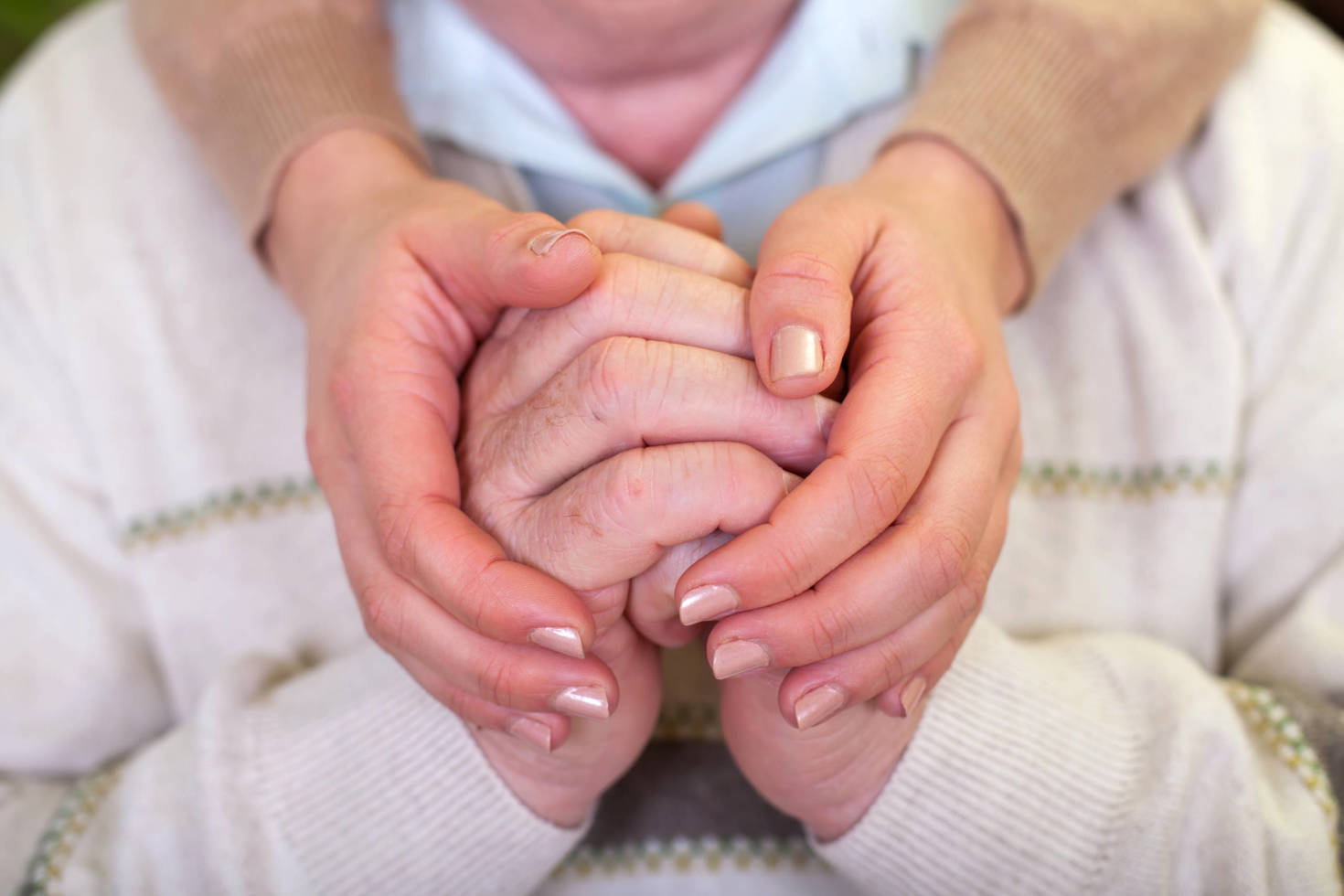
 Indicator has MET the SHIP target value.
 Indicator has NOT met the SHIP target, but the latest value is CLOSER TO the target value than the previous value.
 Indicator has NOT met the SHIP target, but the latest value is NO DIFFERENT than the previous value.
 Indicator has NOT met the SHIP target, but the latest value is FARTHER AWAY FROM the target value than the previous value.
 Data is currently unavailable or is “Baseline Only” data.